


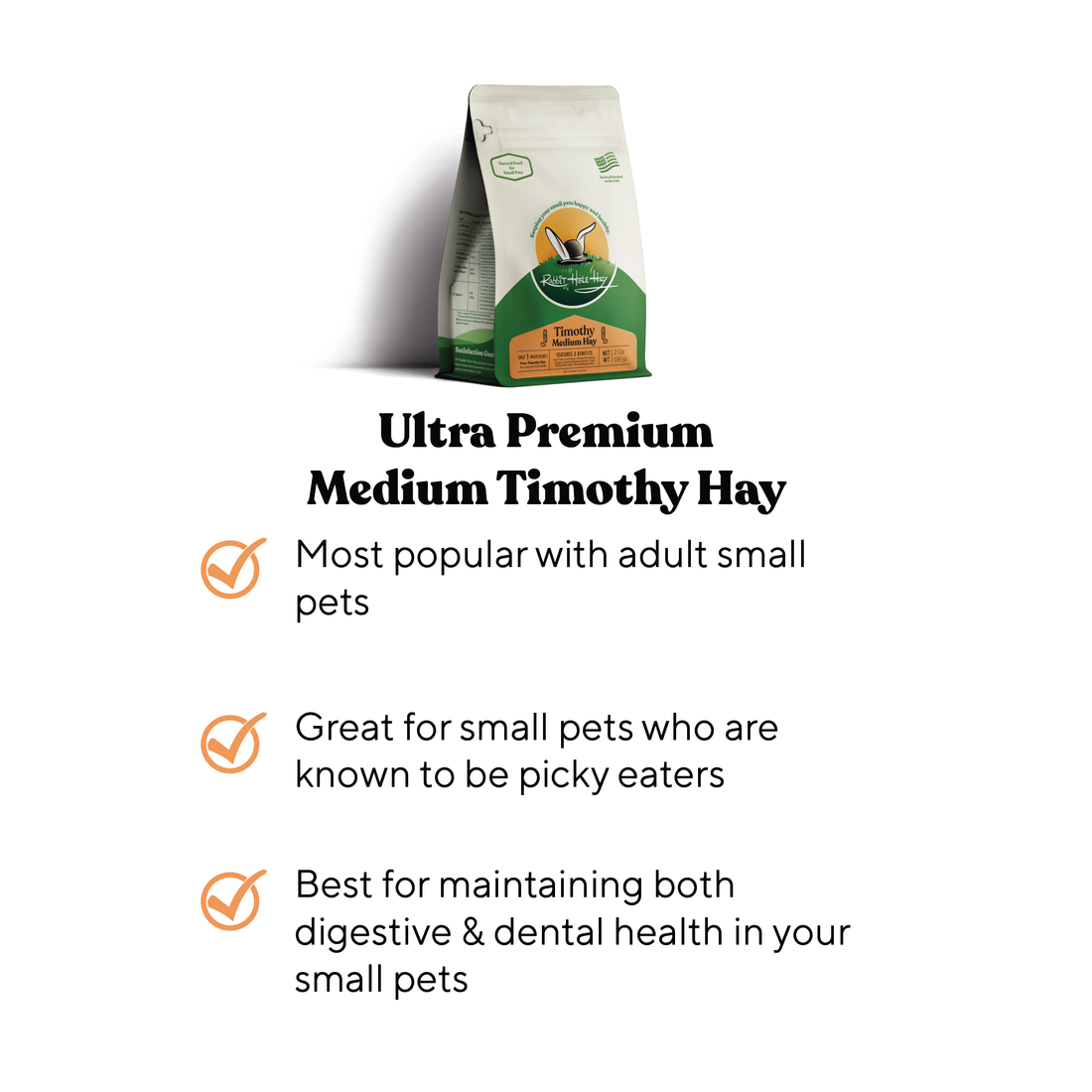

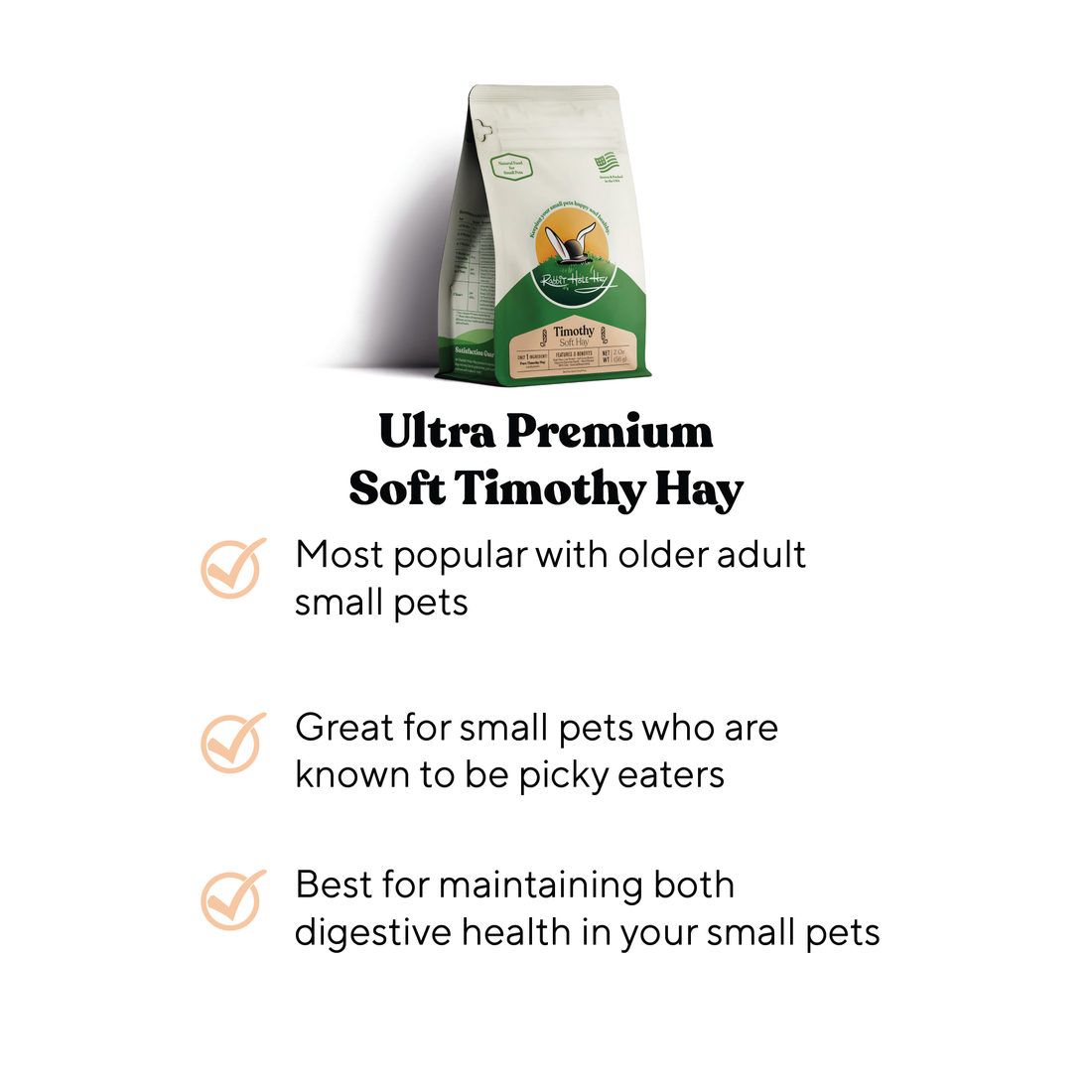

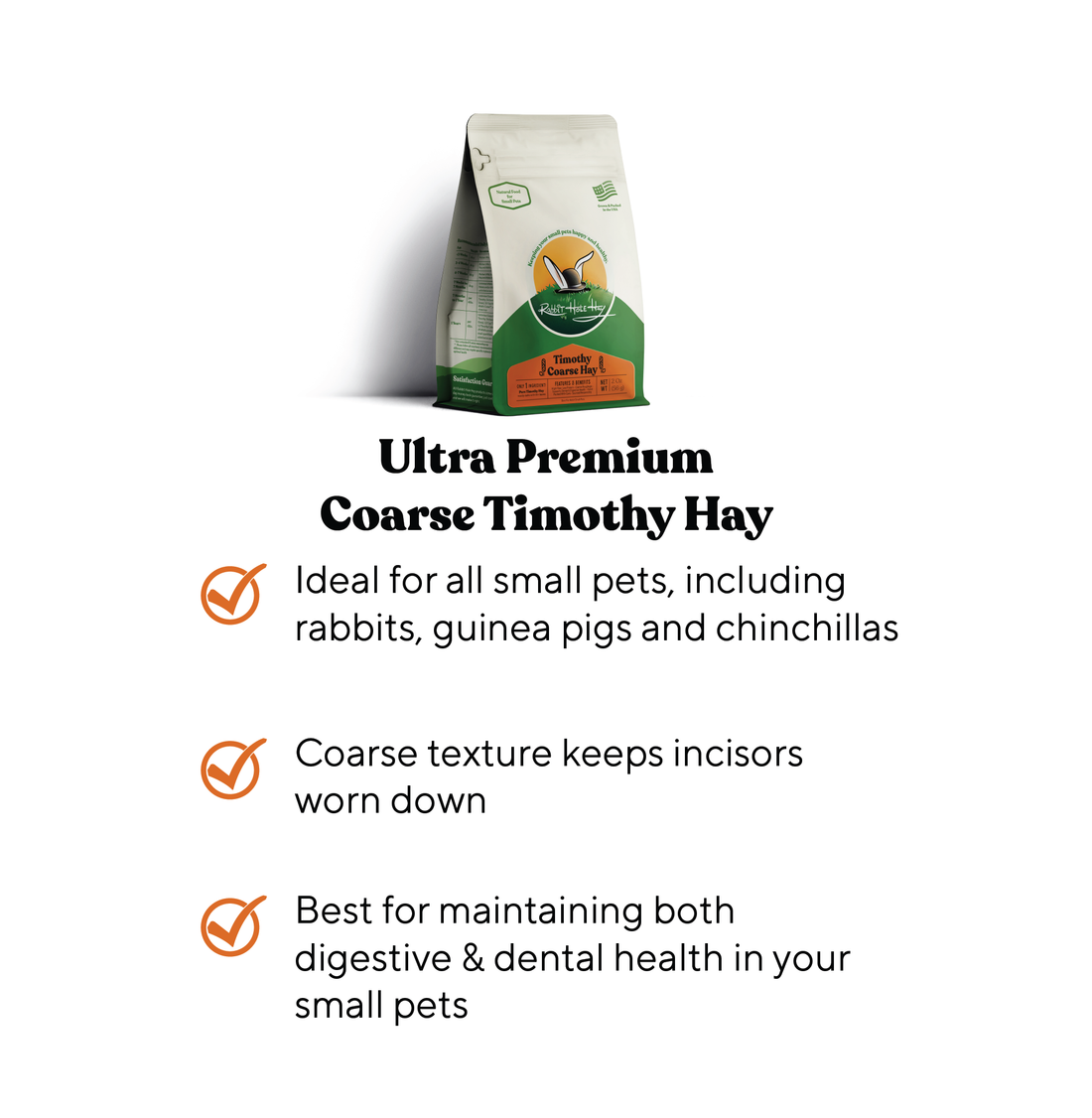

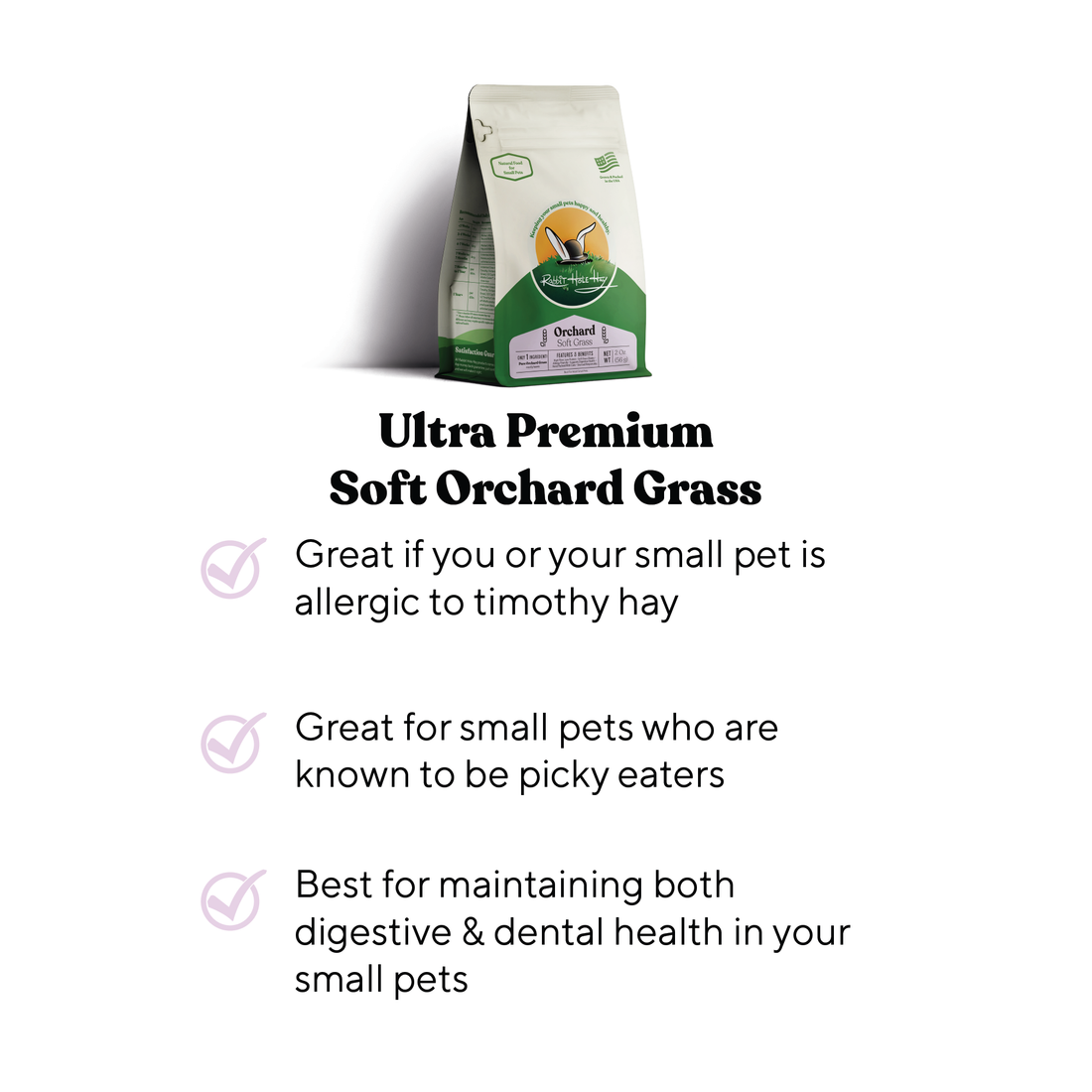

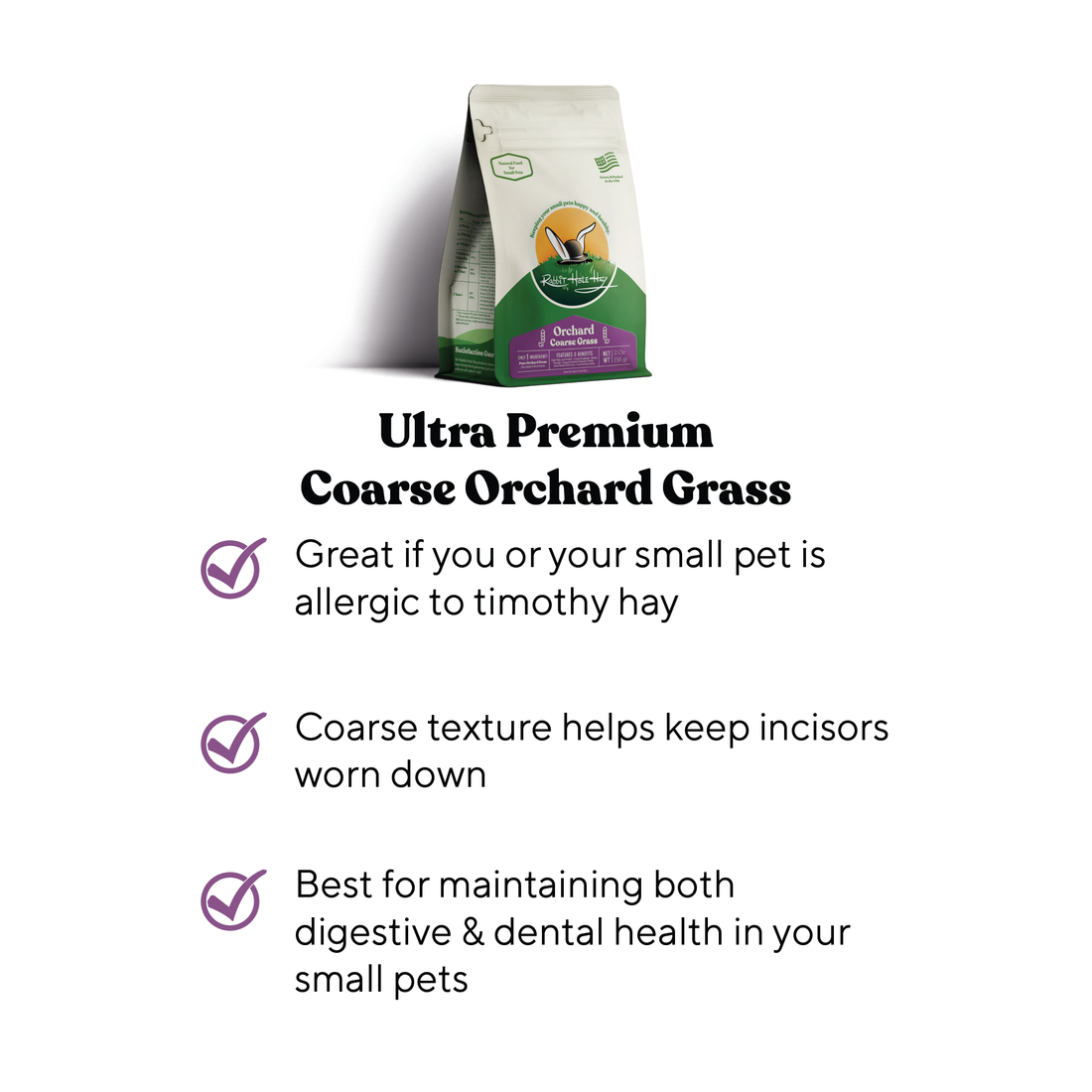

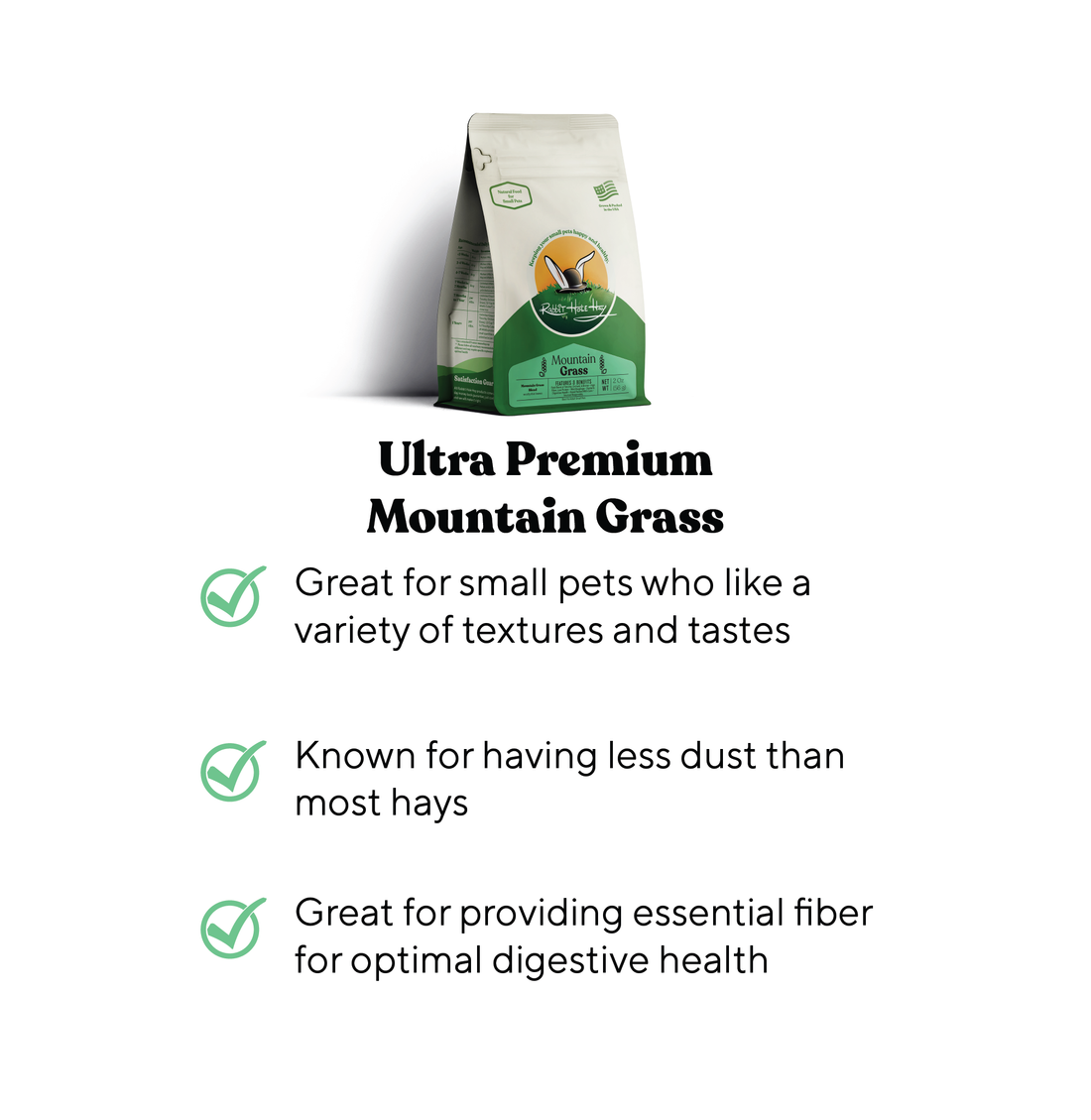

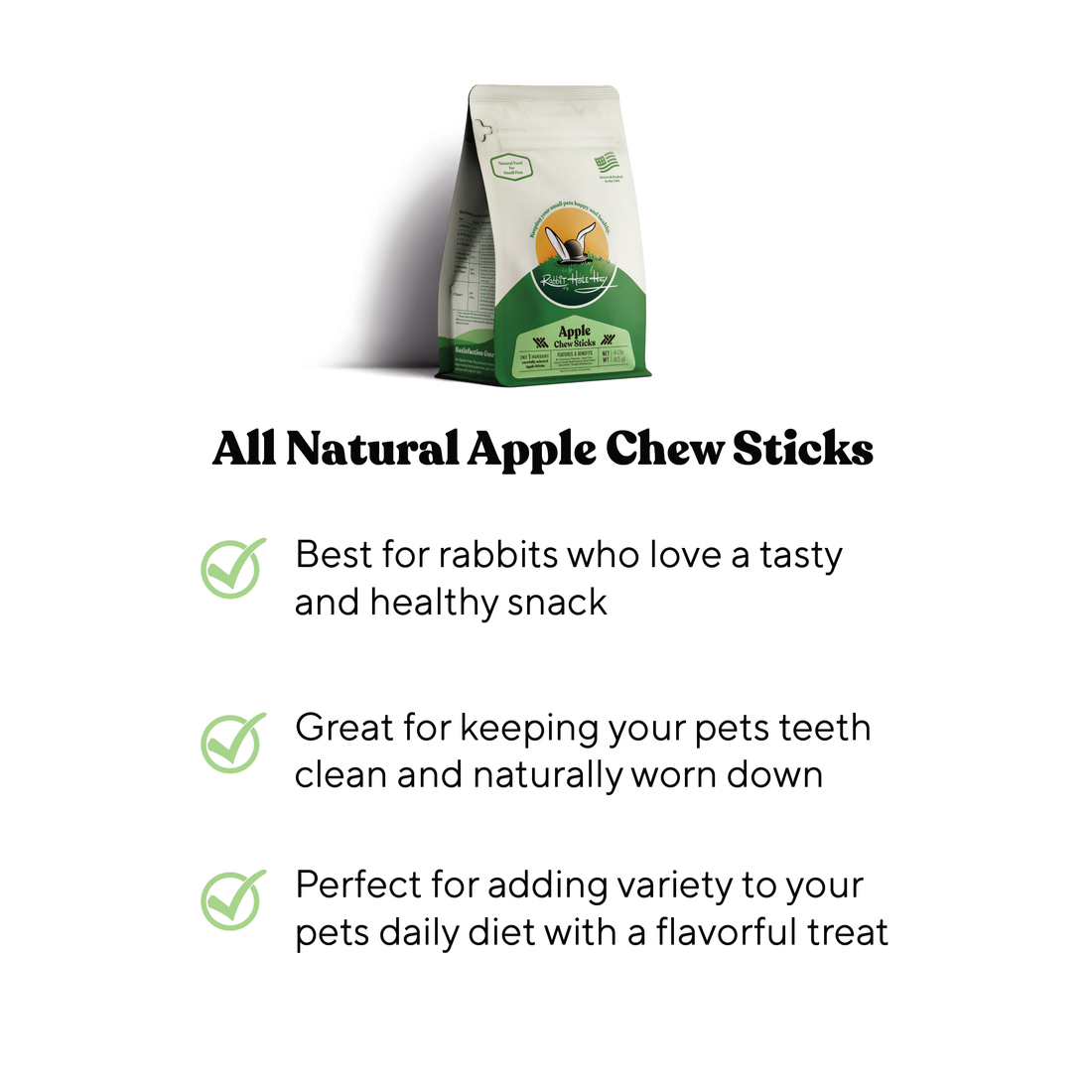


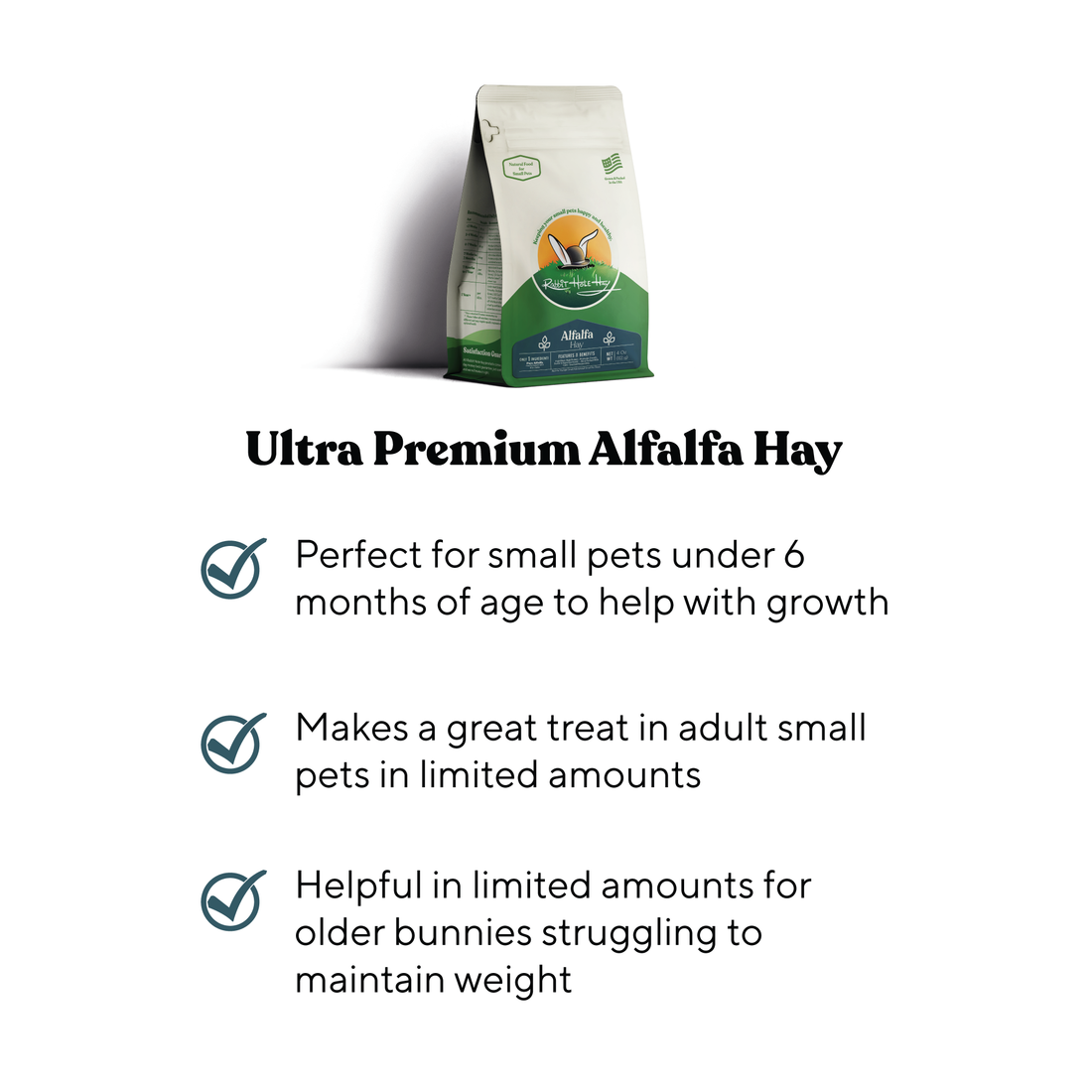
































The healthy-seeming foods to limit first are pellets, certain lettuces, carrots, fruit, and plants your rabbit might find outdoors. None of them are poison in a small serving—but piled up daily, they crowd out hay, spike sugar, or upset a sensitive gut. If you have been filling the bowl with "rabbit food" from a bag and tossing in garden scraps, you are not alone; most buns bounce back once hay leads again.
Grass hay such as timothy should still make up at least 80% of what your rabbit eats. Below, five common foods that deserve a cap—not a ban—and portion cues so treats stay treats. For broader myth-busting (unlimited pellets, cartoon carrots, rotating menus), see our four rabbit diet myths article and the hay-first nutrition guide.

Can I Feed My Rabbit Unlimited Pellets?
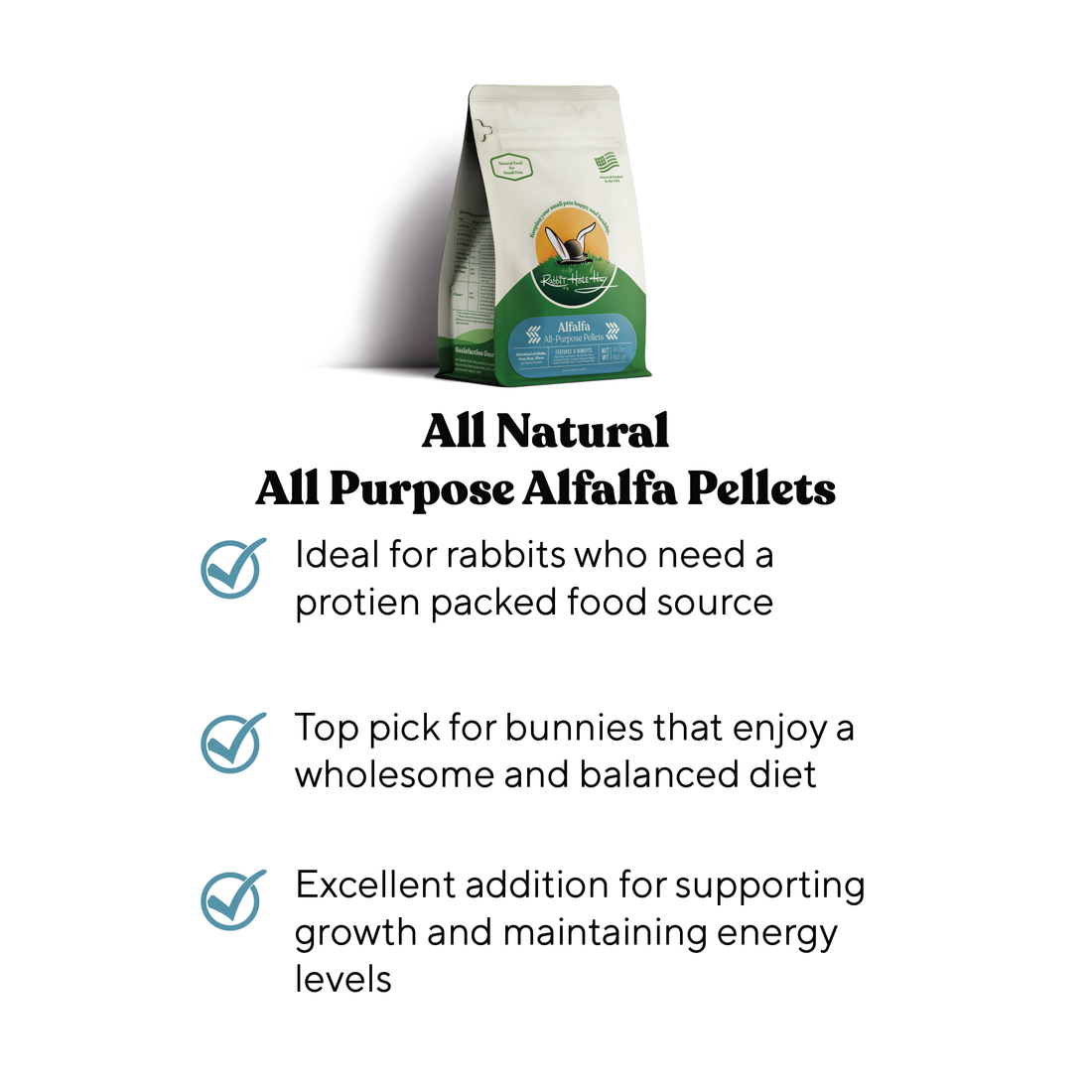
No—once a young rabbit finishes growing, pellets are a measured supplement, not the main meal. A heavy scoop every day can push weight up, slow digestion, and—this is the part owners notice first—your rabbit may start ignoring the hay rack.
Choose plain pellets with at least 18% fiber and skip mixes loaded with seeds, colored bits, or cereal fillers. Those extras add fat and salt your rabbit does not need.
Juvenile rabbits (8 weeks to 7 months): Unlimited pellets while they are growing fast.
Young adults (7 months to 1 year): About 1/2 cup per six pounds of body weight daily.
Mature rabbits (1 to 5 years): About 1/4 cup per six pounds of body weight daily.
Not sure what your bun weighs? Our Adult Rabbit Food Calculator sizes portions from weight and age. When in doubt, measure pellets and watch whether hay disappears from the rack—if the bowl always wins, cut pellets back and refresh hay.
Is Lettuce Safe for Rabbits Every Day?
Some lettuce is fine in moderation; iceberg is the one to skip. Dark leafy types like romaine bring fiber and nutrients that complement hay. Iceberg is mostly water, low in fiber, and contains lactucarium, which can loosen stools and upset digestion.

Introduce any new green slowly—a small leaf, then watch droppings for a day or two. Vegetables overall should stay around 10% of the diet; greens ride behind hay, not instead of it. Our bunny food list sorts safe fruits, vegetables, and herbs when you want specifics beyond lettuce.
RSPCA rabbit diet guidance helps when you are staring at a new leafy green and want a second opinion.
Should Carrots Be a Daily Staple?
Blame the cartoons again. Carrots are sugary root vegetables—fine as a thin slice now and then, risky as a daily staple. Too much sugar nudges weight up and asks teeth built for grinding hay to crunch something they were not designed to live on.
Treat carrots like dessert: a small piece on occasion, not a handful every evening. Carrot tops are the better everyday option—more leaf, less sugar, closer to wild browsing. If your rabbit begs at the fridge, redirect to hay or a measured green instead.
How Much Fruit Can Rabbits Eat?
Fruit is candy to a rabbit—delicious, easy to overfeed, and hard on the gut in big doses. Keep fruit to a small fraction of the diet (think a teaspoon-sized piece of apple or a couple of berries, not a bowl).
Safe options include melon, berries, and apple flesh with seeds and stems removed. Apple seeds carry cyanogenic compounds that are toxic to rabbits—always core and seed before serving.

House Rabbit Society fruit and vegetable lists break down safe portions when you are stocking the treat drawer.
Are Backyard Plants Safe for Rabbits?
Outdoor time is great enrichment—until your rabbit finds something toxic in the lawn or garden. Many common ornamentals and weeds are dangerous: tomato leaves, tulips, daffodils, oleander, and plenty of others.
Walk the yard before supervised play. Pull or fence off anything you cannot identify as safe, and keep buns away from freshly treated grass or unknown clippings. When you are not sure about a plant, assume no until you verify—our toxic foods guide covers common indoor and outdoor hazards.
House Rabbit Society poisonous plants list is worth bookmarking if your rabbit has regular garden access.
How Do I Keep Treats From Crowding Out Hay?
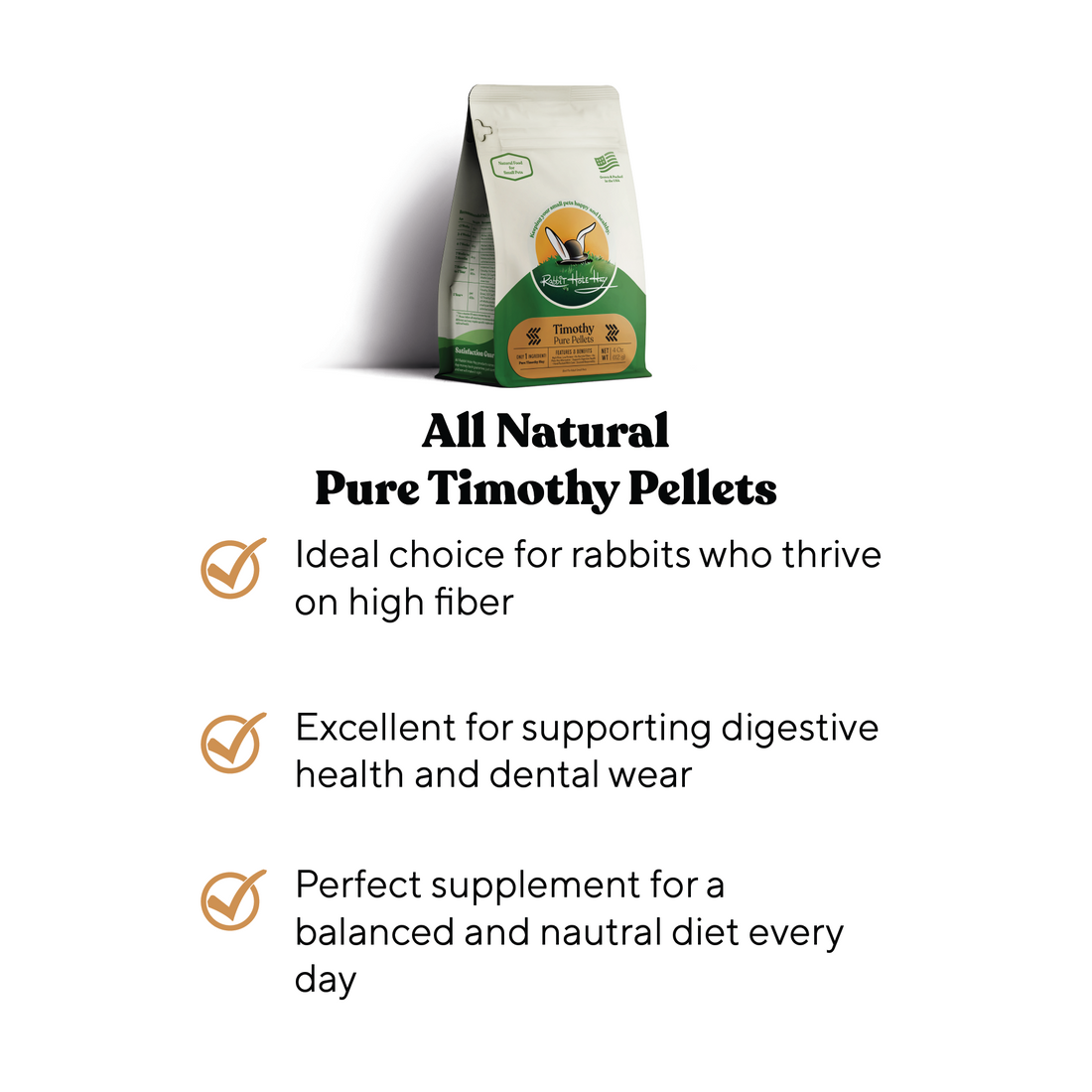
Hay is the engine—everything else rides behind it. Fill the rack first, measure pellets and greens, and treat carrots, fruit, and garden finds as occasional extras. If your rabbit turns up their nose at hay after a treat-heavy week, that is your cue to simplify.
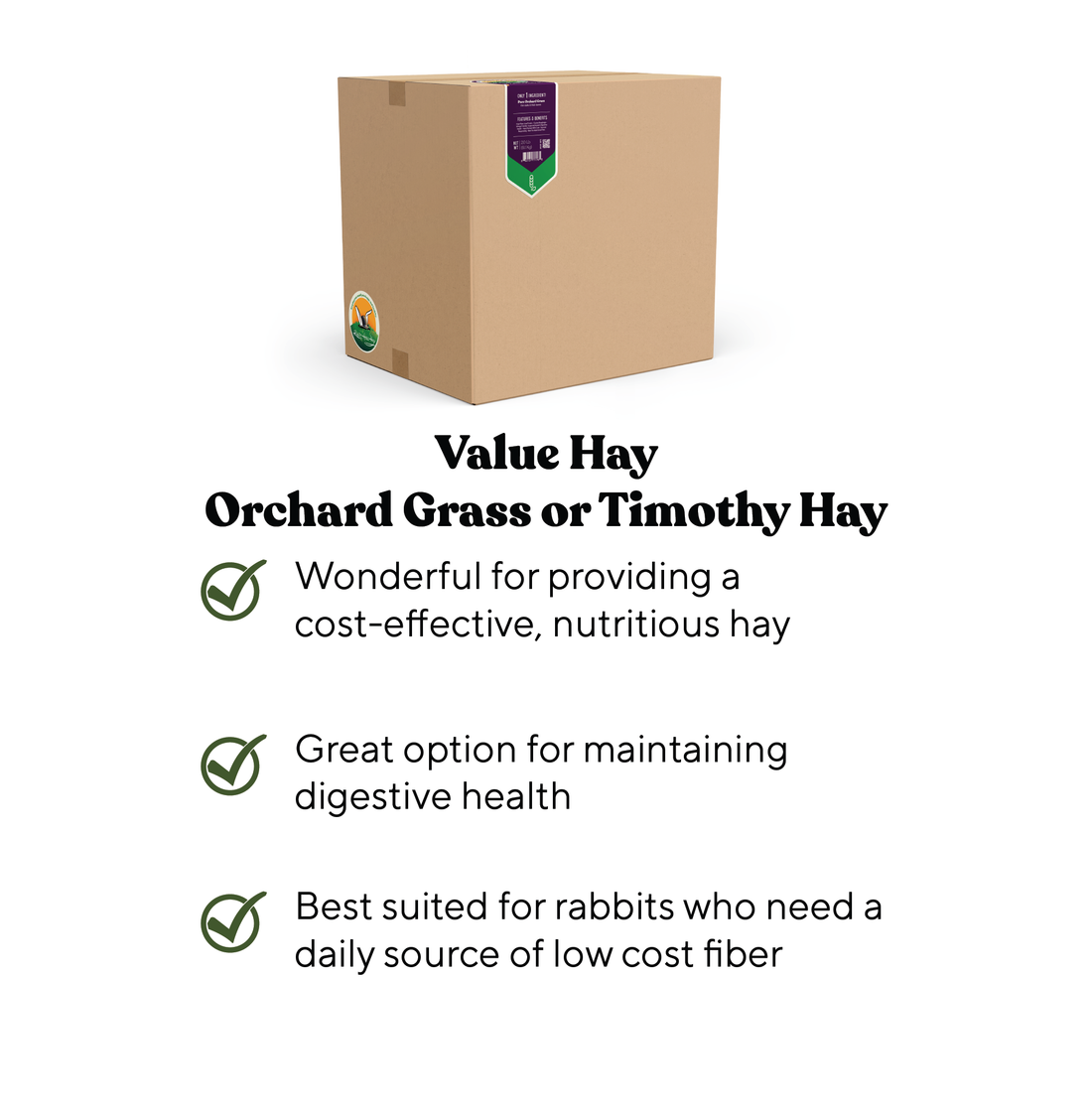
When you restock, fresh hay delivered beats a dusty bag that has been sitting on a shelf. If the rack keeps losing to the treat bowl, simplify for a week—most buns remember hay is the main event once the extras shrink.
Download our free Hay Is for Rabbits guide for hay types, portions, and setup that match how rabbits actually eat.




Comments