

































































Your rabbit chews cardboard and other household items because chewing is mandatory maintenance, not a personality flaw. Their teeth grow for life, so they grind on whatever texture is handy—boxes, chair legs, remote corners, and the packaging you just carried in. Curiosity and boredom push them toward shreddable stuff first. You are not raising a tiny vandal. You are living with a mouth that needs a job.
Expect a mix of why rabbit chewing habits show up on cardboard and furniture, how carpet and baseboard chewing fits the same story, and what to swap in so your floors survive.

Why Does My Rabbit Chew Cardboard and Household Items?
Cardboard wins because it tears in layers. To a rabbit, that feels a lot like digging and foraging at once. Clean, plain boxes without tape, glue, or heavy ink are popular enrichment for many house rabbits, which is why the same bun who ignores a toy can spend an hour turning an Amazon box into confetti.
Household wood, plastic edges, and fabric get the same treatment when they sit in the free-roam path. Rabbits explore with their mouths the way dogs sniff. If the object is within reach and interesting, it becomes a chew target before you finish saying “leave it.”
That does not mean every nibble is safe. Tape, staples, foam, painted wood, and dyed wrapping can turn a normal urge into an emergency. For the line between “okay shredding” and “stop eating that box,” use our guide on how to stop a rabbit from eating cardboard.
Is Chewing Always About Teeth?
Teeth are the constant. Rabbit incisors and cheek teeth grow continuously, so rough plant fiber—especially unlimited grass hay—keeps them worn down. When hay is scarce or the pen is dull, rabbits still need that motion, and your baseboard becomes the backup chew.
Mood and space matter too. A bunny left alone for long stretches, stuck in a small cage, or rattled by guests often chews harder. Loneliness and leftover energy look a lot like “sudden destruction” when you walk into the living room.
Hormones can turn the volume up. Intact adults, especially females nearing maturity, may chew and rearrange more. Spay or neuter timing belongs with your rabbit-savvy vet; our overview on spay and neuter care covers why behavior often softens afterward.
If chewing drops off and your rabbit also stops eating hay, looks drooly, or paw at the mouth, treat that as a dental problem, not a training win. Start with overgrown teeth signs and next steps.

Why Does My Rabbit Chew Carpet and Baseboards?
Carpet seams and painted trim invite a different job: digging and marking. Soft fibers lift like tunnel starters. Wood trim holds scent from chin glands. The mouth is still involved, but the brain is often thinking “burrow” or “this corner is mine,” not “file my molars.”
That is why yelling at the rug rarely works. You need an allowed dig spot, mats over seams, and barriers on the trim they already love. For step-by-step carpet and baseboard fixes, use our guide on why rabbits chew carpet and baseboards.
How Do I Redirect Chewing Without Punishment?
Punishment teaches your rabbit to hide the hobby, not to quit chewing. Swap the target while the urge is still running.
Interrupt gently. Clap once, say a calm “no,” or place a hand near the forbidden item, then hand them a chew stick or push a cardboard dig box into their path.
Make the wrong thing boring. Block cords, cover baseboards, and close doors to rooms you have not proofed yet. Use our rabbit-proofing checklist so freedom does not equal a renovation bill.
Stock a chewing zone. Keep hay, apple sticks, woven mats, and a plain box in the places they already loiter. Convenience wins.
Add motion and company. Daily free-roam time and, when it fits your household, a carefully bonded friend cuts boredom chewing. Read more body-language context in understanding rabbit behavior.

Which Hay and Chews Actually Help?
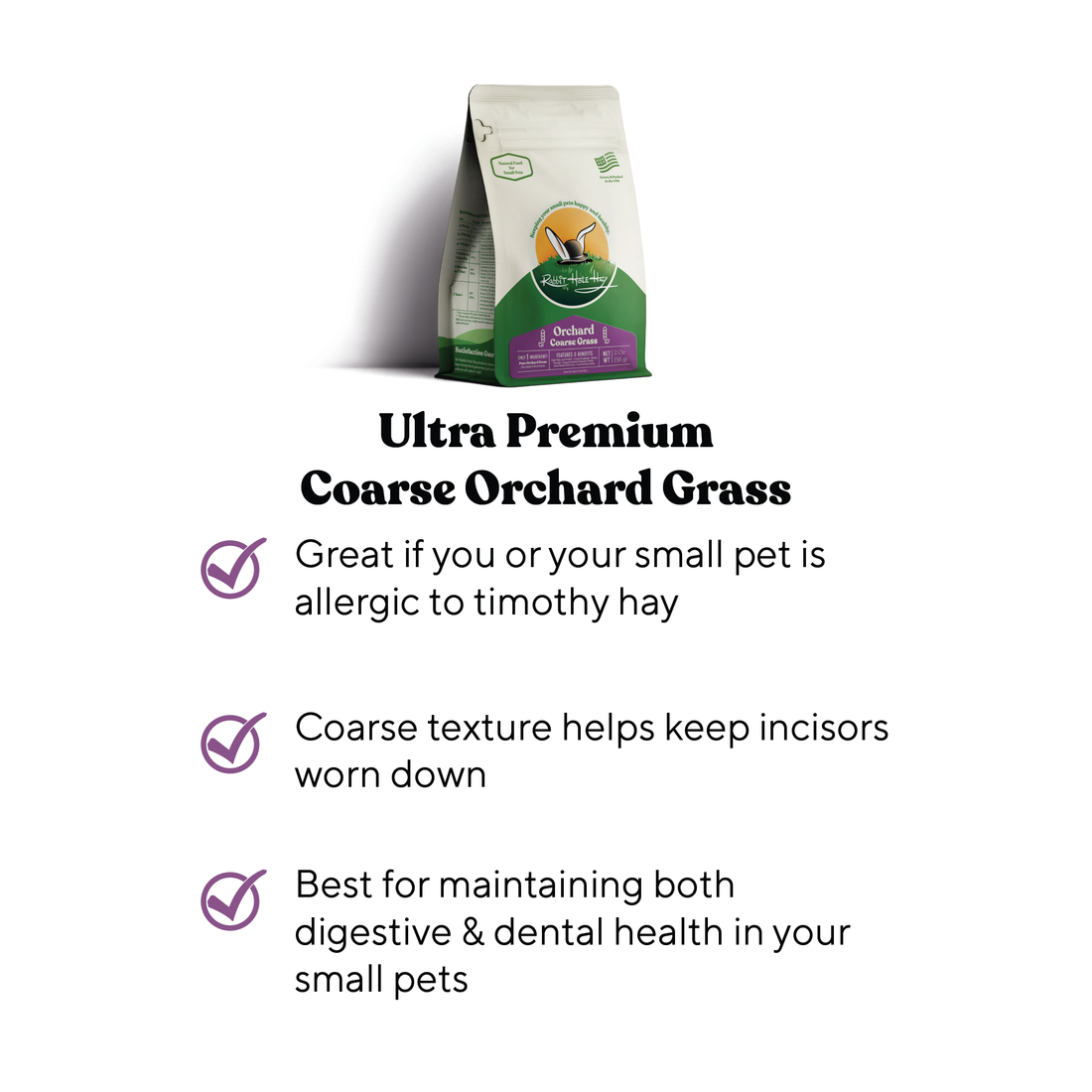
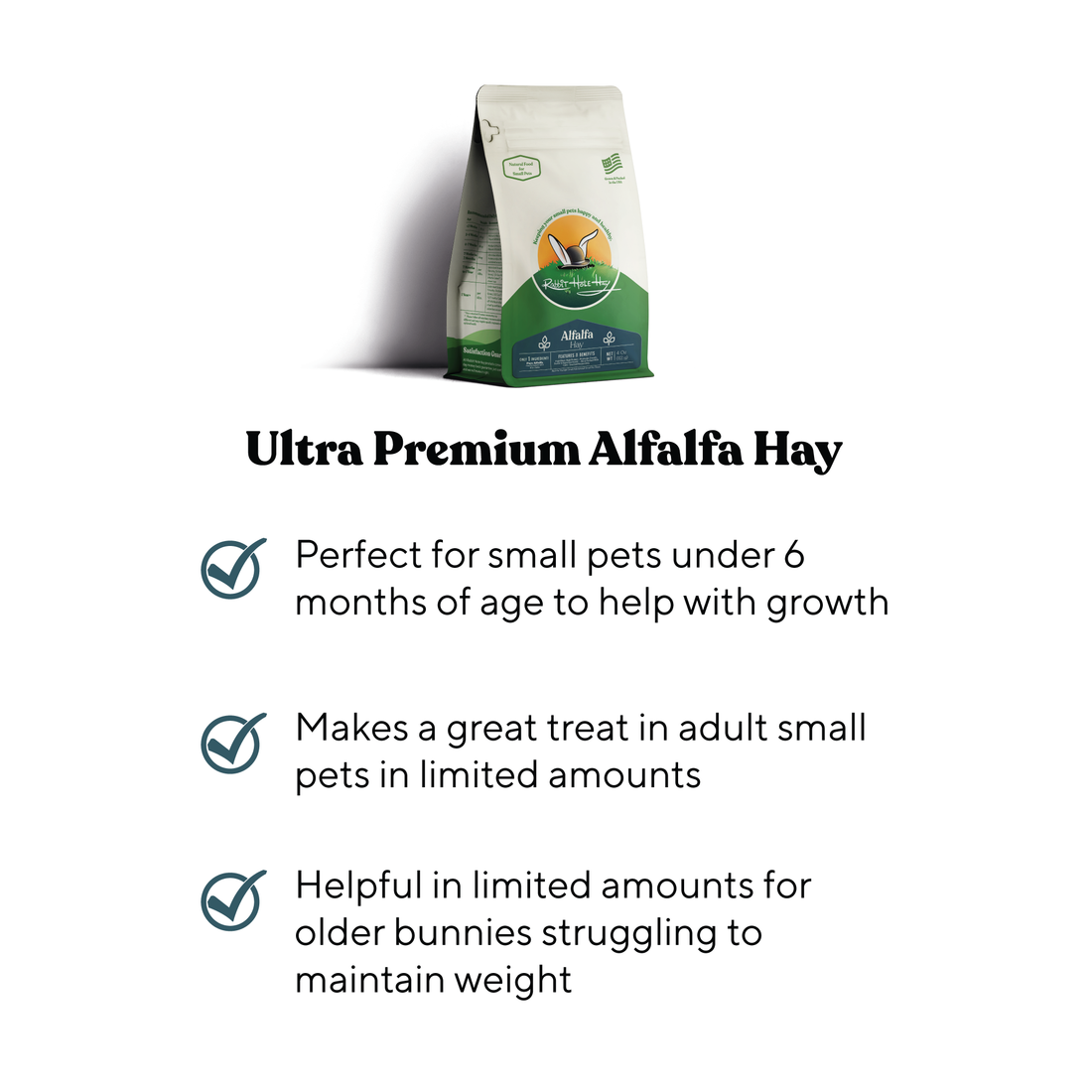
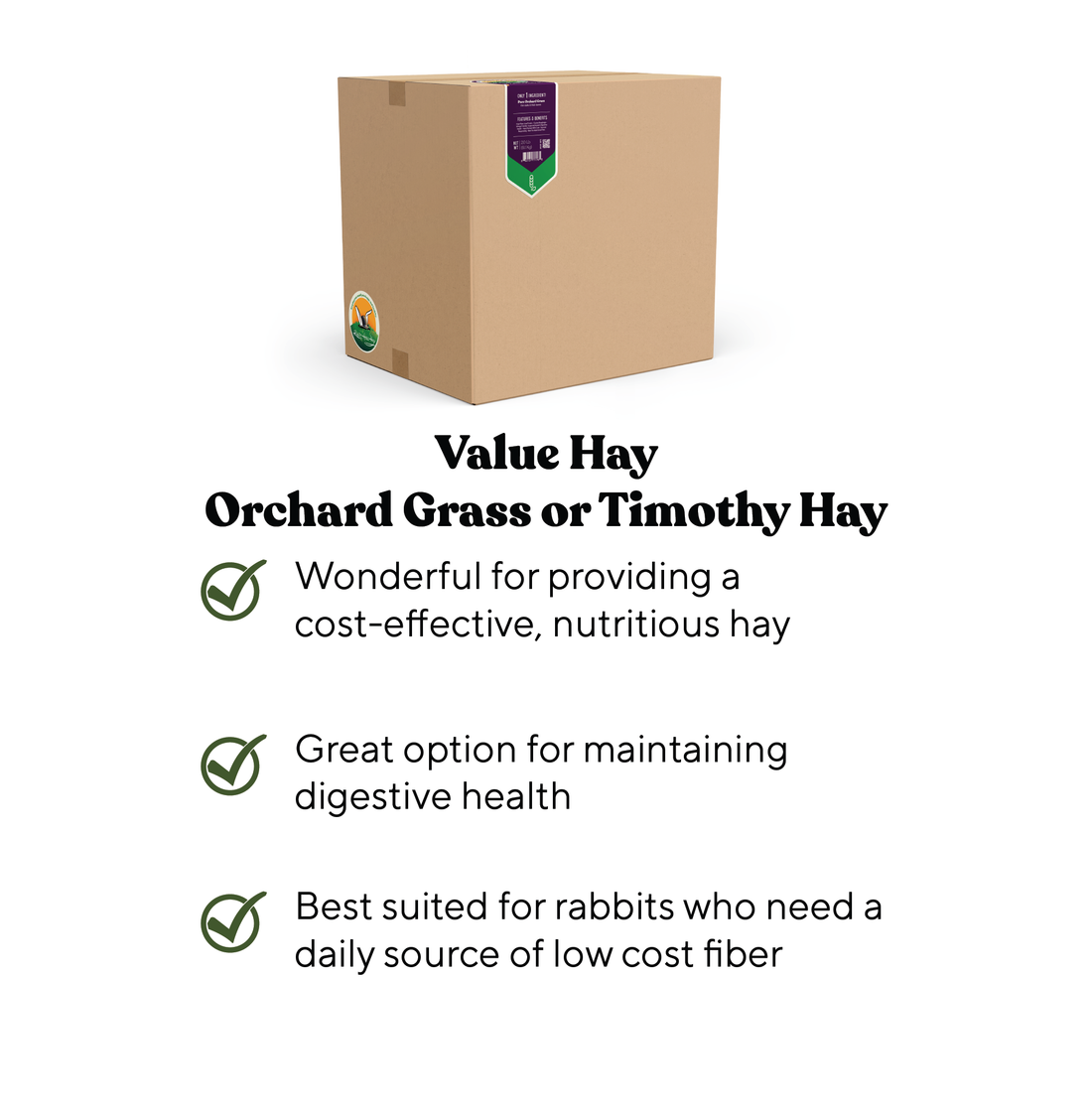
Hay does the heavy lifting. Unlimited grass hay—Timothy, orchard, or meadow—gives hours of grind and gut work. Coarse cuts are especially useful when your rabbit treats furniture like a buffet; try coarse Timothy hay or coarse orchard grass in a pile they can wreck.
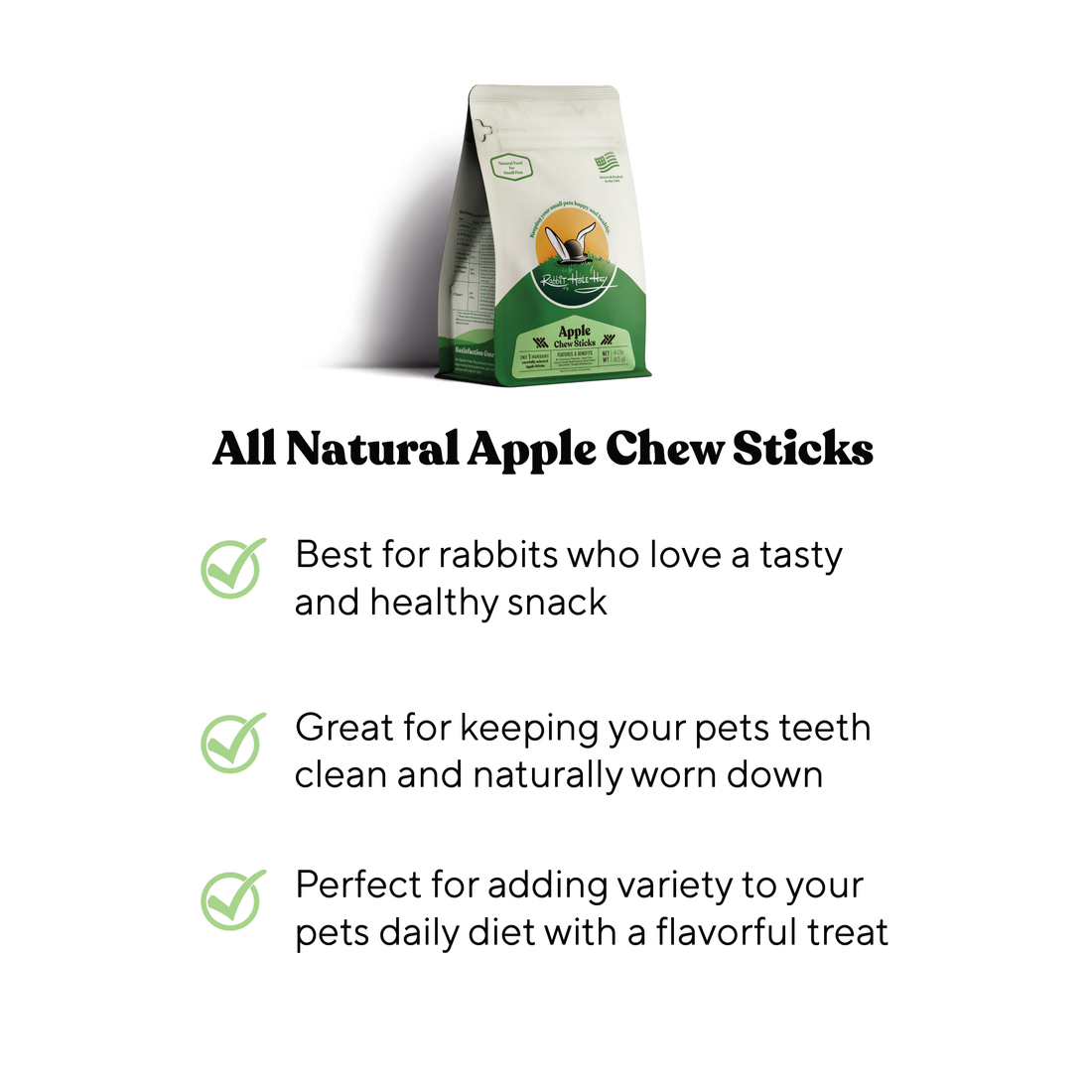
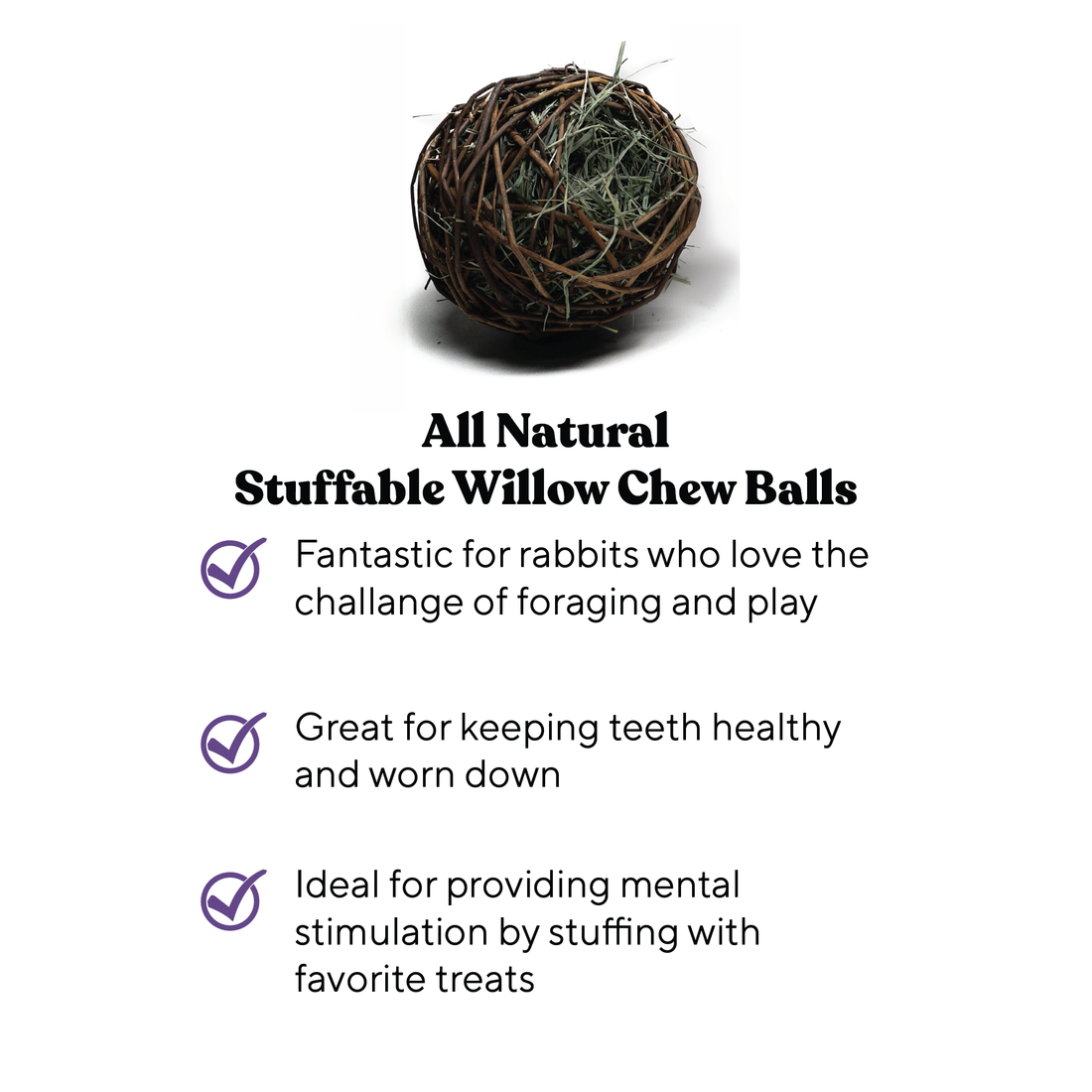
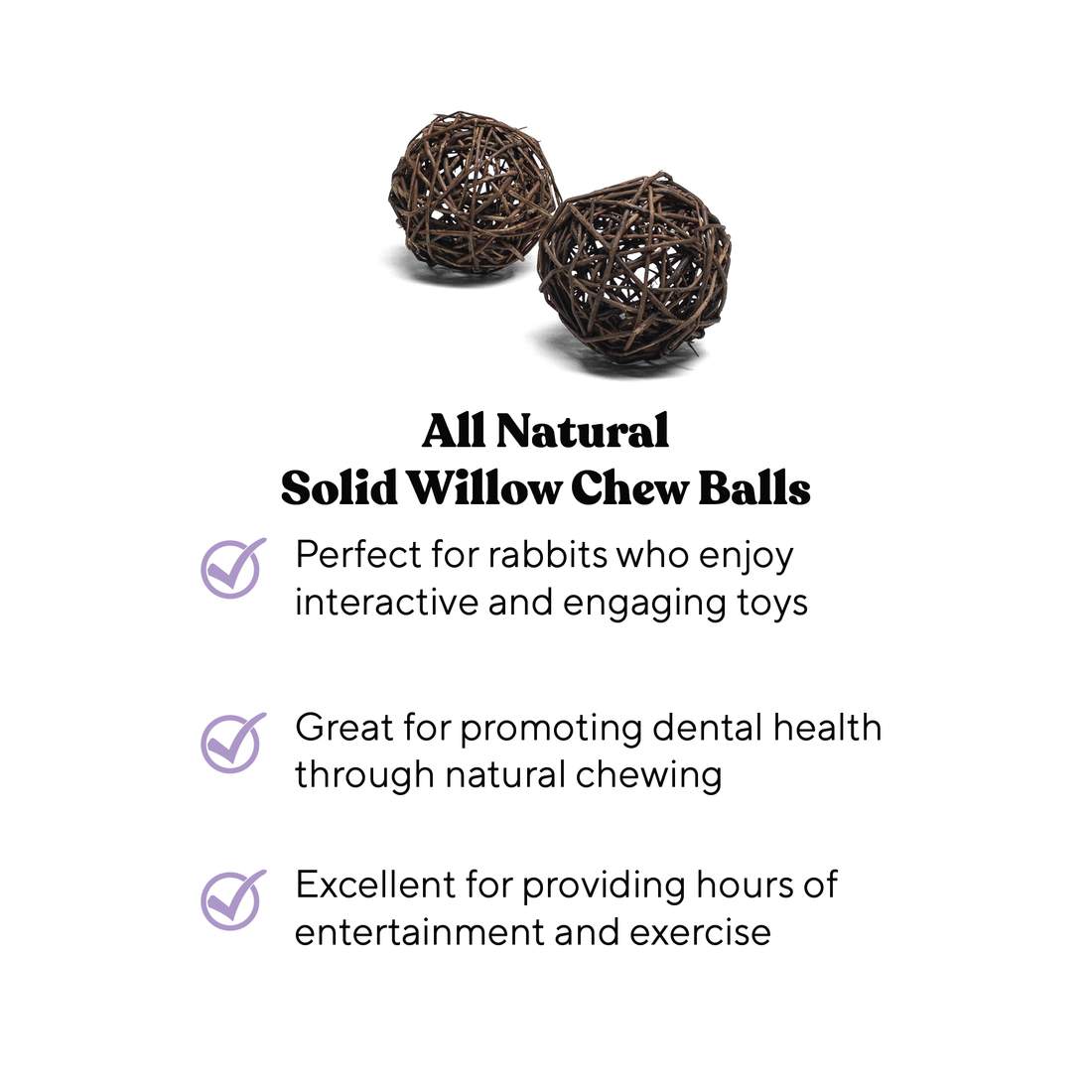
Layer safe chews on top: untreated apple sticks, seagrass mats, willow, and plain cardboard tubes. Rotate what sits in the pen so yesterday’s favorite does not become wallpaper. Browse options in our chews and toys collection when you need a quick restock.
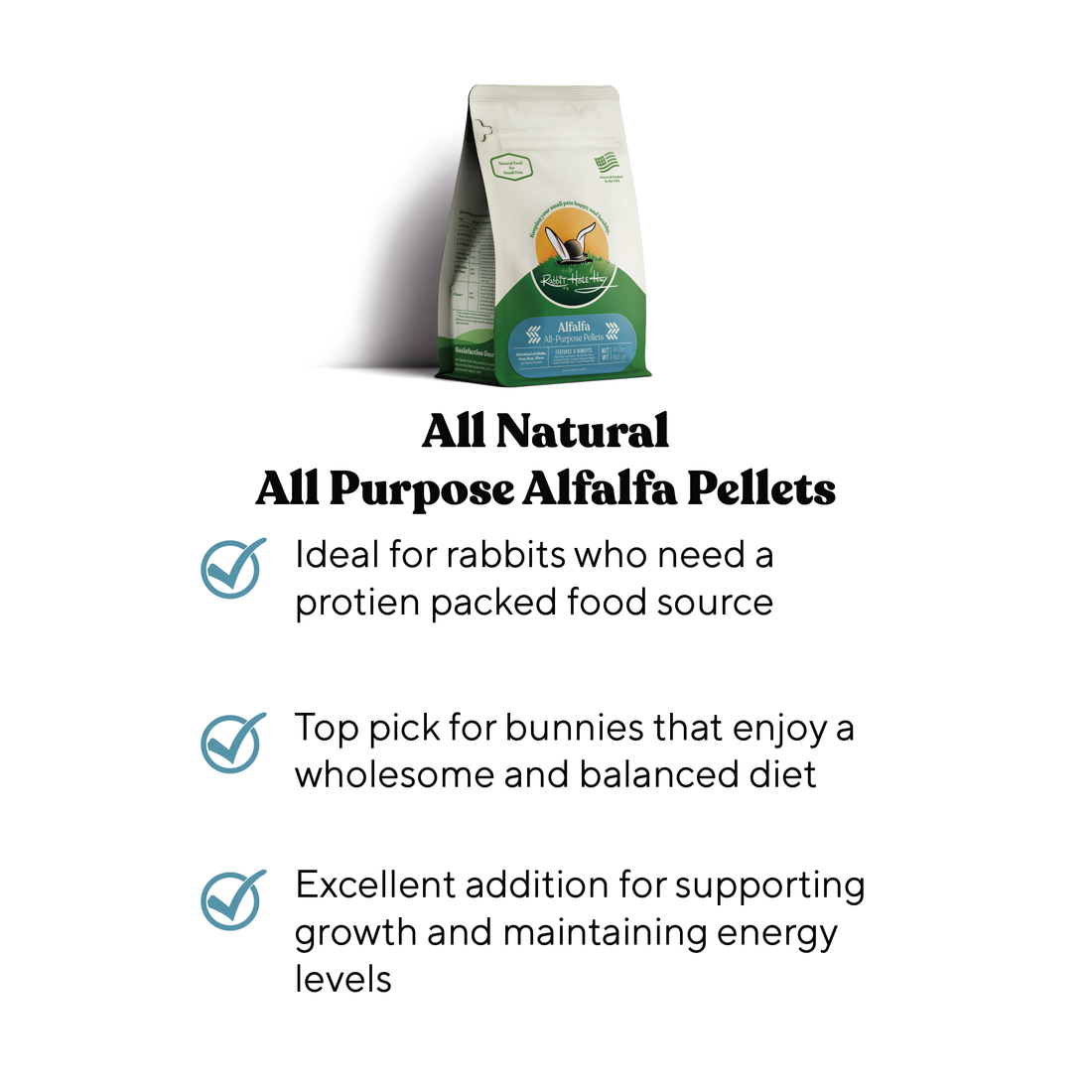
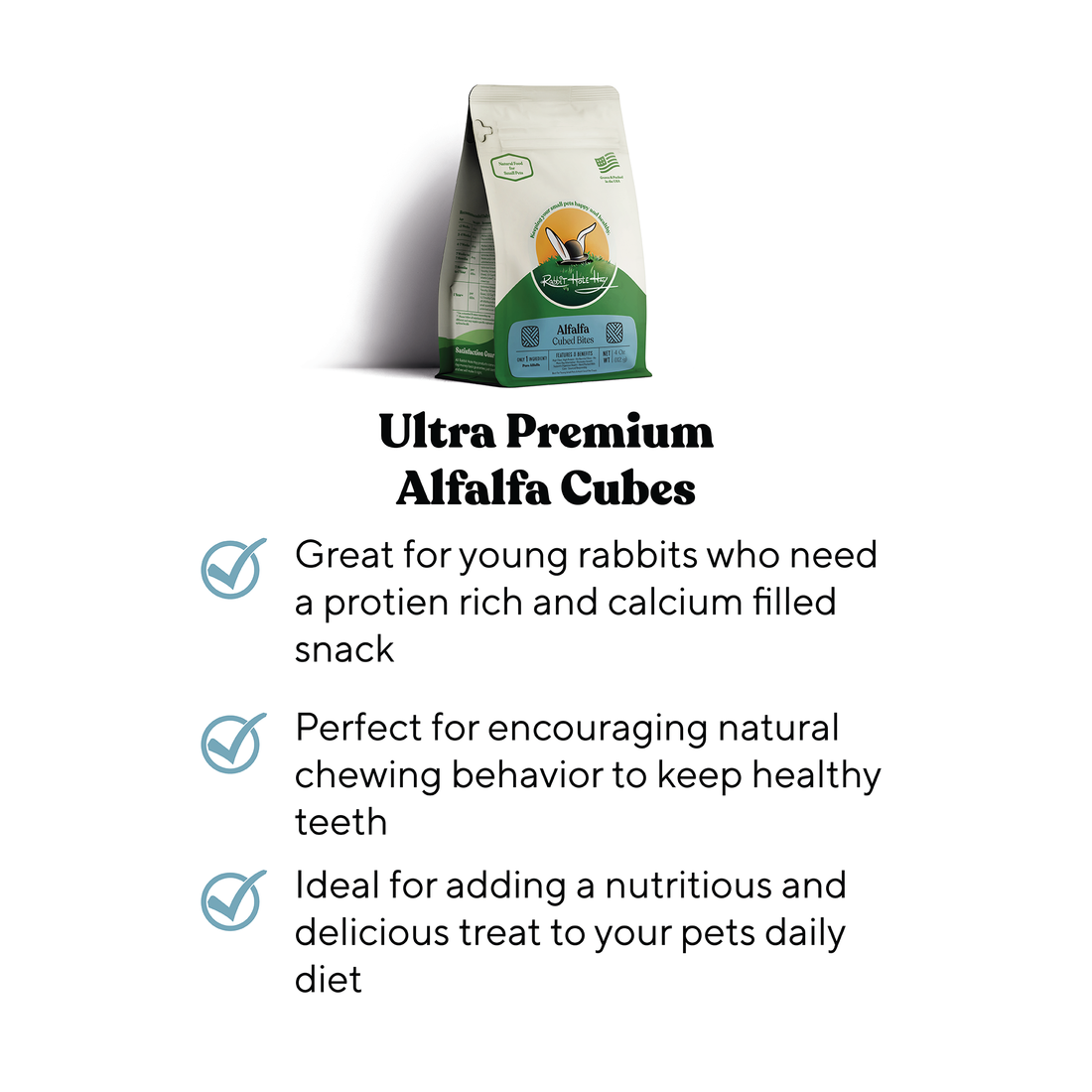
Pellets and treats do not replace chewing time. Keep them measured so hay stays the main event. For a plain diet map, use our free guide to understanding your rabbit’s diet.
When Is Household Chewing a Safety Problem?
Some targets are not “annoying”—they are dangerous. Electrical cords, phone chargers, and lamp wires can burn or kill. Hide or sheath them before free roam; our cord-proofing guide walks through rooms room by room.
Also pull foam mattress edges, plastic bags, rubber bands, and toxic houseplants out of reach. If you watch your rabbit swallow a large chunk of cardboard, tape, or plastic, call your exotic vet the same day—better a false alarm than a blockage. You are not overreacting. You are catching a bad minute before it becomes a weekend ER visit.
The House Rabbit Society chewing overview and the RSPCA rabbit behaviour advice both stress enrichment and protection over scolding. Same idea here: give the mouth legal work, then make the illegal work hard to reach.
What Changes on Holidays and Busy Guest Days?
New wrapping paper, ribbons, and foil look like enrichment to a rabbit and like a GI risk to you. Keep gifts behind a closed door until open time, or put a playpen around the tree. Human snacks that hit the floor—cookies, candy, chips—belong out of paw range.
Noise and strangers raise stress chewing too. Move the pen to a quieter room, limit handling, and practice calm safe holding if guests must pick them up.

Key Takeaways for Rabbit Chewing Habits
Cardboard and household chewing are normal mouths looking for work—teeth, curiosity, and boredom usually share the blame.
Carpet and baseboards often mix dig-and-mark instincts with chewing; give those jobs an allowed dig box and covered seams instead of a lecture.
Redirect with unlimited grass hay, rotating chews, and proofing. Skip the spray bottle—it usually teaches them to wait until you leave.
Treat cords, tape, foam, and swallowed packaging as emergencies, not quirks.
Chewing stays. The goal is aiming it. Keep hay piled high, toys in the path they already use, and doors shut on rooms that are still a construction zone. If you are still building the whole care routine, the Rabbit Starter Kit pairs checklists with the diet basics that keep those teeth busy.





Comments