











































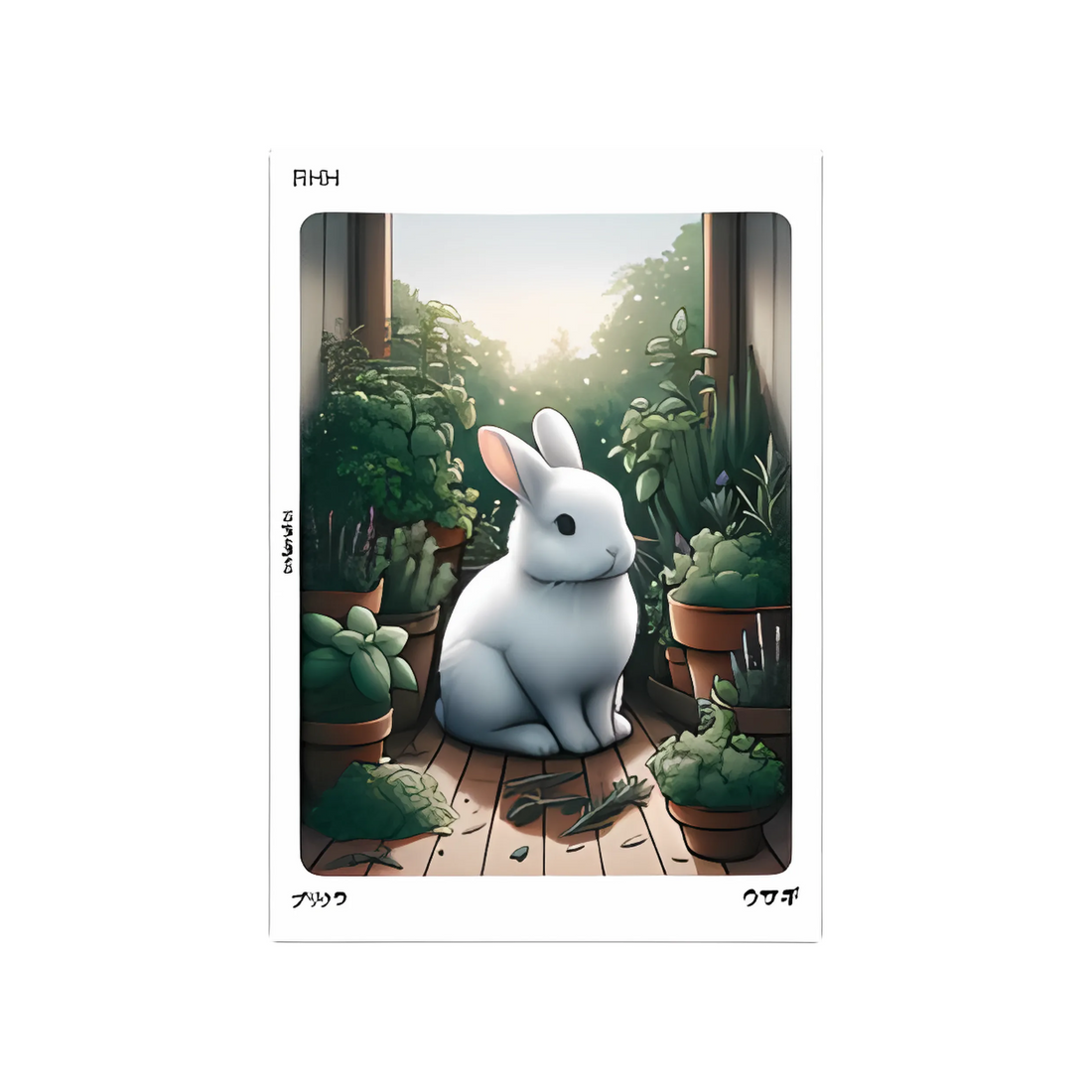









Keep holiday rabbit photos calm by shooting on the floor with natural light, skipping flash and forced holds, and ending the session the moment your rabbit looks done. You do not need a studio pose. You need a short window where they feel safe enough to loaf, sniff, or sit still for a few frames.
If your rabbit freezes, thumps, or tries to bolt, that is not a “cute fail.” It is feedback. Stop, reset, and try again later with fewer props and more space.
Expect a mix of prep timing, lighting, floor-level shooting, prop safety, costume limits, and a short editing wrap so the photo does not cost your rabbit a stressful afternoon.

How Do I Prep Without Spiking Stress Before the Shoot?
Groom early, not right before you lift the camera. Brushing, nail checks, and eye wipe-downs can leave some rabbits squirmy for a while. Give them a real buffer so their baseline calms down before the lens shows up.
Do a quick comfort check while you brush: clean ears and eyes, pick loose fur, and skip any new product they have never met. If brushing already feels like a wrestling match, read our guide on when and how to brush a rabbit gently, then schedule photo time for a quieter part of the day.
Keep the room familiar. Same pen zone, same soft mat, same person who usually feeds them. Holiday chaos in the kitchen does not need to spill into the photo corner.
What Lighting Keeps My Rabbit Calm?
Use soft daylight from a window whenever you can. Stand so the light hits your rabbit’s face from behind you, not from behind them. That even light shows eye sparkle without the hard shadows overhead bulbs leave on fur.
Turn off harsh ceiling lights if they yellow the coat or make your rabbit squint. Morning and late afternoon usually give the softest look. If the room is dim, open a curtain or add a lamp behind you and out of frame—do not chase brightness with a camera flash.
How Should I Stage Props Without Creating Chew Hazards?
Keep the backdrop simple—not a chewing buffet. Soft blankets, a simple fabric or wrapping-paper wall, and a few wrapped boxes look festive without covering every inch of floor.
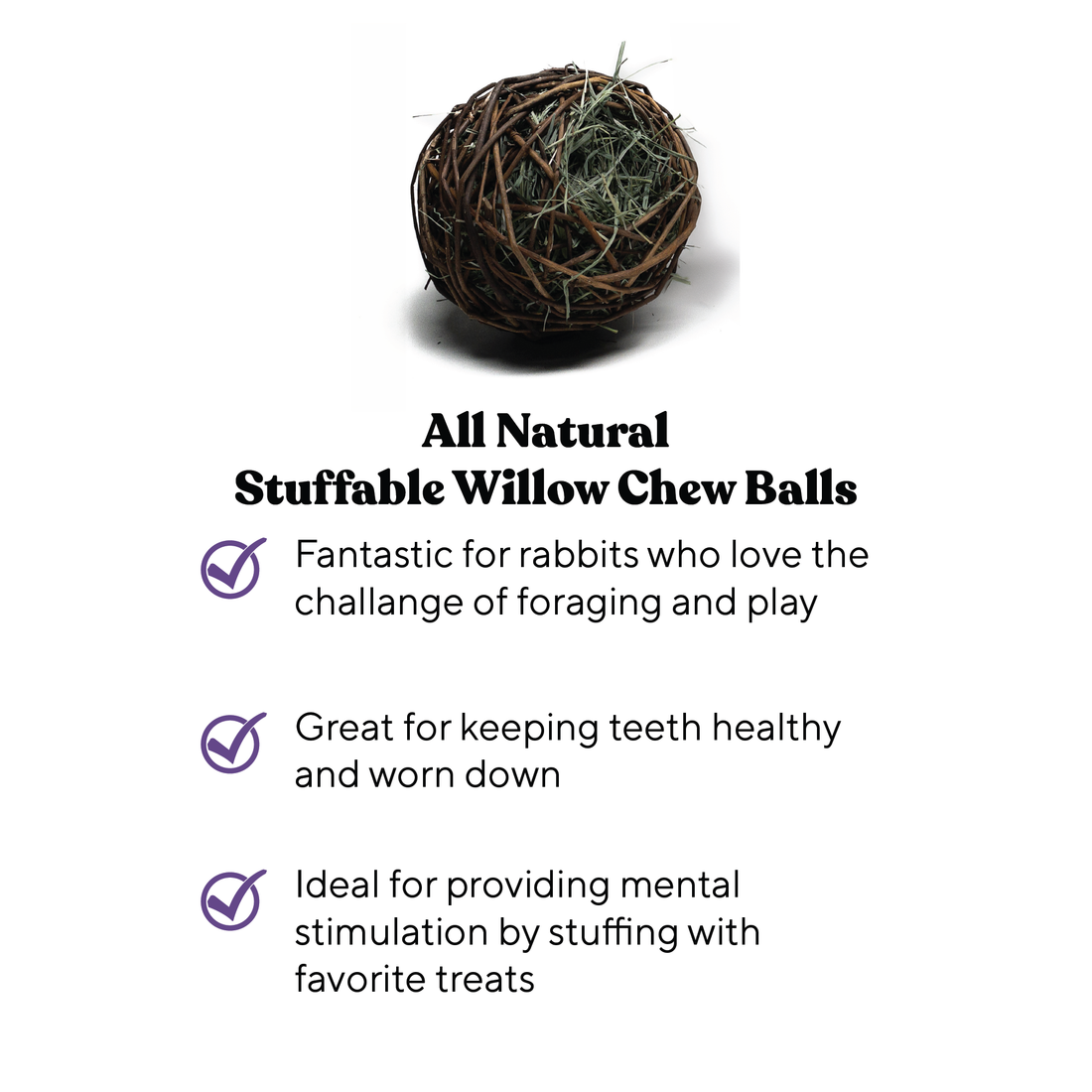
Keep tinsel, loose ribbons, plastic ornaments, pine needles, and electrical cords out of reach. Rabbits explore with their mouths. If they can reach it, assume they will test it.
Fairy lights can stay in the shot only when they are secured and unreachable. One calm setup beats a pile of props that makes your rabbit weave and nibble between frames.
Why Shoot at Floor Level Instead of Lifting Them?
Most rabbits are not fans of being picked up for a “quick pose.” A table edge plus a startled hop is how photo day turns into an ER story. Stay on the floor with them.
Lie down, sit cross-legged, or kneel so the camera meets their eyes. Lay a fleece or mat so they have traction and a place that already smells like home. For safer lifts when you truly need to move them between rooms, use the holds in our guide on how to hold a rabbit securely—then put them down again before you shoot.
Floor-level shots also look more natural. You get ears, whiskers, and that half-curious stare without holding them up off the floor.
Should I Use Flash on a Rabbit?
Skip the flash. A sudden burst can startle a prey animal, trigger a freeze-or-flee moment, and leave red-eye that no holiday filter fixes well. One flashy click can also sour them on cameras for the rest of the day.
If light is low, fix the room first: more daylight, a softer lamp behind you, or your camera’s low-light mode. Soft and even beats bright and spooky every time.
How Do I Work With Natural Behavior Instead of Forcing Poses?
Rabbits do not smile on cue. They loaf, stretch, sniff the lens, or hop just as you press the button. That is the shot. Stay ready and take more frames than you think you need—twenty or thirty is a normal start for one keeper.
Watch body language the way you would during any new setup. Soft eyes and relaxed ears mean keep going. A hard stare, flattened body, thump, or frantic circling means pause. The House Rabbit Society’s guide to reading rabbit behavior is useful when you are deciding whether to continue or pack up.

Short breaks help more than pep talks. Offer a quiet minute, a favorite toy, or a soft rustle that invites curiosity—not a squeaky toy that sounds like an alarm. If they leave the set, let them. You can rebuild the scene later.
Are Holiday Costumes Safe for Rabbits, or Too Stressful?
Most costumes are a no. Fabric that pins the legs, wraps the chest, or sits over the face can restrict movement and spike stress fast. A mini Santa hat or scarf only belongs in the frame if your rabbit already tolerates gentle handling and can shake the piece off without a struggle.
When in doubt, leave the outfit off and decorate the background instead. Pinecones out of chew reach, soft lights, or a simple mug in the corner still read “holiday” without dressing them up. For costume safety detail, see our guide on rabbit Halloween costume safety—the same rules apply to Christmas accessories.
How Do I Reward Them After Without Overdoing Treats?
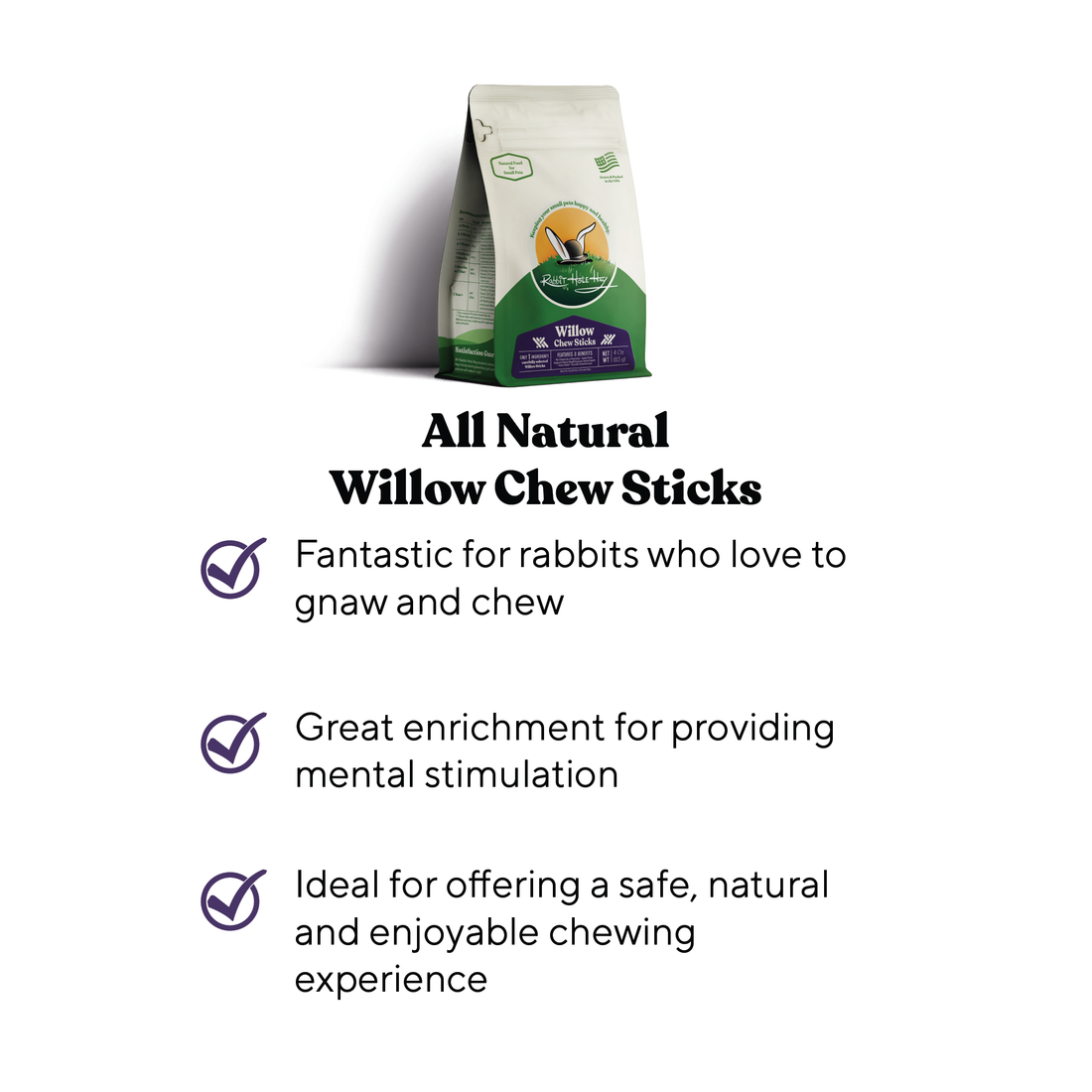
End on something good. A few bites of their regular hay, a short cheek scratch they already like, or a familiar chew stick tells them photo time can end kindly. That association matters more than a perfect head tilt.
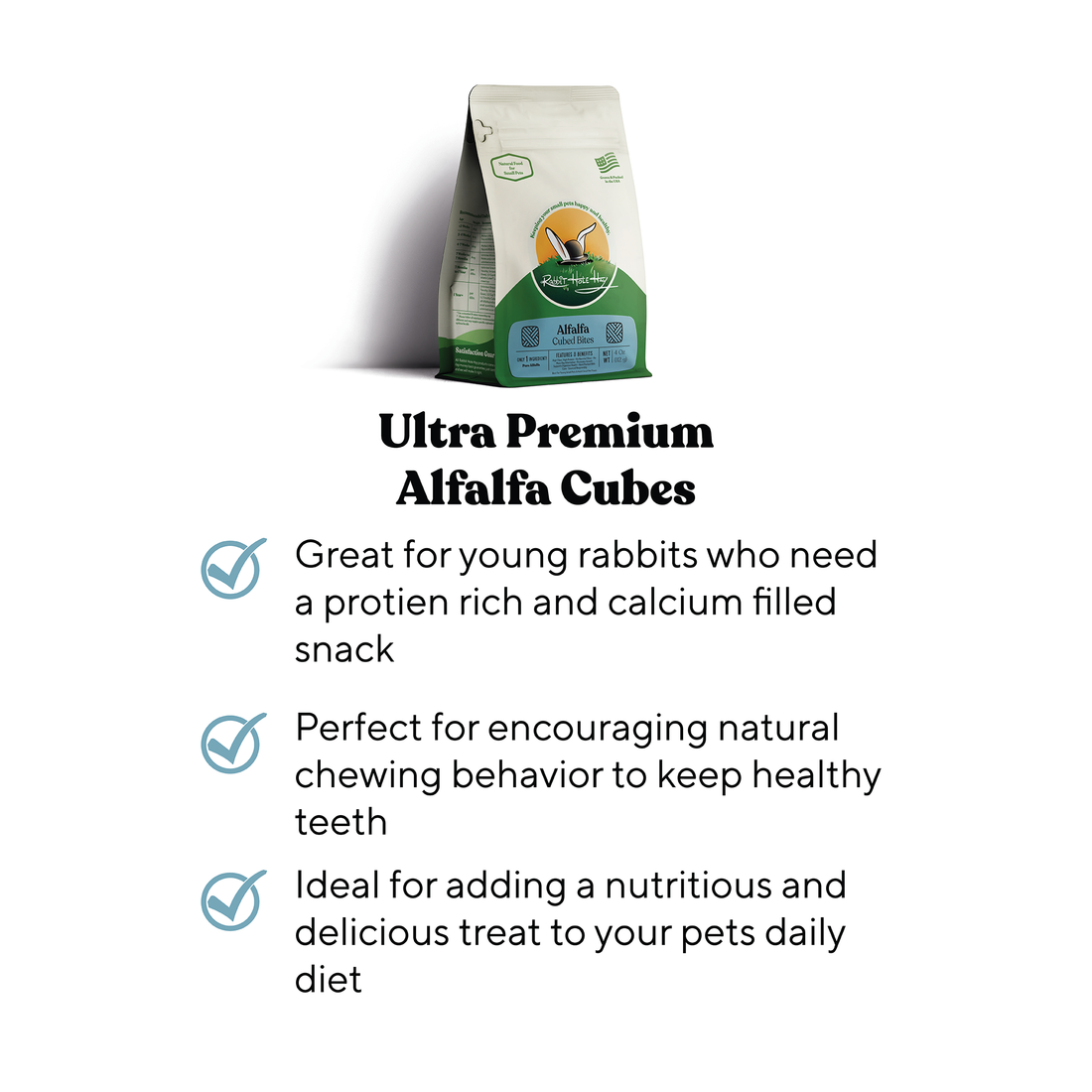
Keep fruit and sugary snacks tiny if you use them at all. Daily diet still rides on hay first; the RSPCA rabbit diet advice is a solid check when you are tempted to “pay” with a pile of banana. For everyday hay habits, see our feeding hay tips.
What Should I Keep When Editing and Sharing?
Pick frames where the eyes are clear, the light is even, and your rabbit looks like themselves—not like they were cornered. Light crops and brightness tweaks are enough. Heavy filters rarely help fur look better.
When you print cards or post online, keep the design quiet so the rabbit stays the subject. If family members or other pets join the frame, only do it when everyone already shares space calmly. Force nothing. Solo rabbit portraits are still the safer default.
For the wider daily routine—hay, housing, and handling—see our guide on how to care for a rabbit.

Key Takeaways
Stay on the floor, use soft daylight, skip flash, and stop early when stress shows.
Groom hours ahead, keep props chew-safe, and skip costumes unless your rabbit clearly accepts them.
Reward with hay and calm affection, then pick the frame that looks like your rabbit—not a forced pose.
If you want a simple seasonal add-on for the pen after the shoot, a fresh hay refill or a familiar chew from our Rabbit Starter Kit page is enough. Keep the gift useful. Keep the photo session short.





Comments