
















































Hay choices should change as a rabbit grows from young to adult: alfalfa supports kits and many nursing does with extra protein and calcium, then most healthy rabbits move to grass hay—usually Timothy—around six to seven months so fiber stays high while calories and calcium drop. The handoff is gradual, not an overnight bag swap. Mix the two for a few weeks, keep pellets modest, and watch droppings so the gut stays steady.
If your growing bun still demolishes alfalfa and snubs the new grass hay, you are not failing the diet quiz. Alfalfa tastes sweeter; rabbits notice. We will walk through baby feeding, when to start the switch, a week-by-week blend, when Timothy is not always “better,” senior tweaks, and what to do when the new pile sits untouched. For the wider hay-first picture, start with our guide to the best rabbit hay for everyday health.

What Should Young Rabbits Eat Before the Hay Switch?
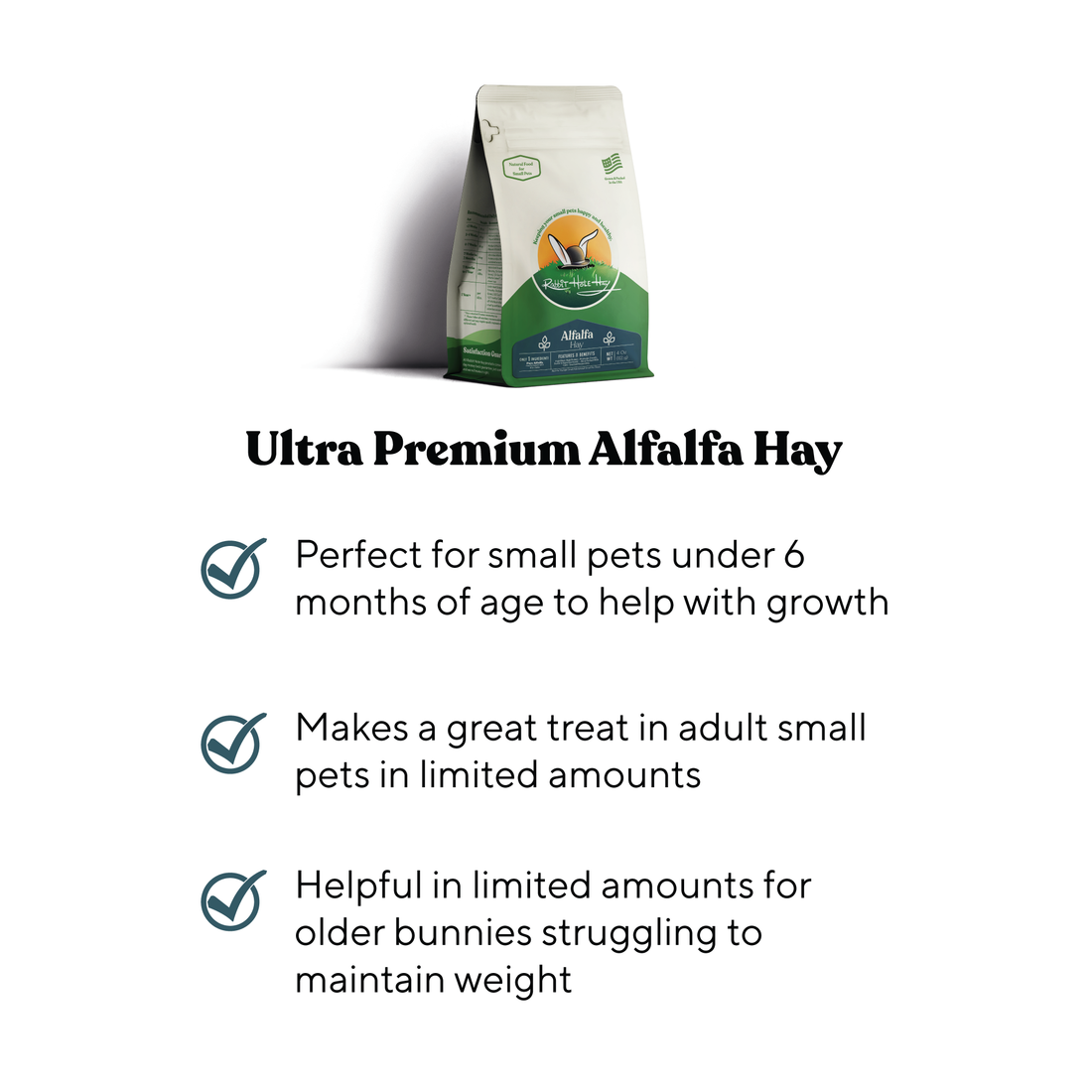
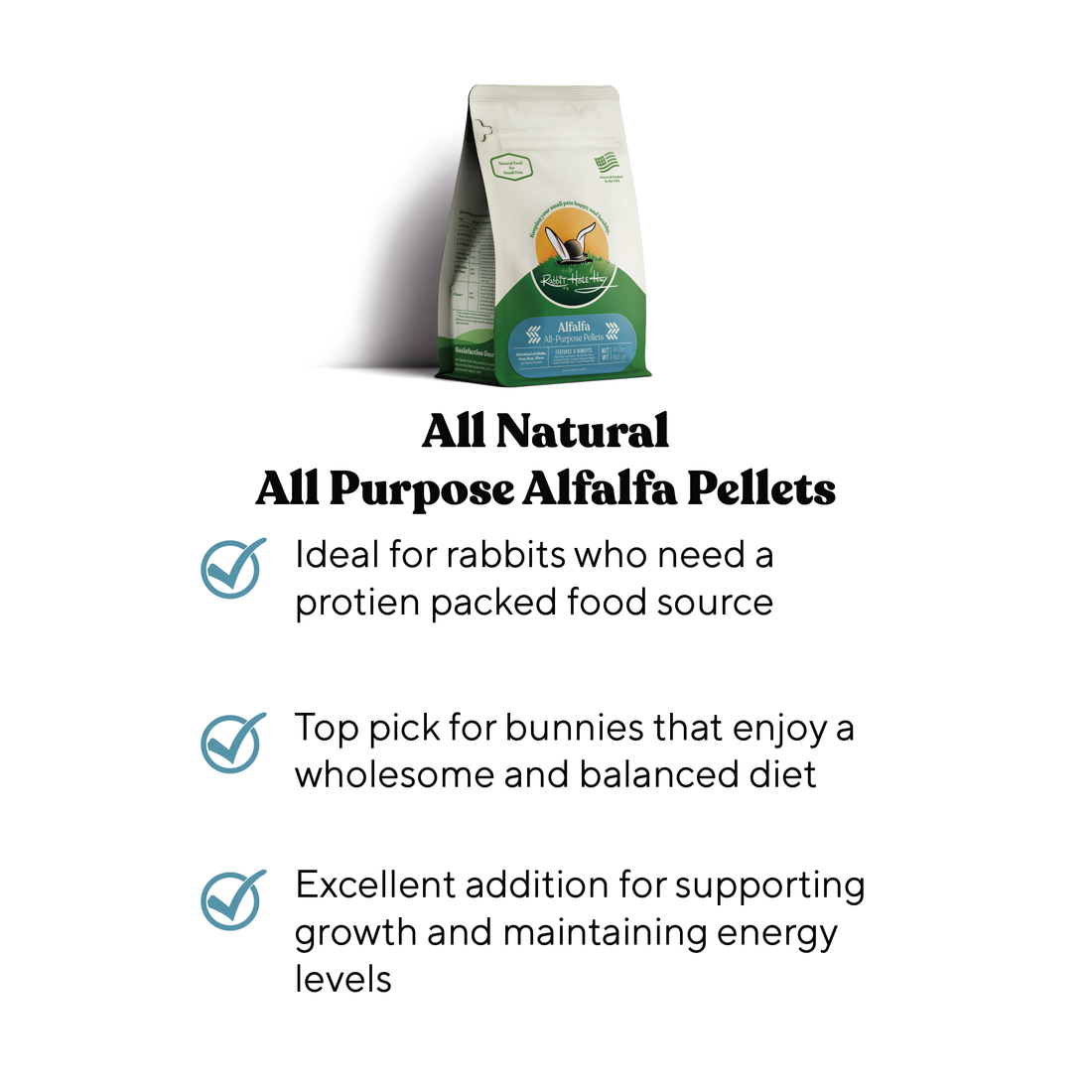
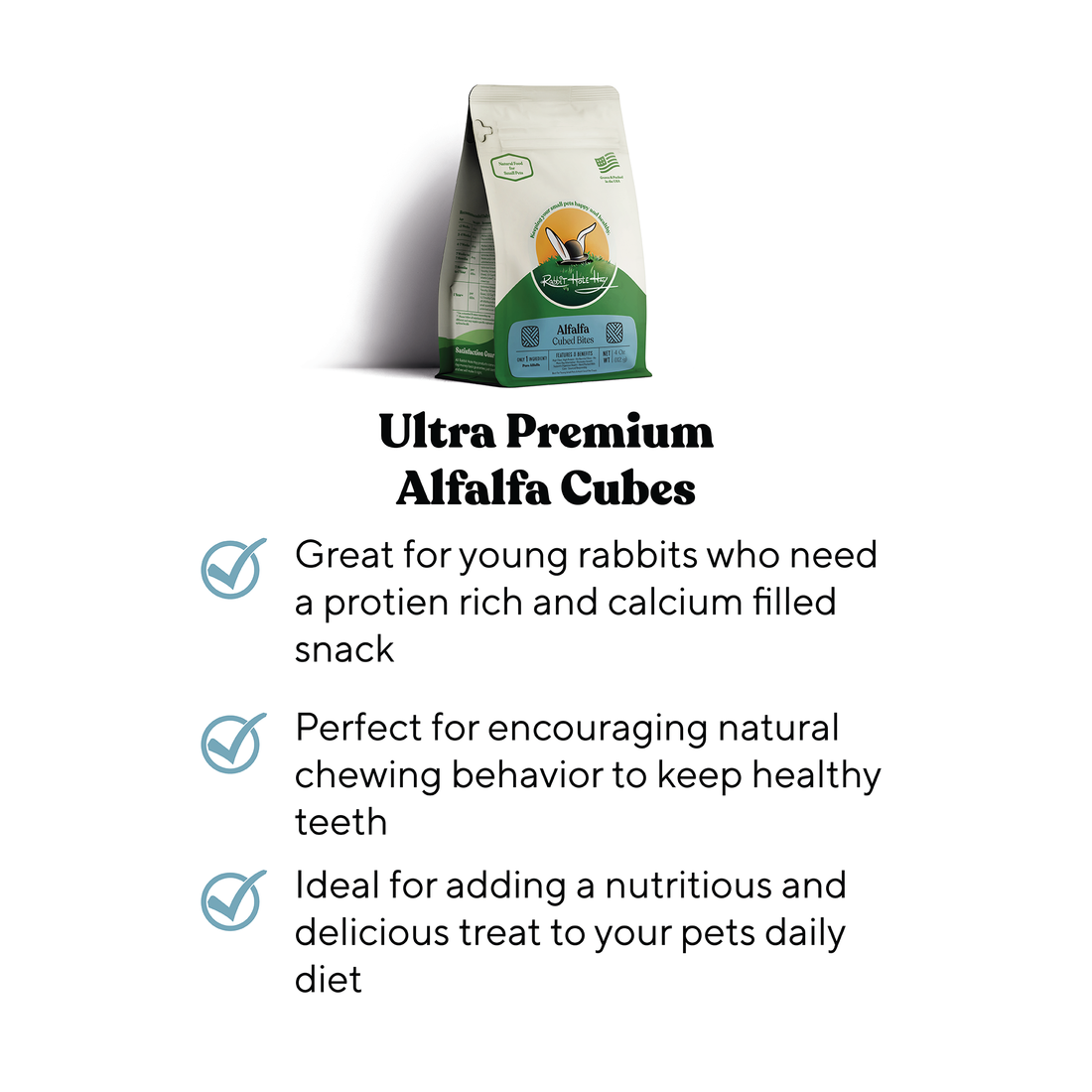
For the first weeks of life, kits nurse from their mother. Nursing often continues near seven weeks, but solid food starts earlier. Around three weeks, many kits begin nibbling alfalfa hay. That legume hay brings the protein, calcium, and calories a growing body needs for bone and muscle work.
Keep alfalfa available in generous amounts while they are still growing. Fresh water matters every day. Closer to six weeks, you can add a small measured pellet portion and a few leafy greens—slowly, not as a free buffet. Hay still does the heavy lifting; extras ride behind it.
Domestic baby feeding is a different job from helping a wild nest. If you found outdoor kits, leave the nest alone unless a wildlife rehabber tells you otherwise. This page is for pet rabbits in your home.
When Should You Transition From Alfalfa to Grass Hay?
Most healthy rabbits are ready to leave daily alfalfa around six to seven months of age. By then, rapid growth slows and the extra calcium is more burden than boost. Staying on alfalfa long-term can tip toward weight gain, bladder sludge, and urinary trouble in adults who do not need those nutrients.
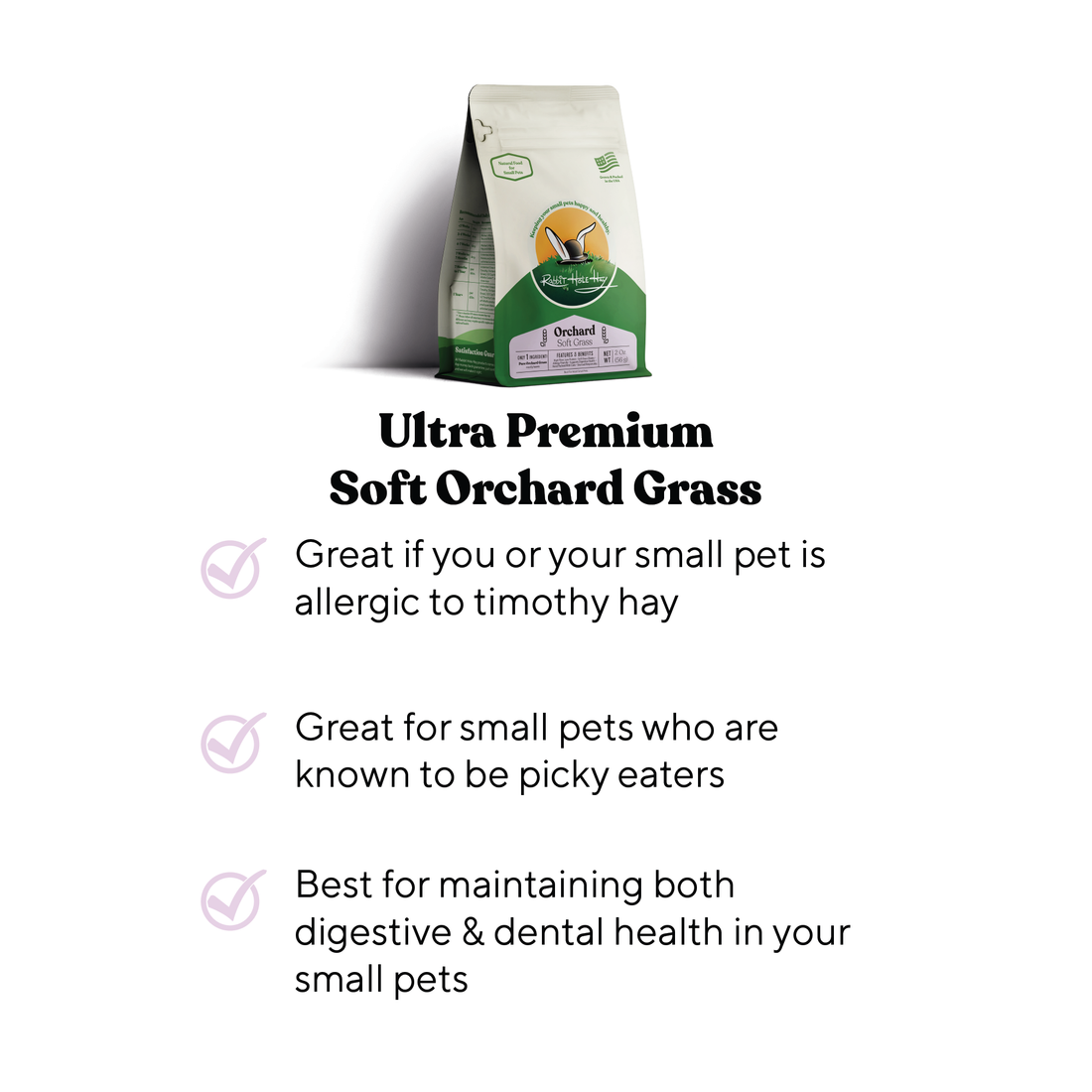
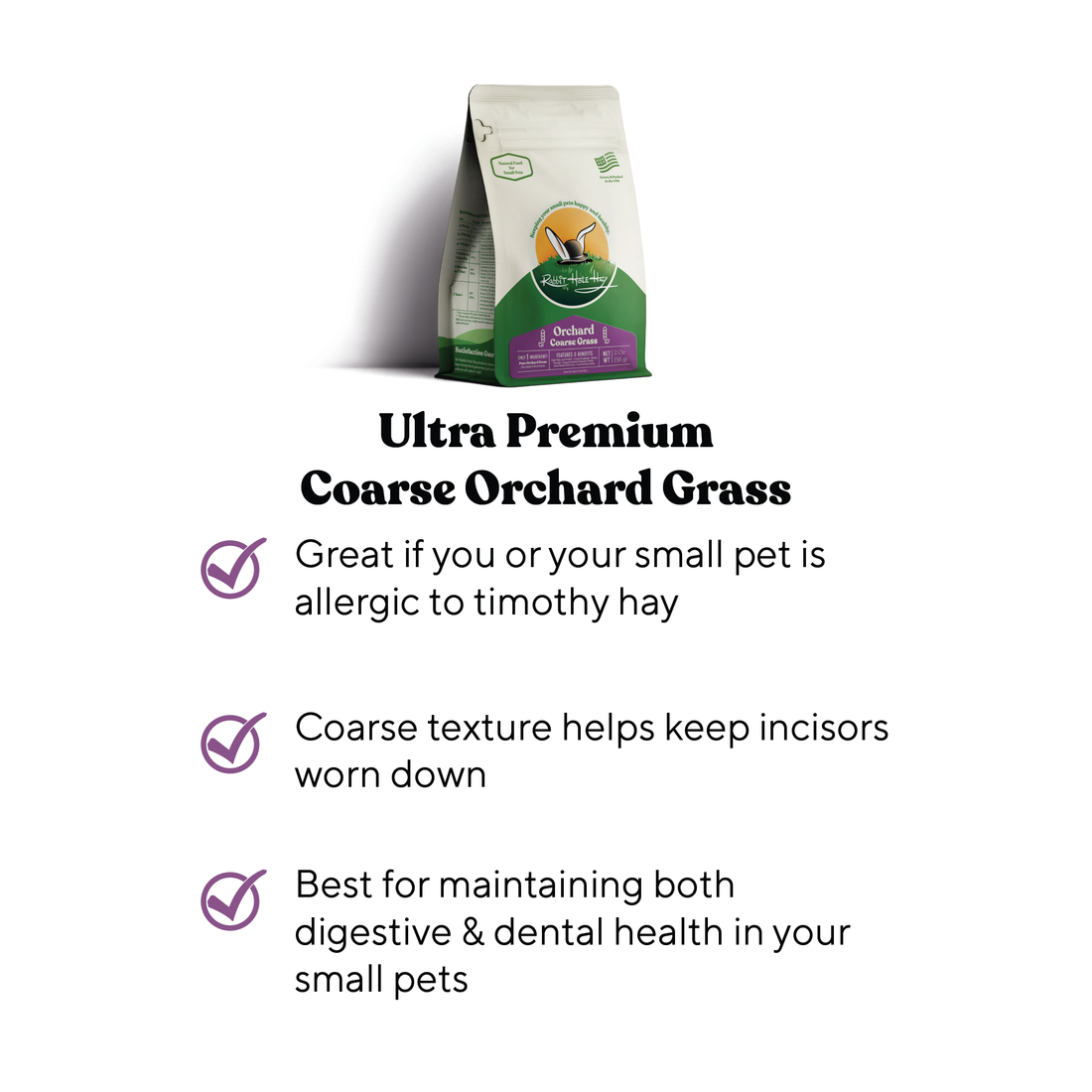
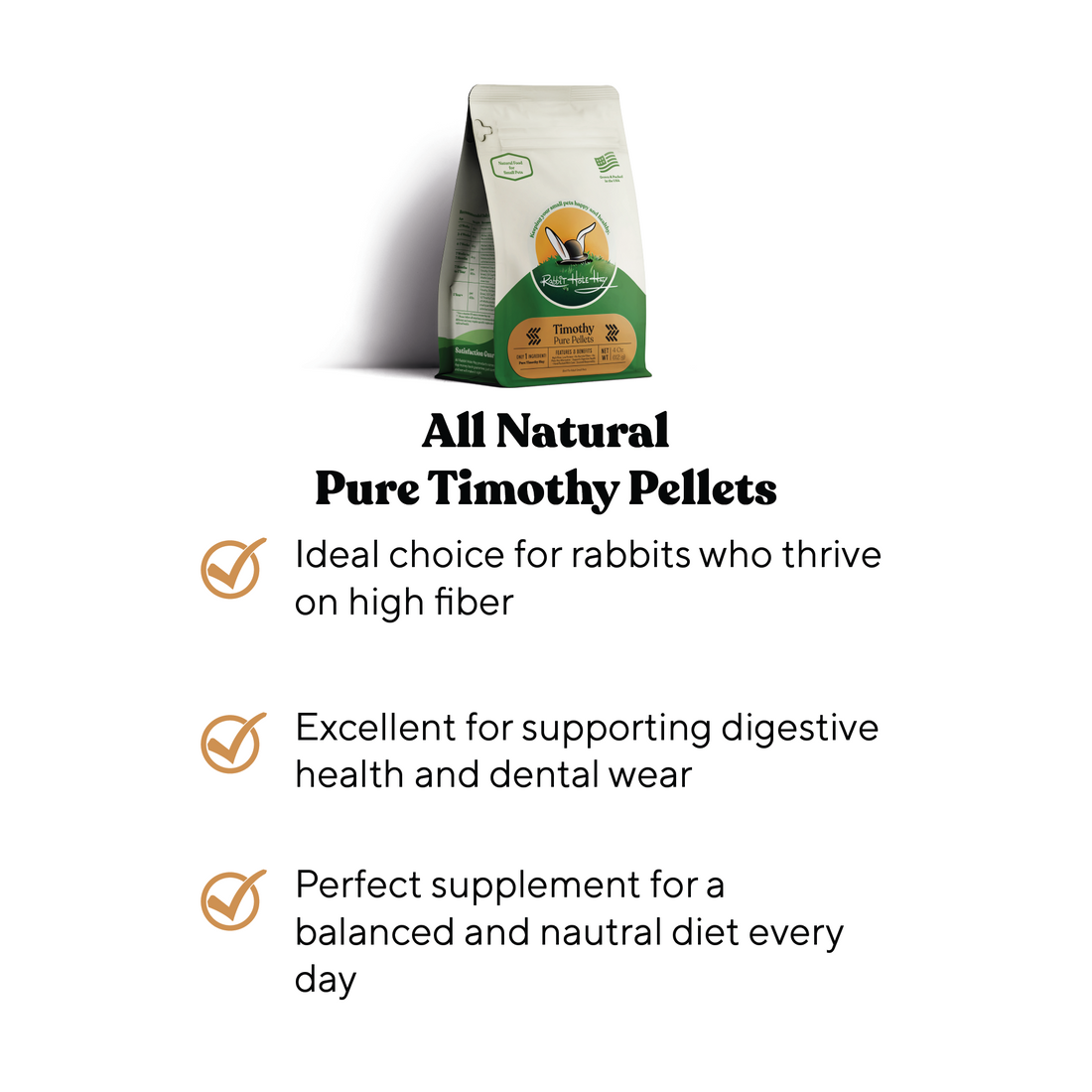
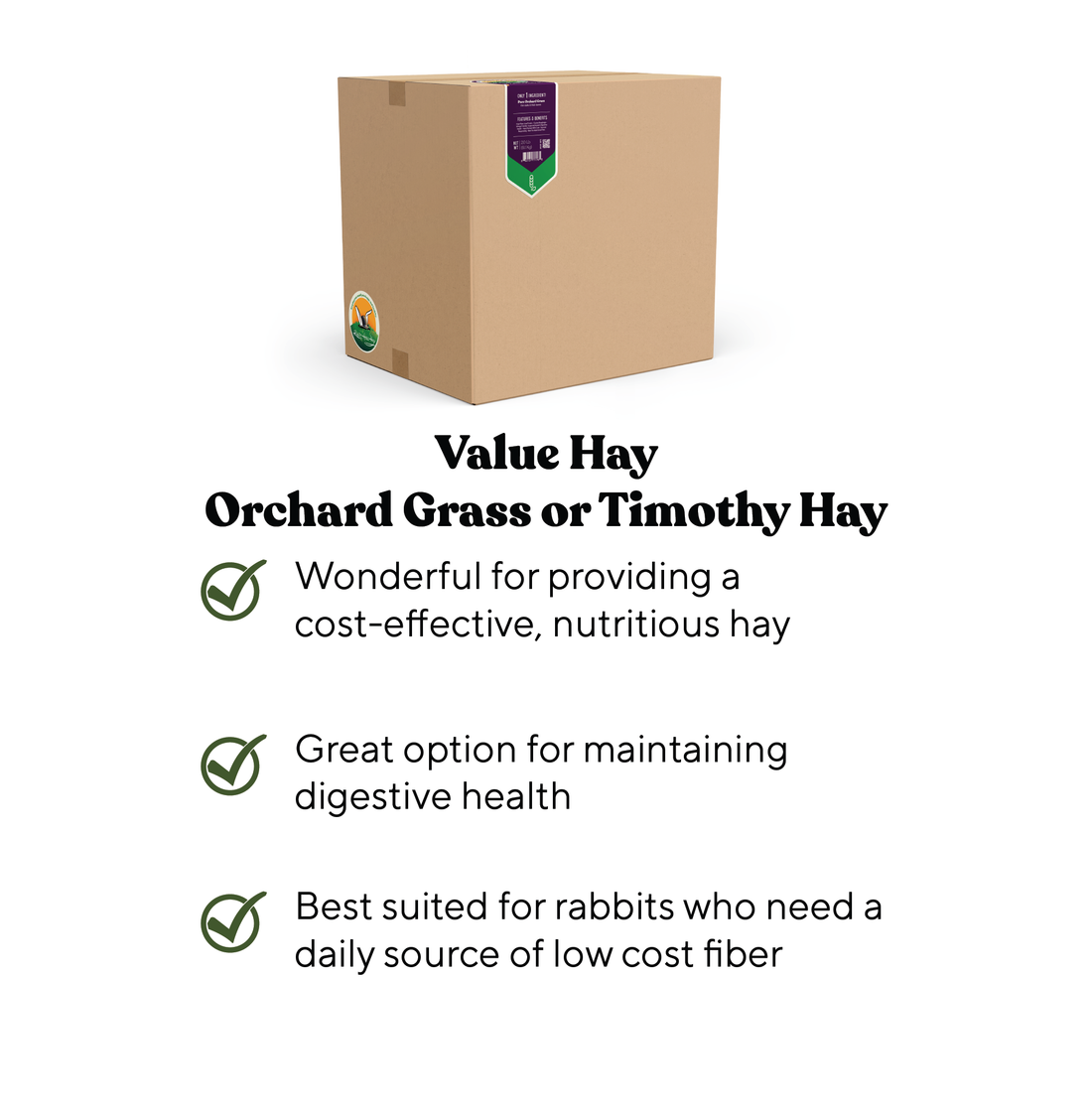
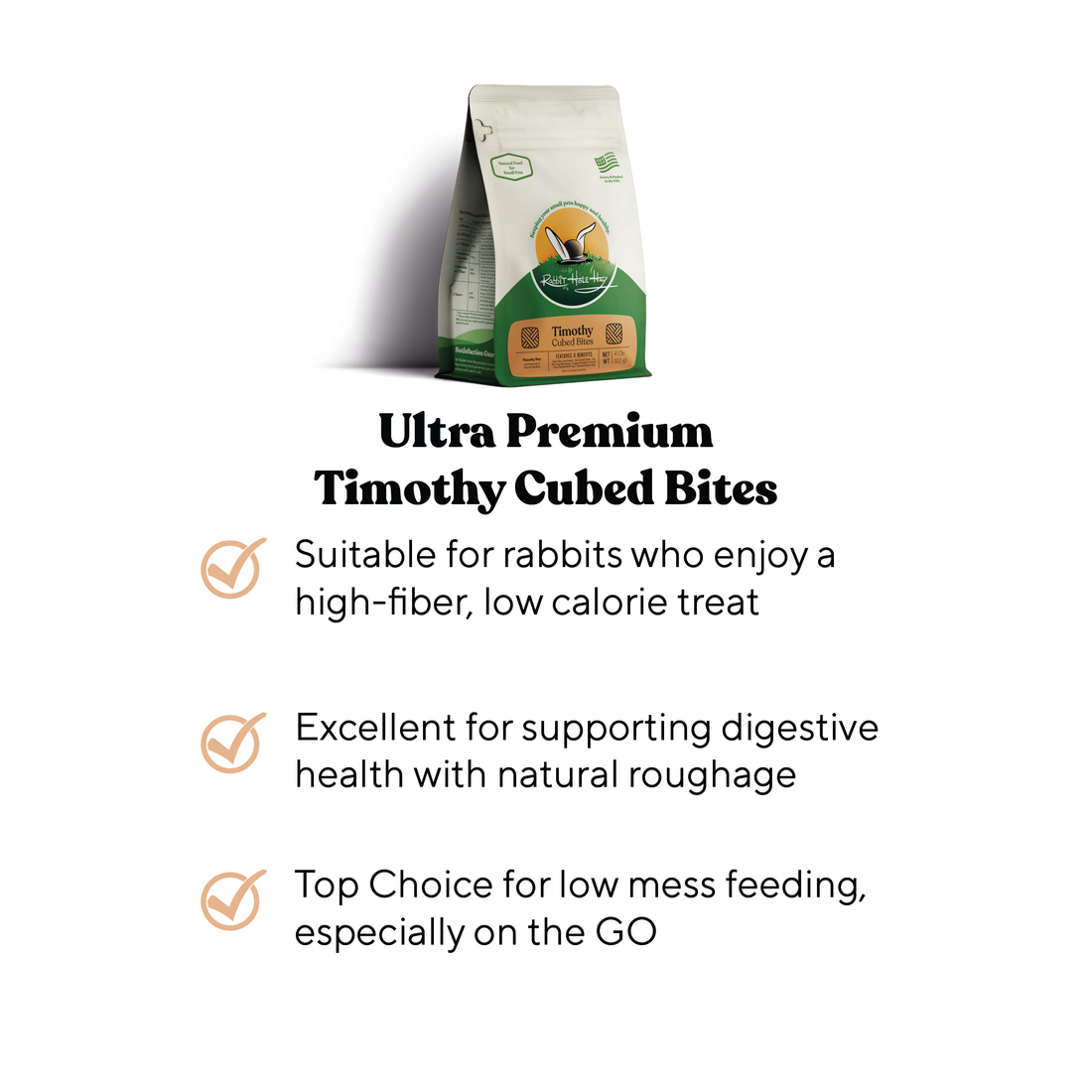
Match the pile to the life stage: alfalfa while growing, grass hay for everyday adult life. That is what age-appropriate rabbit hay looks like at home. Timothy is the usual adult staple. Orchard grass and meadow hay are solid grass alternatives when your rabbit prefers a different smell or texture.
House Rabbit Society still puts hay as most of the everyday plate—fiber keeps the gut moving and the teeth busy. The species of hay changes with age; the “hay first” rule does not.
How Do You Transition Hay Without Upsetting Digestion?
Rabbits often love alfalfa more than Timothy. Plan on a slow blend rather than a cold turkey swap. A simple schedule looks like this:
Week 1: About 75% alfalfa and 25% Timothy (or another grass hay). Offer both in the same area so they smell together.
Week 2: Move toward half and half. Refresh the pile daily so the new hay stays fragrant.
Week 3: About 25% alfalfa and 75% grass hay. Keep watching litter-box pellets for size and number.
Week 4+: Full grass hay for healthy adults. Stubborn buns may need an extra week or two—patience beats bribing with more pellets.
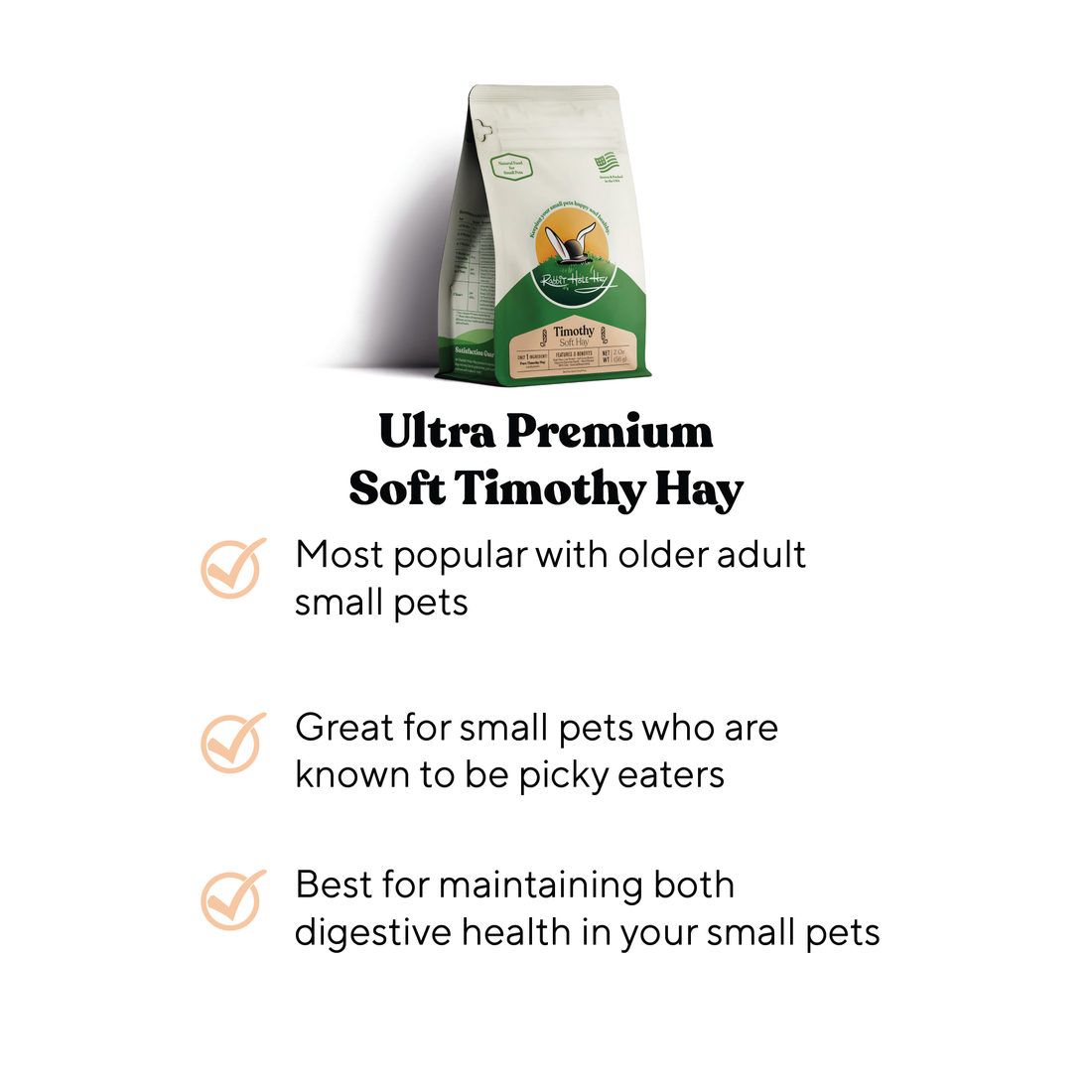
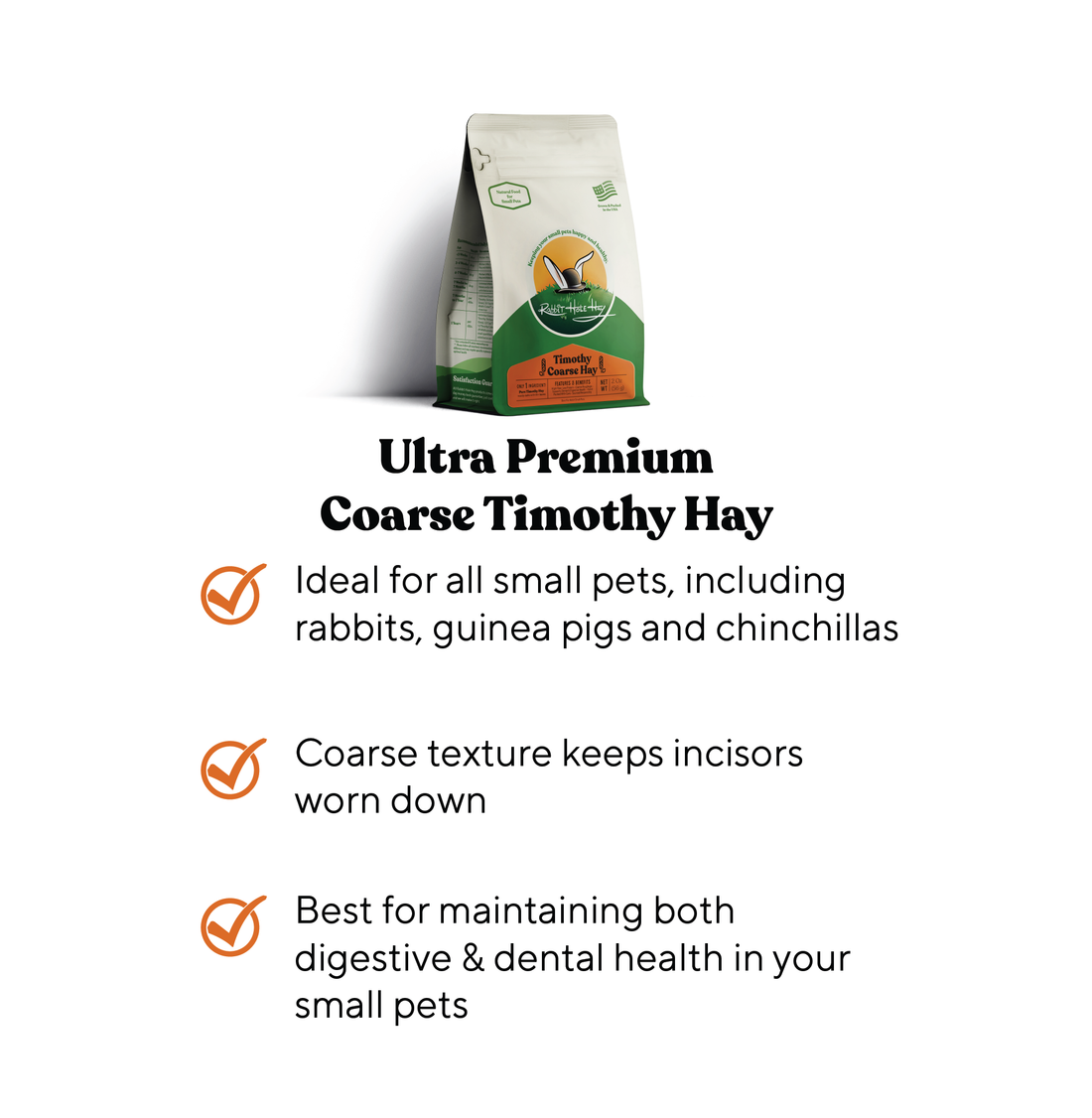
If they ignore the Timothy at first, do not flood the bowl with pellets or sugary treats to “make up” for it. That delays the switch and trains them to wait you out. Hunger plus fresh grass hay in a quiet spot usually wins. Try a softer second- or third-cut Timothy if stems feel too coarse; some rabbits care more about leafiness than the label on the bag.

Is Timothy Always Better Than Alfalfa for Every Rabbit?
No. Timothy is the better everyday hay for most healthy adults, but alfalfa wins for growing kits, many nursing does, and some underweight or recovering rabbits when a vet agrees. “Better” depends on life stage and health—not a single forever winner.
Think of alfalfa as a growth and recovery tool, and Timothy (or another grass hay) as the adult daily staple. Mixing them during the handoff is normal. Living on alfalfa after the growth window closes is the risk for most house rabbits.
For a fuller side-by-side on when each hay fits, read our Timothy vs alfalfa life-stage overview. Use that guide for the deep compare; stay here for the young-to-adult transition steps.
How Should I Support a Senior Rabbit's Diet With Hay Choices?
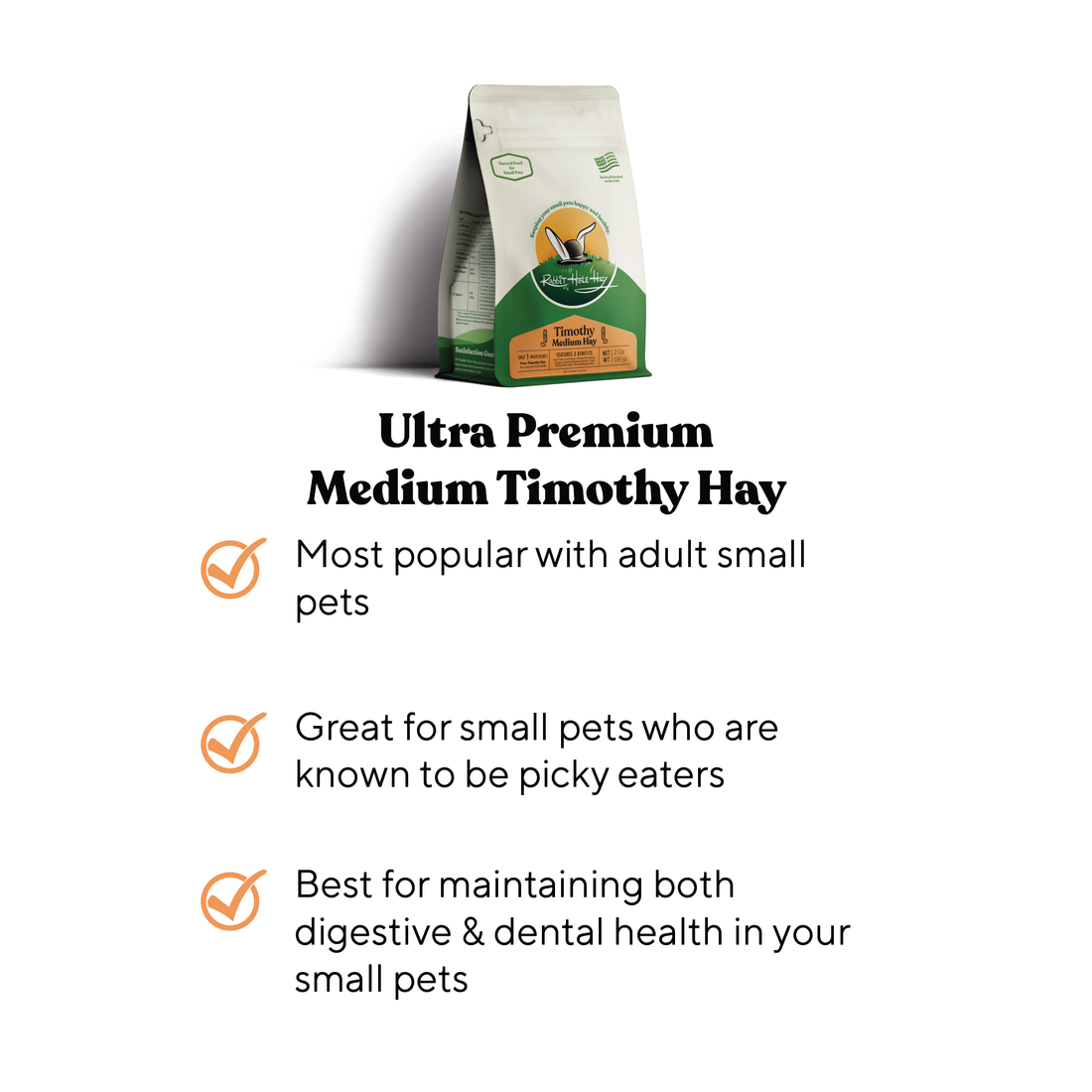
Once grass hay is the daily staple, senior care is mostly about cut, texture, and appetite—not starting the alfalfa-to-Timothy story over. Many older rabbits do well on medium (second-cut) Timothy. Soft third-cut Timothy or orchard grass helps when teeth are worn or the pile sits untouched.
Alfalfa can return as a supervised add-in for underweight seniors, but only with vet guidance on calcium and overall health. Sudden hay refusal, fewer droppings, or a quiet hunched bun is a same-day vet call—not a new bag experiment.
For cut choices, water tweaks, and senior routines, see our senior rabbit hay diet guide—those details live there while this page stays on the growing-up handoff.

What If My Rabbit Refuses the New Grass Hay?
First, check the hay itself. Pale, dusty, musty, or crumbly hay loses the smell contest against leftover alfalfa. Fresh grass hay should look green, smell clean, and feel a little springy—not like packing straw from last year.
Next, change the presentation before you change the species again. Move the hay into a quiet corner. Mix a pinch of rabbit-safe herbs such as chamomile or dandelion into the Timothy. Offer a different Timothy cut, or try orchard grass if sneezing or dust seems to be the issue. VCA Hospitals notes that rotating grass hay types can keep interest up.
Keep pellets measured. For many adults, a common starting point is about ¼ cup of plain timothy-based pellets per six pounds of body weight per day—confirm with your vet for your rabbit. Leafy greens stay in moderation; starchy veggies and fruit are treats, not filler when hay is on strike.
Total refusal with soft stool, no stool, or a bun who stops exploring is not pickiness. Call a rabbit-savvy vet the same day. Gut slowdowns can slide toward GI stasis faster than owners expect.
Why Does Hay Quality Matter During a Transition?
You are asking a rabbit to leave a sweeter hay for a fibrous one. Old, dusty stock makes that ask unfair. Buy amounts you will finish while the hay still smells like fresh grass, and store it cool, dry, and breathable—paper bags or open bins beat sealed plastic that traps moisture.
If the transition stalls, swap in a fresher bag before you invent a new menu of pellets and treats. Many “my rabbit hates Timothy” weeks end when the pile finally smells like grass again. Sample packs help you test cuts without buying a whole shelf of a texture they ignore.
Key Takeaways for Age-Based Hay Transitions
Offer alfalfa from about three weeks through roughly six to seven months for growing kits; keep nursing and measured solids in the background.
Blend alfalfa into Timothy (or another grass hay) over several weeks—do not yank the favorite pile overnight.
Timothy is not better than alfalfa for every rabbit; life stage and health decide which hay fits.
Senior tweaks are mostly cut and appetite once grass hay is established—see the senior guide for those details.
If the new hay sits untouched, check freshness and cut first; call the vet if appetite and droppings crash together.
Getting age-appropriate rabbit hay right is less about a perfect chart and more about watching your bun through the handoff. Keep the blend slow and the grass hay fresh, and do not inflate the pellet bowl to bribe them through the switch. For deeper diet detail by hay type, grab our Hay is for Rabbits guide—and keep the hay pile full while they learn the new smell.




Comments