




































































When your rabbit bites during handling or grooming, stop the session. Make a short, high “eep,” set them down safely, and wash the wound with soap and warm water. Do not yell, swat, or force the trim to finish—that turns one scare into a longer fear of hands.
It stings, and it can feel personal when a bunny you love snaps mid-brush or nail clip. You are not failing. Most rabbits bite in those moments because they feel trapped, startled, or sore—not because they decided to be mean.
We will walk through the first minute after a bite, safer ways to finish necessary care, and how to rebuild trust before you try again.

What Should I Do the Moment My Rabbit Bites?
Your job in the first thirty seconds is simple: keep both of you safer, then cool the room down.
Make one short, high sound—like “eep” or “ow”—then stop talking. That soft yelp marks that they hurt you without turning into a shout.
Release your hold. If they are on a towel or table, lower them to the floor or back into a familiar pen with all four feet under them. Never toss or drop them in panic.
Step back. Give them space to thump, shake, or hide. You can stand nearby; just stop reaching.
Wash broken skin with soap and warm water. Bandage if needed. If the bite is deep, swelling, or looks infected later, call your own healthcare provider.
Write one line in your phone: time, what you were doing (nail, brush, lift), and what their body looked like right before the bite.
That note matters more than a long lecture. Patterns tell you whether this is fear of being lifted, a sore hip, or a bad angle with clippers.

What Should I Never Do After a Bite?
Do not punish. Rabbits are prey animals. Yelling, swatting, or “dominating” them after a bite teaches one lesson: hands are dangerous when I am scared.
Do not chase them around the pen to “finish what we started.” The grooming can wait five minutes—or until tomorrow—unless a nail is bleeding and you must stop the bleed with styptic and calm pressure.
Do not pile on more restraint to “prove who is boss.” Extra force after a bite is how nail day turns into a weekly wrestling match. A calm exit rebuilds more trust than finishing every last claw today.
Why Does My Rabbit Bite During Handling or Grooming?
Handling and grooming stack stressors rabbits hate: being lifted, tipped, held still, and touched on feet or sensitive spots. A bite in that context is often a last-resort “put me down” after earlier warnings got ignored.
Common triggers include:
Fear of being picked up (prey animals feel exposed off the ground)
Startle from a hand entering their blind spot near the nose
Pain from teeth, joints, gut discomfort, or a sore spot you just brushed
Hormones or territory in intact rabbits when you reach into their space
Past rough handling that taught them to escalate fast
For affection nips versus fear, pain, and boundary bites outside a trim, use our guide on why rabbits bite people and the companion piece on love nibbles versus real bites.
Sudden new biting with other red flags—no appetite, hunched posture, loud tooth grinding, hiding all day—belongs with a rabbit-savvy vet before you call it “attitude.” Pain often shows up as teeth first.
How Do I Finish Nail Trims or Grooming Safely After a Bite?
End the session unless you must stop bleeding or free a tangled mat that is pulling skin. A half-finished trim beats a rabbit who now freezes when they see the towel.
When care cannot wait, switch to a short, safer setup:
Work on the floor or a non-slip mat so a jump does not become a fall.
Use a soft towel wrap (“bunny burrito”) only as long as needed—snug enough that they cannot thrash, not so tight they panic. Cover eyes lightly if that helps them settle; leave the nose free.
Handle one foot or one mat at a time. Clip, pause, treat or rest, then continue. Stop if ears pin, growling starts, or they strain hard against the wrap.
Reward after, not during the struggle. A scrap of herb or a calm return to the hay pile marks “we survived that.”
The House Rabbit Society’s grooming overview is a solid companion for coat and nail basics. If baths are on your mind, remember most house rabbits rarely need water baths—spot clean and brush first, and only use water when a vet or mat situation truly requires it.
You are not the rabbit police. You are keeping one bad minute from becoming a lifelong fear of clippers.
How Can I Rebuild Trust Before the Next Handling Session?
Trust returns in boring, repeatable steps—not a single apology cuddle.
Sit on the floor near their space without grabbing. Let them sniff and leave.
Offer a small treat from an open palm, then pull the hand back so they choose distance.
Practice short “touch rehearsals”: rest a hand on the shoulder for one second, then stop while they still look calm.
Keep feeding and cleaning on a predictable clock. Hungry, chaotic homes make handling feel riskier.
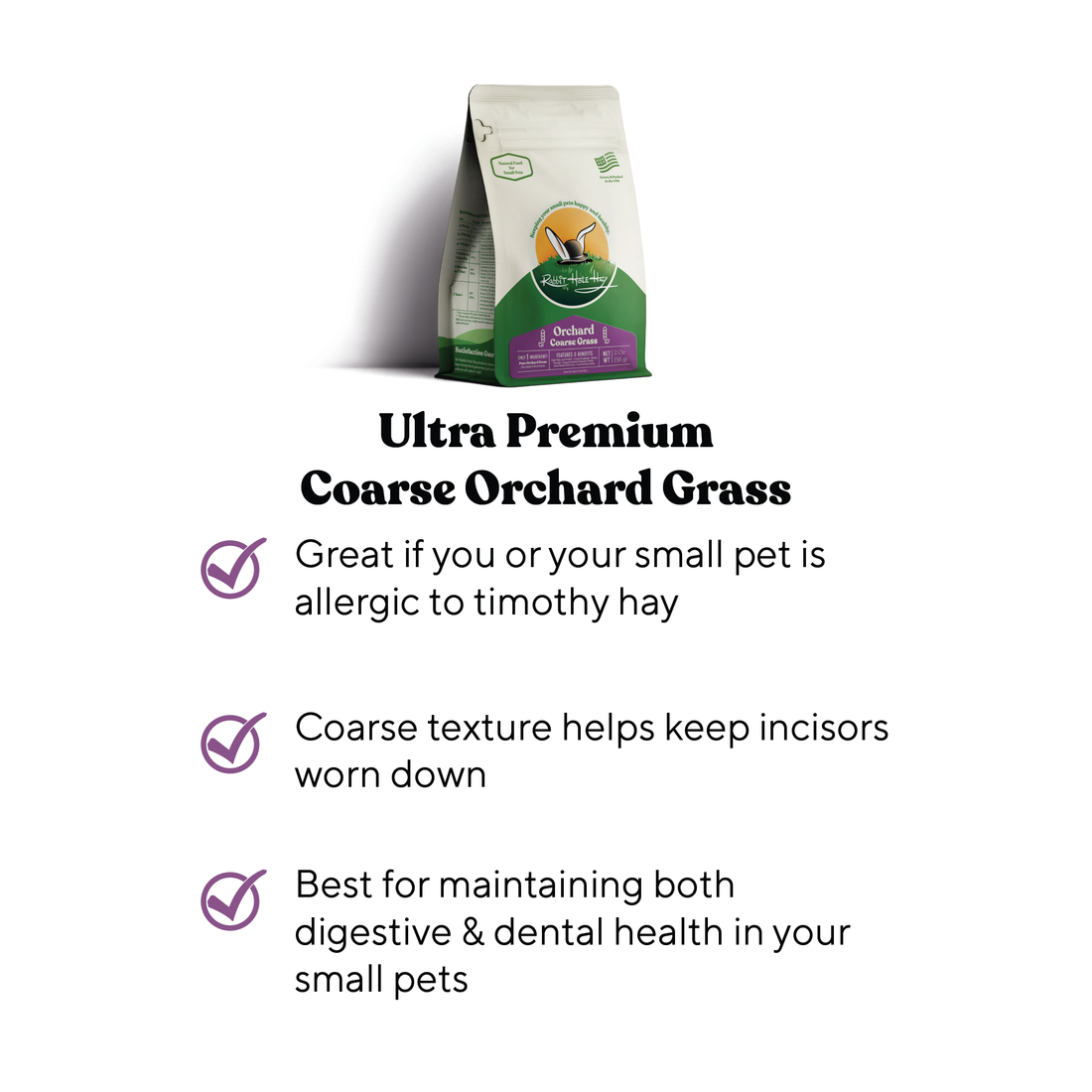
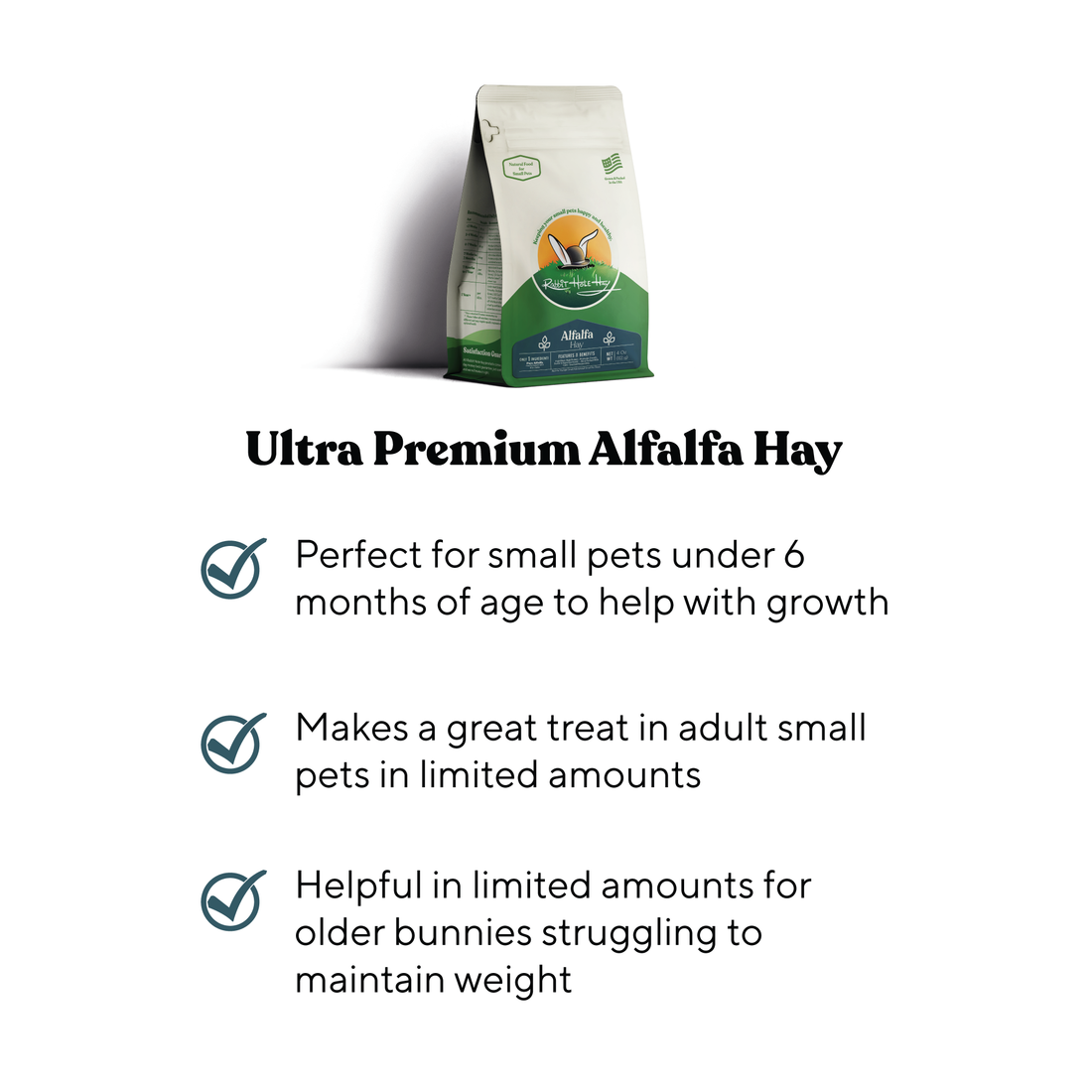
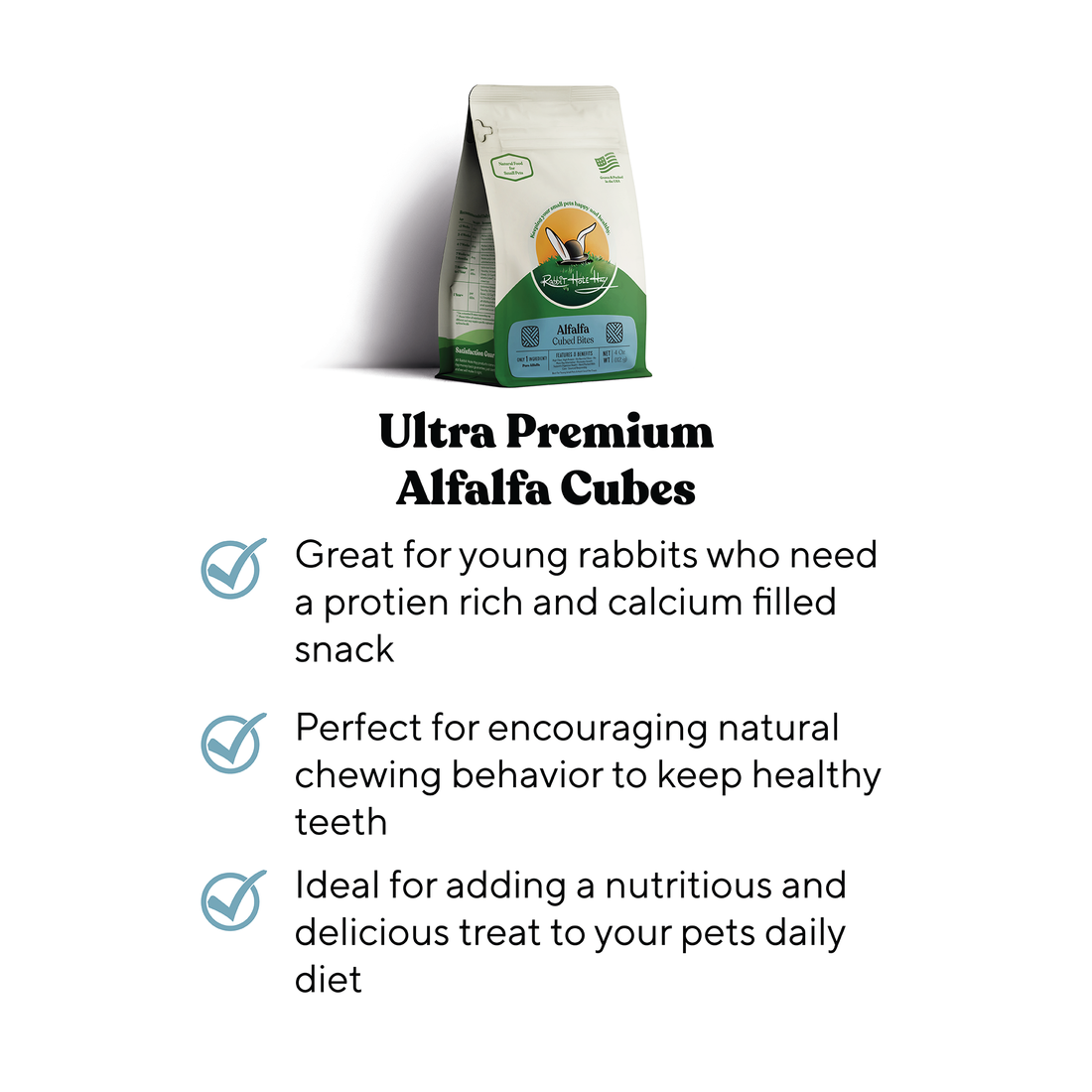
Keep unlimited grass hay available. A full hay pile lowers food panic that can spill into hand bites at mealtime—our hay-first diet guide covers that baseline.

Shy or snap-happy buns often do better with floor-level friendship work. For pace and posture tips, see how to help a rabbit become more friendly. Intact rabbits who guard their enclosure may also calm after spay or neuter, once hormones settle over weeks.
What Warning Signs Mean I Should Pause Handling?
Biting is usually the last card, not the first. Watch for:
Flattened ears aimed back, stiff body, or a hard stare
Growling, lunging, or a sharp foot stamp
Tail tucked tight, or circling away from your hands
Trying to hide under furniture mid-session
When you see those signs, stop. Put tools down. Let them reset. That teaches them you listen before teeth are required. For a wider read on thumps, nose flicks, and soft versus hard body language, pair this with our rabbit communication guide and the Behavior pillar overview on understanding rabbit behavior at home.
The House Rabbit Society also keeps a practical aggression guide and a page on reading rabbit behavior worth bookmarking when patterns feel confusing.
When Should I Call a Vet or Behavior Help?
Call a rabbit-experienced veterinarian if bites are new and severe, if your rabbit stops eating, or if they guard one body area every time you touch it. Dental pain, sore hocks, arthritis, and gut slowdowns can all turn a previously calm bunny sharp during handling.
Call for behavior help when medical checks are clear, the environment is calmer, and handling still ends in hard bites after weeks of short, respectful practice. A behaviorist who works with rabbits can design a step plan that does not rely on force.
Kids in the home need clear rules: sit, offer treats, never chase or scoop without an adult. Fast kid hands are a classic startle trigger—even for “nice” rabbits.
Key Takeaways
After a bite during handling or grooming: soft yelp, set down safely, wash the wound, end the session.
Never punish. Force after fear makes the next trim harder.
Use short towel wraps and floor-level work when care cannot wait; rebuild trust with quiet, predictable visits between sessions.
Handling rabbit bites well is less about clever tricks and more about ending scary minutes early. Keep hay steady, keep sessions short, and watch their body before you pick the clippers back up. When diet is part of the calm, start with our guide to a rabbit’s hay-first diet.





Comments