


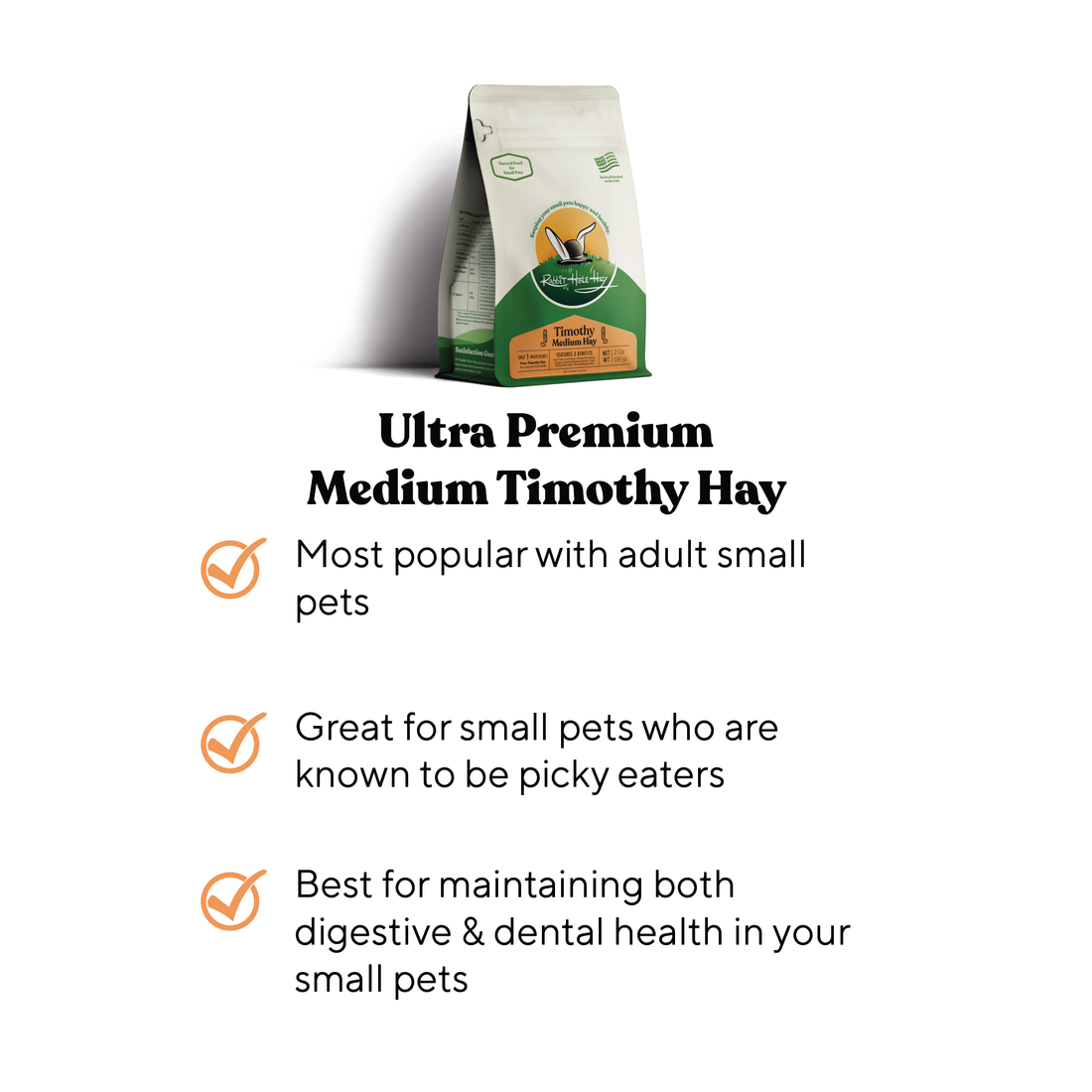

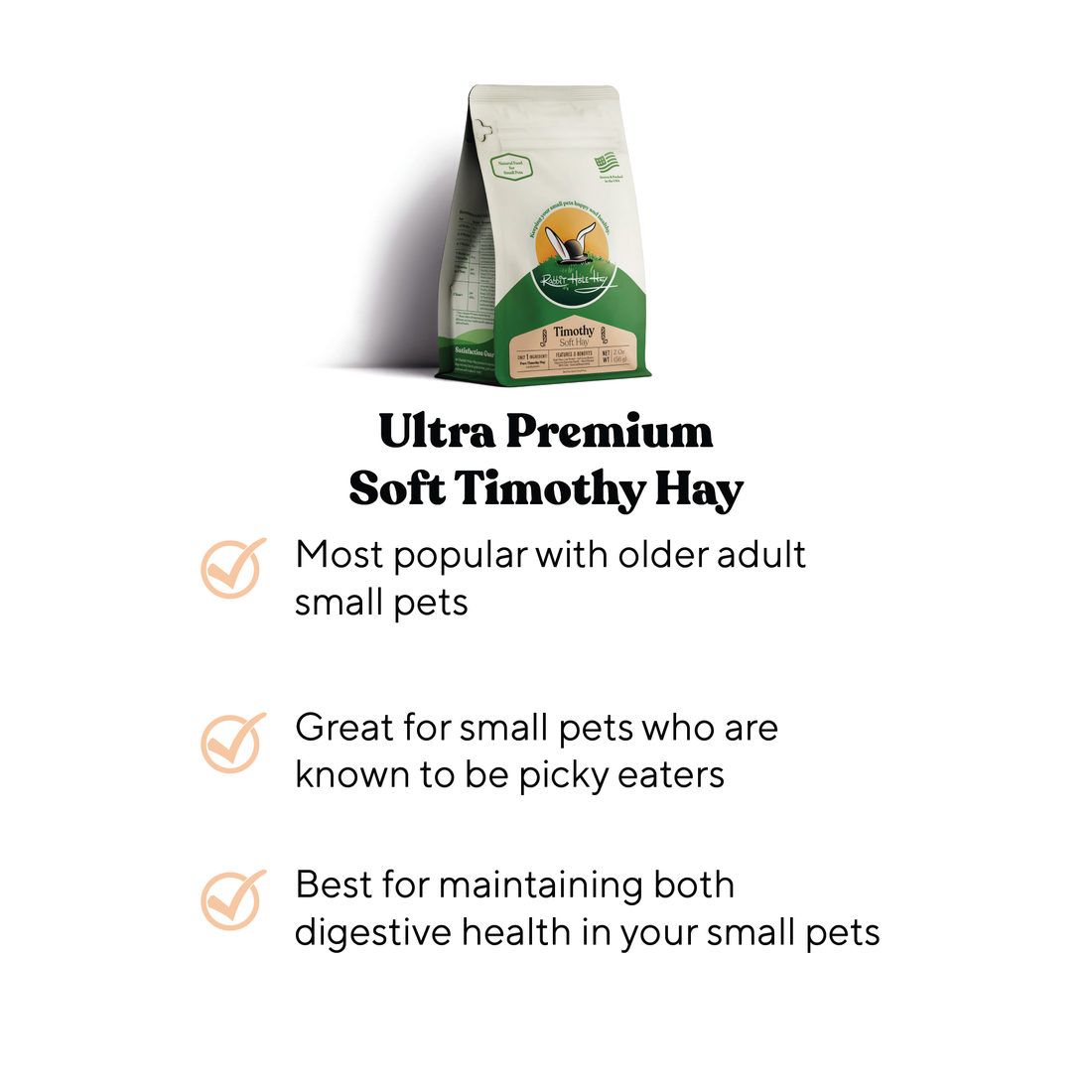

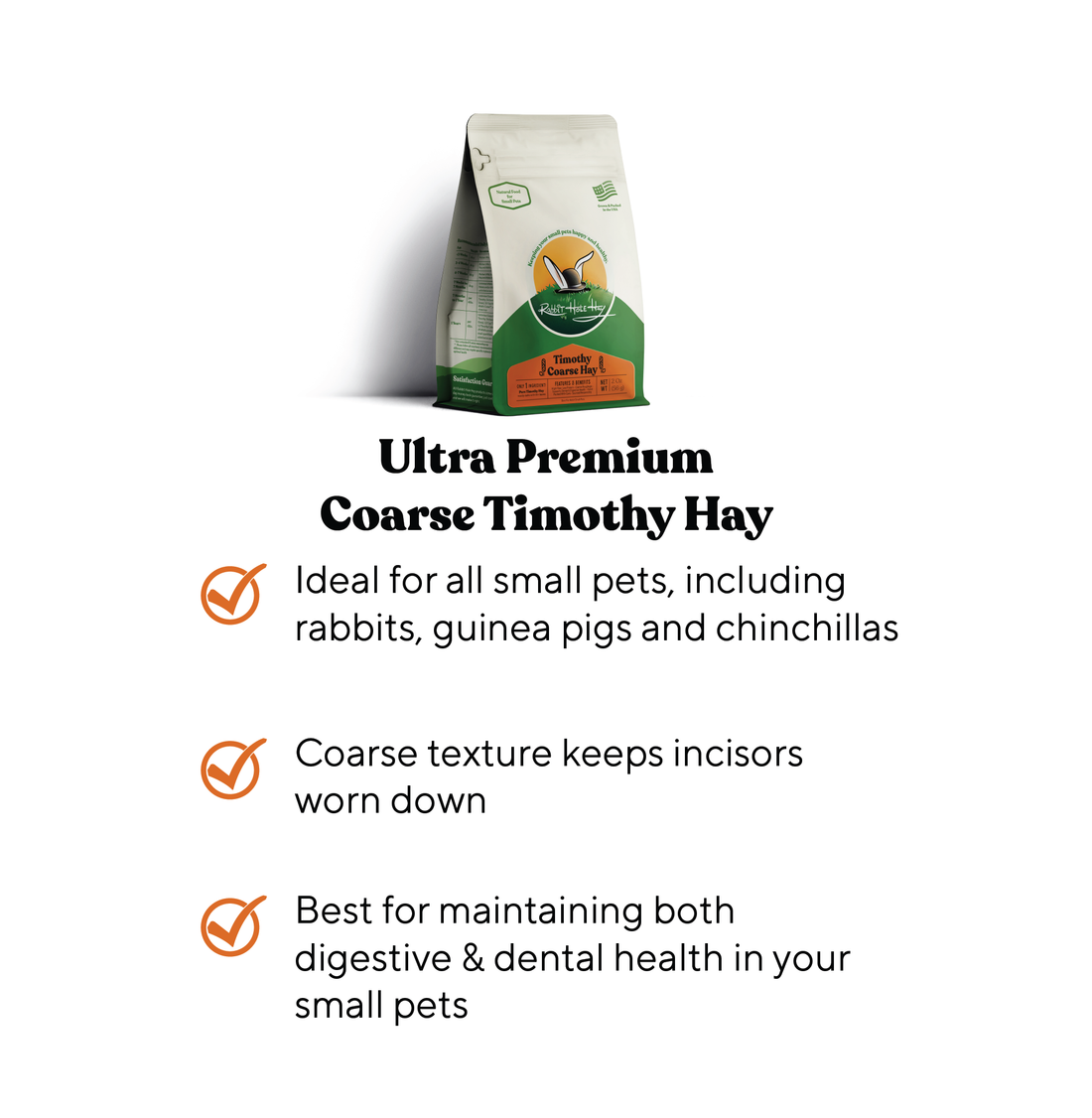

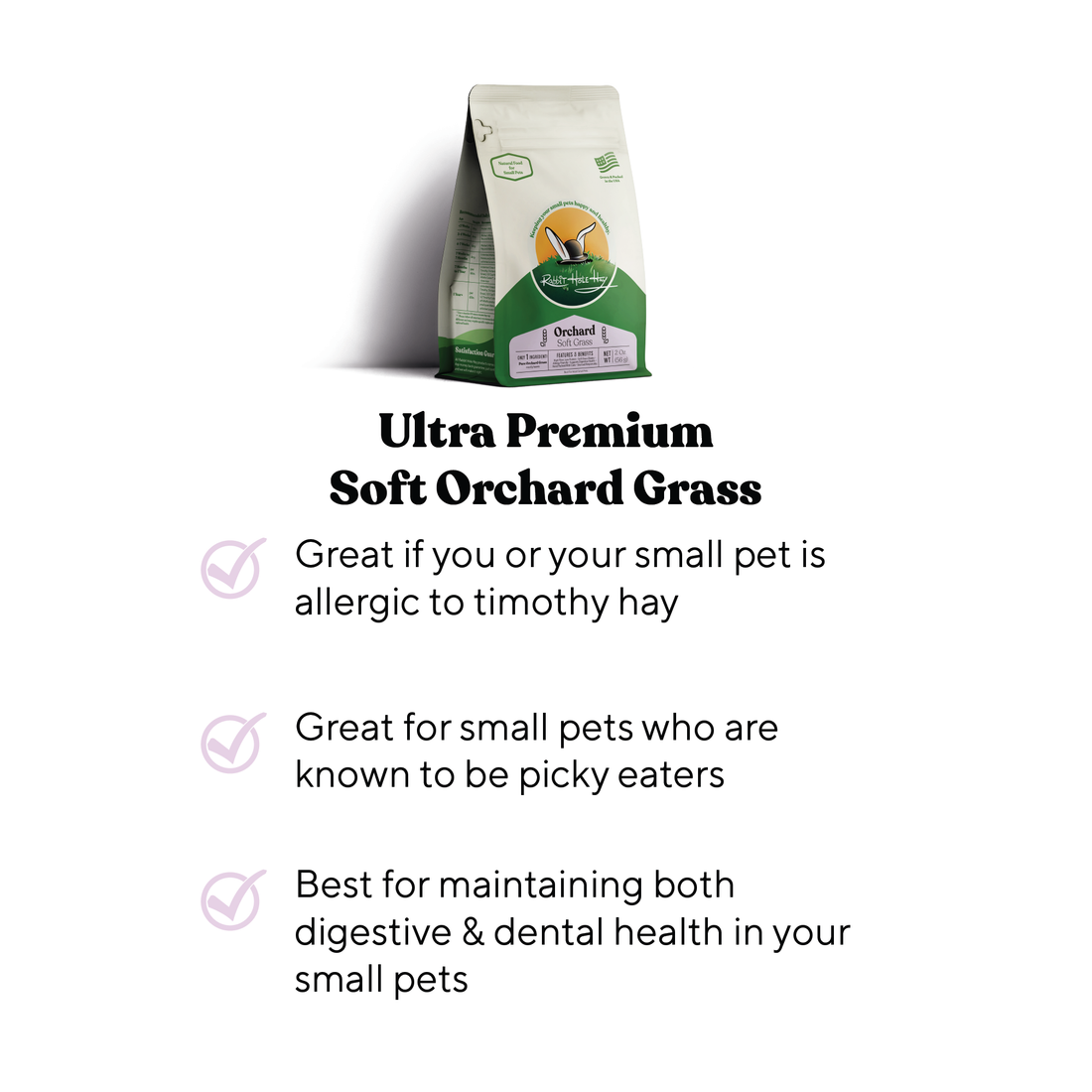






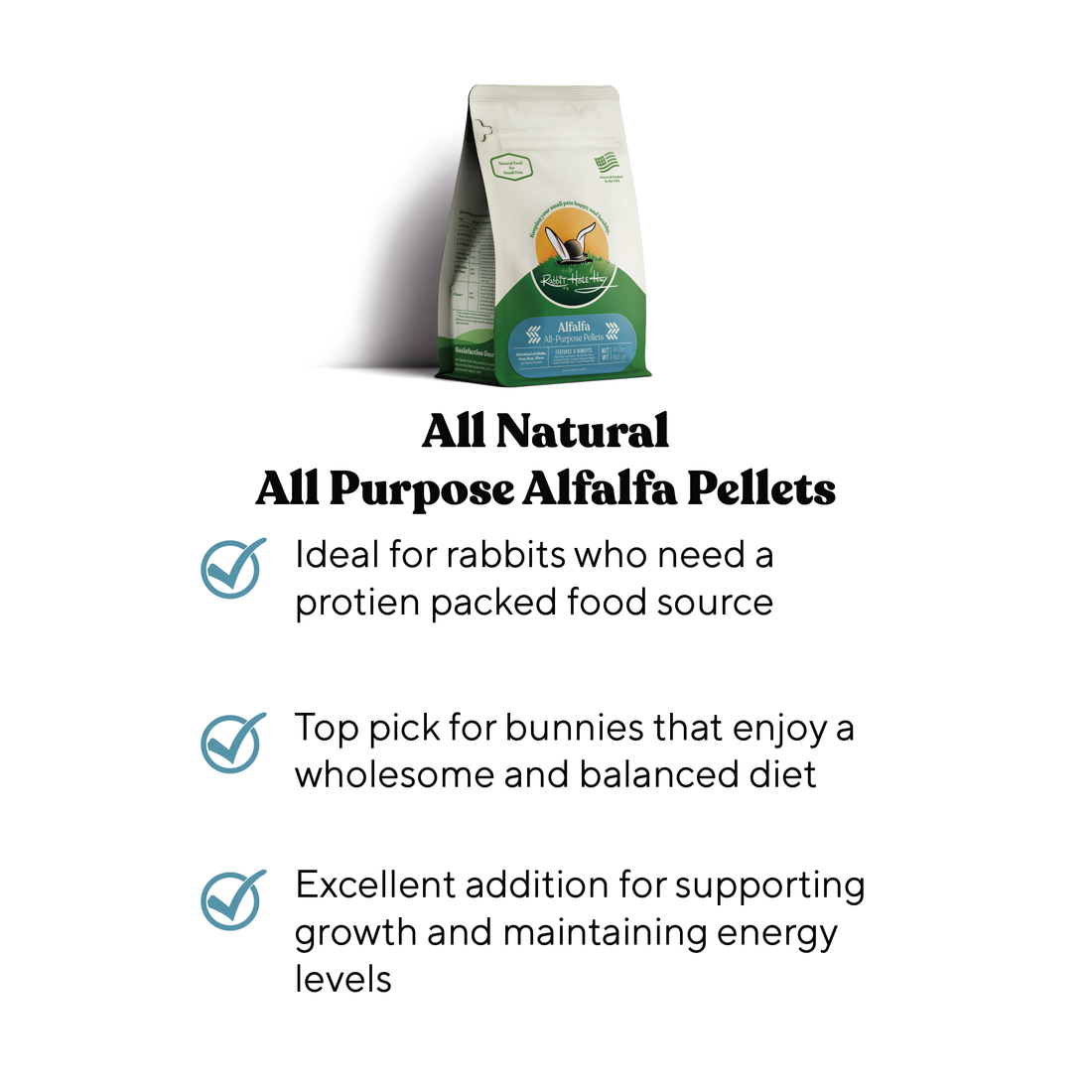

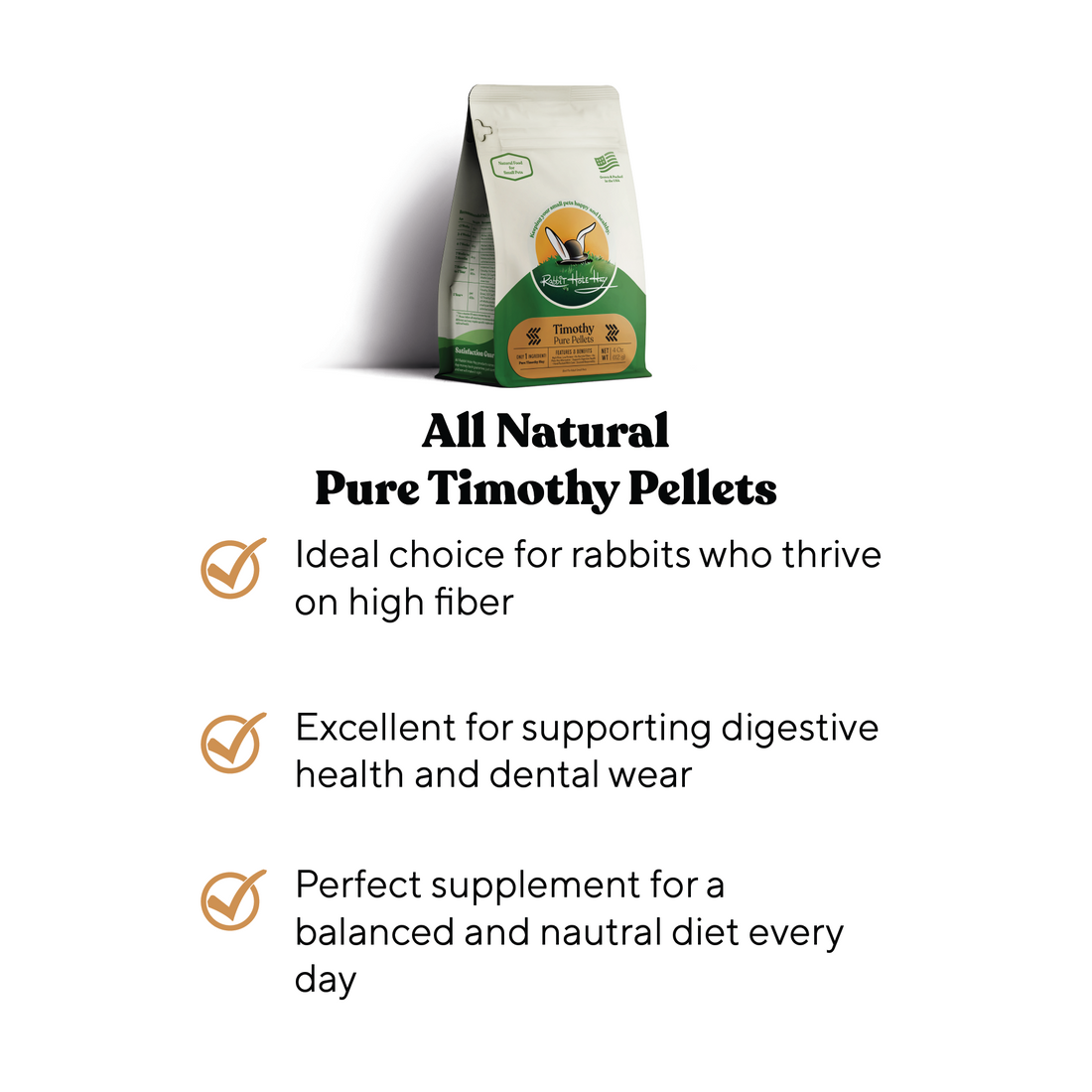

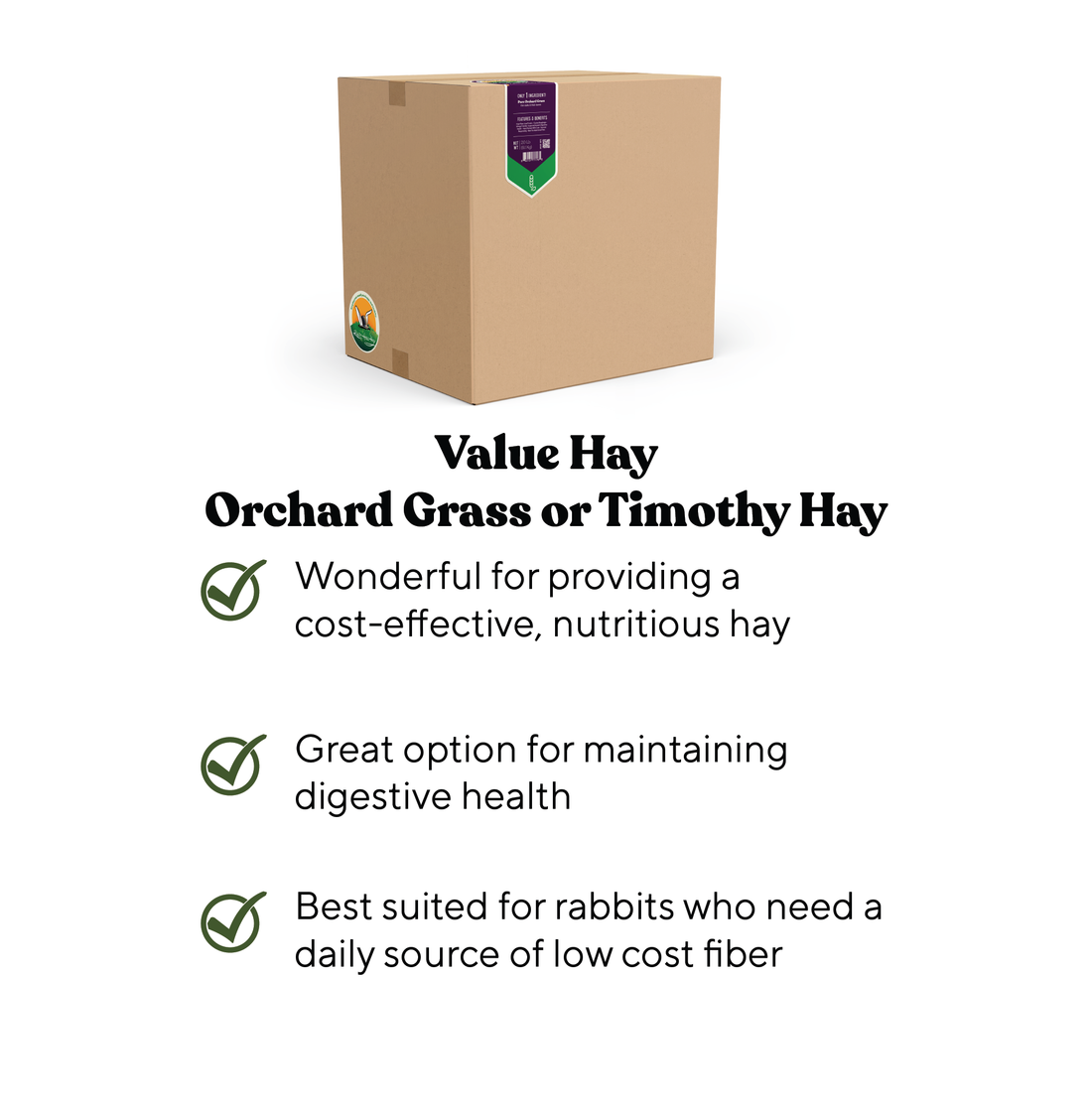

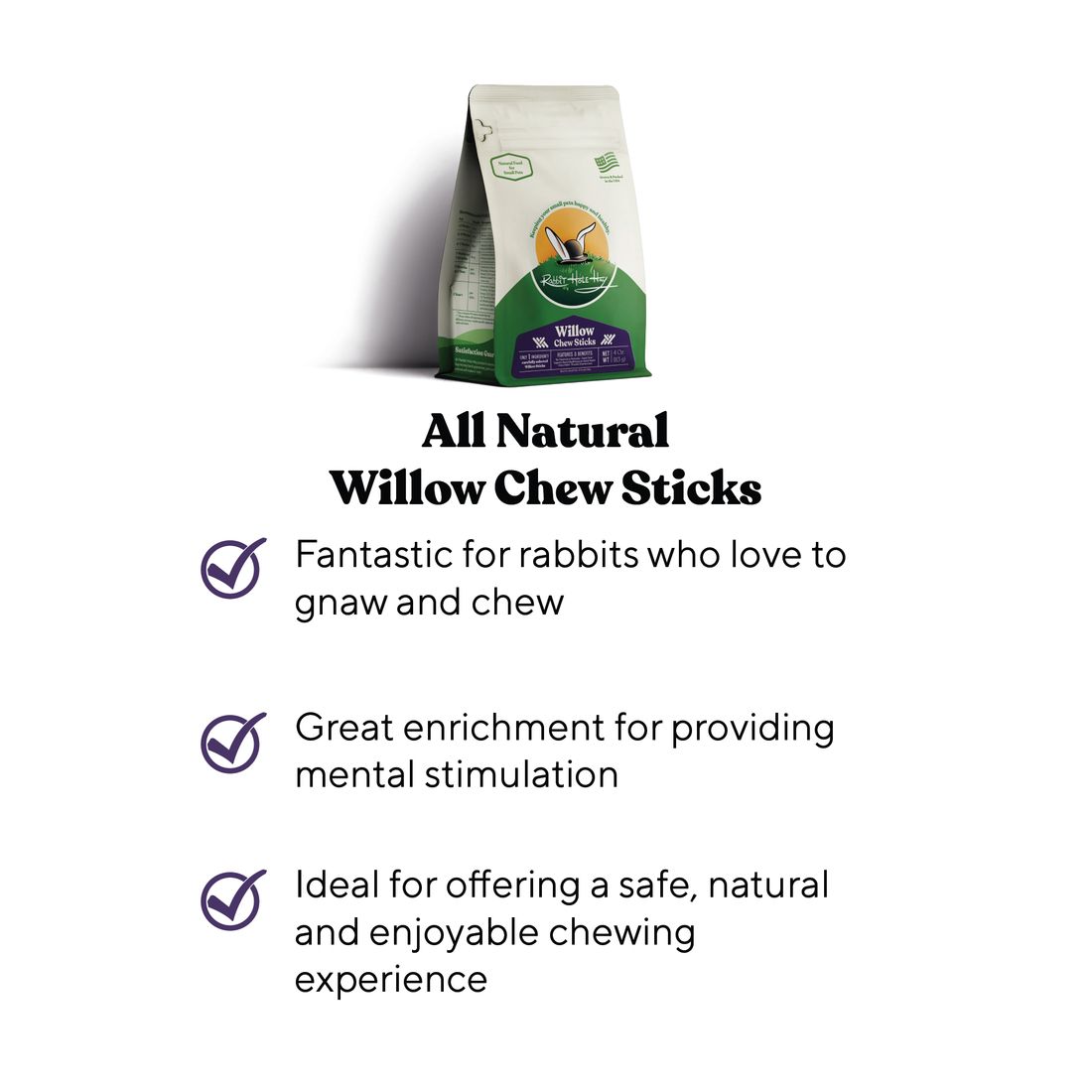

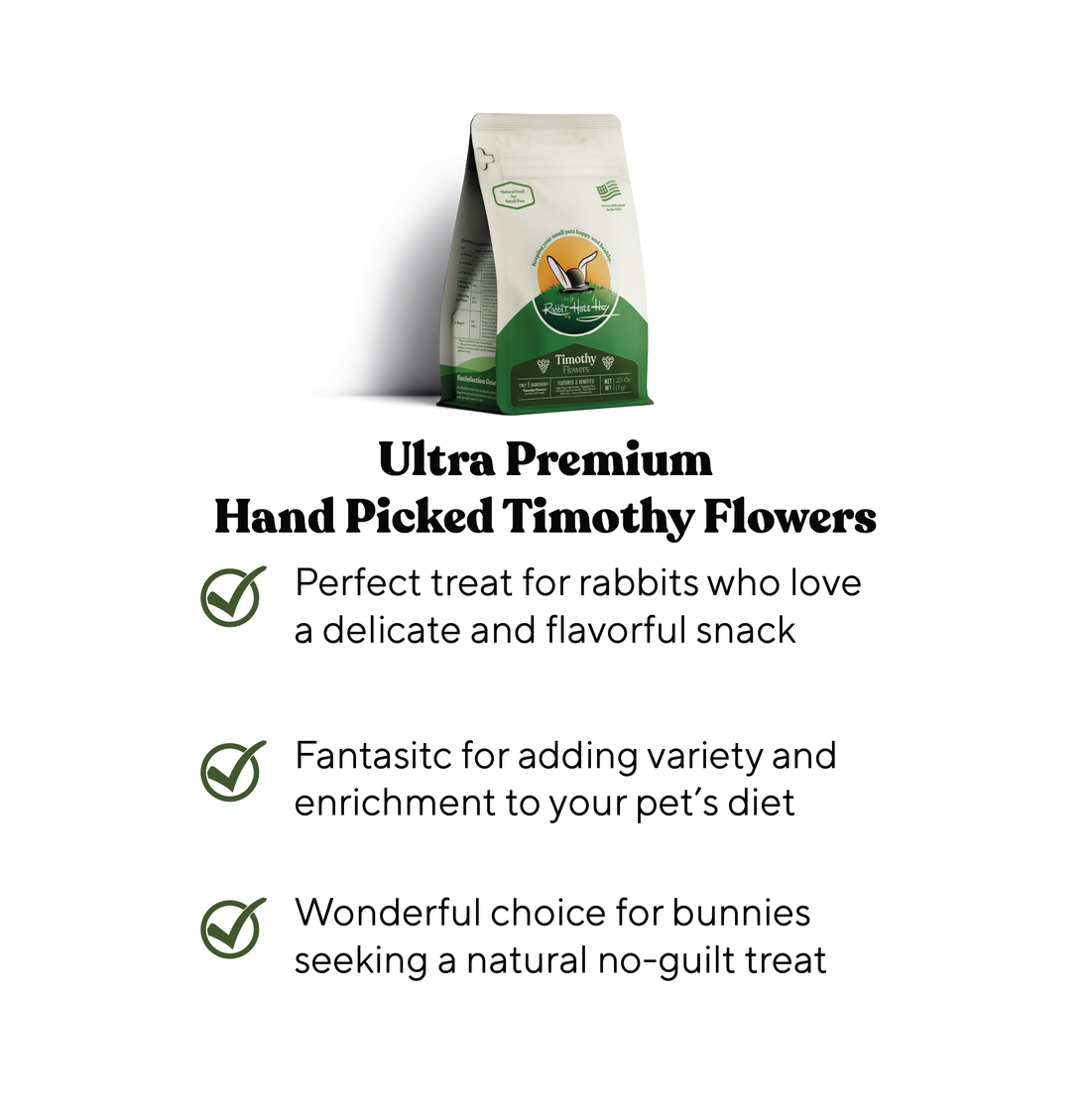

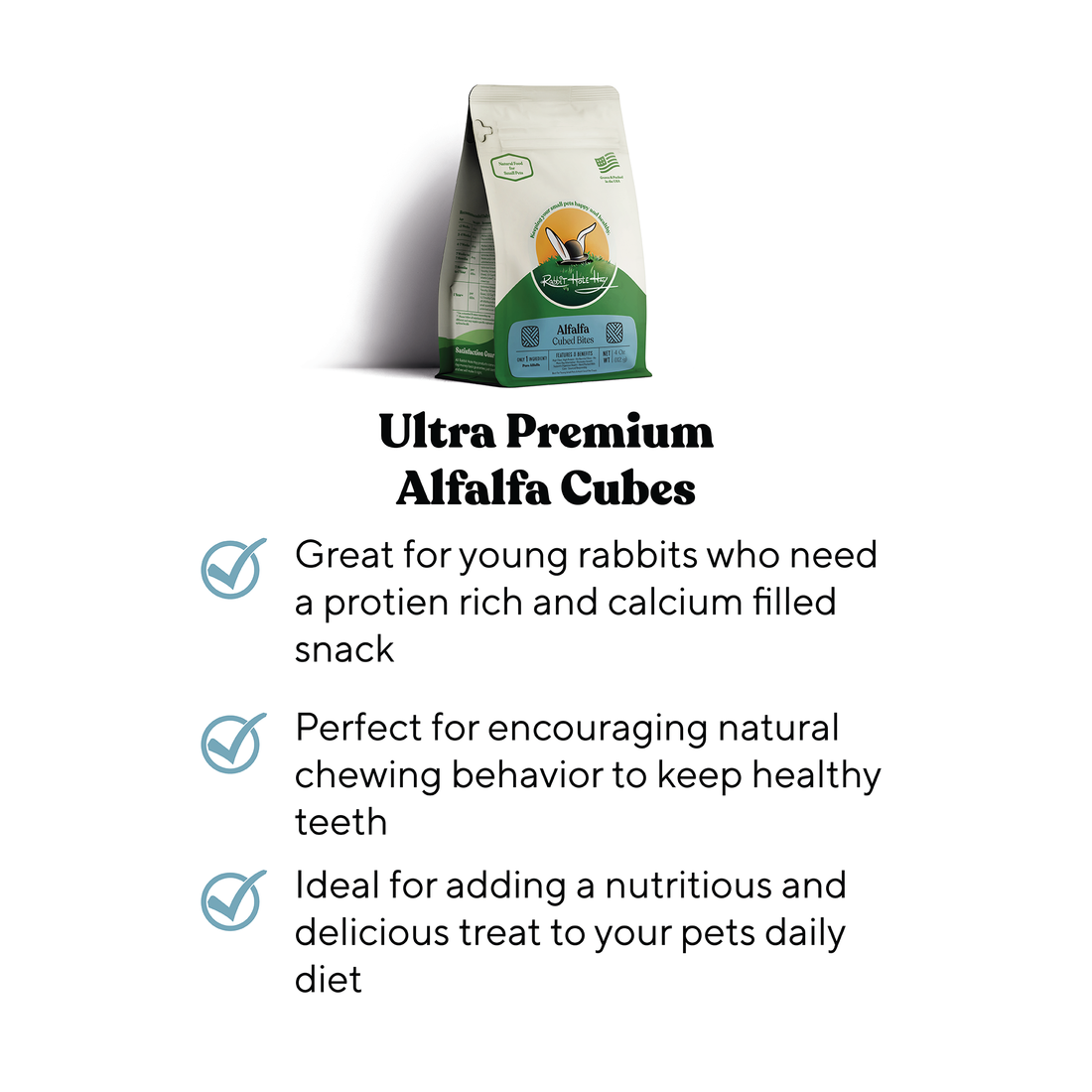



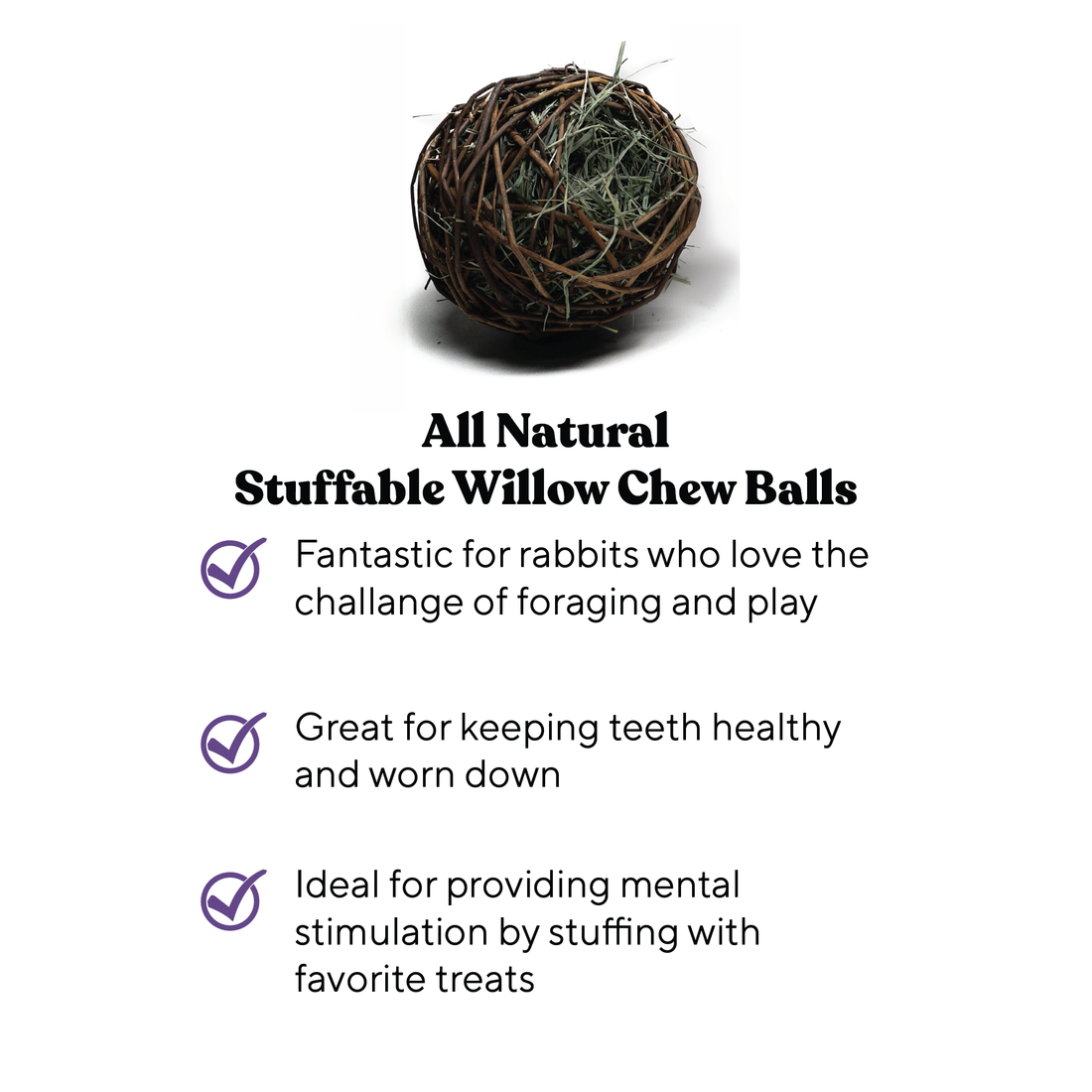


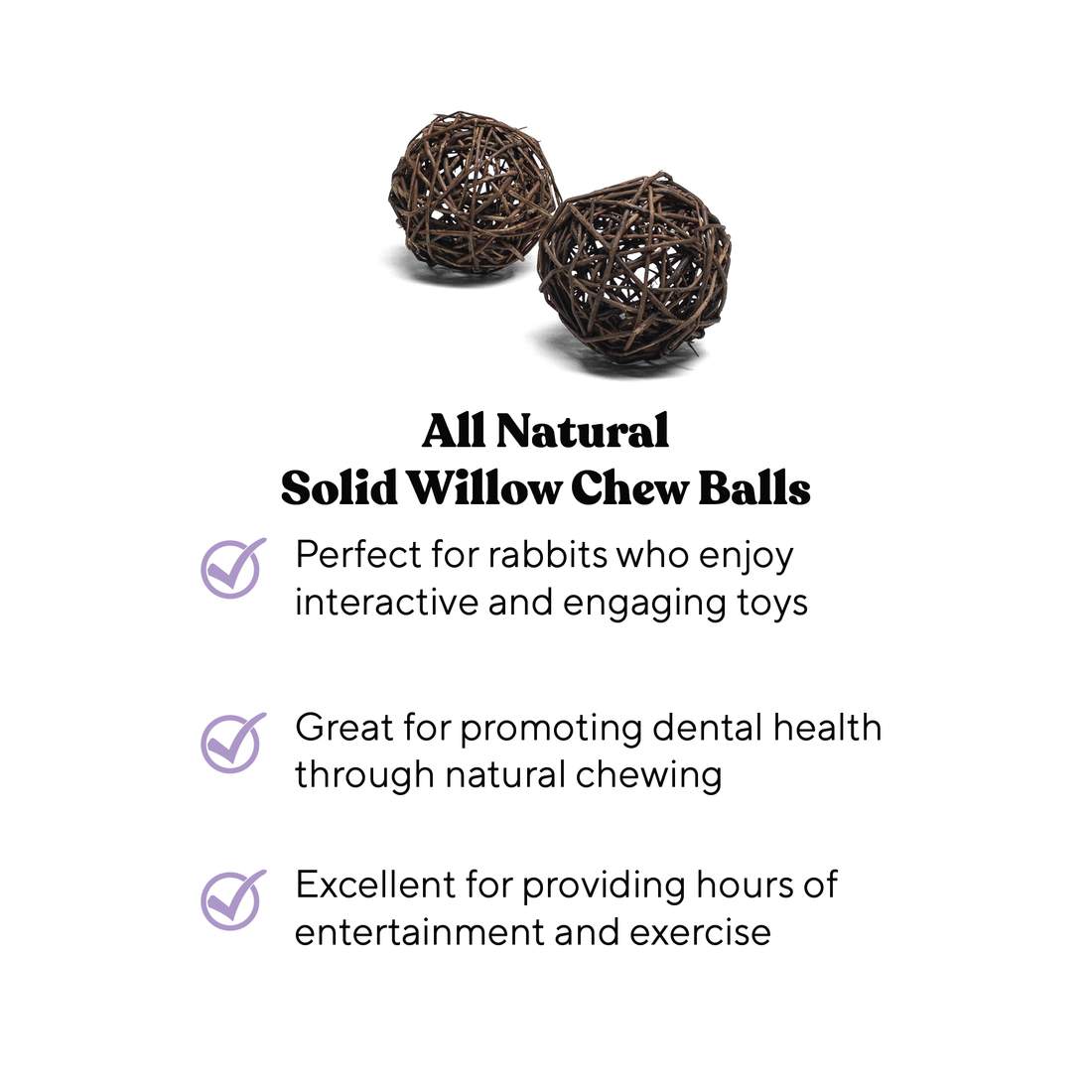






























Yes—pet rabbits can eat fresh grass from the yard when it is untreated, clean, and introduced slowly. Grass is basically live hay: fiber for the gut, chewing for the teeth, and a little hydration on hot days. The catch is everything around the grass—lawn chemicals, mower clippings, toxic weeds, and damp moldy patches can turn a normal snack into a stomach emergency.
If your rabbit has never grazed before, start with a few blades and watch their droppings for a day or two. Unlimited high-quality hay still has to lead the diet; grass is a bonus, not a replacement. The rest of this page is the yard checklist—what to scout before they nibble, what to never feed, and how to add grass without a gut meltdown.

What Are the Benefits of Fresh Grass for Rabbits?
In the wild, rabbits spend much of the day nibbling grass and other plants. Fresh yard grass gives pet rabbits the same fiber boost as hay—steady chewing that wears teeth down and keeps the digestive tract moving.
Fiber: Long blades work like timothy hay in the gut, helping prevent bloating and GI slowdown.
Chewing: Grass satisfies the constant need to grind growing teeth.
Moisture: Fresh grass holds water, which can help on warm afternoons when buns drink less.
Foraging: Grazing in a safe pen mimics natural behavior and gives bored rabbits something to do besides rearrange the litter.
Those perks only matter when the grass is clean and the rabbit's gut is already used to fiber from hay—not when grass suddenly replaces the rack.

How Should I Prepare My Yard Before My Rabbit Grazes?
Think like someone who has to explain the vet bill later: if you would not eat from that patch barefoot, your rabbit should not either.
Go chemical-free: Skip grass treated with pesticides, herbicides, or fertilizer. Residue can be toxic even when the blades look dry.
Scout for toxic plants: Buttercup, foxglove, ivy, and other weeds often hide in lawn edges. The PDSA poisonous-plants list is a solid pre-graze checklist.
Use a secure pen: A rabbit-safe run or supervised time in a fenced area keeps them from bolting toward treated neighbor lawns or garden beds.
Clip for indoor feeding: No safe yard? Scissors and a small handful of freshly cut grass beats skipping greens entirely—just not from the mower bag.
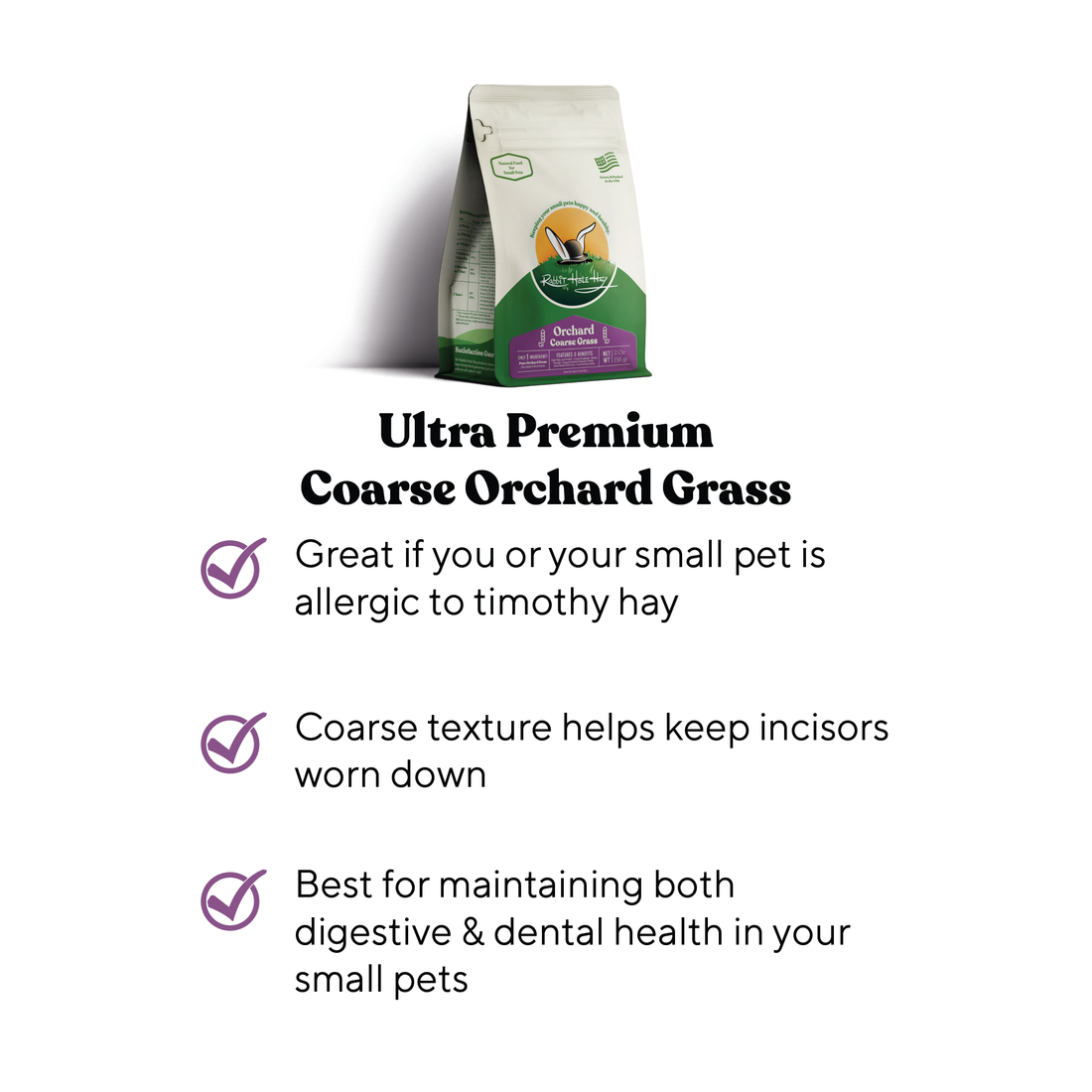
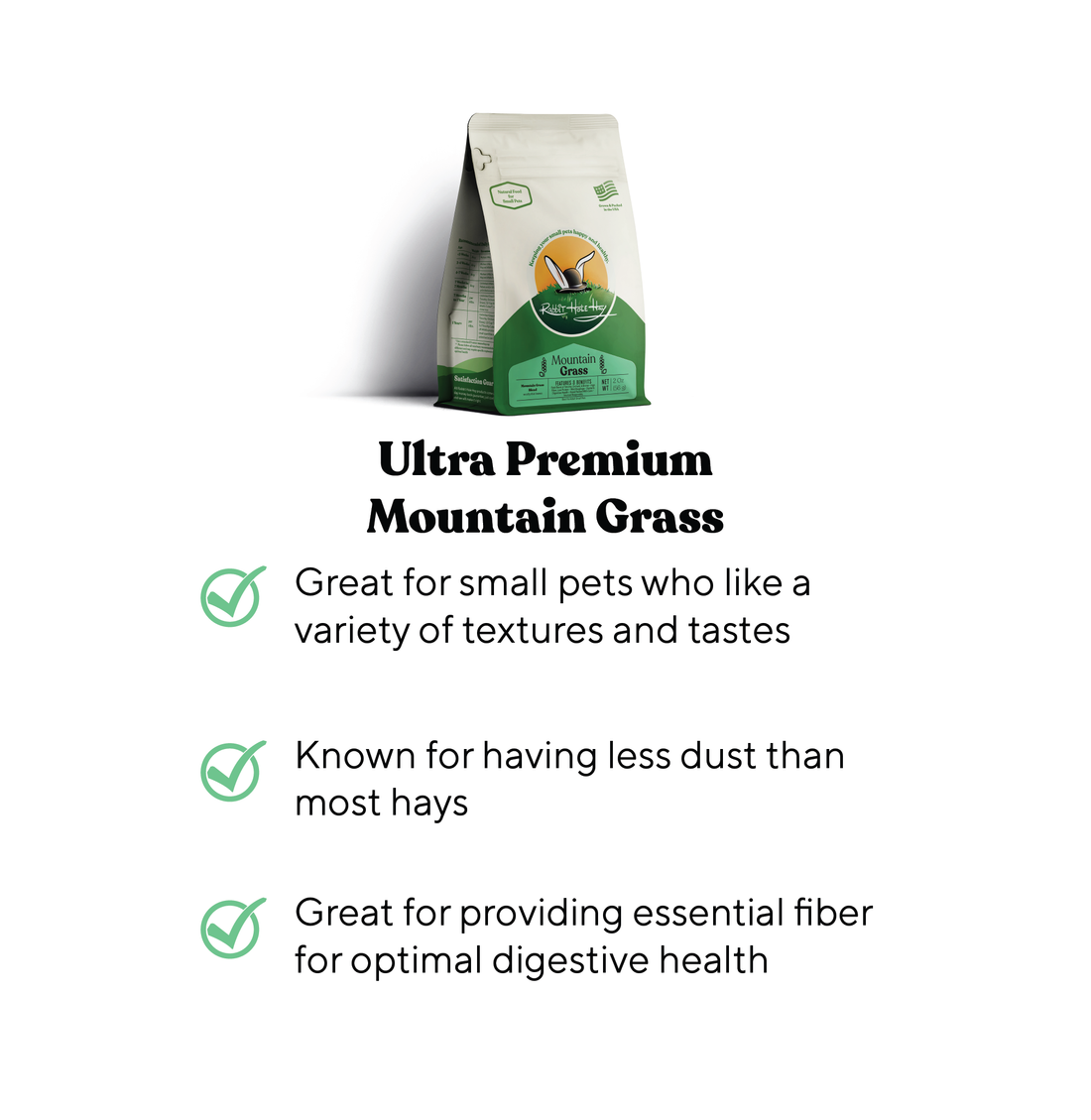
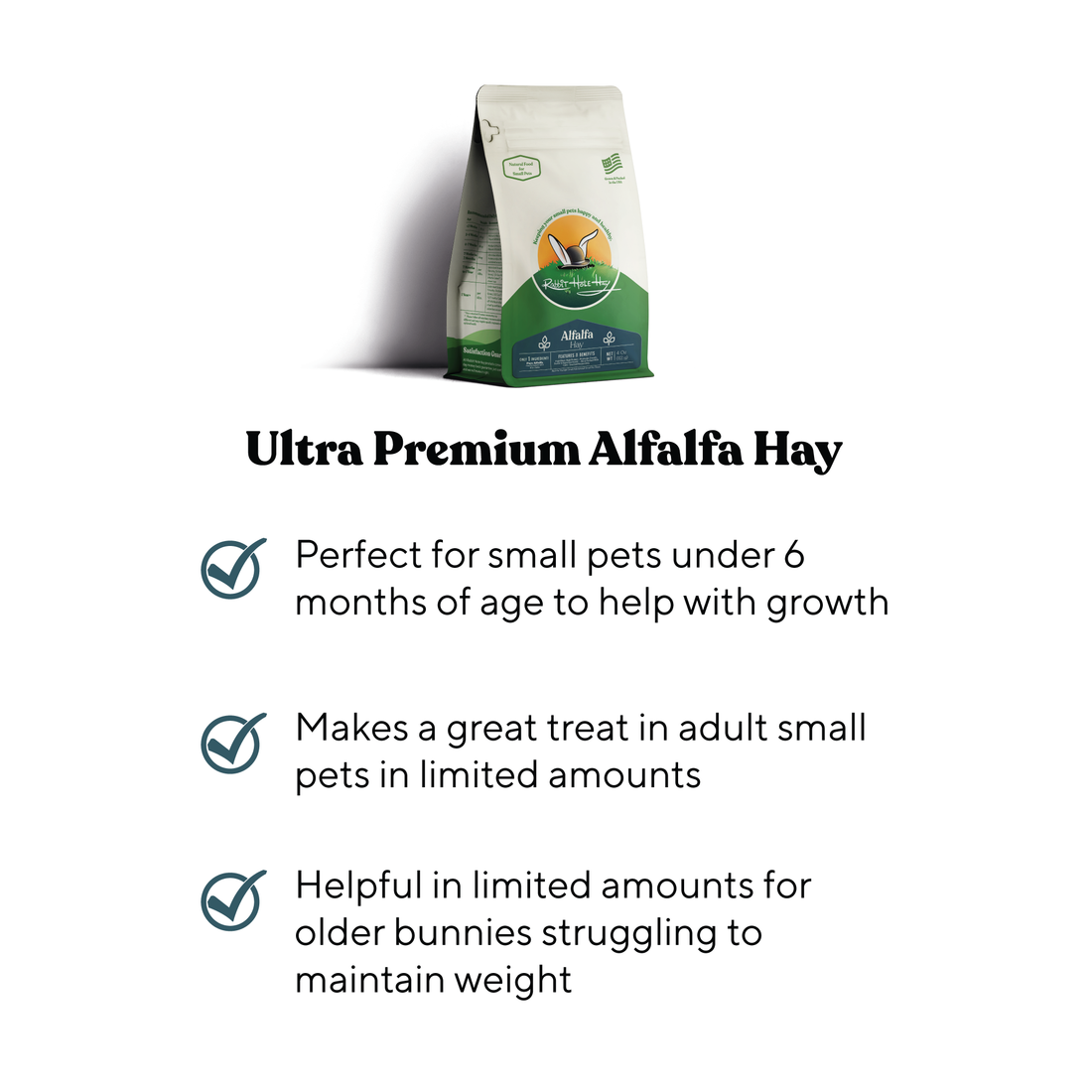
Keep hay in the picture: Even enthusiastic grazers need a full hay rack. Pair outdoor time with the same timothy or orchard grass hay they eat indoors so fiber never dips.
Which Yard Grass and Lawn Habits Should I Avoid?
Some grass is fine; some common lawn shortcuts are genuinely dangerous. These are the ones owners miss most often:
Mower clippings: Heat and pressure in the bag ferment grass fast. Fermented clippings can trigger painful gas and GI stasis. Fresh-cut blades you offer by hand are different from a hot pile from the mower.
Treated lawns: If the yard—or the neighbor's runoff—got spray last week, keep rabbits off until you are sure it is safe.
Poisonous mix-ins: Weeds and garden escapees often grow faster than grass. Scan the patch before every session, not just the first time.
Grass as the whole diet: Fresh grass does not cover every nutrient adult rabbits need. Hay stays the foundation; grass is garnish with benefits.
Wet or moldy grass: Damp blades or slime on the lawn can carry mold. Offer dry, fresh grass only—and skip grazing right after heavy rain if the patch squishes underfoot.
One bad afternoon on the wrong lawn is not worth the risk when a hay rack in the living room already does the heavy lifting.

How Do I Introduce Grass Without Upsetting My Rabbit's Stomach?
Rabbit guts hate sudden menu swaps. A bun who has lived on hay and pellets only needs a slow ramp—not a lawn buffet on day one.
Offer a few clean blades or a small clipped handful and watch for interest.
If droppings stay normal for 24–48 hours, add a little more grass over several days.
Stop and call your vet if you see diarrhea, no droppings, or a suddenly hunched, uncomfortable rabbit.
Keep the hay rack full the whole time so fiber intake never drops while you experiment.
Most buns adjust fine when the grass is clean and the change is gradual. You are not being precious—you are respecting a digestive system that already treats every surprise as personal.
Which Fruits, Vegetables, and Herbs Are Safe Alongside Grass?
Grass handles the fiber side of fresh food; small produce portions handle variety. Safe options include leafy greens like romaine, cilantro, and parsley, plus limited fruit treats. Portions and frequency matter more than the label "natural."
For a full safe-and-skip list—including herbs and fruit serving sizes—see our guide to fruits, vegetables, and herbs rabbits can eat. Grazing does not replace that list; it sits beside hay and measured greens, not instead of them.
Does My Rabbit Still Need Hay If They Love Eating Grass?
Yes. Grass and hay are cousins, but hay wins for everyday reliability.
Year-round staple: Hay is dried, easy to store, and available when the yard is snow, mud, or drought.
Steady fiber: Dried hay delivers predictable long-strand chewing without weather swings in moisture or sugar.
Dental wear: Daily hay grinding keeps teeth from overgrowing when outdoor grazing is occasional.
Let your rabbit enjoy grass when the yard cooperates, but keep the rack stuffed with the same grass hay they would eat anyway. Our hay feeding tips walk through placement and portions so indoor fiber does not slip when outdoor snacks go up.
Key Takeaways for Safe Grass Grazing
Fresh, untreated yard grass is a healthy add-on when you introduce it slowly and supervise the patch. Skip mower clippings, chemical lawns, and moldy wet grass; keep toxic weeds off the menu; and never let grazing crowd out unlimited hay.
When you are restocking the indoor pile that actually runs the diet, our Hay Is for Rabbits guide covers types, portions, and where grass fits—keep it bookmarked for the day the yard looks perfect and you are tempted to skip the rack.




Comments