


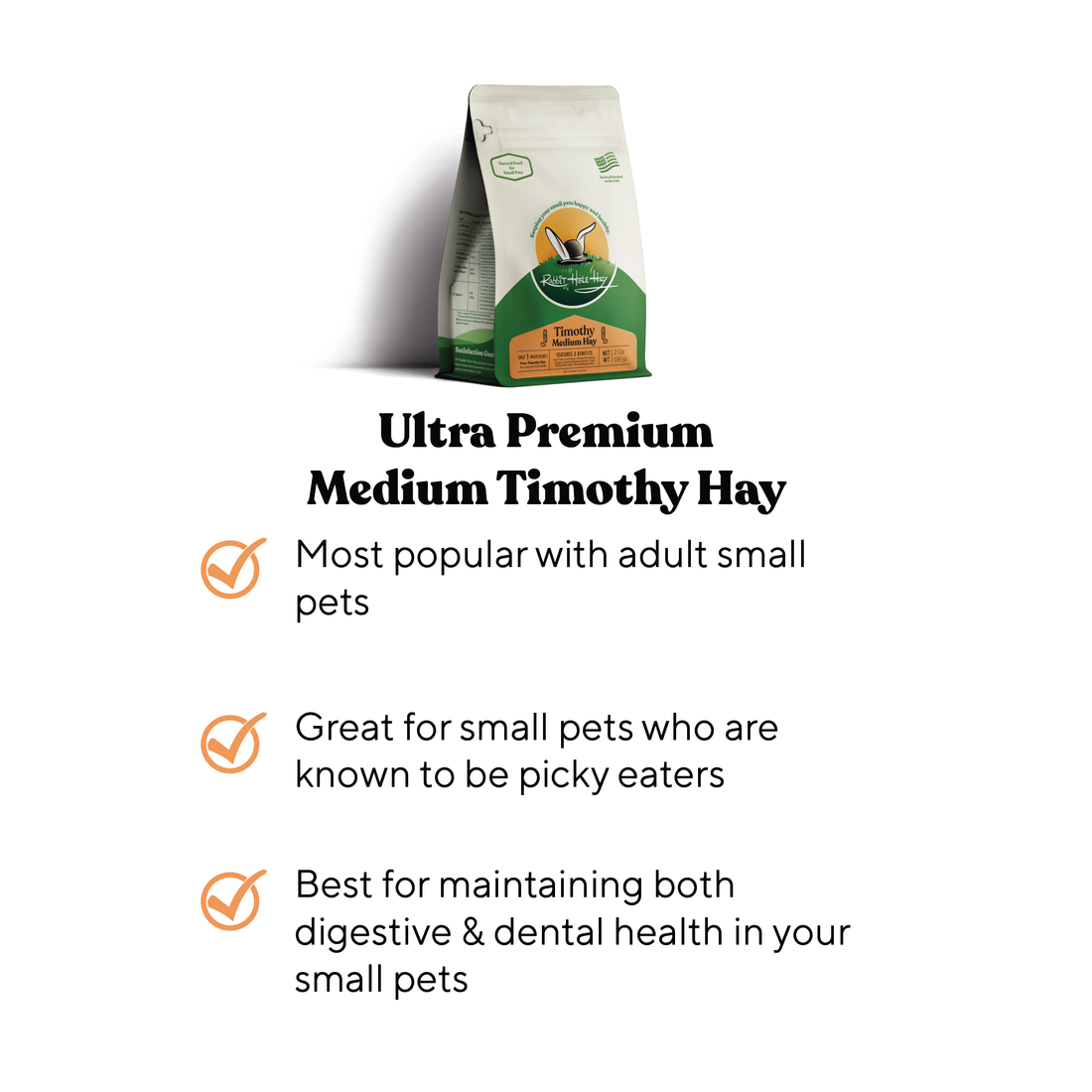

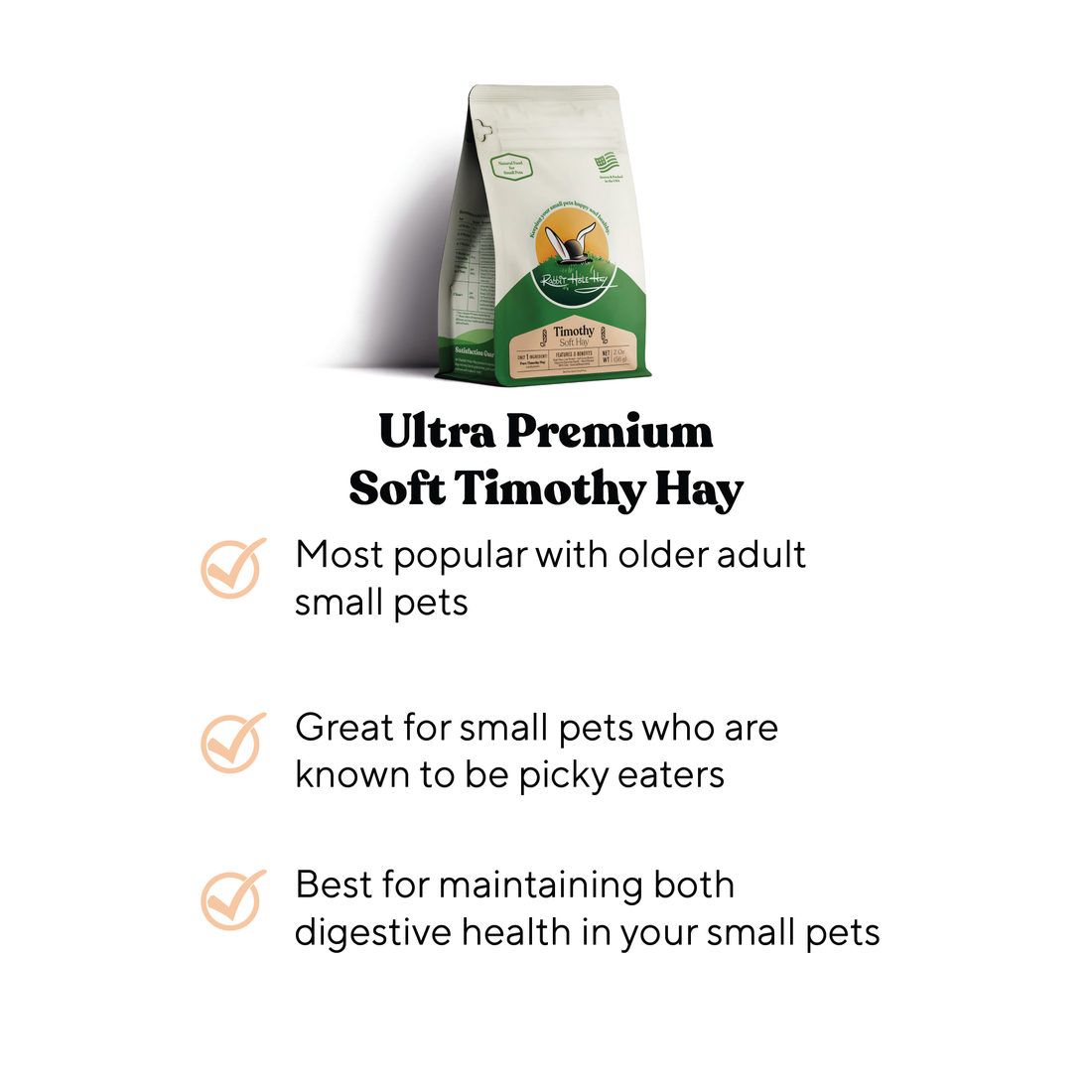

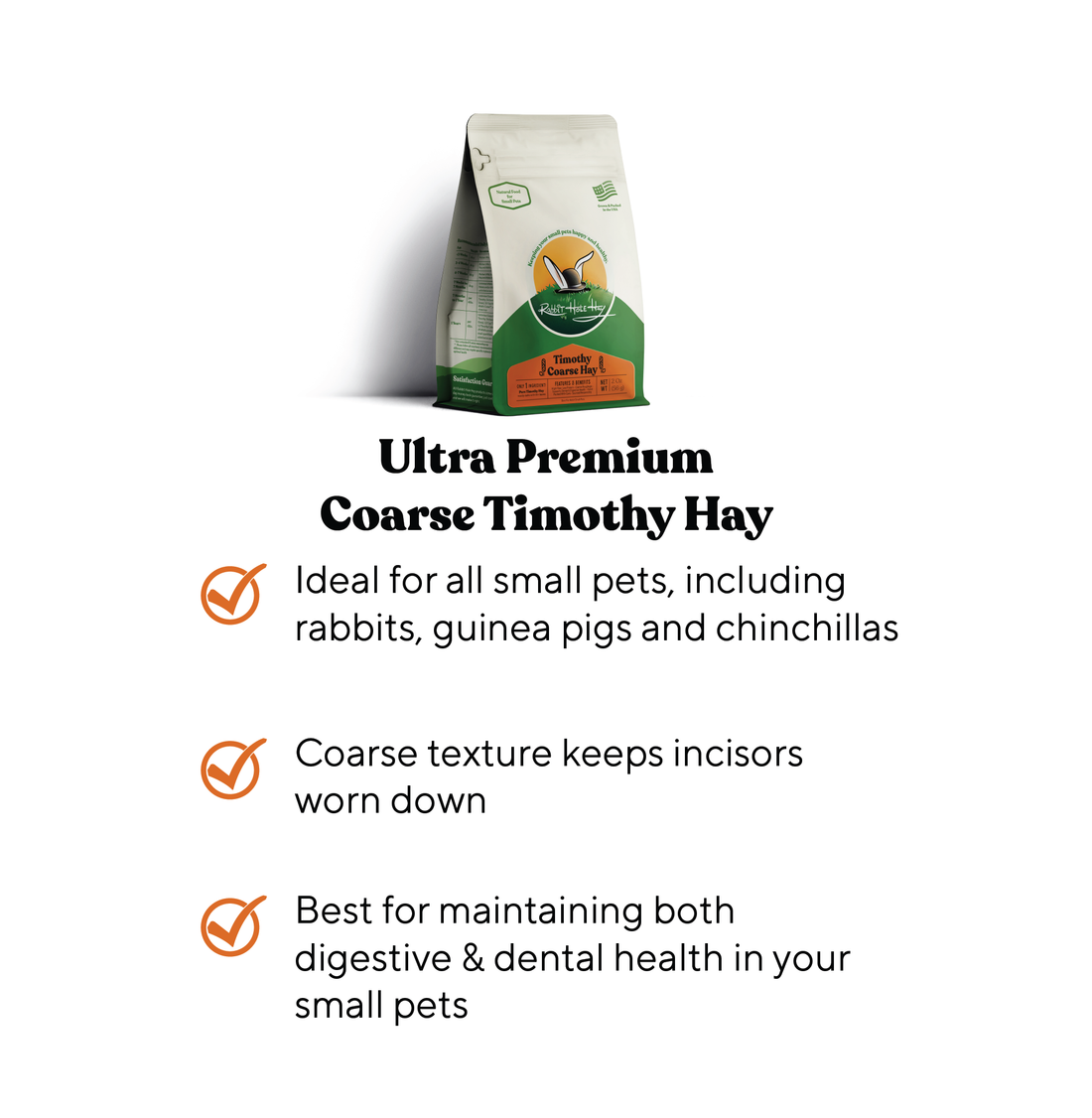

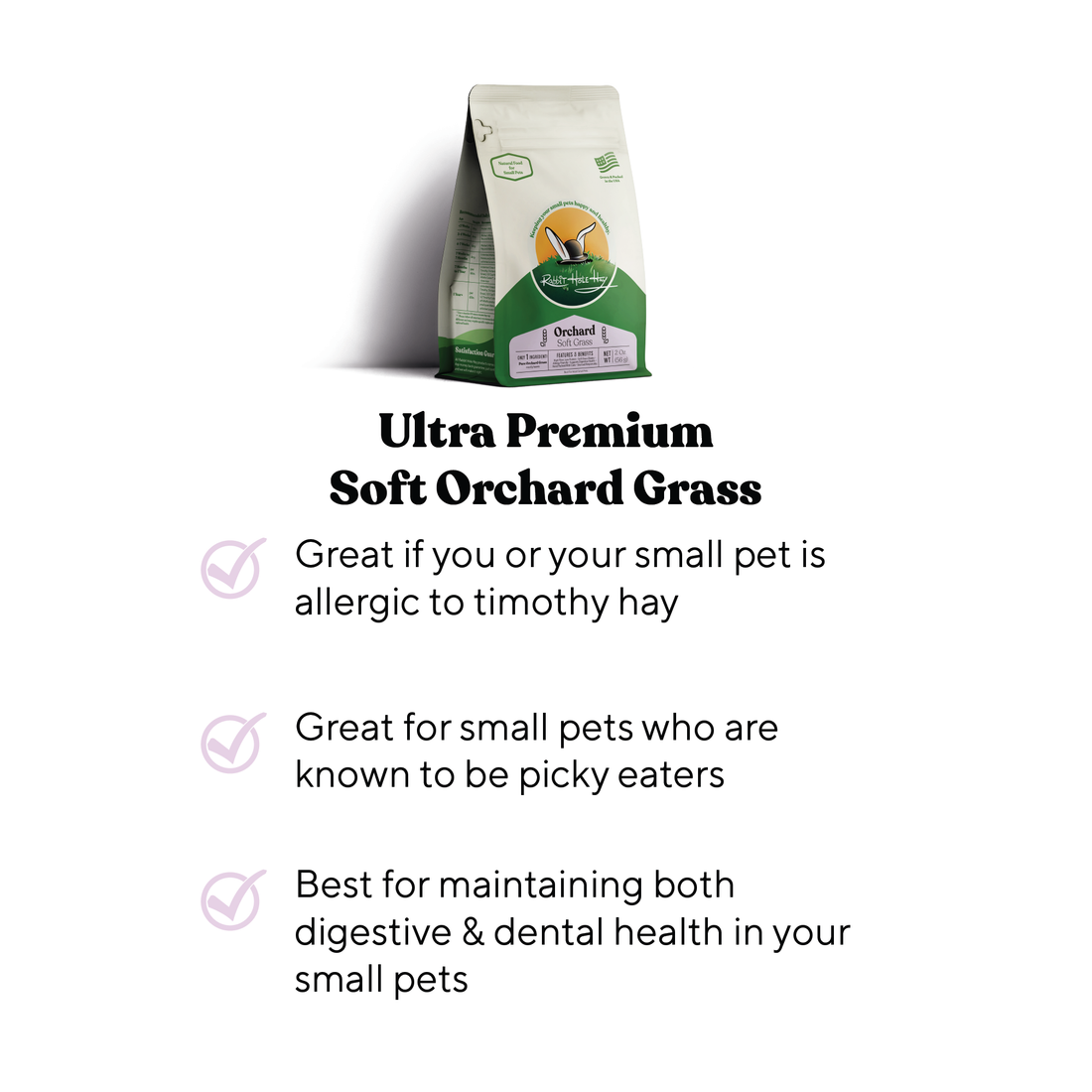

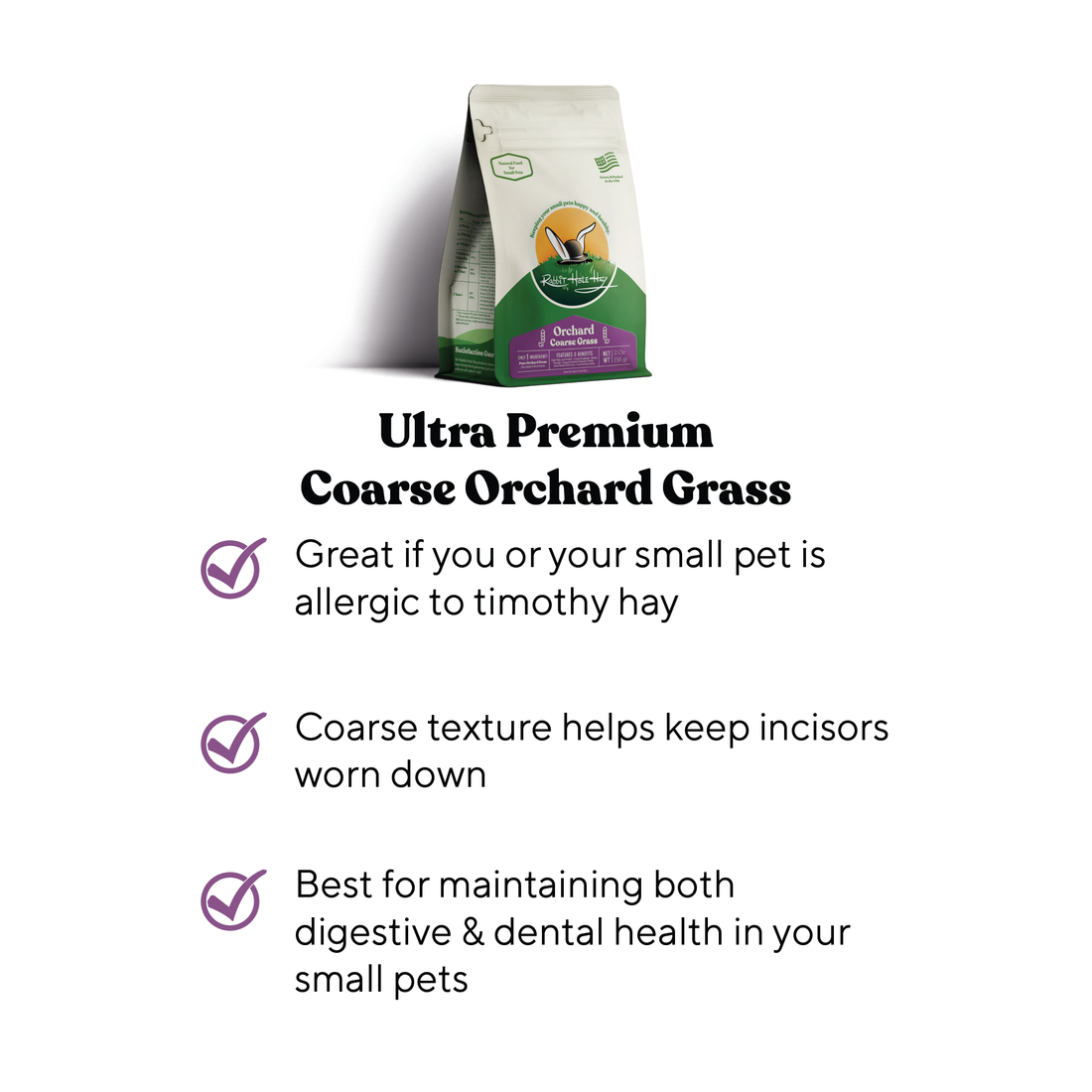

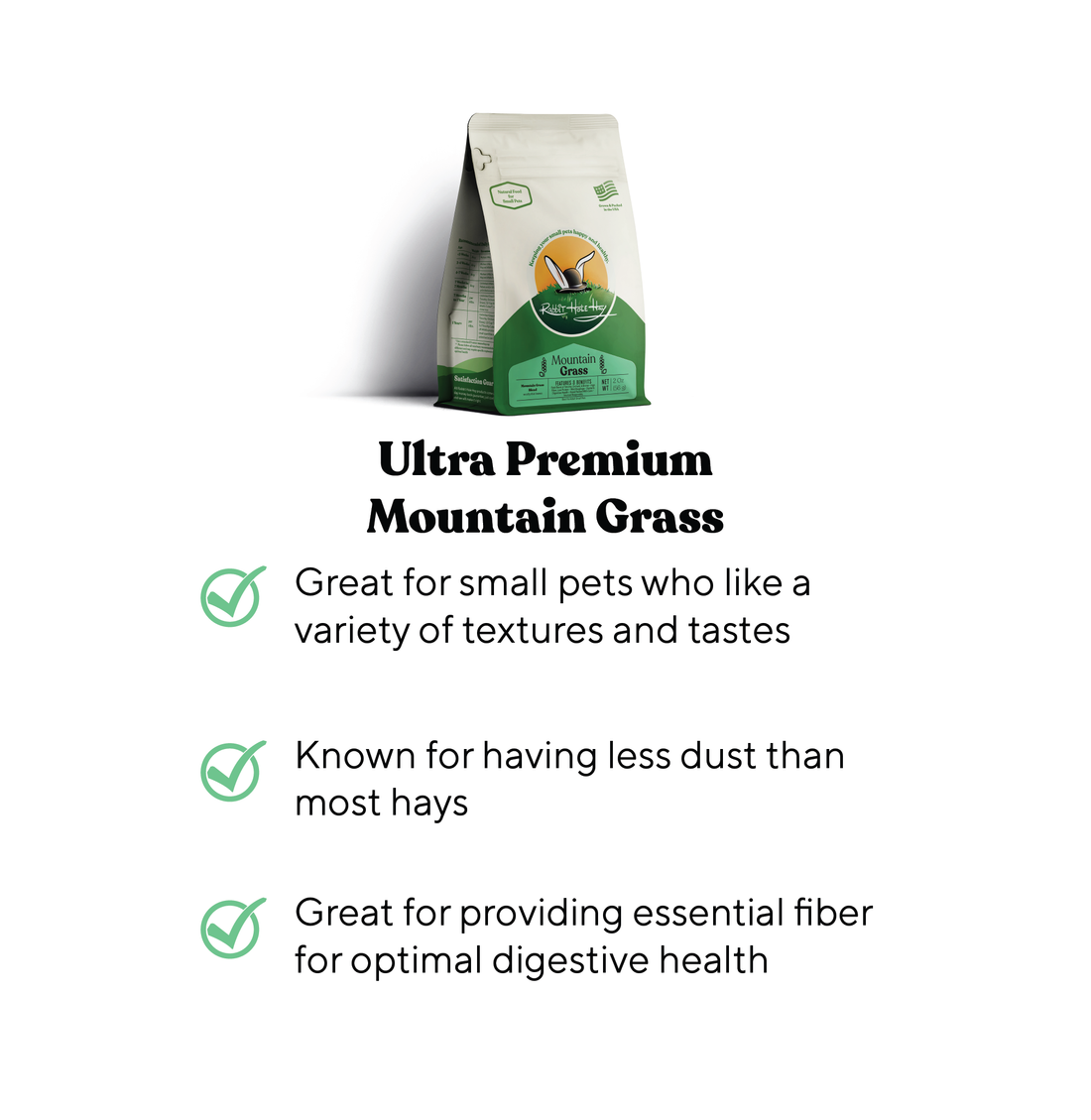



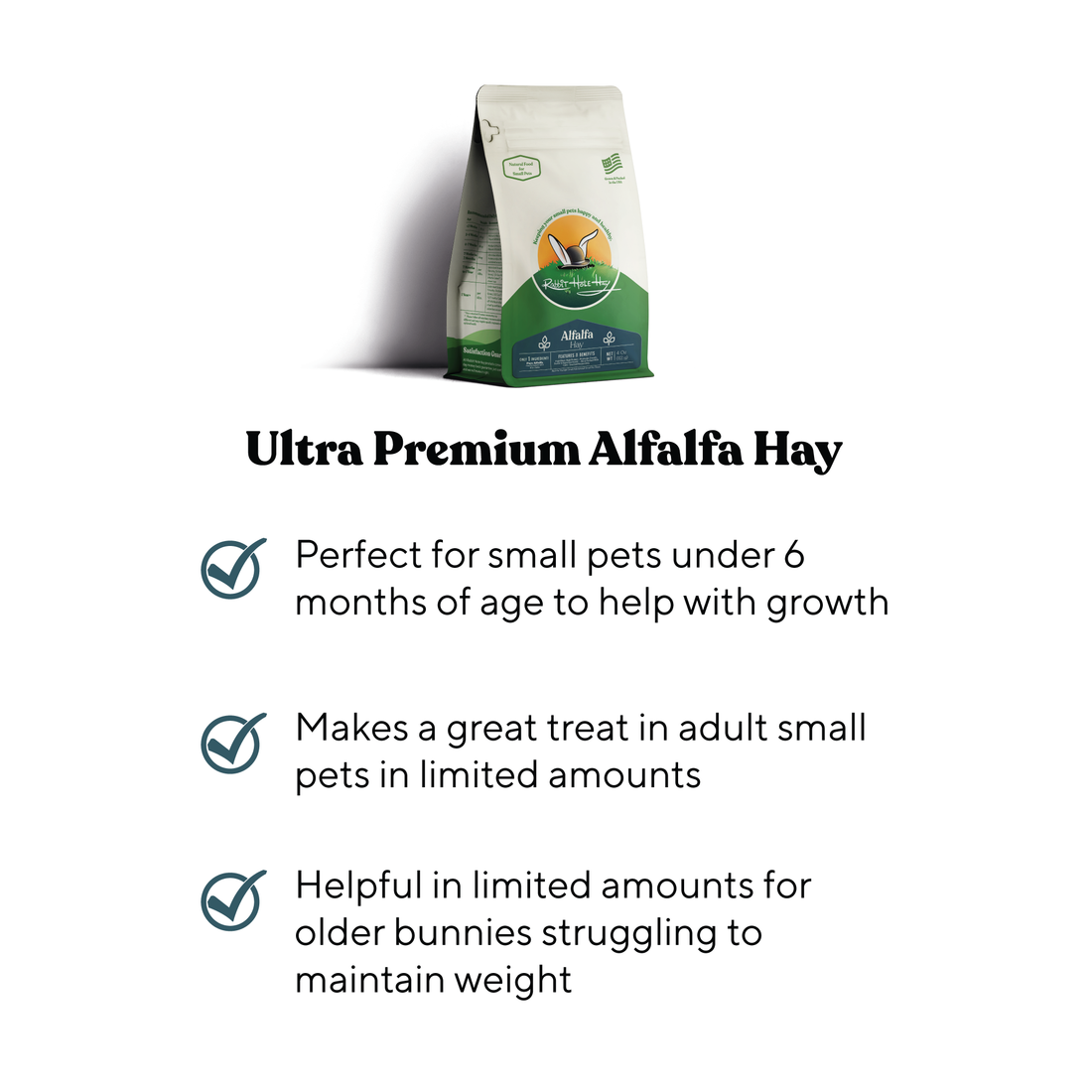

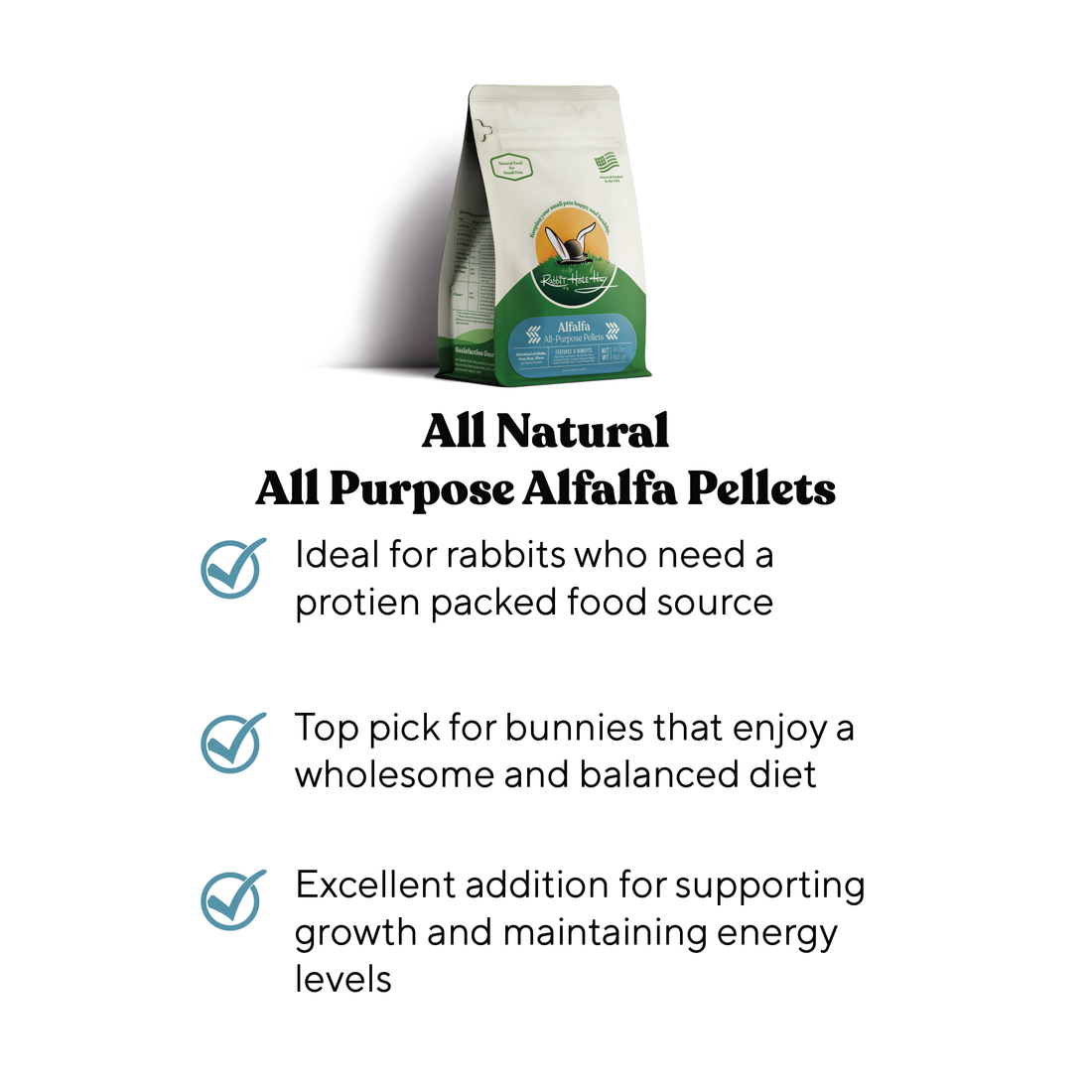

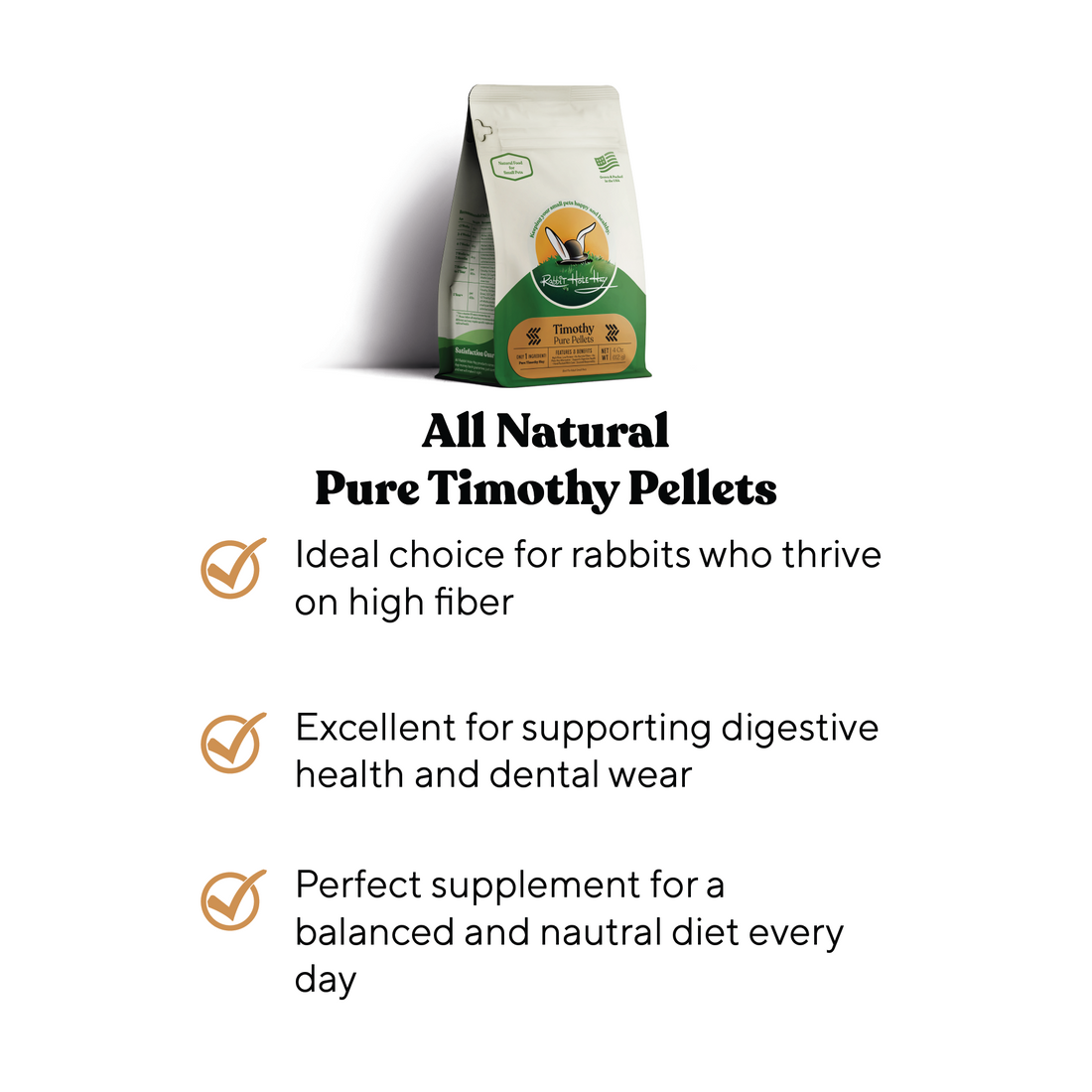

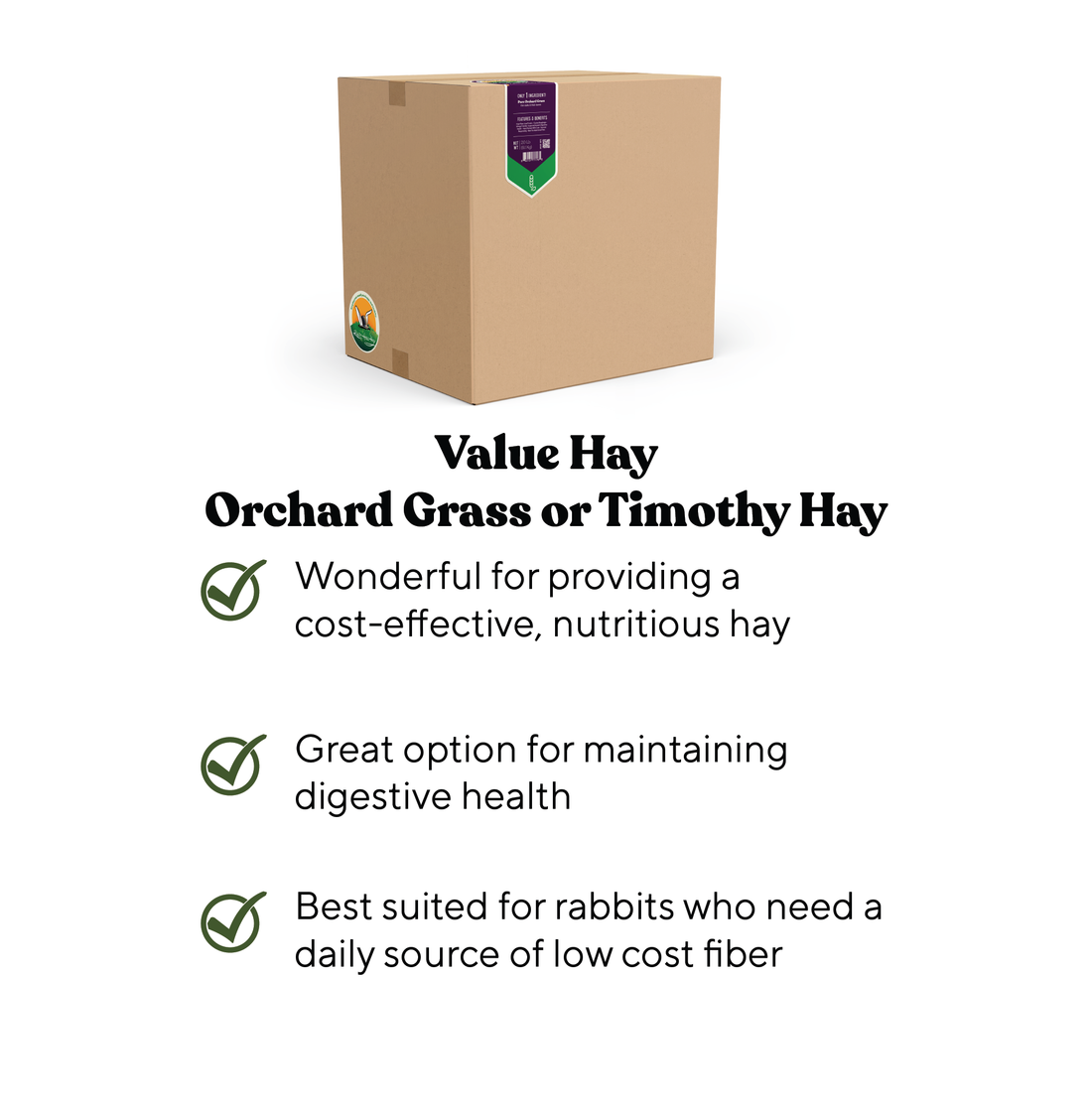


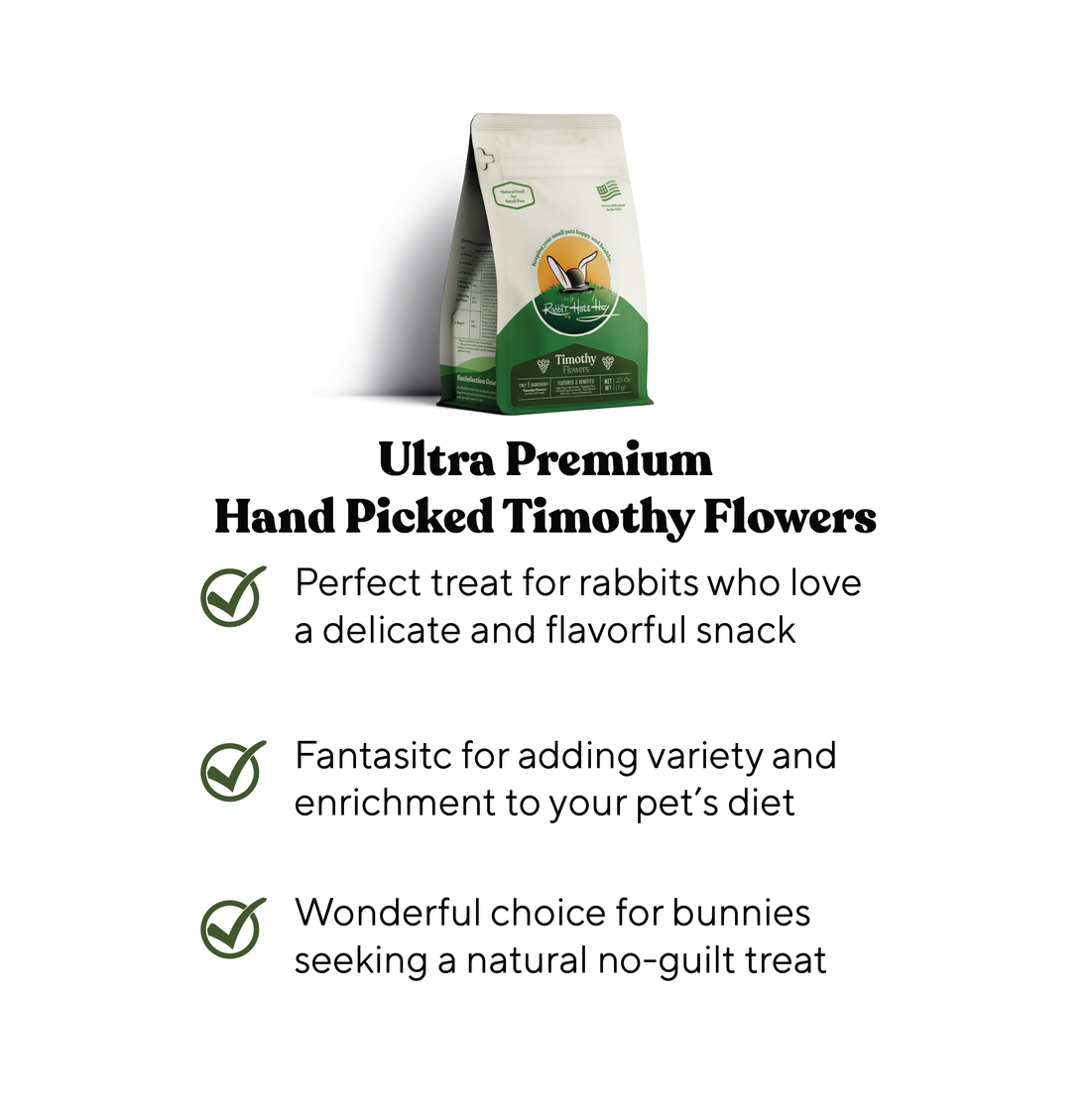

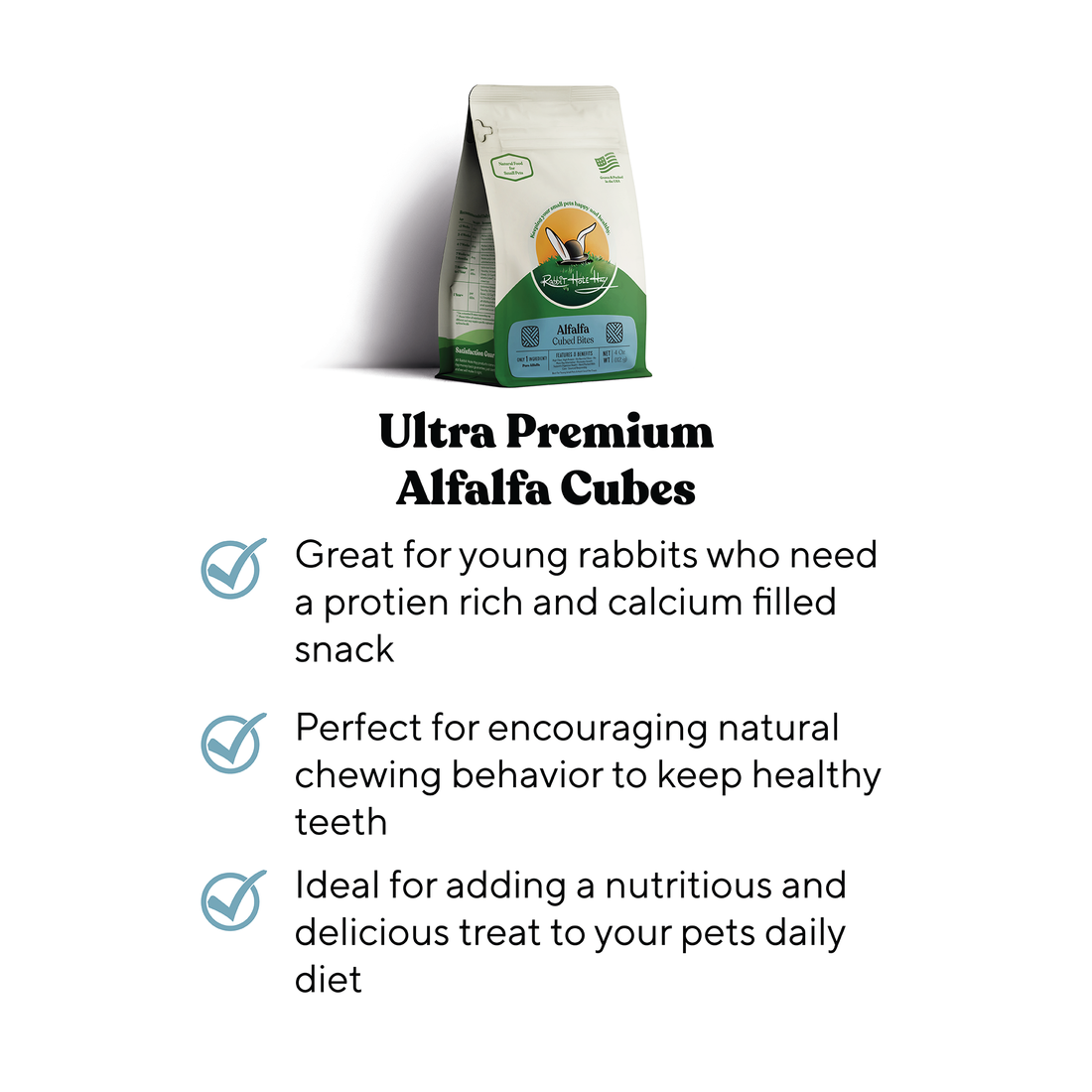

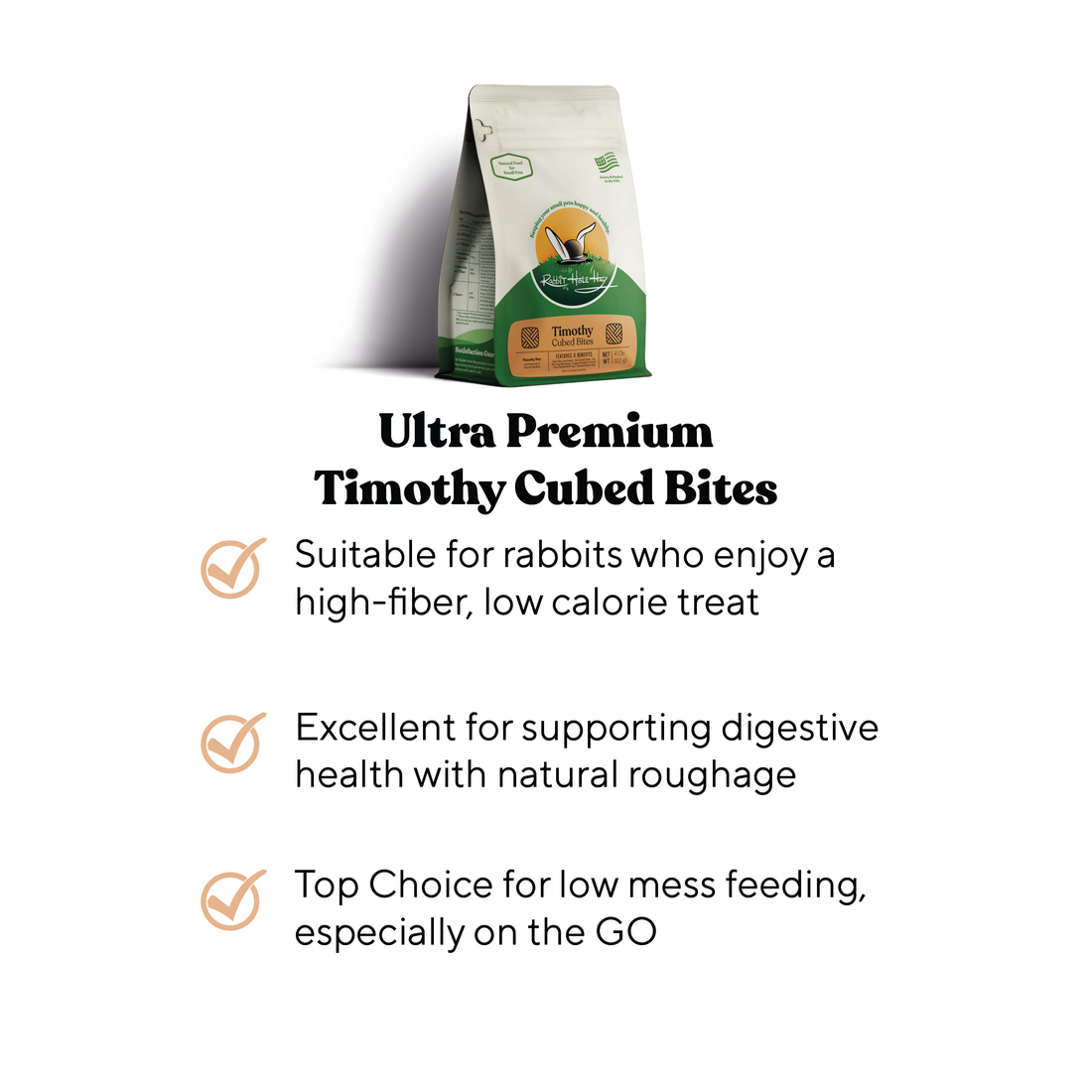

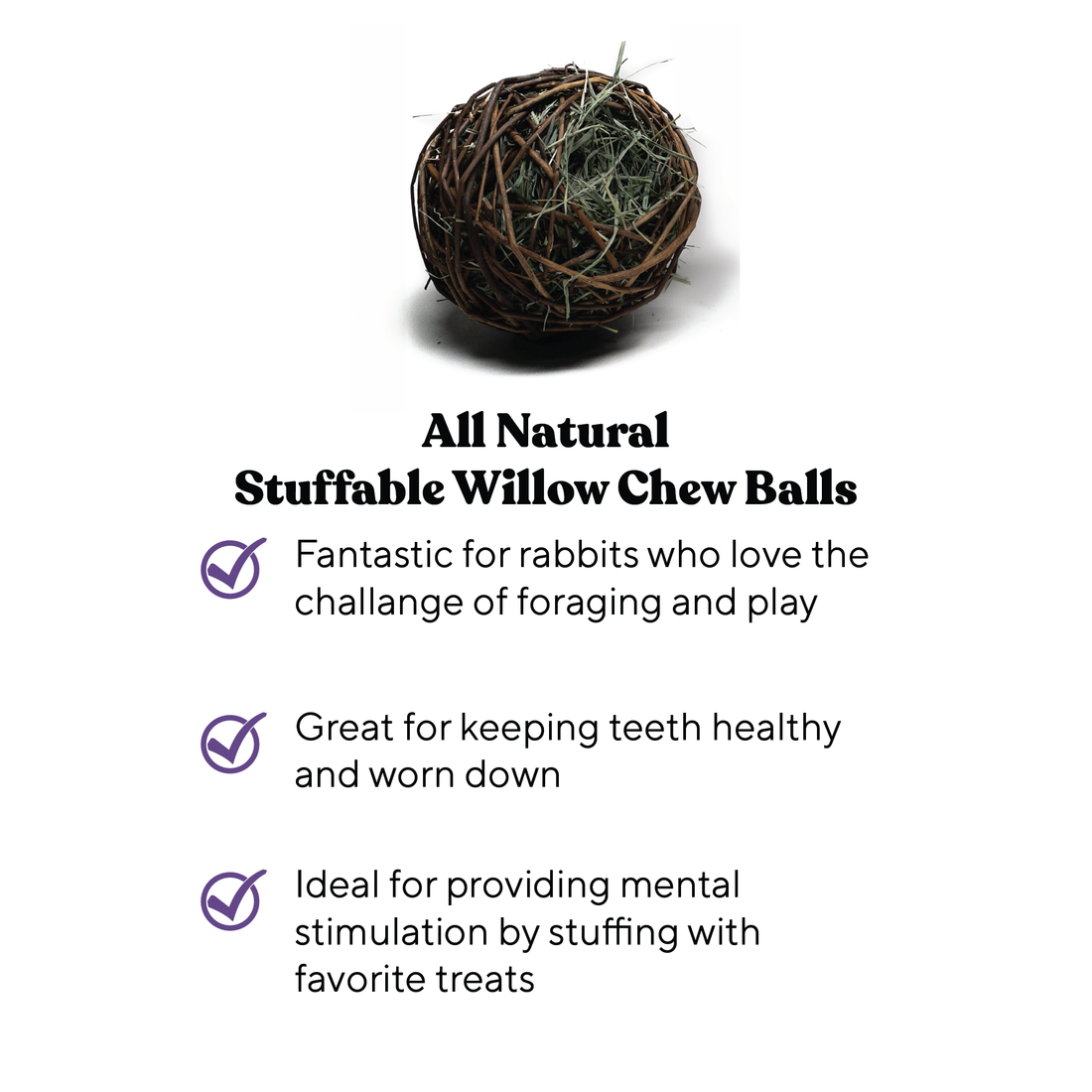





























In hot summer weather, feed rabbits unlimited grass hay (Timothy or orchard grass) as the main food, plus a daily cup of leafy greens and small amounts of water-rich vegetables like cucumber and zucchini. Fresh water in a heavy bowl matters more than ever—rabbits can dehydrate fast when the house warms up.
Seasonal tweaks do not mean skipping hay. Some buns eat lighter when it is hot, so you might offer more romaine, cilantro, and basil while keeping pellets steady. Fruit stays a tiny treat—sugar plus heat is a gut gamble you do not need.
Below we cover the best summer foods, what to pull back, how feeding times change, and what winter looks like by comparison. For the full hay-first picture, see our guide to keeping your rabbit healthy with hay.

Does Hay Still Matter Most in Summer?
Yes—hay is non-negotiable year-round. Fiber keeps the gut moving and teeth worn down even when your rabbit reaches for watery veggies instead of a dry pile.
Timothy hay should fill the rack 24/7. If appetite dips in afternoon heat, refresh the pile in the morning or after sunset when they are more likely to munch. Types and portions for every life stage live in our Hay is for Rabbits guide.
What Leafy Greens and Herbs Help Rabbits Stay Cool?
Rotate hydrating greens: romaine lettuce, cilantro, parsley, and basil. Mint can be a nice summer add—some owners swear it feels cooling, and rabbits often like the smell.
Go easy on spinach and kale. High calcium in big summer servings can contribute to bladder sludge over time. Wash everything well; garden pesticides and roadside sprays are not worth the risk.
Water-Rich Vegetables Worth Adding
Cucumber and zucchini add moisture without much sugar. Offer small slices alongside hay—not as a hay replacement. Iceberg lettuce is mostly water with little nutrition and can loosen stools, so skip it.
How Much Fruit Is Safe When It Is Hot?
Keep fruit under 10% of the diet. Strawberries, blueberries, and seedless watermelon work as occasional bites—not a cooling strategy. Sugar ferments in a warm gut faster than owners expect.
If you want a summer treat that actually helps hydration, try frozen herb cubes: blend mint and basil with water, freeze in trays, and float one cube in the water bowl. Cute on camera; plain water still does the real work every day.
What Foods Should I Avoid Feeding Rabbits in Summer?
High-calcium greens in large amounts: spinach, kale, beet greens
Iceberg lettuce: too much water, not enough fiber
Frozen sugary treats: can shock the gut even if they look cute on Instagram
Heavy pellet loads at noon: feed when the room is cooler
Heat stress and appetite loss overlap—if your rabbit stops eating hay entirely, that is a vet call, not a menu tweak. Our article on cooling rabbits in summer covers environment changes that pair with diet.

How Should I Adjust Feeding Times and Portions?
Many rabbits eat less mid-day when the house is warm. Offer fresh greens and pellets early morning and late evening. If pellet intake drops but hay stays steady, you are usually fine—watch weight and droppings over a week, not one skipped lunch.
Use a heavy ceramic water bowl they cannot flip. A second bottle is fine backup; some buns drink more from a bowl when they are warm.
What Are the Signs My Rabbit Is Overheated?
Food will not fix heat stroke. Watch for:
Rapid breathing or panting
Floppy ears or stretching flat on cool flooring
Reddened ears
Drooling or wet fur around the mouth
Move them to shade, offer water, and place a frozen water bottle wrapped in a towel nearby. If breathing stays fast or they will not eat, call your vet—do not wait for evening feeding time.
What Changes About a Rabbit's Diet in Winter?
Winter is the mirror season: rabbits often eat more hay and pellets to fuel warmth, and fresh garden greens may shrink to what you buy at the store. Hydration still matters—heated homes are dry—but you worry less about heat stress and more about unlimited fiber when outdoor playtime drops.
When cold weather hits, our winter hutch guide pairs with the same hay-first rule: keep the rack full, bump indoor enrichment, and do not swap hay for starchy treats just because they seem bored.
What Should I Remember About Summer Rabbit Food?
Hay stays the engine; summer adds hydration around it. Greens, herbs, and water-rich veggies help, but they ride behind fiber—not instead of it.

When you are stocking up, browse premium hay delivered to your door so the summer rack never runs empty on the hottest week.





Comments