

















































Halloween brings out the creative side in all of us—and that includes pet parents. From spooky photoshoots to neighborhood costume contests, the temptation to dress up your rabbit is real. Seeing your bunny as a vampire, pumpkin, or even a ghost is downright adorable.
Click Here to Shop Rabbit Products.

But while dressing up your rabbit might sound fun, there's more to think about than just how cute they'll look. Before you break out the sewing kit or click "buy" on that costume, it's important to learn about rabbit Halloween safety. Choosing the wrong outfit or leaving it on too long can do more harm than good.
Here's everything you need to know to celebrate Halloween safely and stress-free with your bun.
Why Rabbit Halloween Safety Should Come First
Rabbits are delicate animals. Their bodies are built for quick escapes and calm environments—not heavy fabrics or bulky outfits. The wrong costume can stress them out, restrict their movement, or even pose a choking risk. That's why rabbit Halloween safety isn't optional. It's the starting point for every costume decision you make.
Costumes should never interfere with your rabbit's ability to hop, breathe, or stay cool. Rabbits can overheat quickly, and many store-bought costumes are made of thick materials that trap heat. In the worst cases, rabbits may panic if they can't move naturally or if they feel trapped.

Know Your Rabbit's Size and Personality
Before you even think about what costume to pick, start with your rabbit's measurements. This isn't just about making sure it fits—it's about comfort and safety. A costume that's too tight can press on your rabbit's chest or belly, making it hard to breathe. One that's too loose can slide around, causing tripping or panic.
Use a soft measuring tape to get your rabbit's length from shoulder to tail, chest girth, and neck size. If you're ordering online, always check the size chart. Better yet, shop from retailers that specialize in small pet costumes. Sites like Cuddly Cavies Creations offer handmade items with rabbit-safe designs.
Even more important than size is your rabbit's personality. Some rabbits are naturally relaxed and curious—those are the ones most likely to tolerate a costume for a few minutes. Others are more skittish and will react to a costume with fear or frustration. Know your rabbit's limits before you even try the outfit on.
Set the Mood With a Calm Environment
If your rabbit is going to wear a costume—even just for a few minutes—pick a quiet time and place. Don't try dressing them up right after a loud visitor leaves or while the neighbor's dog is barking. Rabbits are easily startled by noise and motion, and this can make the whole costume experience a disaster before it even starts.
Choose a calm room, free of distractions. Let your rabbit explore the costume before putting it on. Let them sniff it and check it out. This gives them a chance to adjust without pressure. If they hop away or show signs of unease, take a step back and try again later—or skip the costume entirely.
Always Supervise a Dressed-Up Bunny
This cannot be stressed enough: never leave your rabbit alone while wearing a costume. Even the most chill bunny can panic if something shifts the wrong way. Costumes can tangle around legs, block vision, or tighten unexpectedly with movement.
Stay close, watch your rabbit's body language, and be ready to remove the costume at the first sign of distress. Look for signs like freezing, rapid breathing, trying to bite or scratch off the costume, or wild hopping. These are all signals your rabbit is done.
While it may seem harmless to let your rabbit lounge in costume for a while, even ten extra minutes can be too much. Limit dress-up time to a few minutes, ideally just long enough to grab that cute Halloween photo and then gently remove the outfit.
Costumes That Are a Good Fit for Rabbit Halloween Safety
If you're set on dressing up your bun, keep the costume simple. Avoid full-body outfits, tight sleeves, hats, or face coverings. Stick to soft, lightweight materials with minimal parts. Think decorative collars, capes, or headbands with loose elastic that won't press against the skin.
DIY costumes can give you more control over the materials and fit. If you're crafty, felt and cotton are safe bets. Avoid glue, buttons, sequins, and any sharp materials. Also, avoid elastic bands that can twist or catch around the legs or neck. A loose cape with a soft Velcro tab is often the safest bet.
Need costume ideas? A tiny cape for a vampire bun, a felt pumpkin saddle, or soft bat wings clipped to a harness are all safer choices. If you're looking for more inspiration, Pinterest boards like this Halloween rabbit collection are full of ideas shared by other bun lovers.
When Not to Dress Up Your Rabbit
There are times when no costume is the right call. If your rabbit has recently been sick, is in a new environment, or is just getting used to being handled, skip the outfit. Stress can worsen health issues and delay recovery. It's better to wait until your rabbit is relaxed and confident before attempting anything new.
Older rabbits or those with mobility issues should also avoid costumes. Their bones and joints may not handle extra weight or pressure well, and the risk of injury increases. In these cases, consider festive props in the background of your photo instead. A Halloween-themed blanket, small pumpkins, or even a tiny basket of hay can still make for a perfect seasonal snapshot—without adding stress.
Watch for These Signs of Rabbit Stress
Costumes may seem harmless, but even short wear times can stress some rabbits. That's why knowing the early signs of stress is part of rabbit Halloween safety. Not every rabbit will protest loudly, so it's up to you to observe the small signals.
Look for these red flags while your rabbit is wearing a costume:
Thumping: This is a clear sign your rabbit feels threatened or alarmed.
Heavy breathing: If your rabbit's sides are moving quickly, it could be overheating or anxious.
Flattening their body: This posture shows fear. It means they're trying to avoid attention.
Trying to escape or hide: Hopping away, nudging the costume off, or scratching at it is their way of saying, "No thanks."
Change in body temperature: If your rabbit feels warmer than usual, remove the costume immediately.
If you spot any of these behaviors, skip the costume and give your rabbit space. Follow up with their favorite treat, some head pets, or a quiet moment together to help them settle down.
Safe Alternatives to Rabbit Costumes
If dressing up your rabbit isn't a good fit, don't worry—you can still get into the Halloween spirit. There are safer and stress-free ways to involve your bun in the celebration without making them uncomfortable.
Here are a few ideas:
Festive Photo Setups: Decorate a photo area with Halloween props like pumpkins, hay bales, and themed backdrops. Your rabbit can pose in their natural fluffiness—no costume required.
Edible Halloween Treats: Instead of an outfit, offer a safe Halloween treat like a small piece of banana or a slice of apple (in moderation). They'll enjoy the snack more than a cape.
Decorated Play Areas: Add Halloween decorations around your rabbit's playpen—just make sure they're out of chewing range or made from bunny-safe materials like untreated cardboard or paper.
These options let you join the holiday fun without putting your rabbit at risk.

Be Aware of Halloween Hazards at Home
Halloween isn't just about costumes. The decorations, food, and noise that come with the season can create a minefield for rabbits. Pet parents often overlook how stressful this time of year can be for small animals.
Here are a few things to keep in mind:
Noise: Loud music, doorbells, and kids running around in costumes can scare rabbits. If you're hosting a party or expecting trick-or-treaters, set your rabbit up in a quiet room away from the activity.
Wires and lights: Halloween often means string lights and animatronics. These can become chew hazards for curious rabbits. Keep cords out of reach or use protective covers.
Candy and wrappers: While you might be careful, dropped sweets or shiny plastic wrappers can end up in curious mouths. Keep treats off the floor and dispose of trash right away.
Decorations: Avoid using fake spiderwebs, glitter, or scented candles near your rabbit's space. These can irritate their respiratory system or cause stomach issues if ingested.
It only takes one moment for a rabbit to get into something unsafe. Make sure their space is secured and free of Halloween clutter.
Keep Their Diet Consistent During the Holidays
With the shift in routines that often happens during holidays, it's easy to let things slip—including your rabbit's feeding schedule. But sticking to their normal diet is part of overall rabbit Halloween safety. Any sudden change, even adding too many sugary fruits, can trigger digestive issues.
Your rabbit's daily diet should remain consistent: at least 80% grass hay, plus measured servings of leafy greens and high-fiber pellets. Hay keeps their digestive system moving and provides long-term dental health benefits.
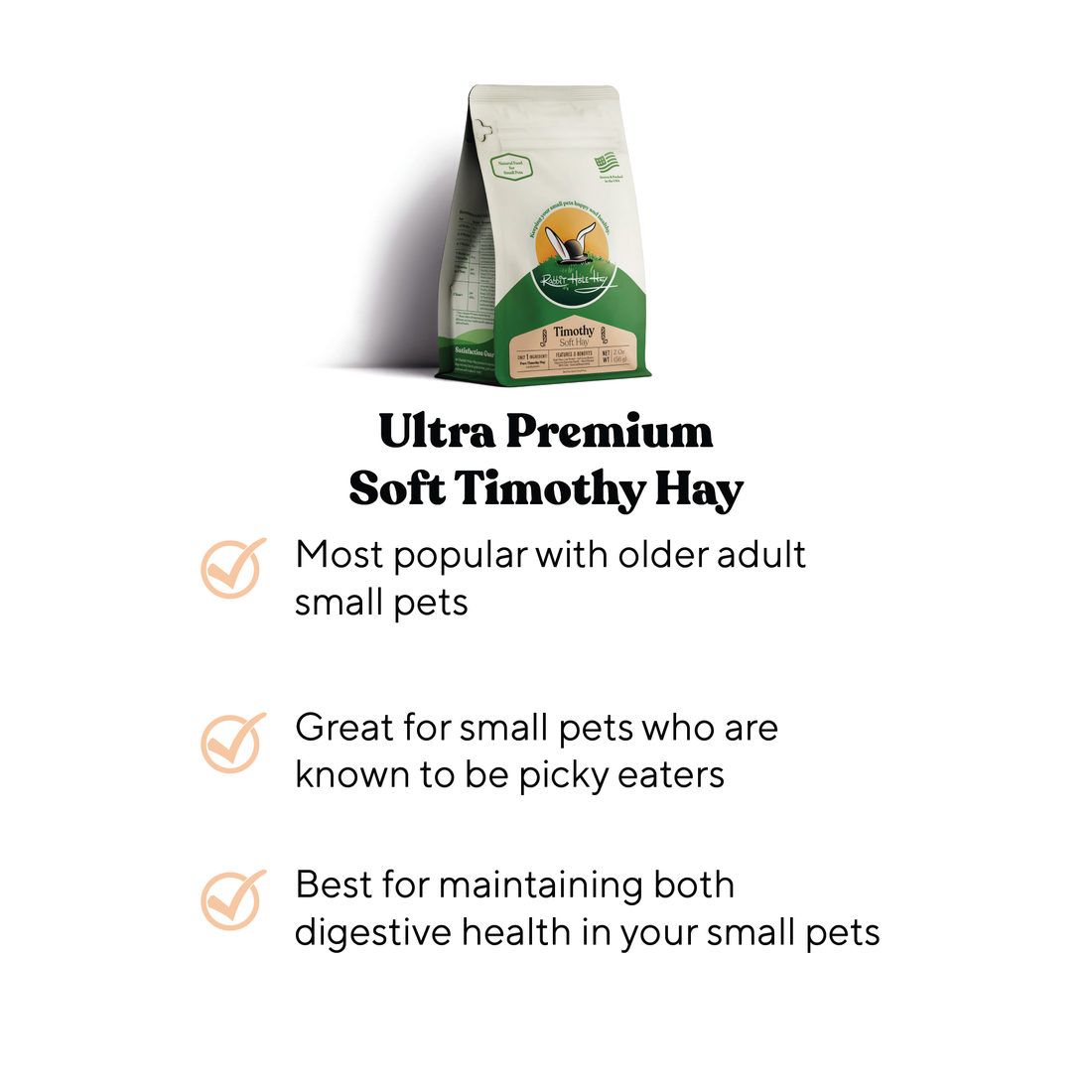
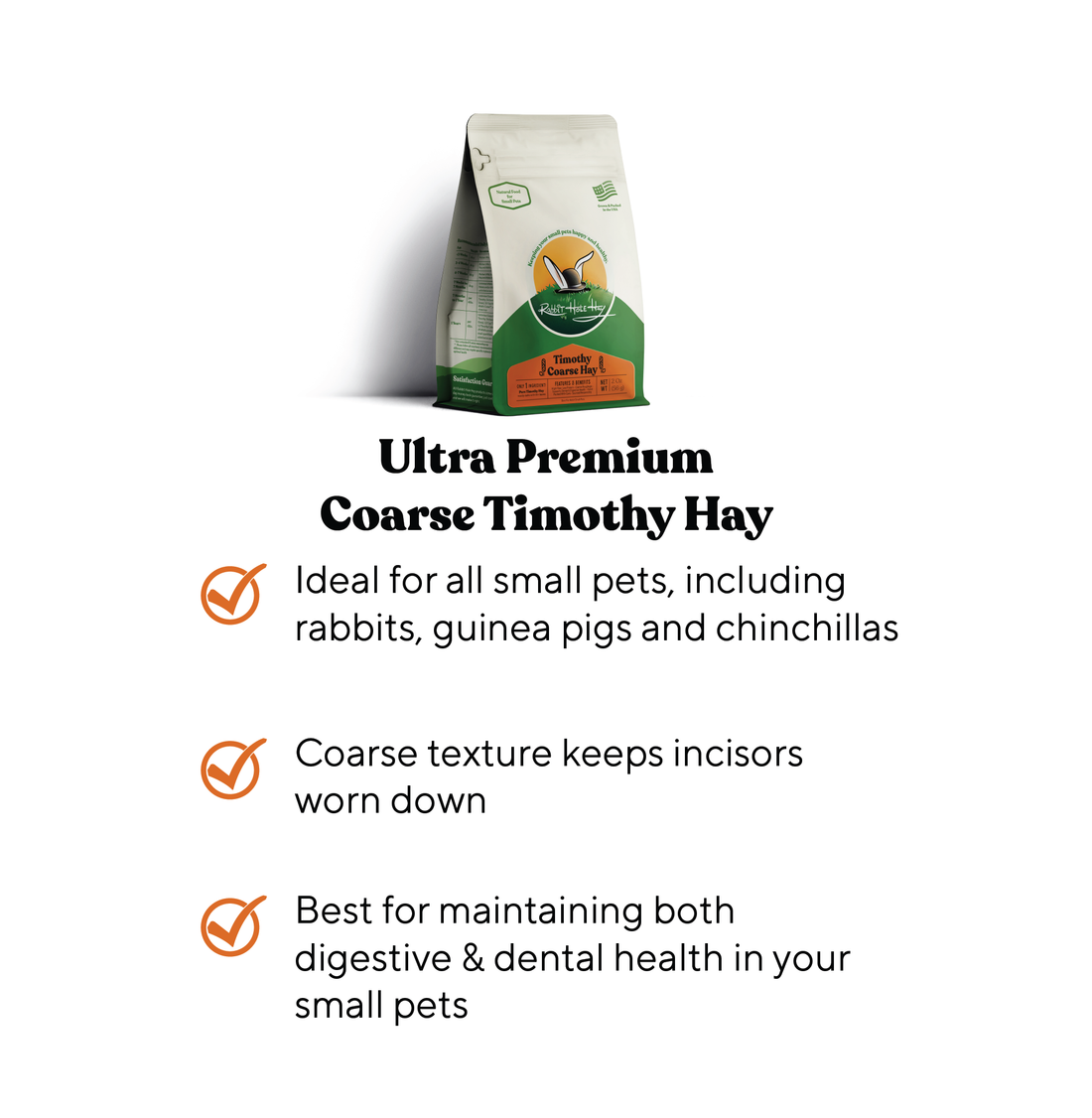
If your rabbit is refusing hay or seems disinterested during Halloween, it could be due to the noise or stress from decorations. Offering a fresh bundle of timothy hay in a quiet spot can help. You can read more in our guide on getting your rabbit to eat more hay.
Make Safety a Year-Round Habit
Halloween is just one day, but keeping your rabbit safe and happy is a year-round effort. Understanding what stresses them out, how to adjust their environment, and what signs to look for helps you become a more observant and compassionate rabbit owner.
For more general guidance on safe spaces and everyday hazards, take a look at our post on keeping your rabbit safe. It covers everything from toxic plants to playtime supervision, and it's a great refresher for every season.
Final Thoughts on Rabbit Halloween Safety
It's okay to want cute Halloween photos of your rabbit. But your bun's comfort and health should always come first. Whether you choose a simple costume or just a themed backdrop, the key is to respect your rabbit's signals. If they don't like it, that's the end of the story.
The best part of Halloween isn't the costume—it's the memories. Keep your rabbit safe, snap a quick photo if they're comfortable, and then reward them with a favorite treat or a hay-filled digging box. Everyone wins.

Key Takeaways
Rabbit Halloween safety starts with knowing your rabbit's comfort level and watching for stress.
Keep costumes lightweight, breathable, and easy to remove. Limit wear time to just a few minutes.
Always supervise your rabbit in costume. Never leave them alone while dressed up.
Decorate your space instead of your rabbit if they're not costume-friendly. Props and photo setups work just as well.
Stick to your rabbit's regular diet and make their environment as calm as possible during the holiday.





Comments