











If you've ever watched your rabbit grab mouthfuls of hay only to toss them around like confetti, you're not alone. For many bunny owners, the hay mess can feel like a daily challenge. You clean it up, only for your rabbit to joyfully scatter it again within minutes.
Click Here For a Guide to Understanding Your Rabbits Diet.

At first glance, it might seem like your bun is just being messy. But there's actually a lot more going on beneath the surface. From natural instincts to boredom busters, hay scattering is tied to who your rabbit is at their core.
Let's explore what's really behind all that hay-flinging, how to work with it instead of against it, and how to keep your rabbit happy without losing your sanity (or your broom).
The Hay-Making Mess: What's Really Going On?
Rabbit behavior can look random to us, but to your bun, it all serves a purpose. Hay scattering is one of those quirks that has deep roots in their biology and environment. When a rabbit flings hay, digs through it, or rearranges it into piles, it's doing much more than making a mess.
Wild rabbits forage all day long. They sniff, dig, nibble, and sort through vegetation to find the freshest, tastiest bits. Your domestic rabbit still carries that foraging instinct — even with a feeder full of premium hay right in front of them.
Scattering hay mimics that search. It turns eating into an activity, not just a chore. It also offers mental stimulation and helps prevent boredom, especially for indoor rabbits without access to natural digging spots or fields.
Some rabbits also engage in hay scattering to nest. Both male and female rabbits do this, whether or not they're intact. Nesting is a hardwired behavior. In the wild, it's about safety, comfort, and preparing for babies. In your home, it's about making their space feel secure.
Hay Scattering and Territorial Behavior
Rabbits are more territorial than they're often given credit for. They like to arrange their surroundings in a way that feels familiar and safe — on their terms.
When your bunny moves hay around, they're not just tidying up or playing. They're customizing their living space. This can include dragging hay into a favorite corner, stacking it into a makeshift bed, or even hiding in it like a cozy blanket fort.
This behavior helps them feel in control of their space. It also leaves behind their scent, especially if they're unspayed or unneutered. That scattered hay may have little scent marks, just strong enough for other pets (and you) to get the message: this is mine.
Hay Scattering vs. Hay Wasting
Sometimes it feels like you're throwing away more hay than your rabbit is eating. And while hay scattering often looks like hay wasting, they're not always the same thing.
Wasted hay is the stuff that ends up in litter boxes, gets peed on, or is ground into the floor and no longer edible. Scattered hay, however, may still be part of your rabbit's daily fun. They'll often return to it later, dig through it again, or nibble at what's left.
To reduce true waste, you can rotate hay more often and avoid overstuffing feeders. But don't stress too much if some hay gets scattered. It's all part of their routine, and sometimes, the messier the rabbit, the happier they are.
Creating a Space That Encourages Healthy Hay Scattering
Rather than trying to stop hay scattering altogether (spoiler alert: you won't), focus on managing it in ways that support your rabbit's needs without turning your home into a haystorm.
Use a hay feeder: This keeps most of the hay off the floor while still giving your rabbit access. Try options that double as chew toys or digging boxes to turn feeding time into an activity.
Designate a hay corner: Set up a "messy zone" with hay, litter box, and toys all in one area. Place mats or washable rugs underneath for easy cleanup.
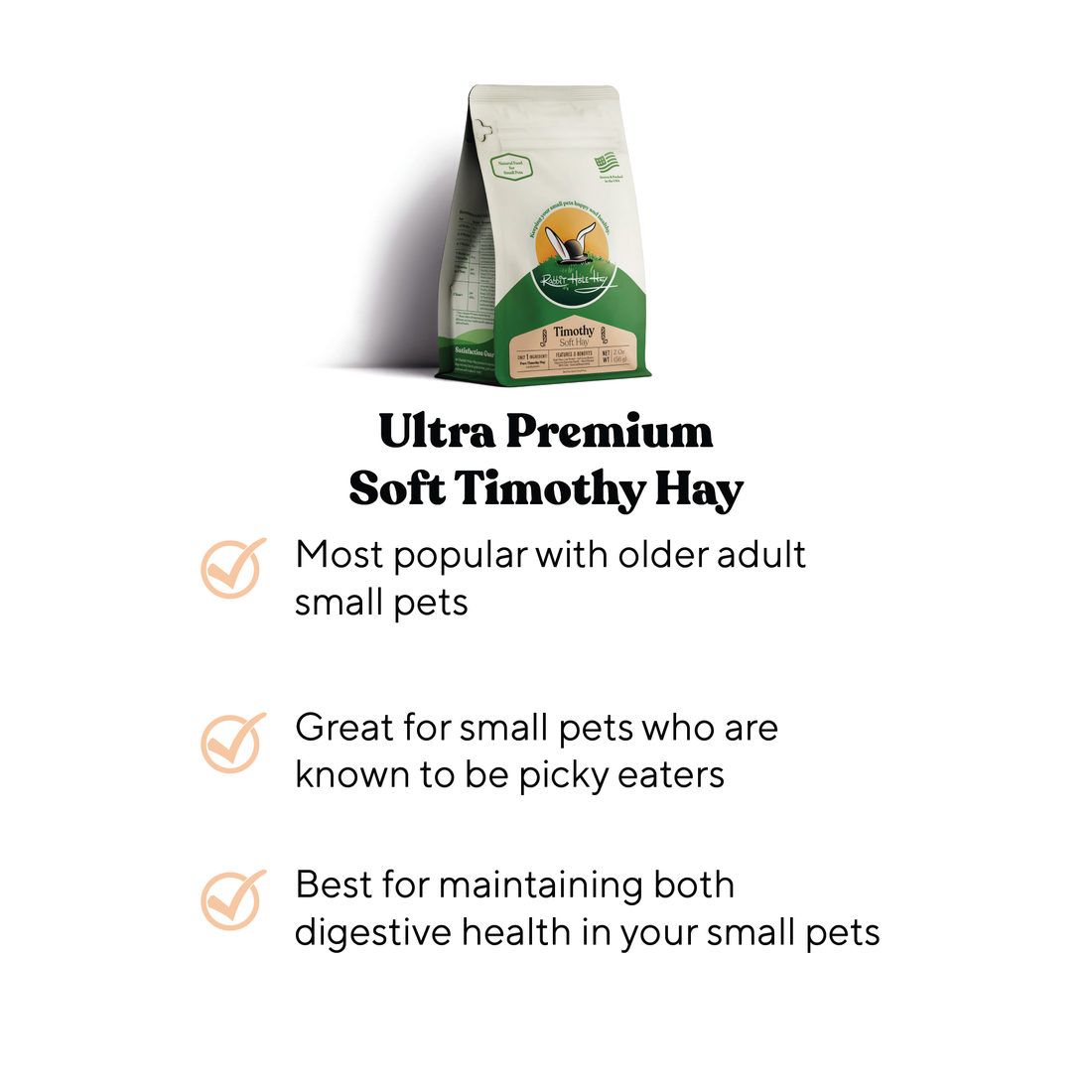
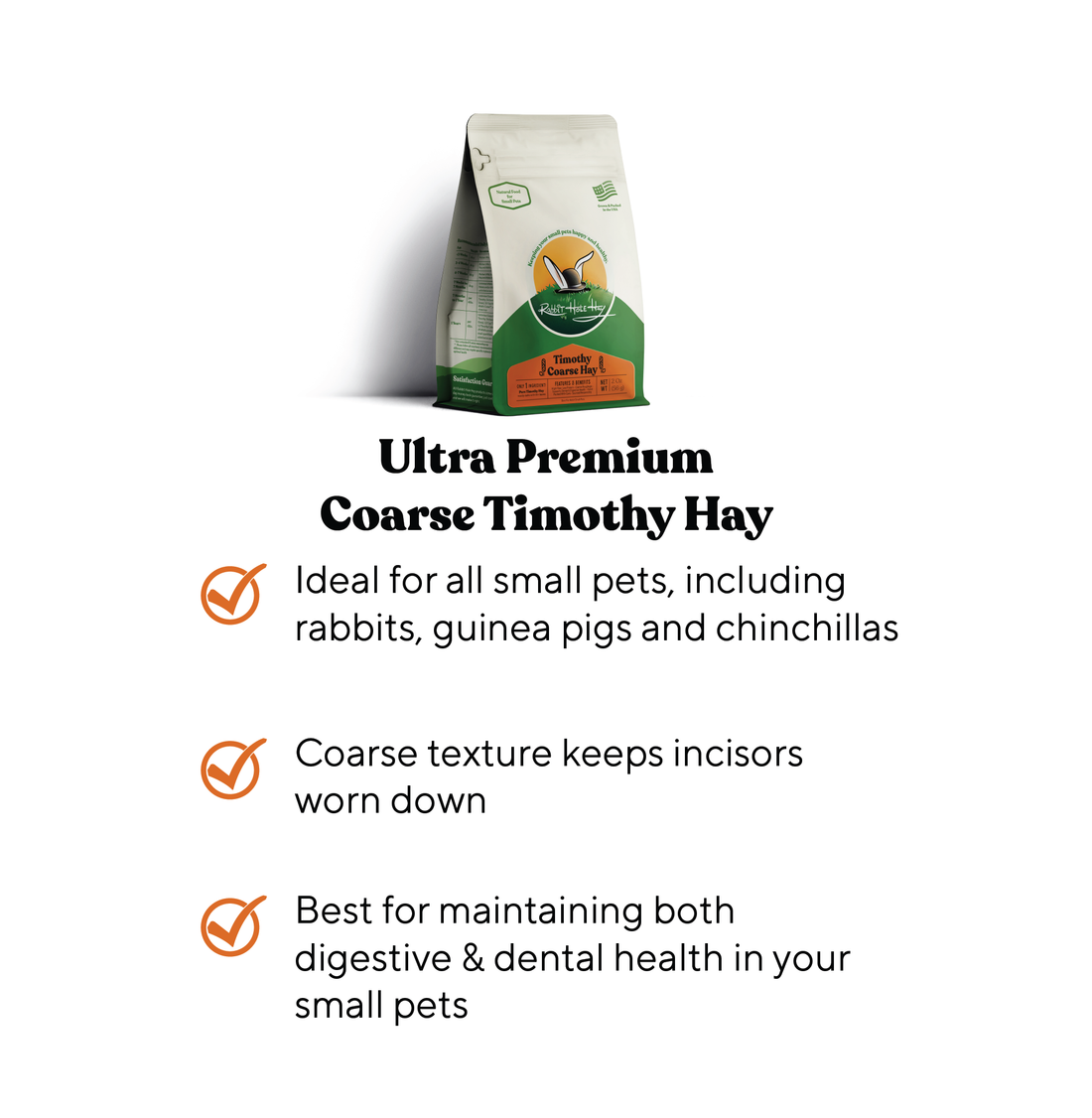
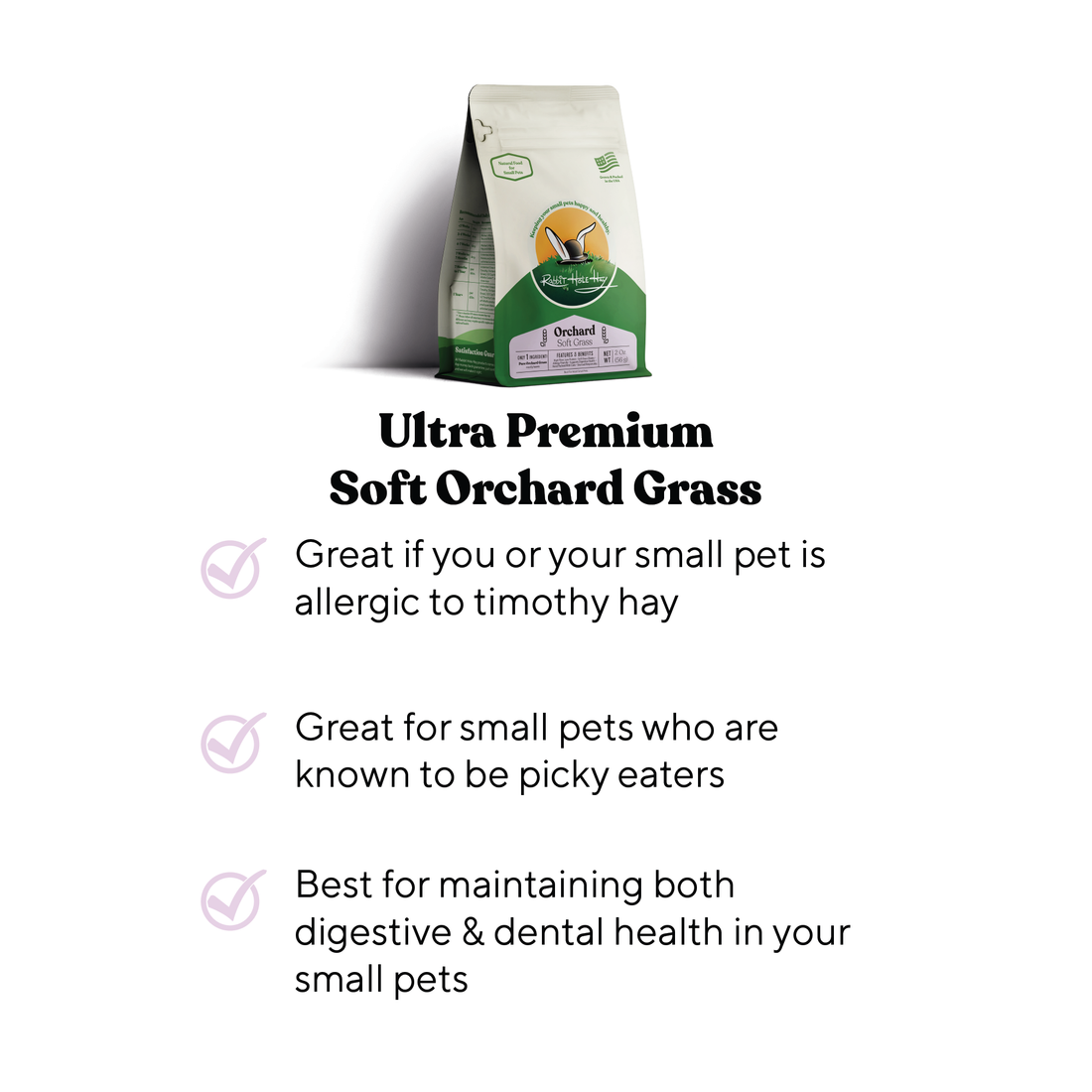
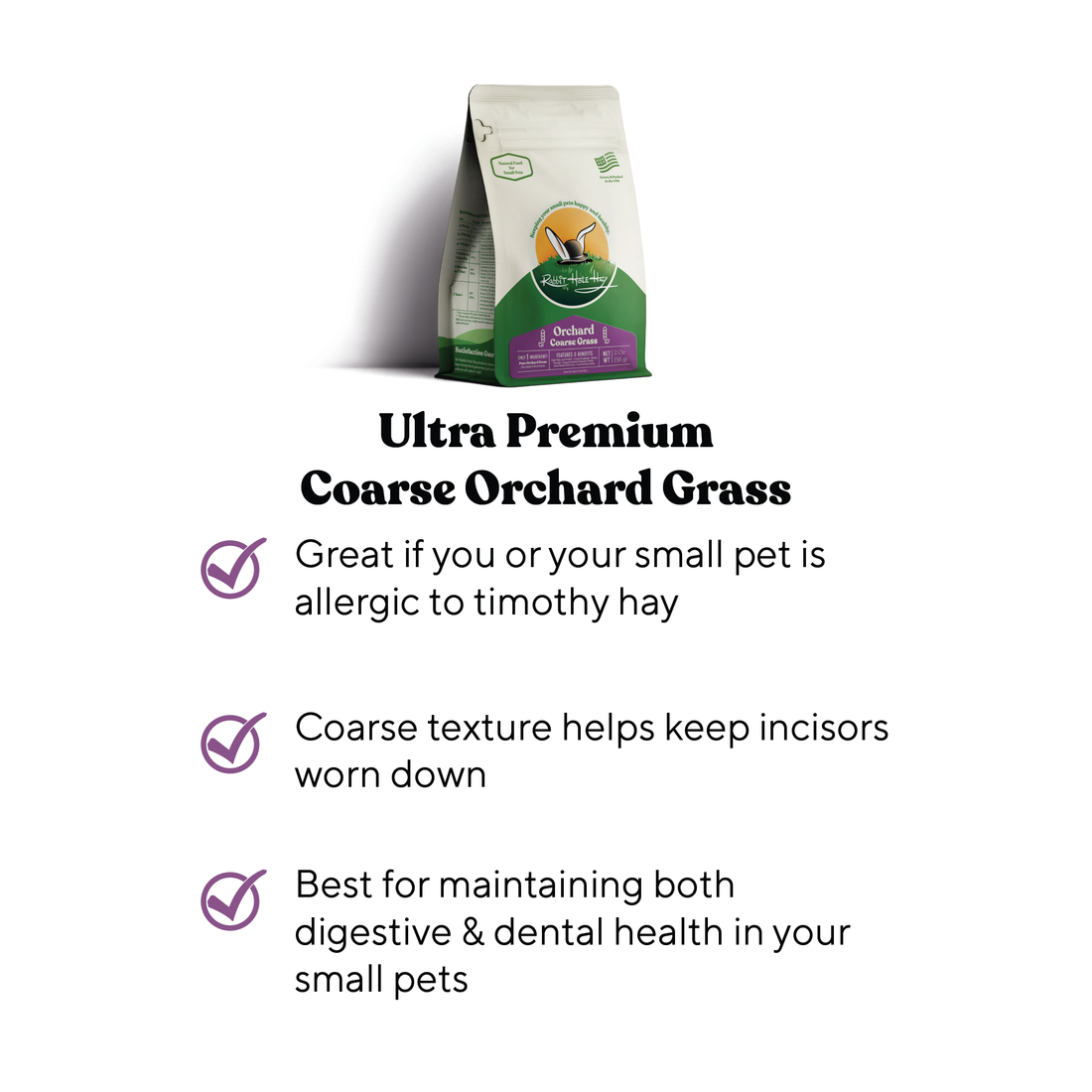
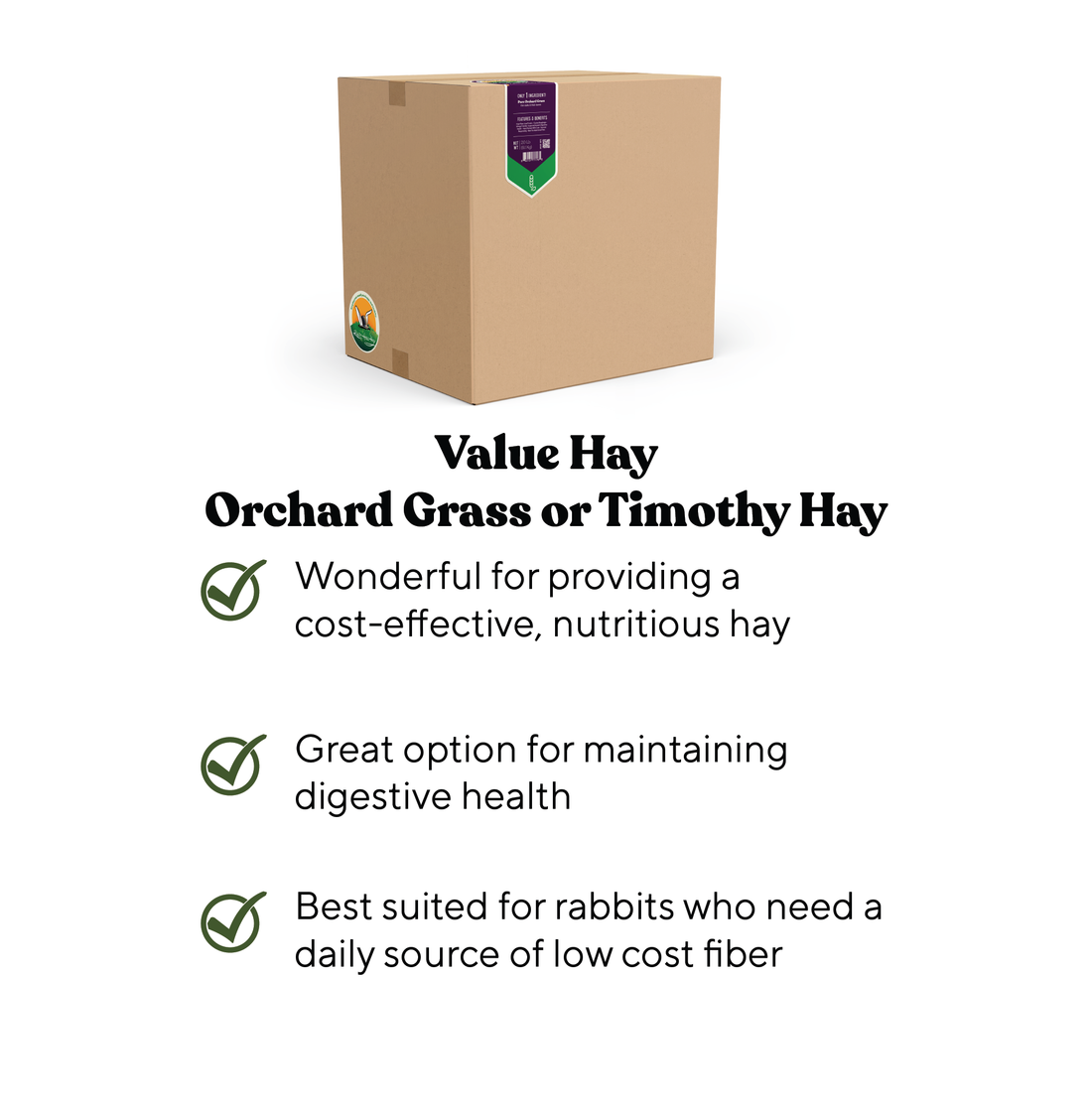
Choose the right hay: Some types are messier than others. Long-stem, coarse hay scatters less than soft leafy hay, though your rabbit may have preferences. Coarse Timothy Hay is a good middle-ground for durability and flavor.
If you've got a particularly enthusiastic hay-flinger, try feeding smaller amounts more frequently instead of giving a full day's worth at once. This keeps things fresh and encourages your bun to slow down and forage more thoughtfully.
Hay Scattering
The keyword here — literally and figuratively — is hay scattering. It's an activity that fulfills many rabbit needs at once: mental stimulation, physical engagement, and emotional comfort.
Hay scattering gives your rabbit control over their environment. It helps them feel more secure and encourages natural behaviors that support their well-being. You might see it as a mess, but to your bun, it's an act of joy, curiosity, and sometimes defiance.

Recognizing the value behind hay scattering lets you shift your mindset from "my rabbit is making a mess" to "my rabbit is being a rabbit." And that's something to support, not suppress.
Ways to Redirect Energy from Hay Scattering
While you probably can't stop hay scattering completely, you can reduce its frequency by giving your rabbit more outlets for play and exploration. The more they can do with toys, space, and stimulation, the less time they'll spend flinging hay just to stay entertained.
Play outside the pen: Let them roam supervised in a bunny-proofed room or playpen. New areas = new smells, textures, and excitement.
Offer forage boxes: Fill cardboard boxes with shredded paper, hay, and herbs like dried dandelion or chamomile. Let them dig to their heart's content.
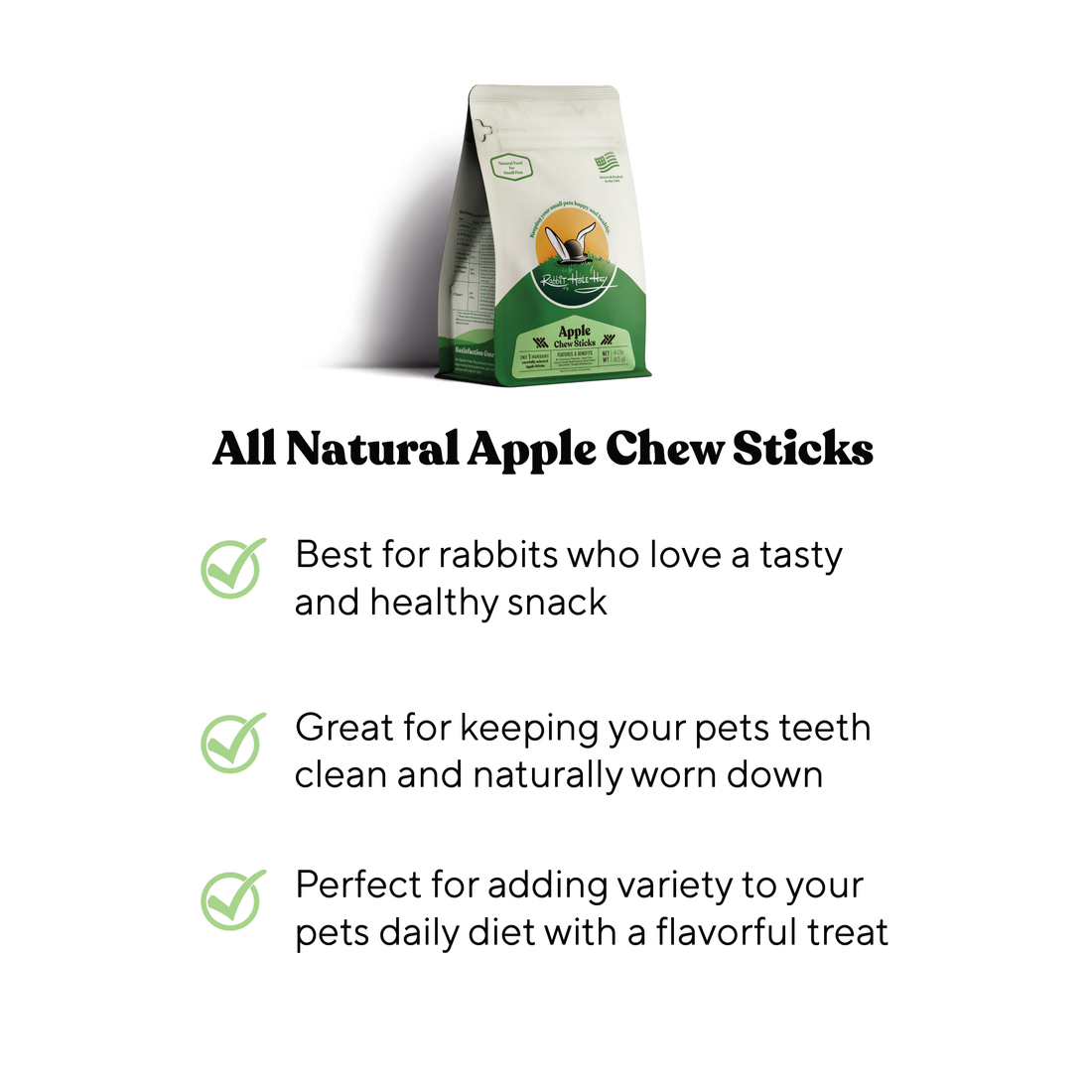
Introduce rotating toys: Don’t leave the same toys out every day. Swap them out weekly to keep things fresh. You can rotate in toys like treat puzzles or chew sticks.
When your rabbit is mentally and physically engaged in other activities, they're less likely to hyper-focus on their hay. That means less scattering and more calm munching.
Enrichment Toys That Support Foraging Instincts
Since hay scattering is often tied to boredom or the need to forage, giving your rabbit toys that scratch those same itches can help.
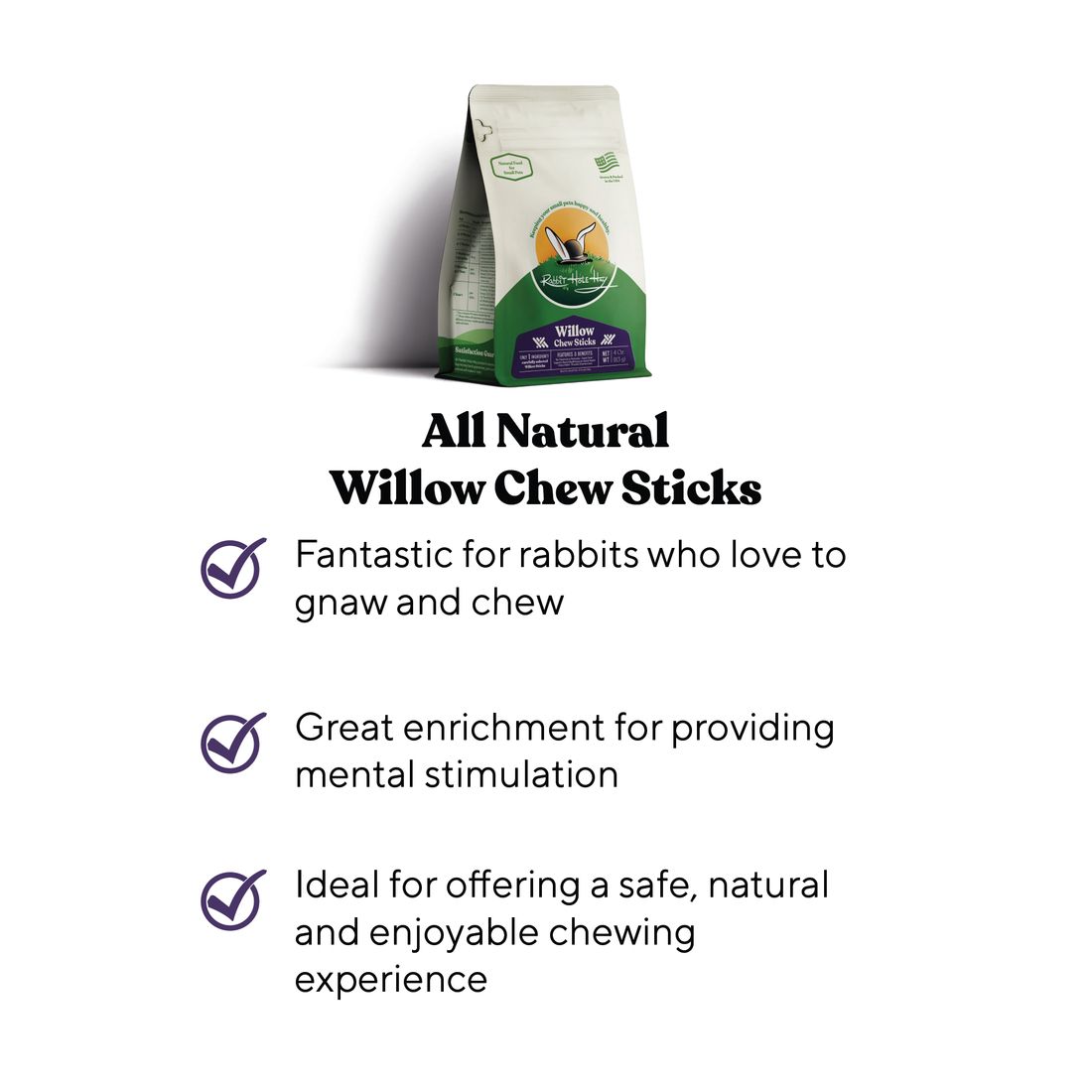
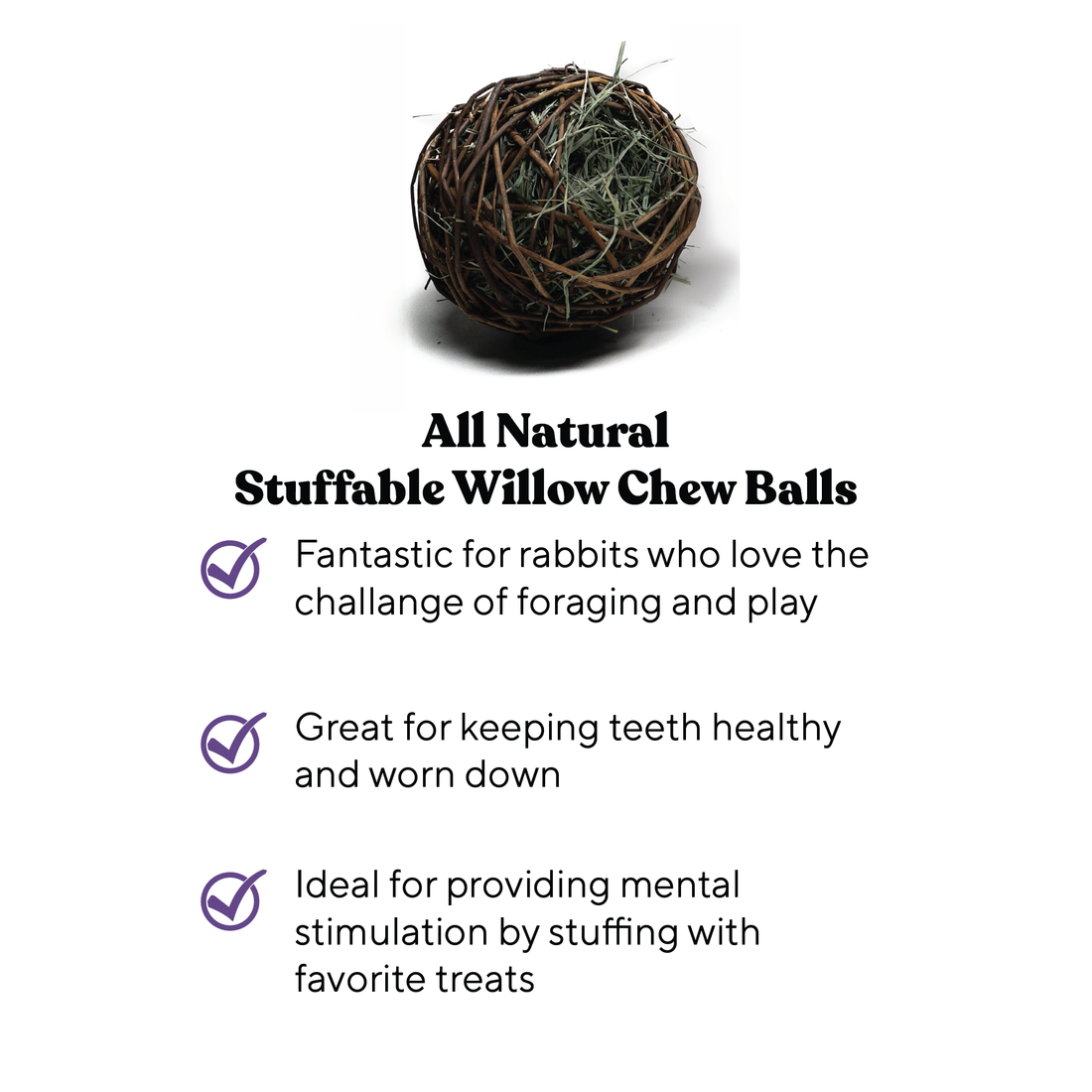
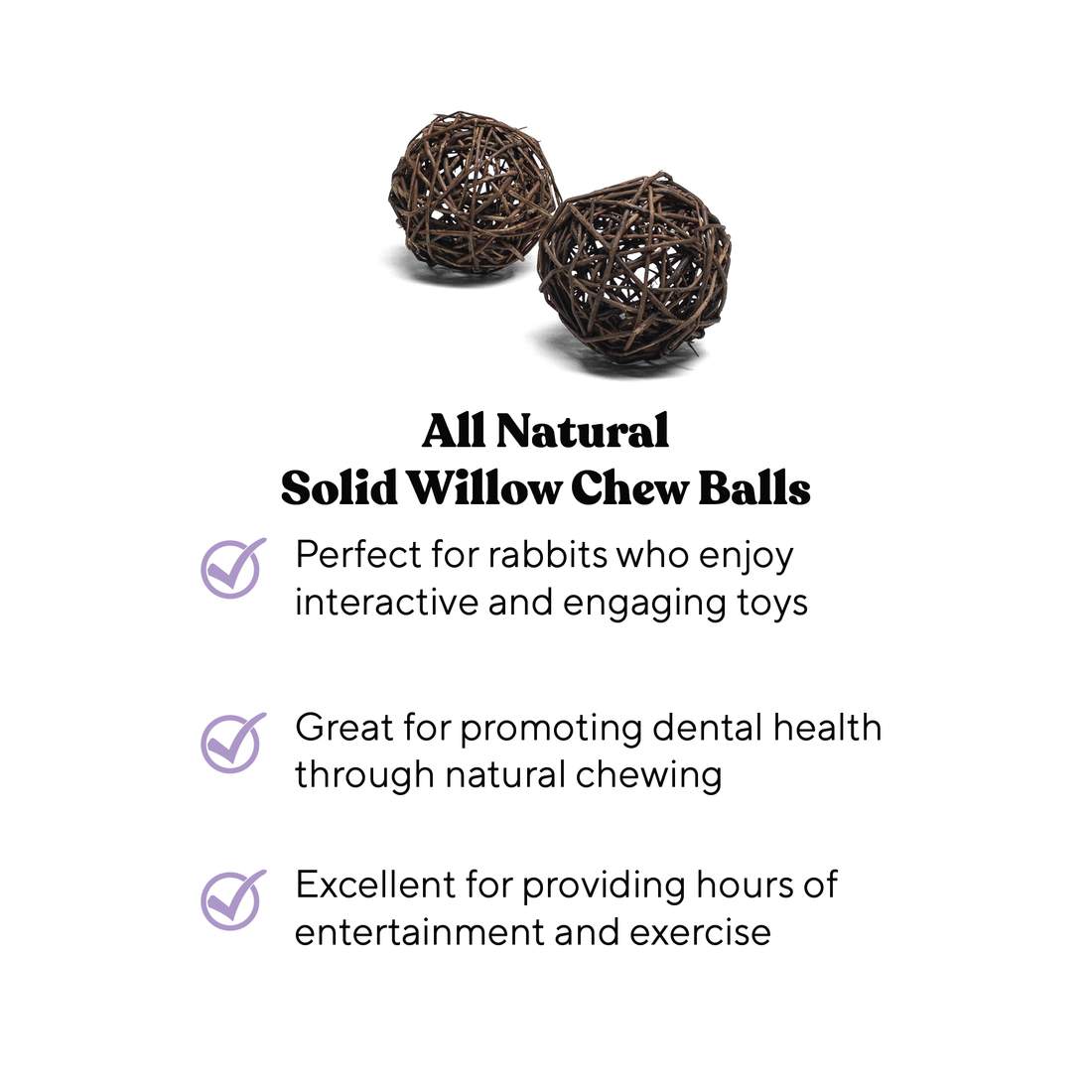
One easy go-to is a willow ball. These simple toys offer both texture and taste rabbits love. They can chew, toss, and even roll them. If you want to make things more interesting, try stuffing them with their favorite hay to add a little challenge to snack time.
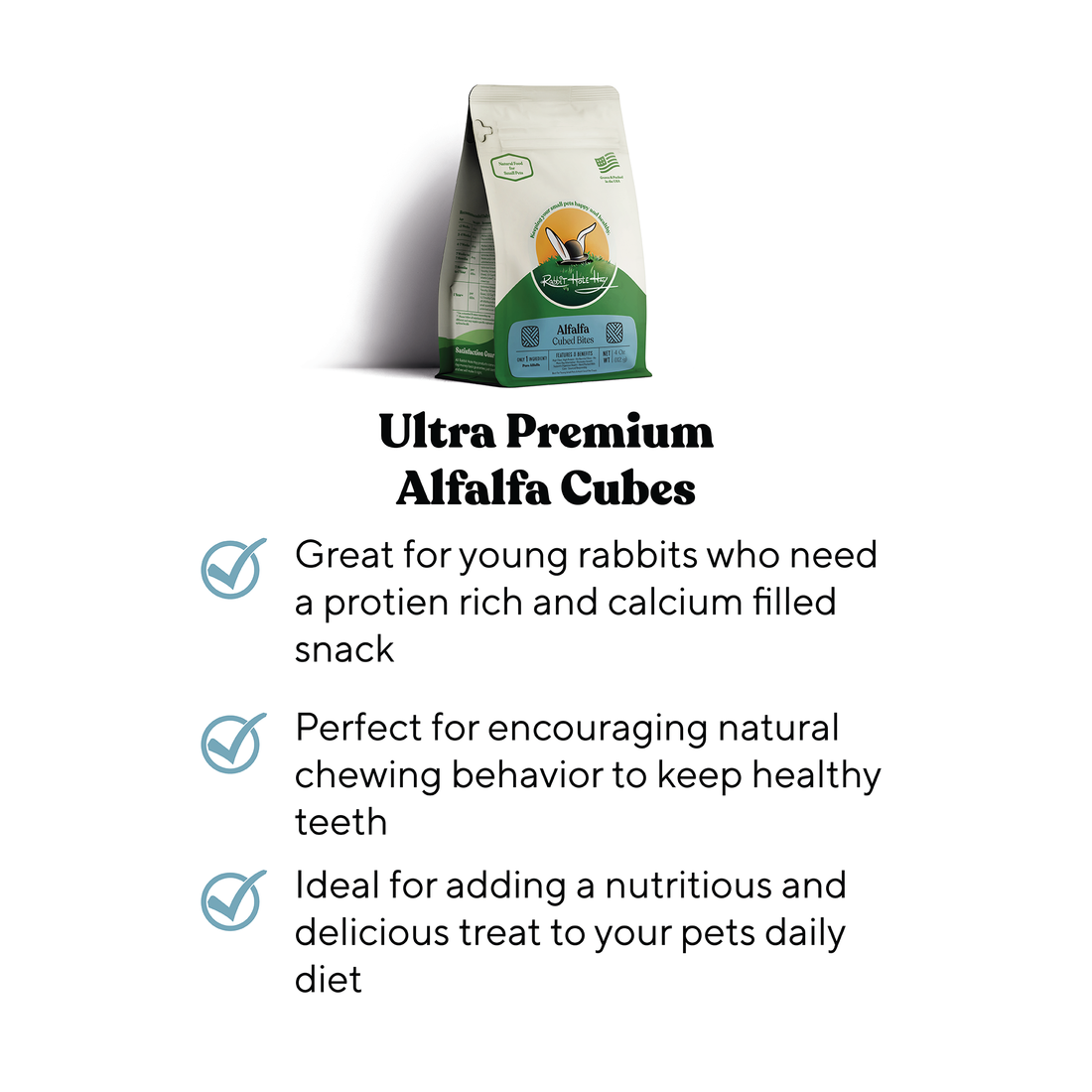
Hay cubes are another winner. These compressed blocks of hay provide a slow-feeding option that keeps your bun engaged. Some rabbits treat hay cubes like snacks, while others drag them around like favorite toys. Bonus: it reduces the mess since the hay is tightly packed.
If your bunny is particularly clever, puzzle toys are worth exploring. These often have hidden compartments for hay or dried herbs. Your rabbit has to nudge, flip, or chew parts of the toy to get the treat inside. It mimics the problem-solving they'd experience while foraging in the wild.
Want more toy ideas? We wrote about it right here if you want to dig deeper into enrichment options.
Seasonal Hay Scattering Changes
Some rabbit owners notice that hay scattering habits shift with the seasons. That's not your imagination. Rabbits often change their behavior based on temperature, molting cycles, and even daylight hours.
In the cooler months, many rabbits eat more to bulk up. That can lead to more excited digging and flinging. When they're molting, they'll sometimes pull hay to pad their resting spots, as their skin may feel more sensitive or itchy during this time.
Some rabbits will even create temporary nests out of hay when the temperature drops, especially if they live in garages or outdoor hutches. If you spot a sudden increase in hay scattering during seasonal transitions, your rabbit might just be adjusting to the weather — rabbit-style.
Either way, you can support their comfort by adding soft fleece, providing warm napping spots, or giving extra hay so they can create their cozy setup without depleting their food supply.
Common Myths About Rabbit Messiness
Let's clear up a few misunderstandings surrounding hay scattering and general rabbit messiness. Some of these myths can lead owners to worry when there's really nothing to stress about.
“My rabbit is just being naughty.” Rabbits don't act out to spite you. Hay scattering is almost always tied to instinct, not defiance. They're not being bad — they're being bunnies.
“Only bored rabbits scatter hay.” While boredom can lead to more intense hay scattering, even happy, engaged rabbits will toss hay around. It's a comfort behavior, not just a sign of boredom.
"Litter-trained rabbits won't make messes." A litter box doesn't mean a tidy rabbit. Even the best-trained buns will rearrange hay, toss toys, and track stuff around. Clean living doesn't always mean clean floors.
It's okay to wish for less mess. But it helps to shift your perspective: a scattering rabbit is often a sign of a rabbit who feels safe and at home in their space.
Cleaning Tips That Don't Make You Want to Scream
Let's be honest — hay gets everywhere. Even with the best feeders and routines, you'll find it in corners, under rugs, and somehow in your shoes. Here's how to manage it without losing your cool:
Use a broom and dustpan daily: Vacuuming hay can clog your machine or damage the hose. A simple handheld broom works better for loose hay and doesn't tangle.
Layer with washable rugs or mats: Place them under the litter box, hay feeder, and pen entrance. Shake them out daily and wash as needed. Choose low-pile or outdoor rugs that don't trap hay.
Set a weekly deep-clean day: Pick a day to fully refresh litter boxes, wipe down surfaces, and replace old hay. It helps keep things manageable and avoids build-up.
Keep a hay box near the cage: Use a decorative storage bin to keep hay handy and reduce spills when refilling feeders.
One small change that makes a big difference? Try placing a litter box directly beneath the hay feeder. Rabbits often like to munch and potty at the same time. This trick catches hay fallout and encourages litter box use.
Understanding Your Rabbit's Needs
If there's one thing to remember about hay scattering, it's that your rabbit is trying to meet a need. Whether it's foraging, nesting, scent-marking, or just having fun, this behavior helps them stay healthy — mentally and physically.
Sometimes what looks like a problem is really a clue. If your rabbit's hay scattering suddenly increases or takes on new patterns, it might be worth asking:
Is their pen too small?
Are they getting enough out-of-cage time?
Have you introduced any new toys or environments recently?
Even a simple change, like rearranging their pen or adding a cardboard box, can reduce frustration and provide more opportunities for creative play.
When Hay Scattering Becomes a Problem
Occasionally, hay scattering can hint at a deeper issue. If your rabbit stops eating and only tosses the hay, you may want to pay closer attention.
Rabbits with dental pain or picky appetites may scatter hay out of frustration. They want to eat but can't chew comfortably. In these cases, look for signs like:
Decreased hay intake
Weight loss
Drooling or wet fur near the mouth
If you see any of these, it's worth reaching out to a rabbit-savvy vet for a dental check-up. For more on handling picky eating, visit our blog on how to get your rabbit to eat more Timothy Hay.

Hay Scattering: A Beautiful Mess
At the end of the day, hay scattering isn't something to eliminate — it's something to understand. Rabbits aren't naturally tidy, but that doesn't mean they're dirty. They're expressive, curious, and driven by instincts that go back generations.
So embrace the hay-storm a little. Give them the freedom to build, dig, and toss. Then give yourself tools and routines to manage the mess without frustration.
Not sure where to start with your rabbit's environment? Our rabbit cage setup guide walks you through the basics of building a bun-friendly space that supports natural behaviors like — you guessed it — hay scattering.
Key Takeaways
Hay scattering is normal. It's part of a rabbit's natural instincts for foraging, nesting, and marking territory.
You can manage the mess, not erase it. Use hay feeders, washable mats, and smart cleaning routines.
Give your rabbit outlets for fun. Toys, tunnels, and supervised playtime help reduce excessive hay scattering.
It may look like chaos, but hay scattering is just one more way your rabbit makes their space feel like home.
Comments