





















































When you're setting up your rabbit's home, there's one thing that often gets overlooked: the bedding. Sure, you're stocking up on leafy greens and choosing high-quality Timothy Hay, but what about where your rabbit sleeps and lounges?
Click Here For a Guide to Creating the Ideal Litter Box.

Rabbits are picky about comfort—and rightfully so. Their bedding isn't just a spot to nap. It's also part of their litter area, their resting space, and often the floor of their entire enclosure. Choosing the best rabbit bedding can make a big difference in their health and happiness.
If you're not sure where to begin, don't worry. We've laid out the pros, cons, and must-knows for each bedding type so you can feel confident about your choice.
Understanding Rabbit Bedding Needs
Before we look at the materials, let's talk about what bedding actually does. Bedding keeps your rabbit's living area clean, absorbs urine, controls odor, and gives them a soft surface to relax on. It also helps prevent sore hocks, which can develop when rabbits are kept on hard surfaces for too long.

Most importantly, your rabbit's bedding should be safe to breathe, safe to chew (because they will nibble on it), and soft enough to keep pressure off their feet. Any dust, fragrance, or hidden toxins can irritate your rabbit's delicate respiratory system or digestive tract.
With that in mind, here's a breakdown of common rabbit bedding options—and how to pick the best one for your bun.
The Best Rabbit Bedding Options (With Pros & Cons)
Recycled Paper Bedding
Recycled paper bedding is often the first choice for rabbit owners, and for good reason. It's gentle on their noses and feet, and it's typically made from non-toxic materials. You'll find this type of bedding sold under various names, such as Carefresh, Yesterday's News, or generic store brands.
It's soft, absorbent, and biodegradable. That means it's safer for your rabbit and better for the environment. Just be careful with DIY newspaper bedding. Avoid glossy ads or colored print, which may include inks that can rub off or upset your rabbit's stomach if chewed.
Most paper bedding controls odor fairly well, but it tends to get soggy fast. You may need to change it more often than other types to keep the area fresh. Still, if you're looking for a clean and simple choice, recycled paper can be a strong option.
Hardwood Shavings (Aspen)
When it comes to wood shavings, not all options are safe. Pine and cedar shavings, for example, can cause liver issues in rabbits due to the aromatic oils they contain. However, there's one type of wood shaving that stands out as an exception: aspen.
Aspen bedding is made from hardwood, not softwood, so it doesn't carry the same risks. It's naturally low in dust, has no added scent, and does a great job at soaking up messes. The texture is a bit rougher than paper bedding, but most rabbits don't seem to mind.
Just be sure to double-check the label. It's easy to confuse safe aspen with cheaper blends that sneak in bits of pine or cedar. If you're buying from a pet store, go with a trusted brand or shop directly from a rabbit-focused source like Rabbit Hole Hay.
Wood Pulp Bedding
Wood pulp bedding is another good alternative. It resembles recycled paper in appearance and feel, yet offers improved cushioning and absorbency. Some popular brands include Kaytee Clean & Cozy and Oxbow Pure Comfort.
Like paper, wood pulp bedding is low-dust and free of harmful oils. It's also very lightweight, which makes it easy to layer in a litter box or cage. The softness makes it especially comfortable for rabbits with sensitive paws or older rabbits who may be dealing with arthritis.
If your rabbit is a burrower, wood pulp bedding can be fun for digging too. Just don't expect it to hold up as long as food-grade or pellet options—it breaks down quickly when wet.
Best Rabbit Bedding: Food Grade Paper Bedding
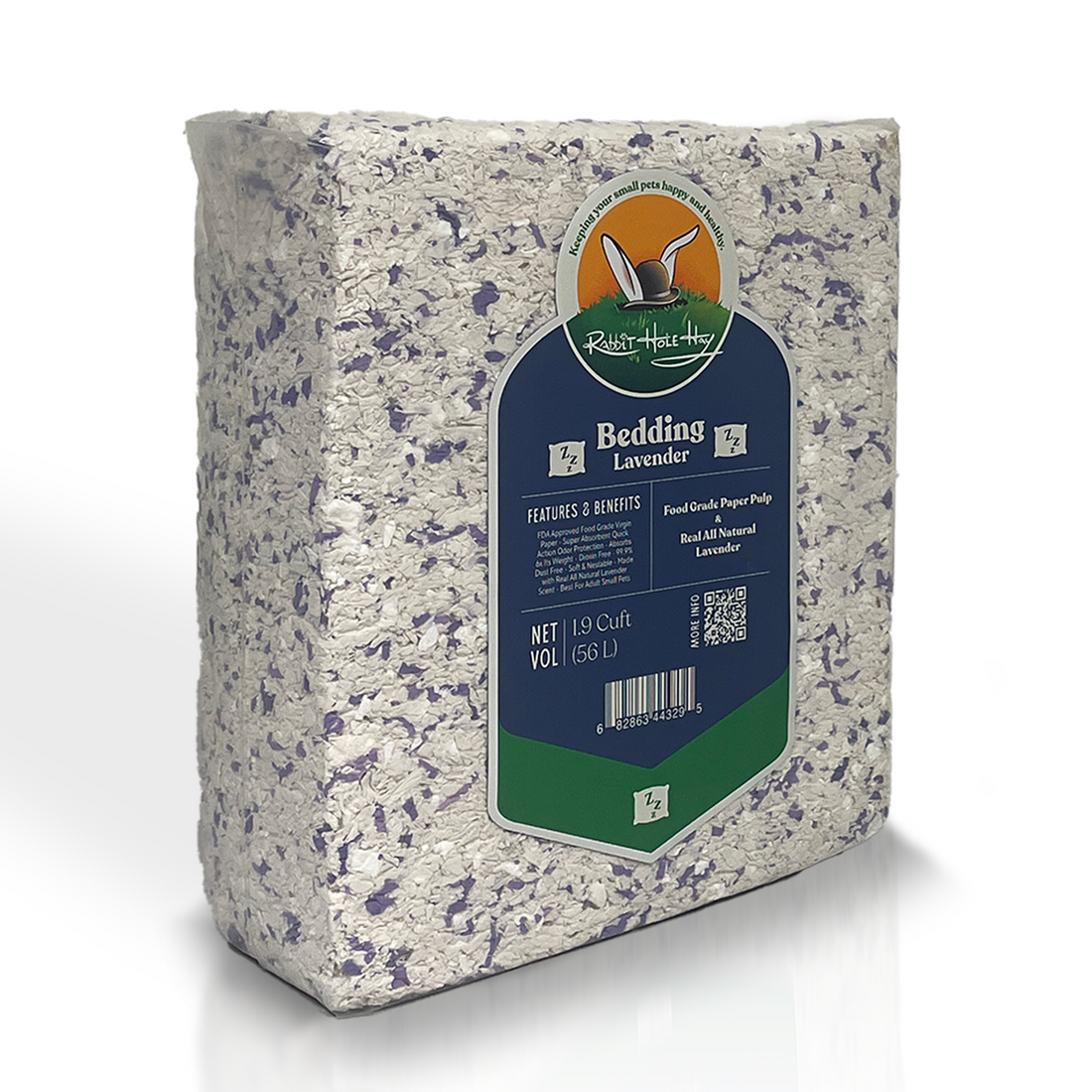
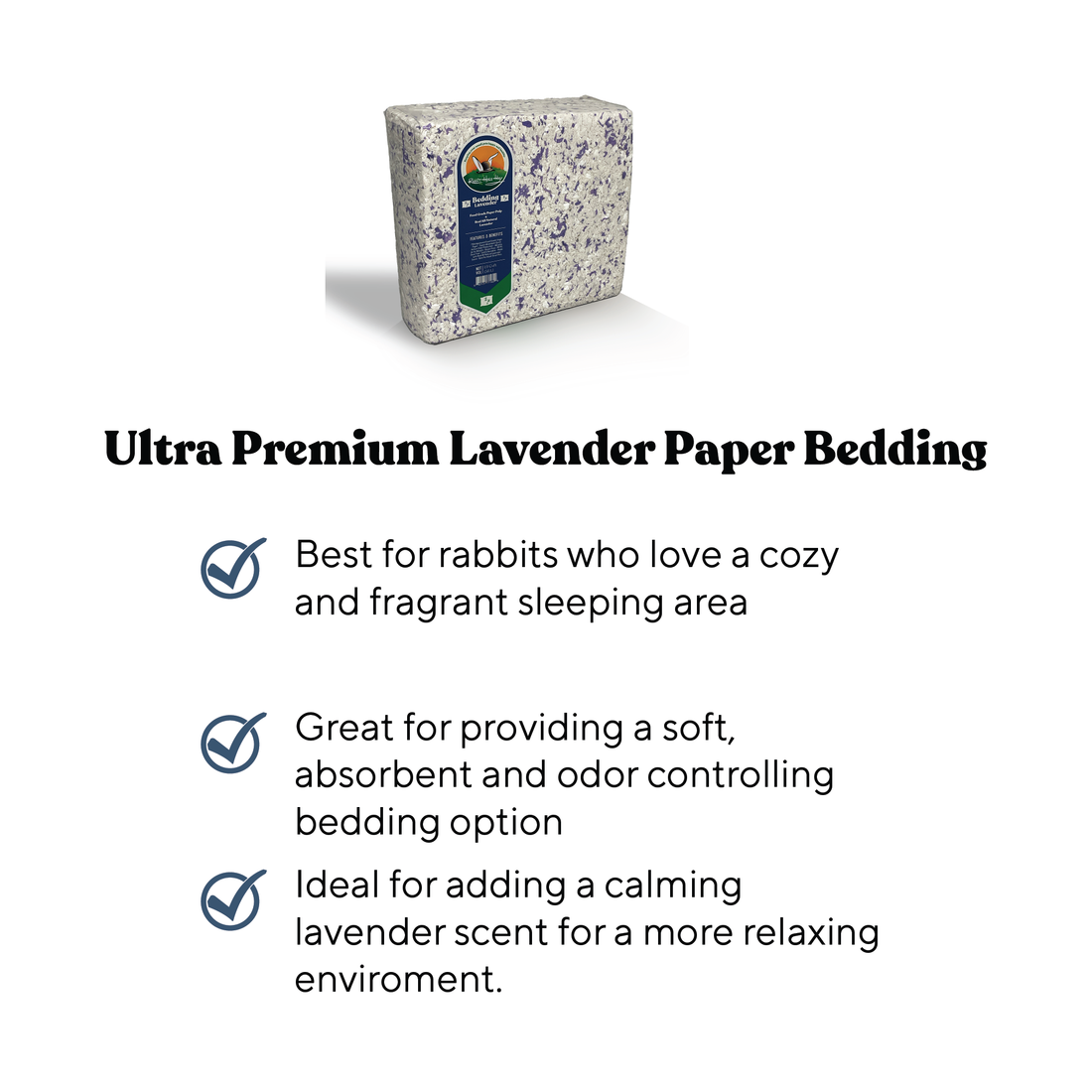
When you're aiming for top-tier quality, food-grade paper bedding is often the winner. This isn't just paper that looks nice—it's made from virgin fibers approved by the FDA for food handling, which means it's safe enough for humans and pets alike.
Rabbit Hole Hay's Food Grade Bedding is available in natural or white and checks every box a rabbit owner could want:
Safe to Ingest: If your rabbit decides to taste their bedding, you don't have to worry. The fibers are clean and non-toxic.
Dust-Free: 99.9% dust-free means less sneezing for both of you.
Highly Absorbent: It holds up to six times its weight in moisture, which extends the time between cleanings.
Odor Control: Neutralizes smells quickly with no added chemicals.
Soft and Fluffy: Perfect for nesting and relaxing without causing irritation or sore hocks.
If you're wondering what the best rabbit bedding is overall, this type of bedding is usually at the top of the list. It's more of an investment, but the trade-off in comfort and convenience is worth it for most rabbit homes.
Pellet Bedding
Pellet bedding is made from compressed paper or wood and is often used in litter boxes. It's not particularly soft, so it's not the best choice for full-cage bedding; however, it works well when combined with a softer option.
This type of bedding is dense and extremely absorbent. You'll find it controls odor better than many fluffier materials. If you use a corner litter box in your rabbit's enclosure, a layer of paper pellets underneath a layer of food-grade paper bedding can be a practical combo.
Wood pellets designed for stove burning may look similar, but they are not safe for rabbits. Only use pellets labeled for animal use to avoid chemical contaminants.
Hay as Bedding
You might be wondering, "Can I just use hay?" The answer is yes—but with a few caveats.
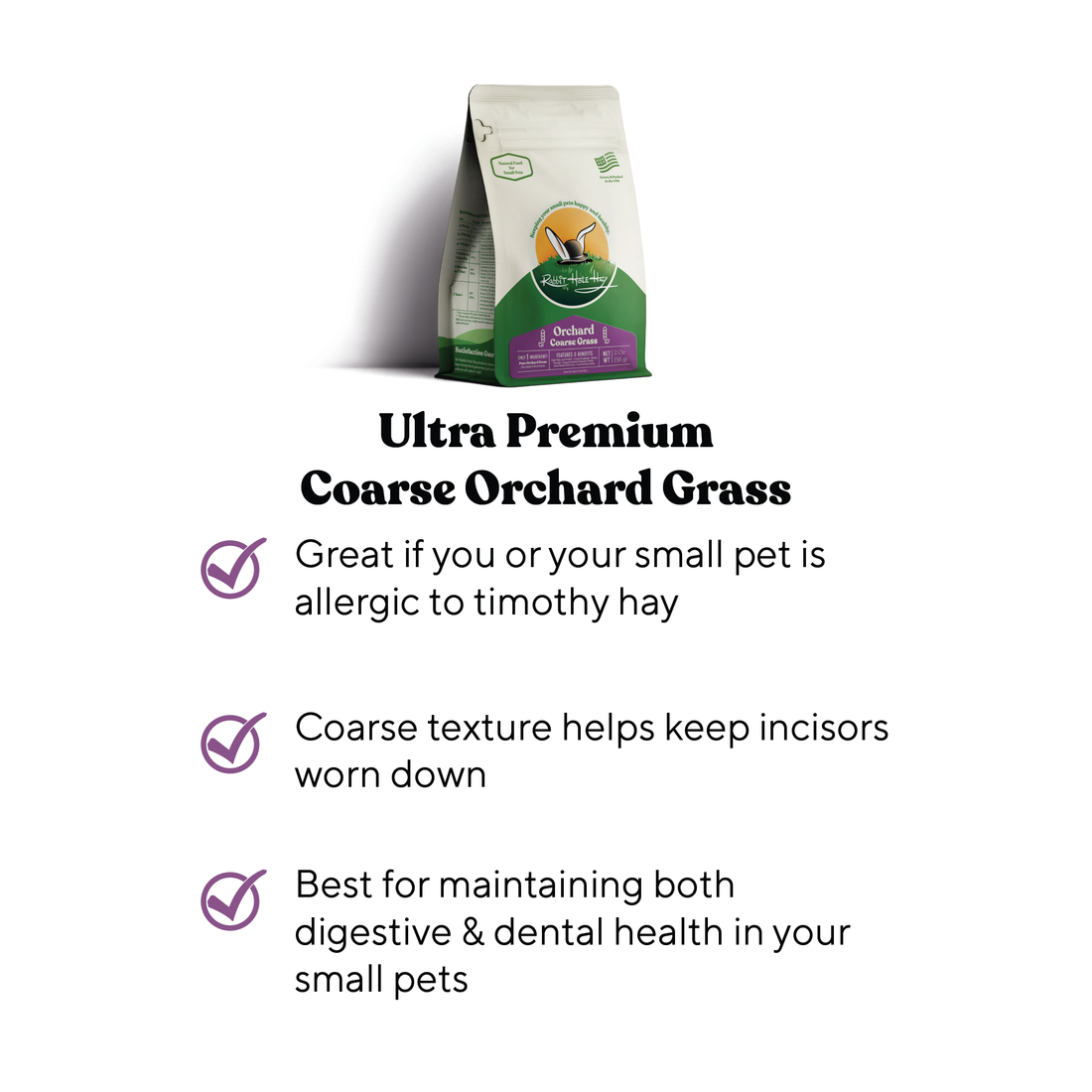
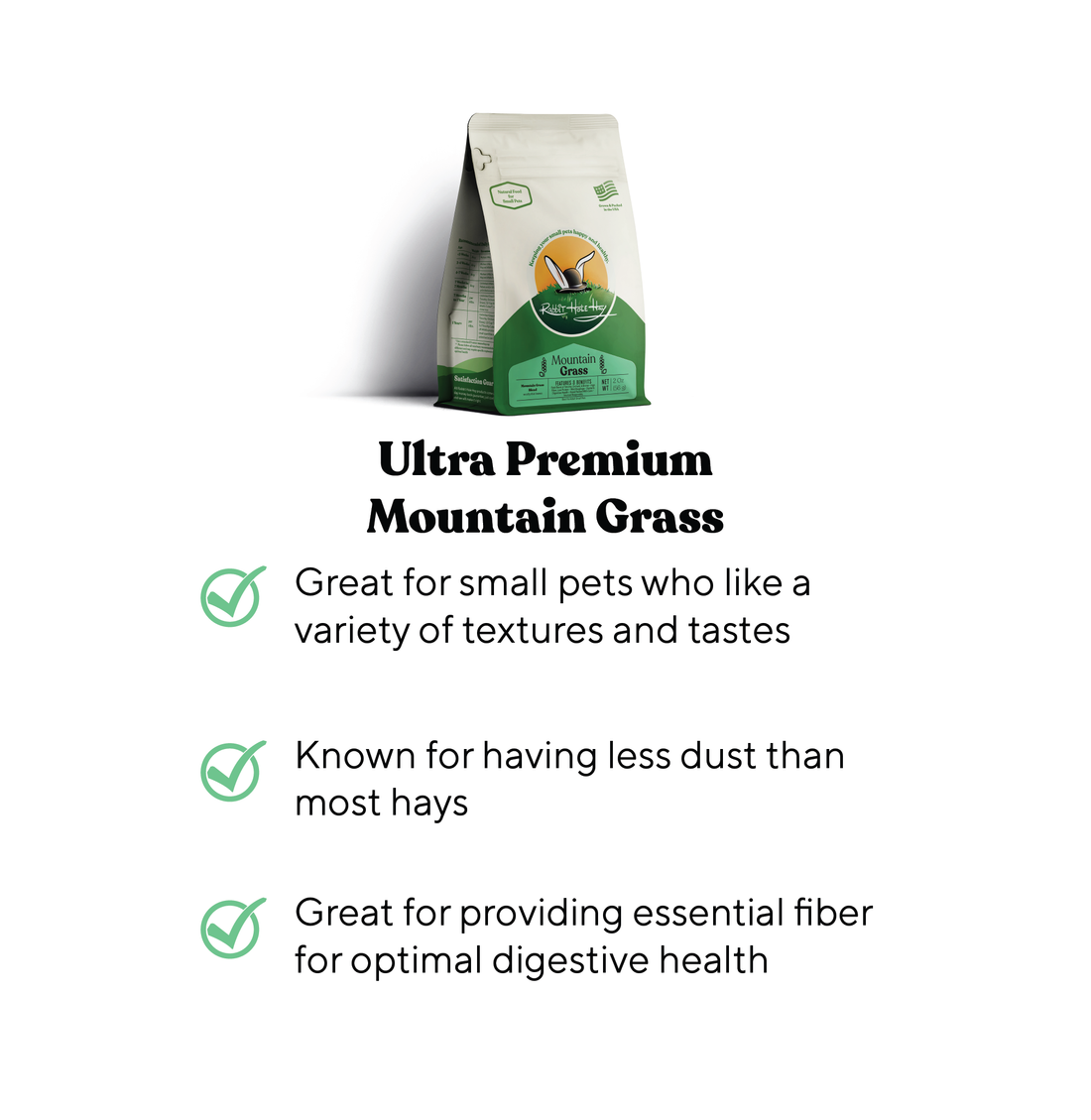
Hay isn't absorbent, so if your rabbit uses it in their litter box, it needs to be layered over something like paper or pellets. It's also more expensive to replace regularly, especially if you're using high-quality options like Timothy Hay, Orchard Grass, or Mountain Grass.
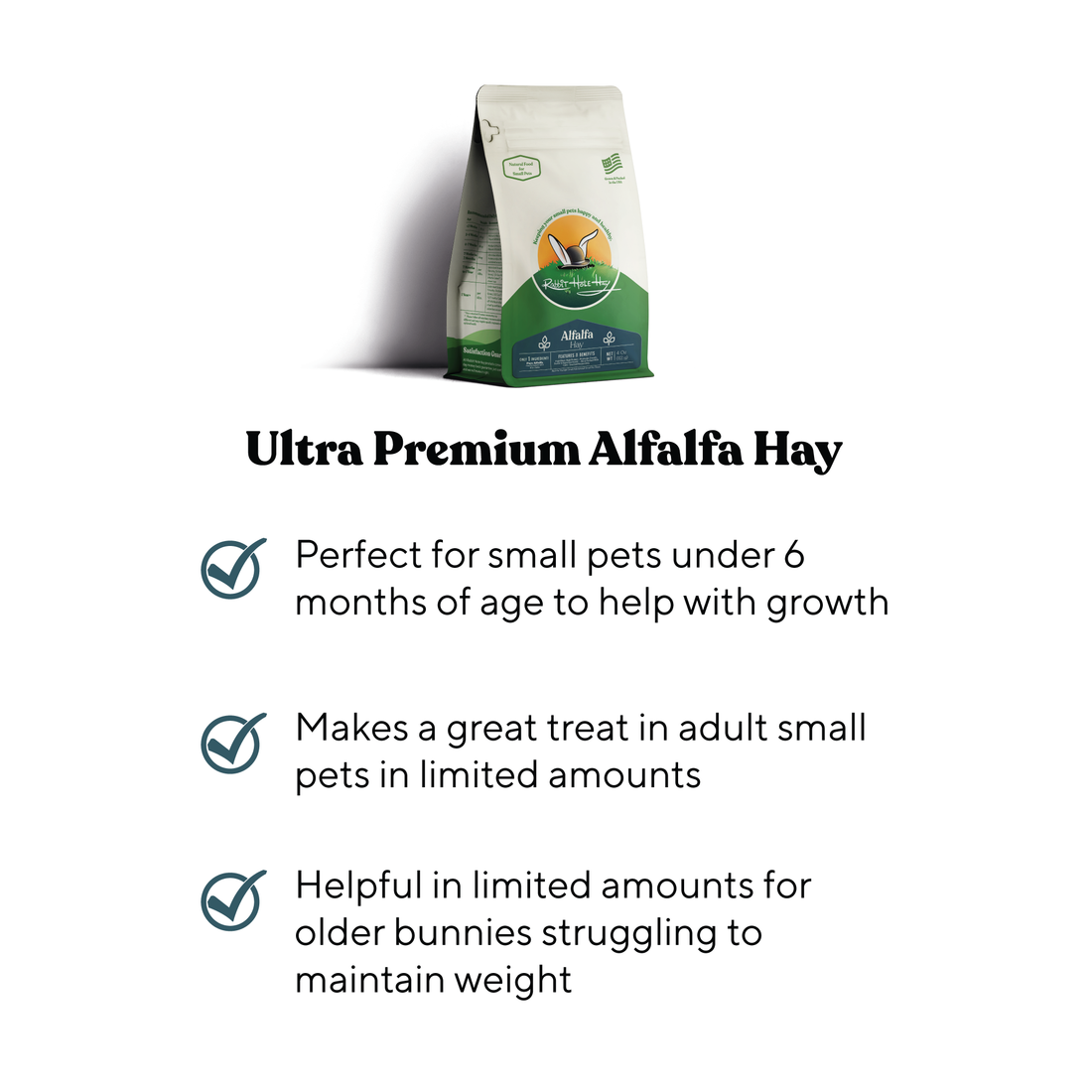
But rabbits love the smell and feel of hay. It's natural, and it encourages foraging behavior. Just make sure you're using a grass-based hay instead of alfalfa if your rabbit is over six months old. Alfalfa is high in calcium and protein, which can cause weight gain and urinary issues.
In a pinch, hay works fine as a bedding layer. Just be sure to clean it regularly, especially if your rabbit pees in it. Wet hay can mold and develop bacteria quickly.
Common Mistakes to Avoid
Choosing bedding might seem straightforward, but there are a few missteps that can cause real issues down the line. Here are the top things to watch for:
Using scented bedding: Rabbits don’t handle perfumes or fragrances well. What smells "fresh" to you can be irritating to them.
Skipping absorbent layers: Hay alone isn’t enough. Always pair it with something absorbent underneath.
Going too long between cleanings: Even the best rabbit bedding can only do so much. Change out wet areas daily and do a full refresh at least once a week.
Coming up next: How to set up a perfect litter area, how often to replace bedding, and how to tell if your rabbit is comfortable with your choice.

How to Tell If the Bedding Is Working for Your Rabbit
Rabbits have subtle ways of showing whether they're comfortable—or not. Paying attention to your rabbit's behavior is one of the best ways to know if your current setup, especially bedding, is right for them.
If your rabbit avoids certain areas of the cage or refuses to rest on the bedding, that's a sign they're not happy with the texture. You might also see them digging obsessively or tossing the bedding aside, which can mean it's too rough or not absorbent enough.
Another big red flag? Sore hocks. If your rabbit's feet start showing signs of redness, swelling, or fur loss, switch to a softer bedding option immediately and keep their floor dry at all times.
Cleaning Routine for the Best Rabbit Bedding Setup
Even the best rabbit bedding needs a regular cleanup schedule. A consistent routine not only keeps your rabbit's living space smelling fresh—it also reduces the risk of flystrike, skin infections, and respiratory issues.
Daily Tasks
Spot Clean: Remove soiled or wet bedding from litter boxes and rest areas. Replace with fresh material.
Check Water & Food Areas: Make sure no bedding has gotten into the water bowl or food dishes.
Weekly Tasks
Deep Clean Litter Boxes: Empty and scrub out litter trays with mild soap and water. Rinse thoroughly before refilling with fresh bedding.
Full Bedding Change: Remove all bedding from the cage or hutch. Wipe down surfaces with a vinegar-water mix (safe and natural for rabbits) and add a fresh layer of bedding.
Some rabbits are tidier than others. If your bun is the type to toss bedding or "remodel" their litter box daily, you may find yourself cleaning more often. That's totally normal. Just roll with it—and maybe add an extra bag of bedding to your next order.
Mixing and Matching Bedding Types
No rule says you can only use one type of bedding. In fact, combining bedding materials is often the best way to balance cost, comfort, and cleanliness.
Here’s a tried-and-true combo that many rabbit owners swear by:
Line the bottom of the litter tray with recycled paper or paper pellets for maximum absorbency.
Add a thick layer of food-grade paper bedding or wood pulp for softness.
Top it off with a handful of fresh Timothy Hay to make the area inviting and tasty.
This setup supports natural behaviors like eating, lounging, and pooping in one cozy corner of the enclosure. Since rabbits often like to munch and potty at the same time, it works beautifully with litter training, too.
Why Bedding Isn't Just for Litter Boxes
Even if your rabbit is free-roaming or mostly lives on solid flooring, bedding still has a role to play. You can use bedding in hideouts, nesting boxes, or in a designated "rest zone" to provide them with a warm, secure place to unwind.
Soft bedding can also make vet trips and travel carriers less stressful. Line the bottom with food-grade paper bedding or aspen shavings to give your rabbit a familiar, cushioned surface.
And if you live in a cooler climate? Bedding helps insulate your rabbit's space, keeping body heat from escaping through the bottom of the enclosure. Just make sure moisture doesn't accumulate in those layers, especially during the winter months.
When to Switch Bedding Types
Just because something worked when your rabbit was a baby doesn't mean it's the best choice for life. Bedding needs can change based on age, health, and even seasonal shifts.
Young rabbits often do well with soft, digestible materials while learning litter box habits.
Older rabbits may benefit from ultra-cushioned options like food-grade paper to reduce joint strain.
Allergies or sneezing can mean it's time to switch to a low-dust or dust-free option.
Summer heat might make fluffier bedding too warm, so you may need to scale back during hotter months.
If you're unsure whether it's time for a change, trust your rabbit's cues. If they stop using the litter box or begin sleeping in odd corners, take that as feedback and try a new bedding material.
Rabbit-Safe Bedding Materials to Avoid
There are many commercial bedding products made for small animals, but not all are rabbit-safe. Here are a few types you'll want to steer clear of:
Cedar and Pine Shavings: These contain aromatic oils that can damage liver function in rabbits.
Clay Cat Litter: Too dusty and clumpy. It can cause blockages if eaten and is dangerous to breathe.
Corn Cob Bedding: Can mold quickly and become hard when wet—uncomfortable and risky.
Scented Bedding: Fragrance is unnecessary and irritating to rabbits' noses and lungs.
Stick with options clearly labeled as safe for rabbits or small animals. When in doubt, choose something soft, absorbent, dust-free, and chemical-free.
Buying Tips for the Best Rabbit Bedding
When shopping for bedding, here's what to check before tossing it in your cart:
Label Transparency: Does the package list ingredients or materials clearly?
No Additives: Look for products without dyes, scents, or chemicals.
Dust Level: Bedding should be labeled low dust or dust-free.
Type-Specific Use: Avoid generic "small animal" labels unless it specifically lists rabbits.
Buying in bulk can also save money, especially if you clean frequently. Better yet, consider subscribing to a hay or bedding delivery service to avoid running out. Rabbit Hole Hay offers a home delivery option that keeps your supplies stocked automatically.
Key Takeaways: What's the Best Rabbit Bedding?
Food-grade paper bedding offers the best balance of comfort, odor control, and safety—especially if your rabbit is sensitive or messy.
Aspen and wood pulp are solid choices if you want a more affordable but still safe alternative.
Hay works well for topping off other bedding or encouraging foraging, but shouldn't be used on its own.
Whatever bedding you choose, your rabbit's comfort and health should guide the decision. Watch how they interact with their space, keep their environment clean, and be open to making changes if needed.
For more tips on creating a healthy rabbit setup, check out our post on the best rabbit habitat setup.
Want to stock up on the best rabbit bedding, hay, and accessories? Head over to our shop and give your bun a clean, cozy home they'll love to hop back to.





Comments