










































Having a small pet like a rabbit, guinea pig, or chinchilla can be great! But there's no denying the challenge of finding high-quality hay for them. That's where Rabbit Hole Hay steps in. Our family-owned business has been providing customers with top-tier hay since 2012. Instead of running to multiple stores, you can order fresh hay online and deliver it to your door. For the health of your small pet, quality hay is essential. It's not just food—a vital part of their diet that keeps them happy and healthy.
Click Here For a Guide to Understanding Your Rabbits Diet.

Is Hay a Necessity?
Yes, hay is essential for small pets. According to veterinarians, at least 80% of the diet for rabbits, guinea pigs, and chinchillas should consist of hay. It's rich in fiber and nutrients that these animals need to thrive. If they don't get enough hay, they could face severe health problems, including digestive and dental problems. Their teeth never stop growing, and hay helps wear them down naturally. Without it, they can develop painful dental conditions. So, ensuring your pet has a steady supply of fresh hay is crucial for their well-being.
Advantages of Rabbit Hay Delivery
No matter where you live, getting rabbit hay delivered has many benefits. It's convenient, reliable, and ensures your pet has fresh food. Here's why rabbit hay delivery is a great option:
Saves Time: You won't have to drive from store to store looking for hay. Order online, and it's delivered right to your door!
Avoid Stock Issues: Pet stores often run out of quality hay. With delivery, you're always covered.
Choose the Best Quality: You don't have to settle for whatever is left on the shelf. You can select the perfect type and quality of hay every time.
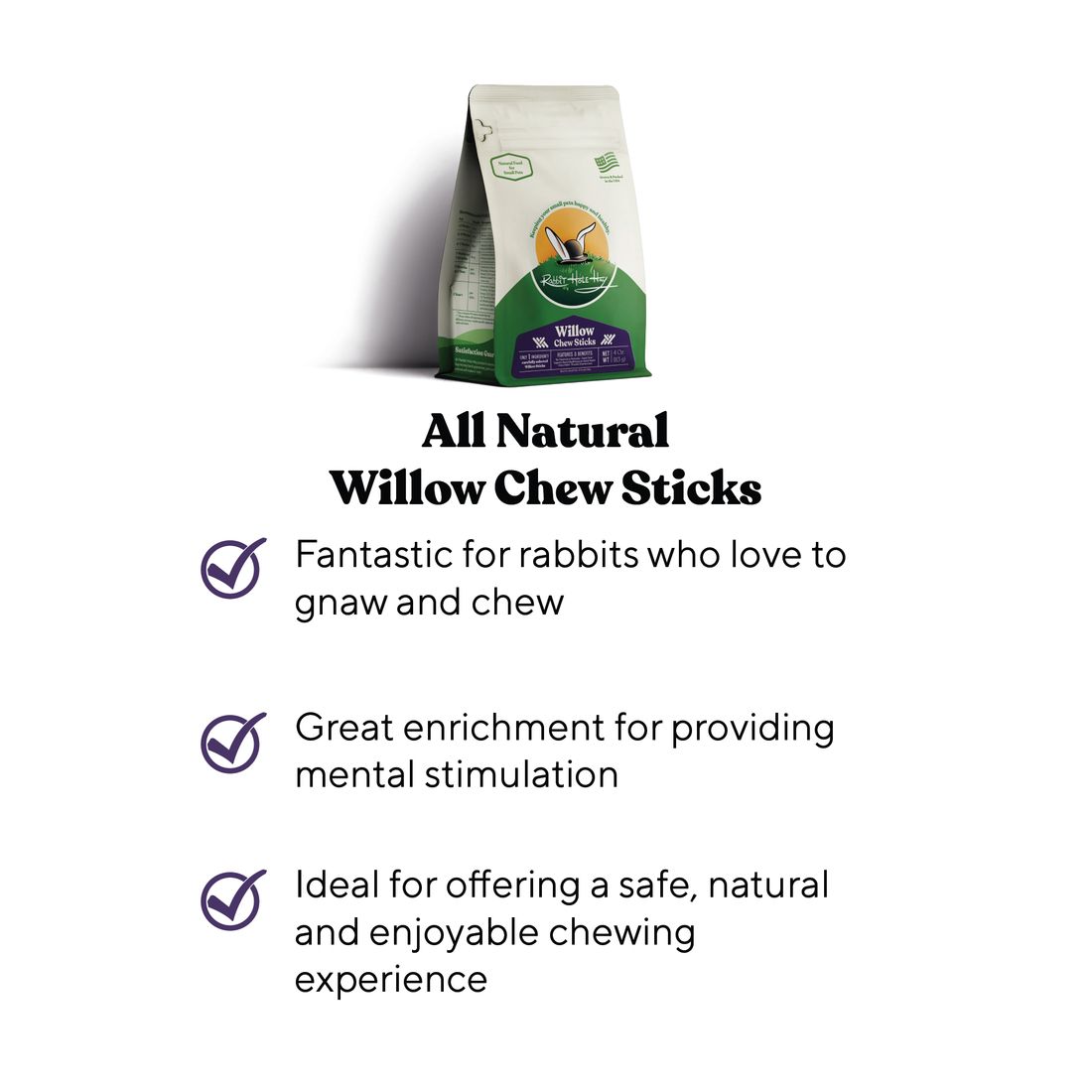
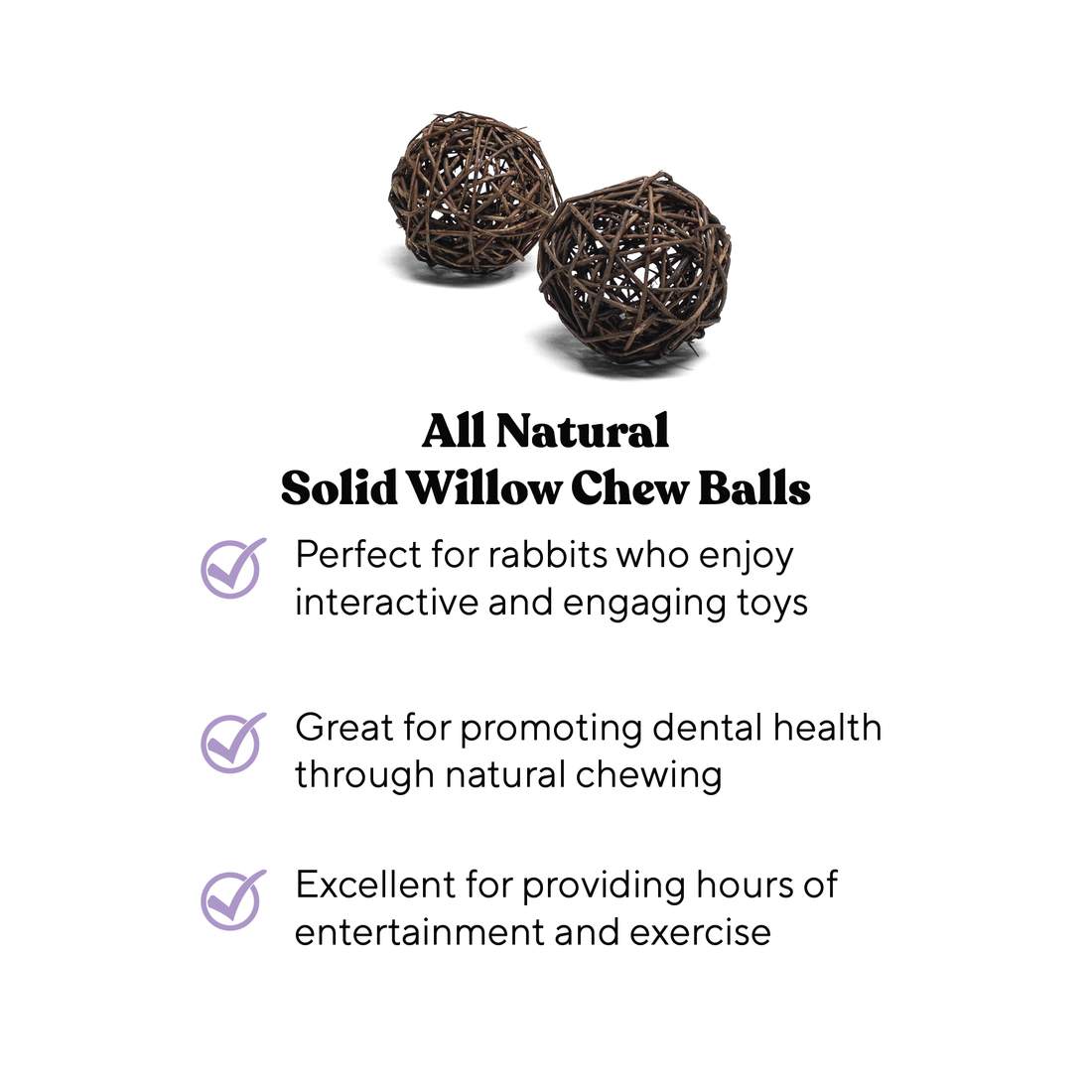
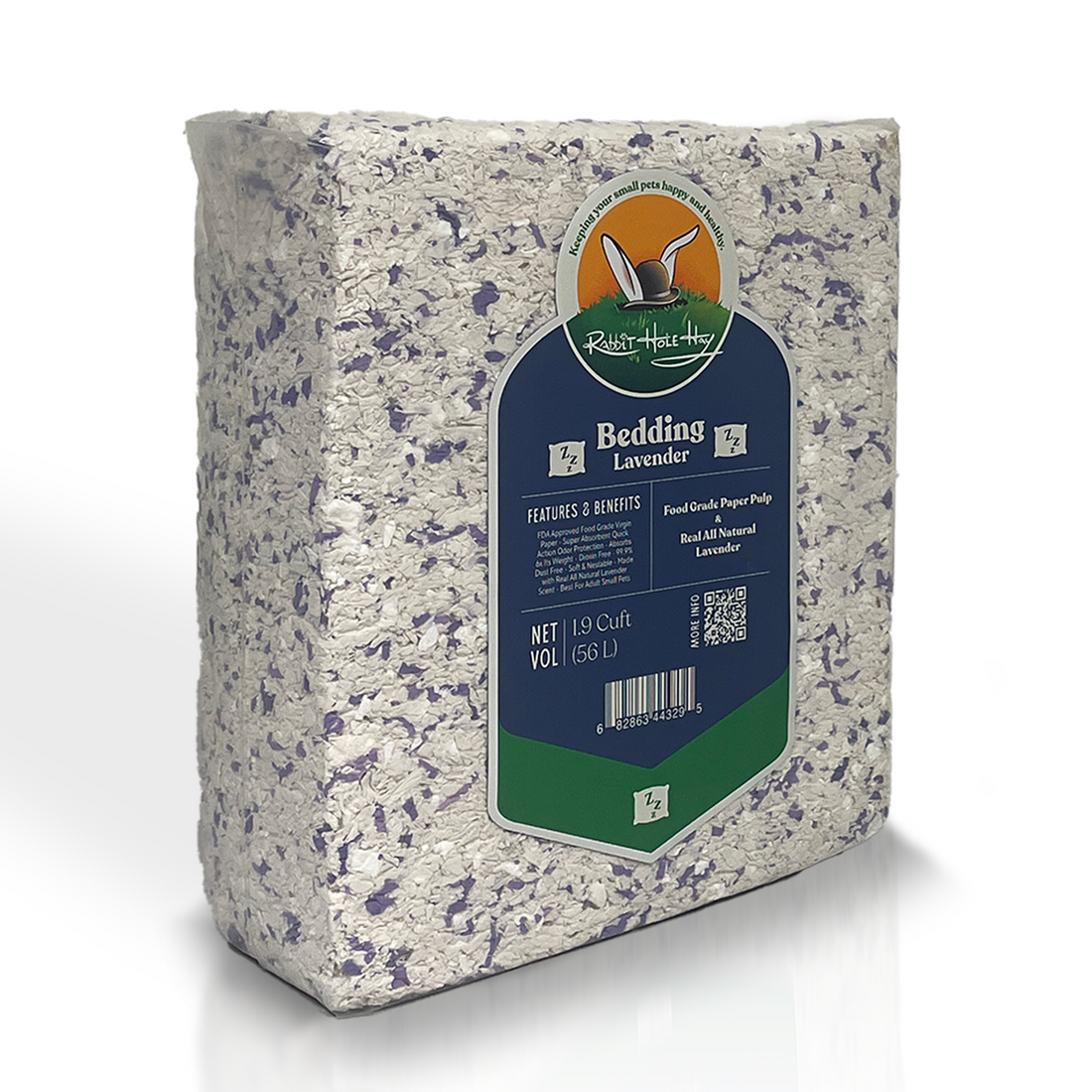
More Than Just Hay: Need bedding or chew toys too? Order everything at once from your favorite online store.
No Car Mess: Hay bales can be messy. When it's delivered, you keep your car clean.
Custom Quantities: Choose the amount you need, whether it's a small bag or a bulk order.
Order Anytime: Busy lifestyle? Order hay anytime, day or night, without leaving your home.
Support Local Farmers: When you order from us, you're supporting farmers in the Northwest.
Exceptional Service: We're here to help with any questions or issues, ensuring a smooth experience every time.
Why Choose Rabbit Hole Hay for Rabbit Hay Delivery?
We test each harvest to ensure it meets our nutritional standards. Your pet's health is our top priority.
Our hay is stored indoors to protect it from sunlight and moisture, preserving its quality.
Flexible ordering options, including one-time purchases or subscription plans with discounts.
100% satisfaction guarantee. We want you and your pet to be happy with every order.
We are based in Northern California, an ideal location for growing and sourcing the best hay. All our products come from local farmers in the surrounding regions. This ensures you get the freshest hay from the farm to your door.
How Rabbit Hay Delivery Works
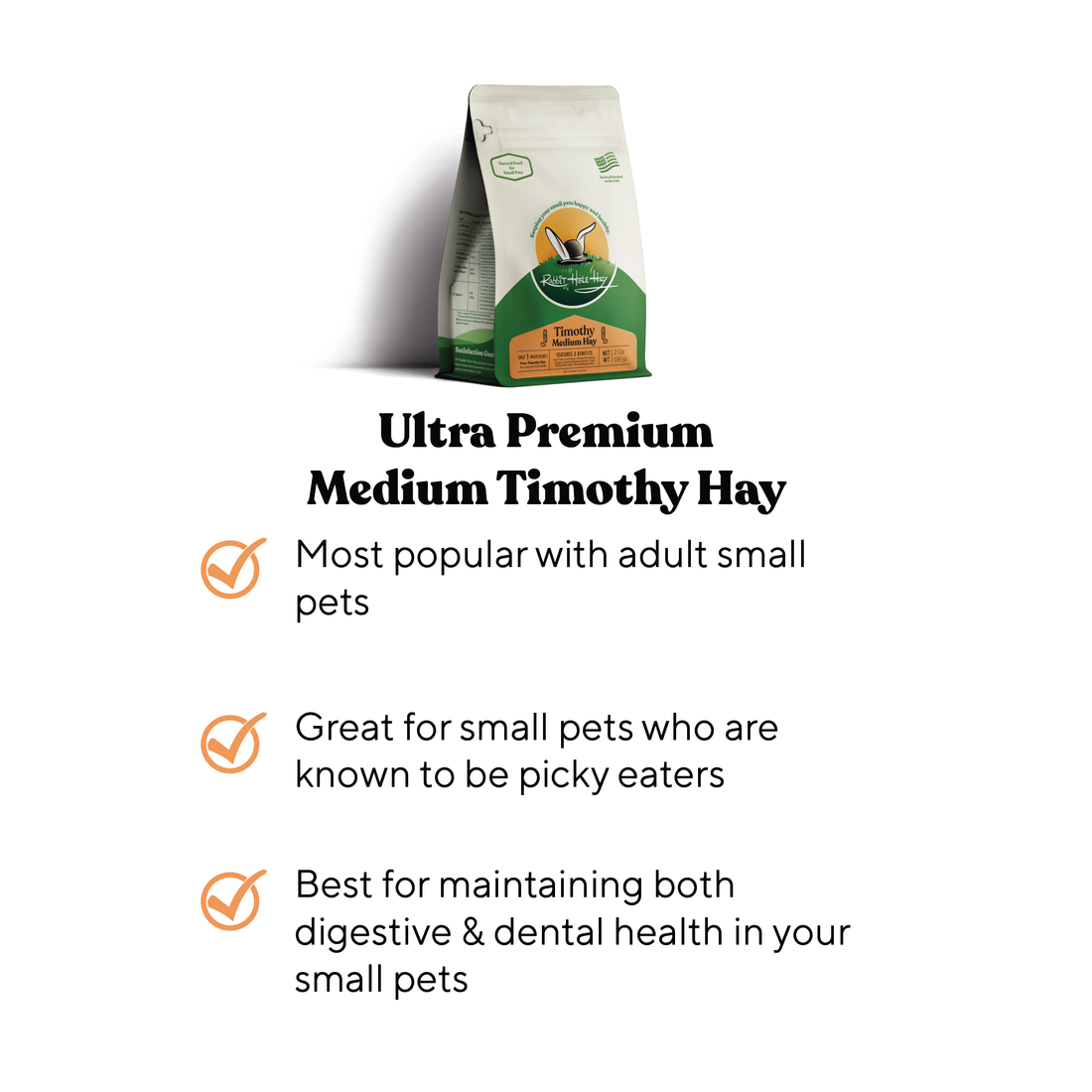
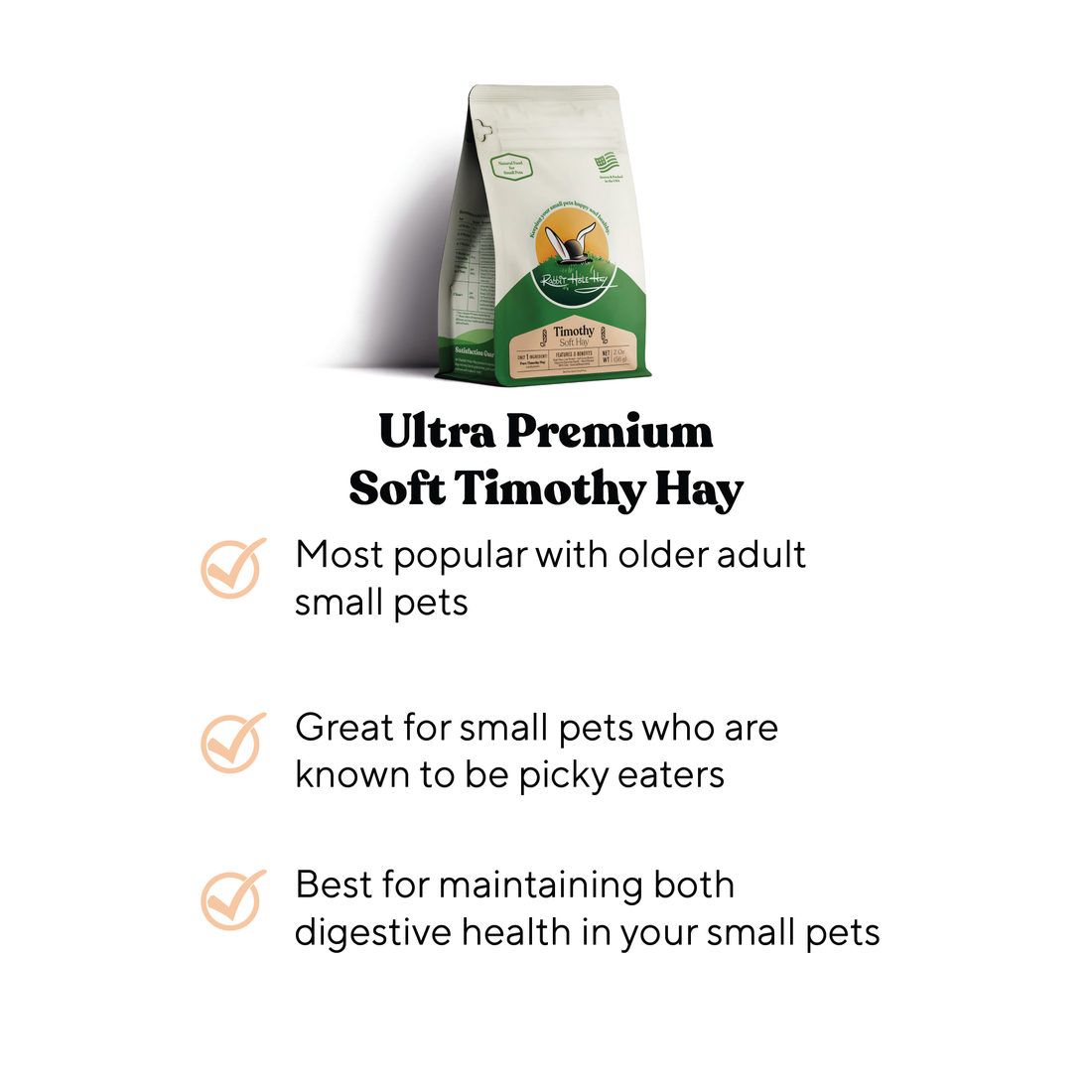
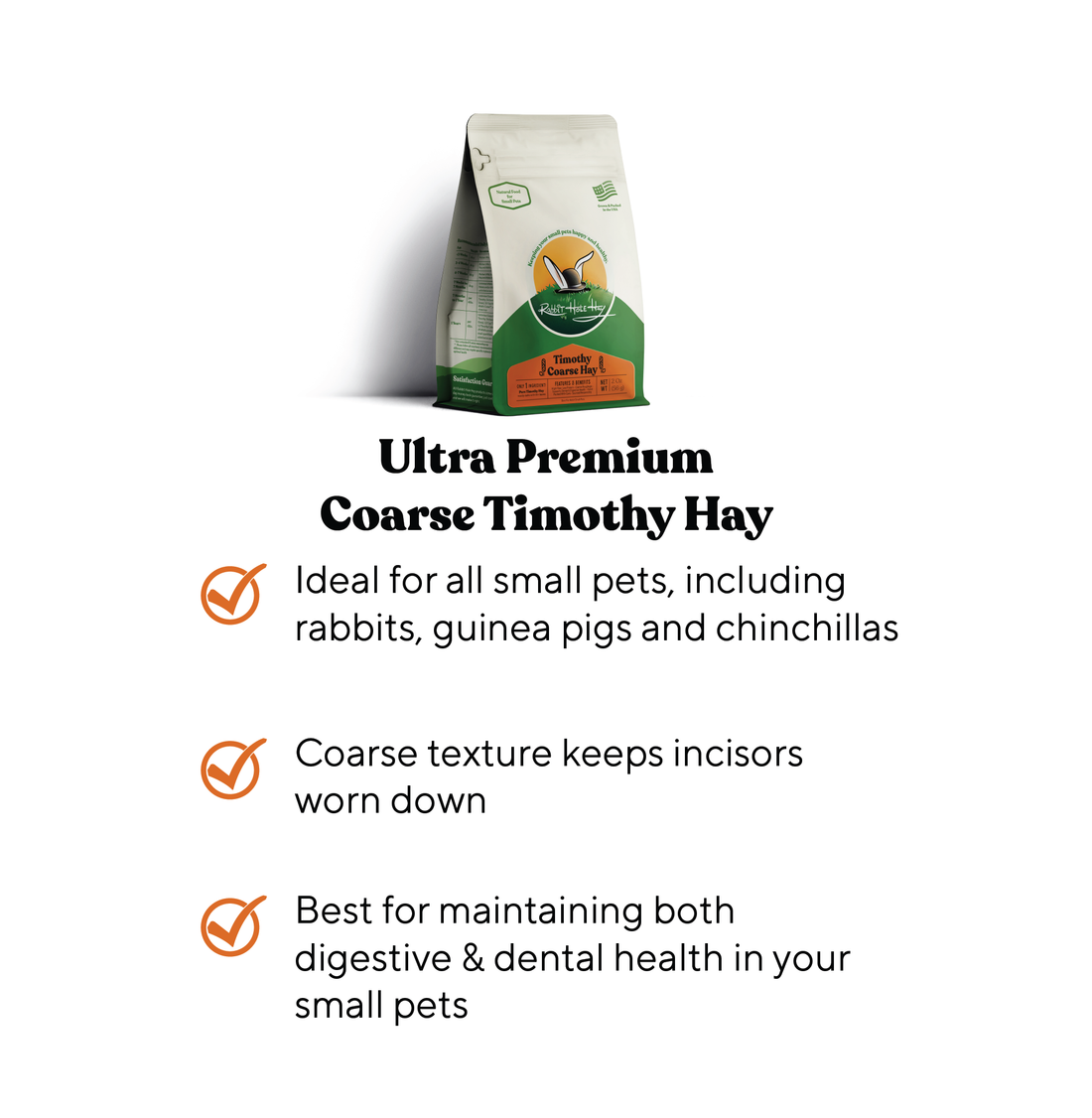
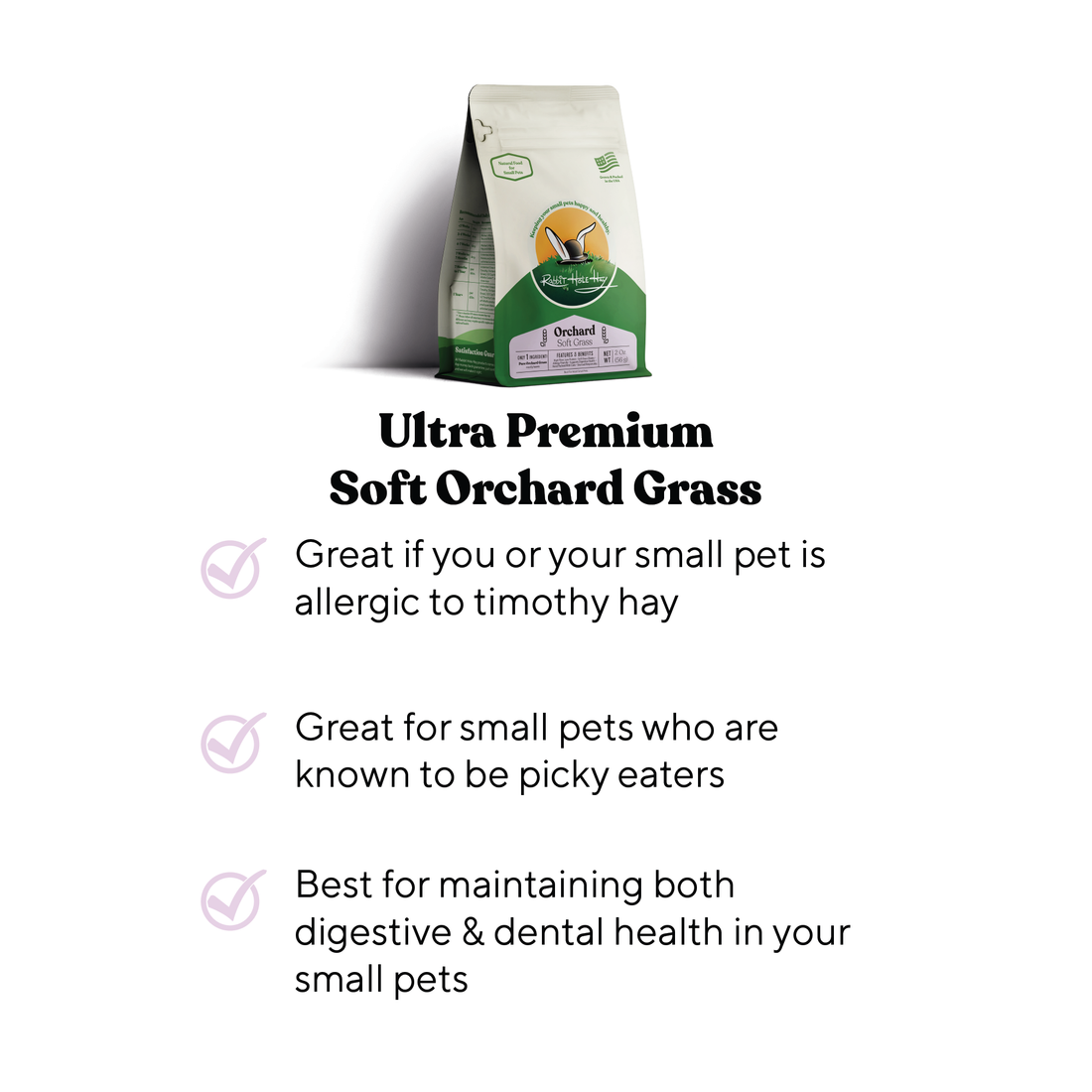
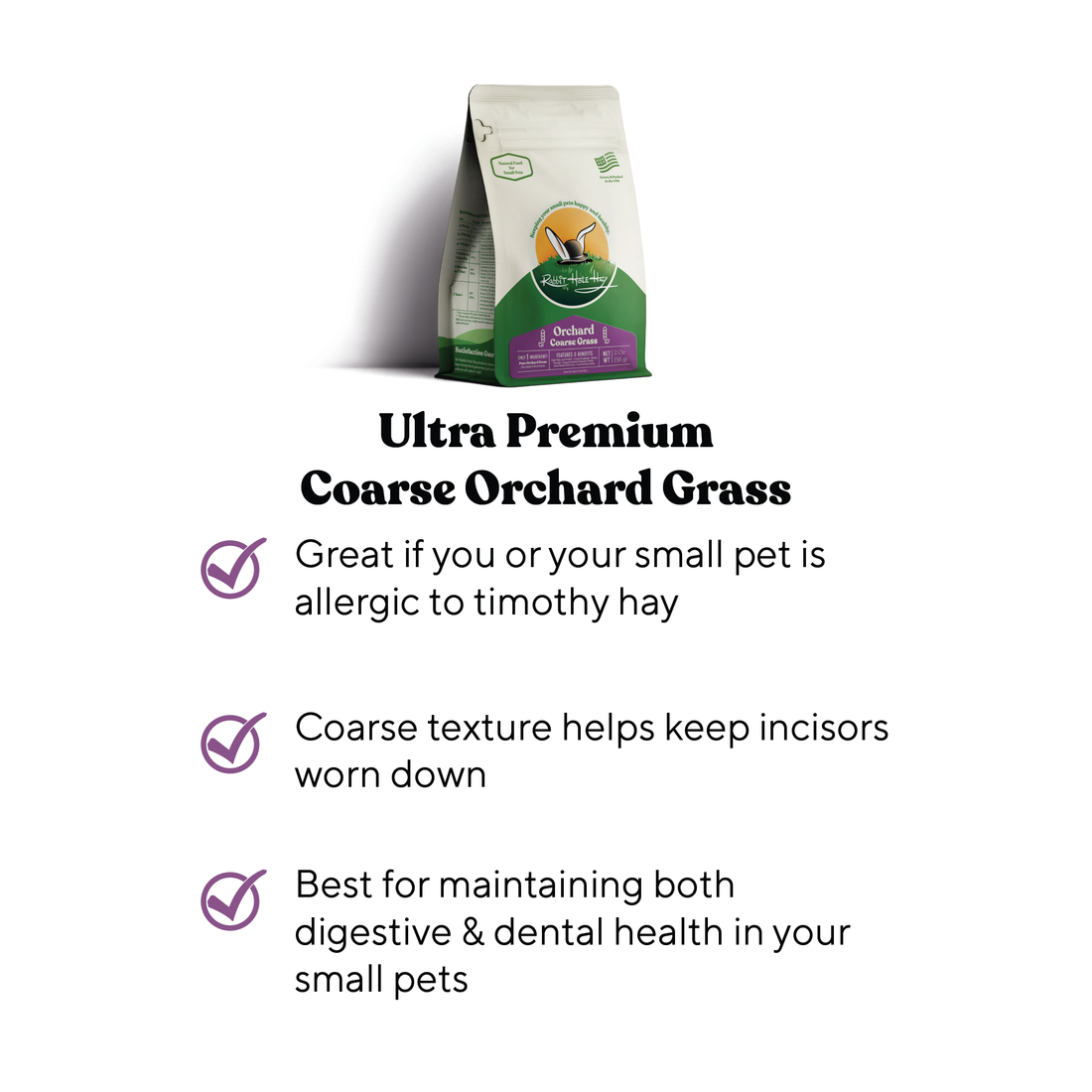
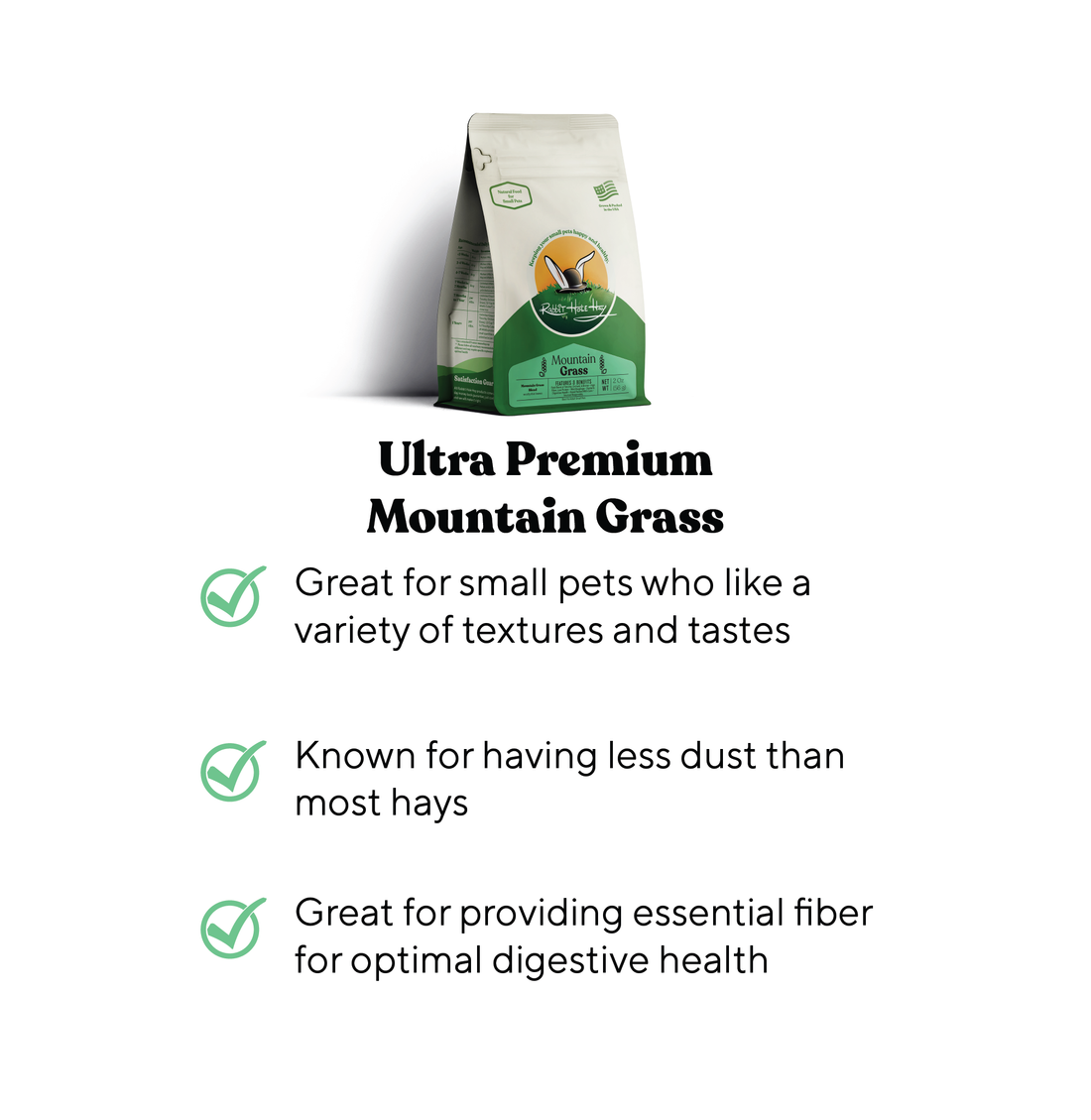
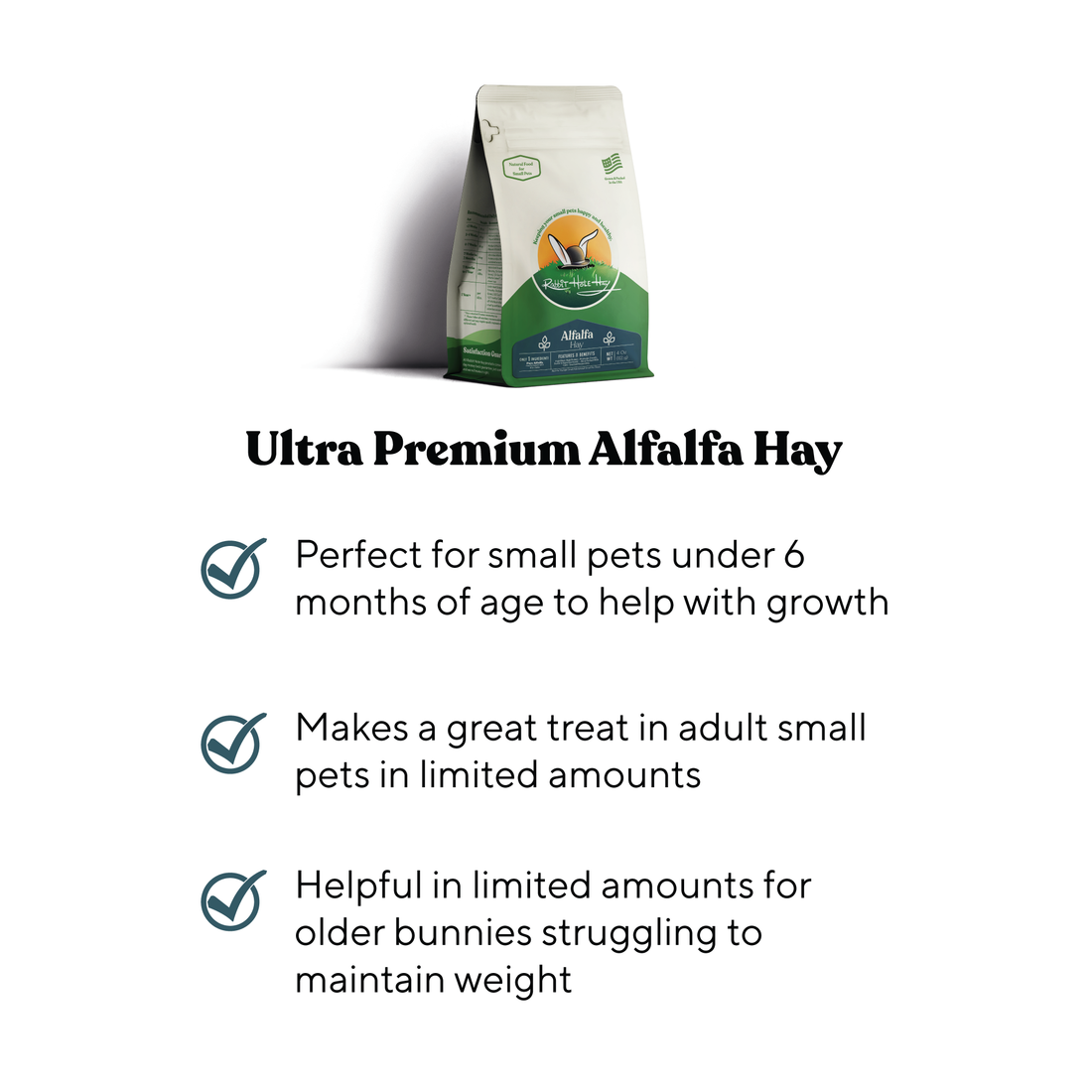
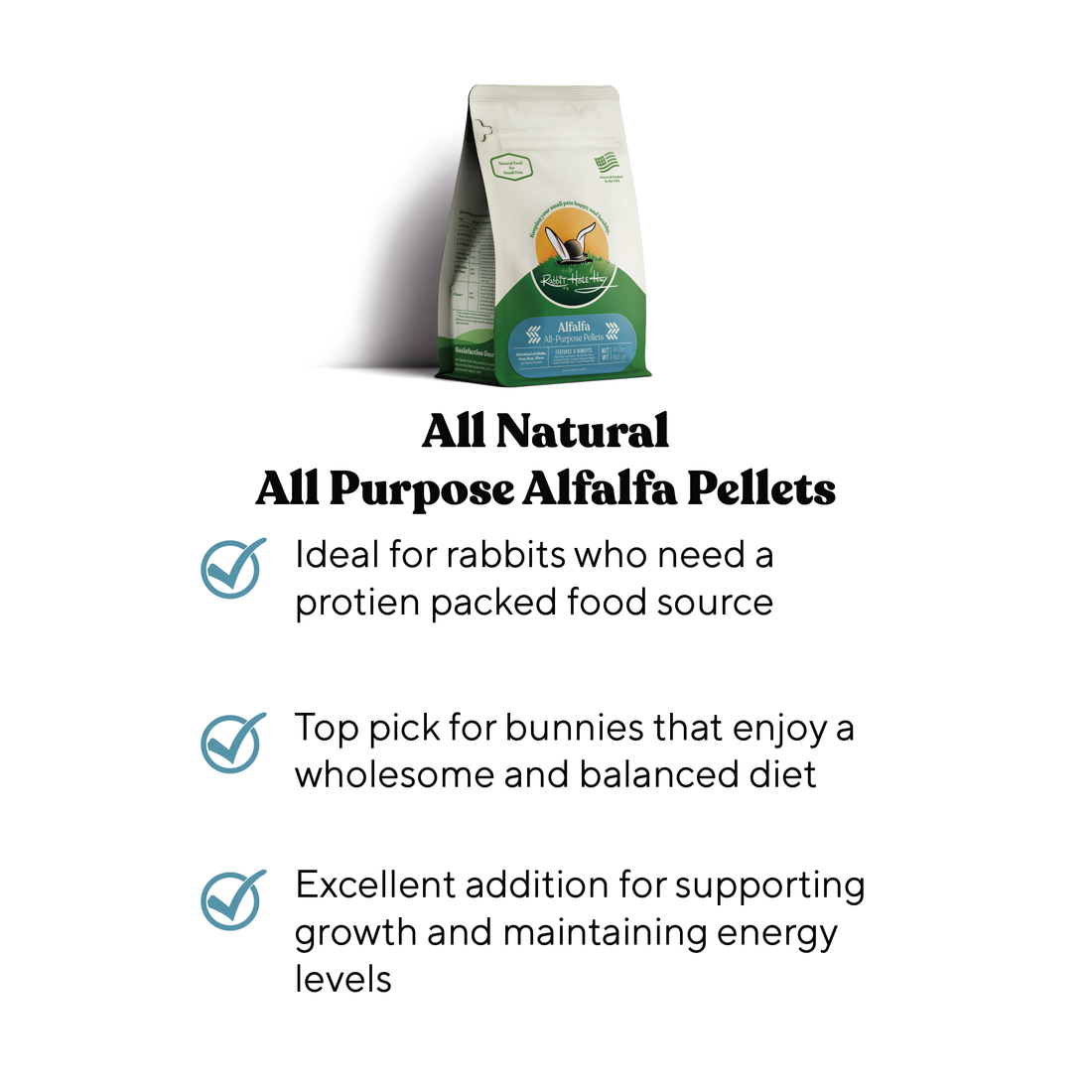
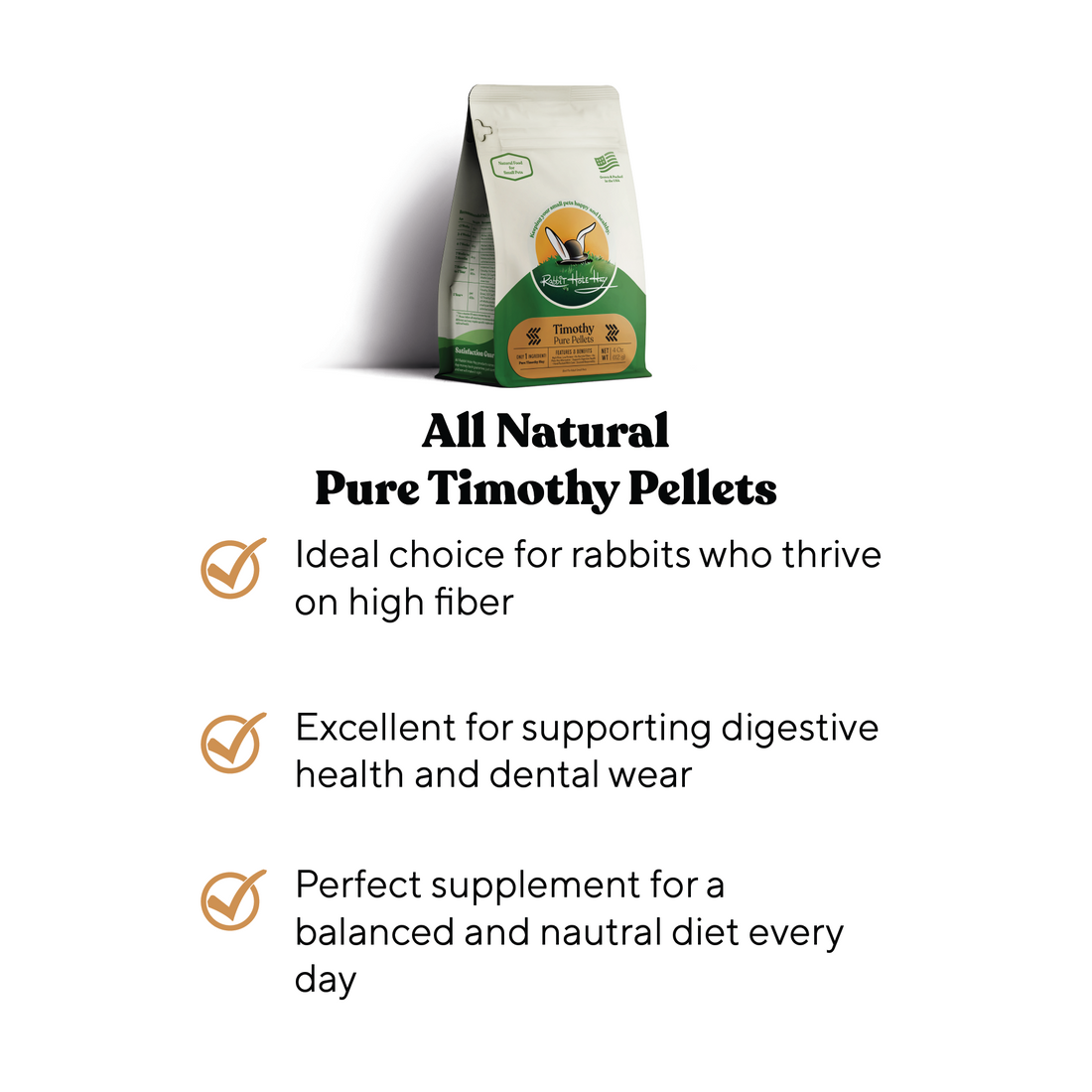
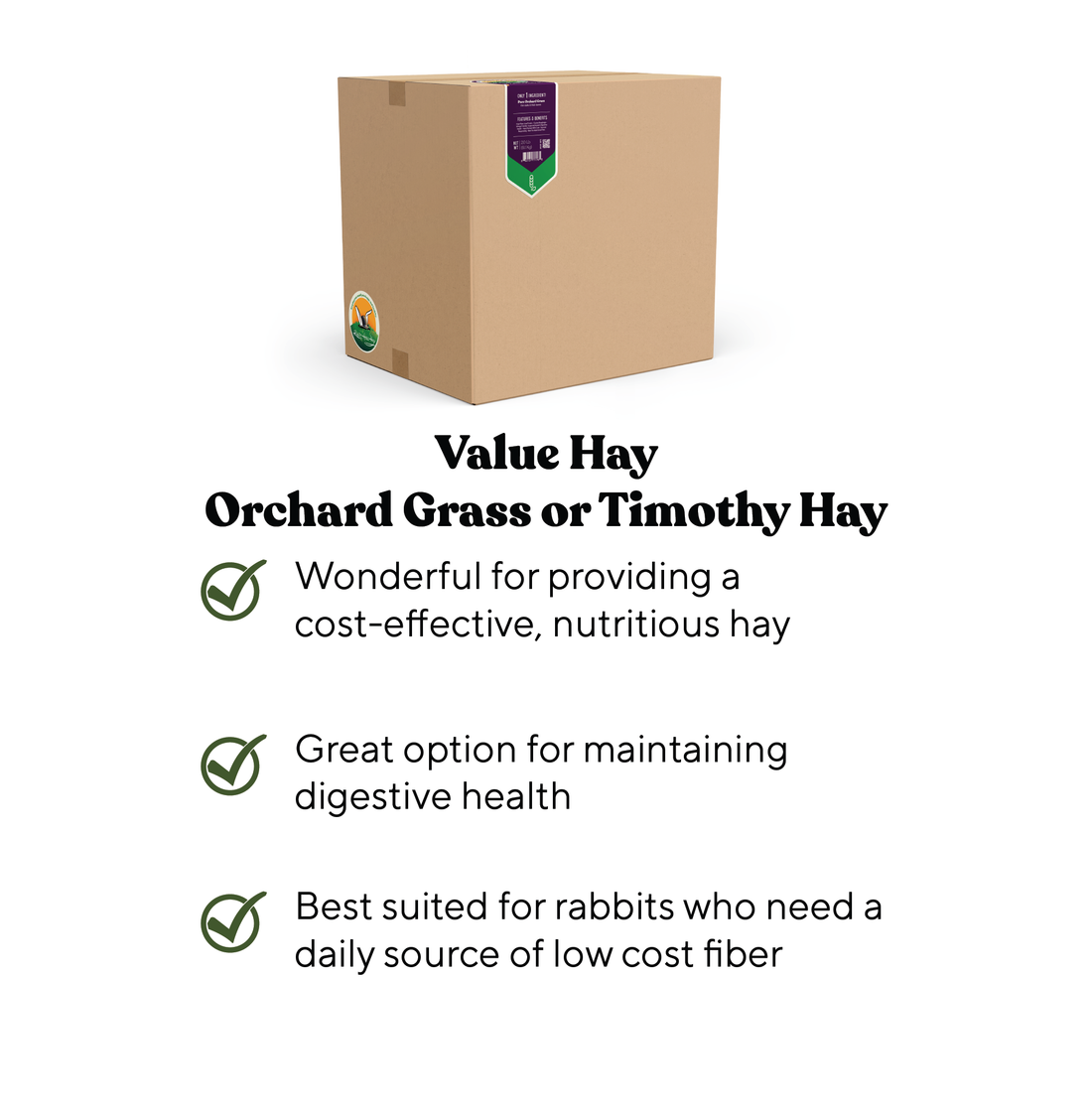
Ordering rabbit hay delivery is simple and convenient. First, visit our website and choose the type of hay that suits your pet's needs. We offer various types, including Timothy, Orchard, Mountain Grass, Alfalfa, each with different textures and flavors that your small pets will love. Choose the quantity and delivery frequency once you've selected your preferred hay. You can opt for a one-time order or set up a subscription to have fresh hay delivered regularly.
Our website is designed to make the process easy. You can quickly find what you're looking for, read detailed descriptions of each hay type, and see customer reviews to help you decide. After placing your order, sit back and relax. Your hay will be shipped directly to your door, usually within a few days. If you ever have any questions or need to adjust your order, our customer service team is just a call or email away, ready to assist you.
Choosing the Right Hay for Your Pet
Different types of hay provide different benefits. For example, Timothy hay is high in fiber and low in protein, making it ideal for adult rabbits and guinea pigs. Orchard hay is softer and sweeter, which some pets prefer, and Mountain Grass offers a mix of grasses and herbs that can be a nice change of pace. The key is offering variety to keep your pet interested and ensure they get a balanced diet.

If your pet is picky, try offering small amounts of each type to see what they like best. And remember, hay should always be available in their habitat so they can munch throughout the day. This helps with digestion and keeps them busy, which can prevent destructive behaviors. If you're unsure which type to choose, our team is happy to help guide you based on your pet's specific needs.
Supporting Your Pet's Health with Rabbit Hay Delivery
Using a rabbit hay delivery service is not just about convenience—it's also about ensuring your pet has consistent access to the high-quality food they need to stay healthy. Poor-quality hay or inconsistent feeding can lead to serious health problems, such as dental disease and gastrointestinal stasis, which can be life-threatening for small animals. By setting up regular hay deliveries, you're taking a proactive step in maintaining your pet's health and well-being.

Another advantage of rabbit hay delivery is that you're open to more than locally available. Many stores only carry a limited selection, which might be better quality or the type your pet prefers. With delivery, you can access a broader range of options, ensuring your pet has the perfect diet. Plus, you can set up deliveries on a schedule that works for you, so you never run out of hay unexpectedly.
How to Store Your Hay Properly
Proper storage is key to maintaining the quality of your hay. Once your rabbit hay delivery arrives, please keep it in a cool, dry place away from direct sunlight. A storage bin with a loose-fitting lid works well, allowing air circulation while keeping pests out. Avoid storing hay in airtight containers or plastic bags, as this can trap moisture and lead to mold growth, which is harmful to your pet.
If you've purchased a large quantity of hay, consider dividing it into smaller portions. This way, you can keep the bulk of your hay stored properly while using smaller amounts at a time. Always check the hay before feeding it to your pet—look for any signs of mold or an unusual smell, which indicates that the hay has gone bad. Fresh hay should be fragrant, green, and slightly dry to the touch.
Common Questions About Rabbit Hay Delivery
Is rabbit hay delivery more expensive than buying in-store?
While delivery might seem more costly upfront, it often saves money in the long run. You're less likely to waste hay due to spoilage or over-purchasing, and you save on gas and time. Plus, subscription services offer discounts that make regular deliveries more affordable.
Can I change my delivery schedule?
Absolutely! Our flexible subscription service allows you to adjust your delivery frequency as needed. Whether you need more hay or want to skip a delivery, you can easily make changes through your account settings or by contacting our customer service team.
What if my pet doesn't like the hay?
Let us know if your pet isn't happy with the hay. We offer a satisfaction guarantee and will work with you to find a solution, whether trying a different type of hay or providing a refund. Your pet's health and happiness are our top priorities.
Final Thoughts on Rabbit Hay Delivery
Choosing to have your rabbit's hay delivered is a smart choice that offers convenience, quality, and peace of mind. It ensures that your small pet always has access to the fresh, nutritious hay they need without the hassle of store trips or worrying about availability. With Rabbit Hole Hay, you're supporting local farmers and getting the best for your furry friend—delivered right to your door.
Let us help you keep your pet healthy and happy with the best rabbit hay delivery service around!





Comments