

















































If your rabbit is crunching pellets but leaving the hay rack alone, start with fresher grass hay, hay where they already hang out, and a quick health check—not more treats. Watching a full rack sit untouched is frustrating; most buns can still be nudged when the strands smell good, sit clean near the litter box, and nothing hurts when they chew. If they are not eating anything, call your vet today—that is an emergency, not a picky-eating phase.
Below we cover which hay belongs in the everyday diet, how quality and setup change intake, when refusal points to teeth or pain, and simple foraging tricks that make hay worth investigating. For the full hay-first picture, see our guide to keeping your rabbit healthy with hay.

What Type of Hay Is Best for My Rabbit's Everyday Diet?
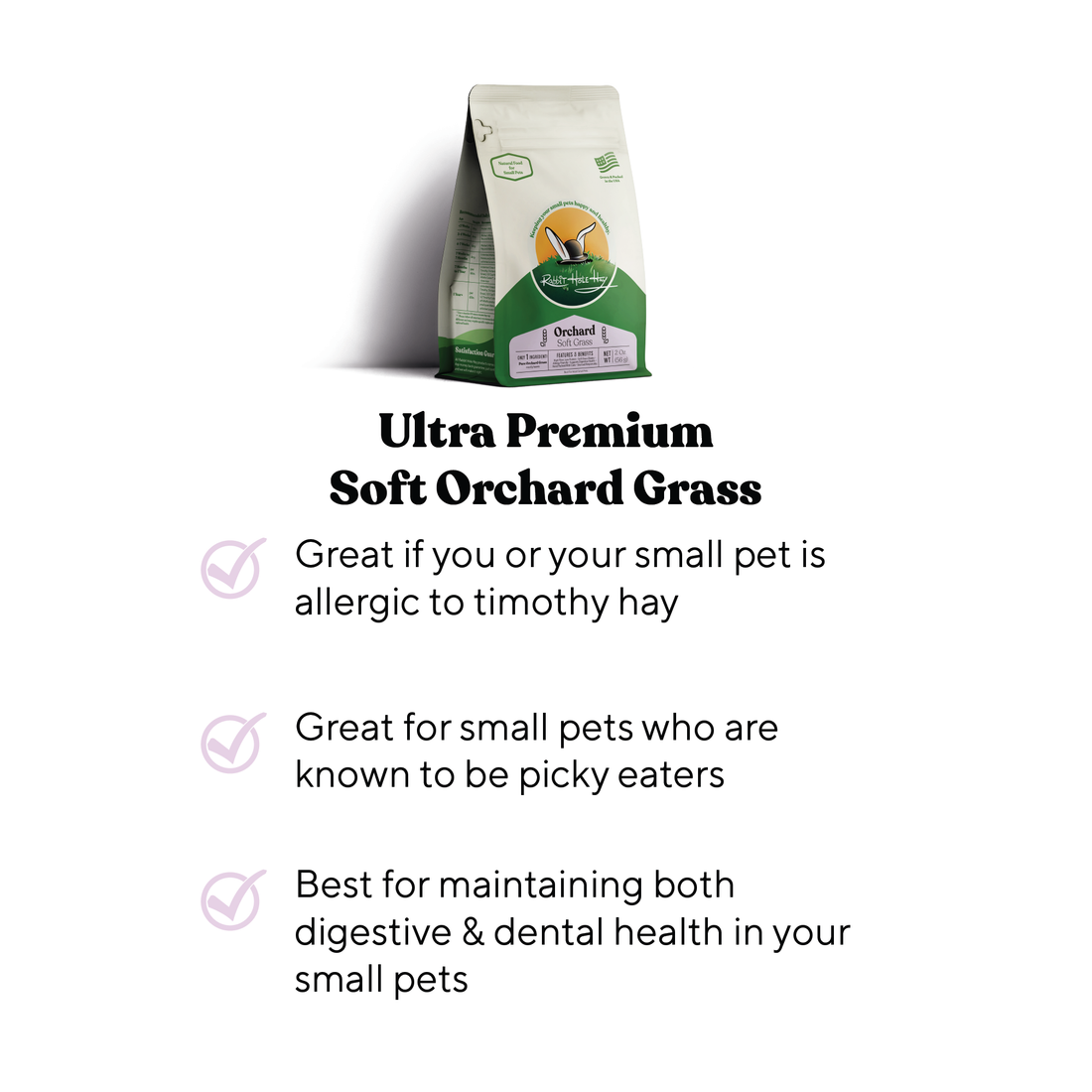
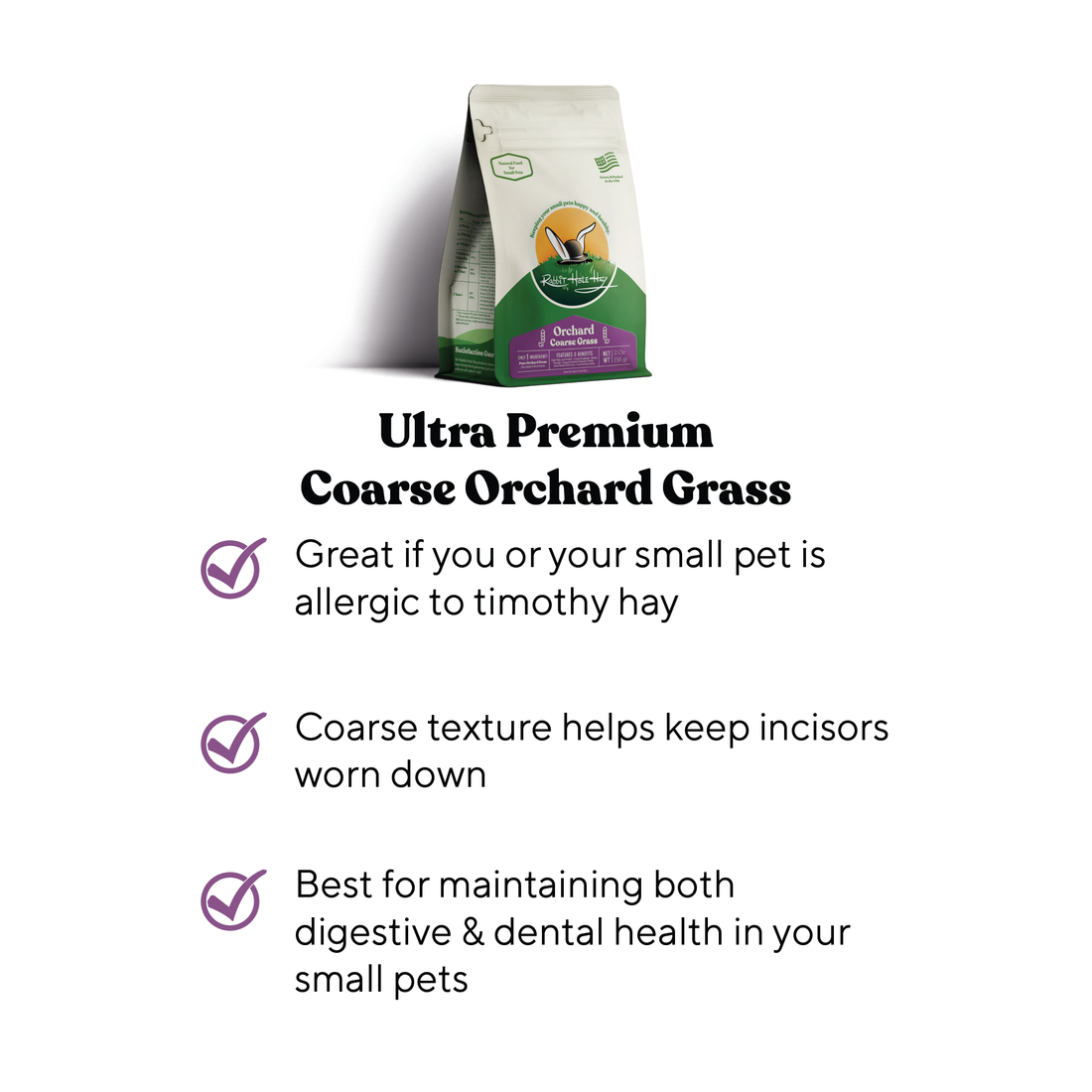
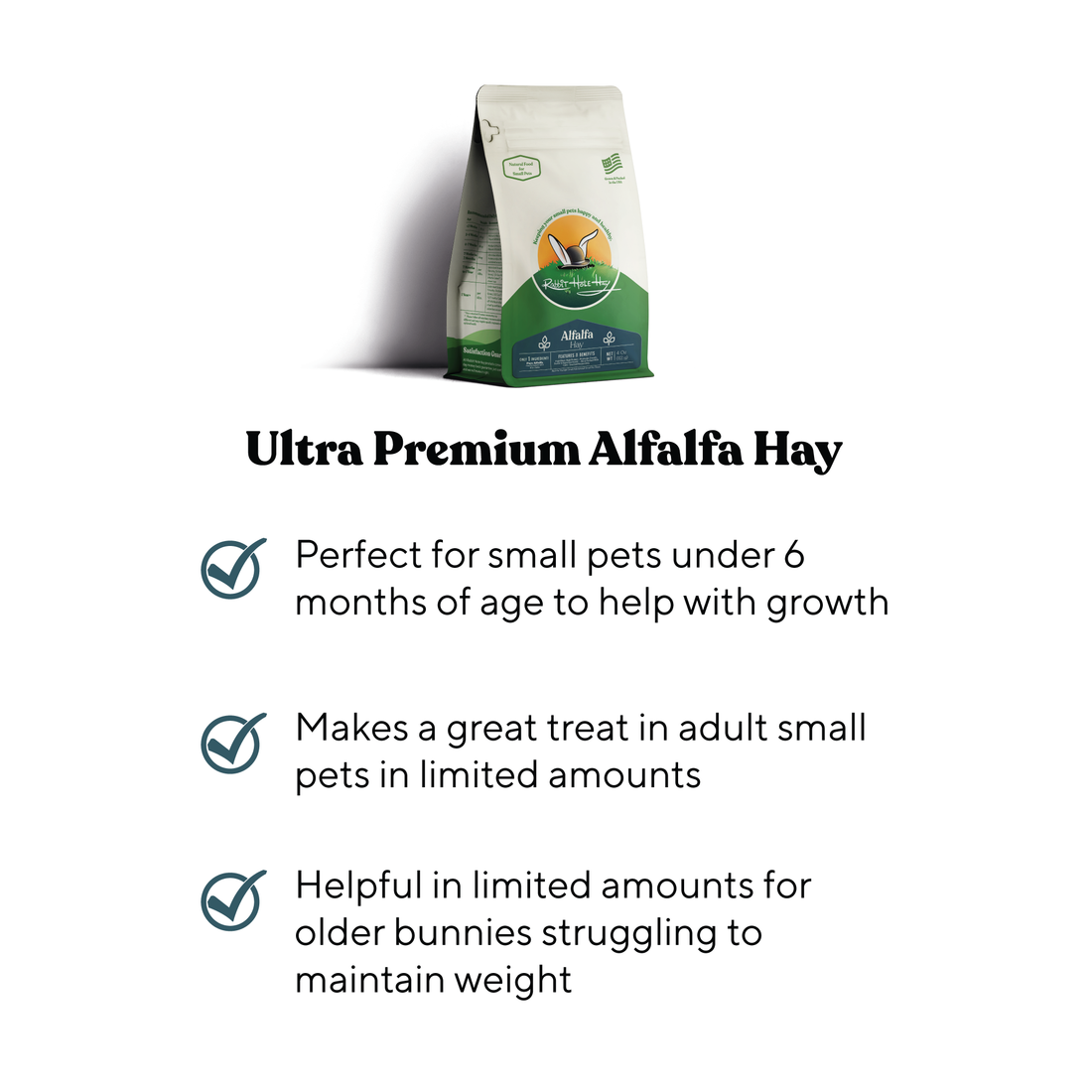
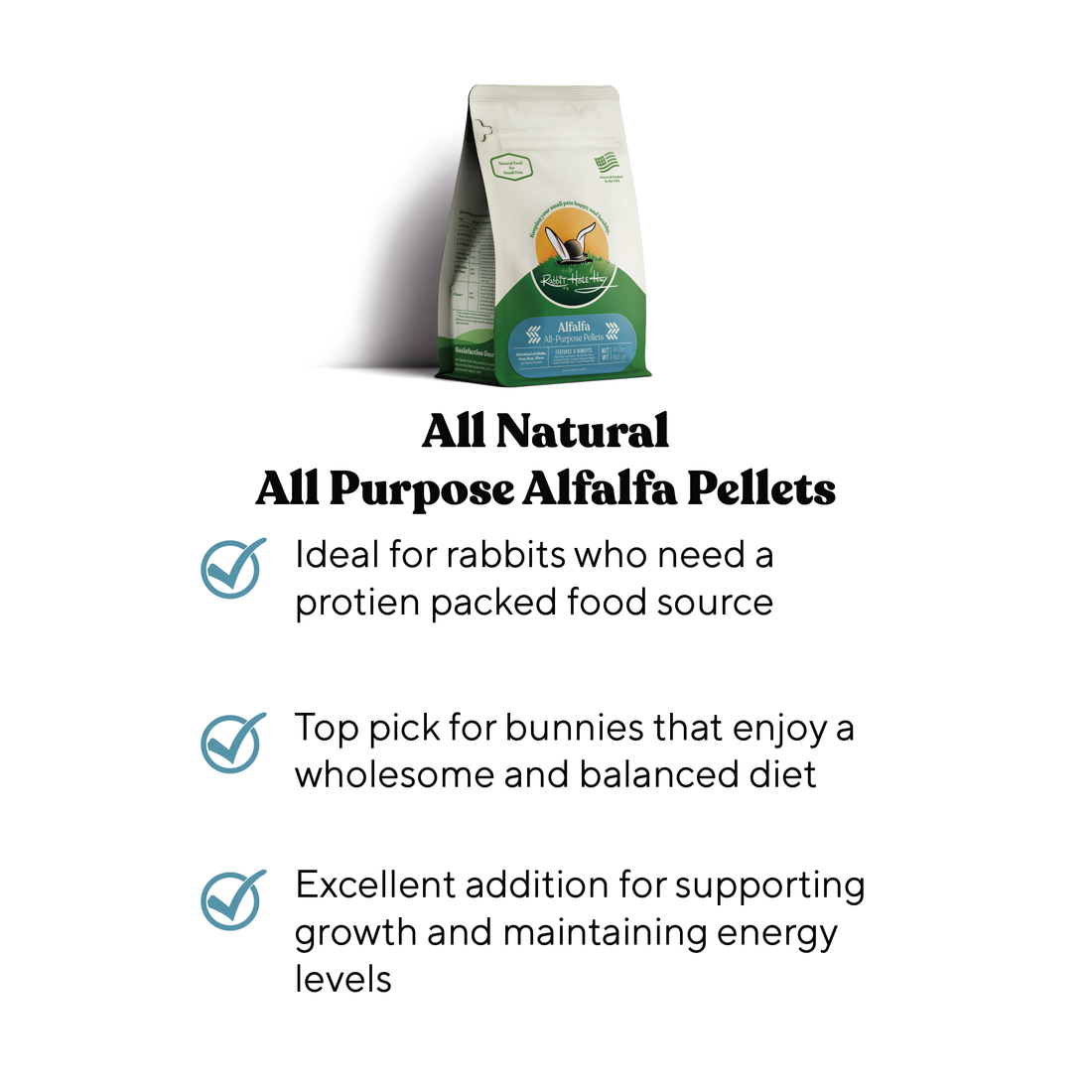
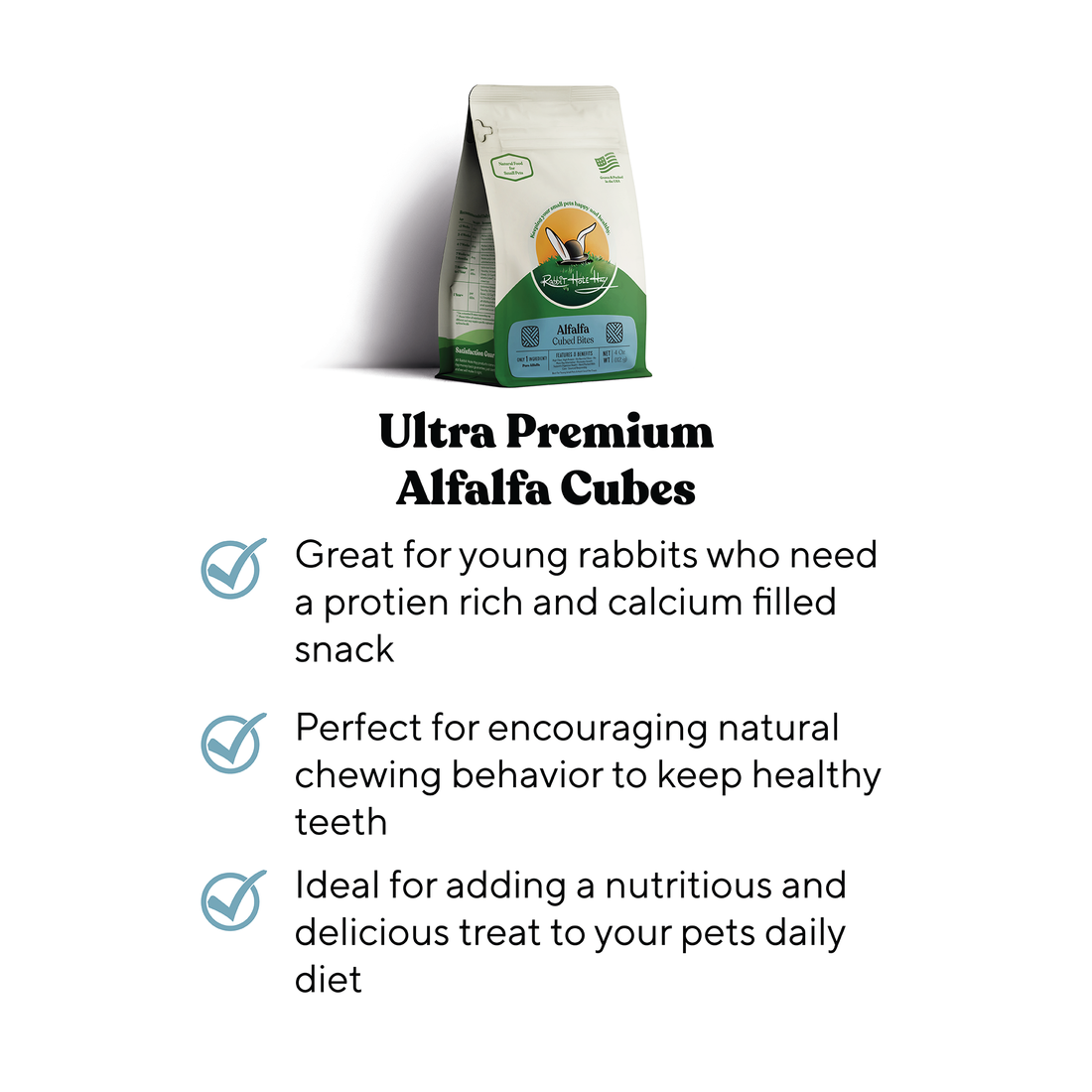
Adult pet rabbits do best on unlimited grass hay—timothy or orchard grass—as the main food. Alfalfa is fine for babies and some seniors under vet guidance, but most adults need lower-calcium grass hay so teeth and gut stay in balance.
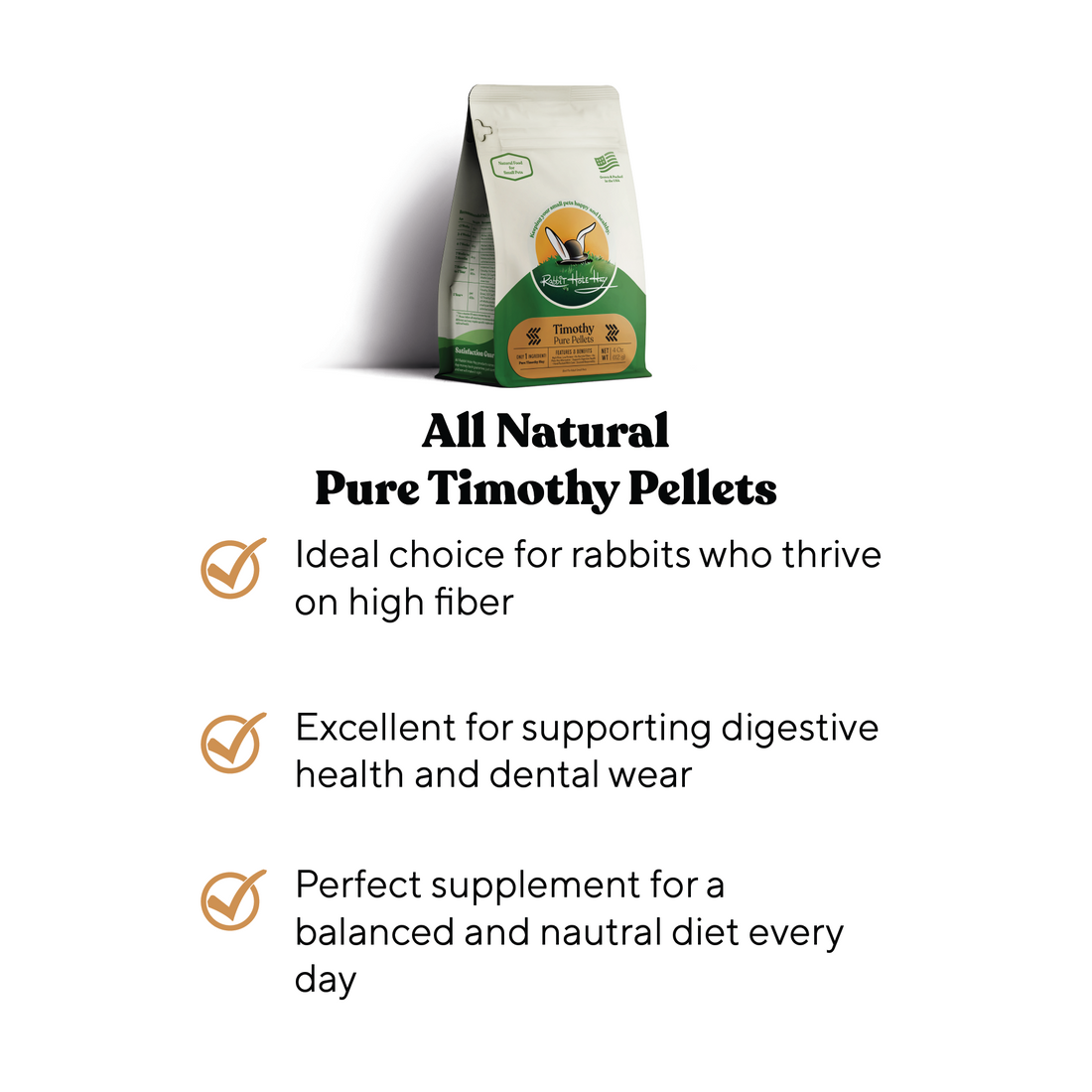
Hay should fill the rack 24/7. Pellets, greens, and treats ride behind fiber—not the other way around. Types, life-stage swaps, and portion basics live in our Hay Is for Rabbits guide and the breakdown of why timothy hay matters.
How Do I Pick Hay My Rabbit Will Actually Want to Eat?
Rabbits notice stale, dusty, or short-chopped hay—and ignore it. Fresh grass hay smells earthy, stays mostly green, and has long strands they can grab and chew.
Packaging: Machine-packed bales often crumble into powder rabbits will not touch. Hand-packed hay with long strands is easier to pull from a rack.
Freshness: Skip yellow, moldy, or musty hay. If it smells like a barn floor in a good way, you are on track.
Storage: Keep hay in a breathable bin away from damp basements and direct sun. A dry shelf in the garage works; a sealed plastic tub that traps moisture does not.
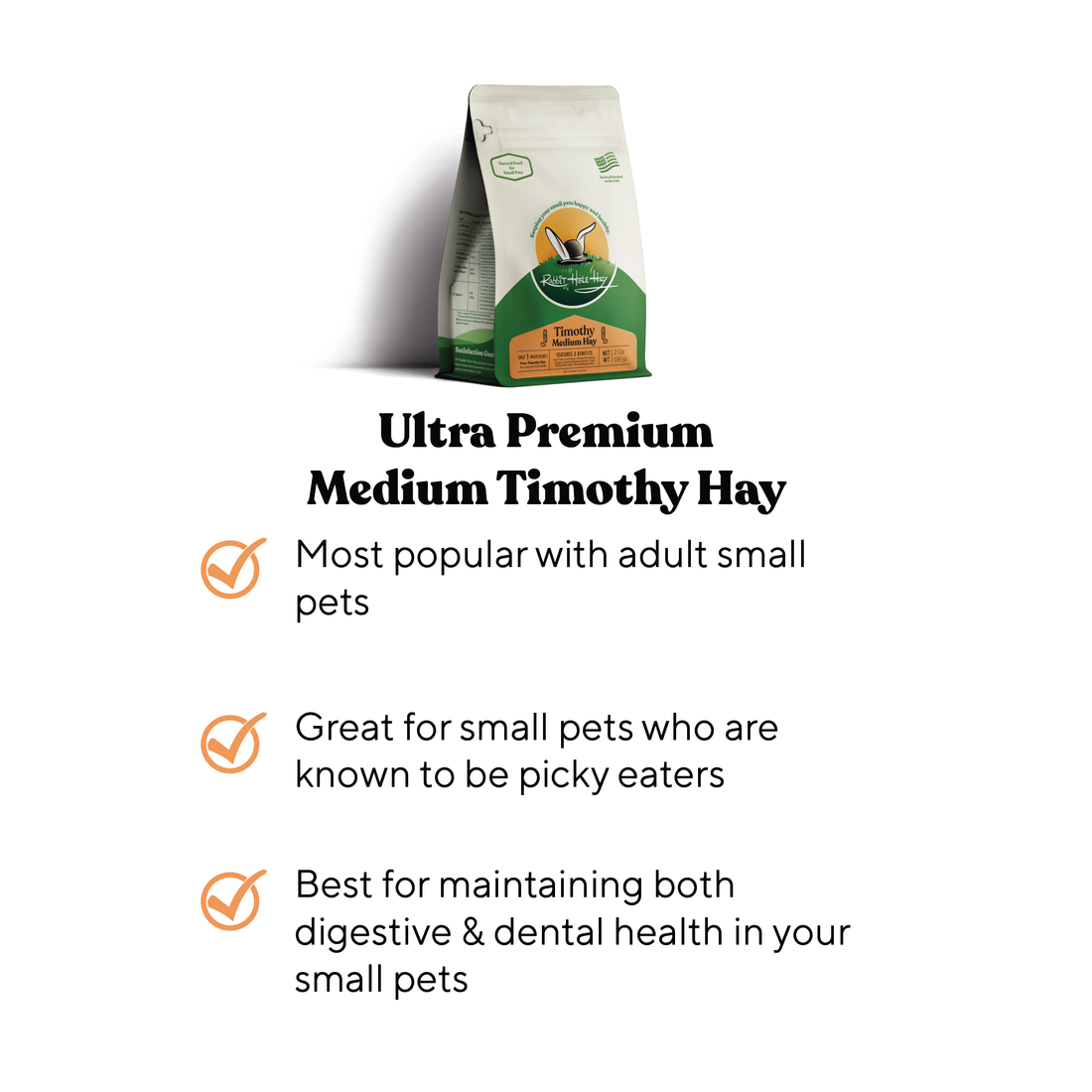
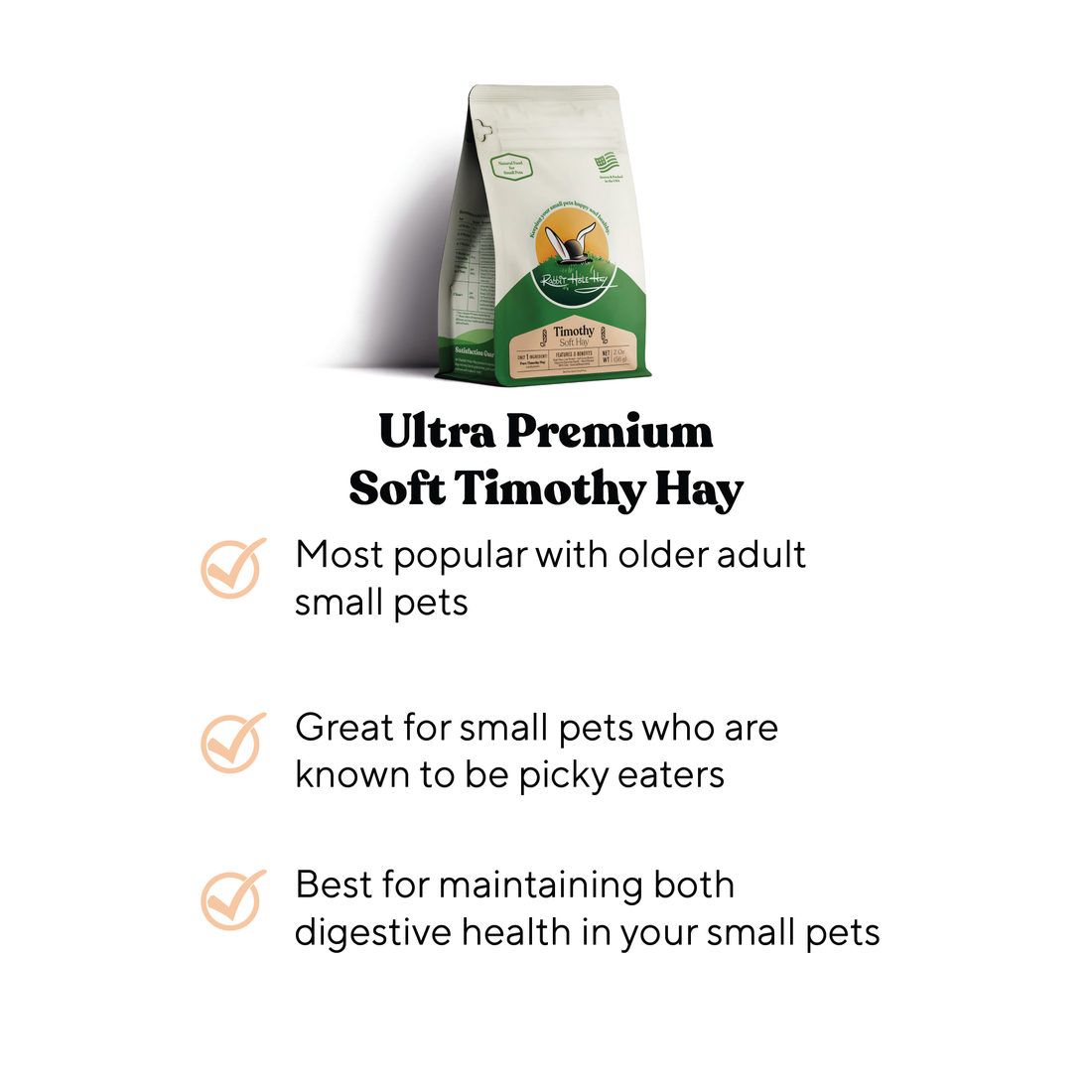
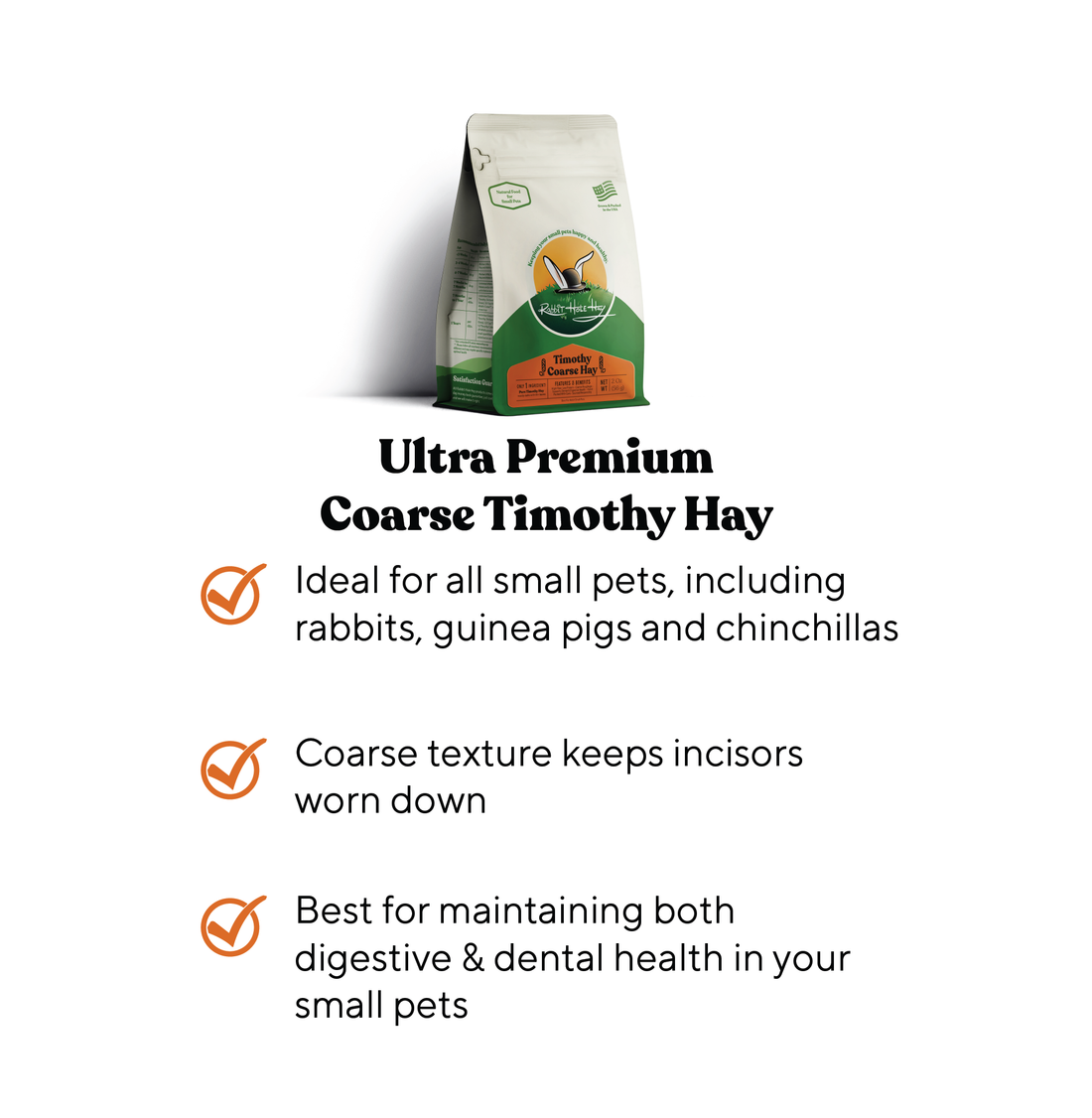
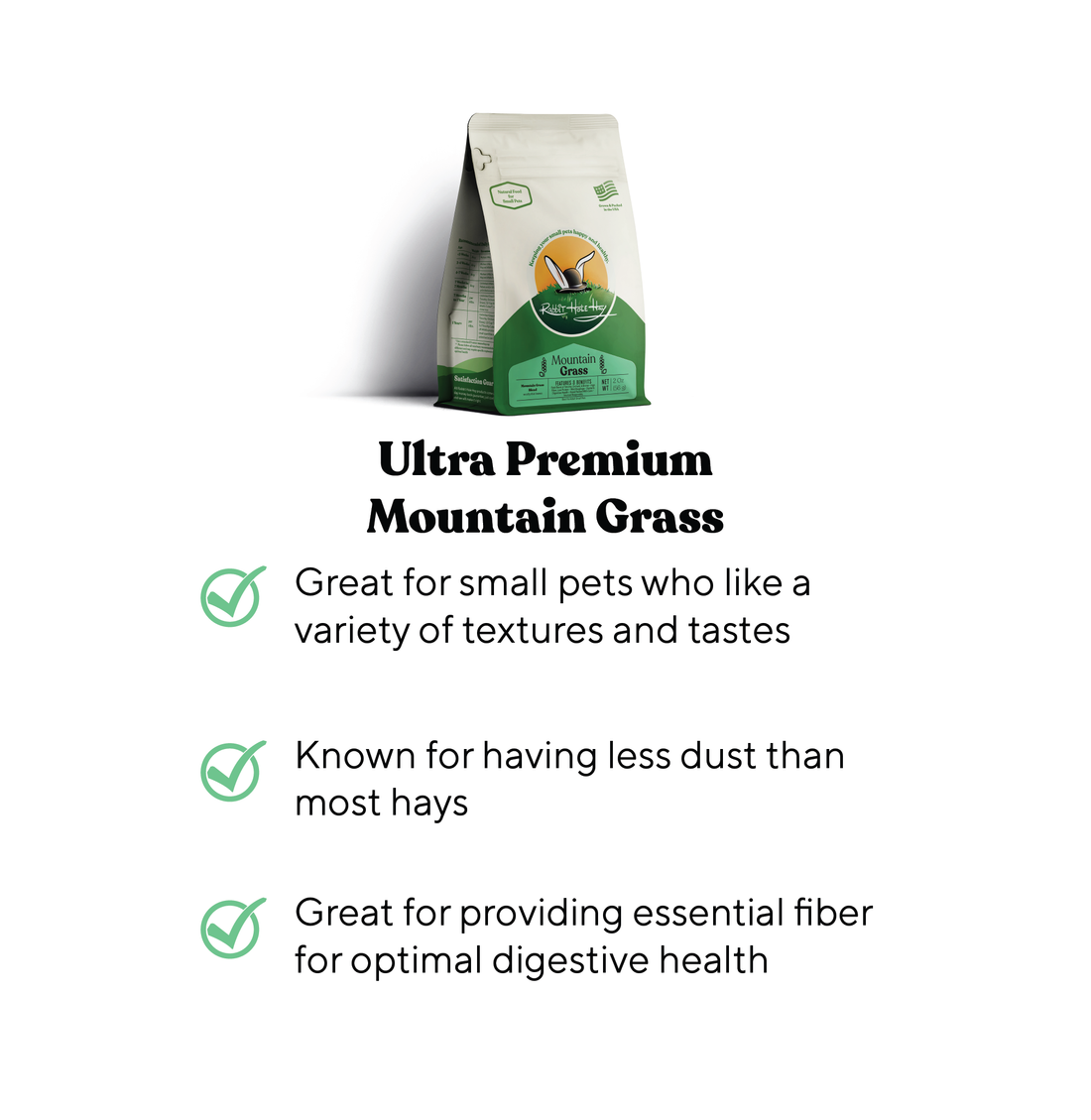
When you are restocking, fresh timothy hay with intact strands is the fastest upgrade if your bun has been turning up their nose at the old pile.

Where Should Hay Live in My Rabbit's Space?
Setup matters as much as quality. Rabbits often eat where they already feel safe—not where you wish they would stand.
Near the litter box: Many buns munch while they are in their box. A hay rack attached to the box or a pile on the clean side can double intake without a lecture.
Where they lounge: If your rabbit flops in the same corner every evening, put hay there too. Convenience beats willpower.
Off the floor when possible: A hay rack or wall feeder keeps strands clean. Soiled hay gets ignored fast.
Treats, pellet timing, and a hay pile hidden in the wrong room can all tank intake. If the rack is full but the bowl is empty every night, read our article on why your rabbit will not eat hay—and how setup and treats may be the reason.
When Should I Worry That Refusing Hay Is a Health Problem?
Sometimes hay refusal is not picky eating—it is pain. Overgrown teeth, sharp spurs, or sore gums make long strands miserable to chew.
Drooling or wet fur around the mouth
Choosing only soft foods and skipping hay entirely
Weight loss or sudden appetite changes
Schedule a visit with a rabbit-savvy vet if those signs show up—you are not failing at feeding when chewing hurts. Fixing teeth or treating pain has to come before any herb sprinkle. For background, Rabbit.org's dental health overview explains what vets look for.
How Can Foraging Make Hay More Interesting?
Rabbits are built to search for food. A flat pile in a corner can read as boring; a small puzzle can pull them back in.
Stuff hay into cardboard tubes or paper bags they have to tear open
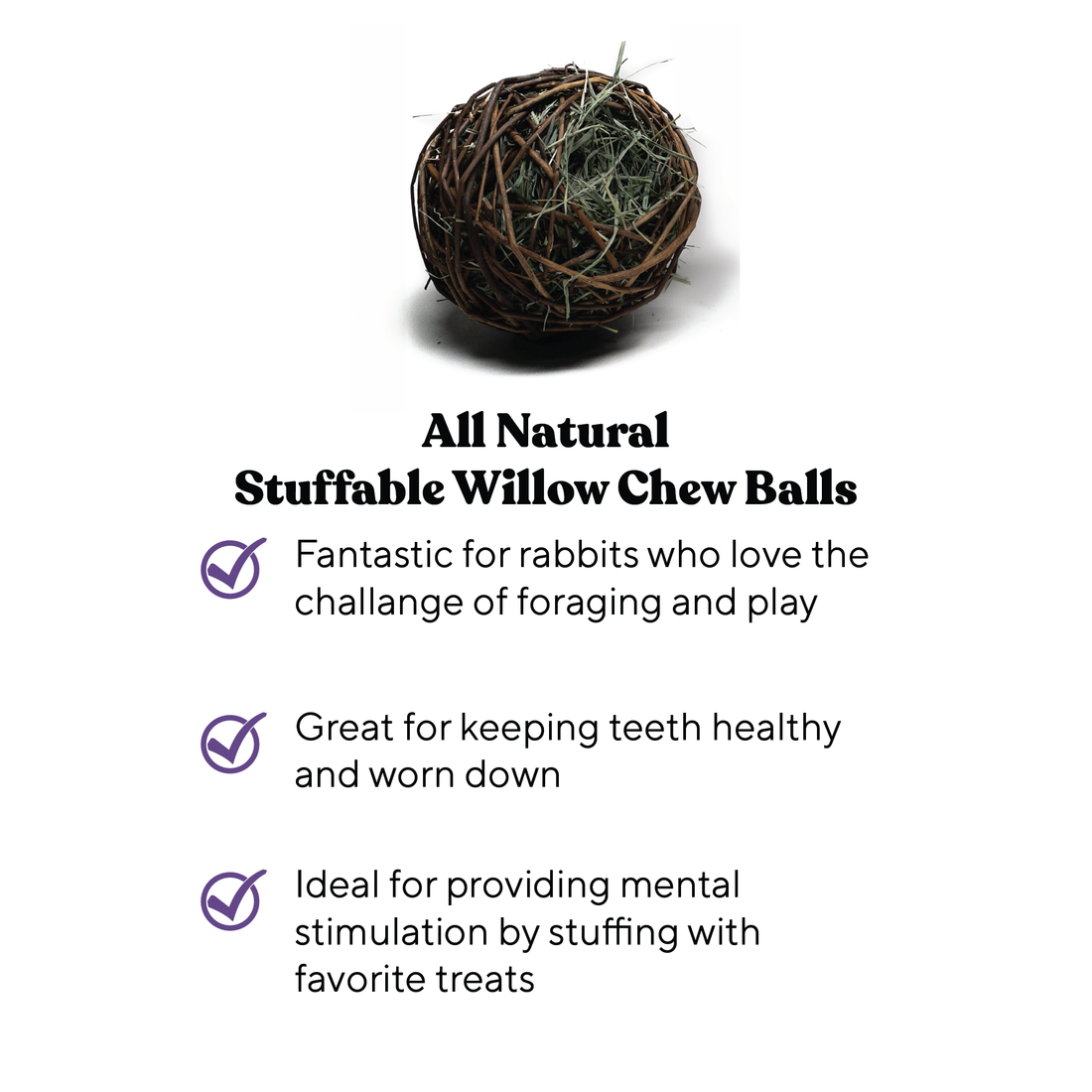
Use a hay ball that drops strands as they roll it
Hide hay in a foraging mat, tunnel, or box with cut-out holes
These are enrichment habits, not toys for the sake of toys—you are meeting the same instinct that keeps wild rabbits grazing half the day. More activity ideas sit in the PDSA rabbit exercise guide.
Can Herbs Help My Rabbit Start Eating More Hay?
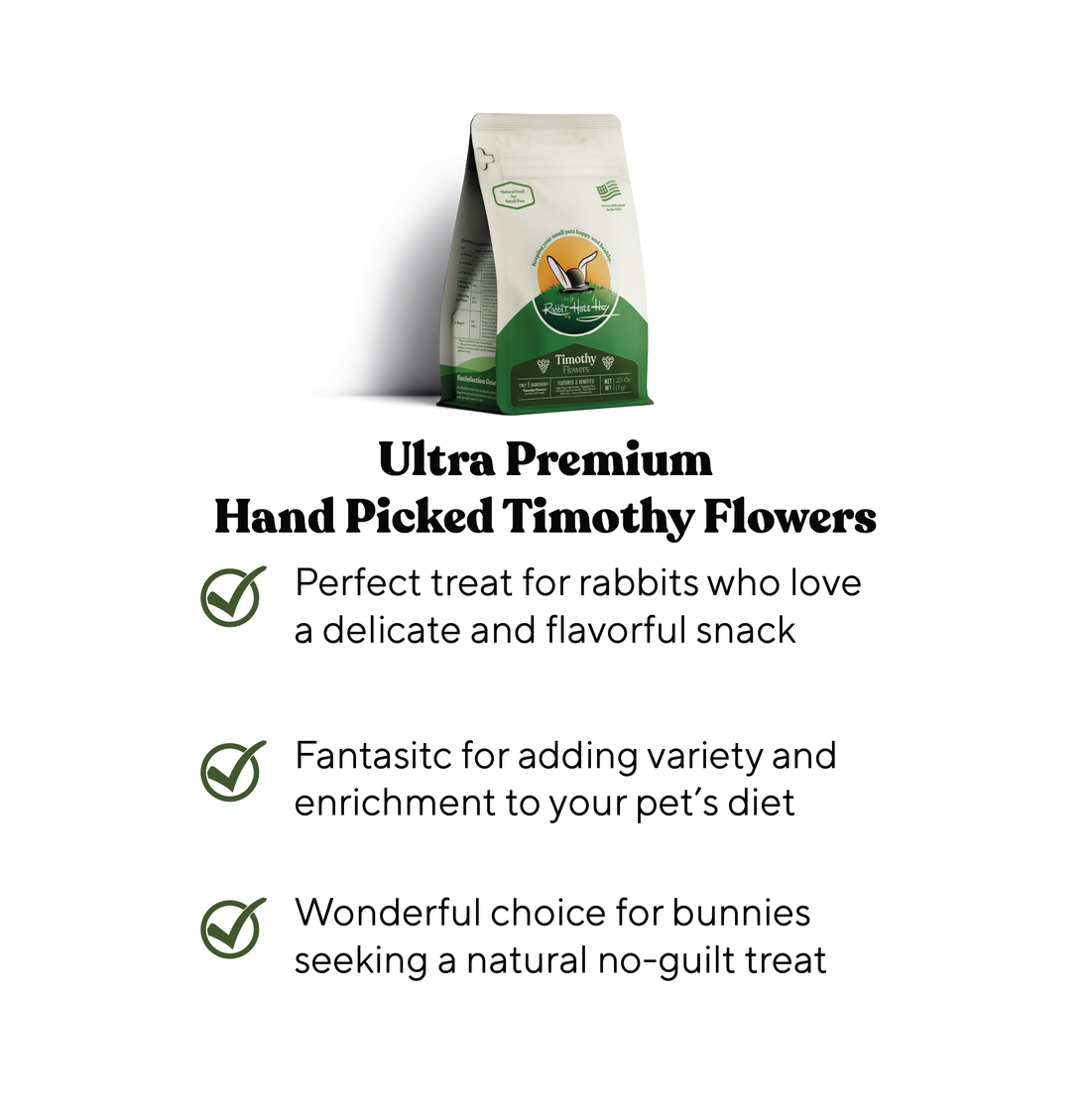
A little aroma can jump-start a bun who is stuck on pellets. Safe fresh herbs include basil, cilantro, mint, and parsley.
Sprinkle a small amount over the hay pile
Rub herbs between your fingers first to release the oils
Fade the herbs slowly once they are chewing plain hay again
Herbs are a bridge, not a permanent salad topping. Hay still has to win on its own. For safe produce options beyond herbs, see our bunny food list.
What If My Rabbit Still Will Not Eat Hay?
Hay is the engine—gut motility and tooth wear both ride on fiber. Without enough hay, rabbits risk GI stasis and dental overgrowth. If quality, placement, health, foraging, and herbs have not moved the needle after a week or two, loop back to the vet and the setup checklist above.
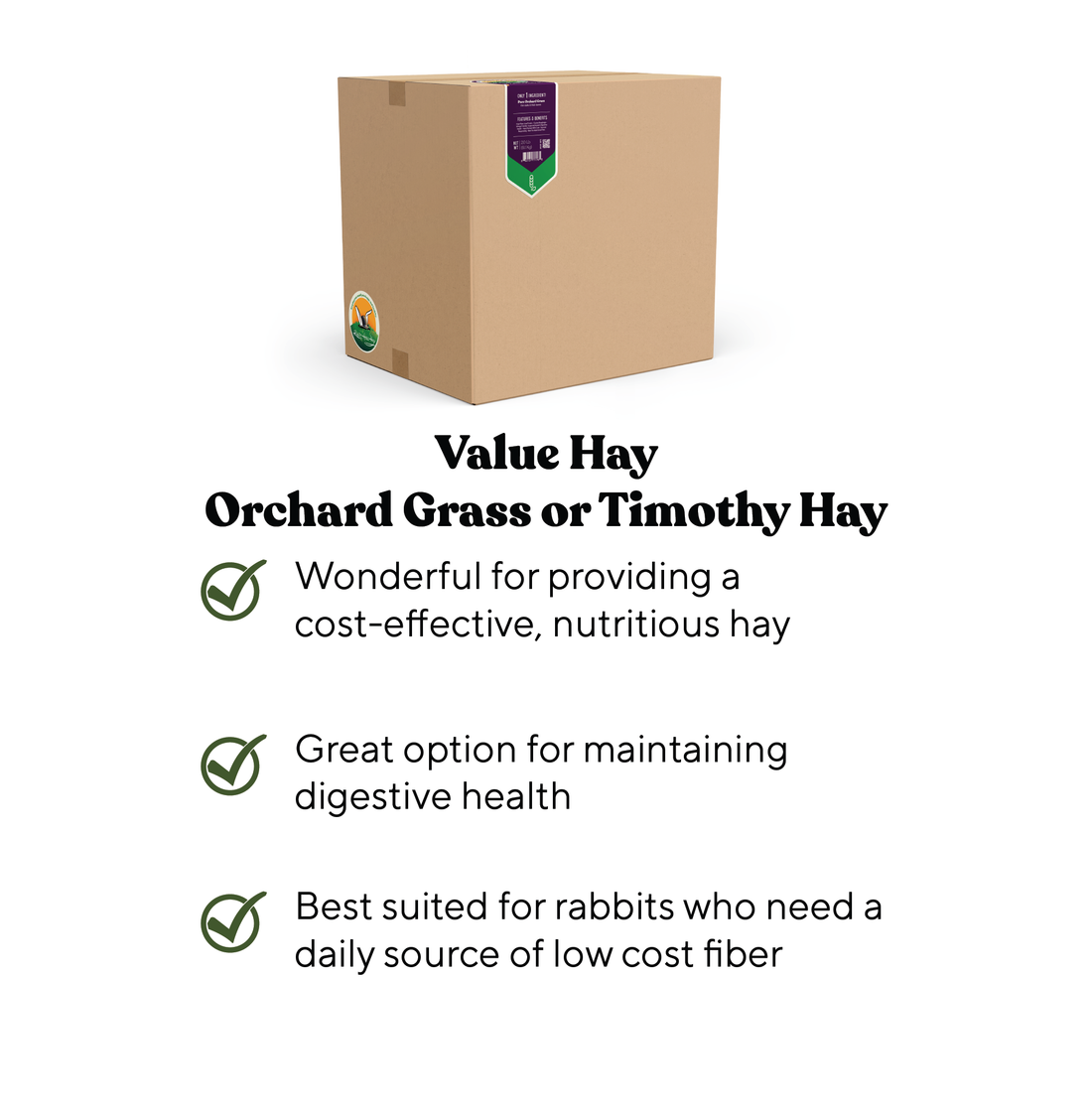
When you are ready to restock, browse premium hay delivered to your door so the rack never runs empty on a week you are already troubleshooting appetite.




Comments