

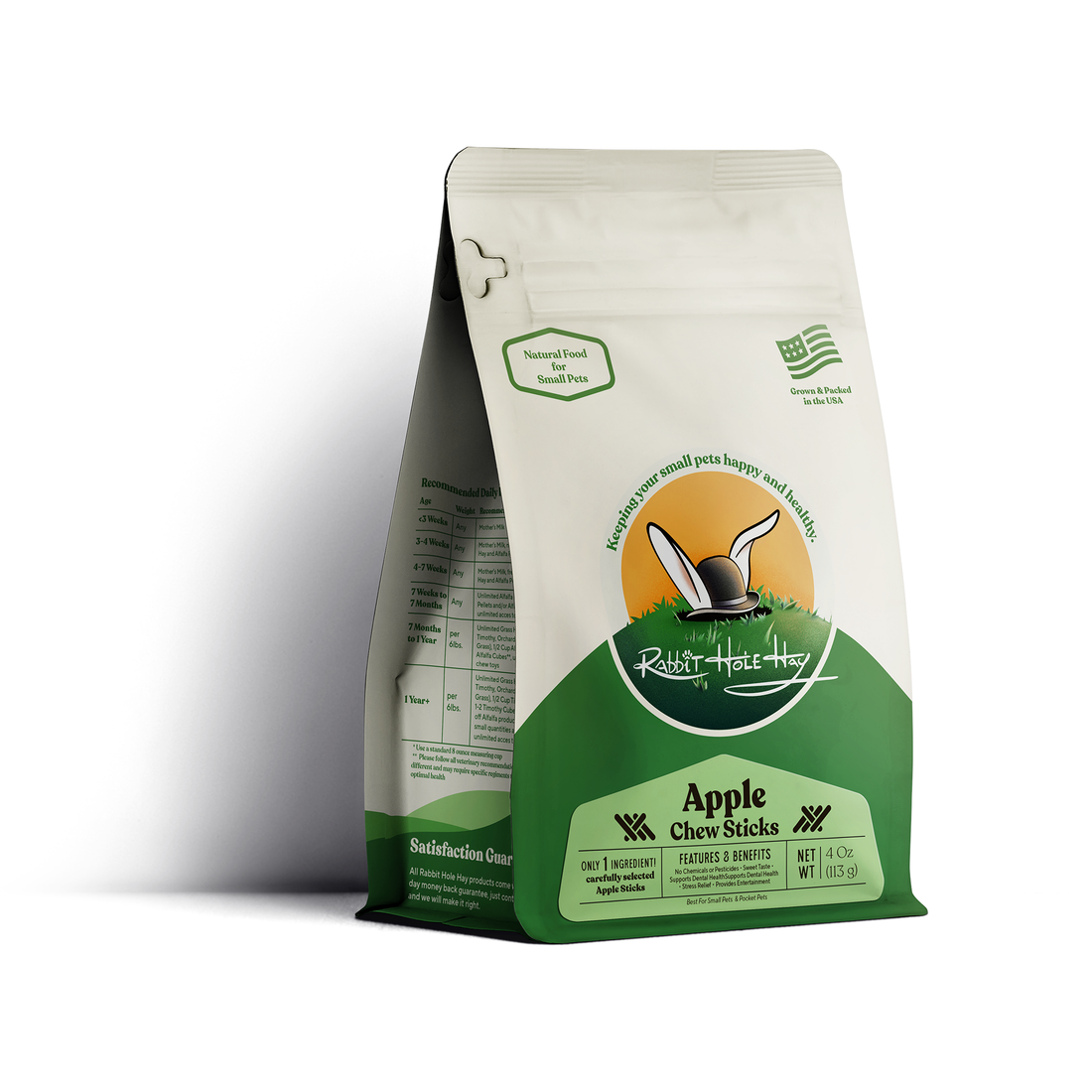
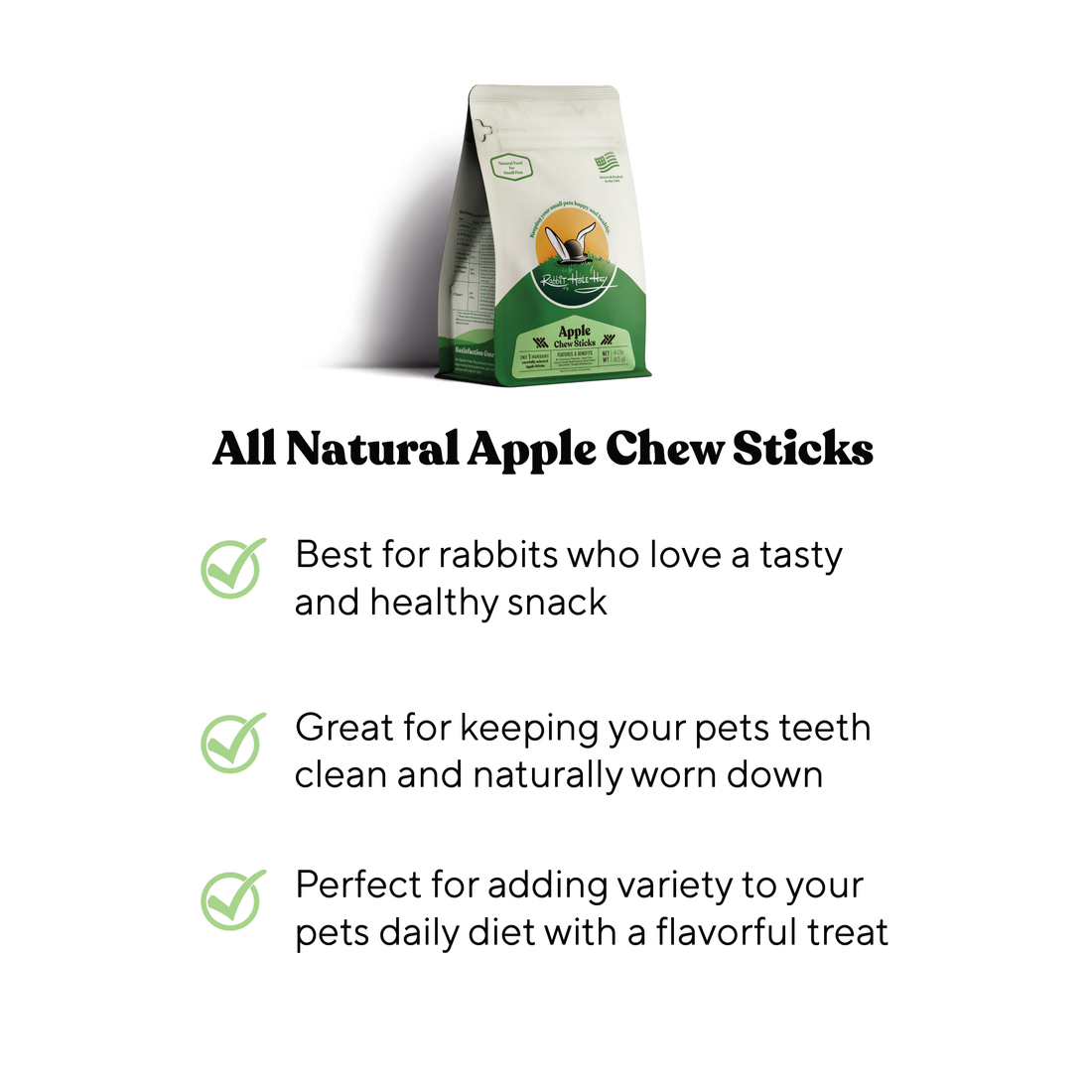


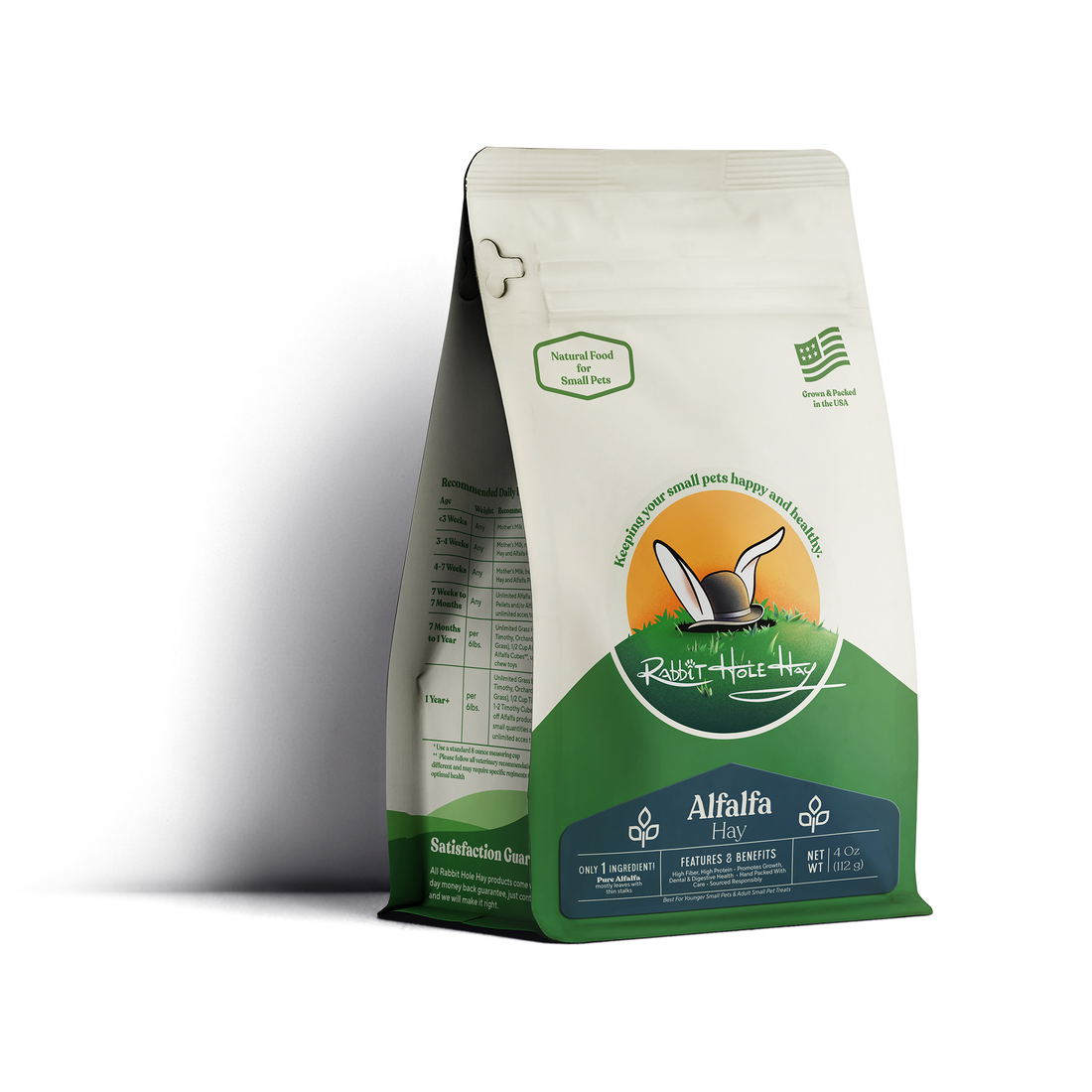
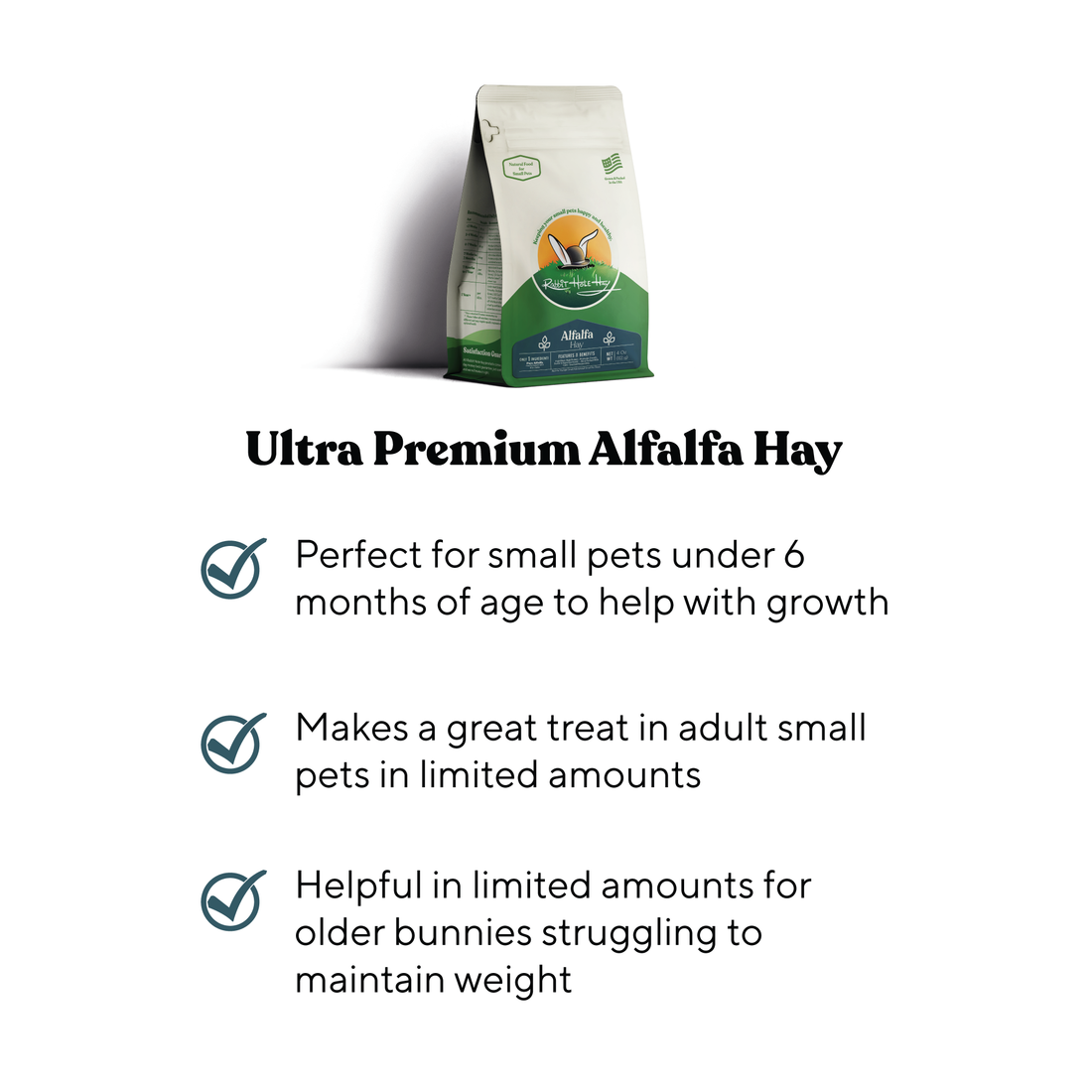
























You're sitting on the couch, halfway through your favorite show, when that all-too-familiar craving creeps in. You don't even know what you're hungry for—just that it needs to be sweet.
Click Here to Check Out Our Eating Guide.

Across the room, your rabbit perks up, twitching its nose in your direction. You laugh, thinking, "Do rabbits even get sweet cravings?" And if they do, what would *their* version of dessert look like?
p>Before you grab an extra spoon for your pint of ice cream, let's get something straight—your bunny may be curious, but human sweets are off-limits. Not just because they're full of sugar but because many of the ingredients we eat can be dangerous to a rabbit's digestive system. Even a small amount of sugary human food can cause problems.So what *can* you give them? That's where healthy rabbit treats come in. You can satisfy their taste buds with the right snacks without risking their health.
Why Rabbits Crave Sweetness (Sort Of)
Rabbits in the wild spend most of their time foraging for grasses, herbs, and leafy greens. These foods are naturally low in sugar. So, no, they don't have sweet cravings like we do—but that doesn't mean they don't enjoy the occasional fruity snack.
Fruits contain natural sugars that appeal to a rabbit's taste receptors. It's a novelty compared to their usual fiber-packed hay diet. Their excitement over a sliver of banana or a slice of apple can make it seem like they've got a full-blown sweet tooth. But just because they love it doesn't mean it should become a habit.
In the right amount, though? It's a treat that can brighten their day—and yours, too.
Healthy Rabbit Treats That Feel Like Dessert
If you're looking for a way to spoil your rabbit without risking their health, natural treats are the way to go. There's a whole list of safe and enjoyable fruits for rabbits—just be sure to prepare them properly and serve them in moderation.
Here are some healthy rabbit treats that give off dessert vibes:
Apple (no seeds – they're toxic!)
Banana (high in sugar, so extra moderation is key)
Strawberries (bonus: they can eat the leaves too)
Blueberries (loaded with antioxidants)
Raspberries (leaves are also great)
Pineapple (fresh, not canned, and core removed)
Papaya (great for digestion in small amounts)
Mango (rich and juicy—rabbits love it!)
Melon (remove rind and seeds)
Blackberries (another fruit with edible leaves)
These fruits are naturally sweet, making them excellent choices for healthy rabbit treats. However, they're best used like sprinkles on top of a balanced diet—not as the main course. You'll want to limit even these healthy options to small, controlled portions.
Healthy Rabbit Treats in Moderation
Too much sugar, even from natural sources like fruit, can upset your rabbit's digestive system. Rabbits rely heavily on fiber from hay to keep their gut healthy. Sugar can throw off their digestion, leading to issues like gas, diarrhea, or worse—GI stasis.
So how much is okay? Here's a quick guideline:
Under 7 months: No fruit at all. Stick to hay and alfalfa pellets.
7 months to 1 year: Up to 1–2 ounces (2–4 tablespoons) of fruit per six pounds of body weight daily.
-
Over 1 year: Max of 2 tablespoons per six pounds of body weight daily.

Remember that your rabbit won't stop eating once they're full—especially if you've handed them their favorite snack. So it's up to you to portion it out. Don't be fooled by the adorable begging. Too many sweet treats can lead to long-term health issues.
DIY Healthy Rabbit Treats
If you want more control over ingredients (and maybe have a little fun in the kitchen), homemade rabbit treats are a great option. With just a few simple components, you can bake something that feels indulgent for your bunny while still being safe and nutritious.
Most DIY treats for rabbits are made using a base of hay or oats combined with mashed fruit or pureed vegetables. These mimic the textures and flavors your bunny enjoys—without any added sugars or preservatives. Check out our guide to homemade rabbit treats for easy ideas to get started.
Some simple ingredients to keep on hand for DIY recipes include:
Rolled oats
Timothy hay pellets (ground down)
Mashed banana or pumpkin
Grated carrot or apple
Fresh herbs like parsley or cilantro
Always bake treats at a low temperature to avoid burning the sugars. Once cooled, store them in an airtight container and use them sparingly—just like store-bought treats.
Healthy Rabbit Treats That Aren't Sweet
Fruits may be the go-to when people think of rabbit treats, but they're not the only option. In fact, rabbits can be just as excited about certain vegetables and herbs. The bonus? These are lower in sugar and can be offered more frequently.
Try introducing these to your bunny's treat rotation:
Bell peppers (red and yellow are sweeter)
Carrots (high in sugar—use occasionally)
Parsley
Mint
Cilantro
Basil
Dandelion greens (ensure they’re pesticide-free)
Romaine lettuce (avoid iceberg!)
If your rabbit turns up their nose at first, don't worry. Keep offering small amounts until they get used to the smell and texture. Over time, many rabbits develop preferences—and sometimes it's the non-sweet treats that win out.
For a deeper dive into what veggies are safe, take a look at our complete bunny food list.
How to Safely Introduce Healthy Rabbit Treats
Introducing new foods to your rabbit should be gradual. Rabbits have sensitive digestive systems, and even a healthy treat can cause issues if introduced too quickly. Start with a small portion—about the size of your pinky fingernail—and monitor their behavior over the next 24 hours.
Watch for signs like soft stools, lethargy, or decreased appetite. If any of these show up, remove the new food and return to their regular diet of hay and pellets. If everything looks good, you can slowly increase the portion size (within the guidelines based on age and weight).
This slow approach helps your rabbit's gut flora adjust. It also allows you to figure out which treats they like best—because, just like us, every bunny has their favorites.
Treats Can Be Training Tools
Healthy rabbit treats can be more than just snacks—they're also great motivators. A tasty fruit or DIY treat can work wonders if you're trying to bond with a new rabbit or teach them to come when called.
Use small bits of banana, blueberry, or a herb like cilantro to create positive associations. Offer it when they approach you or respond to a name cue. Over time, they'll begin to connect the action with the reward.
This type of positive reinforcement works well for basic behaviors, such as litter box training or hopping into a carrier. Just make sure you're only using a *tiny* piece per training session. You're reinforcing behavior—not giving them a full buffet.
When to Avoid Treats Altogether
Even healthy rabbit treats should be skipped in certain situations. If your rabbit is recovering from illness, undergoing treatment, or has a history of digestive sensitivity, it's best to avoid anything outside their usual hay and pellet diet.
Likewise, overweight rabbits may need to limit or completely avoid fruit-based snacks. Excess sugar contributes to weight gain, leading to joint issues, GI stasis, or flystrike. If your vet has raised concerns about your rabbit's weight, only stick with hay and low-cal veggies.
Pregnant or nursing may also have different dietary needs. It's always best to consult a rabbit-savvy vet before adding new items to their diet during this stage.
Store-Bought vs. Homemade: What's Best?
There are plenty of store-bought rabbit treats on the market—but not all are created equal. Look for options specifically labeled as safe for rabbits and containing no added sugars, artificial dyes, or fillers. The fewer the ingredients, the better.
Still, homemade treats are often the safer bet. You can control the ingredients and tailor the recipe to your rabbit's preferences. Plus, making snacks for your little friend is just fun.
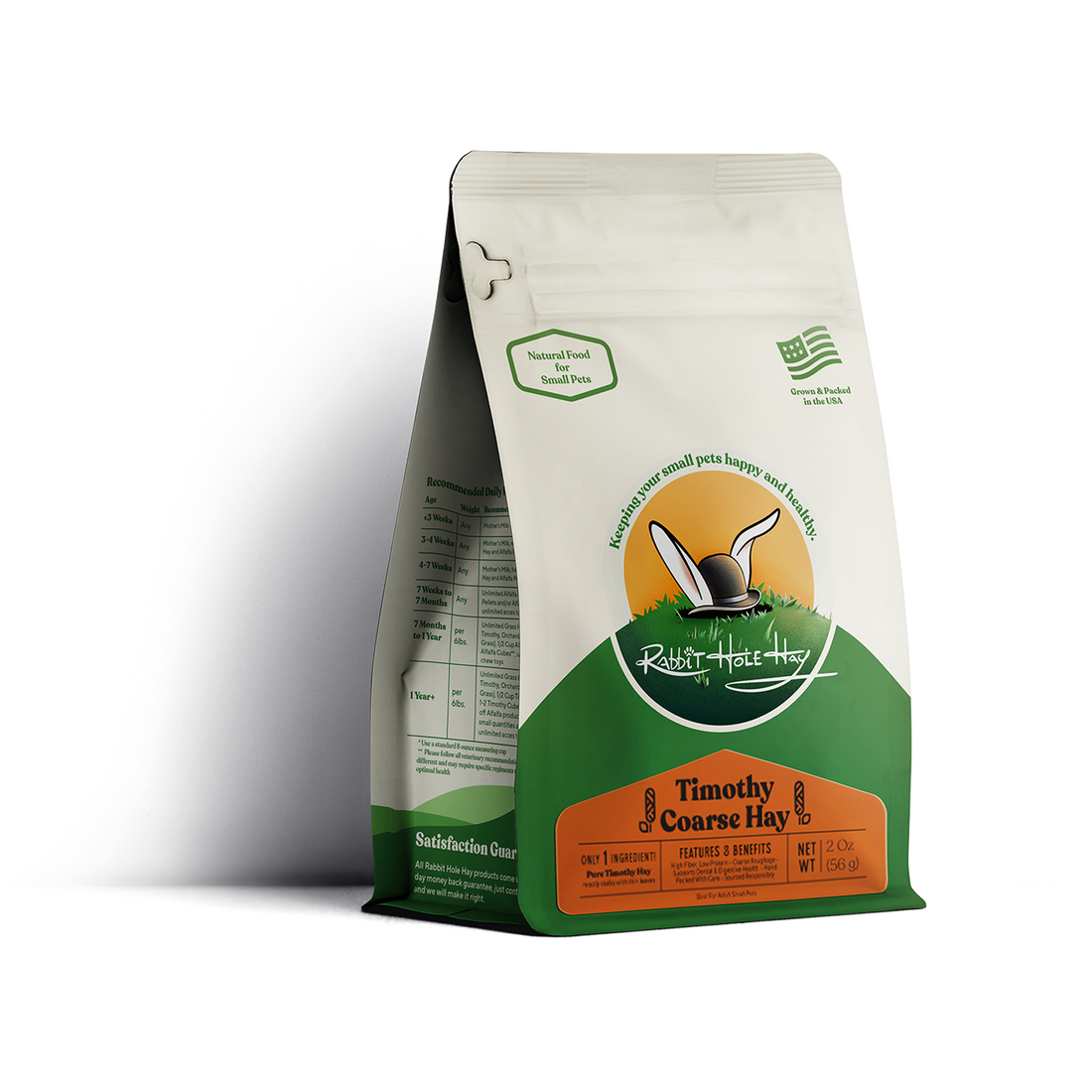
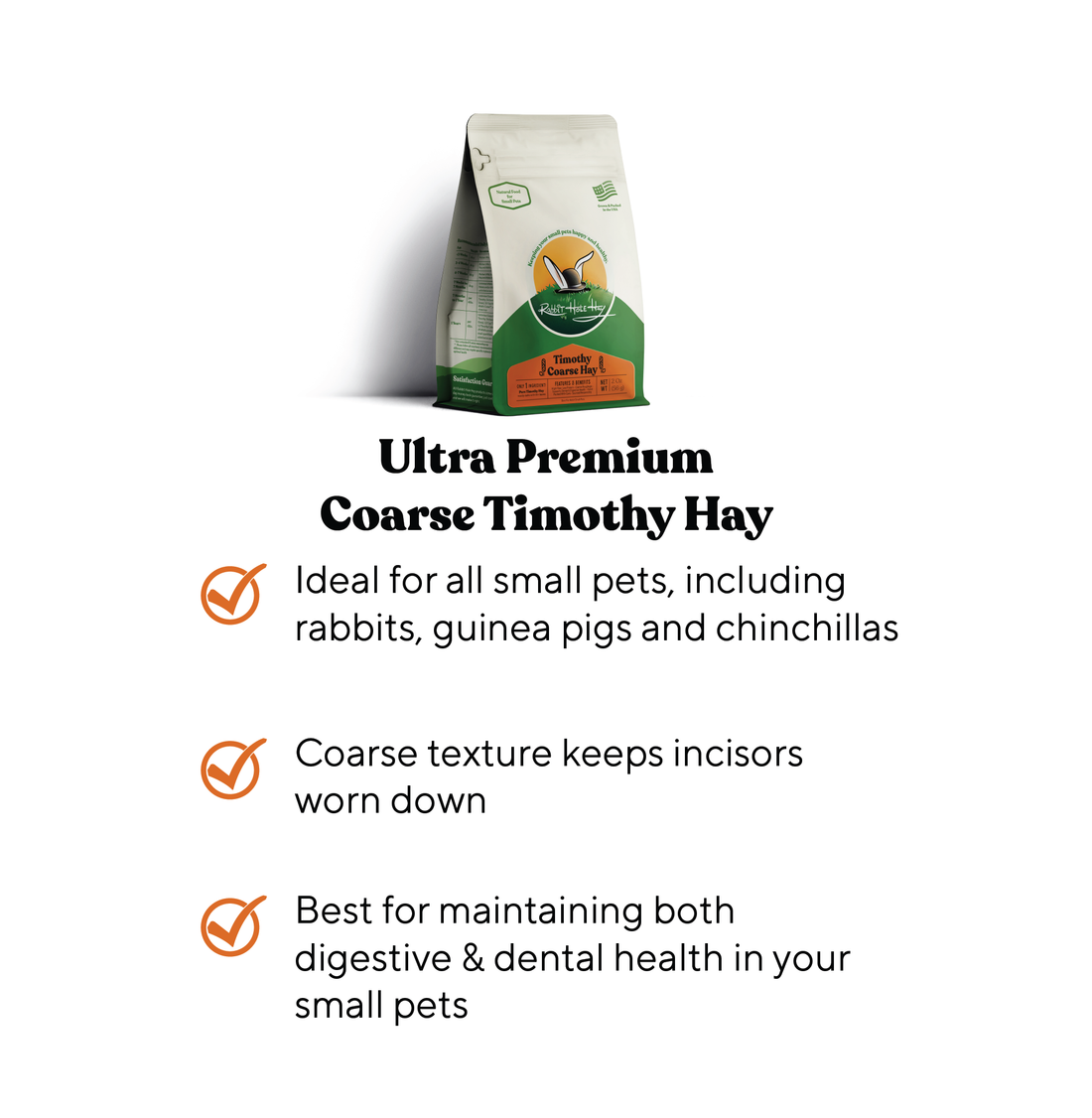
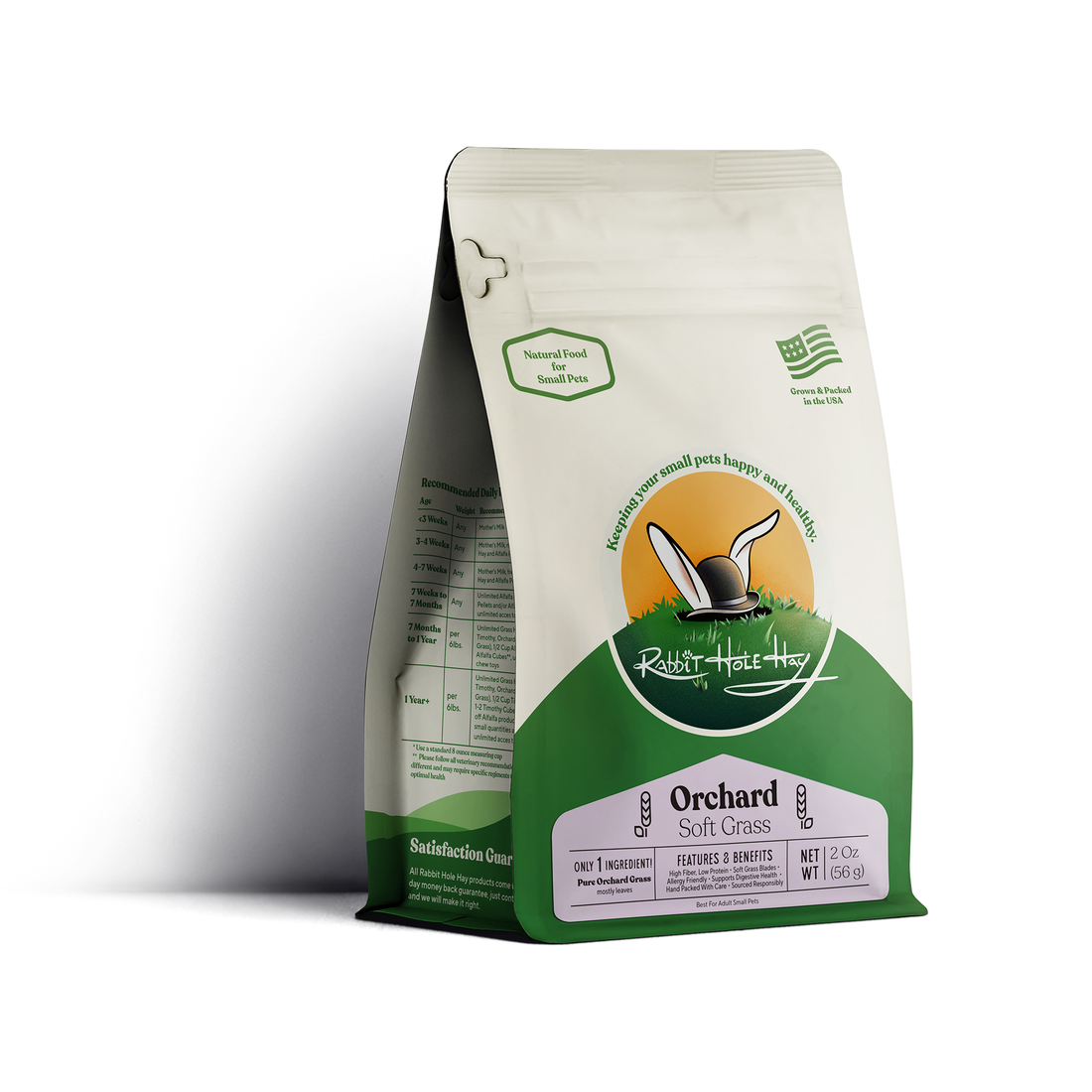
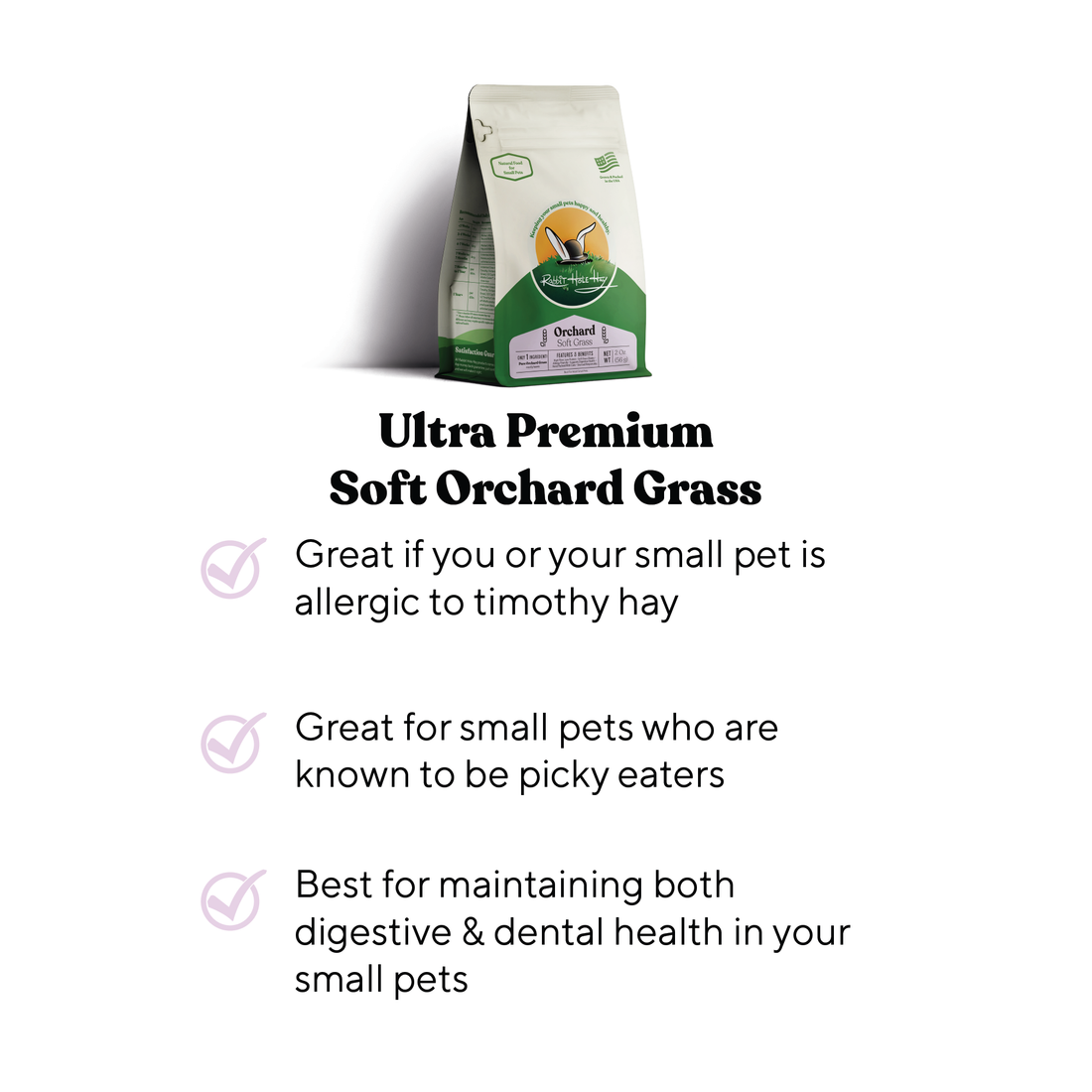
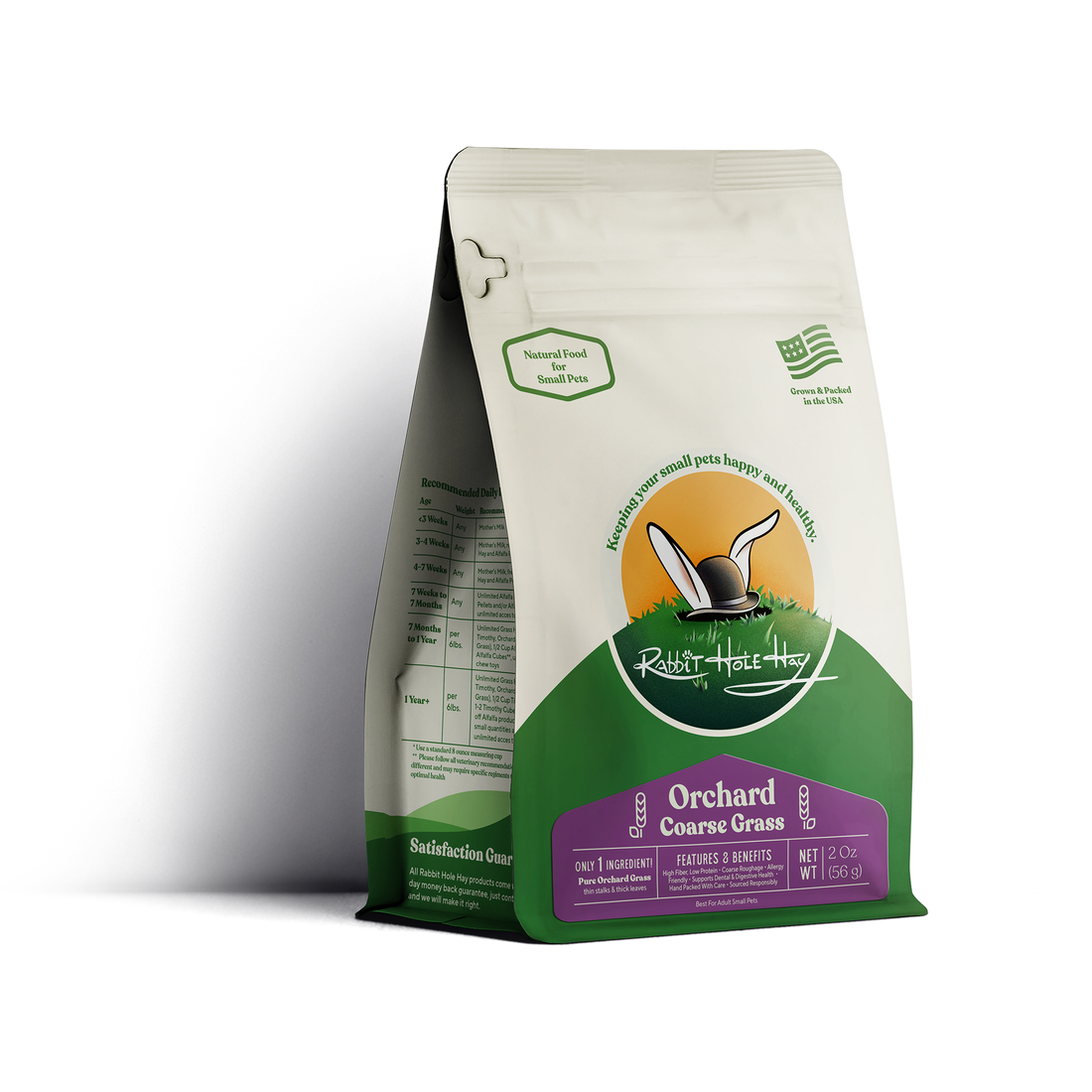
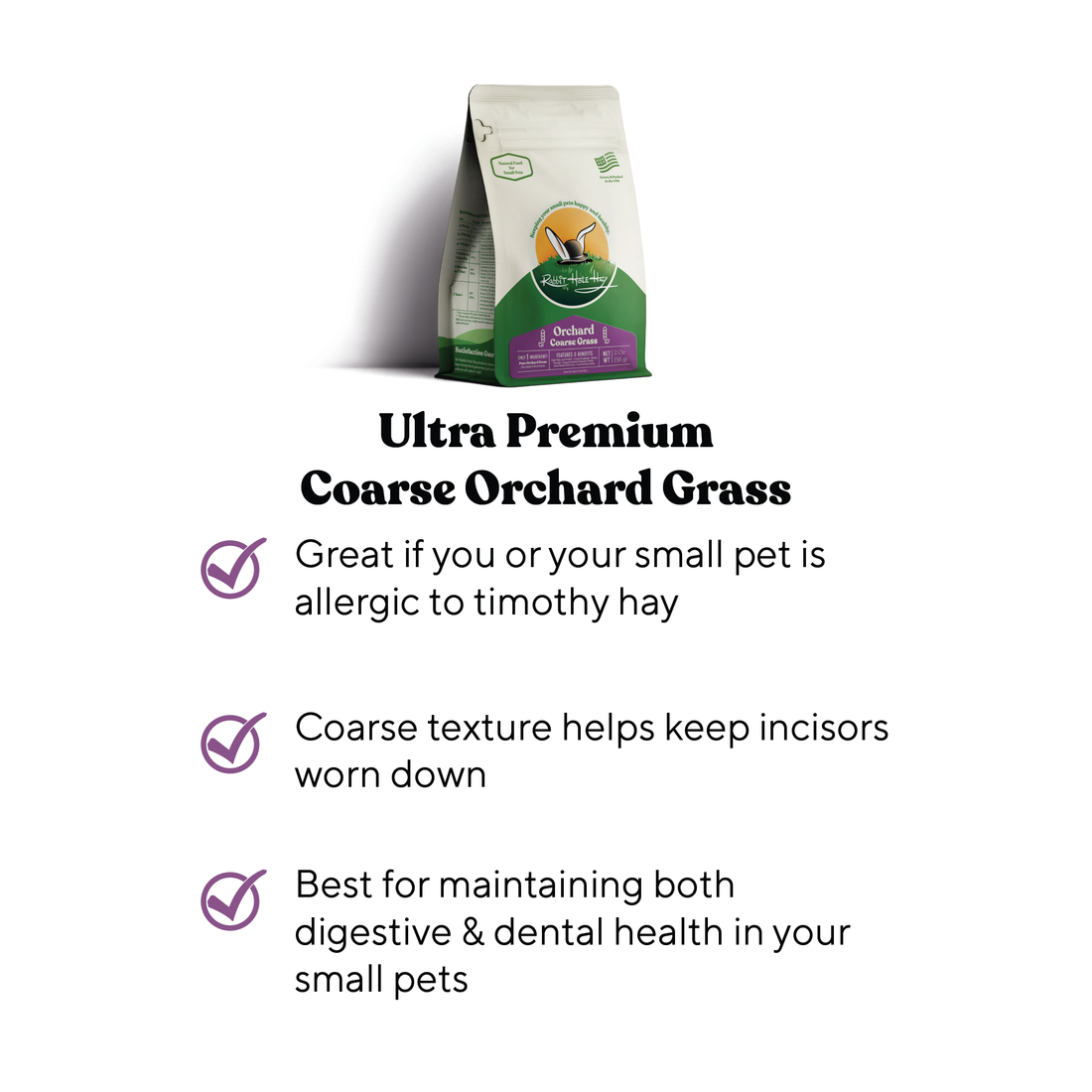
Whether buying or baking, remember the golden rule: treats should never replace hay. Timothy hay or Orchard grass should still make up the bulk of their diet, with treats being just the cherry on top (literally, if you're feeding cherries—without the pits, of course).
Tips for Making Treat Time Special
Here are a few fun ideas to turn snack time into enrichment:
Hide treats in a paper towel roll: Stuff a clean roll with hay and a slice of fruit to create a simple foraging toy.
Use a treat-dispensing ball: Encourage movement and play while rewarding them with small bites.
Create a treat trail: Place tiny bits of treat across the floor to encourage exploration and exercise.
Treats can do more than satisfy a craving—they can engage your rabbit's mind and body in positive ways.
Final Thoughts on Healthy Rabbit Treats
It's tempting to share our favorite snacks with our pets, especially when they act like they want a bite. But with rabbits, a responsible treat approach is key. Stick to fruits and veggies they're meant to eat and use them as occasional rewards—not daily snacks.
Start small, go slow, and let your rabbit guide you with their preferences. Whether you're offering a blueberry, a sliver of apple, or a homemade oat bite, know that you're giving them something both safe and special.
Want to make sure you're getting everything right with your rabbit's diet? Download our free guide, Hay is for Rabbits. It's packed with everything you need to know about hay types, feeding schedules, and keeping your rabbit healthy and happy.
Key Takeaways
Healthy rabbit treats include safe fruits, leafy greens, and DIY snacks with rabbit-approved ingredients.
Treats should only be a small part of your rabbit's diet—hay remains the foundation of their nutrition.
Use treats for training, enrichment, or bonding, but always portion them carefully to avoid digestive issues.





Comments