







































































Finding a nest of tiny baby rabbits with no mother in sight can be a stressful surprise. You want to help, but you also don't want to do the wrong thing. The truth is, most people don't realize that mother rabbits don't care for their young the way other animals do. So the first thing you need to do is pause—and observe.
Click Here For a Guide to Feeding Your Baby Rabbits.

There's a difference between a rabbit mom who's absent and one who's simply doing what rabbits do. Mother rabbits usually only visit the nest twice a day, often early in the morning and late at night. The rest of the time, she stays away to avoid drawing attention to the babies. This is normal. It doesn't mean she's abandoned them.
Signs the Mother Is Still Around
Before you step in and start feeding or moving the babies, check for signs that they're already being cared for. Dana Krempels, Ph.D., from the University of Miami's Biology Department, outlines a few clues in her article Care and Feeding of Orphaned Domestic Rabbits.
Are the babies warm to the touch?
Do their bellies look round or slightly full?
Is their skin a healthy pink and not wrinkled or blue?
Are they sleeping quietly in the nest?
If you answered yes to those, their mom is most likely feeding them. Leave the nest undisturbed and keep a distant eye on it. But if the babies are cold, thin, wrinkled, or restless, they may need your help.
Encouraging the Mother to Nurse
Sometimes, a rabbit mom just needs a little encouragement to nurse her babies. If she's alive and calm, try placing her gently over her litter for a few minutes. Stroke her to keep her relaxed. This can trigger her to nurse, especially if she's a first-time mom and unsure of what to do. Monitor this closely to see if it helps.
If the mother shows aggressive behavior, appears sick, or has passed away, that's when you'll need to take over. But caring for baby rabbits isn't a simple job. You're not just feeding them—you're replacing an entire instinctual routine.
Caring for Baby Rabbits: A Step-by-Step Overview
Caring for baby rabbits without their mother is intense. It requires the right food, the right schedule, and the right environment. One small mistake can quickly lead to illness or even death. That's why it's so important to be informed before you act.

Feeding is one of the biggest hurdles. Baby bunnies are fragile. If milk is accidentally inhaled during feeding, it can lead to fatal pneumonia. Unlike puppies or kittens, rabbits need to be fed upright, not on their backs. They also need to be stimulated to urinate and defecate, something their mother would typically handle through grooming.
Feeding Baby Rabbits Without Their Mother
There's no single solution for feeding baby rabbits, but there are two main formula options used most often: goat milk and kitten milk replacer (KMR). Neither is perfect, but both are safer than cow's milk, which should never be used. You may also find powdered formulas made specifically for wildlife in local pet stores or online.
Most kits will need to be fed just twice a day, mimicking the mother's schedule. You can use a small oral syringe or a specialized pet nursing bottle. Always feed the bunny upright, supporting their head gently. Go slowly, as their tiny throats and lungs can't handle fast-paced feeding.
After feeding, gently stimulate the baby's genital area with a warm, damp cloth to trigger elimination. Without this, waste can build up, leading to internal infections or digestive problems.

How Long Do Baby Rabbits Need to Be Fed?
Newborn rabbits (from 0–1 week) need frequent monitoring. Feeding should continue twice a day for about 3–4 weeks, gradually decreasing in amount as they begin to nibble on solid foods like alfalfa hay and pellets. By 6–8 weeks, many bunnies are ready to be weaned, though exact timing may vary.
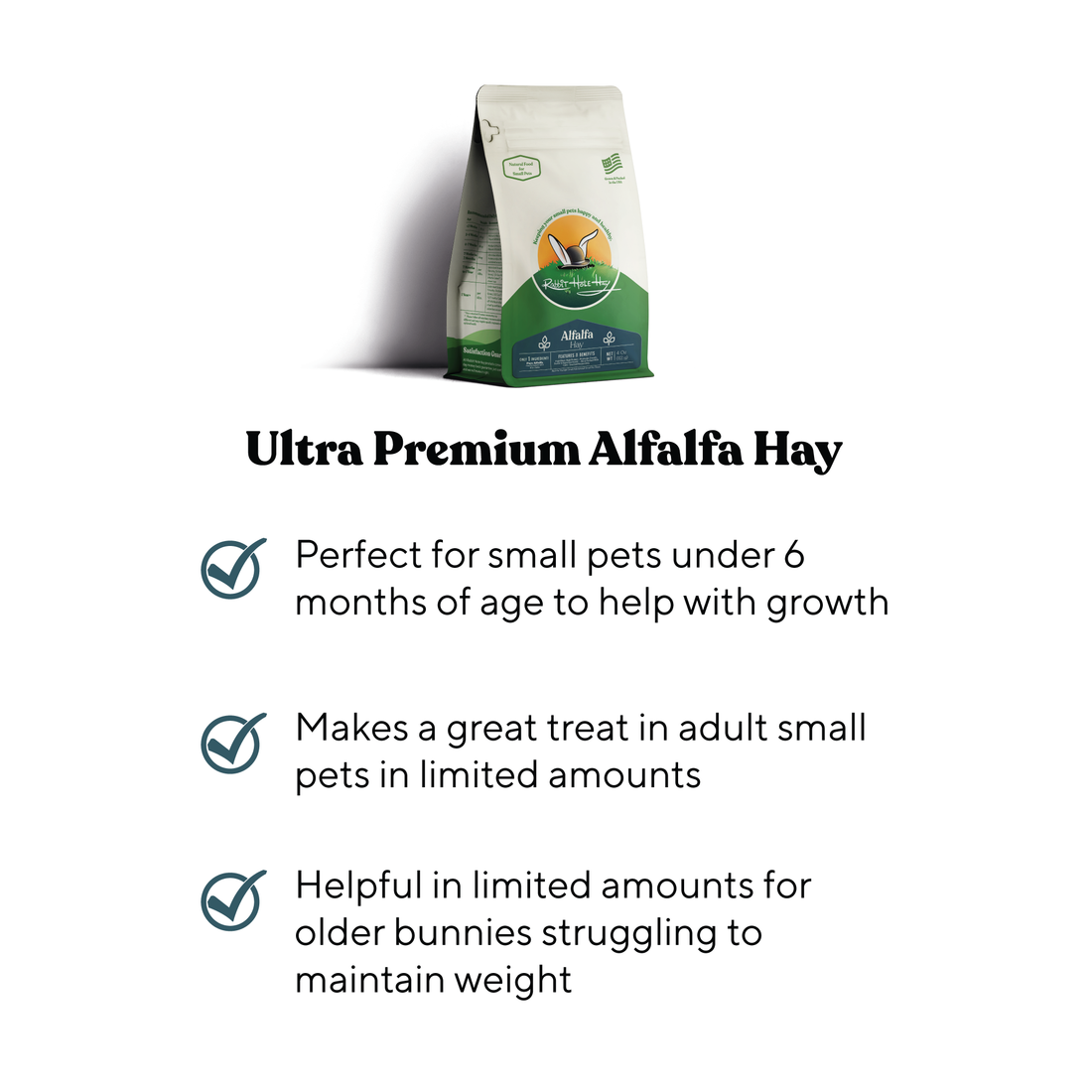
Start introducing solid food once their eyes open (around day 10). Alfalfa hay is ideal for baby rabbits due to its high calcium and protein. Eventually, you'll want to transition to age-appropriate hays such as Timothy Hay when they reach adulthood.
Warmth and Safety: More Than Just Feeding
Baby rabbits can't regulate their body temperature on their own for the first few weeks. If they're orphaned, this means you'll need to step in. Line a box with soft bedding or a fleece blanket. You can use a heating pad under half of the box set on low—but make sure the kits can move away from the heat source if they get too warm.
Keep the nest in a quiet, dim room away from pets, loud noises, or foot traffic. Stress can weaken their immune systems, making them even more vulnerable to illness. Clean hands and clean bedding are must-haves. Hygiene matters as much as warmth when you're caring for baby rabbits.
Should You Keep the Baby Rabbits?
It's tempting to fall in love with every kit you save, but consider what's best for them long-term. Rabbits grow quickly and need space, socialization, and time. If you plan to keep them, you'll need a habitat with room to roam and enrichment toys to prevent boredom. If rehoming is a better option, start researching now—don't wait until they're adults.
Releasing a domestic rabbit into the wild is never safe. If you're caring for baby rabbits from a wild rabbit, contact a local wildlife rehab center immediately. Wild bunnies require a different type of care and diet, and keeping them as pets is not recommended or legal in many places.
Why Veterinary Support Is So Important
Even if you're doing everything right, it's still best to work with a veterinarian. Baby rabbits are fragile, and problems can show up quickly. Vets can check for signs of malnourishment, dehydration, or illness, and may help you create a care plan that fits your specific situation.
Some clinics may even have foster networks or know of experienced rabbit caregivers who can step in. If you're unsure of where to go, use the House Rabbit Society's vet directory to find a rabbit-savvy vet near you.





Comments