
















































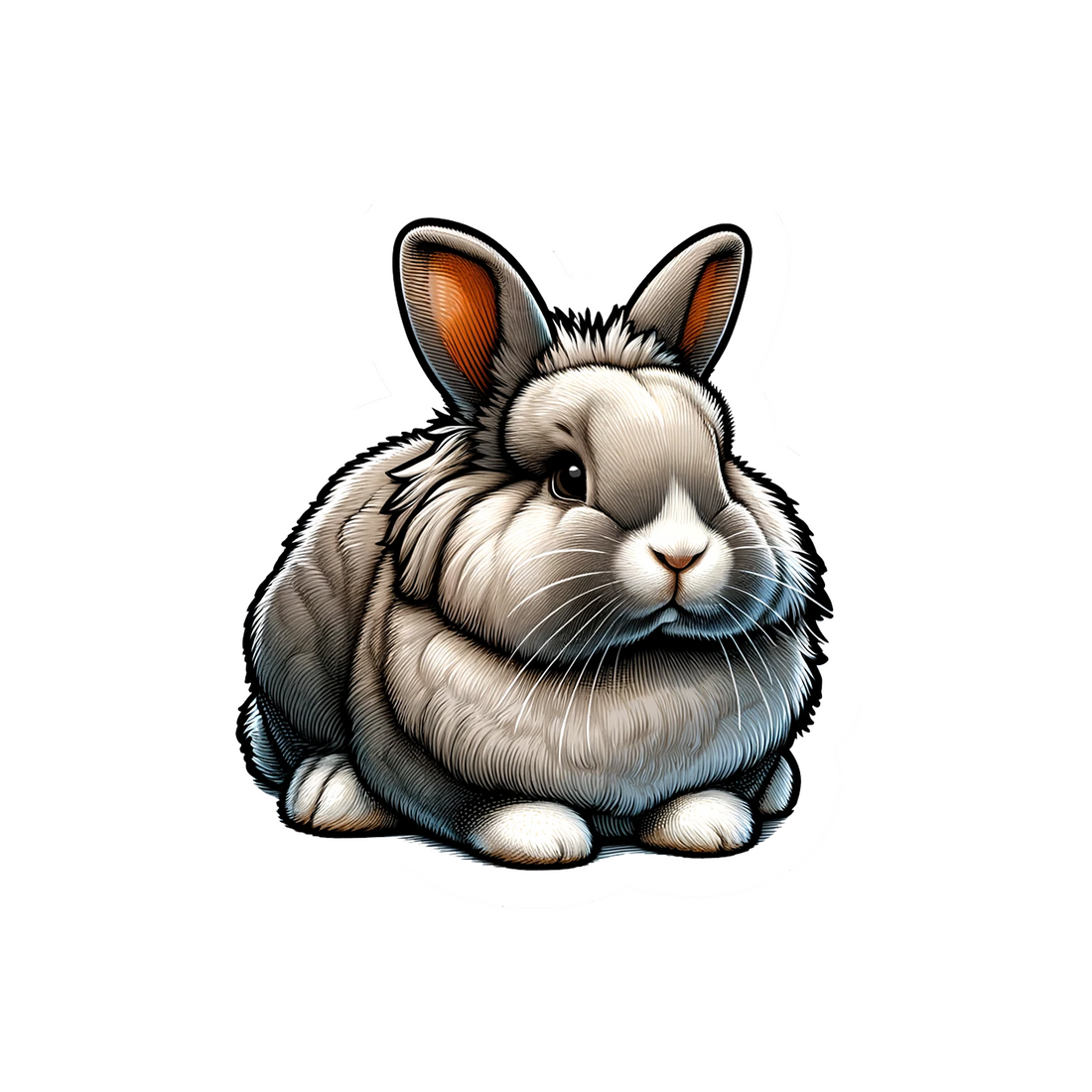



















Rabbits communicate with people mostly through body language and a few quiet sounds—not words. Day to day you will see ears swivel toward you, nose nudges for attention, relaxed flops when they trust the room, grooming licks when they consider you family, and grunts when they want space. None of it is random; each signal has a meaning once you know the pattern.
If you have ever watched your bunny flick their ears, then flop sideways like they dropped a bowling ball, you were not just seeing cute chaos—you were watching a conversation. You are not bad at reading rabbits; most of us just were never taught the vocabulary. Below we cover the signals owners notice first, what a nose nudge usually means, and how to answer back without guessing.

How Do Rabbits Communicate Without Words?
Think of rabbit talk as three channels working together: posture and movement, face and ears, and occasional vocal sounds. Most of the message is visual. A relaxed rabbit stretches out, breathes evenly, and may groom themselves or you. A worried rabbit crouches low, pins ears flat, or disappears into a hidey spot.
Lops and other floppy-eared breeds still communicate—you just lean more on eyes, tail, and whole-body posture than on ear radar. For the bigger picture on why rabbits do what they do, start with our guide to understanding rabbit behavior.

What Do a Rabbit's Ears, Eyes, and Tail Tell You?
Ears forward usually mean curious and alert—something new caught their attention. Ears tilted back but still upright often mean they are listening behind them or feeling unsure. Ears flattened tight against the back are a stop sign: fear, pain, or "do not touch me right now." Give space and look for what changed—noise, a new pet, a hand reaching from above.
Bright, wide eyes generally mean an alert, comfortable rabbit. Half-lidded eyes with a hunched, still body can mean pain or illness, not sleepiness. If one eye looks swollen or stays shut, call a rabbit-savvy vet—eye trouble and dental issues can show up together.
The tail matters more than people expect. A raised tail during happy hops reads playful and confident. A tucked tail between the legs reads nervous. A quick tail flick while hopping away is rabbit sass—mild annoyance, like a hair flip that says they are done with this interaction.
Why Does My Rabbit Nudge Me With Its Nose?
A nose or head nudge is one of the most common "hello" moves from a social rabbit. It can mean pet me, move please, or simply I see you. Context tells the story. A nudge followed by settling beside you is an invitation to sit together. A nudge and a quick hop away is a boundary—respect it and let them come back on their terms.
Some rabbits nudge harder when they want food or litter-box access. Others offer a soft bump right before a grooming lick on your hand. If nudging turns into repeated biting or lunging, that is a different conversation—see our post on what it means when your rabbit nudges you for nudge-only scenarios, and what to do when a rabbit bites if warnings escalate.
What Do Binkies, Flops, and Zoomies Mean?
A binky is the joyful mid-air twist—leap, kick, land. It usually means your rabbit feels safe enough to burn energy for fun, not survival. You often see binkies after a good meal, a nap, or a chance to explore a favorite room.
The flop looks alarming the first time: your rabbit tips sideways with a thud and goes still. That deep relaxation means they trust the space. They may nap like that for minutes. Do not assume the worst—flopping is a compliment.
Zoomies—full-speed circles or figure eights—release pent-up energy. Young rabbits and buns who do not get enough roam time do this more. Pair zoomies with binkies and you have a happy, active rabbit. If movement drops off suddenly, check diet, pain, and whether they are getting daily exercise on their schedule (dawn and dusk are peak rabbit hours).
Chinning and Grooming
Chinning—rubbing the chin on furniture, toys, or your leg—is scent marking. Rabbits have scent glands under the chin; the mark is odorless to us but meaningful to other rabbits. Frequent chinning around home base is a healthy "this is mine and I feel safe here" signal.
When your rabbit licks your hand or clothing, they are grooming you like a bonded partner. In wild groups, grooming maintains social ties. You cannot lick back, but slow strokes on the forehead and between the ears mimic what bonded rabbits do for each other. For more bonding cues between rabbits, read how to know if rabbits are bonding.
What Do Rabbit Sounds Mean?
Rabbits are quieter than dogs, but not silent. Sounds plus posture tell you whether to relax or call the vet.
Teeth Grinding vs. Teeth Chattering
Soft teeth grinding while relaxed and stretched out is usually contentment—rabbit purring. Loud grinding or chattering with a hunched, still rabbit can mean pain. Rabbits hide illness; a small sound change matters. If grinding pairs with not eating or a tense posture, schedule a vet visit.
Grunting, Growling, and Thumping
A grunt or growl is a warning: back off. You might hear it during cage cleaning, an unwanted pickup, or when another pet gets too close. Respect the warning before it becomes a nip. Repeated thumping and grumpiness may need a deeper look—our grumpy, thumpy rabbit guide walks through common triggers.
Screaming or High-Pitched Squealing
A scream is rare and serious—extreme fear or acute pain. Treat it as an emergency and contact a rabbit-savvy veterinarian immediately. The House Rabbit Society body language guide includes sound examples and expert context worth bookmarking.
How Do You Know When a Rabbit Is Stressed?
Happy signals are only half the story. Stress often shows up as hiding more than usual, tense posture, or appetite changes—not just "being moody."
All rabbits need a retreat spot. Chronic hiding when the house is quiet can mean anxiety, illness, or something in the environment that does not feel safe. Skipping hay or meals is never normal for a rabbit and can point to GI slowdown or pain. Withdrawn body language plus not eating is a same-day vet call, not a wait-and-see—you are not overreacting if a usually hungry bun suddenly refuses dinner.
Loud rooms, new pets, rearranged furniture, and inconsistent routines are common triggers. For a broader stress checklist, see signs of stress in rabbits. The PetMD overview on rabbit stress explains how chronic anxiety affects health over time.
How Can You Answer Back in Ways Rabbits Understand?
Body language goes both ways. When your rabbit flops beside you, stay quiet and still—that mirrors their calm. When they nudge and wait, offer gentle strokes where they like them. Over time those mirrored moments build trust faster than chasing them for cuddles.

Rabbits do best on predictable routines: meals, play, and cleaning at similar times. They may not understand sentences, but they learn tone and paired cues. Soft, low speech calms; fast, loud speech can spook. Short repeated phrases—"good bun," "all done"—paired with the same gentle touch help them map your intentions.
Give them a communication-friendly home: a low-traffic quiet zone, safe hides like wooden houses or cardboard tunnels, and slow changes when you move litter boxes or switch hay. Sudden swaps stress rabbits who read stability as safety. Our best rabbit habitat setup guide covers layout ideas that support natural behavior. The RSPCA rabbit enrichment guidance is another solid reference for environment and activity needs.
Key Takeaways
Rabbits talk day to day through ears, posture, nudges, grooming, and quiet sounds—watch the whole rabbit, not one cue in isolation.
A nose nudge can mean affection, a request, or a boundary; paired behavior tells you which.
Binkies and flops mean trust; hiding, appetite loss, and loud tooth grinding mean slow down and investigate—call the vet when eating stops.
Calm routines, gentle responses, and a safe setup help your rabbit show more of their personality instead of staying on high alert.
Your rabbit is not being mysterious for sport. They are a prey animal who learned to speak in small, honest signals. Learn the vocabulary, answer respectfully, and that sideways flop on the rug starts to read exactly like what it is: "I trust you."





Comments