

































































Bringing a pet into your family can be one of the most rewarding experiences for children. Pets not only teach responsibility but also foster compassion and empathy. When children are guided to care for and respect animals, they develop lifelong skills that extend beyond pet ownership. Finding the right match between a pet and your child is crucial for creating a successful and long-lasting relationship. If you're considering small pets for kids, this guide will help you explore the best options and the care they need to thrive.
Click Here For a Beginners Guide to Rabbit Care.

Small pets are ideal for families with young children or limited living space. They are relatively low-maintenance compared to larger animals, yet still provide opportunities to teach kids about pet care and companionship. Below are some of the best small pets for kids, along with tips to ensure their well-being and happiness.
Rabbits
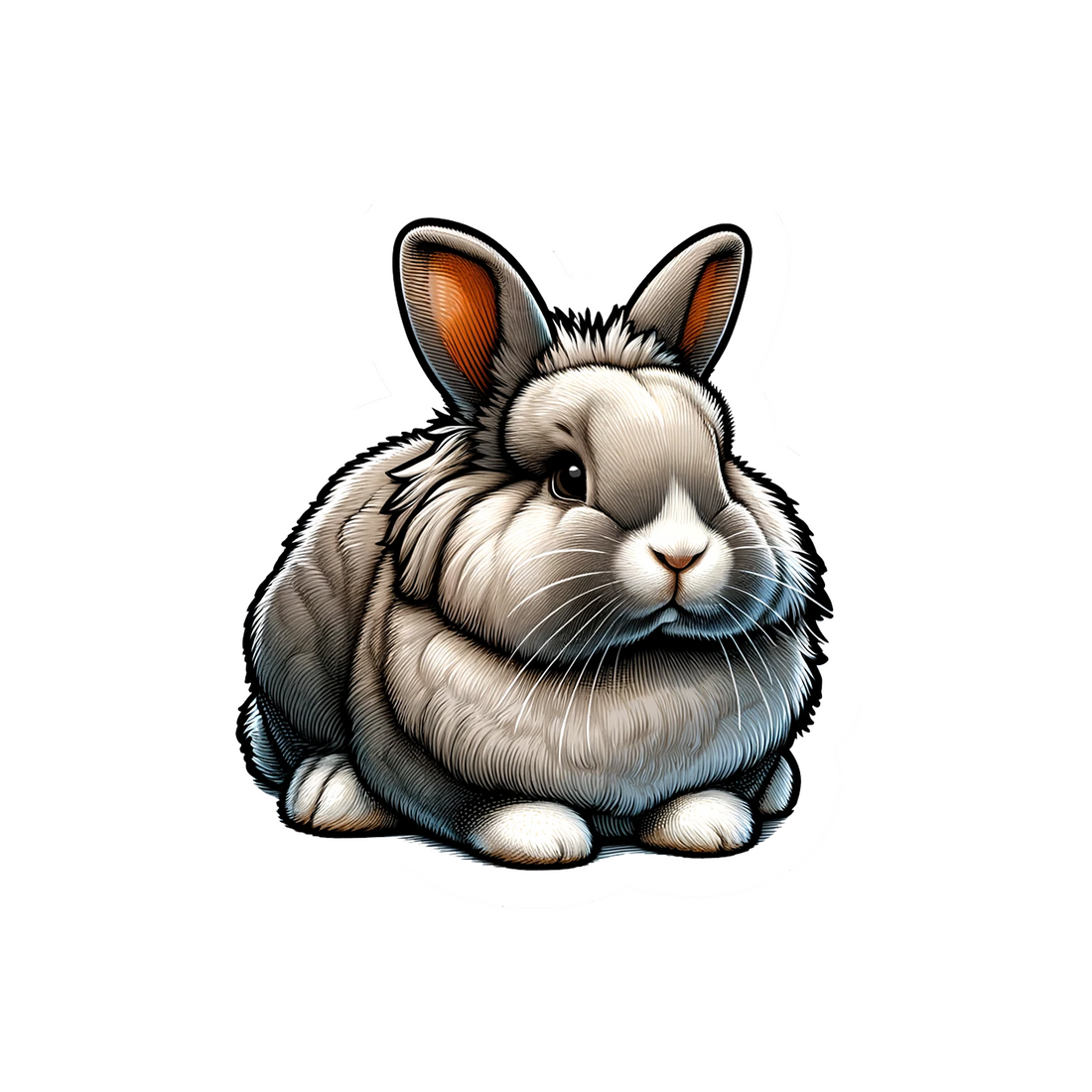
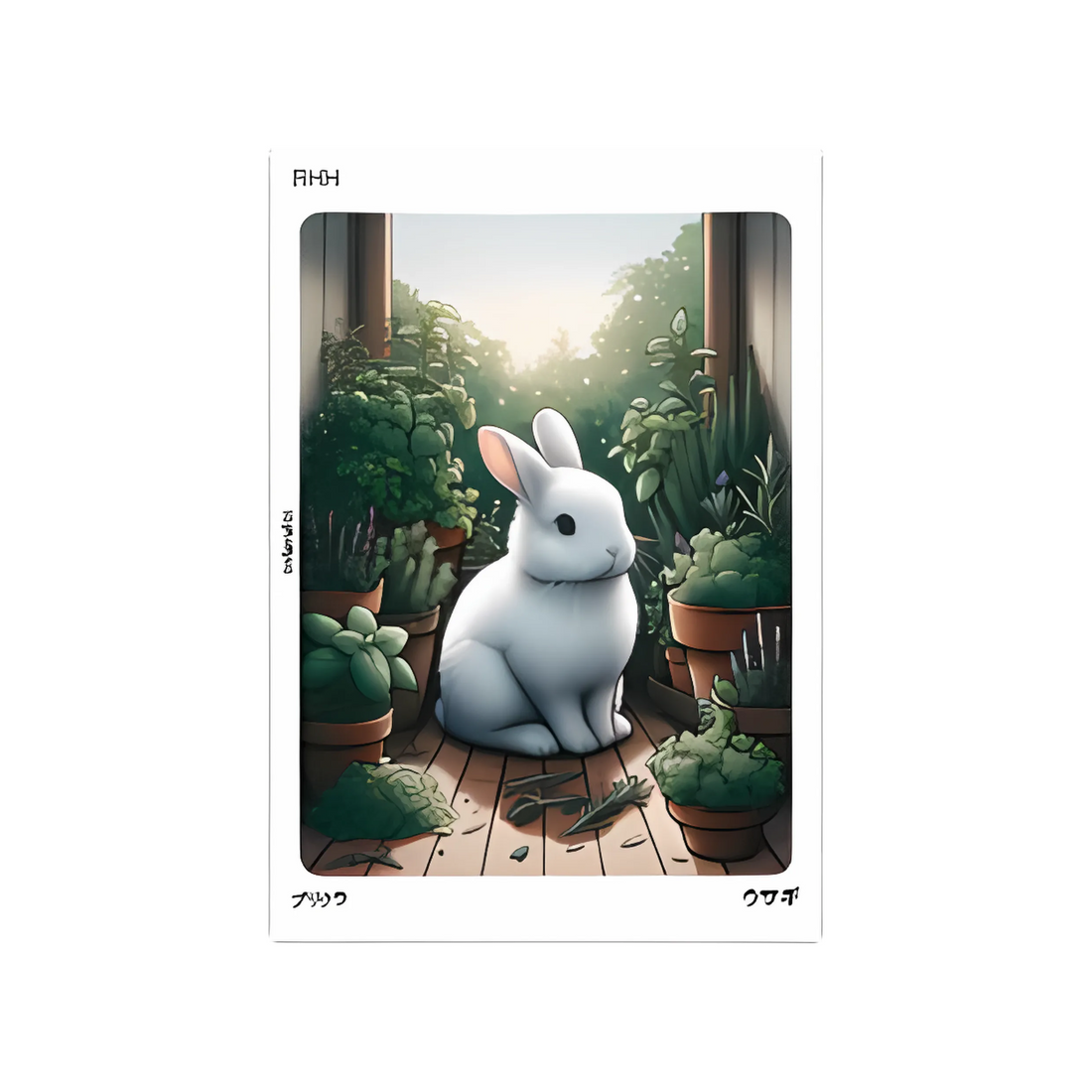
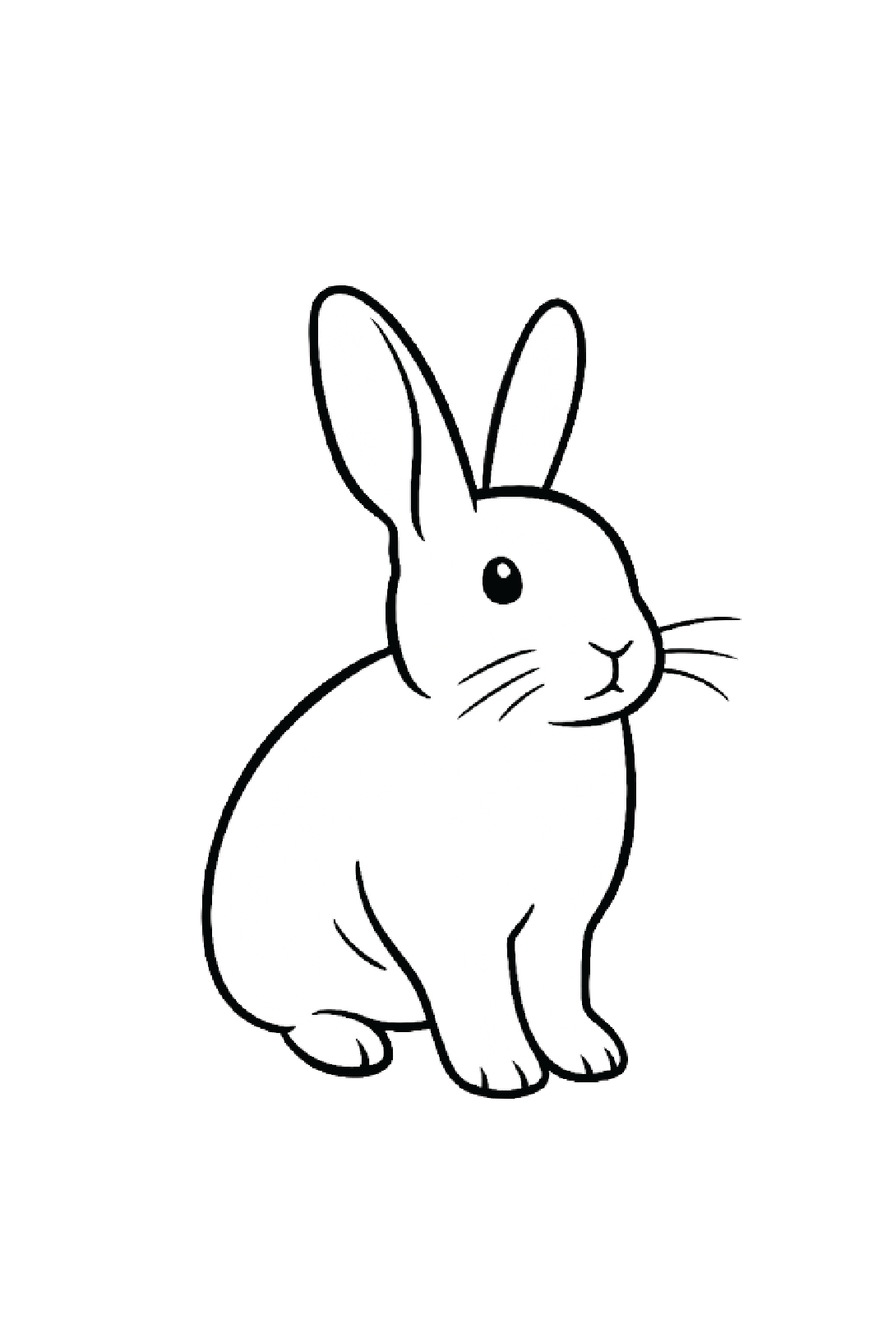
Rabbits are one of the most popular small pets for kids—and for good reason. When handled properly, they're gentle, social, and easy to bond with. Their adorable appearance, coupled with their playful nature, makes them a delightful addition to any family. Many rabbit breeds, including dwarf varieties, stay small and are well-suited to apartment living or small homes.
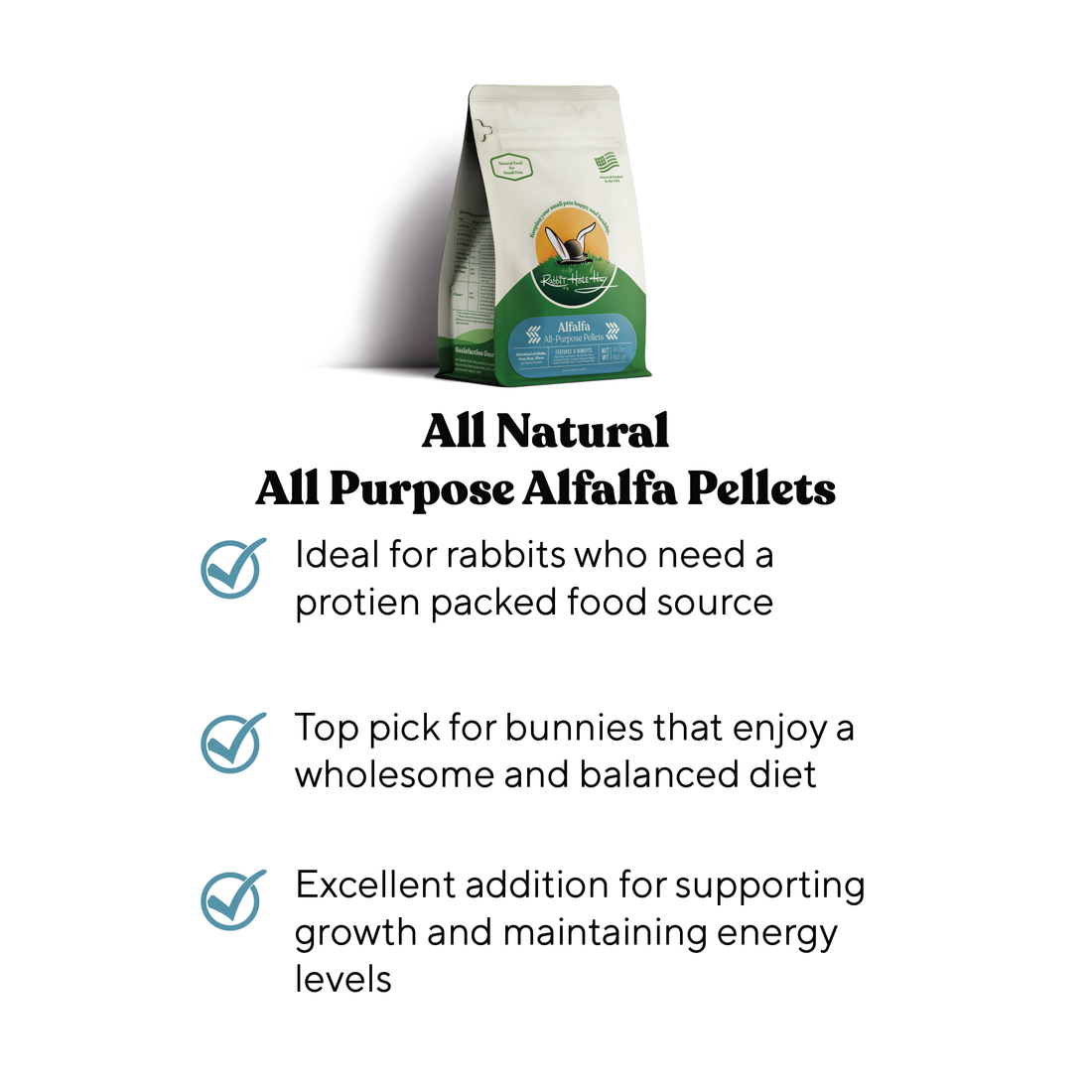
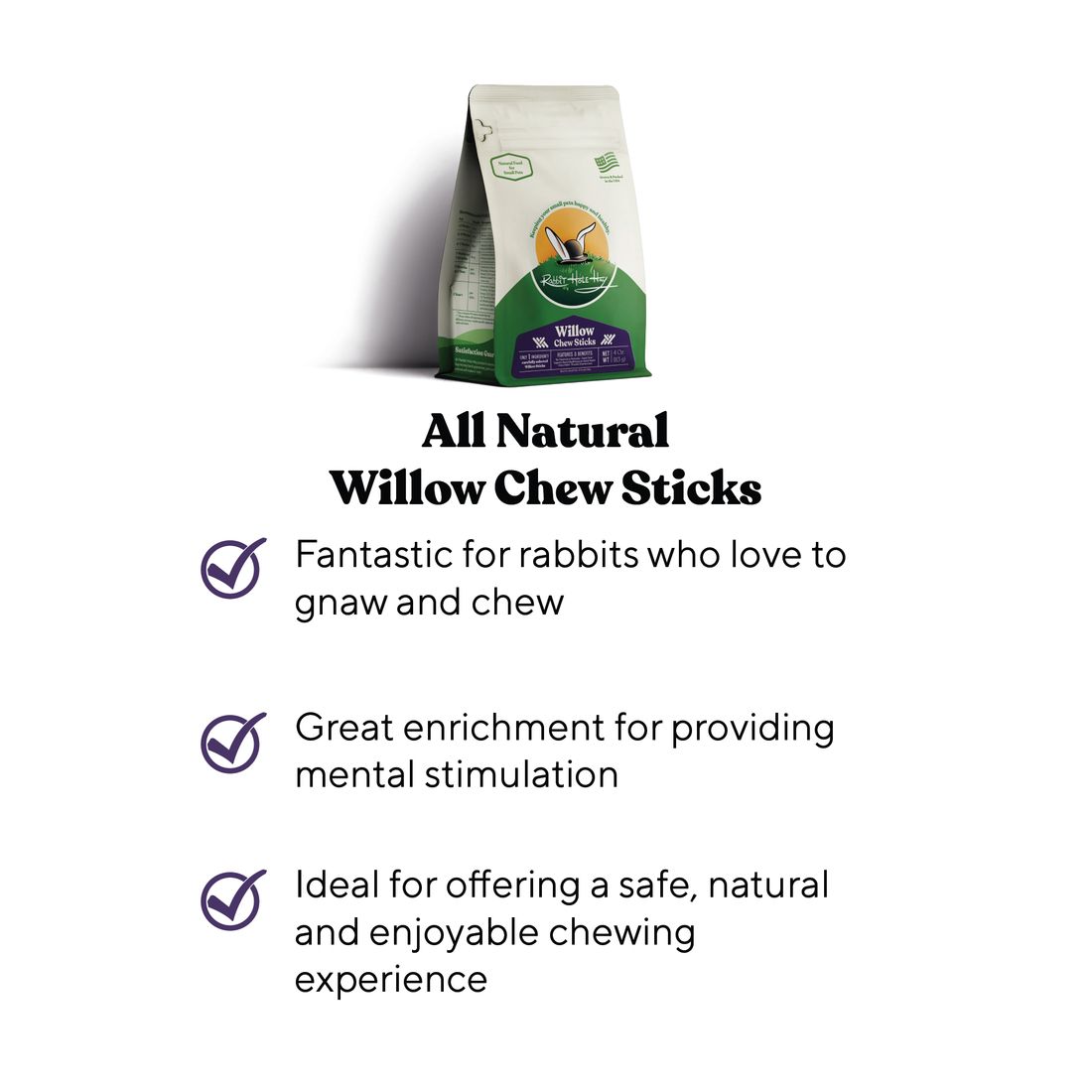
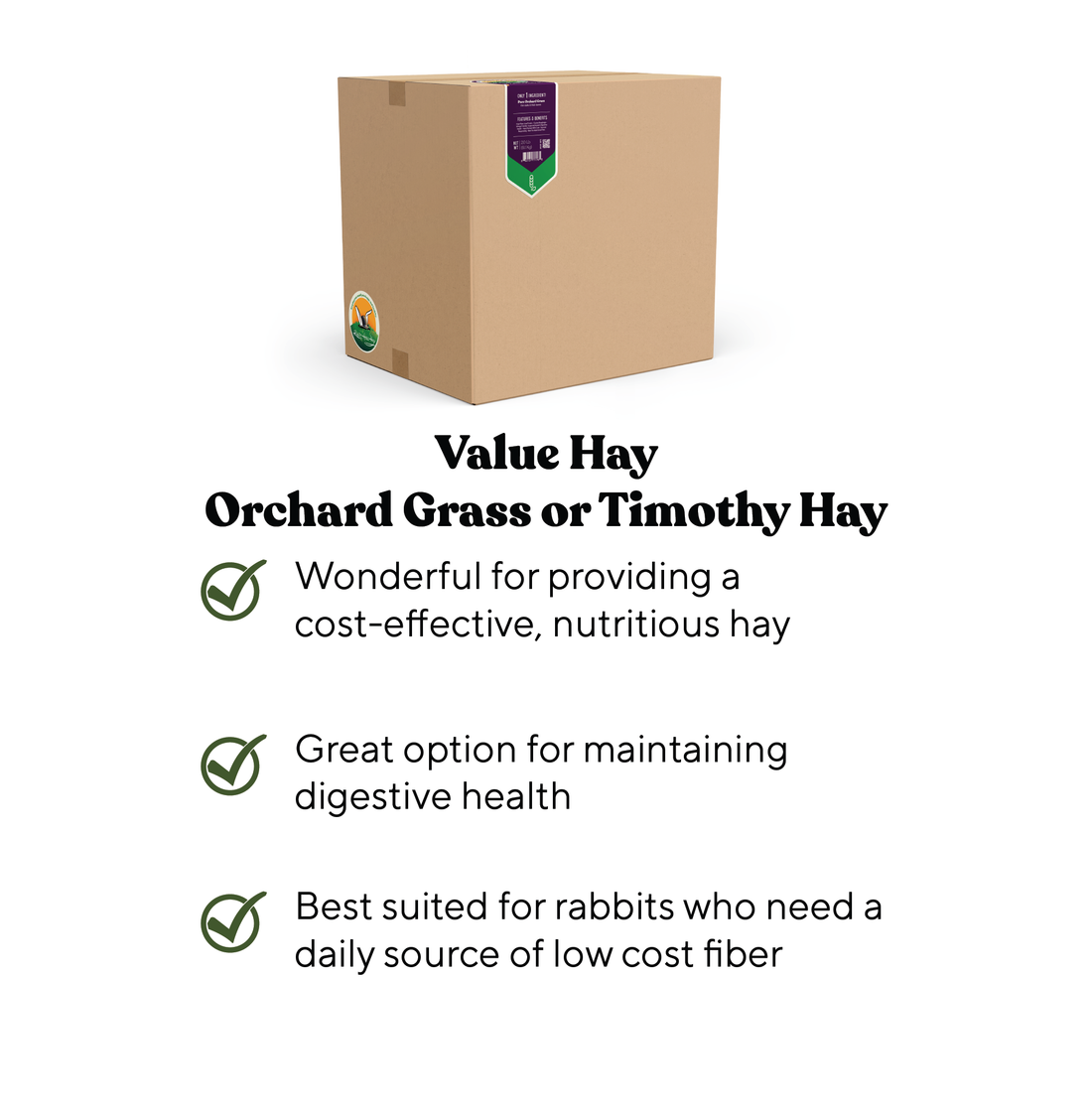
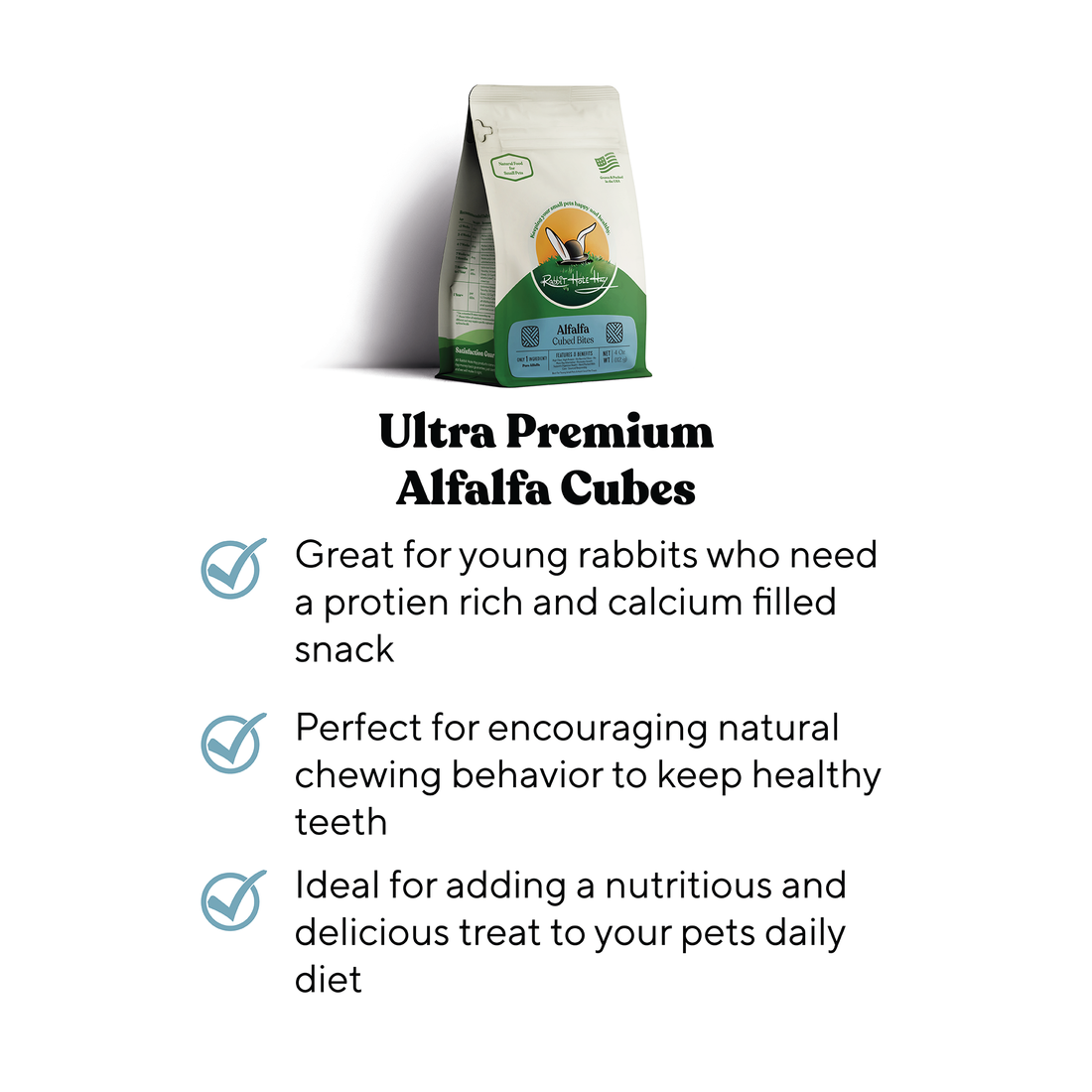
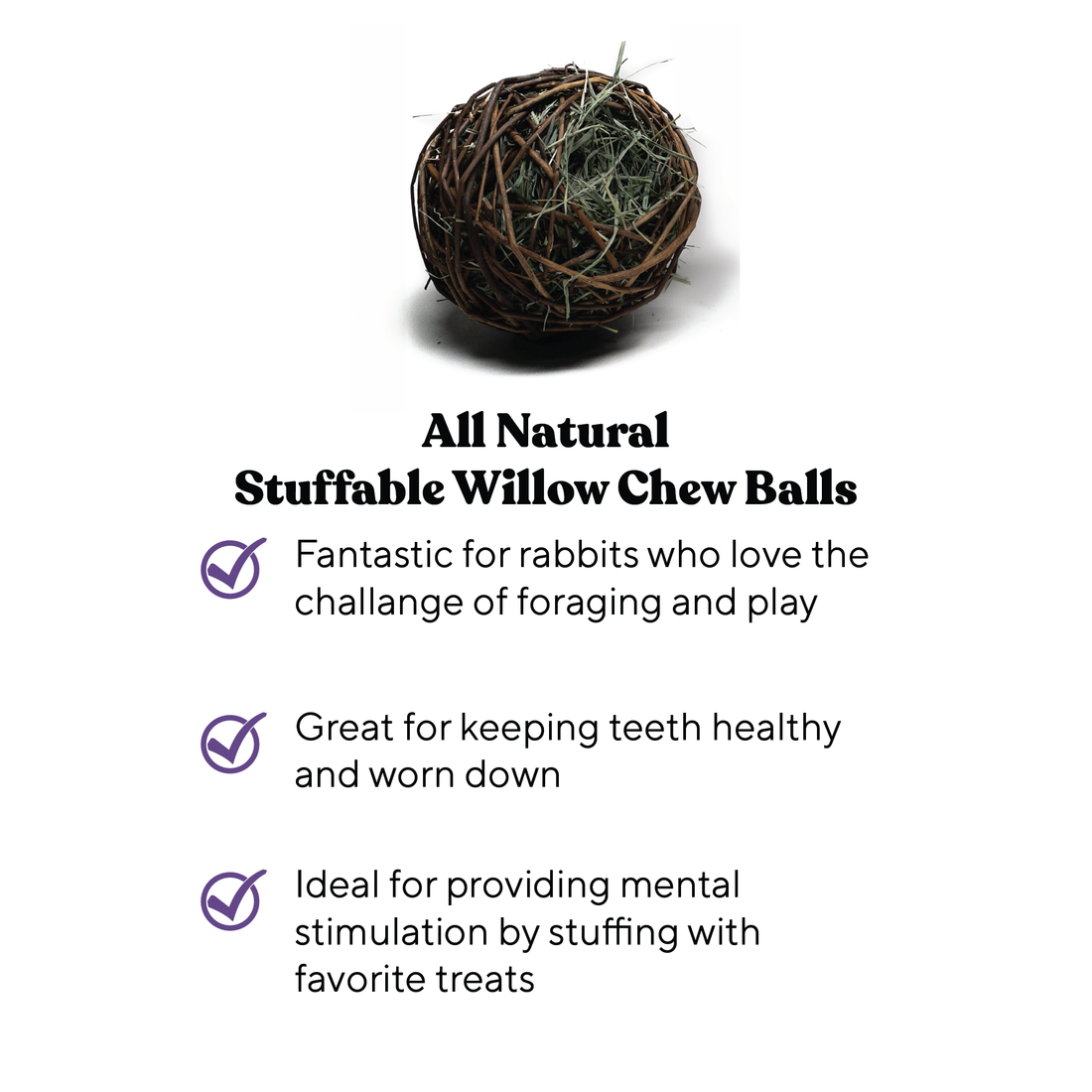
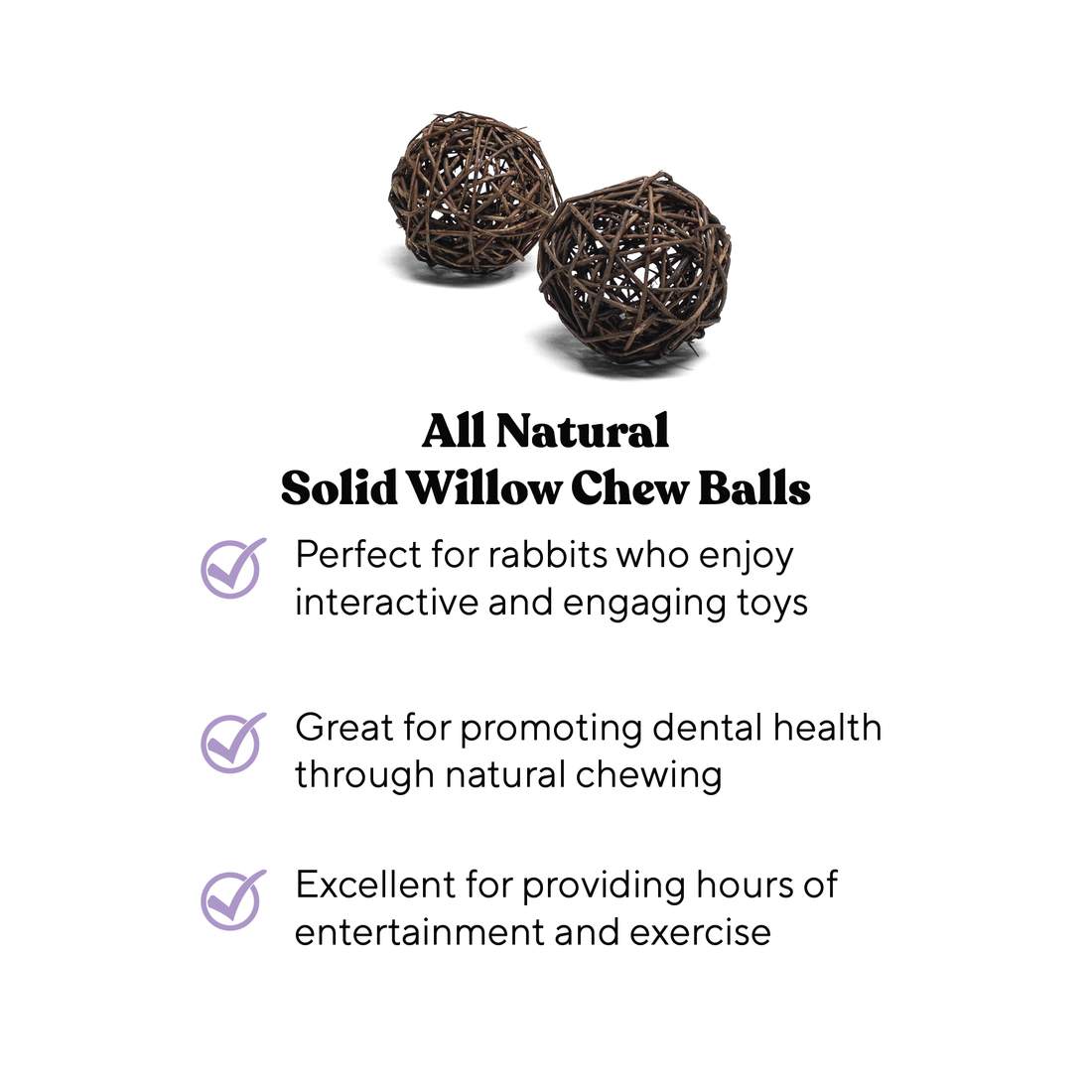
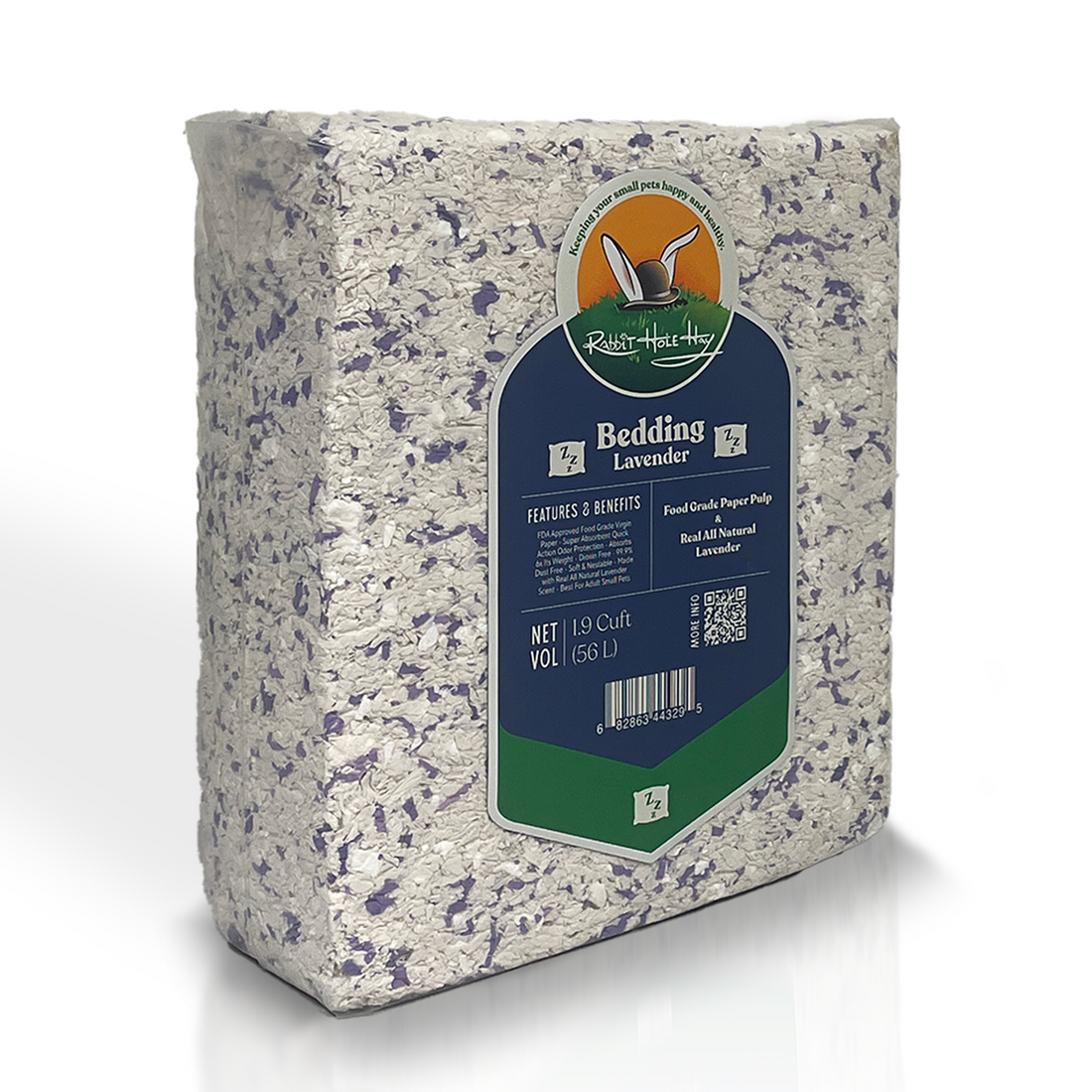
To keep a rabbit happy and healthy, you must provide a spacious enclosure or pen that allows them to hop, stretch, and explore. Investing in high-quality hay, like the kind available at Rabbit Hole Hay, is essential, as hay forms the majority of their diet. Chewing hay also helps wear down their teeth, which grow continuously. Don't forget to offer enrichment toys, such as chew-safe blocks or tunnels, to keep them entertained.
Another key factor is ensuring they get plenty of interaction. Rabbits are social creatures and thrive on attention from humans or other rabbits. With proper care and supervision, rabbits can live up to 10 years, giving children a long-term companion to love and learn from.
Hamsters
Hamsters are a classic choice and one of the best small pets for kids, especially if it's their first experience with pet ownership. Their small size, independent nature, and simple care needs make them a manageable option for families. Hamsters can be incredibly entertaining to watch as they burrow, run on their wheels, and explore their habitats.
Consider the space they'll need when choosing a hamster. Larger cages with plenty of room for tunnels, wheels, and hideouts are ideal. The best hamster cages will provide ample space for movement and enrichment. Since hamsters are nocturnal, children will enjoy observing their antics in the evenings.
Hamsters require basic care, including fresh water, hamster food, and chew toys to keep their teeth in good condition. Children can easily manage tasks like feeding and cleaning under adult supervision, which helps them build responsibility. Although hamsters have shorter lifespans of about 2-3 years, they're a great introduction to pet care.
While rabbits and hamsters are common choices, there are other unique small pets that may be the perfect fit for your family. Guinea pigs, chinchillas, and even rats offer opportunities for children to form lasting connections and learn valuable pet-care skills. Here's why they stand out as some of the best small pets for kids:

Best Small Pets for Kids
Guinea Pigs
Guinea pigs, or cavies, are another excellent choice for families seeking the best small pets for kids. They're friendly, vocal, and social, often forming strong bonds with their owners. Unlike hamsters, guinea pigs are diurnal, meaning they are awake during the day, which aligns well with children's schedules. Their larger size also makes them easier to handle and less likely to escape during playtime.
Caring for guinea pigs requires a bit more effort than some other small pets. They need a spacious enclosure with soft bedding and plenty of hiding spots. The Humane Society recommends at least 7.5 square feet of space for one guinea pig and even more for a pair. These social animals thrive in pairs or groups, so consider adopting more than one to prevent loneliness.
Guinea pigs also need a balanced diet of hay, fresh vegetables, and vitamin C-rich pellets. Feeding them high-quality hay and food is critical to their health. Guinea pigs can live 5-7 years with proper care, making them a long-term companion for children to love and learn from.
Chinchillas
Chinchillas are less common than rabbits or hamsters, but they're still one of the best small pets for kids ready for a pet with specific needs. These soft, fluffy creatures are known for their thick fur and playful personalities. However, they require more attention and specialized care than other small pets.
Chinchillas need a large, multi-level cage to climb, jump, and explore. They're also highly sensitive to heat and humidity, so maintaining a cool environment is critical. Providing them with nutrient-rich hay and specialized chinchilla pellets ensures they get the nutrition they need. Additionally, chinchillas must take dust baths to keep their fur clean and healthy, which is a fun activity for kids to observe.
Although chinchillas are a bit more high-maintenance, they can be incredibly rewarding pets. With proper care, they can live up to 10 years or more, giving children a long-term friend to bond with.
Rats
Rats may not be the first animal that comes to mind when considering small pets, but they're undoubtedly one of the best small pets for kids. Unlike their wild counterparts, domesticated rats are clean, intelligent, and highly social. They enjoy interacting with their owners and can even learn tricks, making them a delightful addition to any family.
Rats thrive in spacious cages equipped with tunnels, hammocks, and chew toys. Enrichment items, like the ones found at Rabbit Hole Hay, are essential for keeping them mentally stimulated. Feeding them a diet of high-quality food is equally essential for their health and longevity.
One of the most endearing traits of rats is their ability to bond with humans. They're known to be affectionate and enjoy spending time with their owners. With proper care, rats can live 2-3 years and leave a lasting impression on children, teaching them the value of companionship and responsibility.

Conclusion
Choosing the best small pets for kids can be an exciting journey for your family. From rabbits to rats, each pet offers unique opportunities for learning and growth. With proper care and supervision, these pocket-sized companions can provide years of joy, teaching children valuable life skills along the way.
Start by considering your child's age, interests, and your family's living space to find the perfect match. Whether it's a curious hamster or a playful guinea pig, the bond formed between a child and their pet is sure to be one of the most cherished experiences of their childhood.






Comments