

































































Peeee ewwww! What's that smell?
Click Here For a Guide to Creating the Ideal Litter Box.

If you're wrinkling your nose every time you walk past your rabbit's enclosure, chances are it's time to tackle that litter box. Nobody signs up for rabbit ownership because they love cleaning up after them—but when your rabbit is litter trained, staying on top of cleanliness becomes part of the routine.
So, how often should you really be changing out the litter? It depends on a few different things. The size of your rabbit, the type of litter you use, and even their health all play a role. But here's a tip that works no matter what: let your nose lead the way. If you can smell it, it's past time to freshen things up.
But let's go a little deeper into the world of rabbit litter box cleaning so you can figure out a schedule that works for you—and your rabbit.
Why Consistent Litter Box Cleaning Matters
Rabbits are naturally clean animals. In the wild, they often pick one corner of their warren to do their business. So when they choose to use a litter box, they're not doing you a favor—they're doing what comes naturally.
That said, once the box starts smelling or building up with waste, your rabbit may decide to find a "better" spot nearby. That could be a corner of their enclosure... or your carpet. A dirty litter box not only smells bad, it can also lead to health problems for your rabbit.
Rabbits have sensitive respiratory systems, and the ammonia in their urine builds up quickly. If left unchecked, it can irritate their nose and lungs. Bacteria also thrive in soiled bedding, raising the risk of infections—especially in rabbits with weaker immune systems or health conditions.
Keeping your rabbit's litter box clean isn't just about avoiding bad smells. It's a key part of keeping your bun healthy and comfortable.
Factors That Affect Rabbit Litter Box Cleaning
No two rabbits are the same, and their litter box maintenance needs aren't either. A few key factors will influence how often you need to clean things out.
Litter Choice
The type of litter you choose plays a big role in how often you'll be scrubbing and refilling the box. Let's break it down by common types:
Shredded newspaper: Easy to make and cheap, but not very absorbent. This will likely need to be changed every day or two. It breaks down quickly and starts to smell fast.
Paper pulp pellets: A more absorbent option that can last up to 3-4 days before needing replacement. They're also soft on the paws and commonly recommended by veterinarians for litter training.
Wood fiber pellets: A dense, absorbent material that lasts about the same—three to four days—but has better odor control than newspaper. Just make sure they're rabbit-safe and don't contain aromatic oils like pine or cedar, which can be harmful.
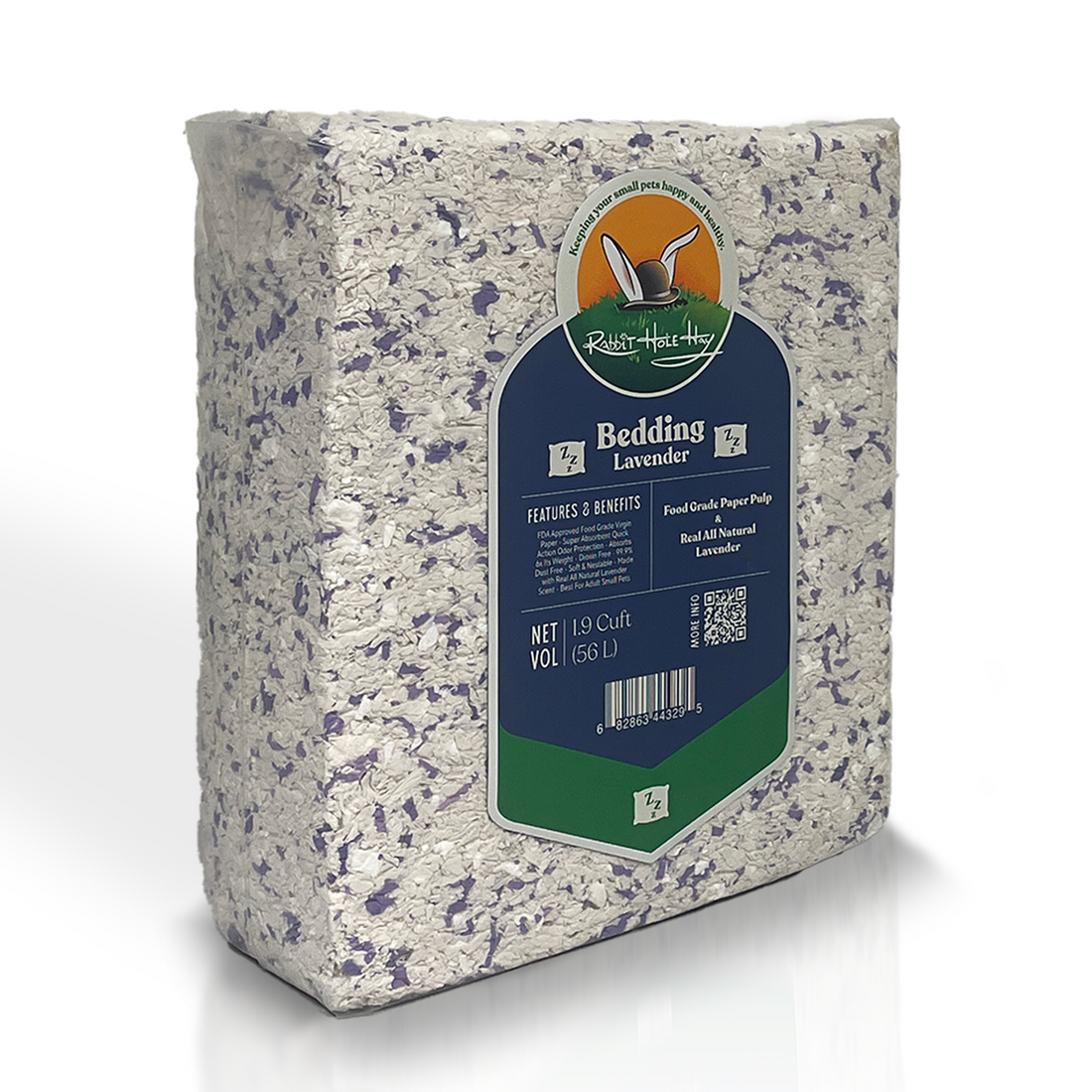
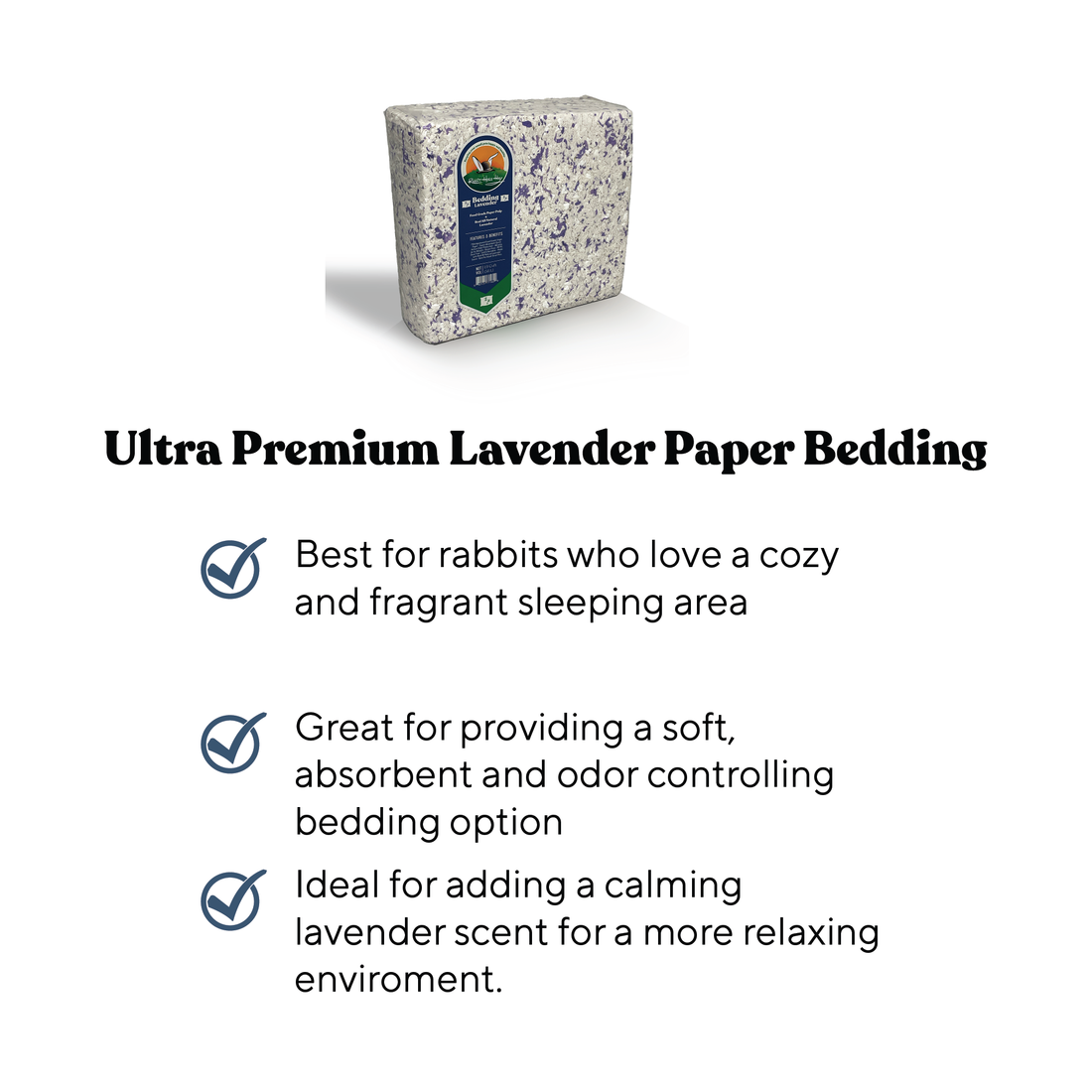
Food Grade Paper Bedding: This is one of the best options available. It's FDA-approved for wrapping human food, so you know it's safe. It's super soft, low in dust (99.9% dust-free!), and fights odors extremely well. You may be able to go up to a week between full changes, depending on your rabbit and your sensitivity to smell.
No matter what you choose, remember to keep an eye (or nose) on it. Even the best bedding won't hold out forever.
Rabbit Size
Larger breeds like Flemish Giants or French Lops naturally produce more waste. It's simple math—the more food going in, the more waste coming out. If your rabbit is on the bigger side, expect to clean it more often, possibly every day or two.
Smaller breeds like Netherland Dwarfs may let you go a bit longer between changes, but don't push your luck. Even small rabbits deserve a clean space to do their business.
How Many Rabbits Share the Box?
If you've got a bonded pair or a group of rabbits, everything increases—waste, smell, and the need for cleaning. Even if you're using a high-quality litter like food-grade paper bedding, more frequent cleaning will be necessary. Two rabbits using one box usually means daily spot-checks and changes every two to three days at most.
Health Concerns
If your rabbit is sick, especially with digestive issues like diarrhea or soft cecotropes, you'll need to clean the box daily. In some cases, twice a day may be necessary.
This isn't just about odor control—it's about comfort and hygiene. A clean box can prevent further irritation or infection, and you'll be able to better monitor their stool for changes. That can help you and your vet catch problems early.
If you're unsure whether your rabbit's stool looks normal, you can compare it to this helpful rabbit stool guide from House Rabbit Society.
Hay in the Litter Box
Rabbits like to eat while they poop—it's weird, but it's also completely natural. Many owners sprinkle hay on one end of the litter box to encourage good litter habits. That's great, but it also means you'll need to check the hay every day. Rabbits won't eat soiled hay, and if it builds up, it can smell or even attract bugs.
If you notice your rabbit avoiding the box, the hay might be the reason. Fresh hay goes a long way toward keeping them happy and using the litter area reliably.
Rabbit Litter Box Cleaning: A Simple Routine
Let's get into the details of how to build a solid cleaning routine. You don't need to make it complicated—but consistency is key.
Daily Maintenance
Remove visible droppings and any soiled hay.
Top off the hay if you use it in the litter box.
Do a quick smell check. If there's even a faint ammonia scent, it's time for a change.
Full Cleanings
For paper pulp or wood pellets: every 3–4 days.
For food-grade paper bedding: every 5–7 days.
For newspaper: every 1–2 days.
How to Clean It Right
When it's time to clean, dump the litter completely and use a mild vinegar and water solution (1:1 ratio) to scrub the box. Let it sit for 5–10 minutes to help break down stains or odor before rinsing thoroughly. Avoid using any scented cleaners or bleach—they can be toxic to your rabbit.
Make sure the box is totally dry before adding new bedding. Dampness can lead to mold and irritation.
Keep Extras on Hand
It helps to have a backup litter box for rotation. While one is drying or airing out, you can pop in the second. That way, your rabbit never has to wait for a clean spot to go.
Other Tips for Better Litter Box Habits
If your rabbit is suddenly peeing outside the box or avoiding it altogether, that could be a sign that something's wrong. First, check the box. Is it too clean or too dirty? Did you switch the litter type? Are they feeling stressed?
Sometimes rabbits prefer a bit of their own scent in the box, especially males. So if you've just scrubbed it spotless, consider leaving behind a small amount of used litter or a few droppings. That scent can help reassure your rabbit and prevent marking elsewhere in the enclosure.
Interested in learning more about litter training strategies? Our Guide to Creating the Ideal Litter Box walks you through choosing the right supplies and forming better habits with your rabbit.
Also check out this detailed blog on why your rabbit won’t poop in the litter box if they’re refusing to use it consistently.

Where to Place the Litter Box
Choosing the right spot for the litter box can make a surprising difference in how clean it stays—and how often you'll need to clean it. Rabbits are creatures of habit, so placing the box where they naturally prefer to go is your best bet.
Watch your rabbit's behavior when they're in their space. Most will pick a corner and stick with it. That's your signal. Put the litter box in that area, and they're far more likely to use it regularly and accurately.
If your rabbit has free-roam privileges, you may need more than one litter box—especially in multi-level homes or large rooms. Having at least one box per floor, or one per favorite hangout, will reduce accidents and keep odors from building up in hidden spots.
Tips for Better Placement
Choose corners or quiet, low-traffic areas. Rabbits like privacy when they do their business.
Keep food and water separate. While many rabbits eat hay in the box, you don't want their water source too close to waste materials.
Use a mat or tray under the box to catch stray hay or litter. This helps reduce how much gets tracked around your home.
If your rabbit keeps choosing the wrong spot, try moving the box to that location temporarily. Once they're used to using it, slowly move it a few inches a day toward your preferred spot. Patience pays off here.
Rabbit Litter Box Cleaning for Multi-Rabbit Homes
If you've got more than one rabbit, you already know—everything multiplies. More binkies, more hay, and yes, more poop.
Bonded rabbits will often share a litter box, especially if they've always done so. But just like with siblings, sharing doesn't always mean everything's peaceful. You'll need to keep an extra-close eye on cleanliness, because shared boxes get dirtier faster and can sometimes cause disputes.
Tips for Multi-Bun Households
Use a larger litter box. Cat litter pans or even under-bed storage bins make excellent oversized boxes for rabbit pairs or trios.
Add a second box, even if they usually share. This gives them options and reduces crowding during bathroom time.
Expect to clean more often—daily full changes are common with two or more rabbits using the same space.
Keep an eye on your buns' behavior. If one rabbit starts avoiding the box or you notice pee in unexpected places, that could be a sign of conflict—or just that the box needs attention sooner than expected.
Traveling With Your Rabbit? Don't Skip the Litter Box
Planning a trip with your rabbit? Whether it's a vet visit or a weekend away, don't forget about their bathroom habits. Travel can throw off their routines, but keeping some things consistent will help reduce stress.
Bring a smaller version of their home litter box if possible, with the same type of litter and hay. Familiar scents go a long way toward helping your rabbit feel secure in a new space.
For longer trips or overnight stays, pack:
A travel-sized litter box (small cat pans or disposable trays work well)
Plenty of their usual litter and hay
Cleaning supplies (wipes, trash bags, vinegar spray)
Some travel carriers have built-in litter compartments, which can help reduce messes on the go. You can also line the carrier with puppy pee pads or newspaper if your rabbit isn't comfortable using a box during short trips.
For more rabbit travel tips, check out this guide from PetMD.
How to Handle Accidents
Even the best-trained rabbit will have an occasional accident. Maybe they got spooked, maybe they were marking territory—or maybe they just missed. No matter the reason, how you respond matters.
Quick Cleanup Tips
Blot up urine immediately. Use paper towels or a clean cloth to absorb as much as possible.
Use a white vinegar and water mix to neutralize the ammonia and eliminate lingering smells. A 50/50 mix works great for most surfaces.
Sprinkle baking soda on carpets, let it sit for a few hours, and vacuum thoroughly.
If your rabbit repeatedly uses the same off-limits spot, clean it thoroughly and block access or place a litter box there.
Never scold your rabbit for accidents. They won't connect it to the behavior, and it can damage the trust you've built. Instead, use it as a learning opportunity. Are they trying to mark their territory? Was the box too dirty? Did something change in the environment?
How Litter Box Habits Reflect Your Rabbit's Health
Your rabbit's litter box isn't just a bathroom—it's a daily check-in on their well-being. Changes in the size, shape, color, or frequency of their droppings can signal everything from dietary imbalances to digestive problems.
Keep an eye out for:
Small, dry droppings – May signal dehydration or stress
Mushy or stringy poops – Could indicate overfeeding fruit or veggies
Lack of droppings – May be a sign of GI stasis, a serious condition that needs urgent vet attention
If something seems off, don't wait. A fast response can make all the difference. The Veterinary Partner database offers helpful veterinary-backed guidance on rabbit health symptoms to watch for.
Rabbit Litter Box Cleaning: A Key to Healthy Living
Now that you've made it through the world of rabbit litter box cleaning, you're in a much better place to keep your bun happy, healthy, and stink-free. Here's a quick recap to help you build good habits:
-
Use your nose—if it smells, it's time to clean.

Match the cleaning frequency to your litter type and your rabbit's size.
Don't overlook travel, multi-rabbit households, or health changes—they all affect your cleaning schedule.
Accidents happen. Clean them calmly and adjust as needed.
A clean litter box is more than a chore. It's one of the easiest ways to support your rabbit's health and help them feel secure in their home. With a little consistency and the right setup, it becomes just another part of the rhythm of life with rabbits.
Key Takeaways
Cleaning Schedule: Every 1–7 days, depending on the litter type. Paper bedding lasts the longest, but always trust your nose.
Size Matters: Bigger rabbits = more waste = more cleaning.
Health Watch: Use the litter box as a health monitor. Sudden changes in droppings may signal a problem.
Still not sure which litter setup is best? Download our full Litter Box Training Guide for more help.
And if your rabbit's still refusing to poop in the box, don't miss our article on why your rabbit won't poop in the litter box. It's full of real fixes that work.





Comments