














































Poopy butt means poop or soft droppings stuck to the fur around your rabbit’s rear—not a personality flaw, and not something you failed at as an owner. Most of the time, poopy butt means something practical is off: too little fiber, too many treats, uneaten cecotropes, or a rabbit who cannot comfortably reach back to groom because of weight, arthritis, or pain.
If you smelled the hutch before you saw the mess, you are not alone. This is common, fixable, and sometimes urgent. Clean the bottom when stool is sitting on skin, fix the cause behind it, and call a vet if appetite drops, droppings change, or the matting keeps coming back within days.

What Is Poopy Butt on a Rabbit?
Owners use “poopy butt” for anything clinging to the back end: dry fecal pellets, mushy stool, or soft cecotropes that never got eaten. The cleanup is similar; the why is not.
Poopy butt is a symptom—like a check-engine light—not a diagnosis. Your job is to figure out which system is off: digestion, mobility, or both.
Is Poopy Butt Cecotropes, Diarrhea, or Something Else?
Normal hard pellets in the litter box are finished waste. You should not see piles of those stuck to fur unless something else is wrong.
Cecotropes are soft, grape-cluster droppings rabbits normally eat straight from the body for nutrients. Healthy rabbits often eat them quietly—you never notice. When cecotropes smear on fur instead, the rabbit may not be eating them (diet, dental pain, obesity, arthritis) or may be producing too many soft ones. Our guide on cecotropes vs. normal poop explains the difference in plain terms.
True diarrhea (runny stool, not formed clusters) is less common but more serious—treat as a vet concern, especially with lethargy or no pellets. Do not assume every mess is “just cecotropes.”
Use outcomes, not vibes: if the bunny is eating hay, producing normal dry pellets, and only had a one-time skid mark, you may be looking at a grooming gap. If soft stool keeps returning, appetite is off, or the rabbit is hunched and quiet, that is a medical lane—not a bath-only lane.
Why Does My Rabbit Have a Poopy Butt?
Work through causes in the order that protects your rabbit fastest.
Uneaten cecotropes and diet imbalance
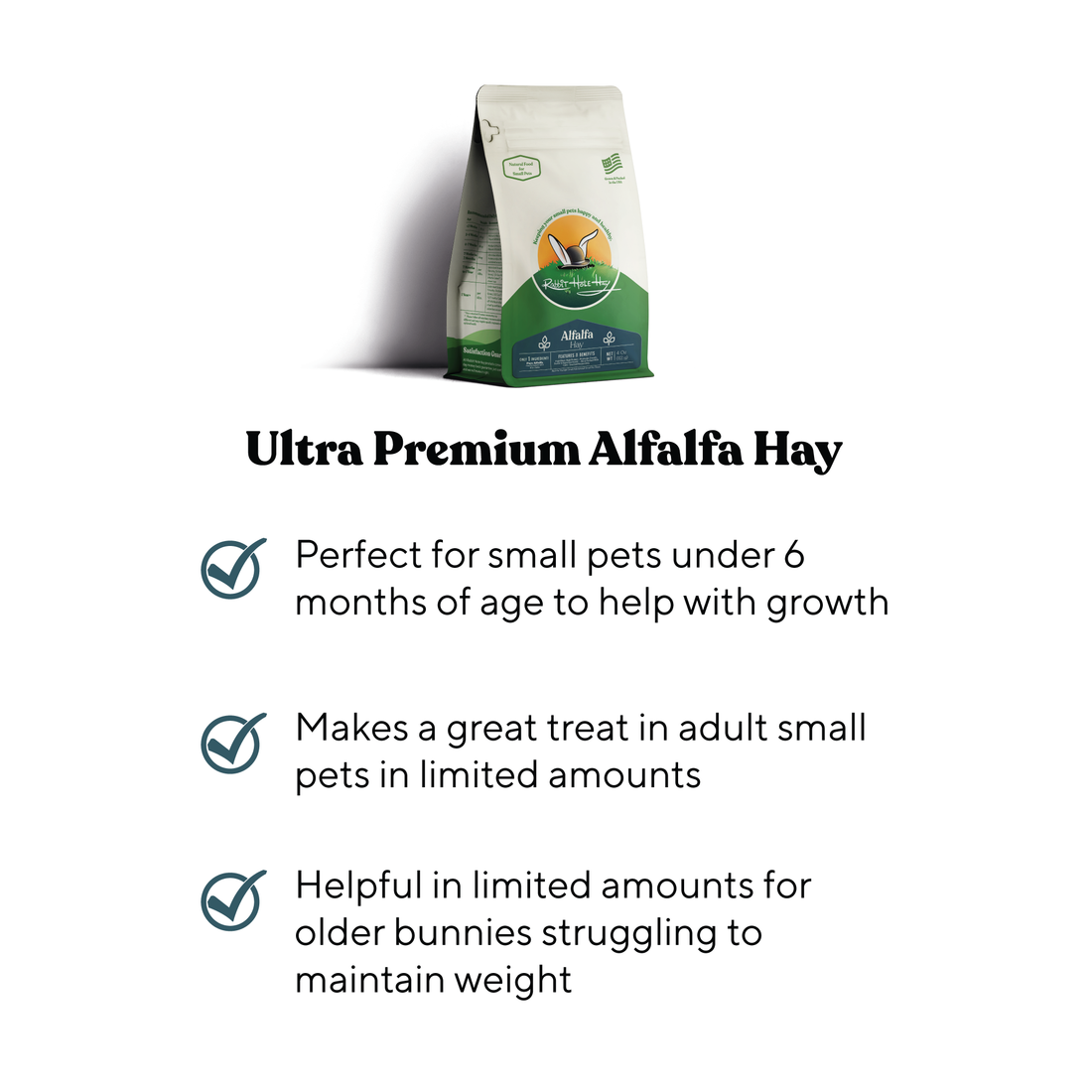
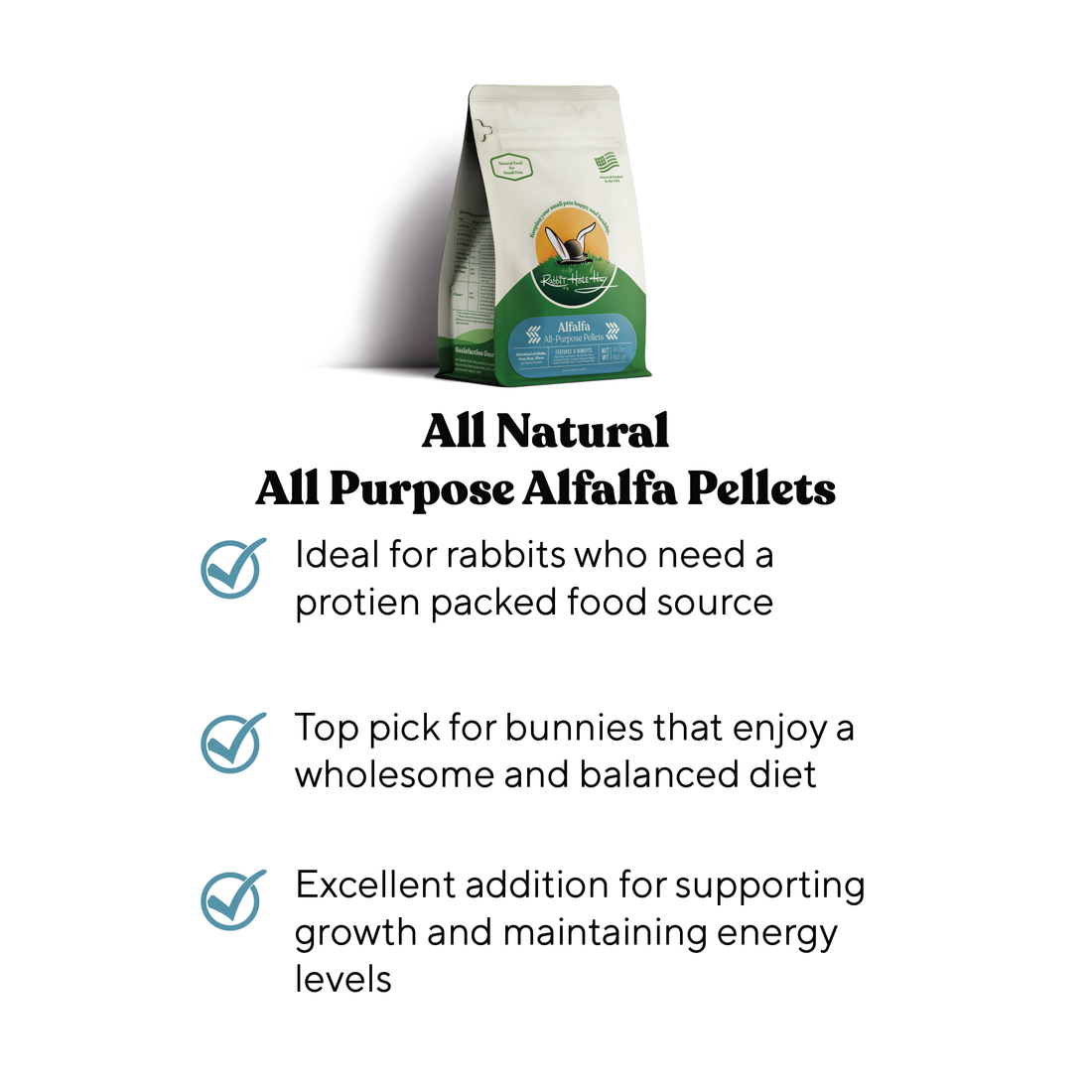
Too many pellets, fruit, or starchy veggies and not enough grass hay can throw the gut off. Fiber keeps things moving; without it, soft stool and extra cecotropes show up at the tail. Fruit can absolutely contribute—treats are not free calories.
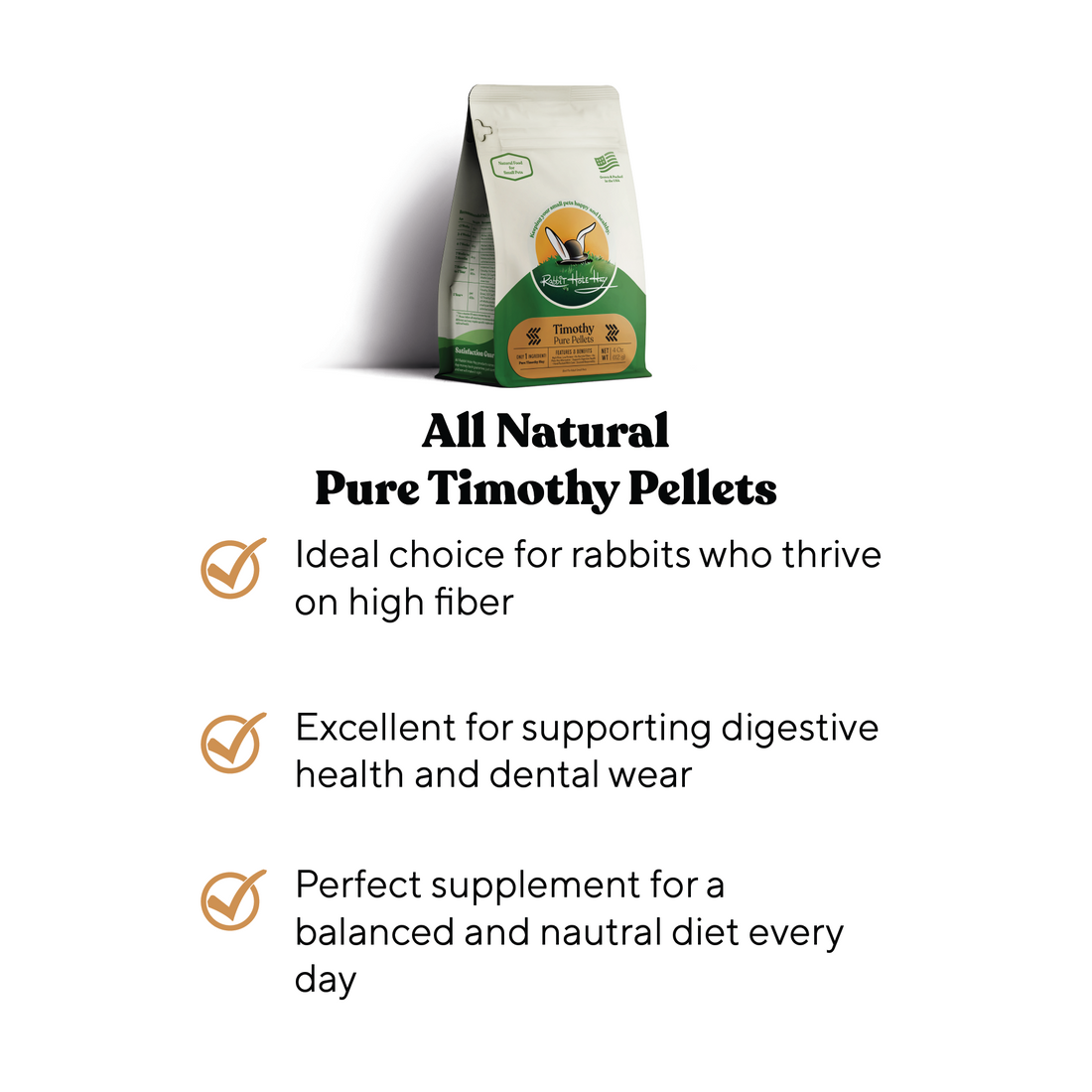
Diet is not the answer to every poopy butt, but steady fiber is part of the background. Unlimited grass hay will not magically fix arthritis or dental pain, but a rabbit on hay-first routines is easier to stabilize than one living on a pellet bowl and occasional lettuce.
Cannot reach to groom (weight, arthritis, pain)
Obese rabbits, seniors with sore joints, or buns recovering from illness may not bend enough to keep the rear clean. Extra play time helps some waistlines; others need a vet-led weight plan and pain control before the bottom stays clean on its own.
Do not feed grains or highly processed mixes hoping it helps—stick to hay, measured pellets, and greens your vet approves.
Dental or gut pain you cannot see
Sore teeth or a sluggish gut can stop a rabbit from eating cecotropes even when they are produced. If poopy butt is new and the rabbit is eating less, pair the hygiene fix with a rabbit-savvy vet visit—not just a wipe-down.
When Is Poopy Butt an Emergency?
Clean promptly whenever stool sits on skin—moisture and urine nearby cause rash and attract flies. In warm weather, fly strike is life-threatening: flies lay eggs in soiled fur; larvae damage skin fast.
Call the vet the same day if:
No normal dry pellets for 12 hours, or sudden runny diarrhea
Loss of appetite, hunched posture, or teeth grinding
Red, open, or smelly skin under the matting
Poopy butt returns every few days despite diet changes
If eating slows, read when a rabbit not eating needs urgent care—gut slowdown and poopy butt often travel together.
What Should I Do Right Now?
You are not a bad owner if you are cleaning this up today. Many buns need a human assist at least once while the underlying issue gets fixed.
For low-stress spot-cleaning (dry powder vs. shallow wash, when to stop), follow our steps to clean a rabbit with a poopy butt. Patterns tell you the fix: note whether it happened after a treat binge, during a molt, or when your senior stopped jumping.
After cleanup, dry the area well and check skin. Keep litter fresh so they are not sitting in the same mess.
How Do I Prevent Poopy Butt?
Prevention is mostly the same list as cause—done consistently:
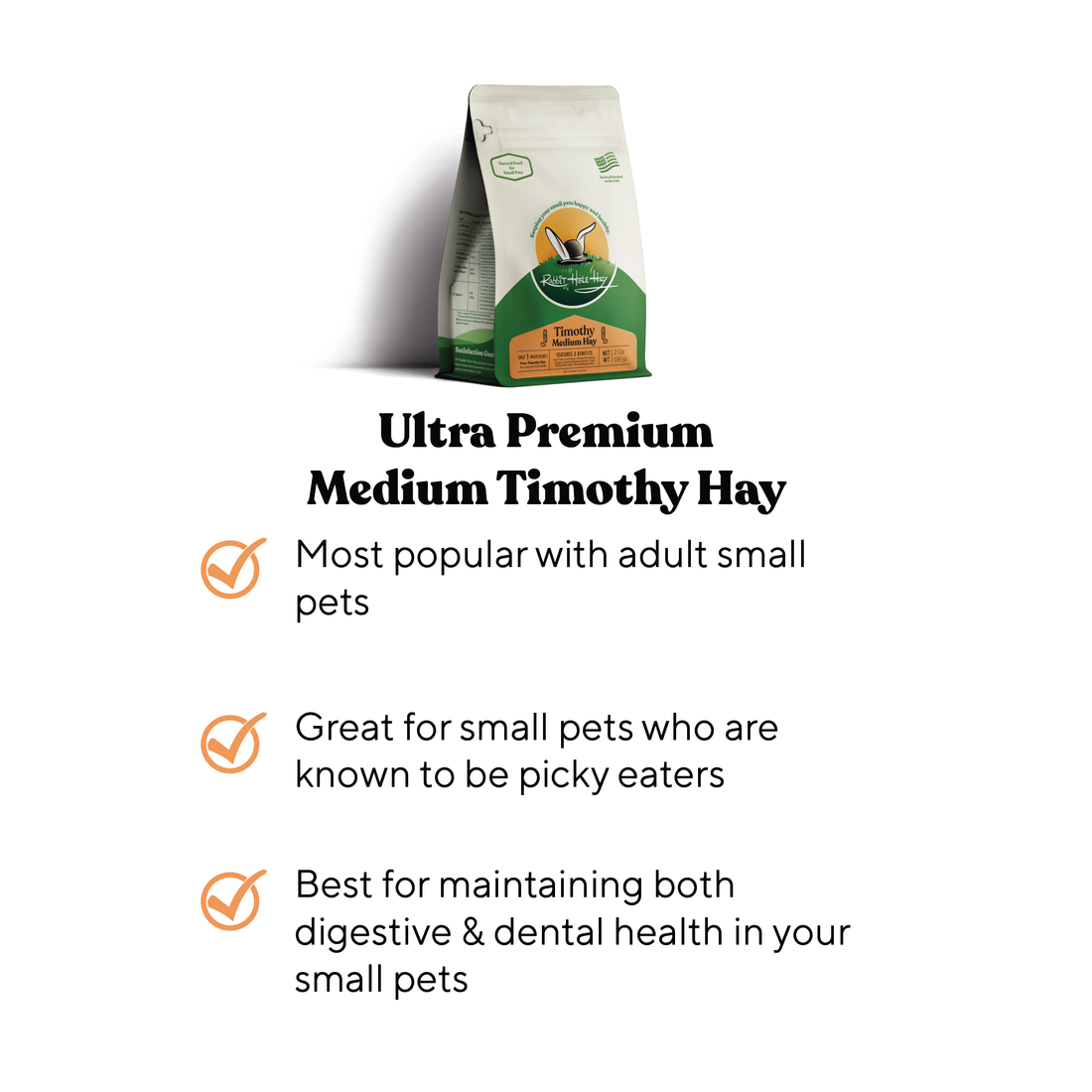
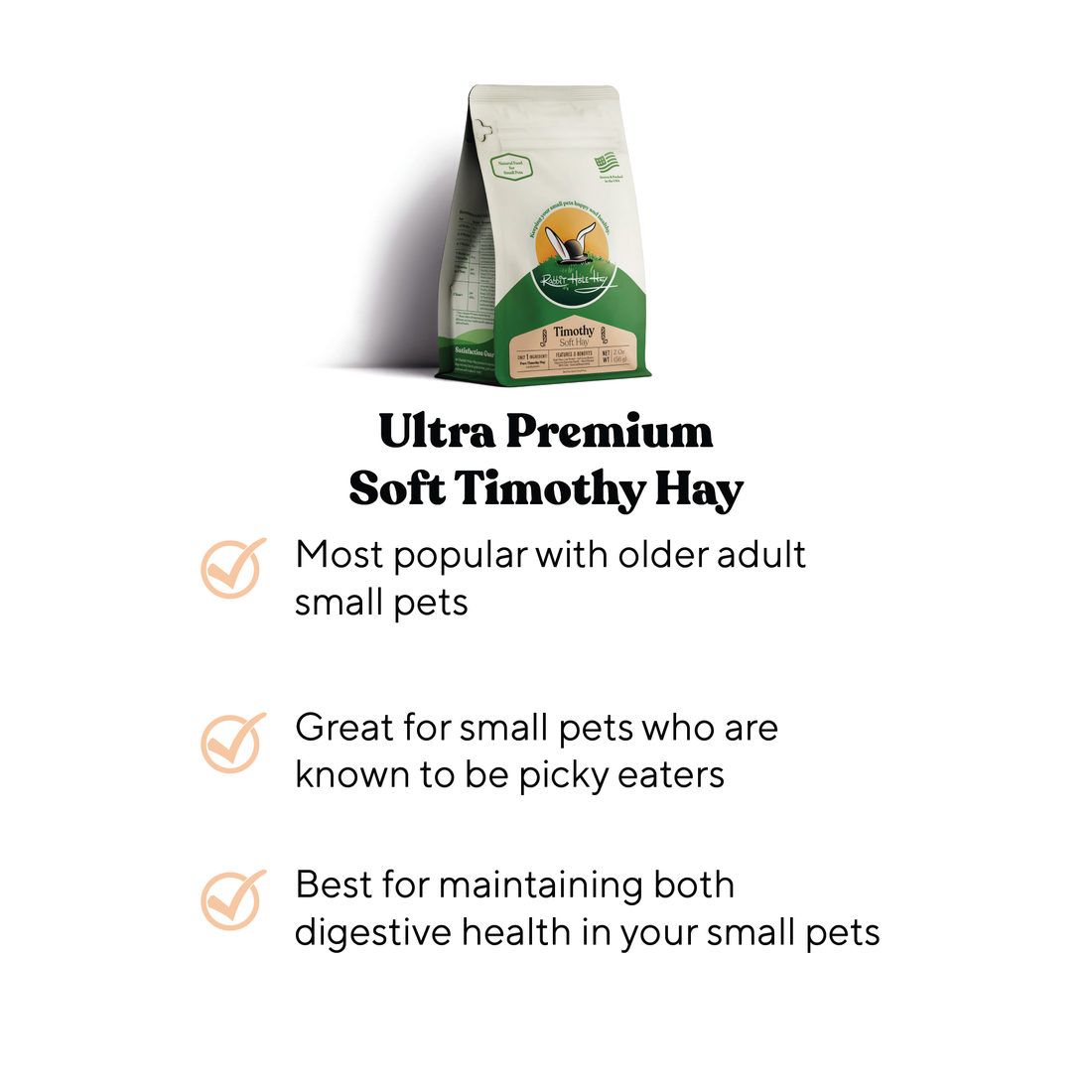
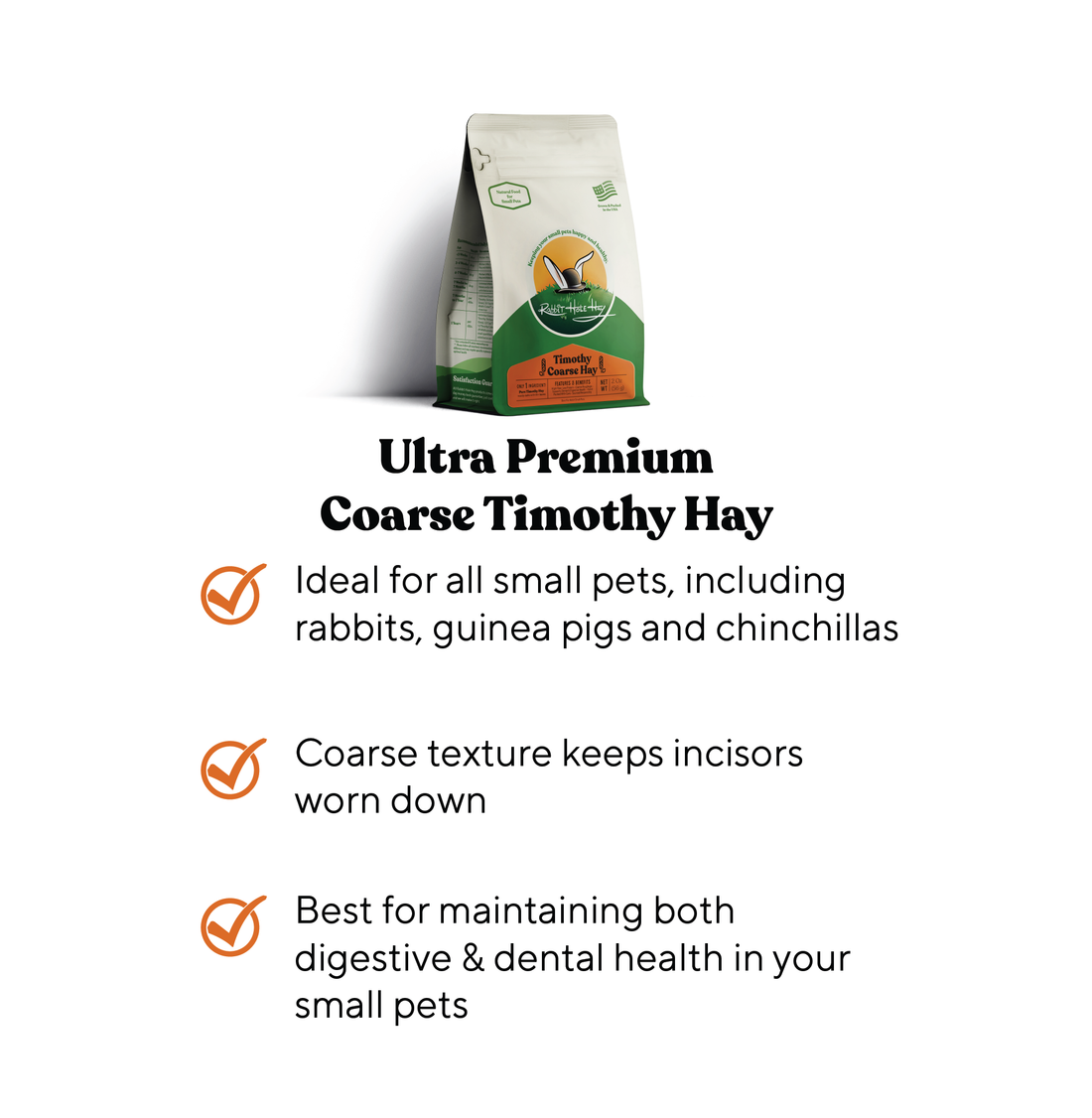
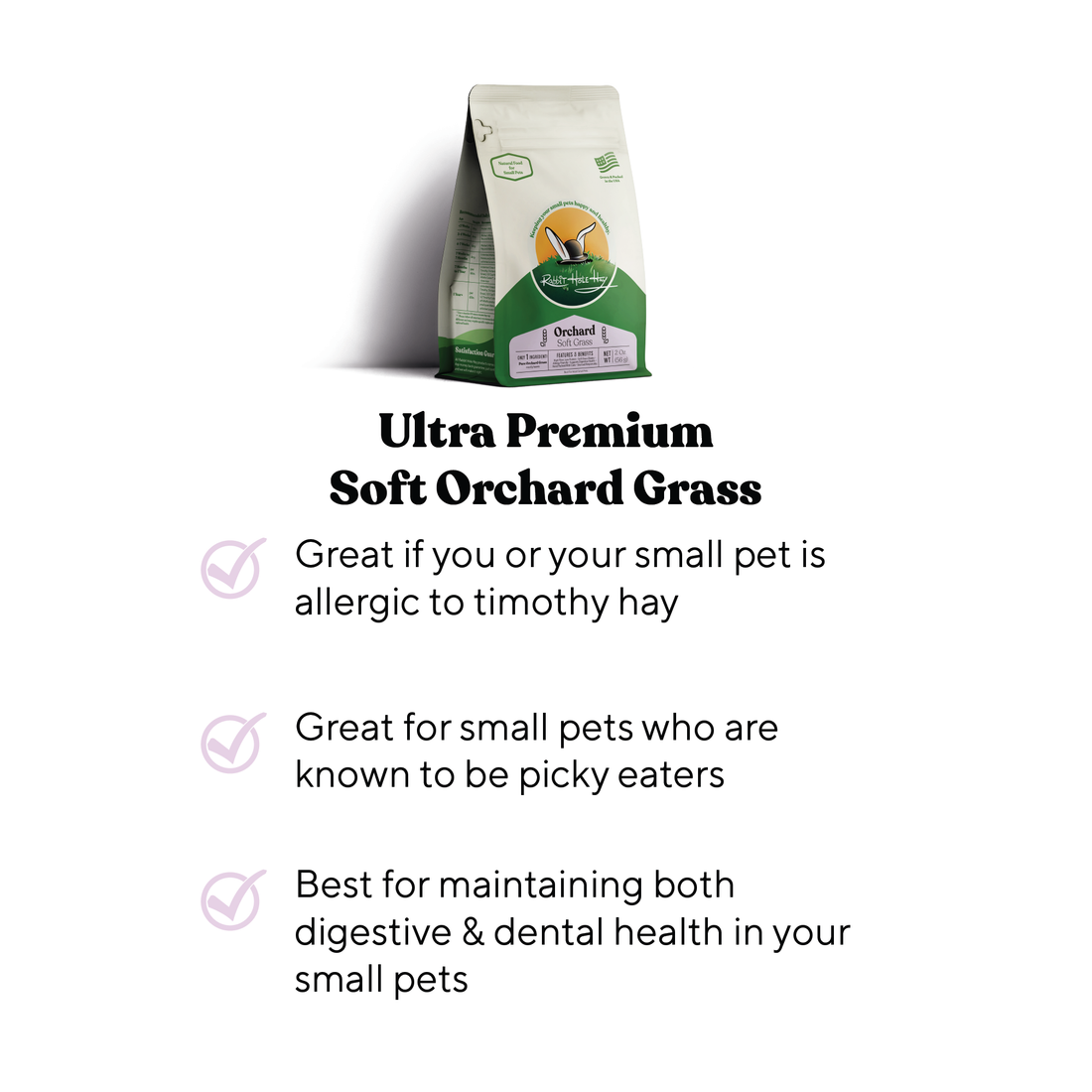
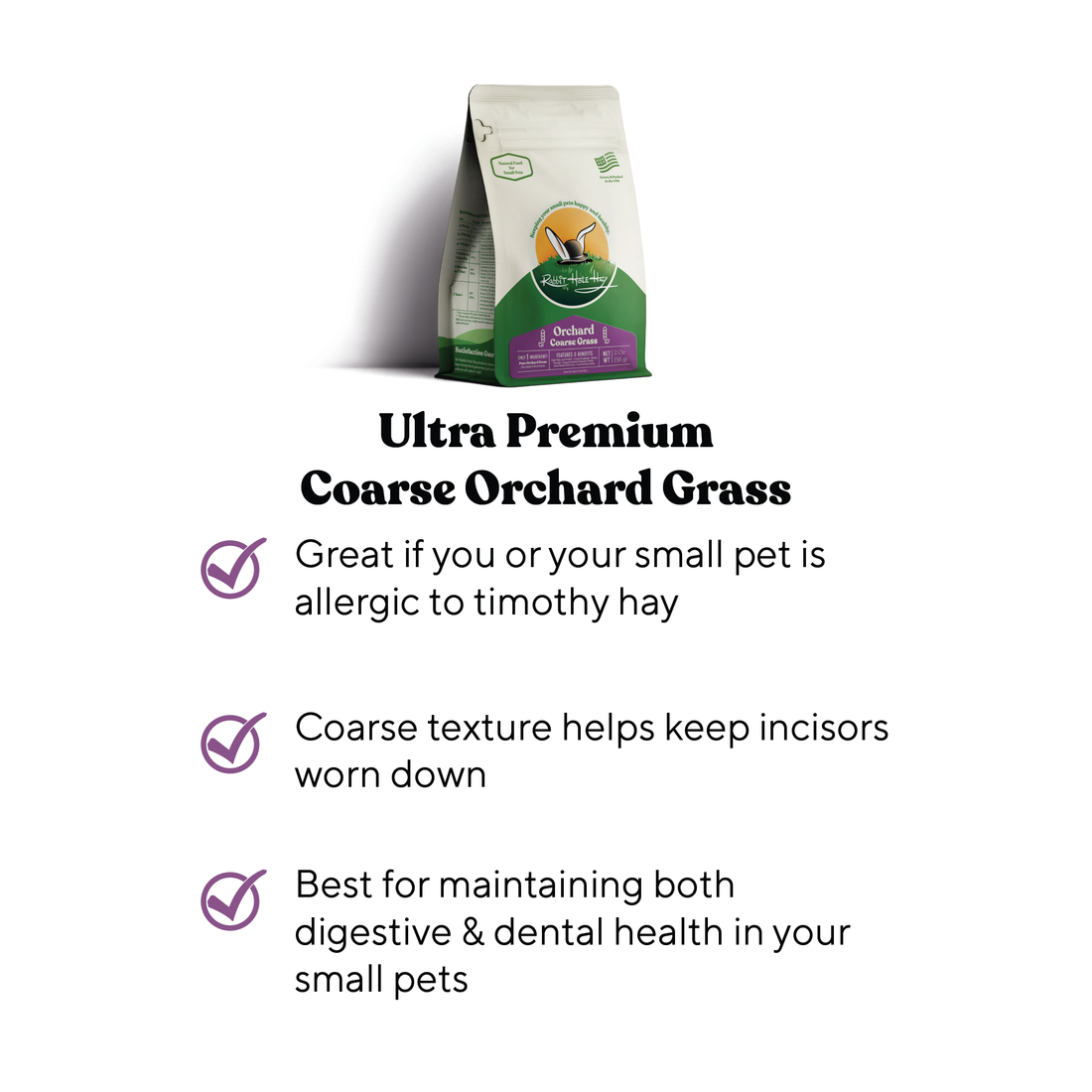
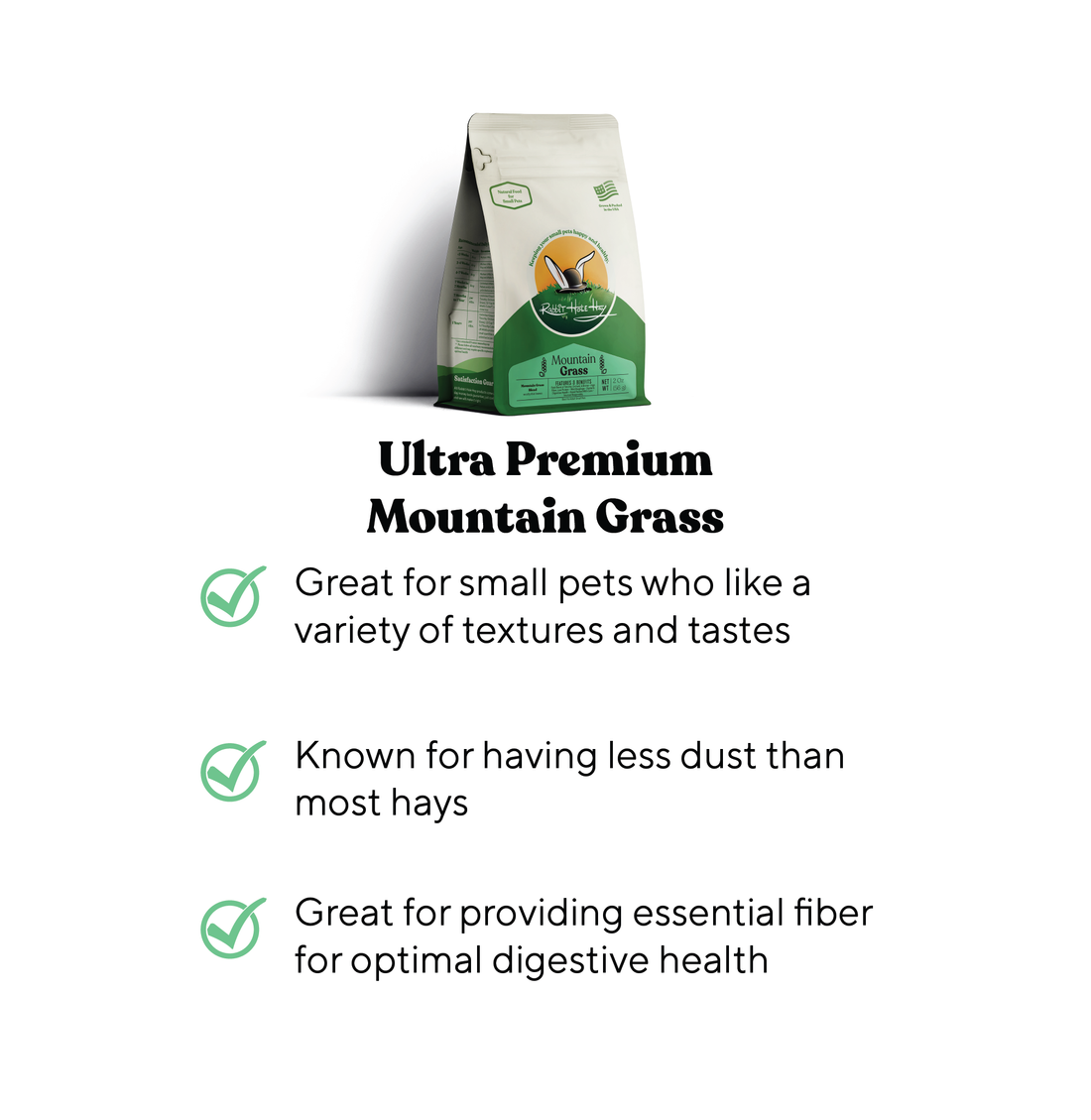
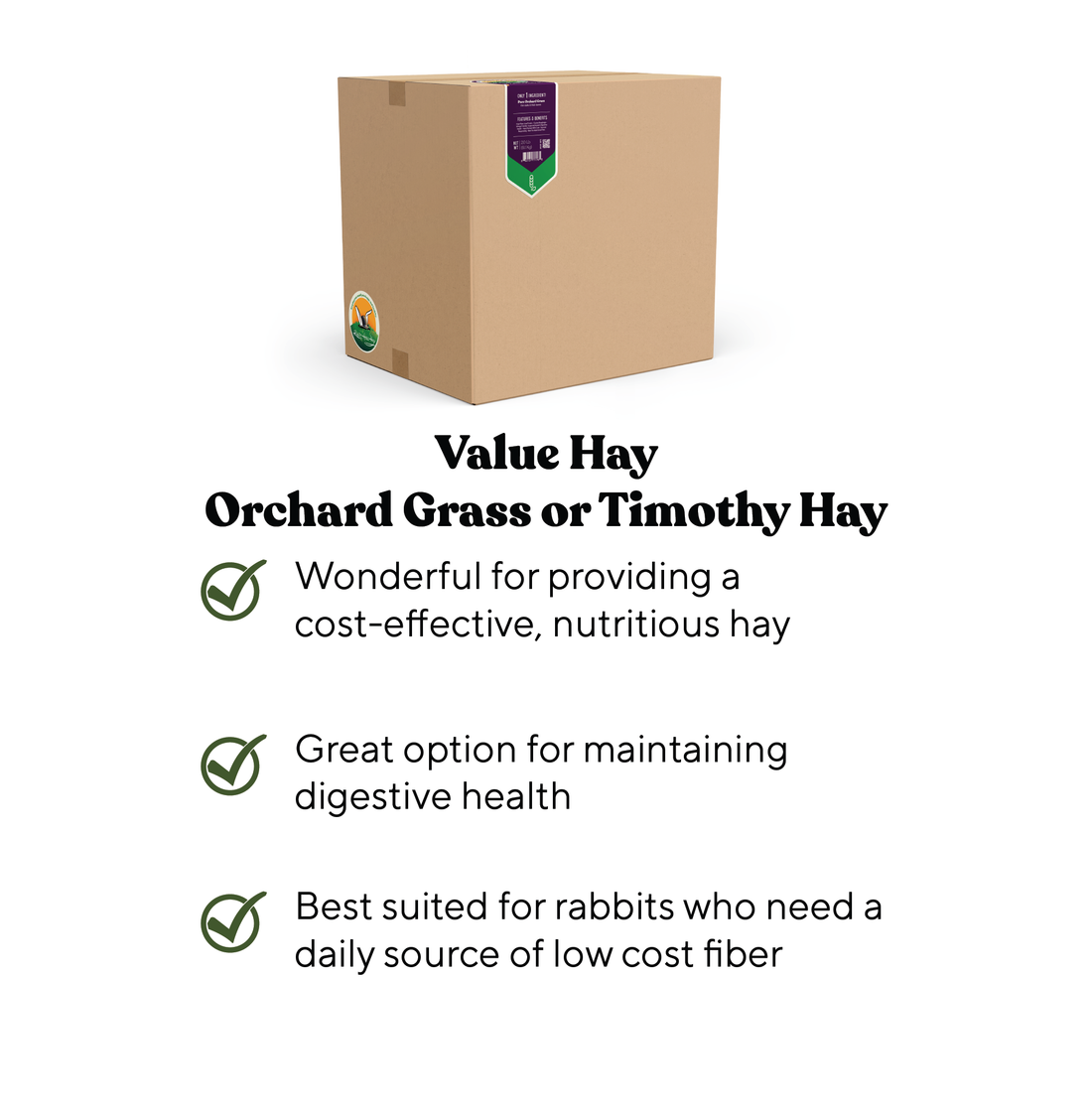
Hay first: Unlimited timothy or orchard grass hay; pellets measured, not piled.
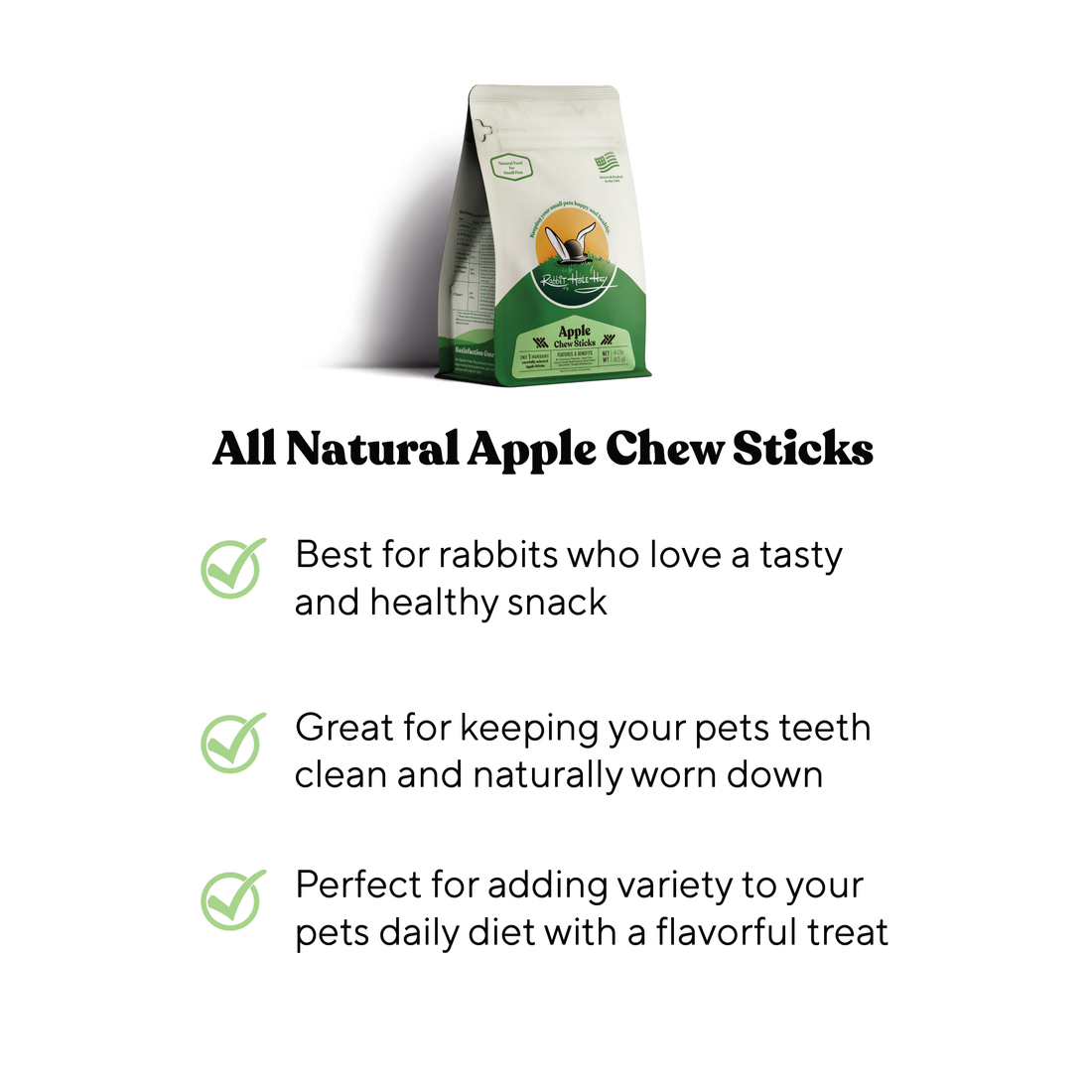
Treat discipline: Fruit and starch veggies as small accents, not meals.
Movement: Daily floor time supports weight and gut motility.
Weight and joints: Vet help when your rabbit cannot reach their bottom.
Long coats: Brush hindquarters during molts so fur does not trap stool.
For everyday hygiene rhythm—litter, brushing, when mess is medical—see our rabbit hygiene overview. Myth-busting on pellets vs. hay lives in common rabbit food myths.
Key Takeaways
Poopy butt is matted stool or cecotropes on fur—common, not shameful, sometimes urgent.
Check diet and uneaten cecotropes first, then whether your rabbit can reach to groom.
Clean soiled skin promptly; treat repeat cases and appetite changes as vet-worthy.
Poopy butt rarely fixes itself with hope. It gets better when you find the pattern—fiber, mobility, teeth, or a gut that needs help—and keep the rear clean while you work the root cause. When hay and portions are part of the puzzle, our hay-first rabbit diet guide lays out the baseline without pretending one bag of hay erases every bottom mess.




Comments