


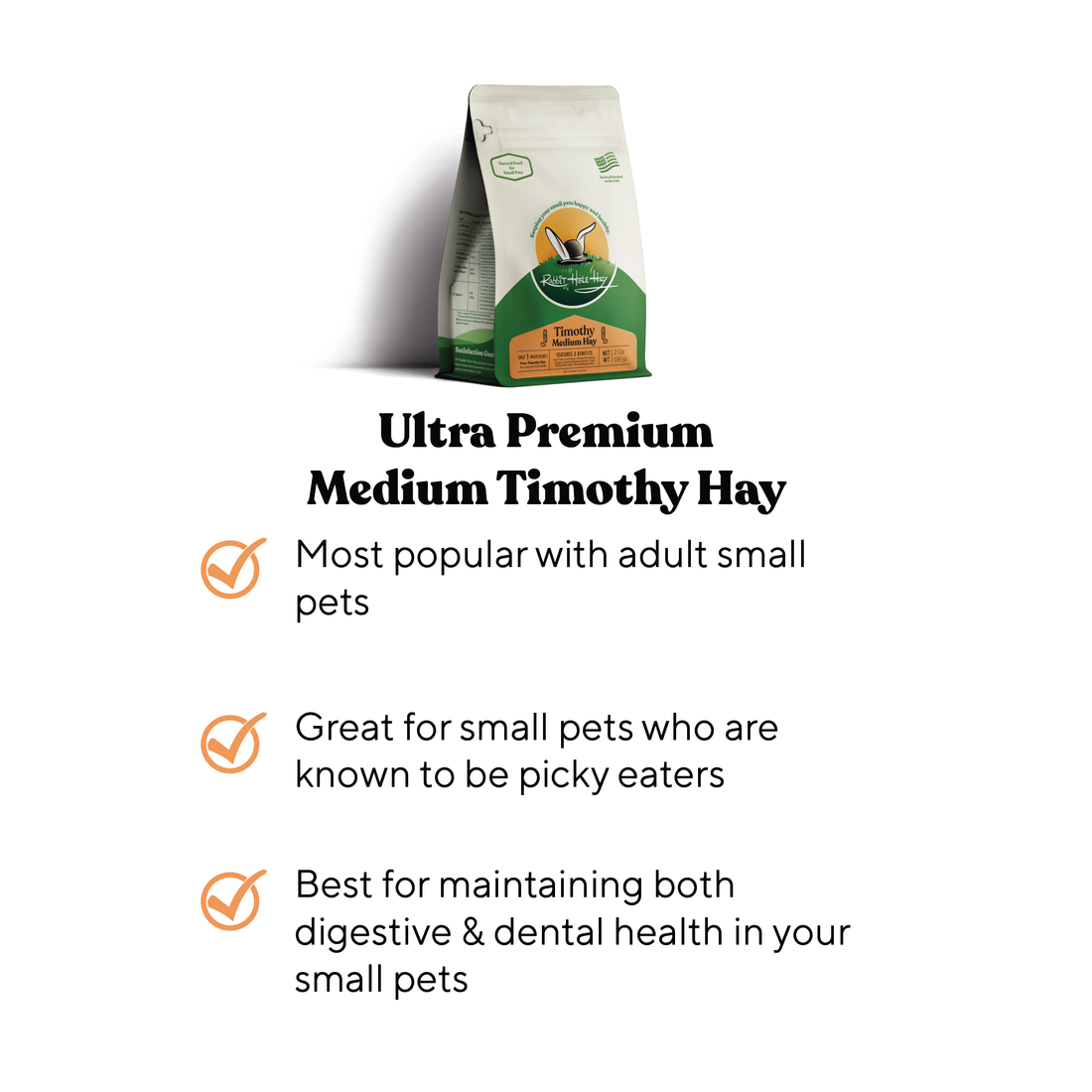

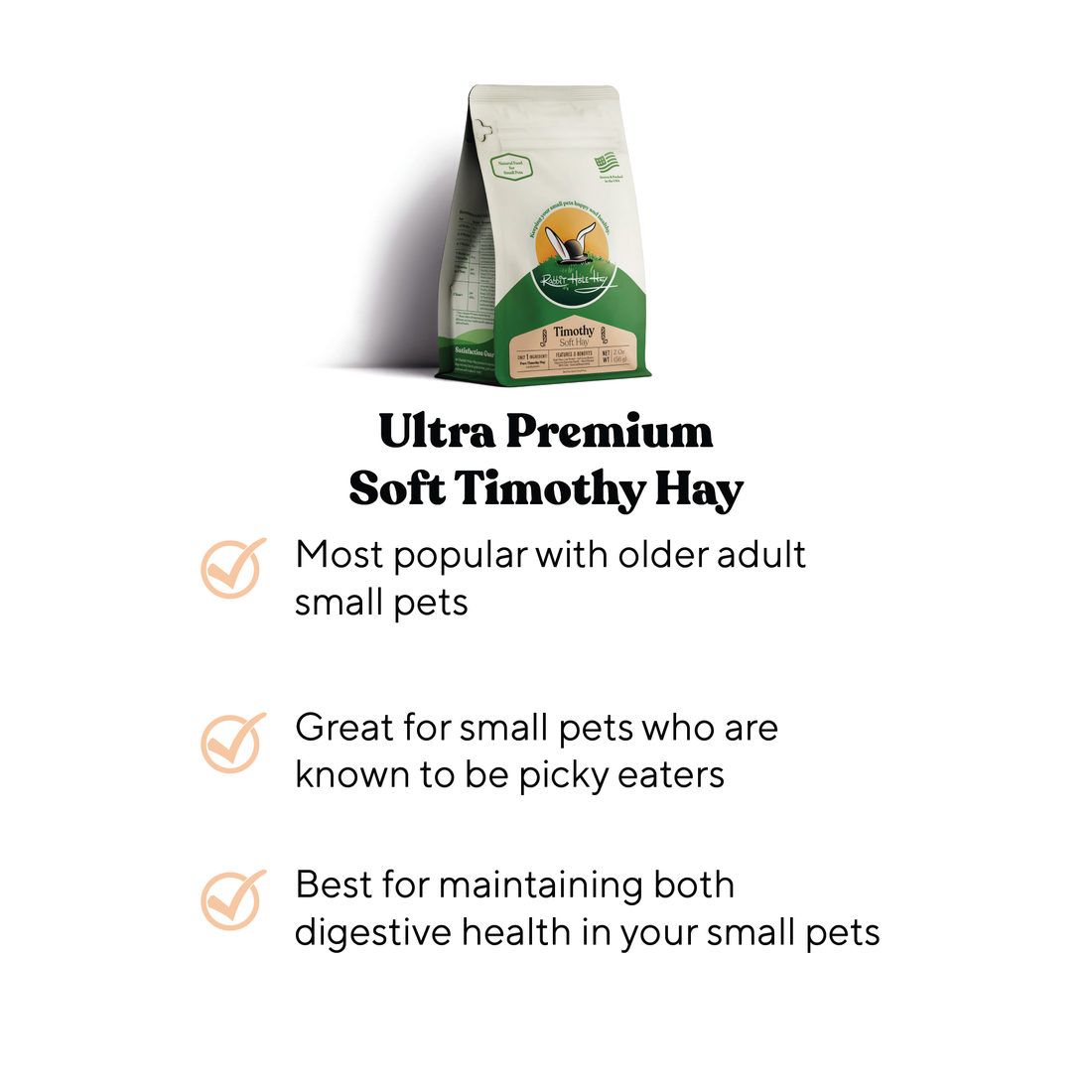

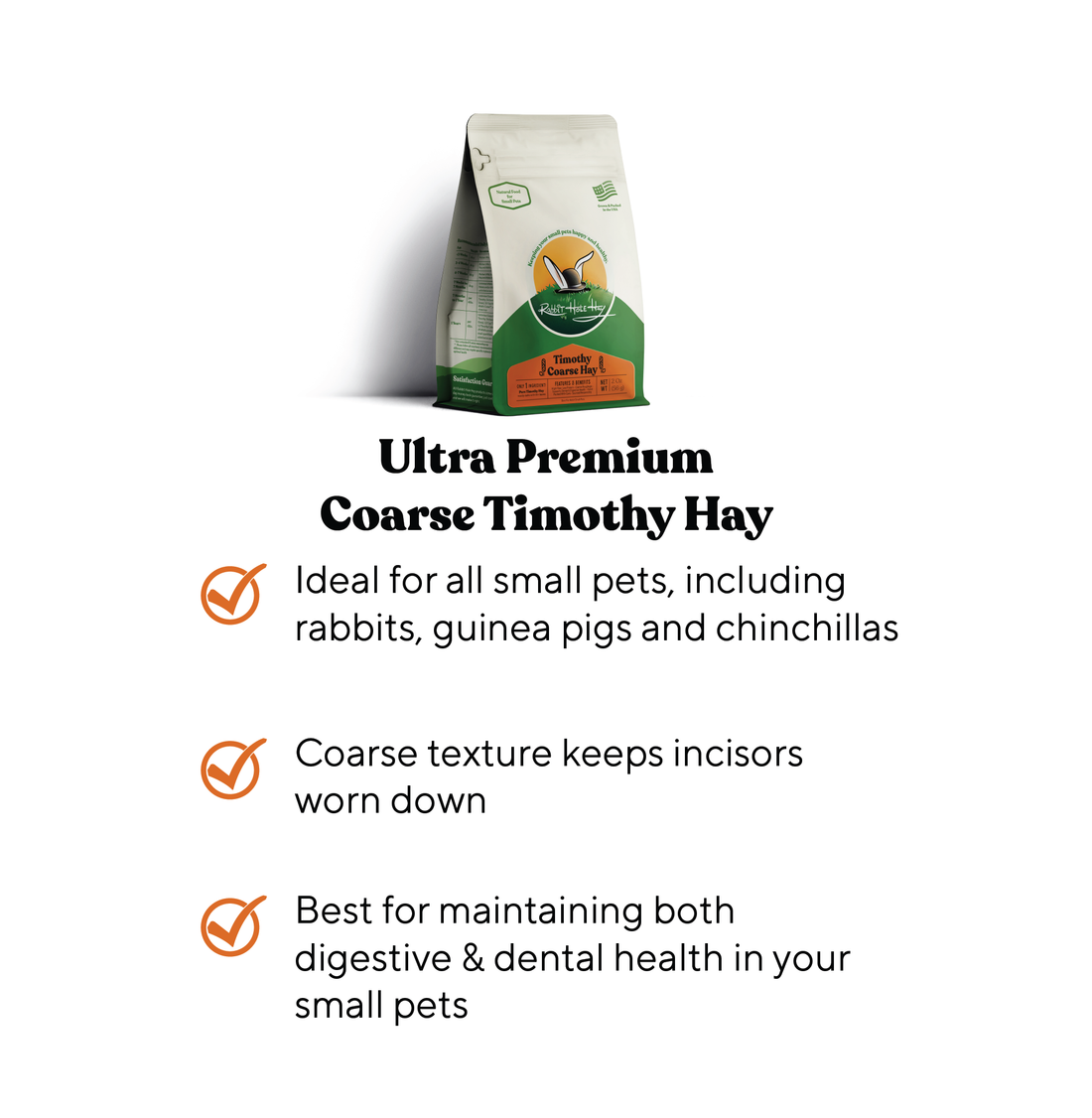

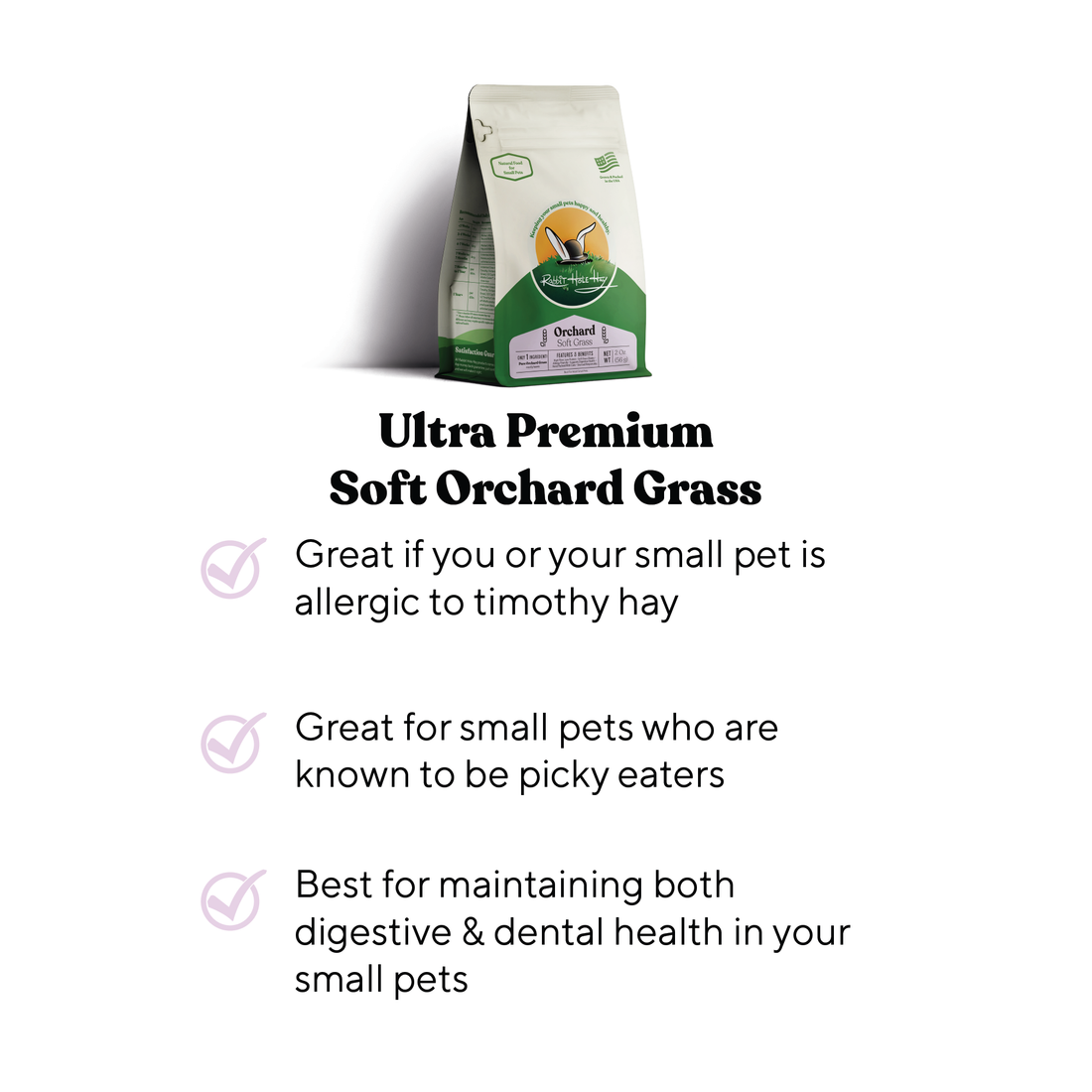






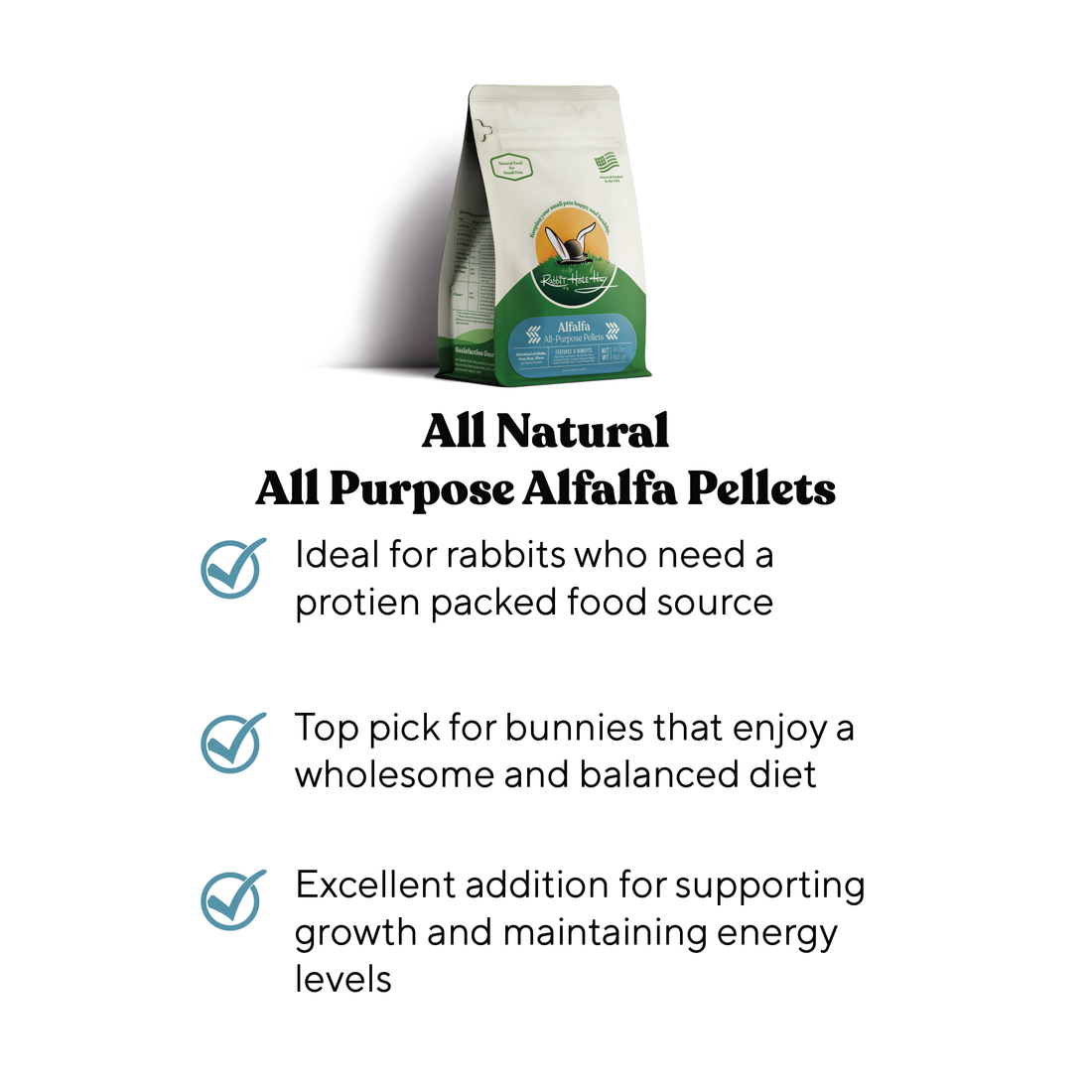

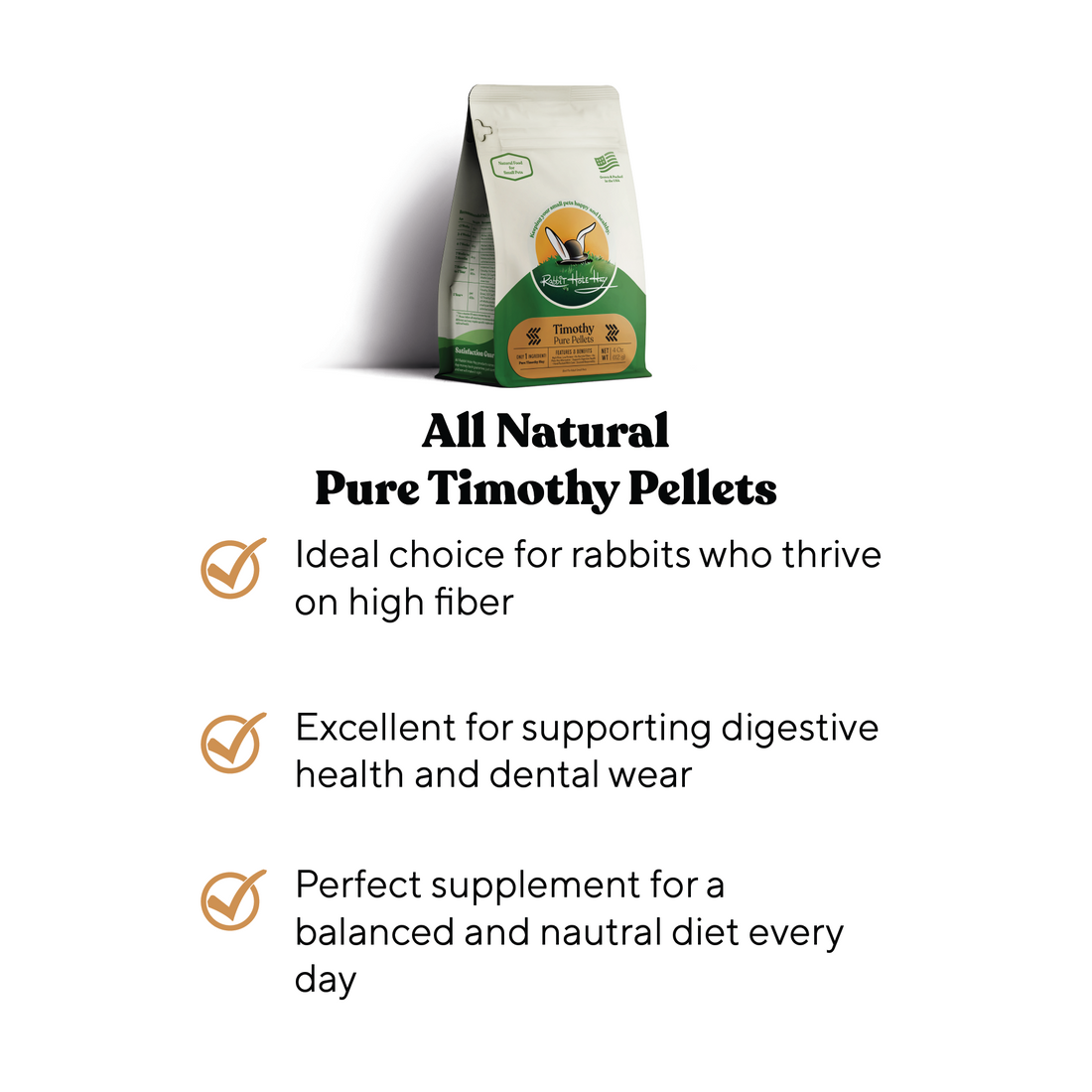

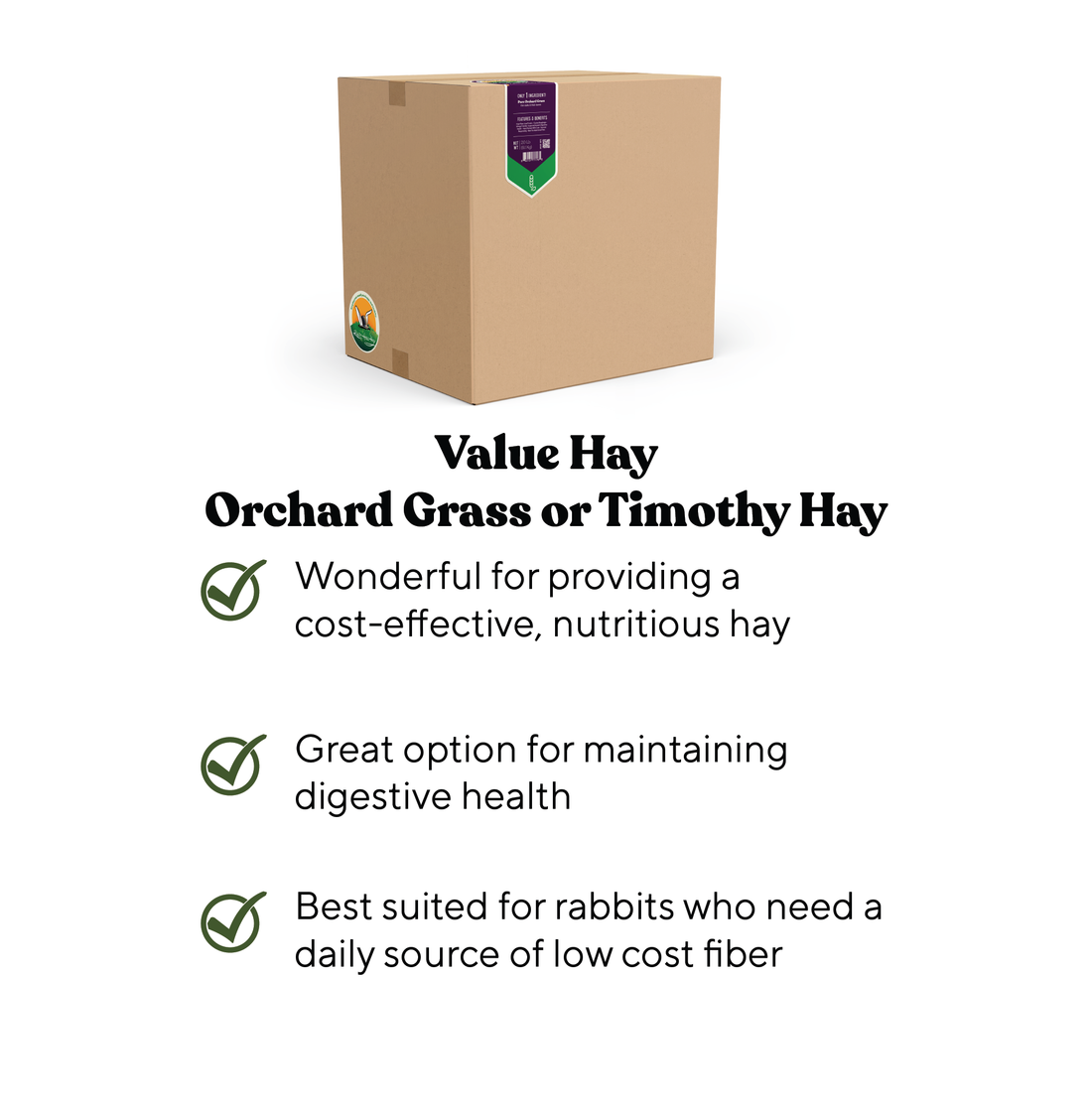

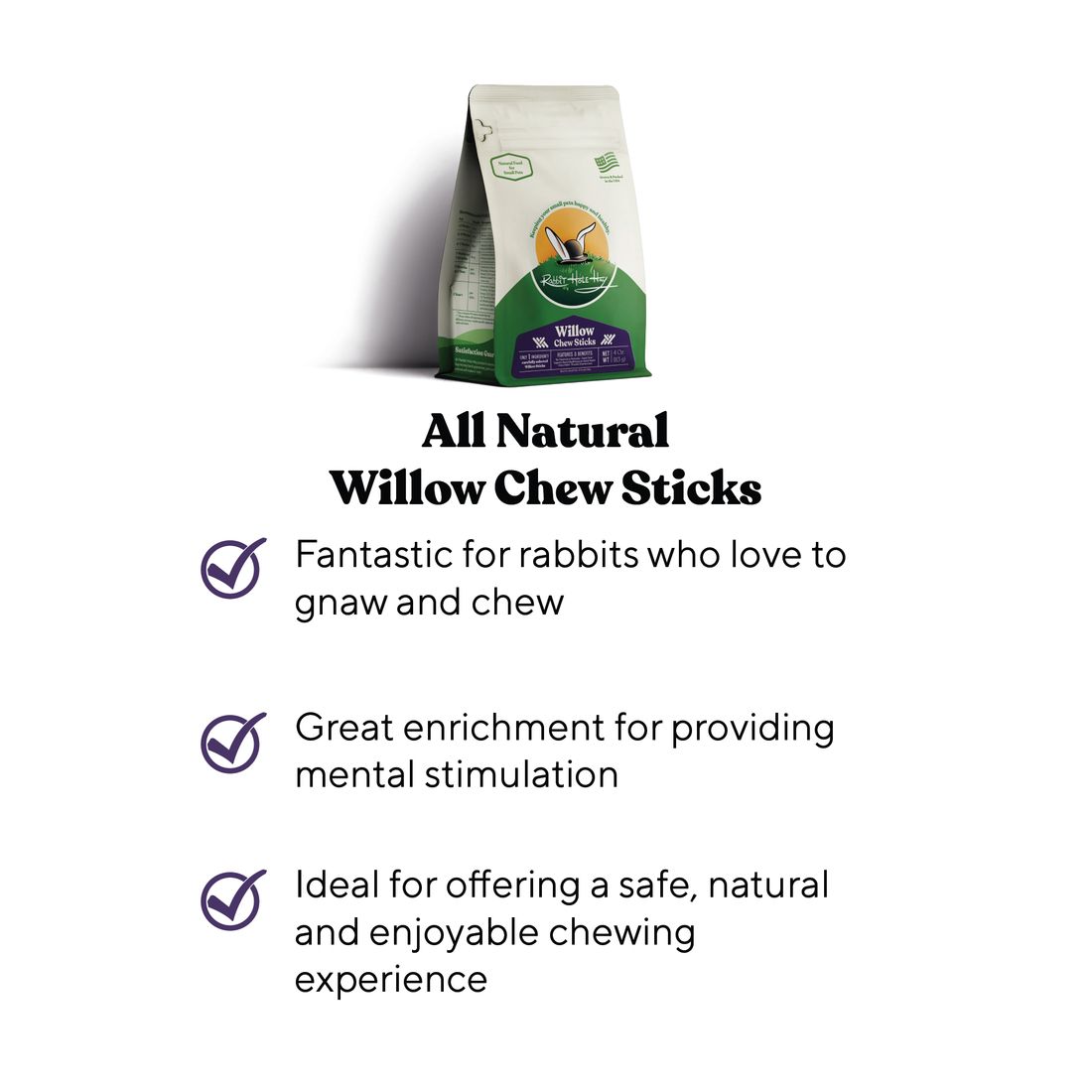

































No—Timothy is not always better than alfalfa for every rabbit. Alfalfa is the right call for growing kits and many nursing does because it carries extra protein and calcium. Most healthy adult rabbits do better on grass hay like Timothy, orchard grass, or meadow hay: lots of fiber, fewer calories, and less calcium than legume hay. Feed the wrong type at the wrong age and you can see weight gain, bladder sludge, or a rabbit who fills up on pellets because the hay pile does not match what they need.
If you are standing in the hay aisle wondering whether you picked the "best" bag, you are not overthinking it—life stage matters more than brand loyalty. Hay is the engine; alfalfa and Timothy are just different fuel grades for different miles on the odometer. We will walk through when alfalfa wins, how hay should change as your rabbit grows, which grass varieties fit adults (including seniors), and when diet trouble means a same-day vet call. For the wider hay-first picture, start with our guide to the best rabbit hay for everyday health.

When Is Alfalfa the Better Hay Choice?
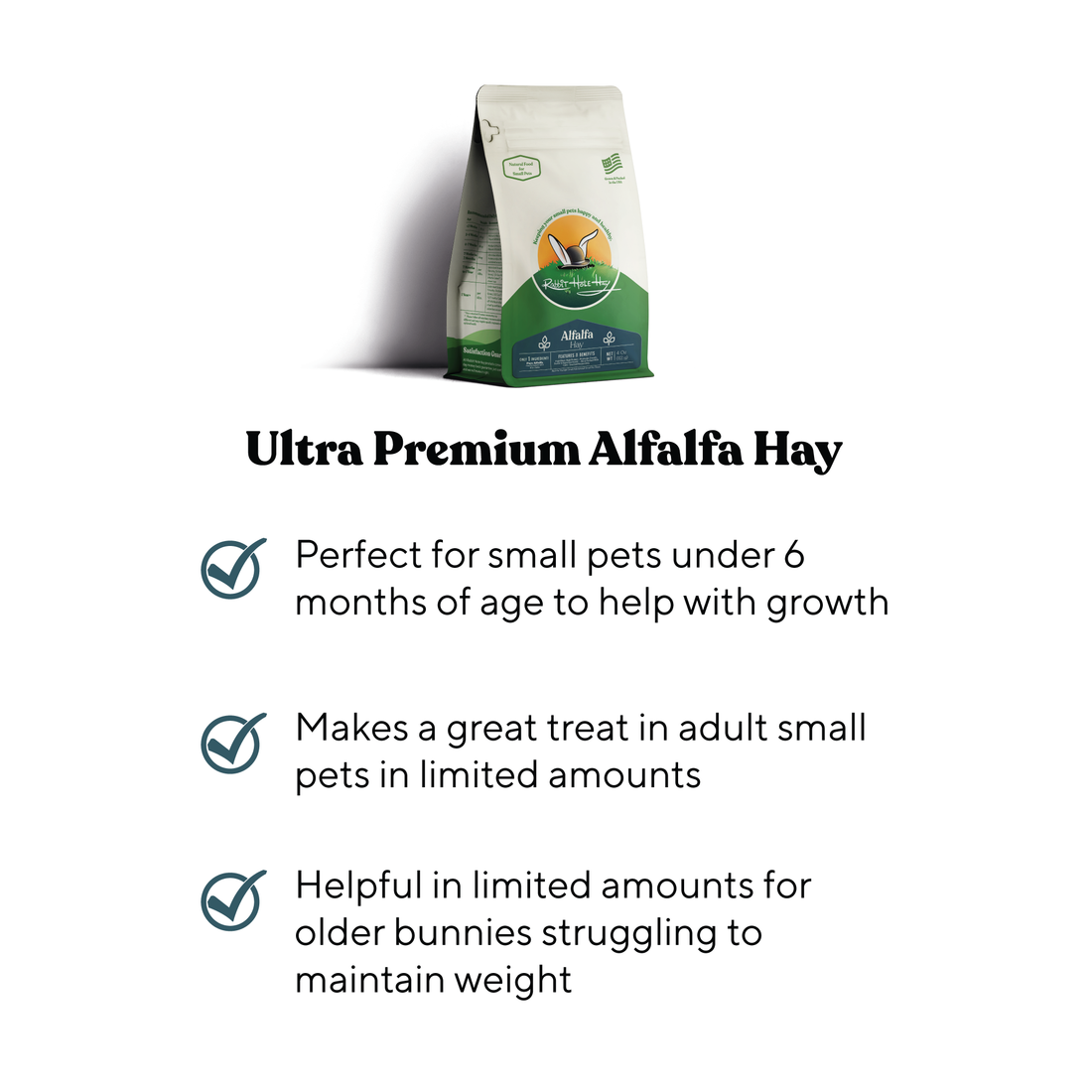
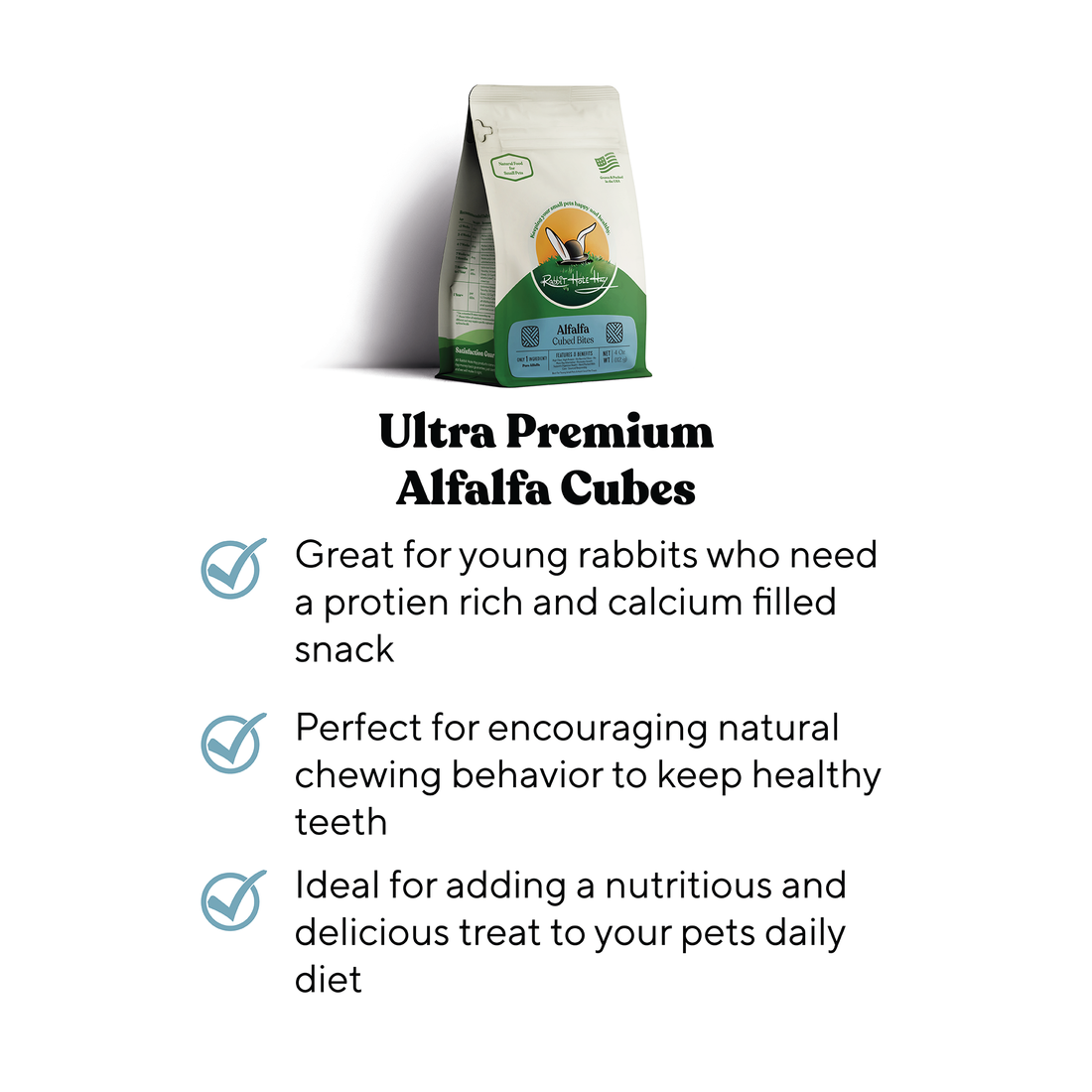
Alfalfa hay is a legume, not a grass. That means more protein and calcium than Timothy or orchard grass—exactly what a fast-growing baby rabbit or a nursing mother often needs from about three weeks through roughly seven months.
Underweight seniors or rabbits recovering from illness sometimes benefit from limited alfalfa too, but only with your vet in the loop. For a healthy adult on unlimited alfalfa, the extra nutrients become a liability: obesity, bladder sludge, and urinary issues show up when calcium and calories outpace what an adult gut was built to process.
Think of alfalfa like a growth formula—not the long-term staple for most grown rabbits. Once your bunny is past the growth window, grass hay should carry the daily load.
How Should Hay Choices Change as a Rabbit Grows From Young to Adult?
The big swap happens around seven months. While your rabbit is still growing, alfalfa (or alfalfa-based pellets) supports bone and muscle development. After that, shift the rack toward grass hay and trim alfalfa to occasional treats—if you offer it at all.
Rabbits notice texture and smell, so do not cold-turkey the bag. Mix 75% old hay with 25% new for a week, then tilt the ratio until alfalfa is gone from the daily pile. Our age-based hay transition guide walks through timing, pellet adjustments, and what "done growing" looks like in the litter box and on the scale.
During the switch, watch droppings and water intake. Smaller or misshapen poops, or a sudden pellet-only streak, mean slow down—not because you failed, but because rabbit guts hate surprise menu changes. Call your vet if it does not improve within a day.
What Grass Hay Varieties Work for Adult Rabbits?
Timothy is the familiar default, but it is not the only grass hay on the menu. Cuts and species change mouthfeel more than they change the "hay is the engine" rule.
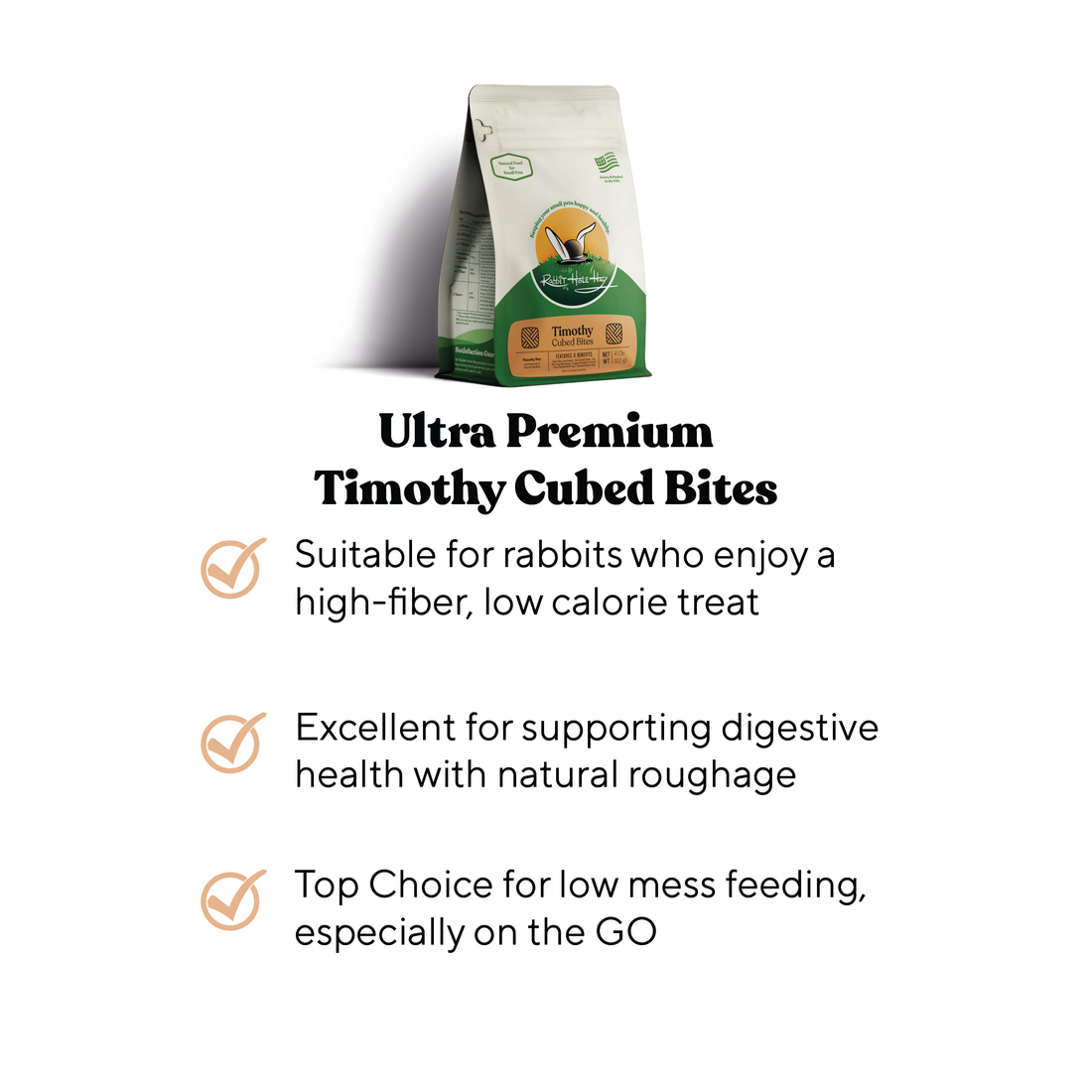
First-cut Timothy: coarser stems and seed heads—strong dental workout, sometimes too firm for picky chewers.
Second-cut Timothy: a middle texture many adults settle on as their everyday hay.
Third-cut Timothy: soft and leafy—often wins over picky eaters but should not be the only fiber source.
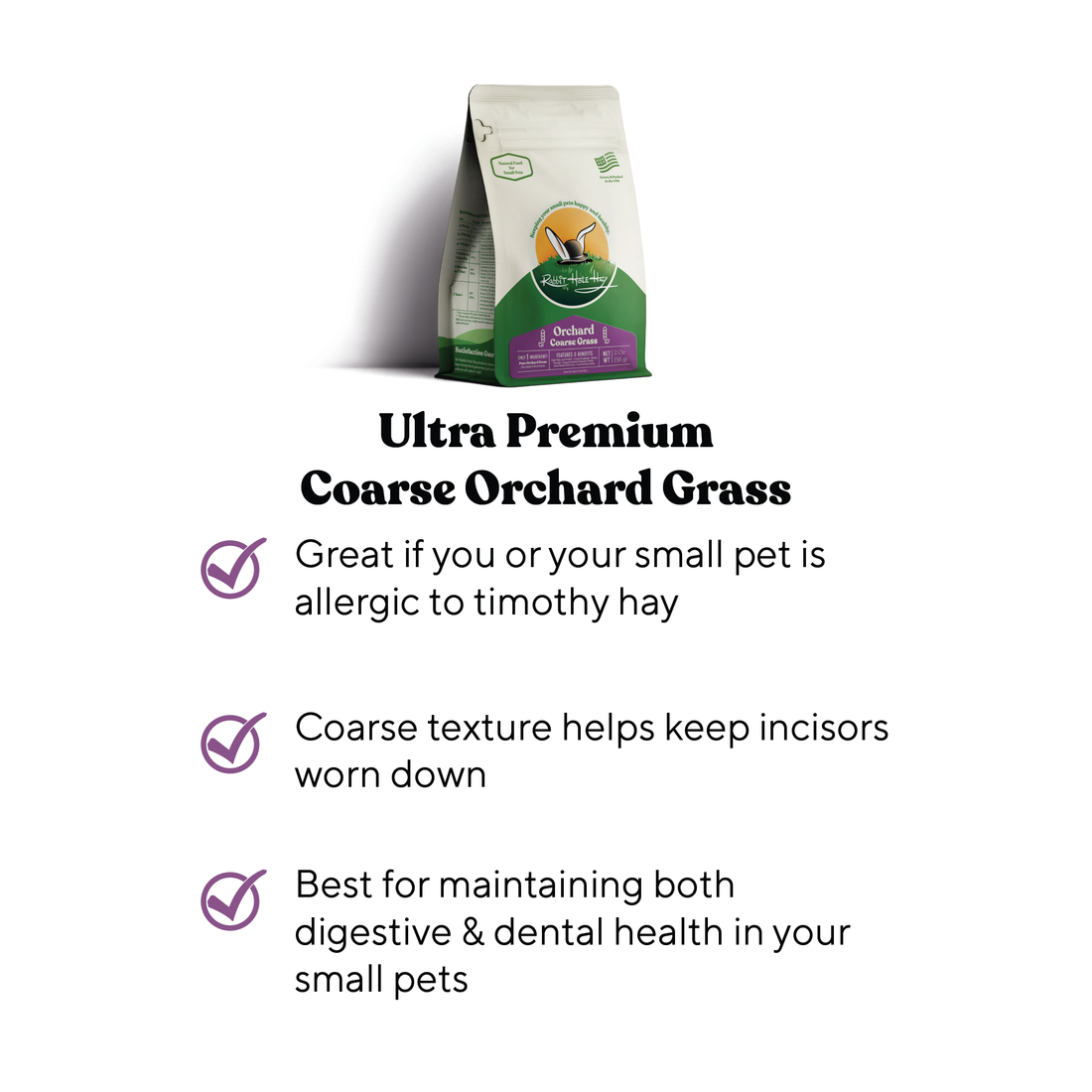
Orchard grass: sweet smell, gentler on sensitive noses—useful when Timothy dust triggers sneezing.
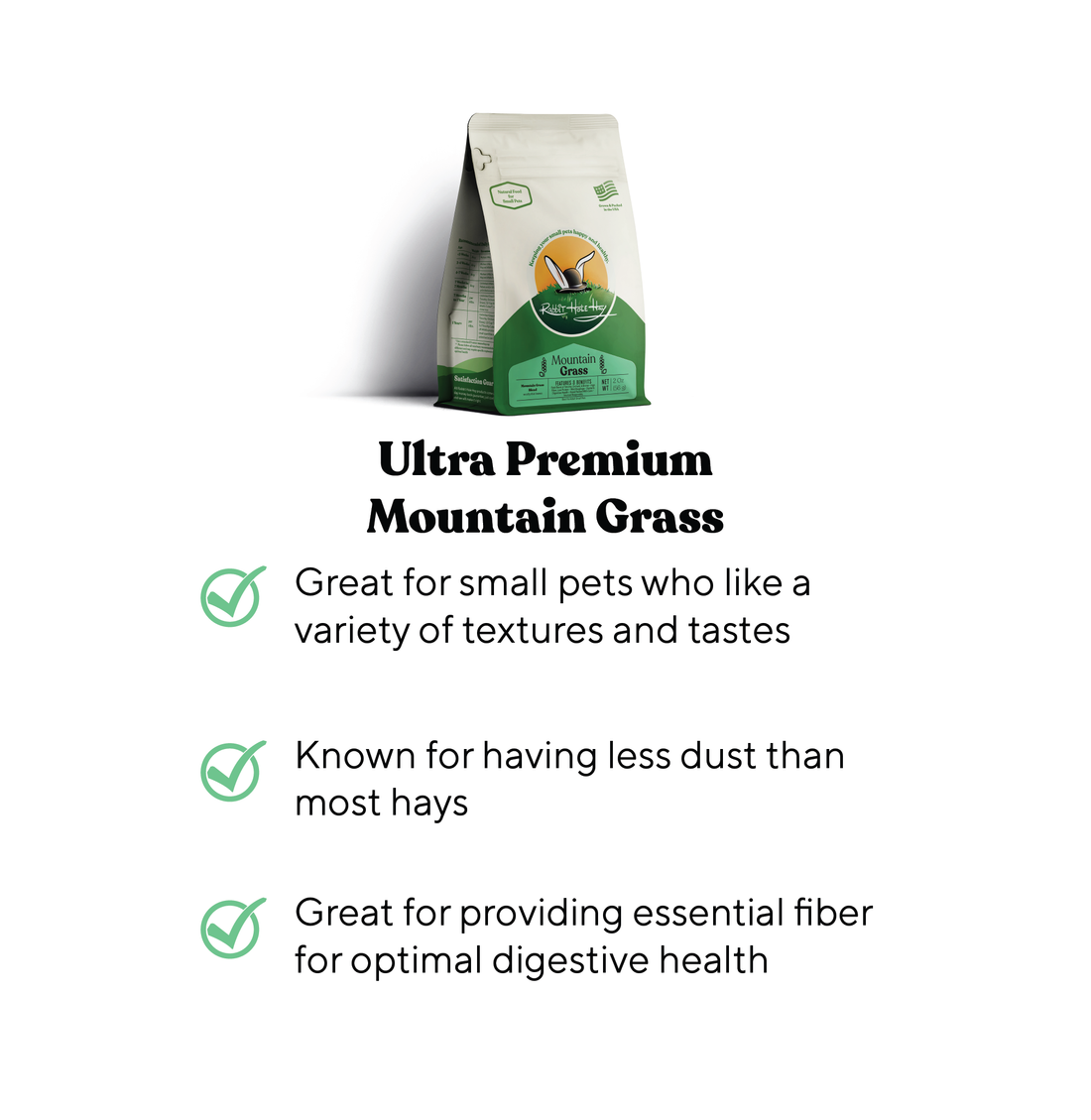
Meadow hay: mixed grasses (sometimes wildflowers)—variety is nice; quality varies bag to bag.
Senior rabbits with worn teeth may prefer softer cuts like third-cut Timothy or soft orchard grass, while adults who need more grind might do better on coarse Timothy or coarse orchard. Deeper senior feeding notes live in our senior rabbit hay guide.

What If My Rabbit Seems Allergic to Hay?
True hay allergies are uncommon. Sneezing, watery eyes, or itchy skin around the face often trace back to dust, mold, ammonia from a dirty litter box, cedar or pine bedding, or an infection like snuffles—not the hay species itself.
Before you blame the Timothy, try:
Switching from first cut to second cut (fewer seed heads, less dust)
Fluffing and discarding the dust at the bottom of the bag
Improving ventilation and litter box hygiene
Removing aromatic wood shavings from the habitat
If symptoms persist, My House Rabbit notes that orchard grass is a common next step. Coarse orchard grass still offers chewing resistance; soft orchard suits rabbits with dental sensitivity but less grind.
No improvement after a clean swap and environment check? Book a rabbit-savvy vet—dental pain and respiratory infections mimic "hay allergy" surprisingly often.
Why Should I Skip Muesli-Style Rabbit Mixes?
Colorful muesli mixes look fun, but rabbits usually eat the sugary bits and leave the fiber. The RSPCA warns that grains, corn, peas, and sweet pellets in those blends are too starchy and too low in fiber for everyday feeding.
That selective eating leads to imbalanced nutrition, soft stools, and dental trouble—the opposite of what unlimited grass hay delivers. If you are still on muesli, transition slowly toward hay-first eating with a plain timothy-based pellet and a handful of leafy greens. Major diet changes deserve a vet chat when your rabbit has a sensitive gut or ongoing health issues.
Can a Rabbit Eat Too Much Grass Hay?
Short answer: no. Unlimited grass hay is the goal—not a treat you ration. A healthy adult should graze through a pile roughly the size of their body every day. Hay is light and bulky, so the volume looks dramatic; that is normal.

Fiber keeps the gut moving. When motion slows, you risk GI stasis—a life-threatening shutdown where rabbits stop eating, drink less, and produce few or no droppings. House Rabbit Society's diet overview puts the everyday split at about 80% hay, 10% greens, 5% pellets, with treats as the small remainder.
"Unlimited" still means the right type: grass hay for adults, not alfalfa. Match cut to teeth—seniors on soft hay, eager chewers on coarser stems—so the pile they ignore is not simply too hard to chew.
When Should I Call the Vet About Hay or Diet?
Diet problems escalate fast in rabbits. Do not wait out a "picky day" when you also see:
Sudden refusal to eat or drink
No poop for more than 12 hours
Teeth grinding (pain signal)
Lethargy, wobbly gait, or collapse
Bloody urine or straining in the litter box
Jurassic Vets groups these as same-day emergencies. Poor fiber intake, dental spurs, and bladder issues all sit on the same timeline—you are not being dramatic by calling.
Between crises, track hay intake and droppings size. A quiet rack plus shrinking poops is early warning, not personality.
How Do I Transition My Rabbit to a New Hay?
Rabbits are creatures of habit. Whether you are swapping life-stage hay or troubleshooting allergies, patience beats a hard switch.
Mix new and old hay for one to two weeks, starting around 25% new and increasing gradually.
Offer the new hay in the litter box or a second rack so they can sniff without committing.
Warm a small handful slightly to boost aroma—helpful for soft cuts.
Scatter hay in treat balls or cardboard tubes if the rack alone bores them.
Still refusing? Try a different cut before you declare them anti-hay. Leafy third cut and stemmy first cut are different products to a rabbit nose.
How Should I Store Hay So It Stays Fresh?
Stale, musty hay gets ignored even when the type is perfect. Storage is part of nutrition.
Use breathable containers—sealed plastic traps moisture and invites mold.
Keep hay cool, dry, and out of direct sun.
Fluff bales or boxes so leaves are not compressed flat.
Inspect bulk storage for pests if you buy large quantities.
When a rabbit suddenly snubs hay they used to love, check the bag before you blame pickiness. Our hay freshness guide covers humidity, rotation, and when to compost a bad batch.
How Much Hay Should a Rabbit Eat Each Day?
Fill the rack and refill it. Adults should always have grass hay available—24/7 grazing is the point. If the pile sits untouched while pellets disappear, shrink the pellet portion until hay intake climbs again.
Hay is not just food; it is tooth maintenance and gut insurance in one chew. When grass hay leads and alfalfa stays in the growth-stage lane, you cover the biggest daily nutrition job without turning dinner into a spreadsheet.
Still mapping varieties to your rabbit's age and teeth? The free Hay Is for Rabbits guide matches cuts and types to life stage—useful when you are rotating between Timothy and orchard for the first time.
 Not all hay is created equal. Timothy and Alfalfa Hay both serve an important role in your rabbit's diet, but whether one is better than the other depends entirely on your rabbit's age, health, and nutritional needs. The right hay provides essential fiber, supports digestion, and keeps teeth in good shape. The wrong hay—or feeding the right hay at the wrong time—can lead to weight gain, discomfort, and more serious health concerns.
Click Here For a Guide to Understanding Your Rabbits Diet.
That’s why understanding rabbit hay varieties is key. Knowing when to offer Alfalfa, when to transition to Timothy, and what to do if allergies arise can make all the difference in your bunny's health.
Let's walk through the types of hay, when to feed them, and some common signs your rabbit's hay isn't working for them.
When Alfalfa Hay is Best
Alfalfa Hay is perfect for young bunnies—specifically those between 3 weeks and 7 months old. It's rich in calcium and protein, which helps with healthy growth and development during those early months. It's also great for nursing mothers who need the extra nutrients to recover and produce milk, and for older rabbits who are struggling to maintain weight.
But here's the thing—Alfalfa is a legume, not a grass hay. That means it's far more nutrient-dense than what an adult rabbit needs. Too much Alfalfa after 7 months of age can lead to obesity, bladder sludge, and other issues from the excess calcium and protein. As a result, once your rabbit hits 7 months, it's time to switch to a grass hay like Timothy or Orchard Grass.
If your rabbit's already an adult, save Alfalfa as an occasional treat. Think of it like a milkshake—okay once in a while, but definitely not an everyday meal.
Understanding Rabbit Hay Varieties
Choosing the right hay isn't just about picking between Timothy and Alfalfa. There's a wide range of rabbit hay varieties, each with its own texture, nutritional value, and best use. Here's a breakdown of the most common types:
First Cut Timothy Hay: Coarser with more stems and seed heads. Great for dental health, but can be too firm for some rabbits.
Second Cut Timothy Hay: A balanced choice—softer than first cut but still has enough fiber to support digestion and teeth.
Third Cut Timothy Hay: Very soft, leafy, and low in fiber. Often preferred by picky eaters or older rabbits with dental issues, but not ideal as the sole hay source.
Orchard Grass: Soft and sweet-smelling. Easier on sensitive systems and a great option for hay-allergic rabbits.
Meadow Hay: A mix of grasses and sometimes wildflowers. Offers variety, but quality can be inconsistent.
Alfalfa Hay: High in protein and calcium. Perfect for young or nursing rabbits, but too rich for adults.
Each of these rabbit hay varieties serves a specific purpose. Some are better suited for growing bunnies, while others cater to seniors or picky eaters. It's important to pick the right match for your rabbit's age, health, and eating habits.
What If My Rabbit Has Hay Allergies?
It's not common, but some rabbits do show signs of allergies to specific types of hay. Sneezing, watery eyes, or skin irritation might suggest your rabbit is reacting to their hay—but it's not always the hay itself. Sometimes, it's the dust, mold, or even something in the environment, such as wood shavings or poor ventilation.
Here are a few other culprits to rule out before blaming the hay:
High ammonia levels from urine buildup in the litter box
Dusty, low-quality hay
Wood shavings used as bedding (especially cedar or pine)
Snuffles (a bacterial infection), dental problems, or other health conditions
If your rabbit seems to be reacting to hay, try switching from First Cut to Second Cut Timothy Hay. My House Rabbit points out that Second Cut has fewer seed heads and is less dusty, making it a gentler choice.
Still no improvement? You may need to try something different altogether. Coarse Orchard Grass supports both dental and digestive health, while Soft Orchard Grass is perfect for rabbits with dental sensitivity but doesn't offer as much chewing resistance.
If you switch hays and your rabbit's symptoms don't improve, it's time to talk to your vet. They can help rule out infections or underlying health issues and offer a personalized feeding plan.
Why Muesli is a No-Go
Muesli-style rabbit foods might look colorful and exciting, but they're not doing your rabbit any favors. According to the RSPCA, these mixes often include grains, corn, peas, and sugary pellets—none of which belong in a rabbit's everyday diet. These ingredients are too starchy and low in fiber, which can cause digestive issues and dental problems.
The worst part? Rabbits often pick out the tasty bits and ignore the healthier ones, resulting in an imbalanced diet. If you're currently feeding muesli, transition your rabbit slowly to a diet centered around hay—ideally a mix from the rabbit hay varieties we've already discussed—along with a handful of leafy greens and a small number of plain pellets.
As always, check in with your vet before making major diet changes, especially if your rabbit has a sensitive stomach or ongoing health concerns.
Is Too Much Hay a Problem?
Short answer: no. Rabbits can't have too much grass hay. In fact, they need to eat a lot of it—around their body size in hay every day. It's the one part of their diet that should never be limited.
Fiber keeps your rabbit's digestive system moving. Without it, food slows down in the gut and can lead to a life-threatening condition called GI Stasis. This is where the digestive system essentially shuts down, causing your rabbit to stop eating or drinking. Symptoms include small or no fecal pellets, lethargy, and bloating.
GI Stasis is preventable. You can reduce the risk by offering an unlimited supply of high-fiber grass hay, like Timothy Hay or Orchard Grass, while avoiding sugary treats and fatty foods. Your rabbit's diet should be about 80% hay, 10% leafy greens, and 5% pellets, with the rest as occasional treats.
Still, hay should match your rabbit's needs. Seniors might do better on softer hays, while adults with dental issues may need a coarser cut to help keep teeth worn down. Choosing the right type among the many rabbit hay varieties is essential to prevent long-term problems.
When to See the Vet About Hay or Diet Issues
It's easy to assume your rabbit is just being picky or having an off day. But when it comes to eating, drinking, or litter box habits, sudden changes are a warning sign. Diet-related issues can lead to serious consequences if ignored for too long.
Jurassic Vets emphasizes the importance of acting quickly if your rabbit is showing any of the following:
Sudden refusal to eat or drink
No poop for more than 12 hours
Teeth grinding (a sign of pain)
Lethargy, wobbly walking, or collapsing
Urinary problems or bloody urine
These signs might be linked to poor diet, GI stasis, or dental problems caused by inadequate fiber. Either way, they mean your rabbit needs help—and fast. Make sure you're monitoring their daily intake of hay and output in the litter box. These small checks can prevent big problems.
Tips for Transitioning Between Rabbit Hay Varieties
Changing hay isn't as simple as swapping one bag for another. Rabbits are creatures of habit, and some don't take well to change—especially when it involves food. Whether you're switching due to allergies, age, or a new preferred cut, the key is patience.
Here's how to ease the process:
Mix the new hay with the old: Start with 75% old hay and 25% new hay. Gradually adjust the ratio over 1-2 weeks.
Use the new hay as bedding: Some rabbits are more willing to try hay they can sniff and explore first.
Warm it up slightly: This can boost the aroma, especially in softer cuts like Third Cut Timothy or Soft Orchard Grass.
Offer hay in different spots: In the litter box, hay racks, and even in treat balls to encourage curiosity.
If your rabbit still refuses to eat the new hay, revisit the texture or flavor. Some prefer leafy cuts, while others like the crunch of stems. You might have to try a few different rabbit hay varieties to find your rabbit's favorite—just like you would when introducing toys or veggies.
How to Store Hay to Keep It Fresh
Even the best hay won't help your rabbit if it's stale, musty, or moldy. Proper storage keeps your hay dry, aromatic, and full of nutrients. If your rabbit turns their nose up at hay they used to love, storage might be the problem.
Here's how to keep hay fresh:
Use breathable containers: Avoid plastic bins or sealed bags. Hay needs airflow to stay dry and prevent mold.
Store in a cool, dry area: Keep hay away from direct sunlight, heat, or damp areas like basements.
Don't compress it: Fluff the hay regularly to keep it loose and avoid smushing the delicate leaves and stems.
Check for pests: If you store large amounts of hay, inspect regularly for bugs or signs of mice.
Buying in bulk can be a great way to save money, especially if you rotate through large amounts. Just make sure you follow best practices for storage so your rabbit continues to eat hay that's fresh and safe. For more on this, check out our storage guide.
Other Considerations for Hay Selection
Not all rabbits have the same needs, and sometimes health or behavior changes can help you decide when it's time to try a new type of hay. Here are a few examples:
Dental issues: If your rabbit is being treated for malocclusion or spurs, a coarser hay like First Cut Timothy or Coarse Orchard Grass can help wear teeth down more effectively.
Senior rabbits: Older rabbits may have a harder time chewing tougher stems. A softer hay, like Third Cut Timothy or Soft Orchard Grass, is easier on aging jaws.
Overweight rabbits: Reduce calorie-dense foods and stick with high-fiber hay. Alfalfa should be removed completely.
Picky eaters: Some rabbits prefer sweeter-smelling hays. Orchard Grass is often more enticing than Timothy.
The right choice will depend on your rabbit's specific needs. Don't be afraid to rotate between rabbit hay varieties to keep things interesting while maintaining proper nutrition.
How Much Hay Should a Rabbit Eat?
A healthy adult rabbit should eat a pile of hay that's roughly the size of their body every day. That might sound like a lot, but keep in mind that hay is light and bulky. Rabbits graze constantly, so always keep hay accessible 24/7.
If your rabbit isn't eating much hay, they may be filling up on pellets or treats. To correct this, reduce the pellet portion and only offer vegetables once you see them consuming a proper amount of hay. Reestablishing hay as the primary food source is the fastest way to improve digestion, dental health, and prevent obesity.
Download Our Free Hay Guide
Still not sure which hay is best? We've put together a free resource that guides you through each variety and helps you match it to your rabbit's age, health, and personality.
Whether you're dealing with allergies, diet changes, or you're simply curious about trying something new, our Hay is for Rabbits eBook covers everything you need to know. You'll learn about each of the common rabbit hay varieties and how to keep your bunny healthy and happy through all stages of life.
Final Thoughts
When it comes to feeding your rabbit, there's no one-size-fits-all solution. While Timothy and Alfalfa Hay are some of the most popular choices, they're just two players in a larger field of options. What matters most is choosing the right type, cut, and quality of hay based on your rabbit's unique needs.
If your rabbit is young, Alfalfa is a great starter. But once they're grown, switch to a high-quality grass hay like Timothy or Orchard Grass. If they start sneezing or refuse to eat, consider switching to a different variety or consulting your veterinarian. And remember—hay isn't just food. It's the foundation of your rabbit's health.
Key Takeaways
Alfalfa Hay is best for young rabbits under 7 months, but should be limited or avoided in adults.
There are multiple rabbit hay varieties—each with different textures, nutrients, and health benefits.
Proper hay selection and storage can prevent health issues like GI Stasis and dental disease.
Always monitor your rabbit's appetite and bathroom habits. Sudden changes mean it's time to check in with your vet.




Comments