



































Prevent overgrown rabbit teeth by giving unlimited coarse hay every day, safe chew items, and annual dental checks with a rabbit-savvy vet. Rabbit teeth never stop growing—they need constant grinding. When wear falls behind growth, sharp spurs cut cheeks and tongues, eating hurts, and weight drops follow.
If your bun suddenly favors pellets over hay, drools on the chin, or eats slower than usual, dental pain is high on the suspect list—even before you can see anything wrong in the front teeth.
Below: why teeth overgrow, early pain signs, home mouth checks, prevention that actually works, and when professional trimming is the only safe option.

Why Do Rabbit Teeth Keep Growing?
Rabbits have 28 teeth that grow throughout life—incisors up front, molars in back, plus small peg teeth behind the main incisors. Wild rabbits wear them down chewing tough grasses all day. Pet rabbits only get that wear if hay—not pellets—does most of the work.
What Causes Overgrown Teeth in Pet Rabbits?
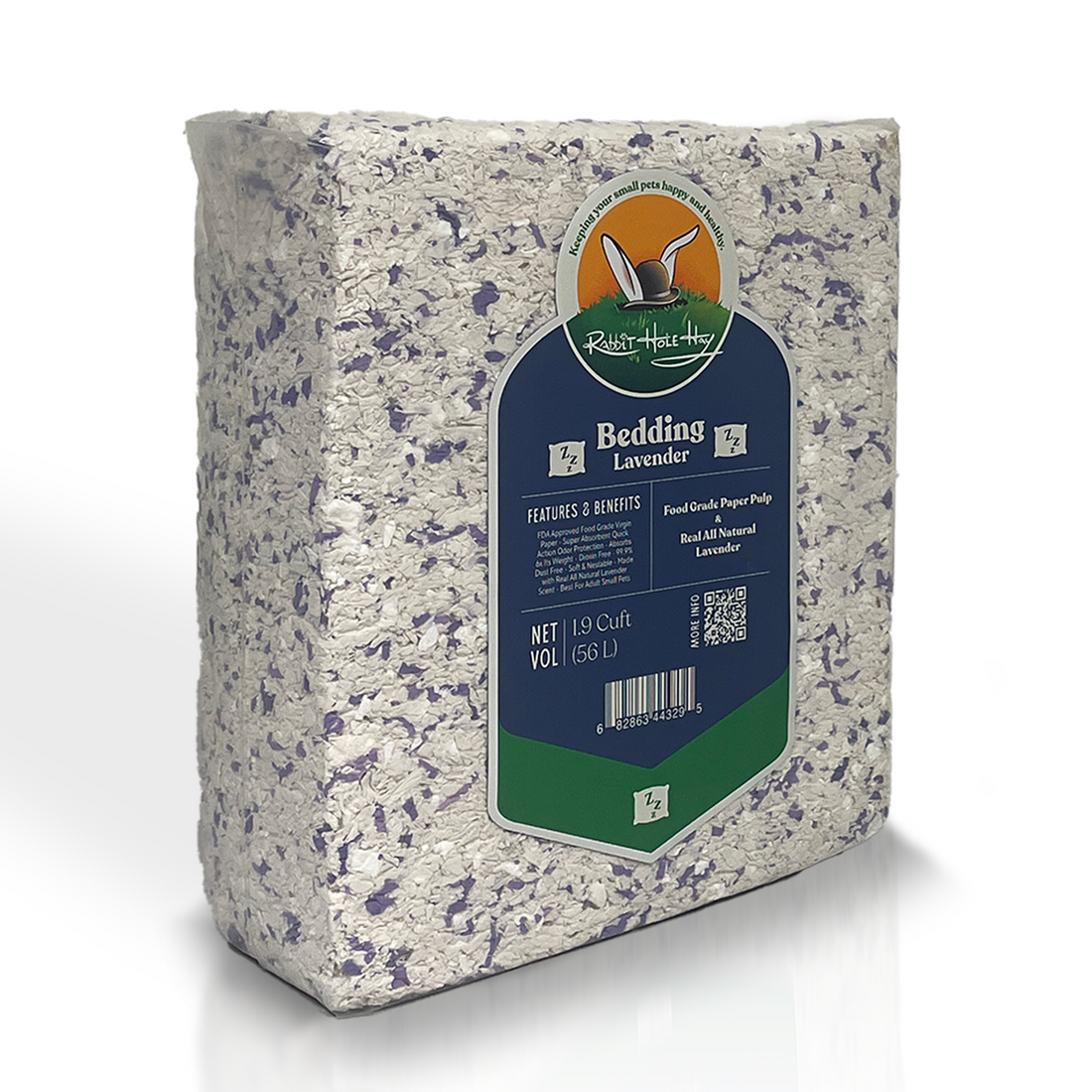
Not enough hay: Pellets crumble fast; they do not grind molars the way long-stem hay does.
Genetics and breed: Dwarf breeds and certain jaw shapes are more prone to malocclusion.
Injury: A fall or mouth trauma can knock alignment off.
Low-fiber diet: Too many pellets and treats, not enough fiber volume.
What Are Signs My Rabbit's Teeth Might Be Hurting?
Molars are the usual troublemakers—you rarely see them without proper tools. Watch behavior instead.

Picky eating: Nibbles pellets but leaves hay, or stops mid-chew.
Drooling or wet chin: Saliva soaks fur under the mouth.
Weight loss: Still visiting the bowl but shedding pounds.
Watery eyes: Overgrown roots can press tear ducts.
Grumpiness or hiding: Pain changes personality before appetite quits entirely.
Appetite loss from dental pain can spiral into GI stasis fast. If hay goes untouched for hours, treat it as urgent—not a wait-and-see. A wet chin is not dramatic owner energy—it is a same-week vet appointment.
How Can I Check My Rabbit's Teeth at Home?
You will not see molars in the bathroom mirror, but front teeth and jaw feel tell part of the story.
Wrap your rabbit securely in a towel—feet out, calm voice.
Lift the lips and look at the incisors: they should meet evenly, not hook or overlap wildly.
Feel along the jawline for lumps or swelling.
Note drool, odor, or flinching when you touch the face.
Anything unusual—book a vet dental, not a YouTube trim tutorial.

How Do I Prevent Overgrown Rabbit Teeth?
Feed Unlimited Hay
Hay should be at least 80% of the diet. Coarse, stemmy hay grinds molars better than soft, leafy batches alone.
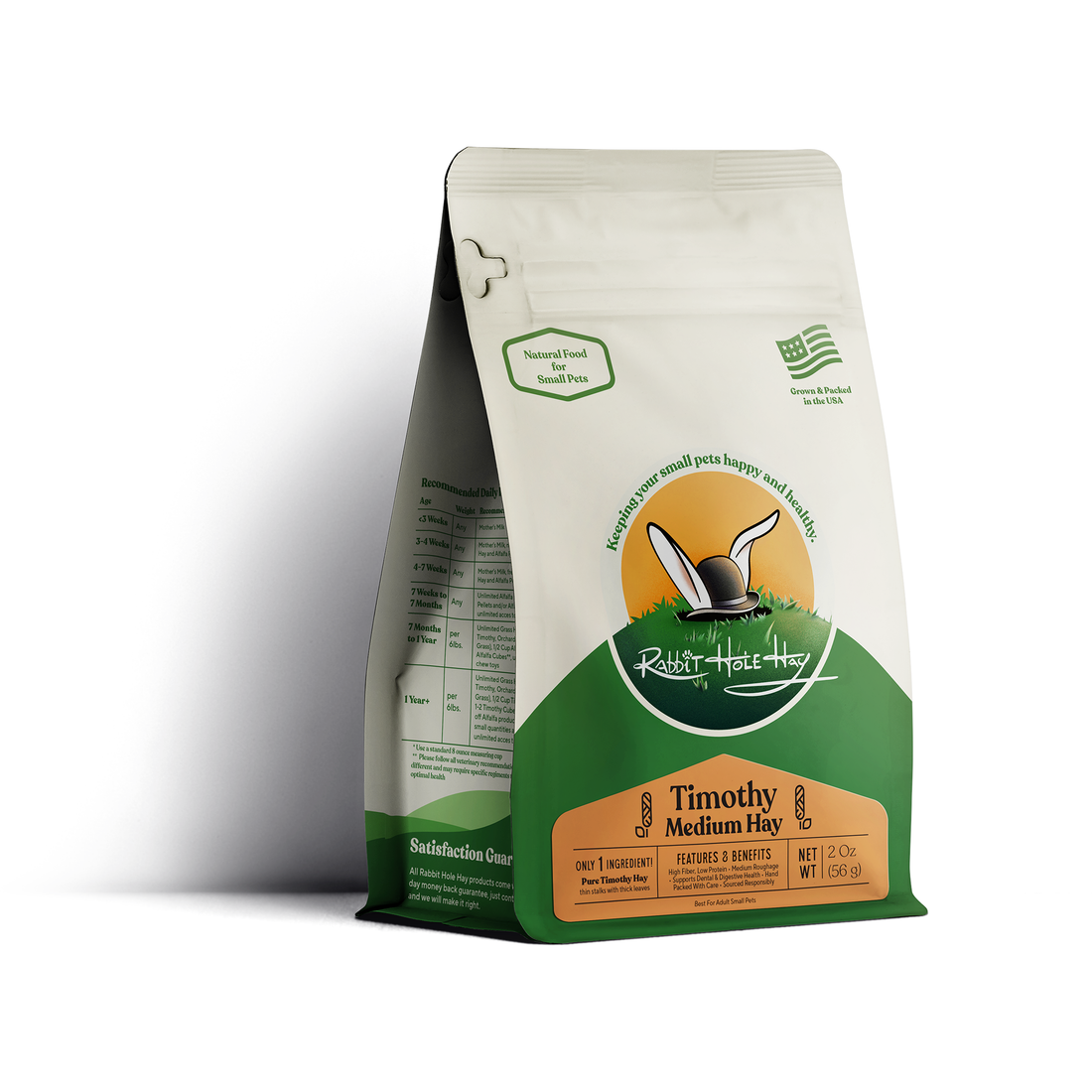
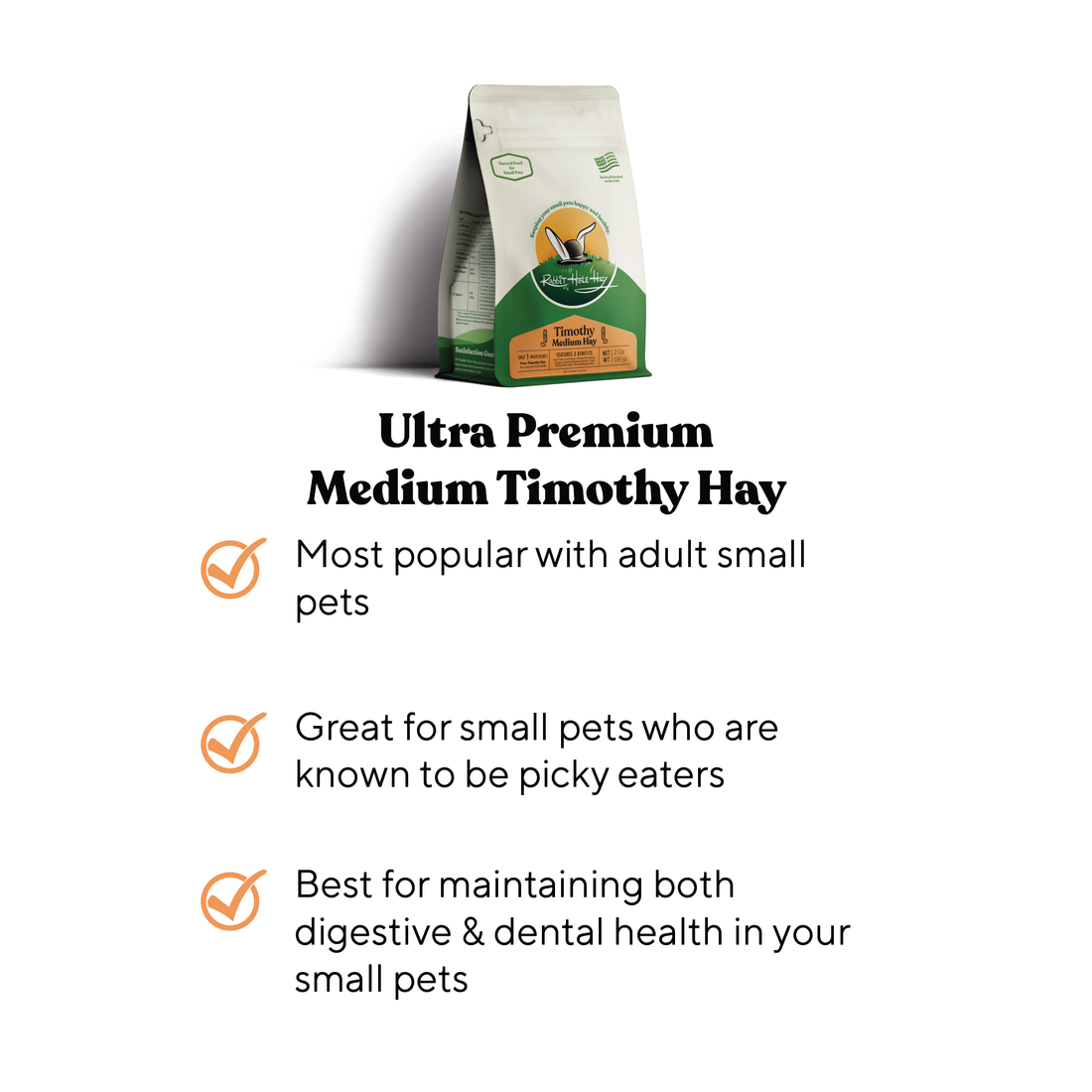
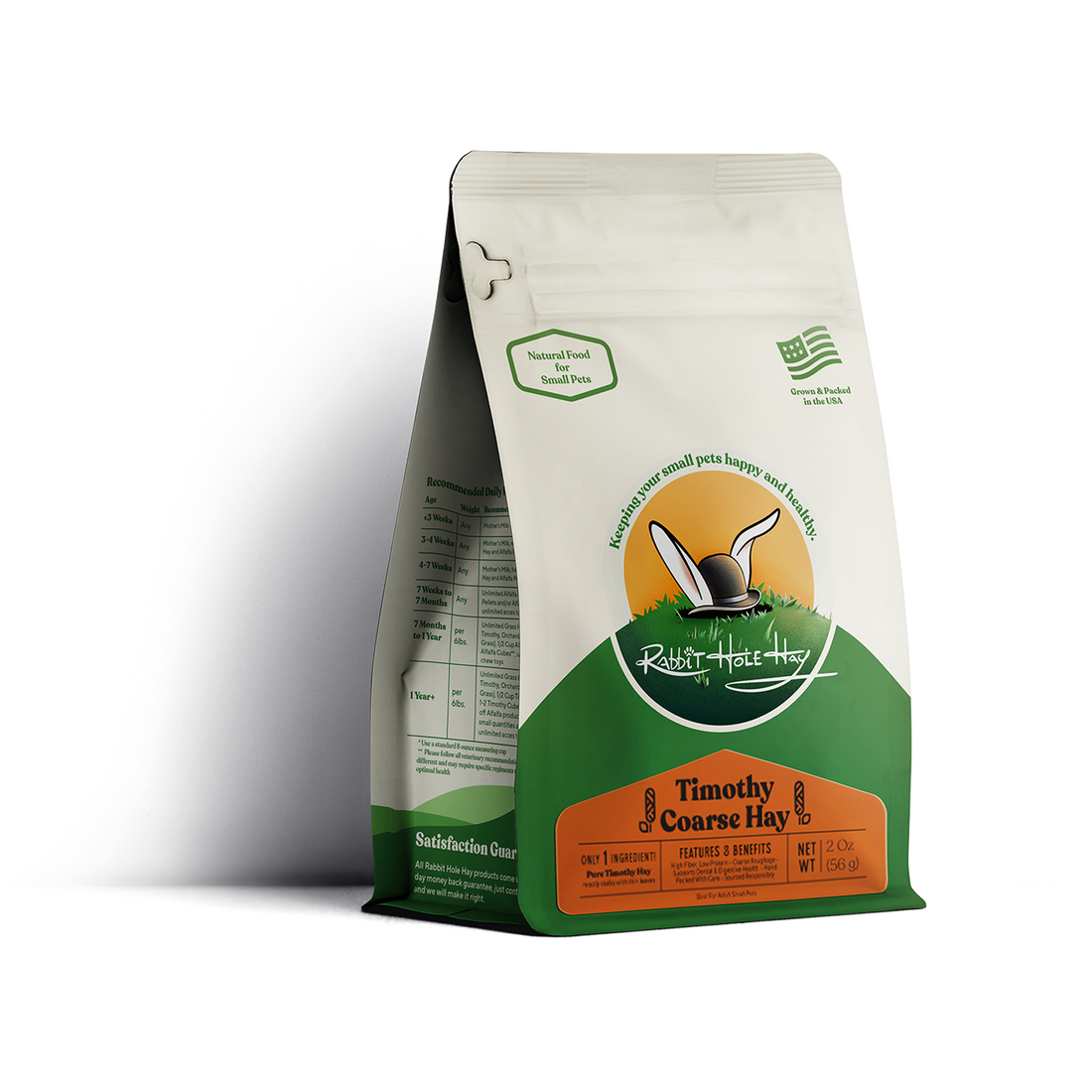
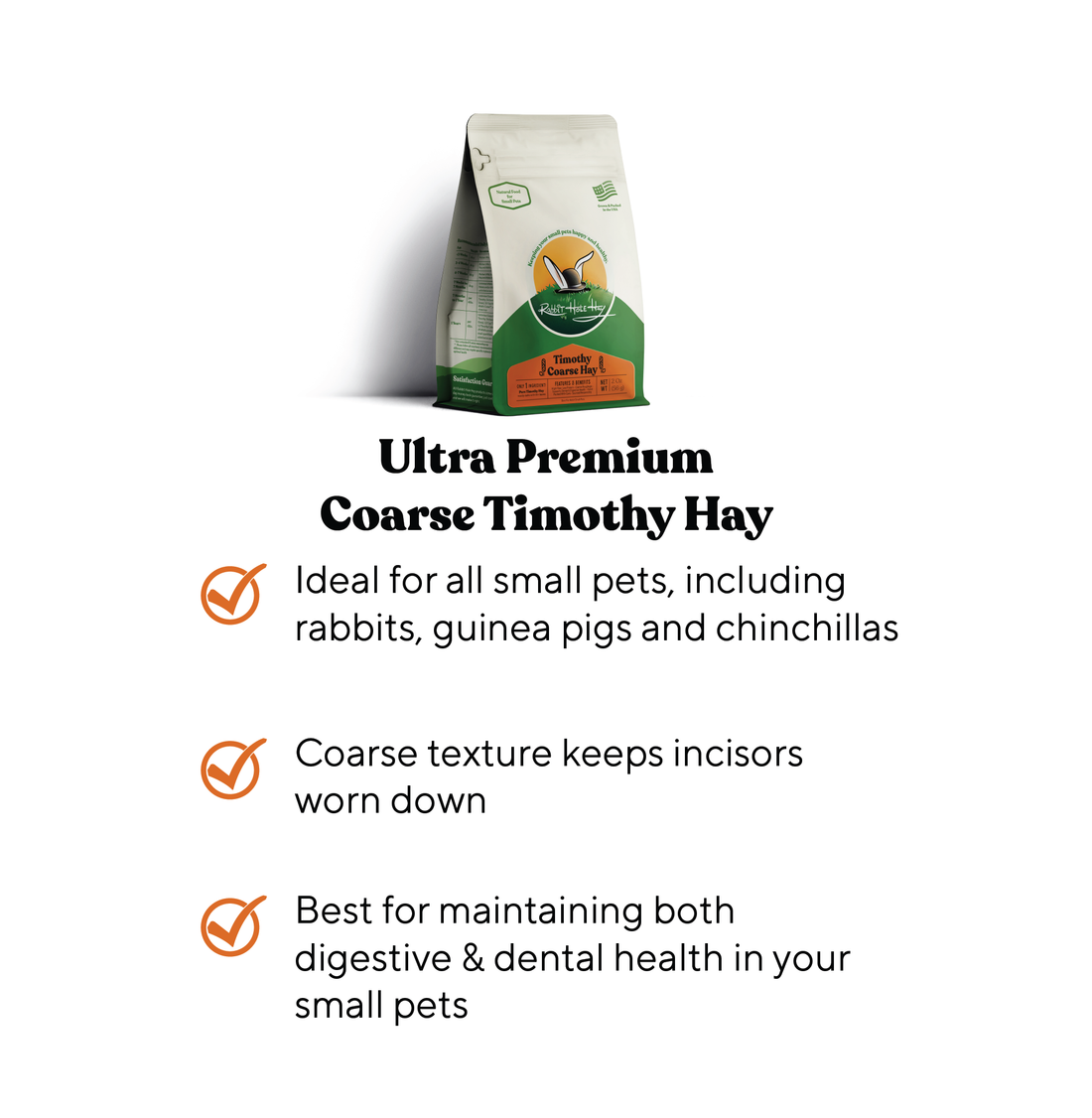
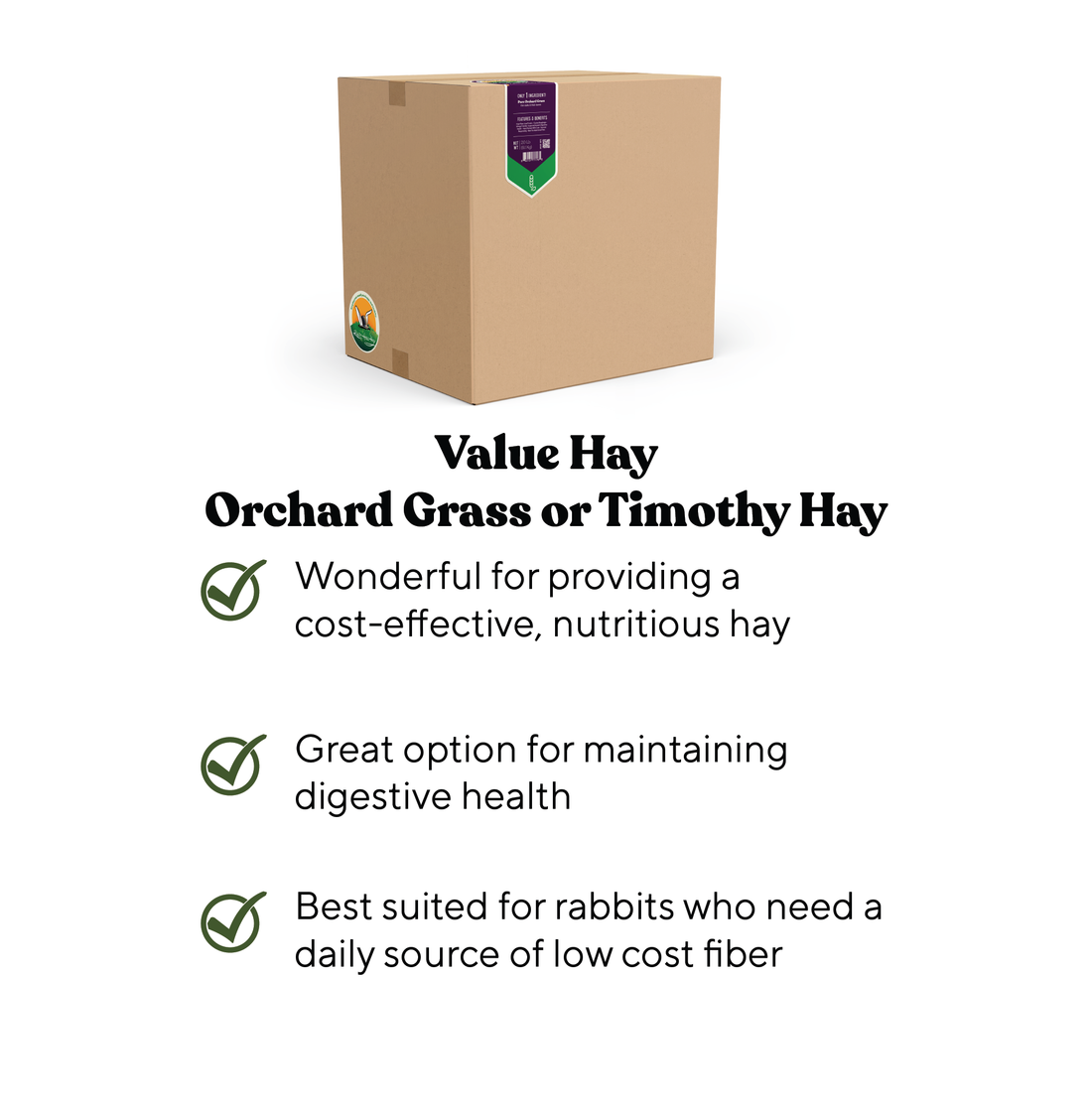
First-cut timothy hay: coarse fiber, strong wear.
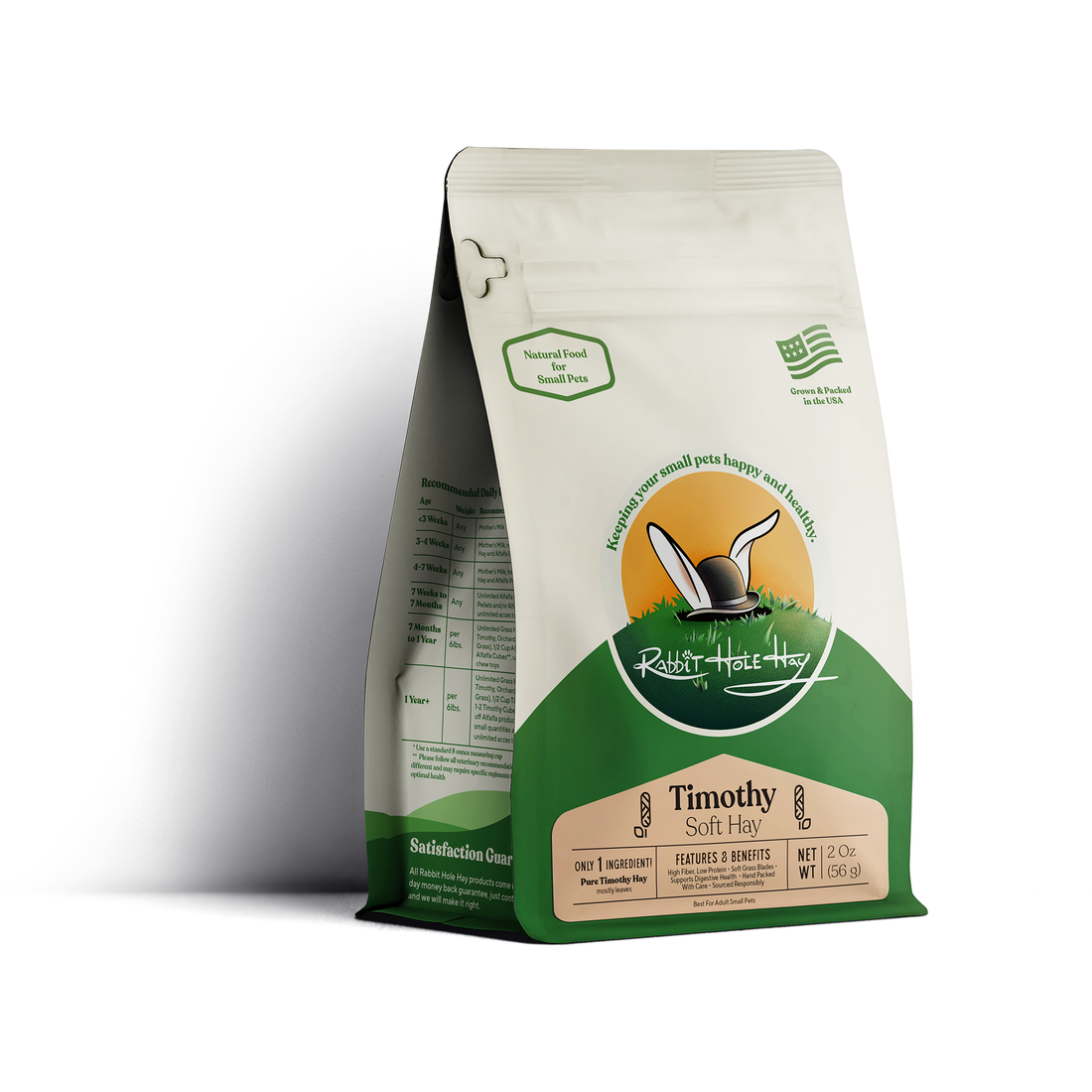
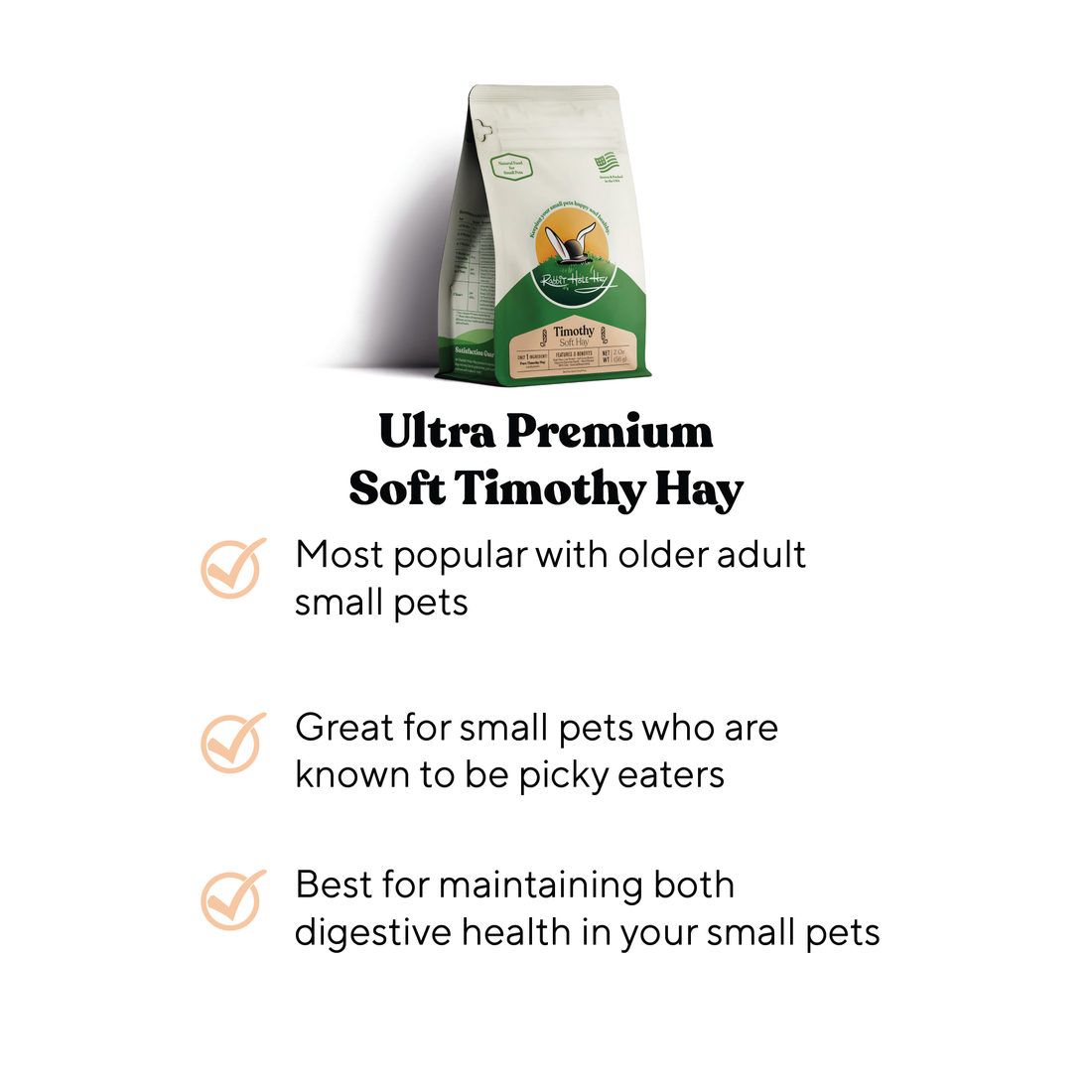
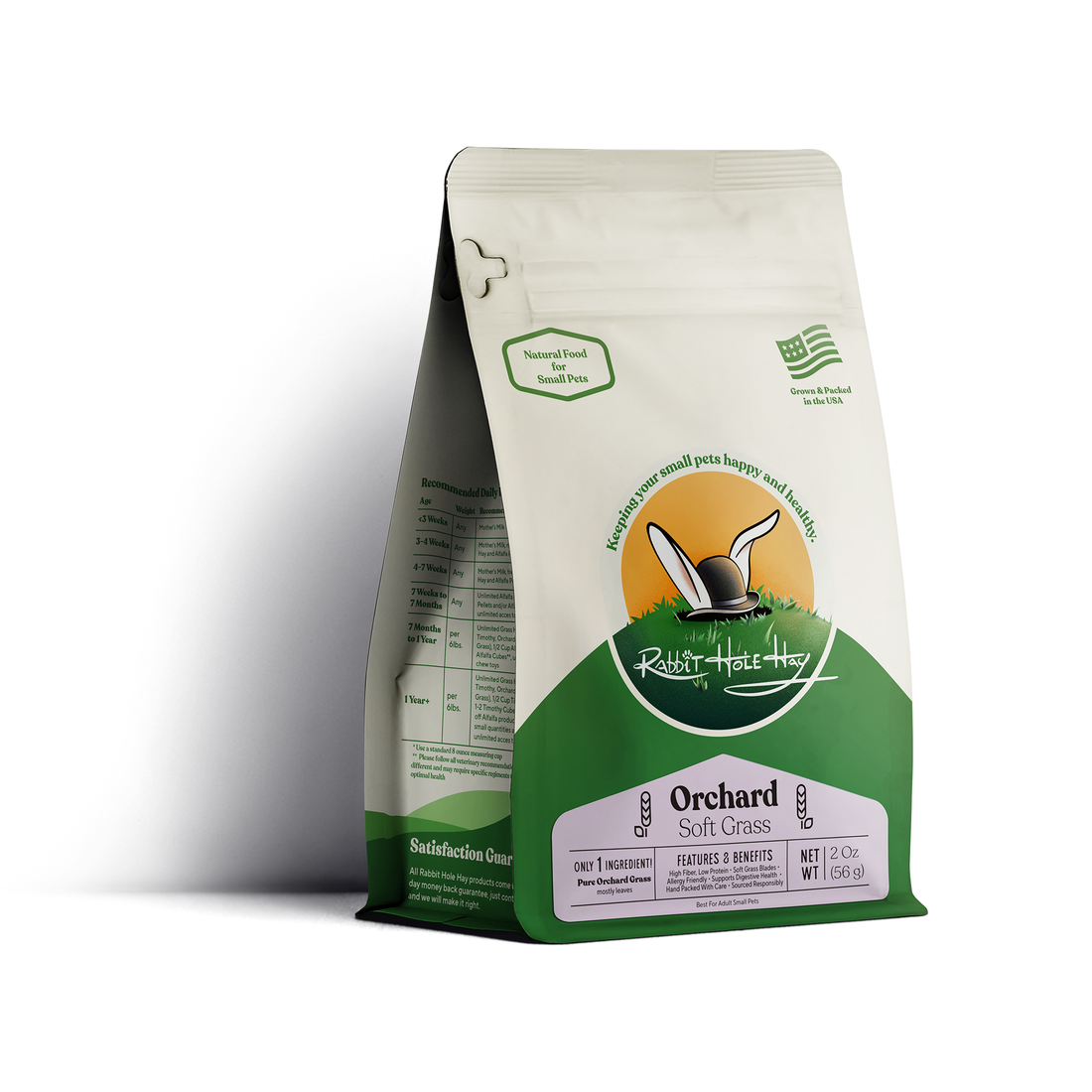
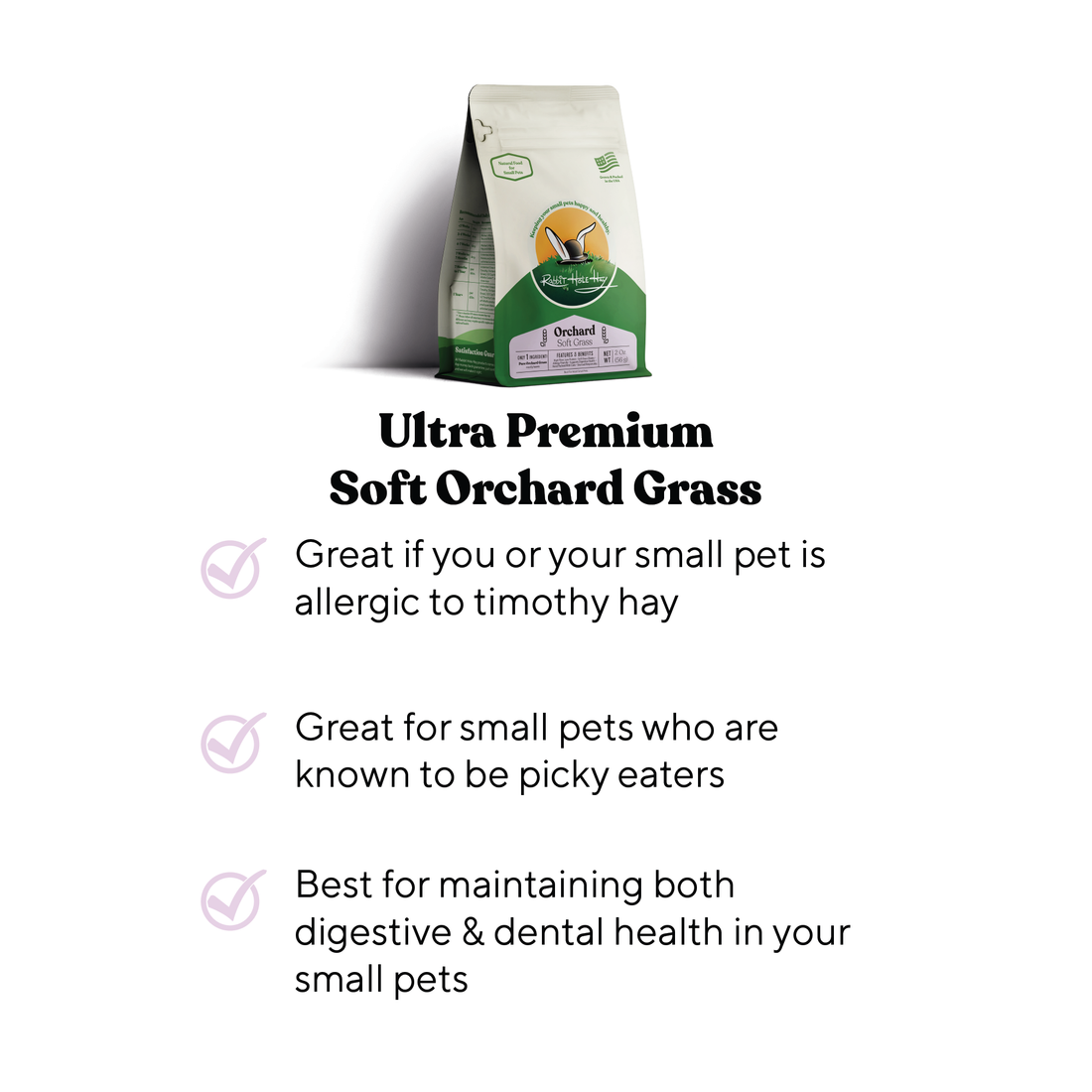
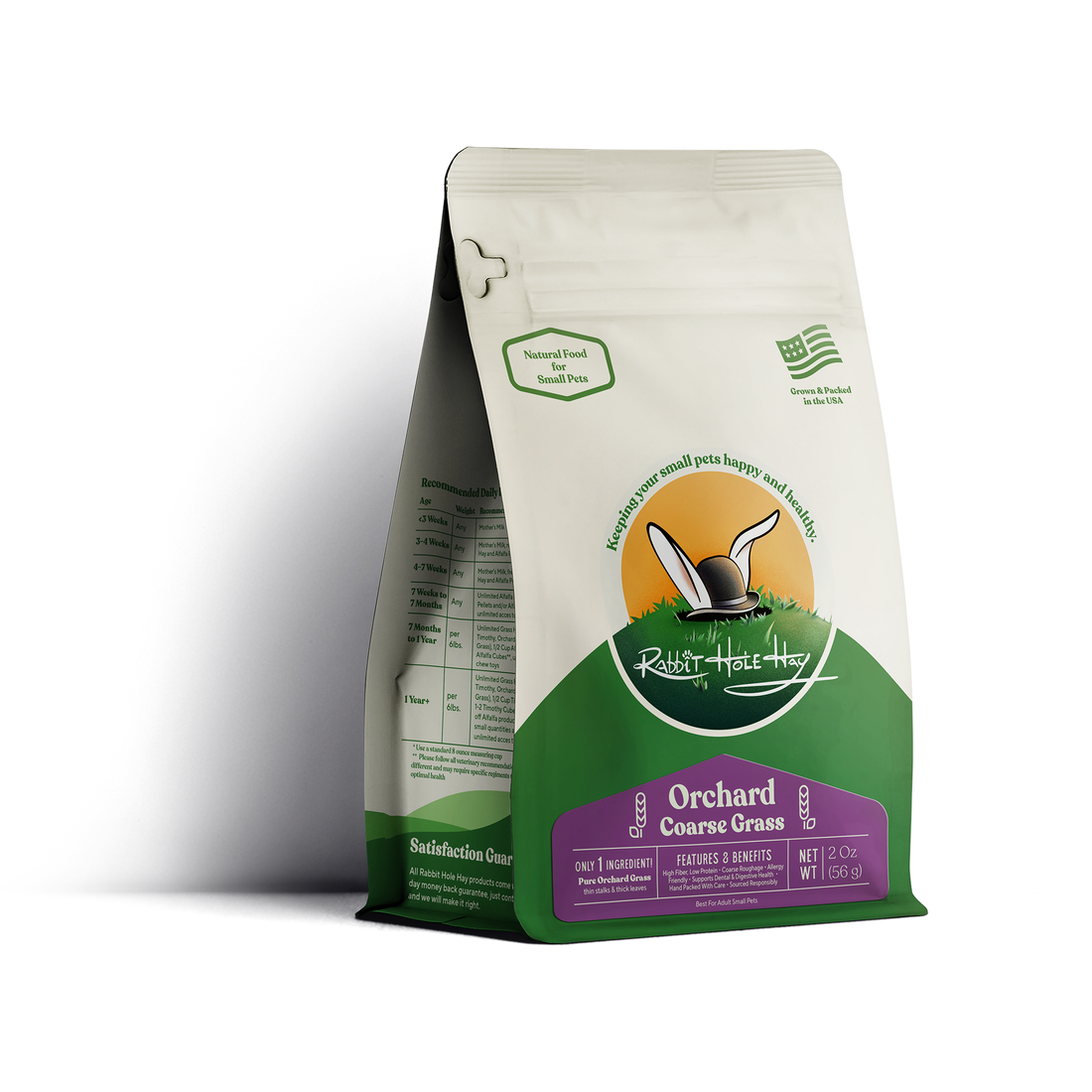
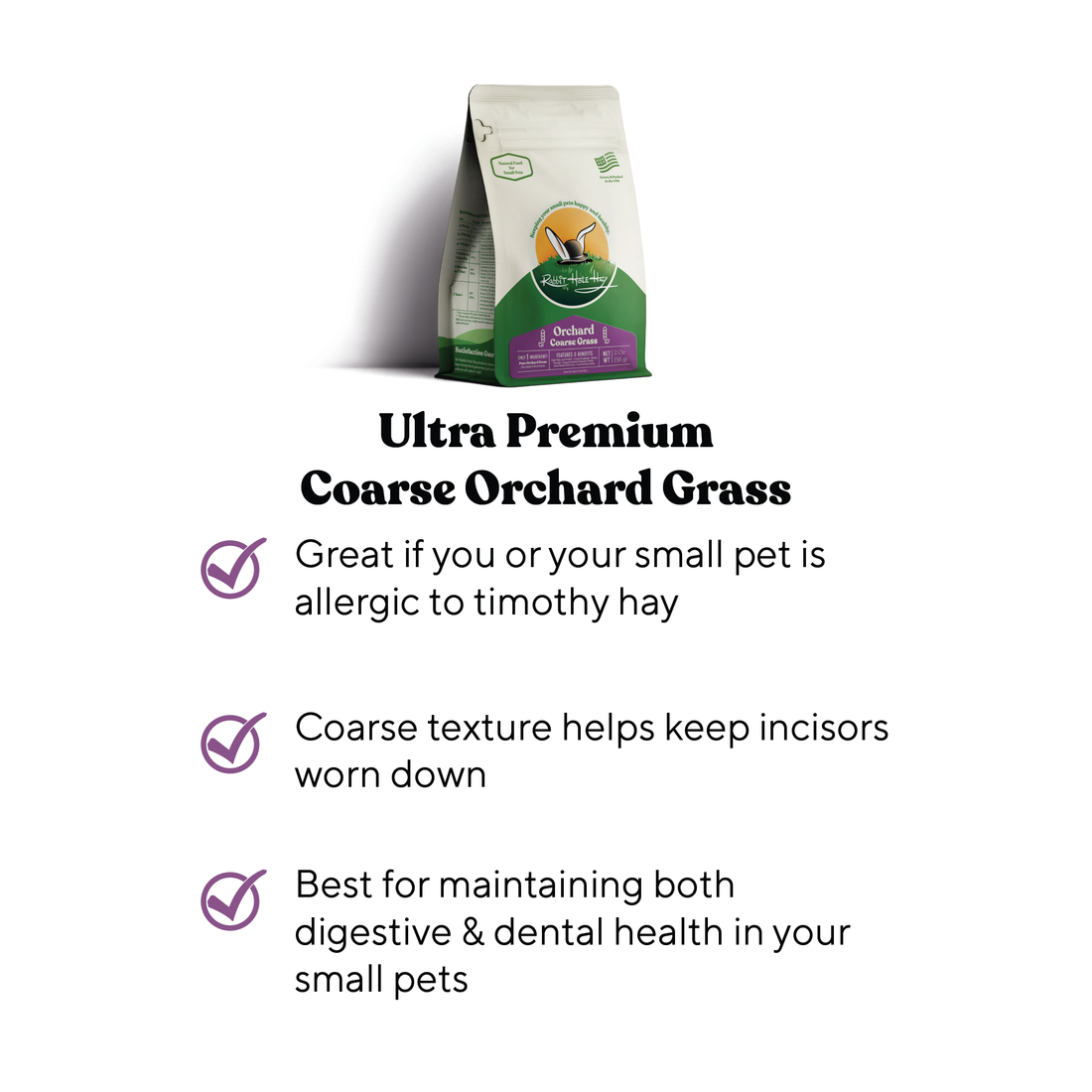
Orchard grass: softer but still useful mixed in.
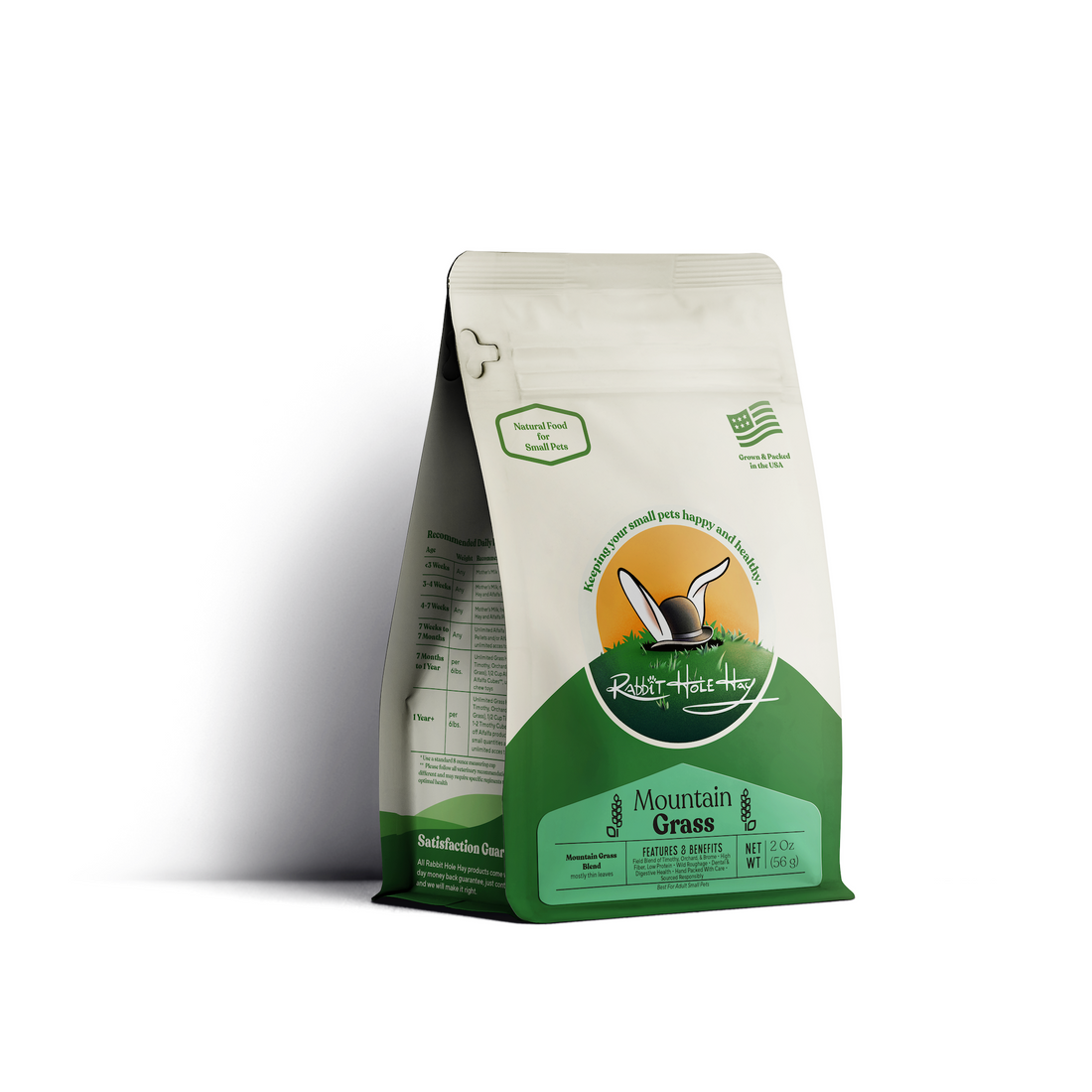
Mountain grass: another high-fiber option for variety.
Our rabbit diet guide explains portions so hay stays the engine, not an afterthought beside a full pellet bowl.
Offer Safe Chew Items
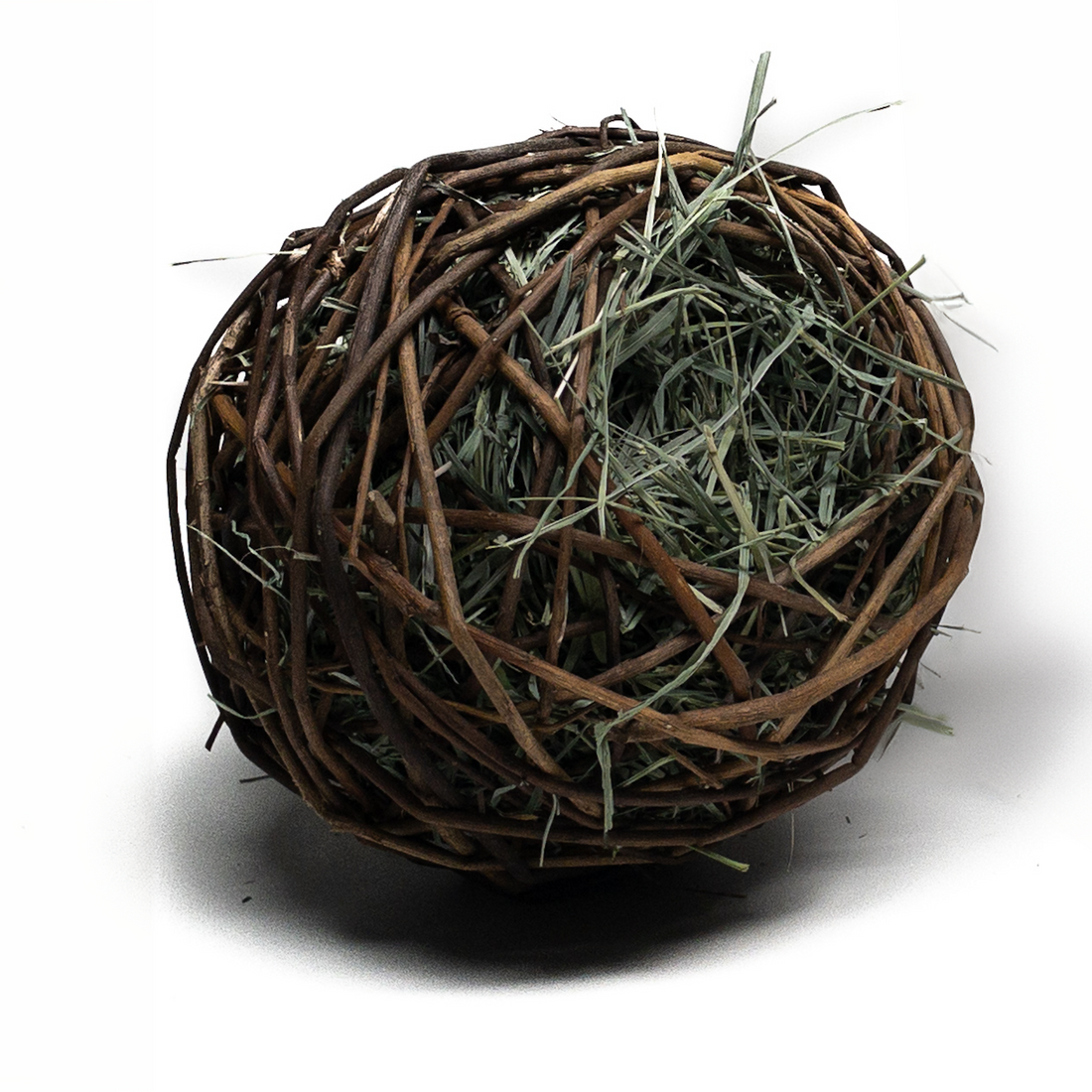
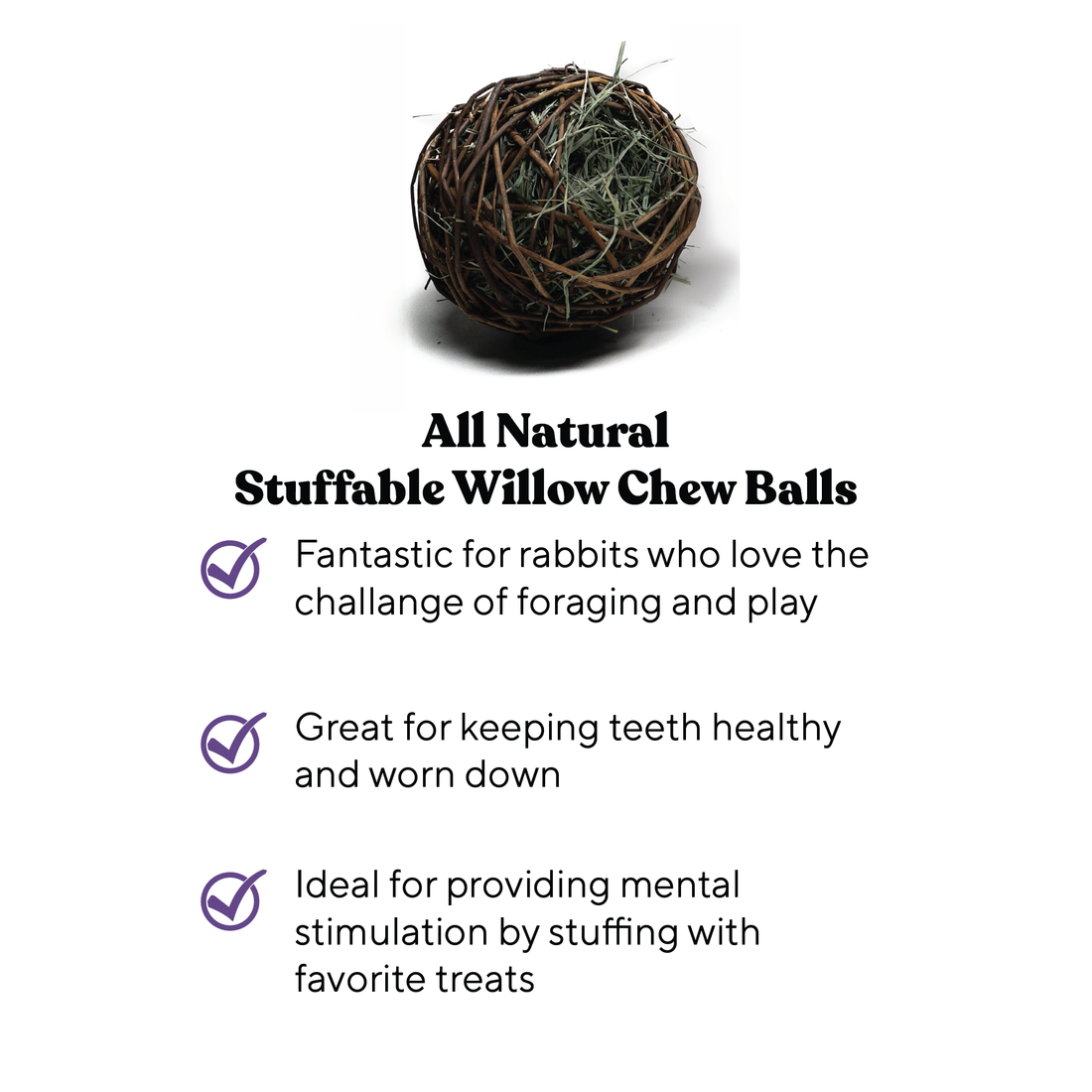
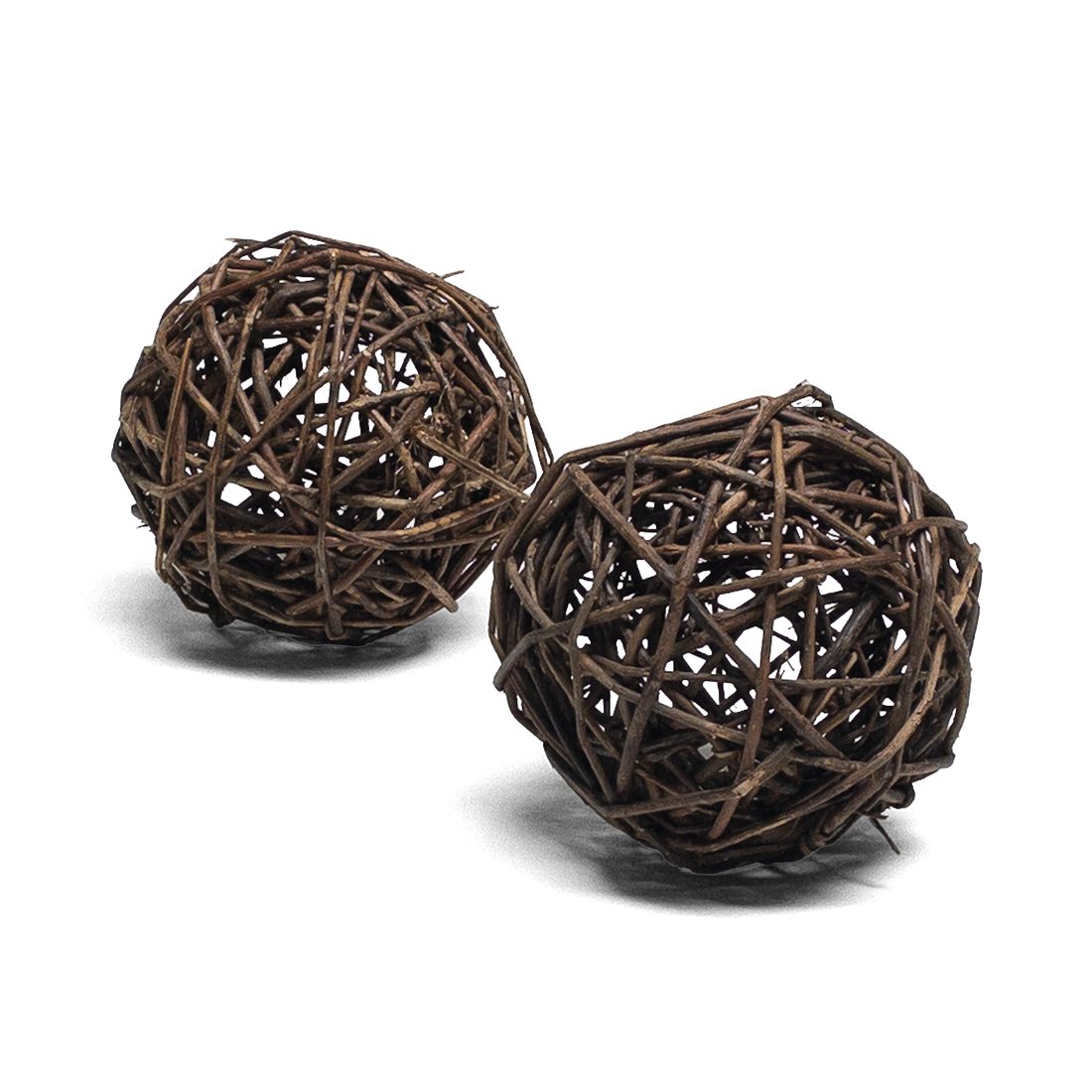
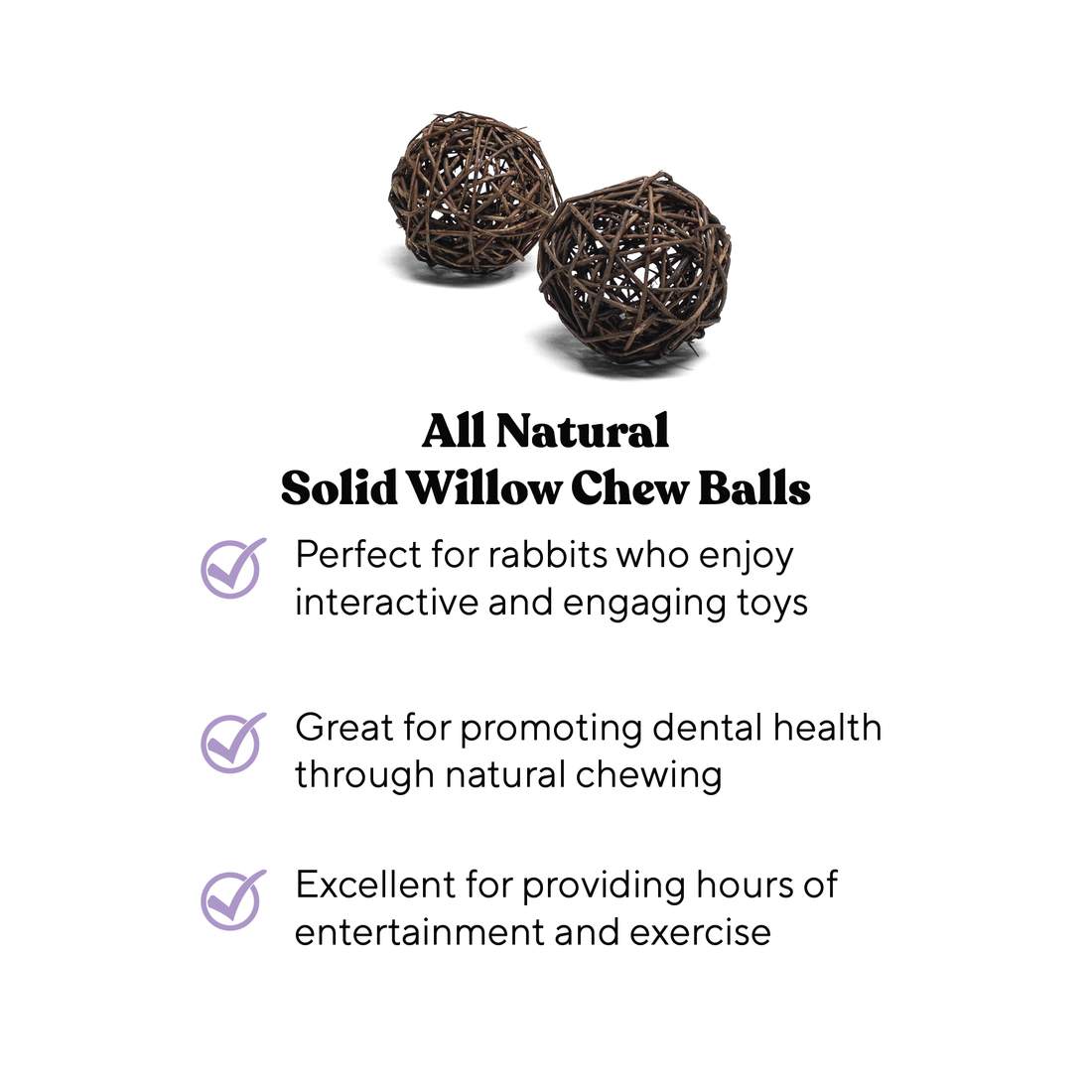
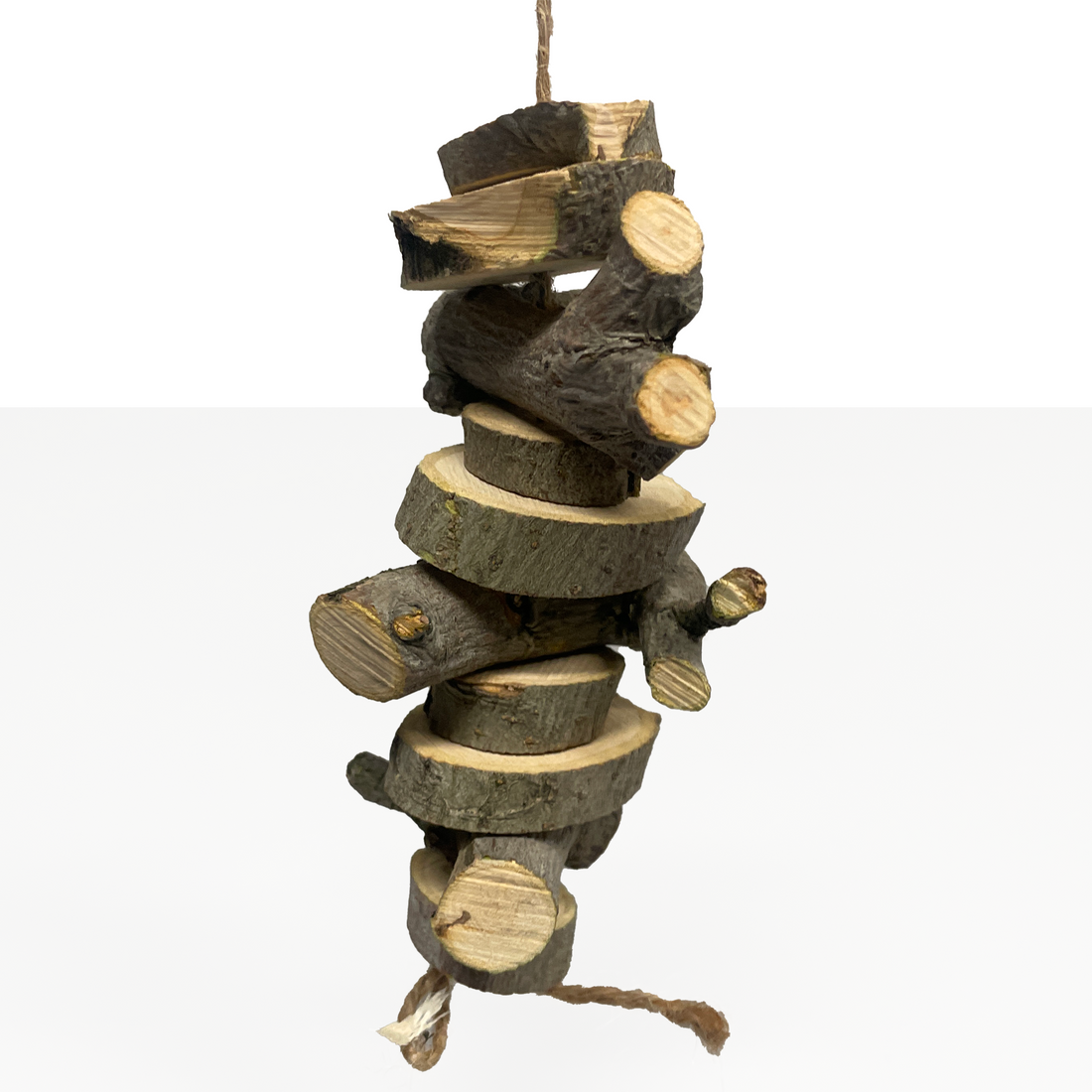
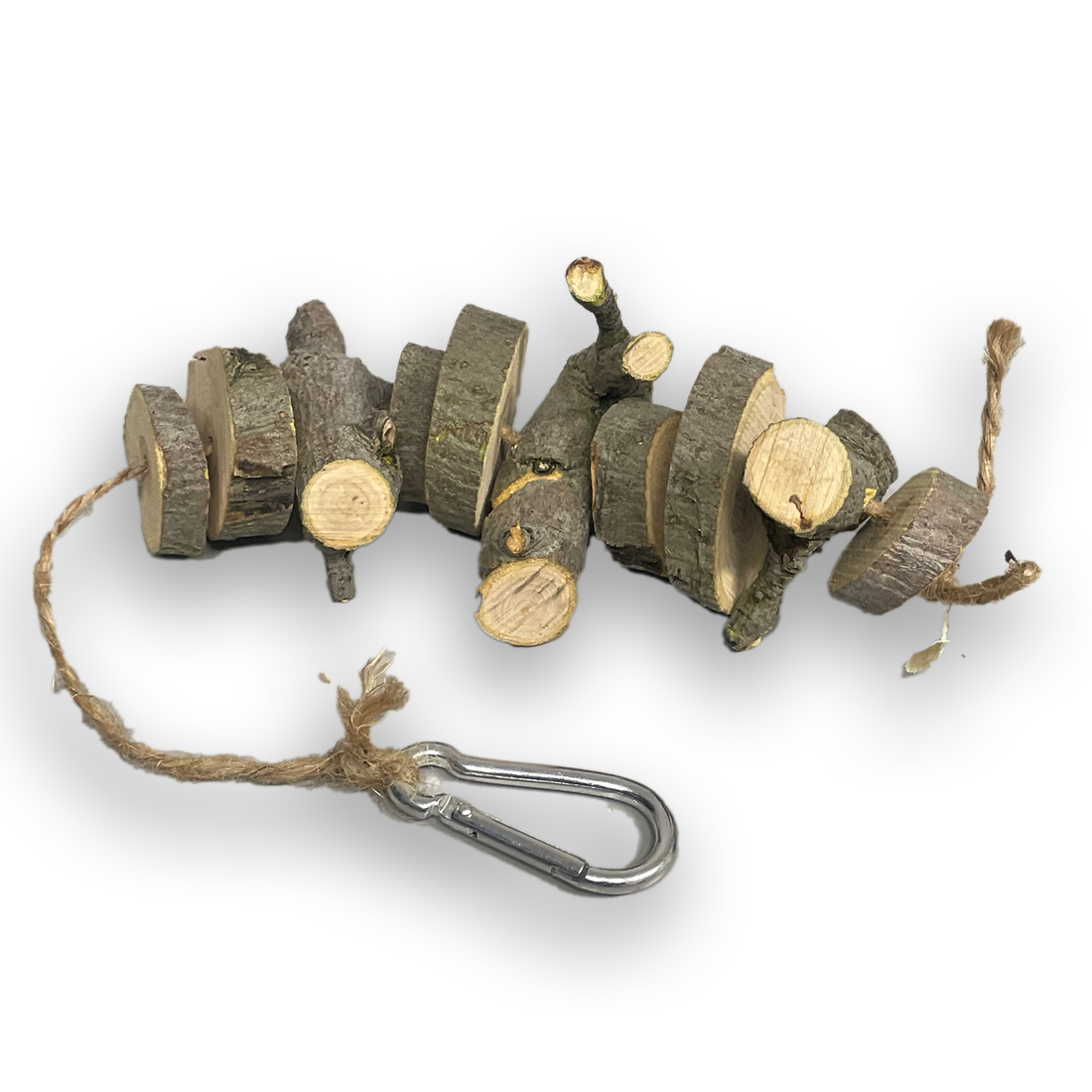
Hay does most of the job; chews add texture between meals.
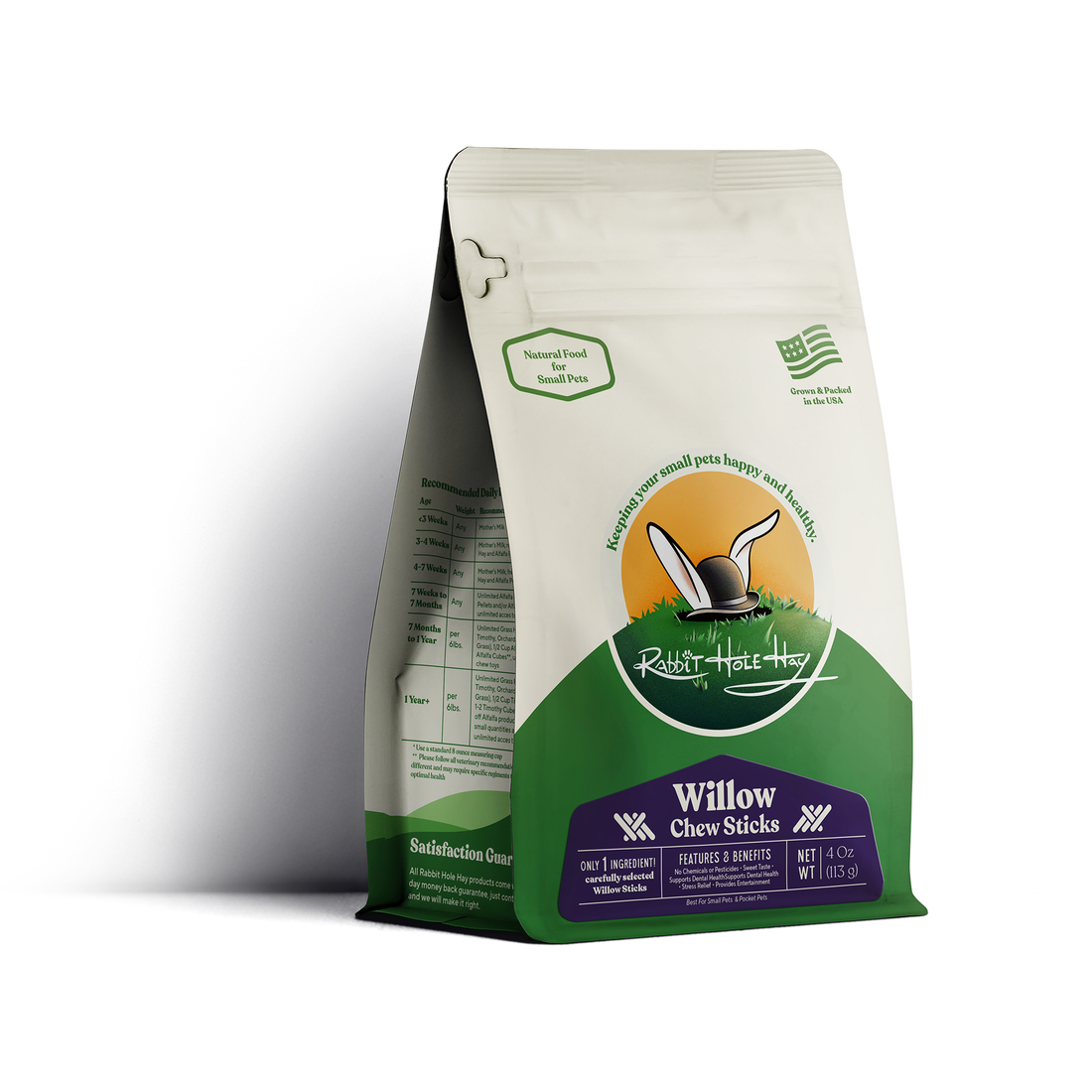
Untreated wooden blocks sized for rabbits
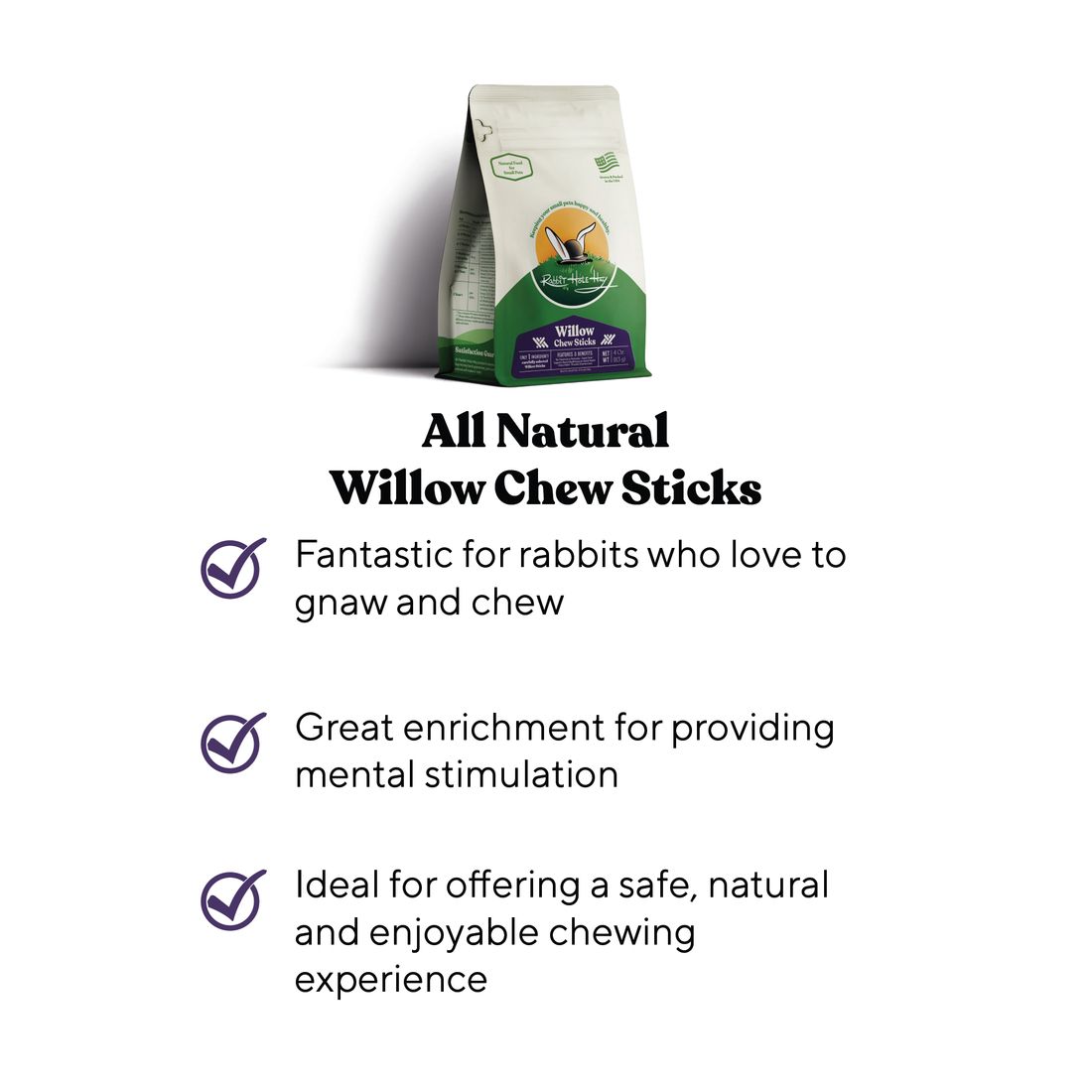
Browse chews and toys for rabbit-safe options—skip painted or treated lumber.
Schedule Regular Vet Dentals
Some rabbits need professional trims every few months despite perfect hay. Annual exams catch drift early. Preventive care habits—including weight and dental checks—are covered in our lifespan and daily health overview.
How Are Overgrown Teeth Treated at the Vet?
Never trim rabbit teeth at home—wrong tools crack teeth and cause abscesses.
Professional filing or trimming: Done under sedation with proper instruments.
Extractions: Severe cases may require removing problem teeth.
Ongoing monitoring: Chronic cases need repeat visits on a schedule.
The House Rabbit Society dental care page explains why molars need specialized equipment—another reason to skip DIY.
How Does Diet Tie Into Dental Health?
Think hay-first, everything else measured:
~80% hay: Digestion plus dental wear.
~10% leafy greens: Chewing variety and nutrients.
~5% pellets: Supplement, not staple.
~5% treats: Small fruit or herb portions.

For feeding ratios in plain language, see our complete hay and feeding guide. PetMD's malocclusion overview aligns with hay-heavy prevention.
Key Takeaways
Unlimited coarse hay is the best daily defense against overgrown teeth.
Drooling, picky eating, weight loss, or wet eyes mean dental pain—call the vet.
Professional trimming only; home tools risk cracks and infection.
When hay quality slips, dental trouble follows. Restock fresh rabbit hay before you blame a "picky" bunny who might just be hurting.




Comments