






























































The most common reasons a rabbit won't eat are dental pain, discomfort from gas or injury, and gastrointestinal stasis (GI stasis)—a dangerous slowdown of the gut. Rabbits need to keep eating and moving fiber through their system; skipping hay for even a few hours can snowball fast.
If the hay pile is untouched and your rabbit looks flat or hunched, that is not a diet fad—it is a health alarm. Prey animals hide illness until they cannot anymore, so a quiet bunny who refuses favorites needs attention today, not a wait-and-see weekend.
Below we walk through each cause, what you might notice at the litter box, and the steps that buy time while you get rabbit-savvy vet care on the line.

When Should I Worry About Rabbit Loss of Appetite?
Appetite loss in rabbits is rarely about being fussy. Watch for a bundle of clues rather than one odd meal:
Refusing hay—even treats they usually mug you for
Smaller, misshapen, or fewer droppings
Hiding, hunching, or pressing the belly to the floor
Drooling, wet chin fur, or grinding teeth loudly
Any of these together with not eating means call your vet—not tomorrow. For the broader timeline on how long a rabbit can safely go without food, see our guide on when a rabbit not eating becomes an emergency.

Can Dental Problems Stop a Rabbit From Eating?
Yes—and they are one of the top reasons healthy-looking rabbits suddenly quit hay. Rabbit teeth grow continuously. Without enough coarse chewing, molars can overgrow or develop sharp spurs that cut the cheeks and tongue.
Pain makes every bite miserable, so your rabbit may nibble pellets and skip the hay that would actually fix the problem. Drooling, dropping food, or favoring one side of the mouth are classic dental red flags.
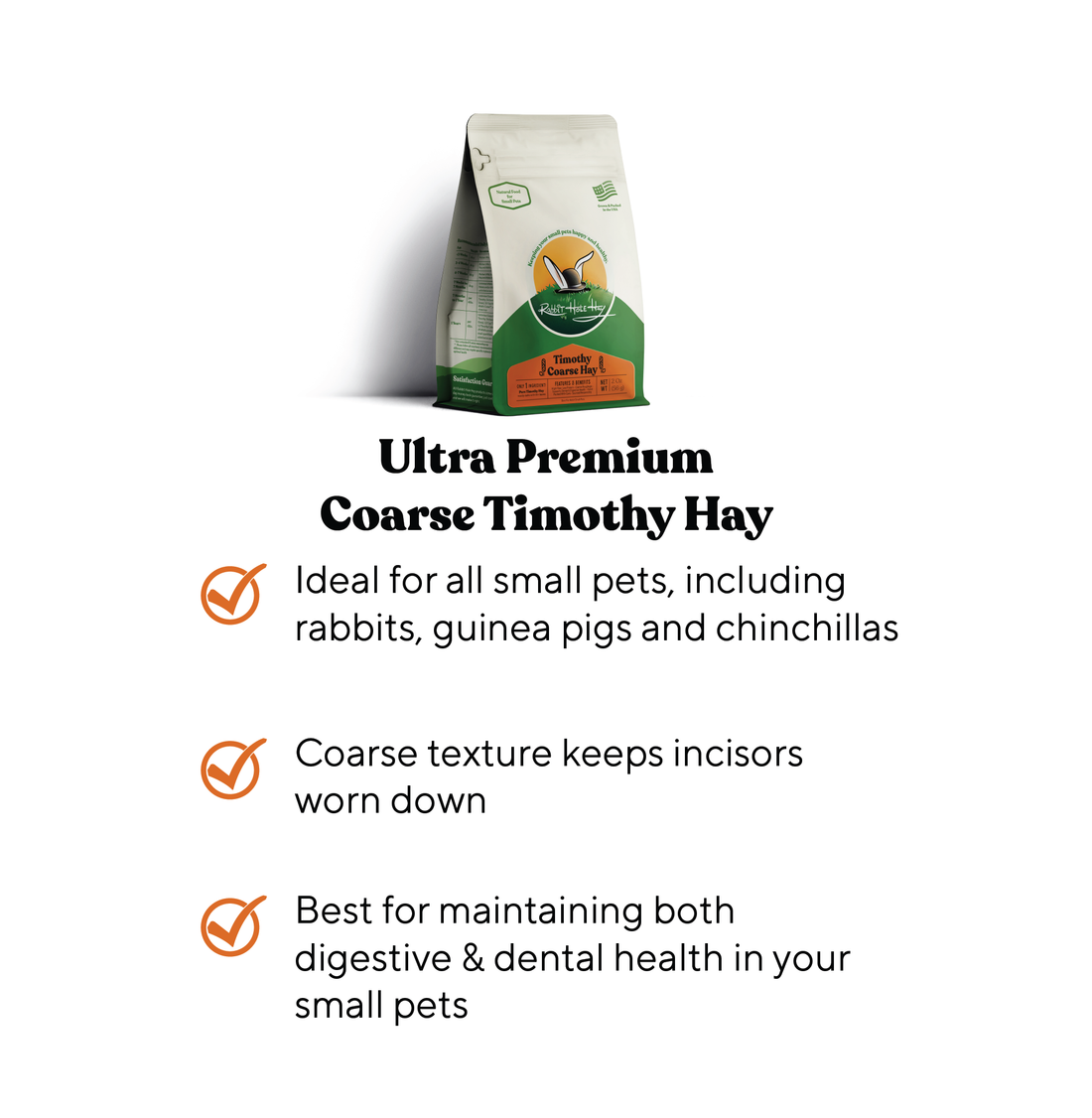
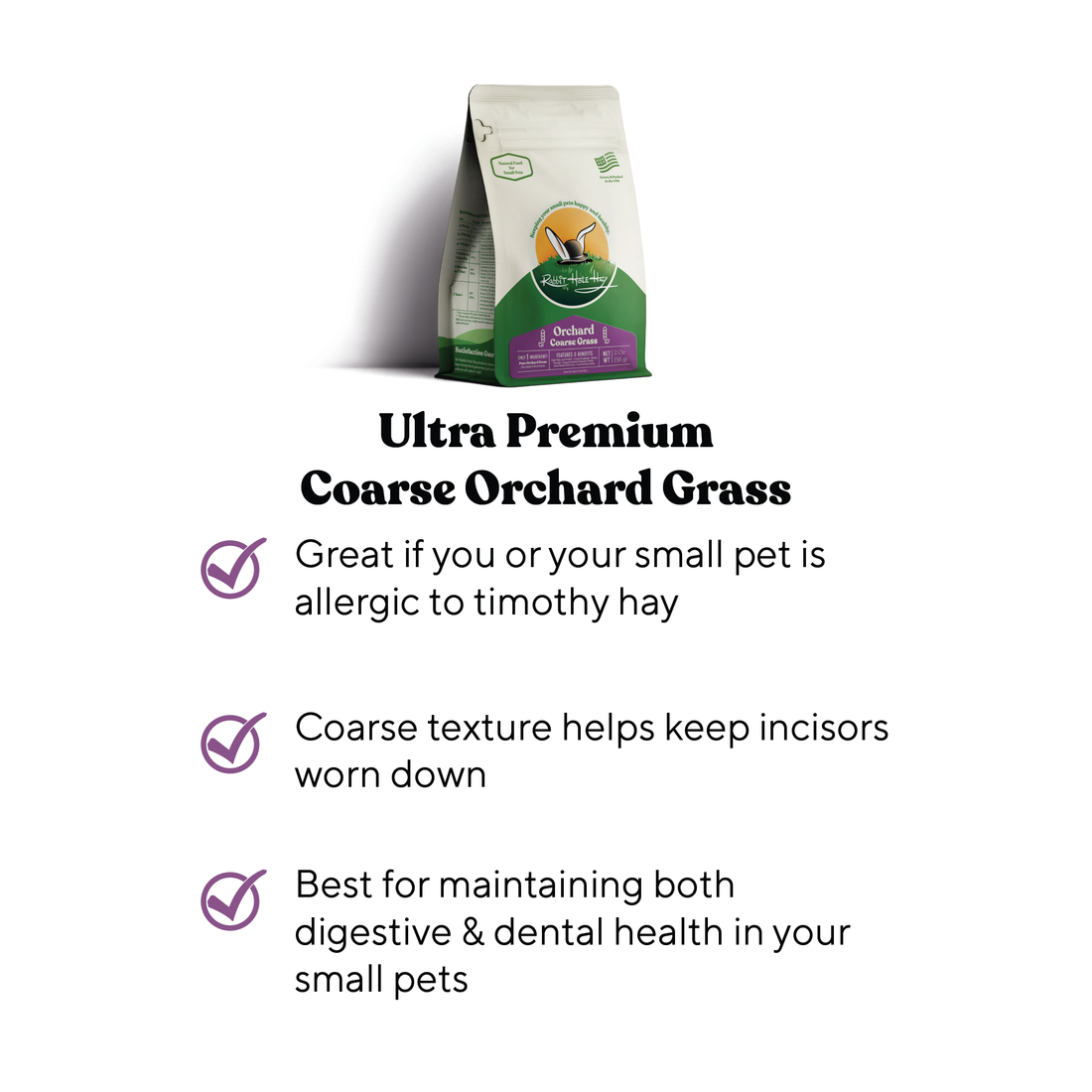
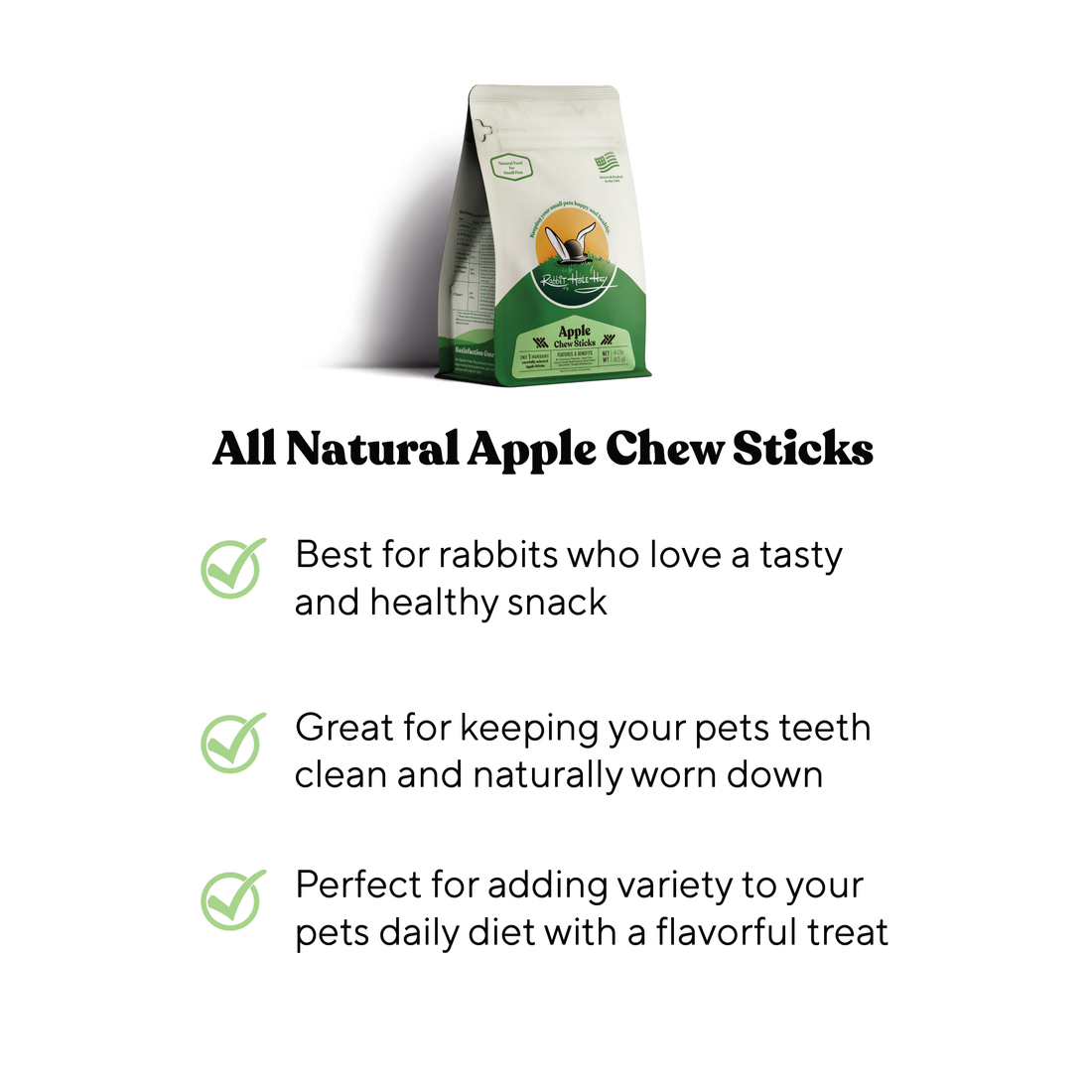
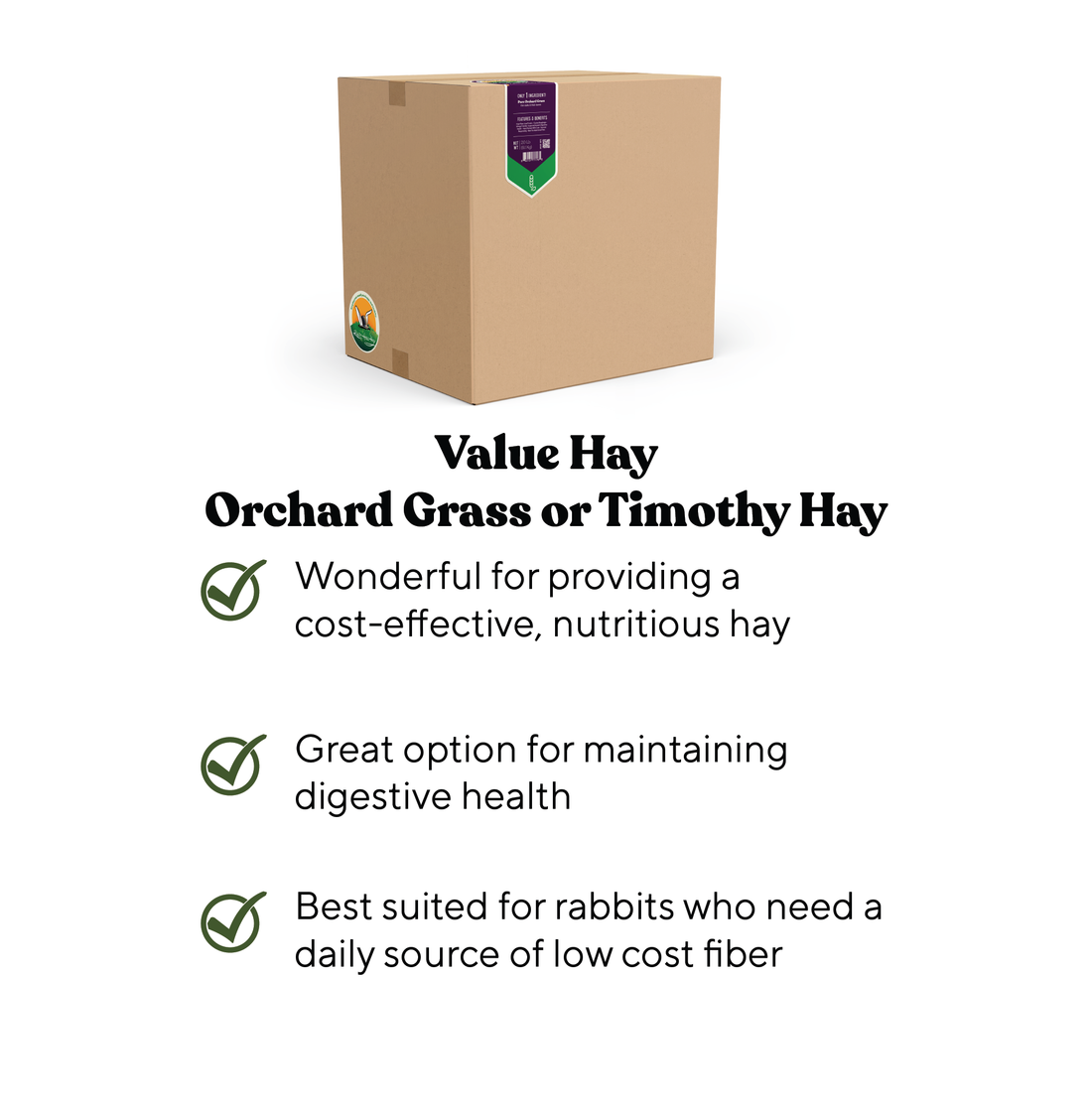
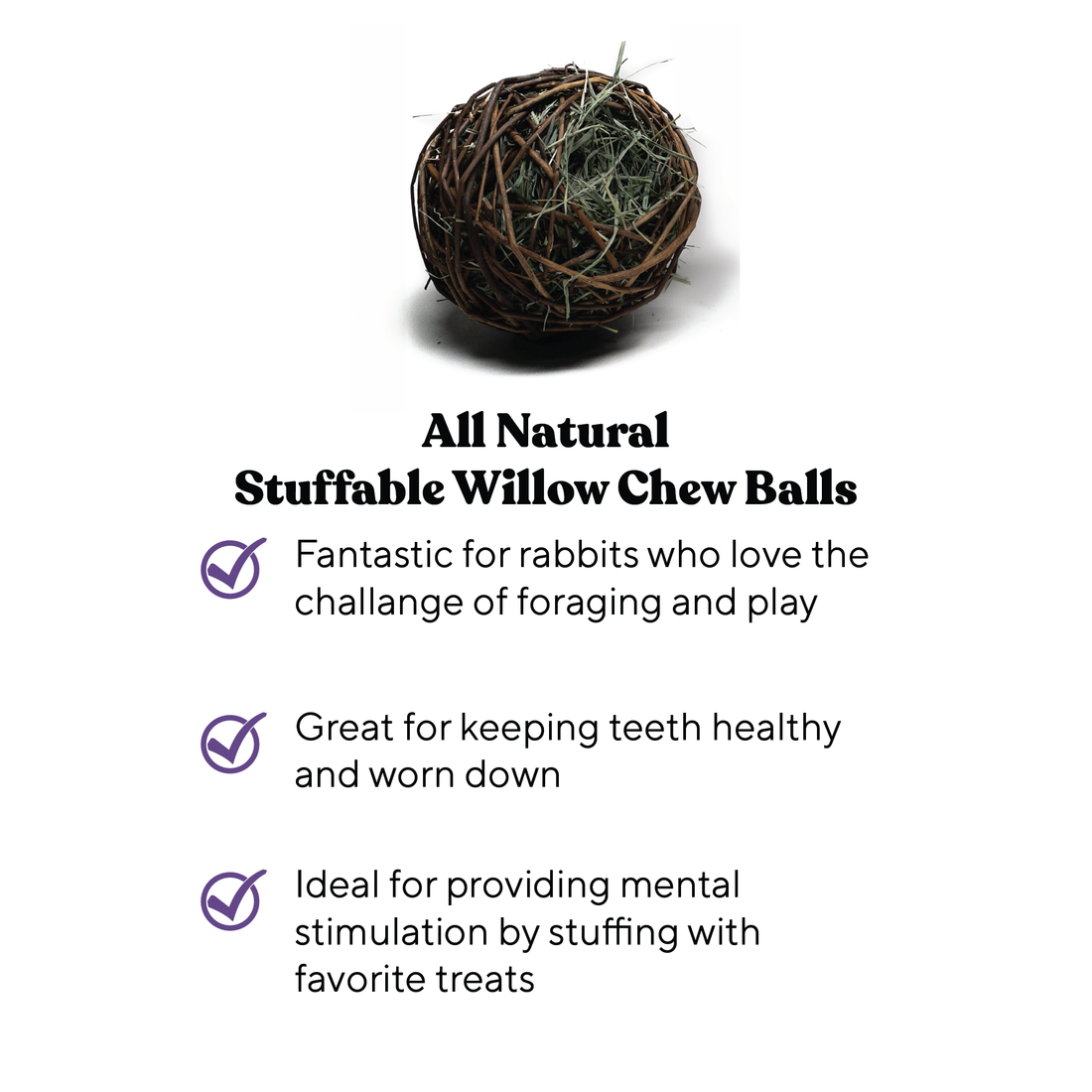
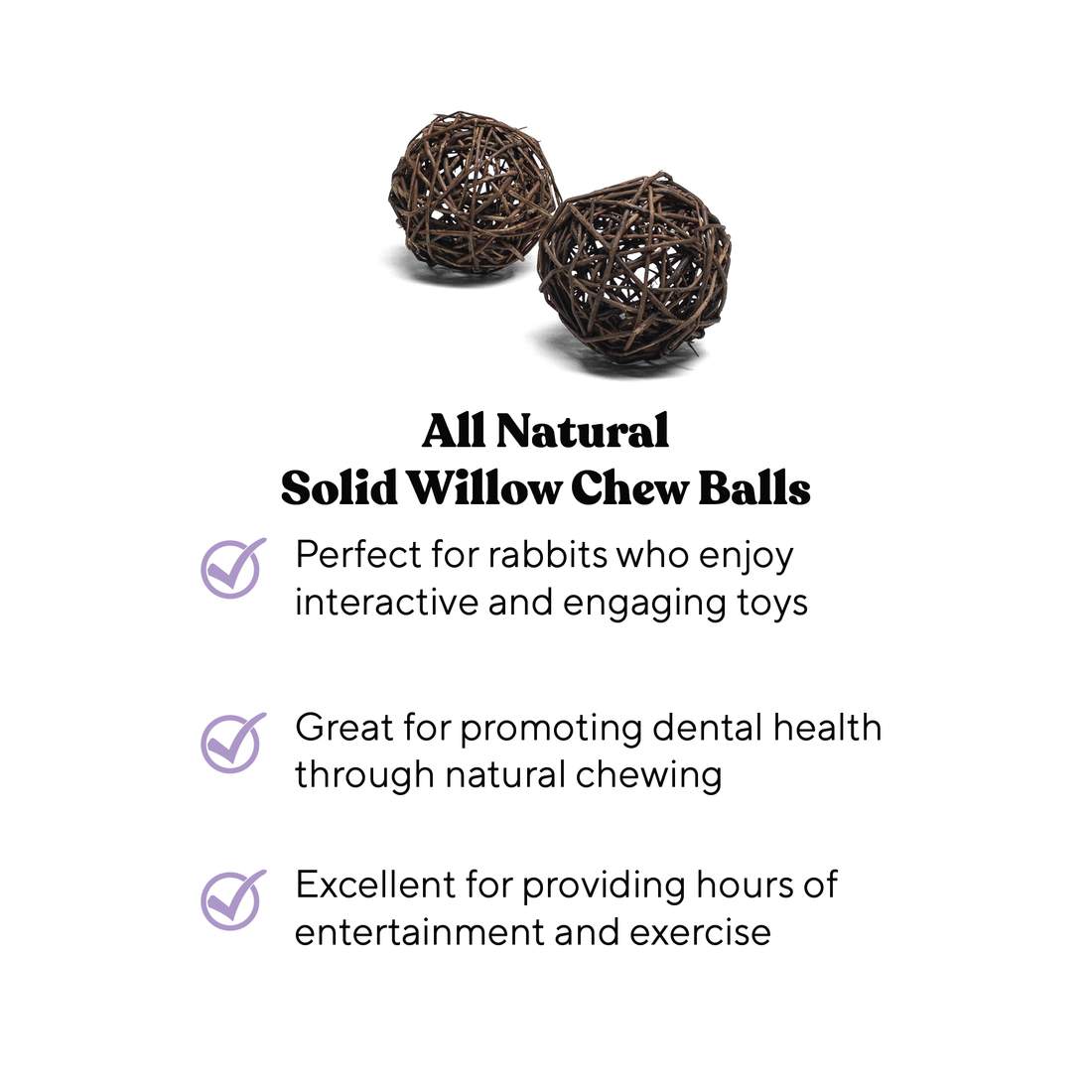
Prevention starts with unlimited grass hay—Timothy, orchard, or a coarse blend your rabbit actually eats. Chew toys such as apple chew sticks add wear between meals. If you suspect overgrown teeth, book a rabbit-experienced vet for a proper oral exam; trimming at home is not an option.
Deeper dental troubleshooting lives in our article on handling overgrown teeth in rabbits.
Could Pain or Gas Make My Rabbit Skip Meals?
Absolutely. Gas bloat, post-surgery soreness, or an unseen injury can shut appetite down even when teeth and guts are fine on paper.
Gas pain often shows up as a rabbit stretched flat or hunched with a tense belly. Broccoli, cabbage, and other gassy veggies are common triggers in sensitive buns. Your vet may recommend simethicone or gentle belly massage—follow their instructions rather than guessing from a forum thread.
After surgery, fragrant herbs like mint, basil, or parsley sometimes tempt a reluctant eater. Hand-feeding recovery formulas only when your vet suggests it; the goal is hay back on the menu, not replacing it long term.
What Is GI Stasis—and Why Does It Start With Not Eating?
GI stasis is when the digestive tract slows or stops moving. Fiber and hydration keep things sliding along; without them, gas and harmful bacteria build, toxins release, and your rabbit feels worse—so they eat even less. The litter box goes quiet fast, and that quiet is what scares experienced owners.
Signs overlap with other appetite crises: tiny or absent droppings, lethargy, a cold or painful belly, and total hay refusal. GI stasis is a same-day emergency, not a watch-and-wait situation.

Steady access to Timothy hay, fresh water, and daily movement are your best prevention tools. Our full breakdown of causes and vet care is in what GI stasis is in rabbits. For how appetite fits into lifelong wellness, the pet rabbit lifespan and health guide covers daily habits that keep the gut humming.
What Should I Do Right Now If My Rabbit Won't Eat?
While you arrange vet care, focus on comfort and data—not force-feeding random snacks:
Offer a fresh handful of fragrant hay and a favorite safe green.
Check the litter box: count pellets, note size and shape, snap a photo for the vet.
Keep the room quiet, cool, and low-stress—no chasing them out from under the sofa.
Confirm water is reachable; some rabbits drink more from a bowl than a bottle.
Call a rabbit-savvy clinic and describe droppings, posture, and how long hay has been refused.
You are not overreacting. Owners who move fast on appetite changes give their vets the best shot at a straightforward recovery.
How Does Hay Help Prevent Appetite Loss?
Hay is not a garnish—it is the engine. Coarse fiber wears teeth down and keeps the gut moving so gas and stasis are less likely to start. Pellets and greens have a place, but they ride behind a full hay rack.
If you are rebuilding diet after a scare, our Hay is for Rabbits guide walks through types and portions. When you know what your bun likes, browse premium hay options delivered to your door.





Comments