





































































The most common health problems in pet rabbits include GI stasis, dental malocclusion, parasites, urinary and bladder issues, obesity, heat stroke, and bone fractures from improper handling. Many start quietly—a smaller hay pile, one odd litter-box deposit—then escalate because rabbits hide pain until they cannot.
You do not need to memorize every Latin name to be a good owner. You need a short list of what "off" looks like in your rabbit's eating, droppings, posture, and energy, plus the confidence to call a rabbit-savvy vet when something drifts from normal.
This overview points you to the big nine, what to notice at home, and where to read deeper on each topic across our Health cluster.

What Are the Most Common Health Problems in Pet Rabbits?
Indoor pet rabbits most often run into trouble in the gut, the mouth, or the environment around them. Digestive slowdowns and dental overgrowth feed each other when hay is short. Parasites and heat show up when housing or seasons change. Urinary problems trace back to diet and hydration.
None of these are rare exotic diseases—they are the bread-and-butter cases rabbit vets see weekly. Catching them early usually means a shorter crisis and a faster return to normal hay raids at dawn.

What Health Issues Should Rabbit Owners Watch for at Home?
Build a simple daily scan while you refill hay and water:
Appetite and hay intake—is the pile shrinking the way it usually does?
Droppings—count, size, shape, and moisture; sudden change matters.
Posture and energy—hunched, flopped flat, or hiding more than usual?
Coat and skin—scratching, fur loss, fleas visible at the neck or back?
Urination—straining, blood, or thick chalky sediment in the box?
One off day can happen—maybe they were startled by the vacuum. A pattern across two or three checks is worth a phone call. For appetite-specific red flags, read when a rabbit not eating needs urgent care and how to tell if a rabbit is healthy day to day.
Can Rabbits Get Fleas and Ticks?
Yes—especially rabbits who meet dogs, cats, or outdoor areas. Fleas cause scratching, fur loss, and skin irritation. Ticks are less common but still possible.
Groom regularly and part the fur along the neck and back. Use only treatments labeled safe for rabbits; dog and cat products can be fatal. Your vet can recommend a rabbit-appropriate option. More detail is in our guide on rabbits and fleas, and the House Rabbit Society covers safe flea treatment basics.
Is Red Urine in Rabbits Always a Problem?
Not always. Pigments from carrots, beets, or certain greens can tint urine red or orange. It looks alarming in the litter box and is often harmless.
Worry when you see actual blood streaks, straining, or the color staying abnormal for days. That can signal infection or kidney trouble. The House Rabbit Society explains red urine versus blood in plain language.
What Is Bladder Sludge in Rabbits?
Bladder sludge is thick, chalky calcium sediment that can make urination painful. Left unchecked, it may lead to stones that need surgery.
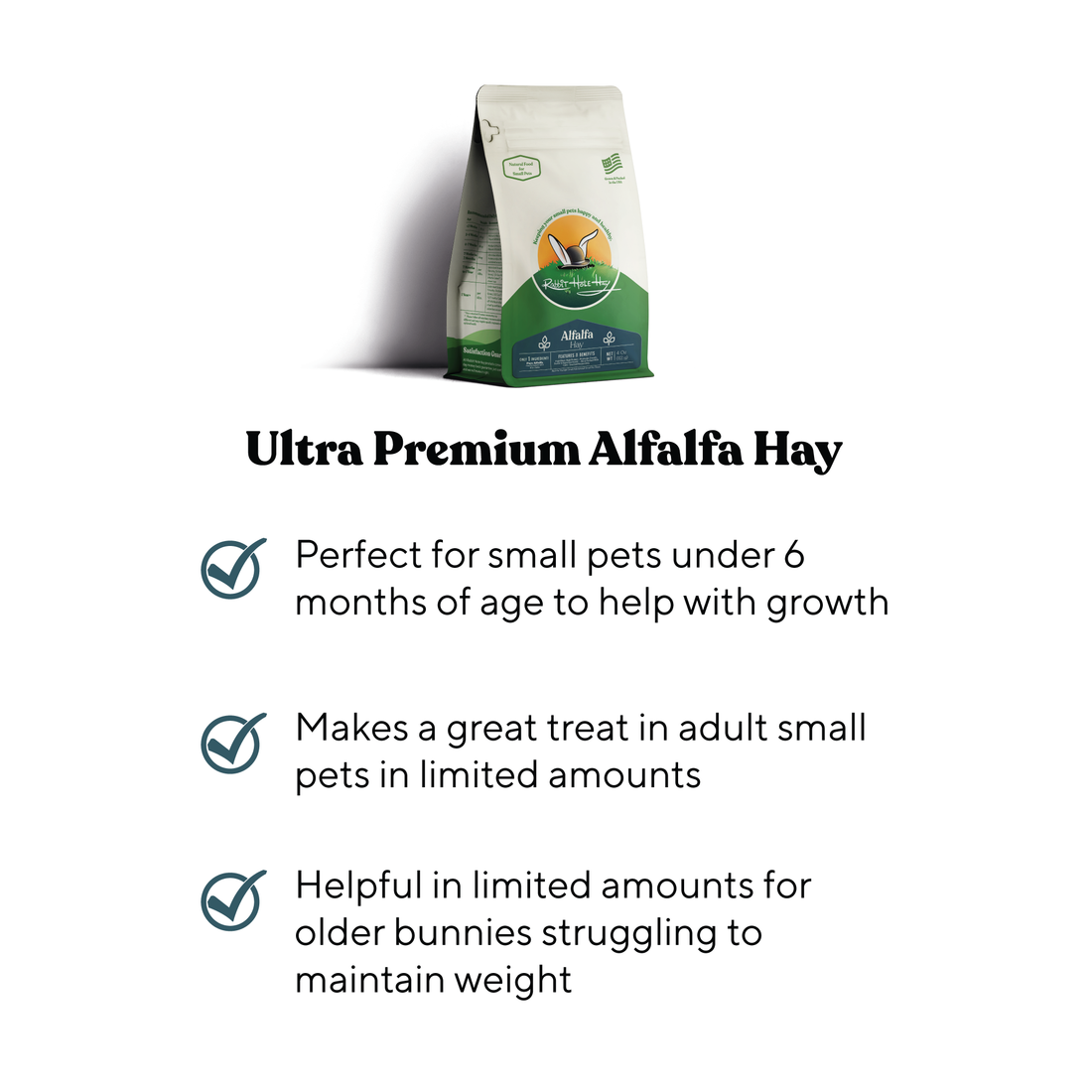
High-calcium diets—too much alfalfa in adults, for example—are a common contributor. Timothy hay as the staple, fresh water, and exercise help keep urine dilute. Straining, squeaking in the box, or gritty deposits mean schedule a vet visit.

How Do Overgrown Teeth Cause Malocclusion?
Rabbit teeth never stop growing. Without constant chewing on coarse hay, molars can misalign—malocclusion—and sharp points lacerate the mouth.
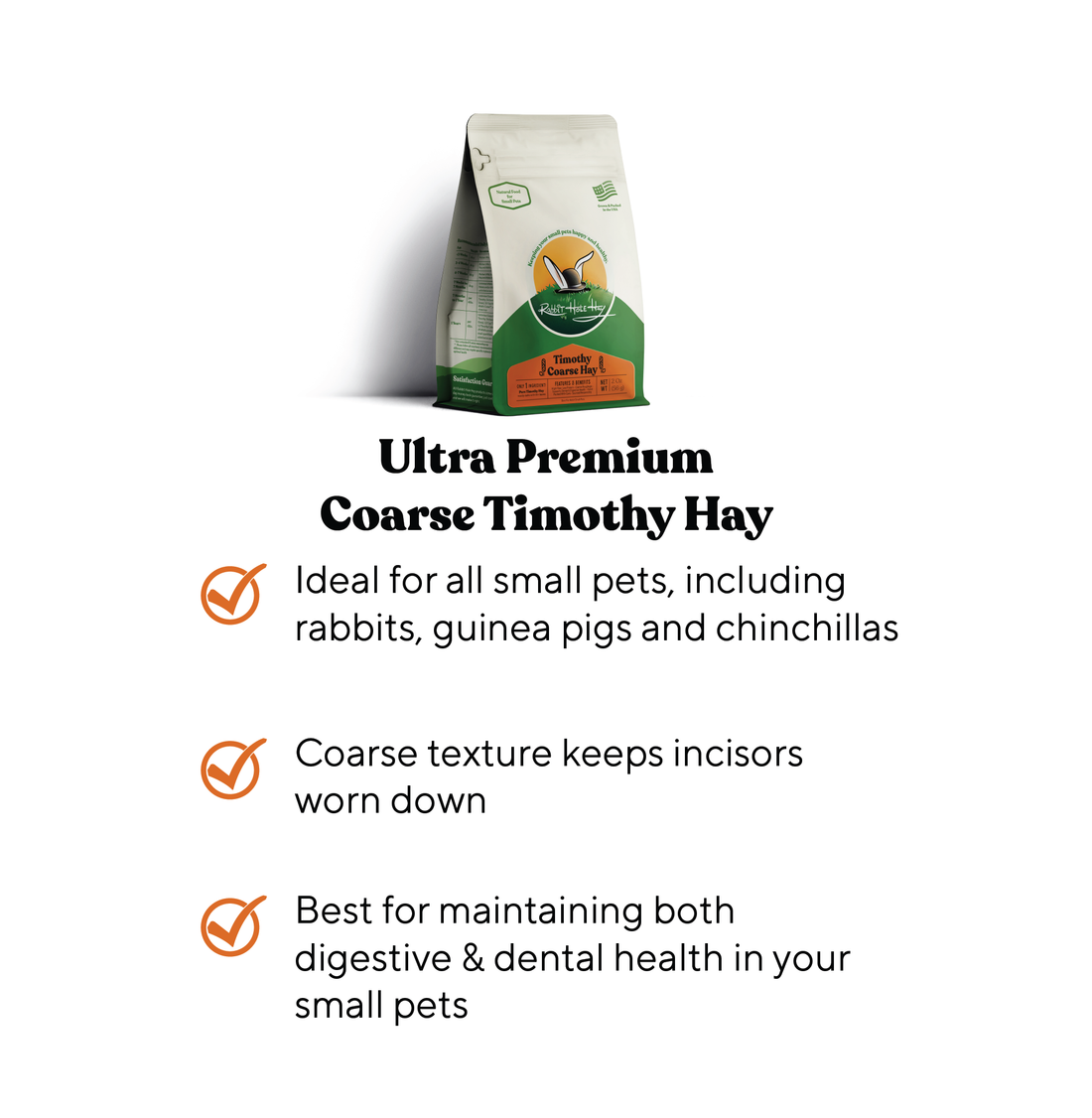
Drooling, dropping food, and selective eating are warning signs. Unlimited grass hay is the daily grindstone; see how to handle overgrown teeth for exam and trimming guidance.
Why Is Obesity Dangerous for Pet Rabbits?
Extra weight strains joints, hearts, and the gut. Obesity often follows too many pellets or treats and not enough hay and exercise.
Feed adults mostly Timothy hay with measured pellets and limited sweets. Encourage movement with safe floor time and chew-friendly toys. If your rabbit is eating but losing weight instead, that is a different problem—read eating but losing weight in rabbits.
What Is GI Stasis in Rabbits?
Gastrointestinal stasis is when the gut slows or stops—a life-threatening emergency. Stress, dehydration, pain, or low fiber are frequent triggers. Lethargy, tiny or absent droppings, and hay refusal are classic signs.
Do not wait overnight. GI stasis needs same-day veterinary care. Prevention is steady hay, water, and movement. VCA Hospitals outlines rabbit GI stasis basics, and our article on what GI stasis is goes deeper for owners.
What Causes Diarrhea in Rabbits?
True diarrhea is serious in rabbits and often ties to diet change, low fiber, or infection. Soft cecotropes stuck to fur are different from watery stool—do not confuse the two.
Keep fiber high with grass hay, introduce new greens slowly, and skip sugary treats. Persistent loose stool deserves a vet culture and exam, not only a kitchen remedy.
How Do Rabbits Get Heat Stroke?
Rabbits cannot sweat. Temperatures above the mid-70s °F (mid-20s °C) without shade and airflow can overwhelm them. Panting, drooling, and lying stretched out on cool flooring are heat-stress signals.
Provide shade, frozen water bottles wrapped in towels, and quiet indoor space during heat waves. Our summer cooling guide covers practical setup changes.
How Fragile Are a Rabbit's Bones?
Rabbit skeletons are light and break easily—especially the spine—when dropped or kicked. Always support the hindquarters and chest when lifting; teach kids gentle, seated holds.
Suspected fractures need immobilization and immediate vet care. For how bones and handling fit into overall care, see what to know about a rabbit's skeleton.
What Keeps Rabbits Healthier Over the Long Run?
Most of these nine troubles share the same prevention backbone: unlimited grass hay, fresh water, safe housing, annual rabbit-savvy checkups, and quick action when appetite or droppings shift.
For the bigger picture on daily habits that add good years, start with our lifespan and lifelong rabbit health guide. You do not have to become a vet—you just have to notice when your rabbit's normal rhythm skips a beat.





Comments