































































Most rabbits that “won’t play” are not lazy—they are tired, stressed, uncomfortable, or being asked at the wrong hour. Rabbits are crepuscular, so a noon toy toss often lands on nap time. Pain, illness, or a scary change in the home can shut down curiosity too. Before you buy more toys, check whether your bunny is actually hiding, guarding a sore spot, or simply waiting for dusk.
If you bought the pins, built the fort, and still got a flop and a stare, you are not failing as an owner. Rabbits are picky about what counts as fun. The fix is usually smaller than it feels: better timing, safer space, and toys that match how rabbits actually move—dig, chew, toss, and forage.
We will walk through health and stress checks, hiding versus low play drive, natural activities, toy picks, DIY rotations, setup, and quiet time together that builds trust without a forced show. For ears, thumps, and body language, see our guide to understanding rabbit behavior.

Why Doesn't My Rabbit Want to Play Anymore?
Run through this list before you blame a lazy personality. Rabbits hide low energy well until something is clearly wrong.
-
Timing: Peak activity is usually early morning and late evening. Midday flops are often sleep, not refusal.
-
Stress: New smells, loud renovations, visiting dogs, or a moved cage can make a bunny freeze instead of explore.
-
Pain or illness: Lethargy, not eating, hunched posture, or tooth grinding that sounds different from happy purring warrants a vet call—do not wait for “maybe tomorrow.”
-
Wrong toy type: A chewer ignores jingle balls; a digger ignores puzzle feeders. Personality matters more than price tags.
You are not overthinking it if play dropped suddenly. A rabbit who used to binky and now barely hops deserves a vet-aware look at health and setup—not a new toy bin on autopilot.
Could My Rabbit Be Hiding Instead of Playing?
Sometimes “won’t play” is really “won’t come out.” A bunny tucked in a hide may be resting—or avoiding something that spooked them. Sudden withdrawal can follow a loud noise, a new pet in the house, pain, or a cage move.
Compare normal caution to new hiding: eating less, skipping hay, flinching when you reach in, or staying flat in the back corner for days. Our guide on why your bunny is suddenly hiding walks through common triggers and when to call the vet.
Give them a low-stress path back: keep routine steady, offer a second hide, and let them choose to emerge. Sitting quietly on the floor at dawn or dusk often works better than waving a toy in their face at noon—you are not auditioning for their attention.
What Activities Tap Into Natural Rabbit Behavior?
Wild rabbits dig, chew, forage, and sprint in short bursts. Play at home should look like that—not like fetch.

Try lightweight “bowling” with cardboard tubes or soft pins they can knock over. A digging box filled with shredded paper or loose hay lets them shovel without wrecking your carpet. Cardboard forts with cut-out windows give explore-and-hide loops rabbits love.
Food-forward play often clicks faster than empty toys. Stuff a toilet paper roll with hay and a few pellets, or tuck herbs into a paper bag they have to shred open. Movement that ends in a bite is easier to sell than movement for its own sake.
For a broader toy menu, see what to use to entertain pet rabbits and the RSPCA notes on safe rabbit enrichment toys.
What Toys Actually Motivate a Rabbit to Play?
Rotate a few textures instead of dumping a toy bin on them at once. Good starters:
-
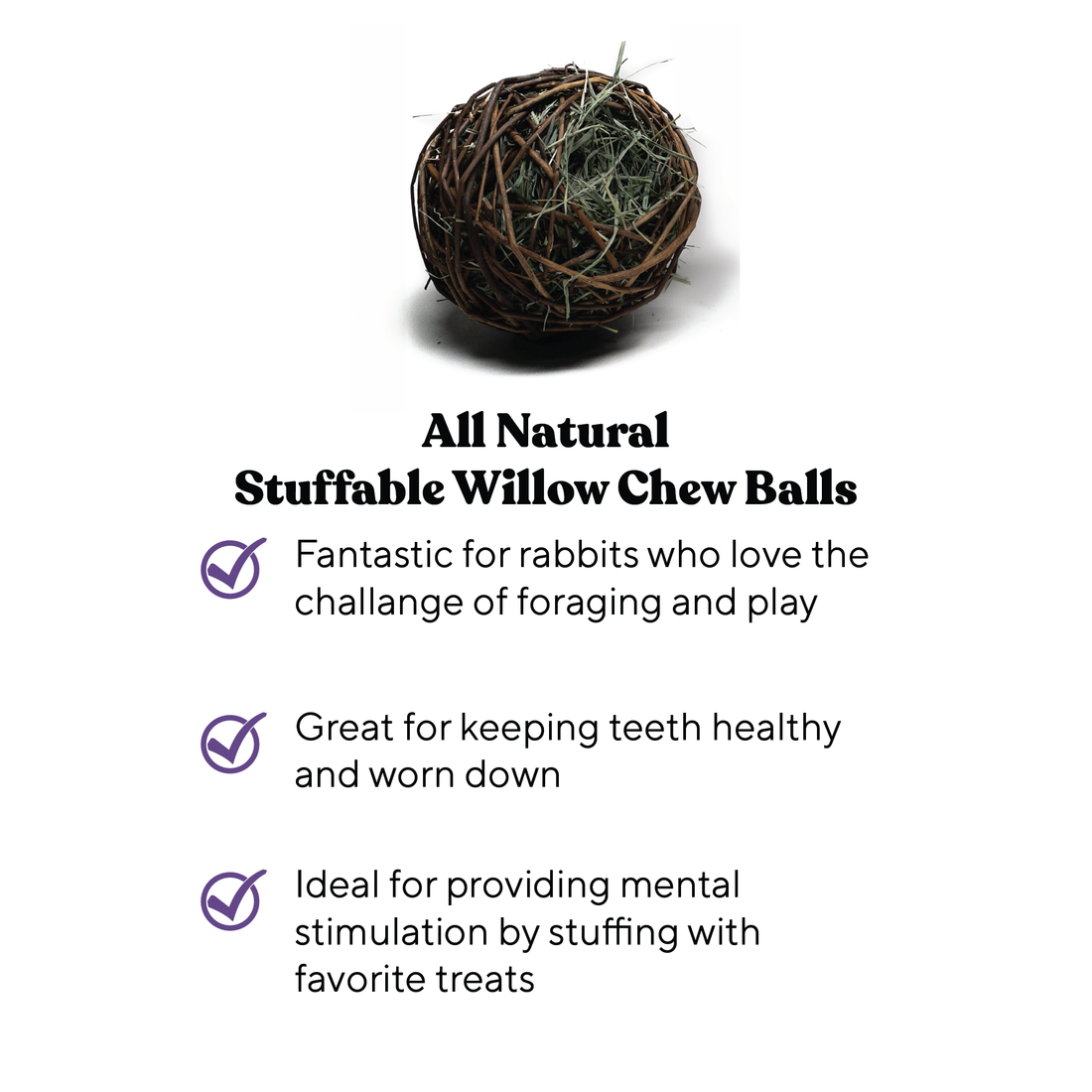
Edible timothy hay balls and woven hay mats for chew-focused buns.
-
Small bird toys that jingle or swing—light enough to toss with teeth or paws.
-
Treat balls or puzzle feeders that dispense pellets when rolled.
If interest fades after a week, swap the pile. New smell and shape often matter more than “brand new from the store.” Mix hay into homemade bundles so chewing and foraging happen in one sitting—unlimited grass hay should still be the main event, about 80% of diet, with toys as side dishes.
What DIY Toys Can I Rotate to Prevent Boredom?
You do not need a big budget. Some of the best enrichment is cardboard, paper, and hay you already own.
-
Stuff a toilet paper roll with hay, dried herbs, or a few pellets.
-
Tape boxes into tunnels with multiple exits.
-
Cut paw-sized holes in a box for a mini maze.
-
Braid loose hay into short chew ropes.
Rotate weekly so something always feels new. For more build ideas, our DIY rabbit toy ideas roundup has low-cost projects that survive enthusiastic teeth.

How Should I Set Up a Space That Encourages Play?
Even a great toy fails in a scary room. Rabbits need enough room to sprint, binky, and duck into cover without feeling exposed.
A playpen with tunnels, boxes, and a hide often beats one giant open floor. Too much empty space can read as “nowhere safe to run.” Section a corner, add a dig box, and leave a clear path back to the litter box so they are not choosing between fun and bathroom dignity.
Outdoor time needs supervision: predators, toxic plants, and heat stroke are real risks. A screened porch or secured exercise pen beats free-roaming the yard. For cage and pen basics that support movement, see setting up a rabbit’s cage.
When Is the Best Time to Encourage Rabbit Play?
Plan sessions around dawn and dusk when rabbits are naturally alert. Open the pen, sit on the floor, and wait. Forcing a toy into their face during a groom or litter break usually backfires.
Let them lead: hop over for a sniff, nudge your hand, or start a dig session on their own. Light pets are fine if they lean in; back off if they hop away. Trust builds faster when you honor “not now” than when you chase them with a treat ball.
How Do I Bond With My Rabbit Without Forcing Play?
Some rabbits show affection by following you, nudging your ankle, or flopping nearby—not by chasing toys. That still counts. The House Rabbit Society guide to reading rabbit behavior explains how circling, nuzzling, and light nibbles fit into their social world.
Quiet presence matters: read on the floor while they explore, keep voice low, and notice what they choose when nobody is performing for them. Over time they link you with safety and curiosity. For human-focused trust steps, our tips for bonding rabbits with humans pair well with play sessions.

Key Takeaways
-
Rabbits skip play for timing, stress, pain, or mismatched toys—check health and hiding before you blame personality.
-
Match activities to dig, chew, toss, and forage; rotate DIY toys weekly so novelty stays cheap.
-
Dawn and dusk sessions in a secure, hide-friendly space beat forced midday performances.
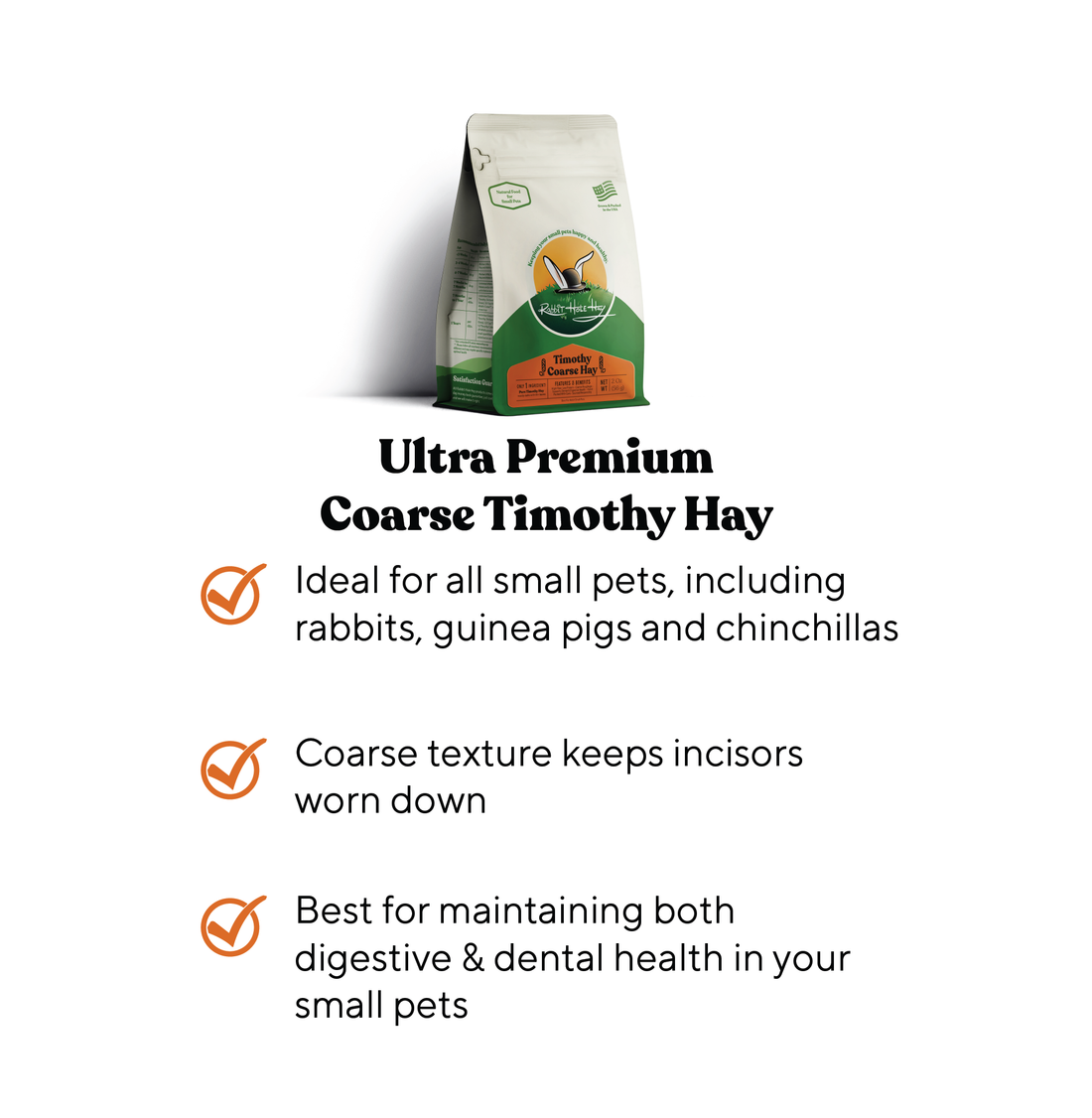
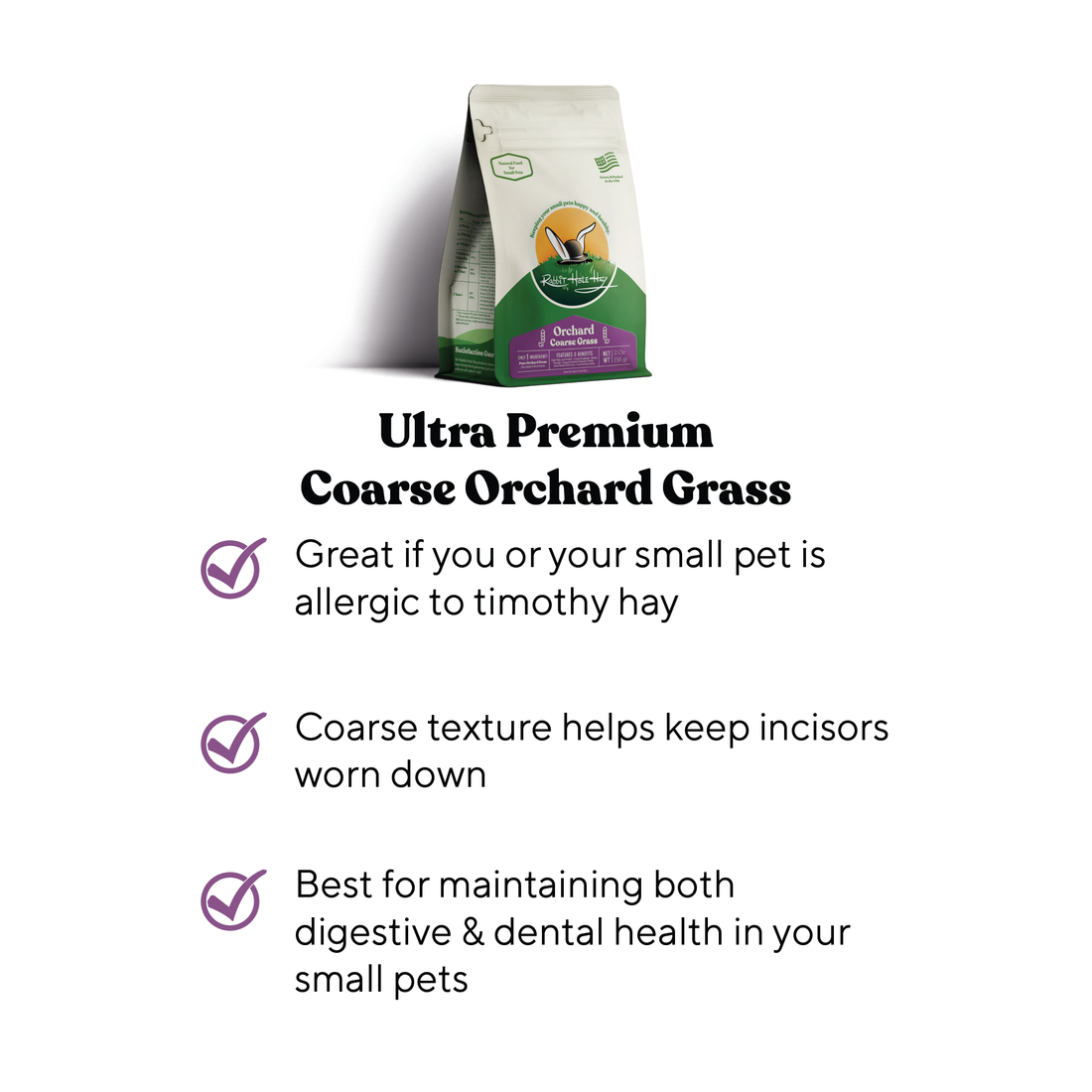
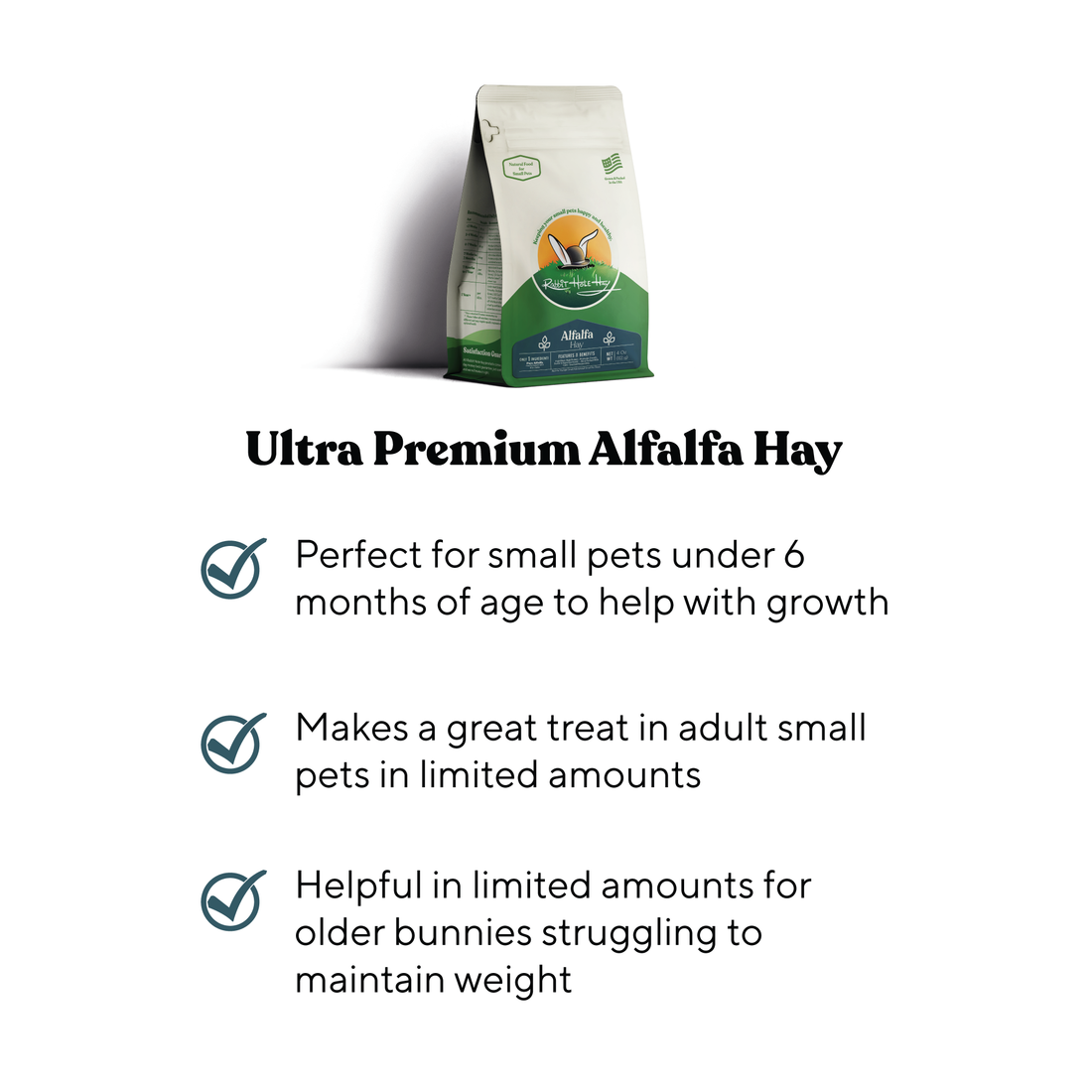
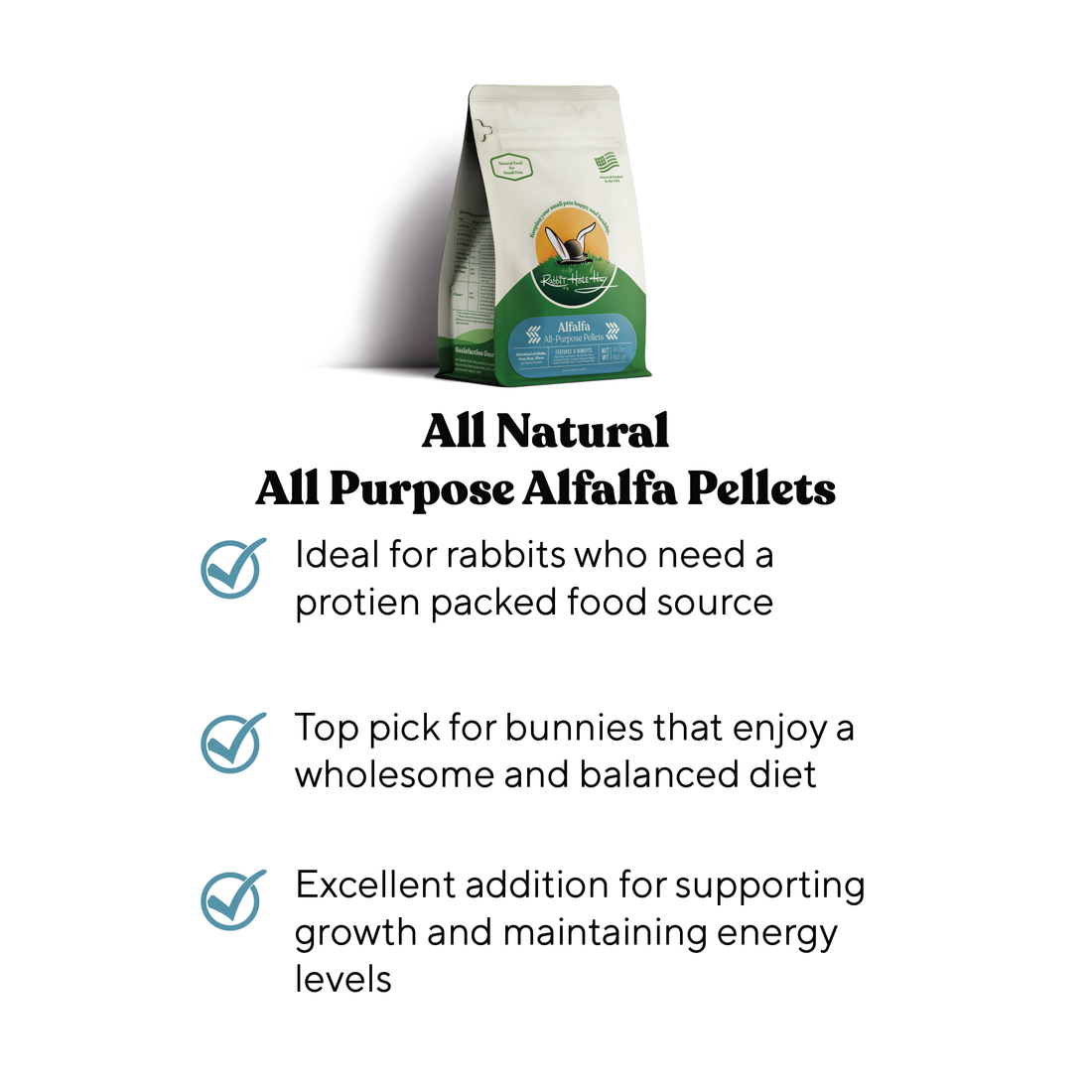
Keep hay racks full while you experiment—an empty pile can make even a playful bun cranky. When you need fresh timothy that survives enthusiastic chewing, shop Rabbit Hole Hay for refill-sized boxes that outlast a week of toy trials.When your bunny seems disinterested in playtime, it can be confusing and frustrating. You've bought the toys, created the space, and maybe even tried to coax them into play with treats—only to get a blank stare or a lazy flop. But here's the truth: rabbits aren't lazy pets. They're intelligent, curious, and social animals that need the right environment and approach to bring out their playful side.
Click Here to Shop Rabbit Products.
Just like people, rabbits have preferences. What one bunny finds irresistible, another might ignore. The key to rabbit play motivation isn't about forcing fun; it's about discovering what excites your rabbit. Let's dig into what could be going wrong—and how to get it right.
Understanding Why Your Rabbit Might Not Be Playing
Before trying to change your rabbit's behavior, take a step back. Is your rabbit really uninterested, or is something else at play?
Rabbits are crepuscular, meaning they're most active during early mornings and late evenings. If you're expecting an energetic bun at noon, they might just be napping. Another common factor is stress. Loud noises, new surroundings, or unfamiliar smells can make rabbits hesitant to come out and explore. And, of course, health matters—lethargy could be a sign of discomfort, so always consult your vet if you're unsure.
Activities That Tap Into Natural Bunny Behavior
Rabbits love to dig, chew, toss, and explore. So why not set up play options that speak their language?
Bunny Bowling is a favorite among rabbit lovers. Stack lightweight toy pins in a small space and let your rabbit knock them over. Simple? Yes. But rabbits love the cause-and-effect thrill of seeing their mischief pay off. You can even grab a few safe bunny toys designed specifically for rolling and tossing.
Try rotating activities if you're up for building a DIY play zone. A digging box filled with shredded paper or hay lets them dig to their heart's content. Or build a cardboard fort with multiple levels and hiding spots. You might be amazed how much play comes from what looks like trash.
Toys That Inspire Rabbit Play Motivation
It's easy to buy a bunch of rabbit toys online—but will your bunny use them? That depends on their personality. Some like to chew, some prefer to chase, others want to figure things out.
Try a variety of textures and designs. Some great choices include:
-
Edible Timothy Hay balls that satisfy chewing urges.
-
Bird toys that hang or jingle—small enough for your rabbit to toss around with their mouth.
-
Treat puzzles or food balls that dispense snacks as your rabbit rolls them.
If your rabbit isn't showing interest right away, try mixing food with play. Tuck treats into cat puzzle balls, or weave hay into homemade bundles for them to chew and pull apart. When movement = reward, you'll see the motivation build.
DIY Toys and Cheap Enrichment Ideas
You don't need a big budget to entertain your rabbit. Some of the most exciting toys are made with things you already have.
-
Stuff a cardboard toilet paper roll with hay, herbs, or a few pellets.
-
Create a tunnel system with cardboard boxes and tubes taped together.
-
Cut holes in a box to make a mini fort or maze.
-
Braid strands of hay into chewable ropes.
Try rotating toys every week so your bunny doesn't get bored. New smells and shapes are a great way to renew interest without buying anything new.
Creating Spaces That Spark Rabbit Play Motivation
The space your rabbit plays in matters more than you think. Even the best toy will be ignored if your bunny doesn't feel secure.
Make sure your rabbit has access to a spacious, bunny-safe area where they can stretch their legs, binky, and explore. A room that's too open may make them feel exposed. Try using playpens or x-pens to section off a more manageable space filled with hiding spots and tunnels.
If you're playing outside, watch for hazards like predators, toxic plants, or overheating. Supervised play in a screened porch or secured exercise pen is a great way to let them enjoy fresh air safely.
Rabbits Aren't Passive—They're Just Selective
There's a common myth that rabbits are passive, low-effort pets. That couldn't be further from the truth. They crave stimulation and interaction, but it must be on their terms.
In the wild, rabbits live in social groups and constantly explore. That instinct is still strong in our domestic buns. The trick is creating opportunities that respect their personality and schedule.
According to the House Rabbit Society, rabbits show affection and interest in ways that may not look like typical pet behavior. Nuzzling, circling your feet, and even light nibbles are part of how they connect. So if your rabbit isn't chasing a toy but follows you around the room, that's still play to them.
Rabbit Play Motivation Starts with the Right Timing
If you're trying to get your rabbit to play in the middle of the day, you might interrupt nap time. Rabbits are most active at dawn and dusk.
Plan your play sessions around these times. Open their pen, sit quietly on the floor, and wait. Don't force them. If they hop over, give them a light pet and let the session evolve. Give them their space if they're grooming, sleeping, or using the litter box. Let them lead the interaction—it builds trust faster than anything else.
Bonding Through Play and Presence
One of the best parts of rabbit playtime isn't just the fun—it's the connection. Getting down to your rabbit's level, observing their preferences, and gently inviting them to interact creates a stronger bond.
Don't underestimate the value of quiet presence. Just sitting with your rabbit while they explore can make a difference. Over time, they'll associate you with comfort, curiosity, and play. And that's where the real motivation begins.
If your rabbit still seems unsure about playing, look at their environment and enrichment schedule. Rotate toys, tweak the timing, and introduce new scents or textures. The change doesn't need to be huge to be effective. What seems small to us can be exciting to a rabbit.
Building a Happy and Playful Life for Your Rabbit
Creating a play-rich environment is about more than just toys—it's about routine, trust, and understanding your rabbit's instincts. Whether your rabbit is outgoing or shy, there are always ways to build in more fun and activity.
And if you're looking to get your bun more comfortable and playful, our 8 Rabbit Care Tips for Setting Up A Rabbit's Cage is packed with ideas that support healthy play and movement.
Key Takeaways for Better Rabbit Play Motivation
-
Rabbits are naturally curious and active—when they're not playing, it's often due to timing, stress, or lack of stimulation.
-
Rotate toys, include treat puzzles, and use playtime to deepen your bond—not just burn off energy.
-
Morning and evening are the best times for play, and the space matters just as much as the toys.





Comments