




















































Call your vet if your rabbit has not eaten in 4–6 hours. Rabbits need near-constant fiber moving through the gut; even a short appetite gap can spiral into GI stasis, pain, and a life-threatening emergency. A rabbit who ignores hay and treats is telling you something hurts—not that they are being picky.
If you walked in and the hay pile looks untouched, your stomach probably dropped before your brain caught up. That panic is appropriate. Rabbits hide illness until they cannot, so a skipped meal is often the first clear signal—not the last.
Below: how long is too long, what usually causes appetite loss, what to do in the next ten minutes, and how hay-first routines lower the odds you see this again.

How Long Can a Rabbit Go Without Eating?
Think in hours, not days. After roughly 4–6 hours without food, the digestive tract can slow enough to become dangerous. Once the gut stalls, gas builds, eating hurts more, and the rabbit stops trying—a vicious loop.

Do not wait overnight to see if breakfast fixes it. If pellets are gone but hay is untouched, that still counts. You are not overreacting by calling—waiting is the gamble.
What Usually Causes a Rabbit Not to Eat?
Appetite loss is almost always a symptom. The job is finding which system is failing.
GI stasis
GI stasis means the gut slowed or stopped. Gas builds; the rabbit hunches and refuses food. Toxins from altered gut bacteria can damage the liver. Warning signs include tiny or missing droppings, a silent or gurgling belly, and lethargy. This is an emergency—vet care, pain relief, hydration, and gut motility support, not home guessing.
Dental pain
Teeth grow continuously. Without coarse hay grinding them down, sharp spurs cut cheeks and tongue. A rabbit may nibble pellets but avoid hay because chewing hurts. Watch for drooling, face rubbing, or picky eating before they quit entirely. Our post on checking rabbit teeth walks through early signs.
Hairballs and grooming
Rabbits cannot vomit. Swallowed fur must pass with fiber. Low-fiber diets let fur clump into blockages. Regular brushing—especially in molt—matters. See how brushing helps prevent hairball trouble.
Stress and environment
Moves, new pets, loud renovations, or a hutch shift can shut appetite down. Keep hiding spots, familiar scents, and a steady feeding schedule while you watch droppings and energy.
Hay quality and diet shifts
Moldy, dusty, or stale hay smells wrong to a rabbit’s nose—and can be unsafe. Offer a fresh handful from a new bag. Sudden pellet or vegetable changes can upset the gut too; introduce new foods slowly while hay stays unlimited.
What Should I Do Right Now If My Rabbit Won't Eat?
Scan hay, water, and the room for obvious problems—spoiled hay, empty bottle, construction noise.
Offer a small favorite treat (parsley sprig, tiny banana piece). Refusal strengthens the emergency case.
Gently feel the belly. Hard, bloated, or painful = vet now.
Check the litter box. No droppings in 4–6 hours, or very small dry ones, means call the vet.
Keep them warm and calm. Do not force-feed or give human meds without veterinary instruction.
These steps buy time while you get professional help—they do not replace it. Rabbits crash faster than dogs or cats when the gut stops, and you are allowed to sound worried on the phone.

Why Does Hay Matter When Appetite Slips?
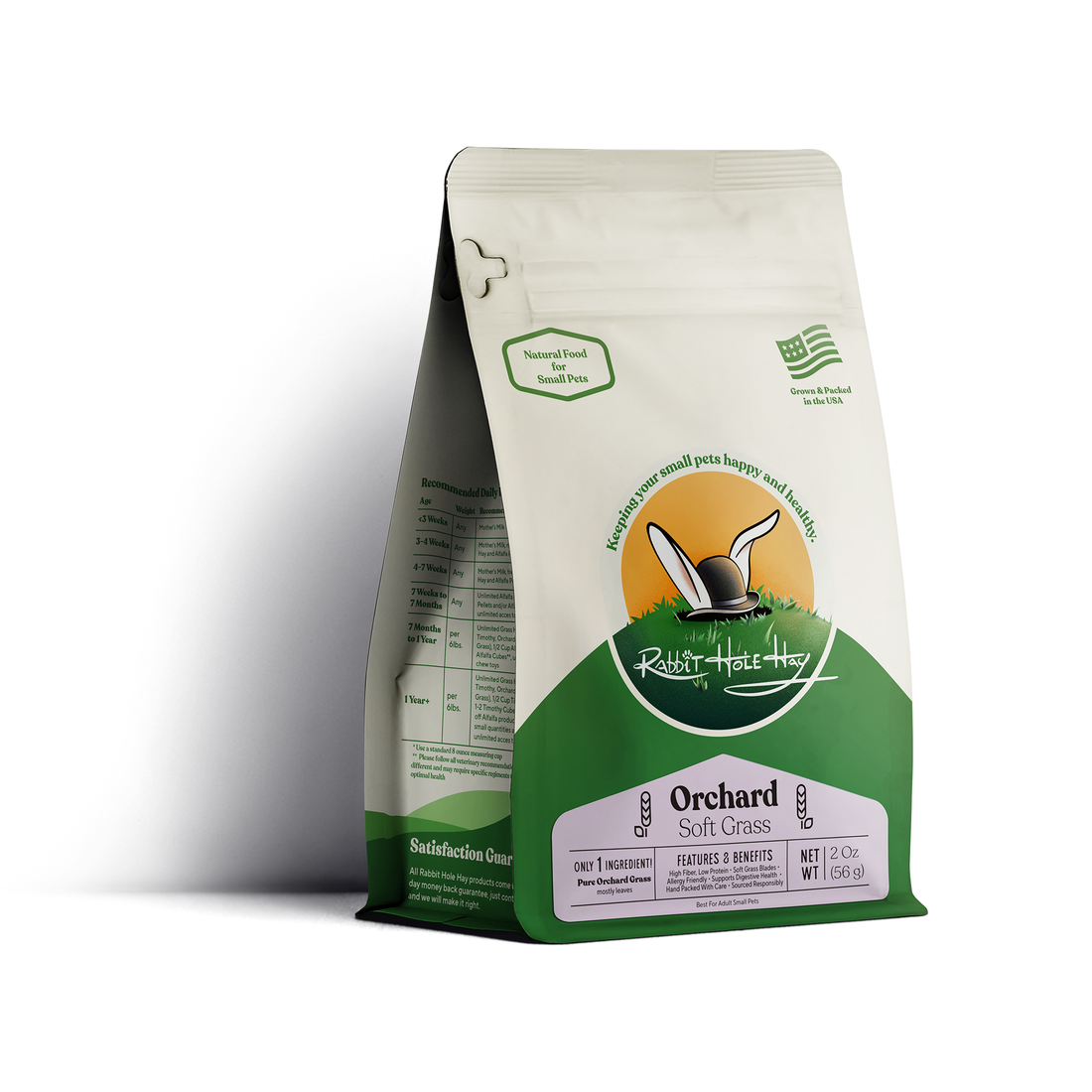
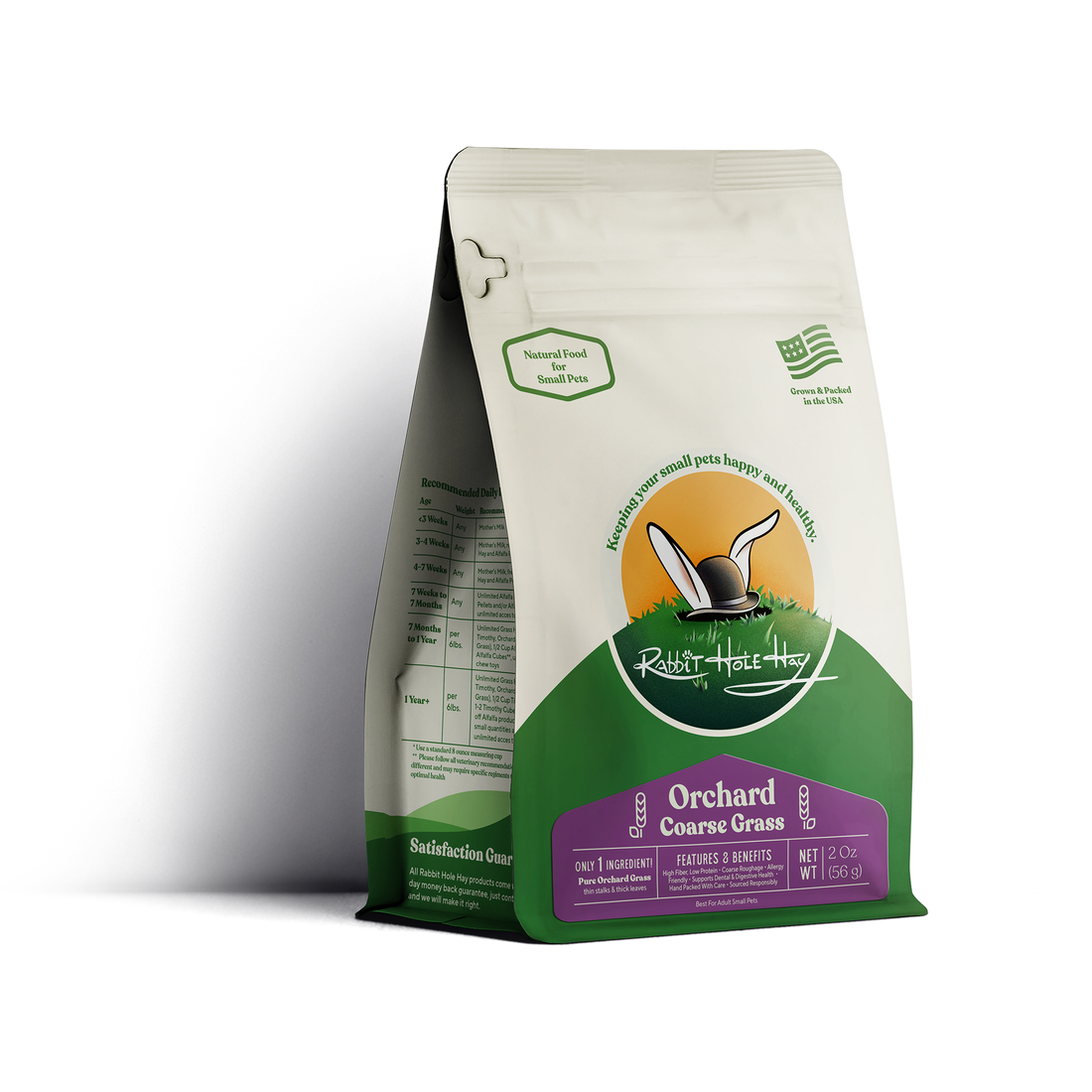
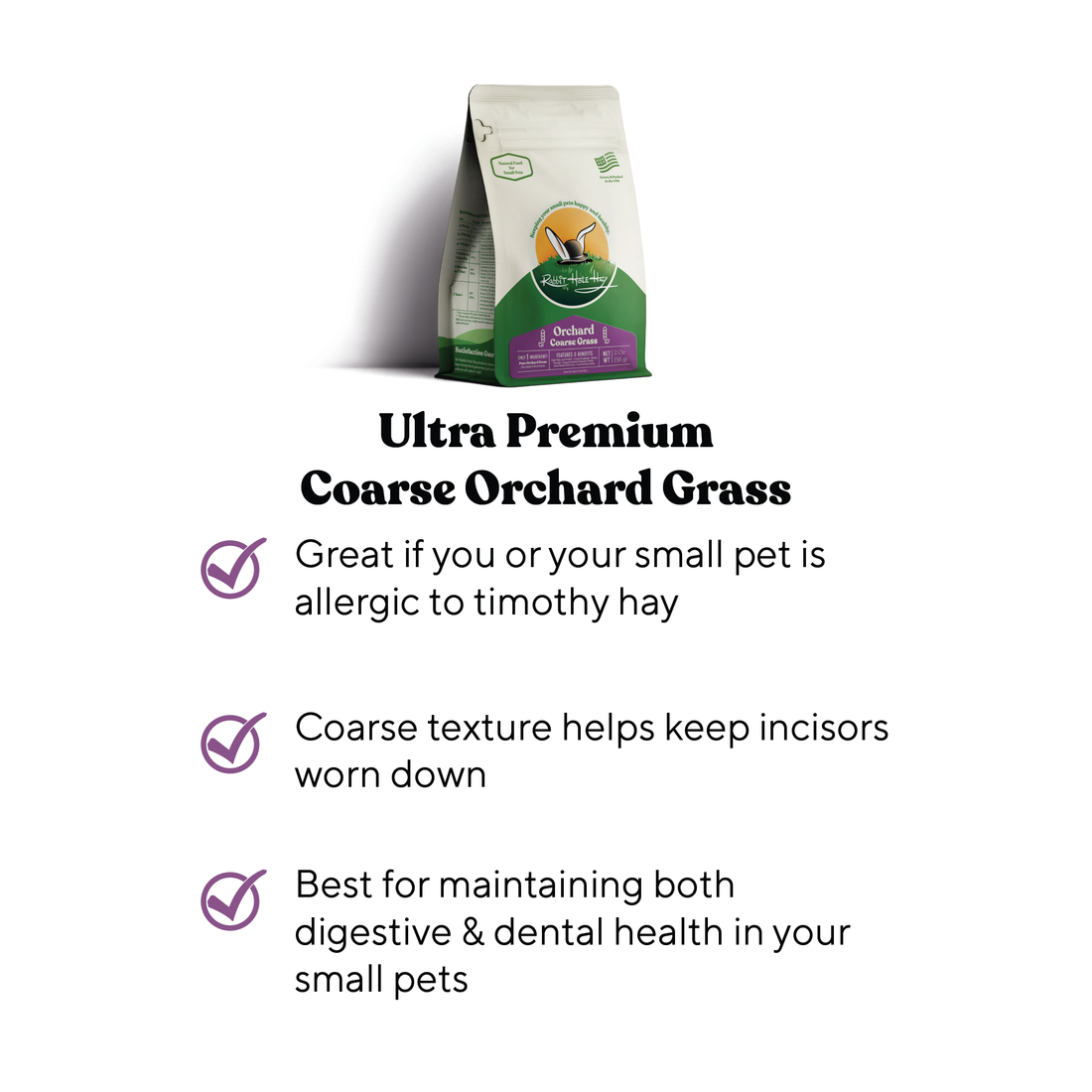
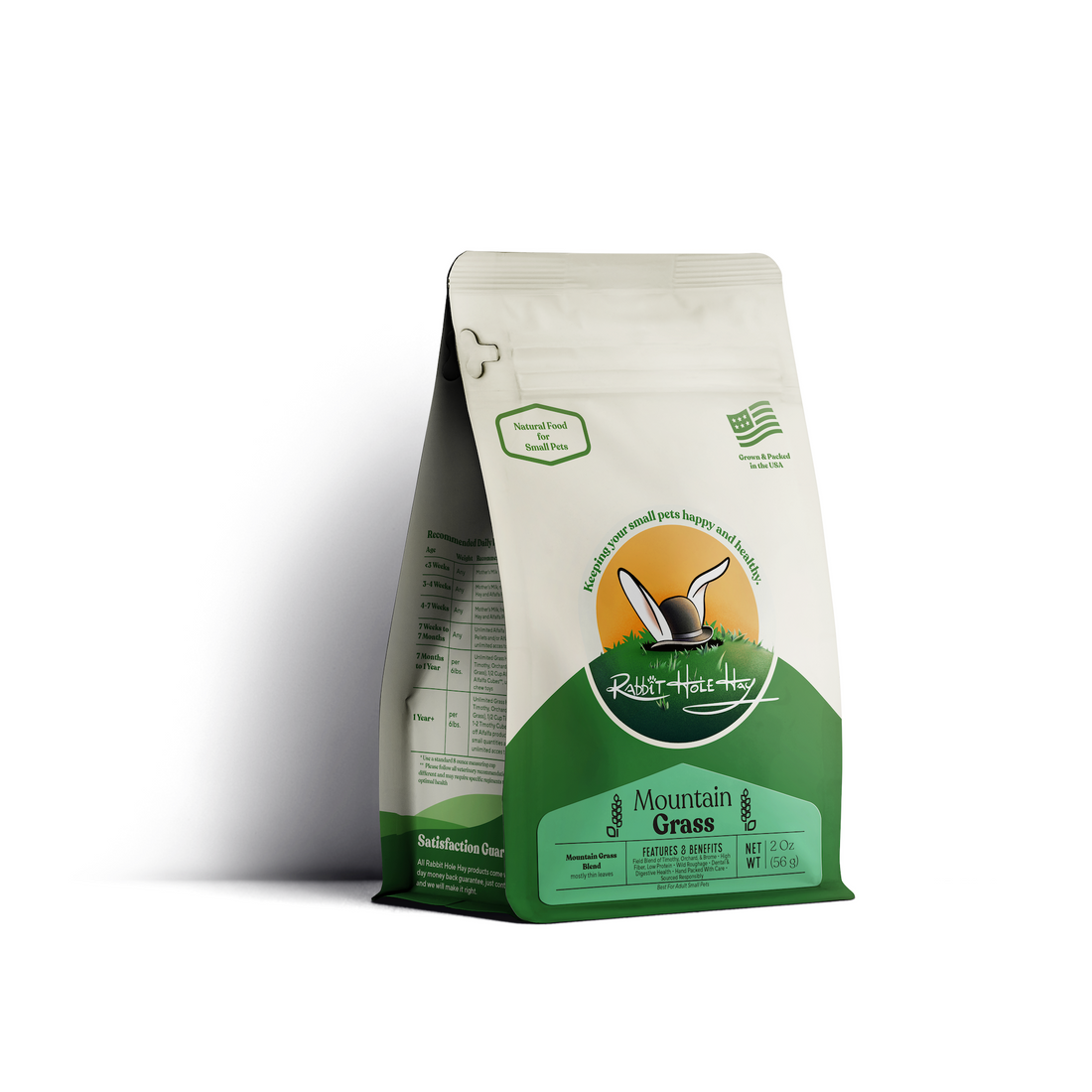
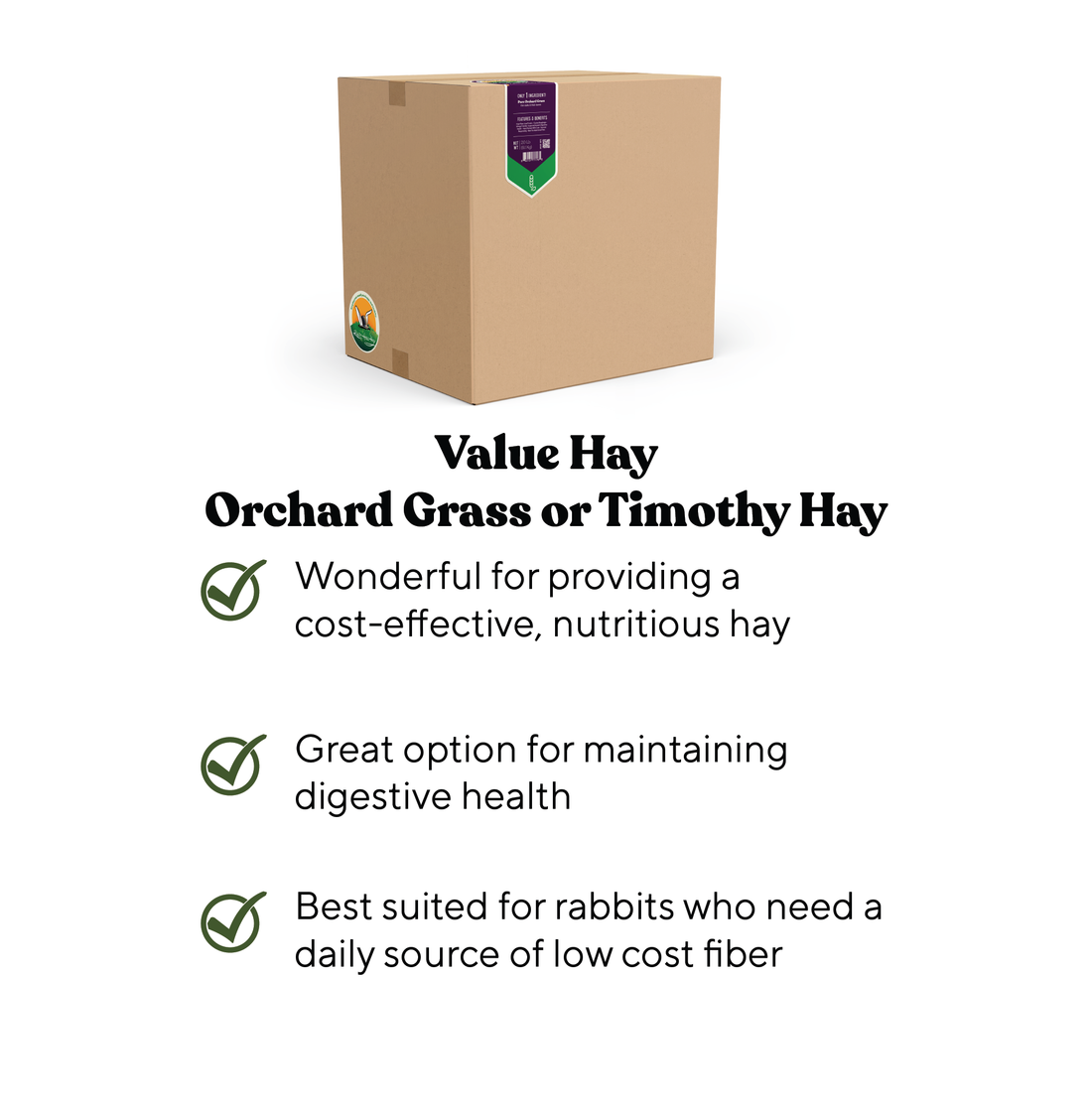
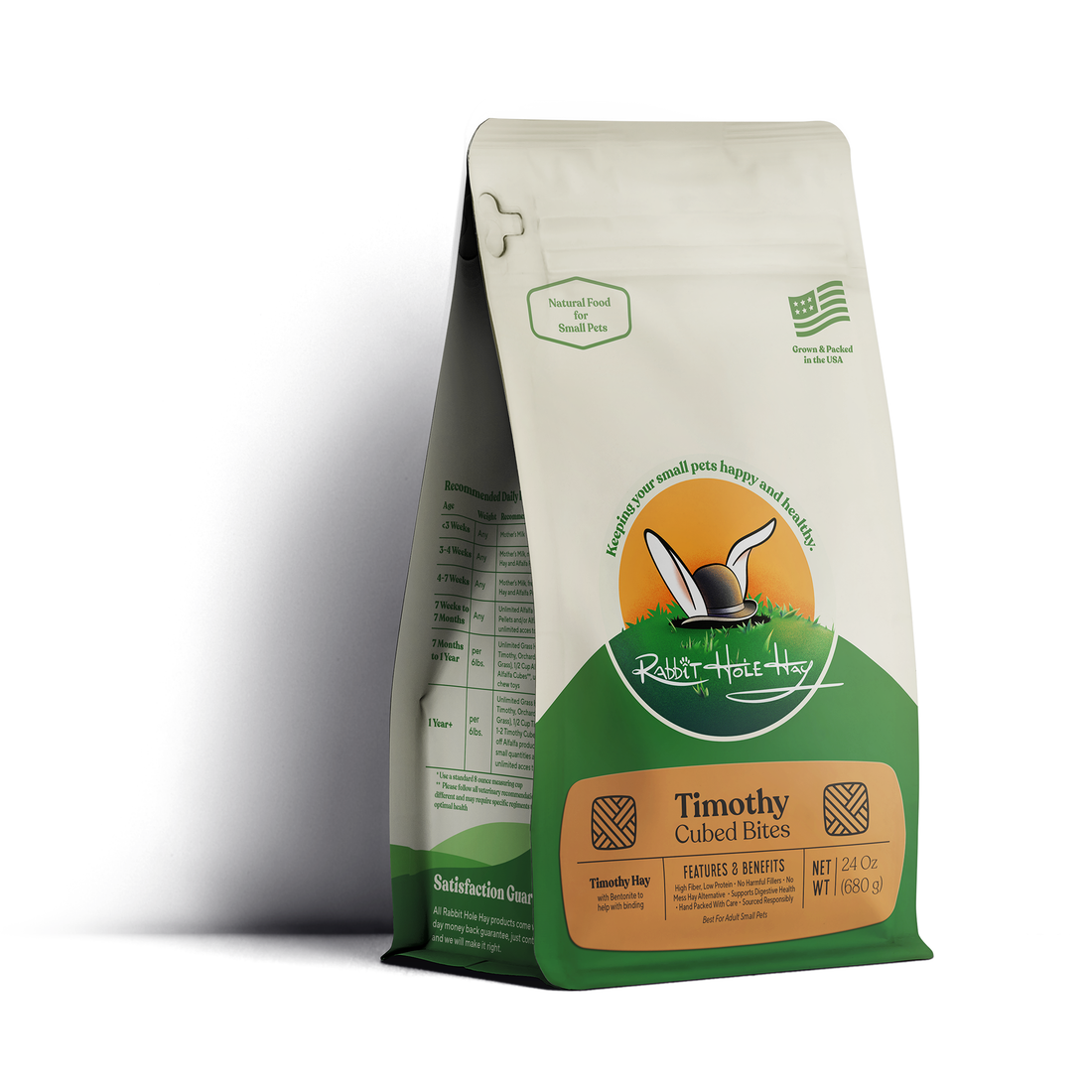
Hay is not background décor—it is the engine. Unlimited grass hay (timothy, orchard, meadow) keeps teeth worn and the gut moving. When a rabbit stops eating hay, that is often the first domino. If you need to refresh what “hay-first” looks like day to day, our rabbit diet guide lays it out plainly.
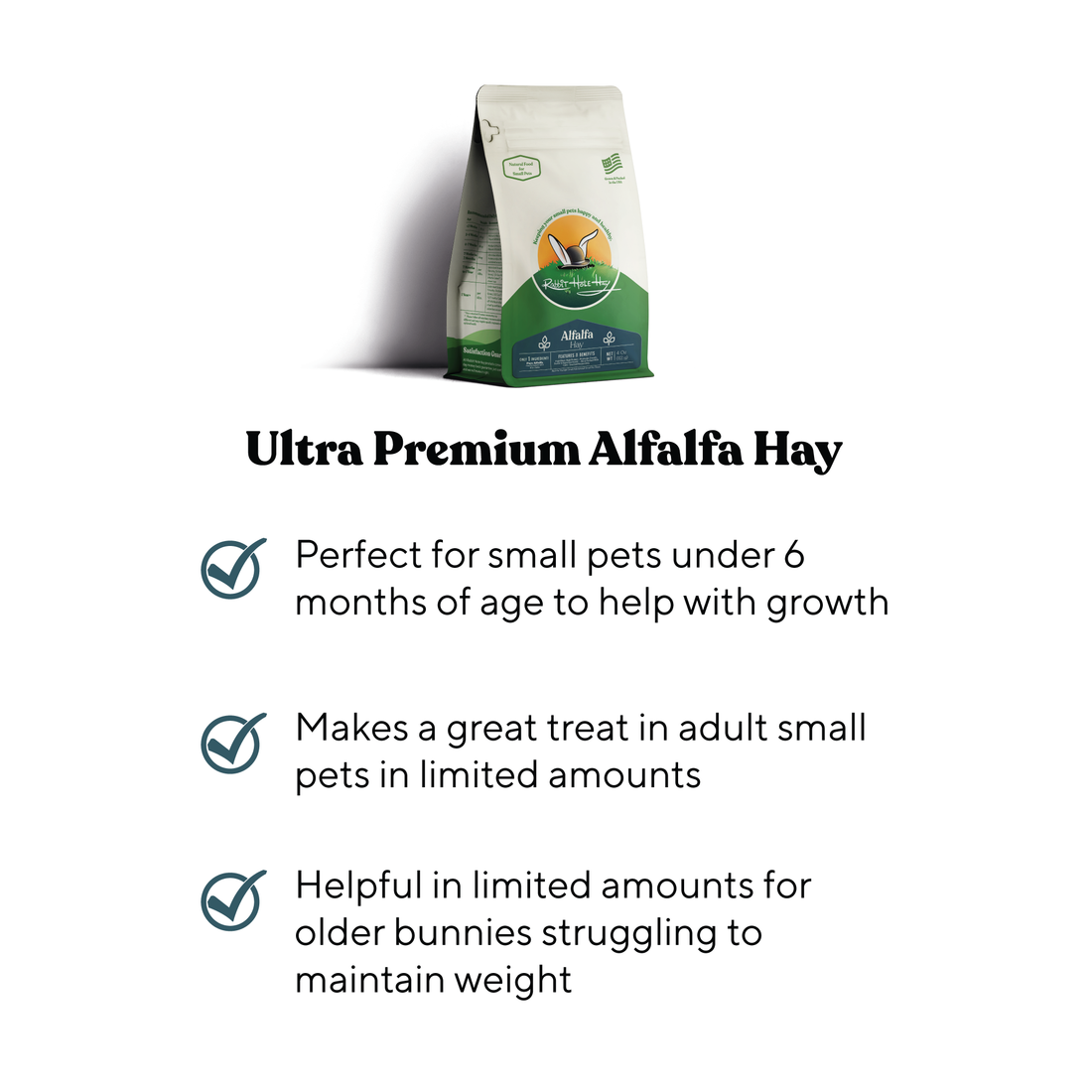
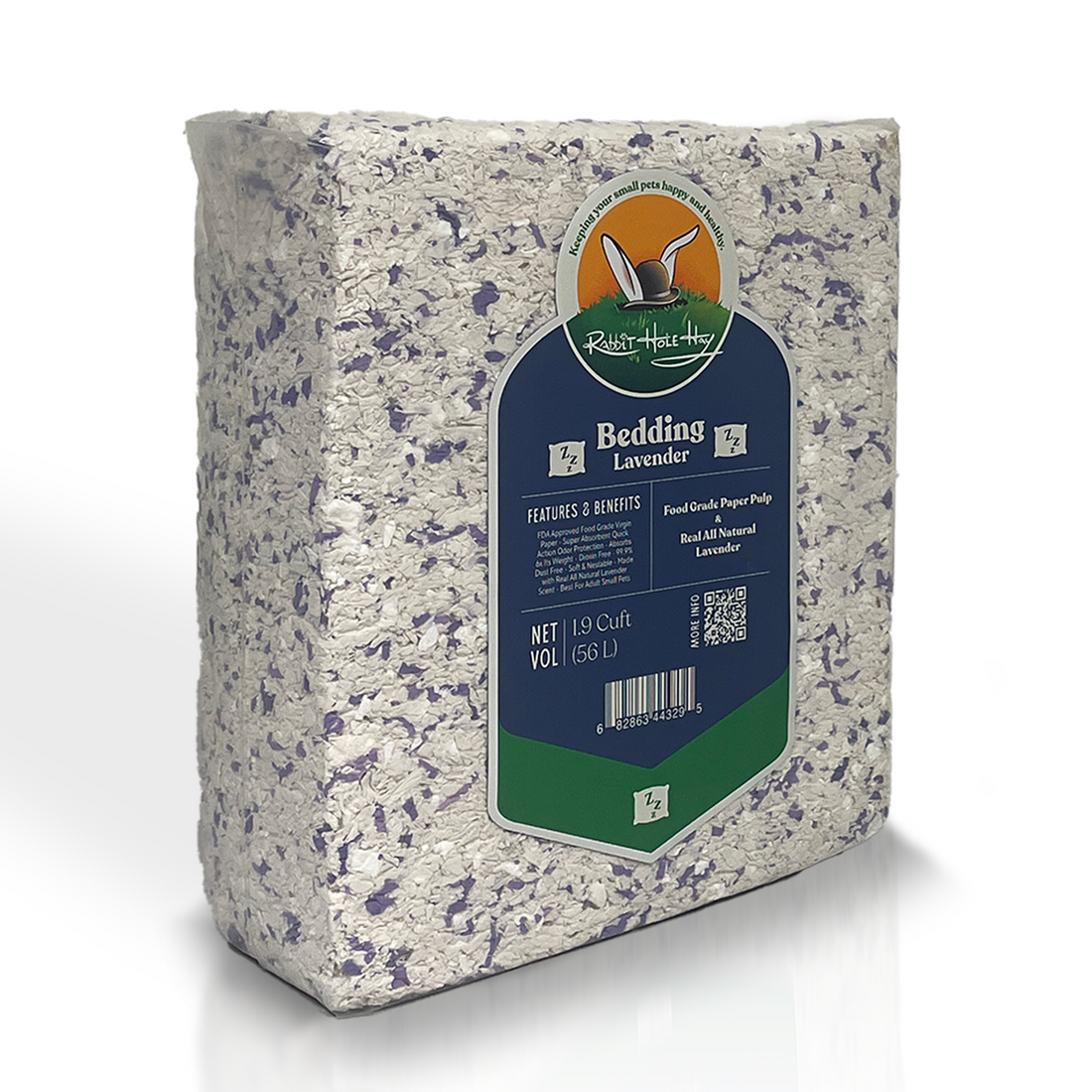
Good hay smells sweet and grassy, not musty. If the batch is off, swap it before you blame the bunny. Browse fresh hay options when you are ready to restock—after the vet clears the emergency, not instead of calling.
How Do I Find a Rabbit-Savvy Vet Before Crisis Hits?
Not every clinic sees rabbits daily. Ask whether they treat exotics, who performs rabbit dentals, and whether they stock emergency gut protocols. The House Rabbit Society vet list is a solid starting point. A vet who already knows your rabbit’s weight and teeth saves precious minutes when appetite crashes.
Broader preventive habits—including weight, dental checks, and stress signals—live in our lifespan and daily health overview.
How Do I Prevent Appetite Problems?
Hay first: Unlimited grass hay; measured pellets, not a full bowl.
Grooming: Brush through molts so less fur sits in the gut.
Stable setup: Predictable routine, quiet sleep hours, safe floor time.
Annual exams: Catch dental drift and weight change before they stop eating.
For diet basics from a veterinary angle, this PetMD rabbit nutrition overview aligns with hay-heavy feeding.
Key Takeaways
4–6 hours without food is urgent—call a rabbit-savvy vet, do not wait.
GI stasis, dental pain, hairballs, stress, and bad hay are common triggers; appetite loss is a symptom, not the diagnosis.
Prevention is hay, grooming, stability, and checkups—you will notice the hay pile before the crisis if you know your rabbit’s normal.
Trust the empty bowl. Your rabbit is counting on you to act when the routine breaks.





Comments