






















































































No—rabbits are not low-maintenance pets. They need unlimited hay refreshed daily, litter scooped on a real schedule, safe floor time, and someone who notices when appetite dips. They are quieter than dogs and do not need walks, but their gut runs on constant fiber and their prey instincts hide illness until problems are urgent.
If pet-store cages and cute adoption photos sold you on “easy,” you are not alone. That houseplant-with-whiskers myth is why so many rabbits land in rescues once the litter box, scattered hay, and exotics vet bills show up.

Below: the chores that still matter every day, how rabbits compare to dogs and cats, surprise costs, small comfort upgrades, and how to tell if a bunny fits your actual schedule—not your Pinterest board.
What Daily Rabbit Chores Still Matter?
Low-maintenance does not mean zero maintenance. It means the same predictable tasks on repeat—and skipping them is when rabbits get sick fast.
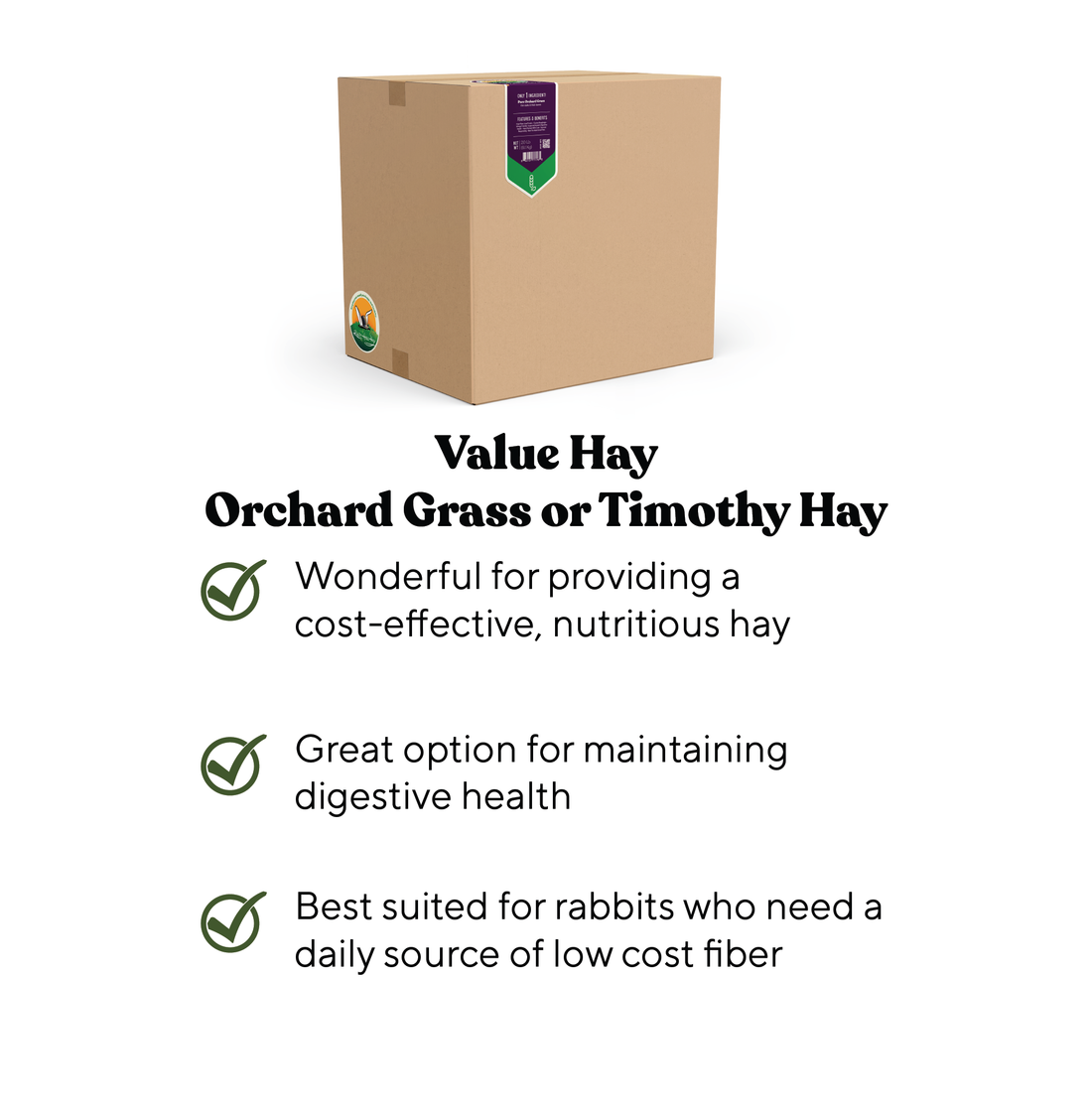
Hay is the engine. About 80 to 90 percent of the diet should be fresh grass hay—Timothy or orchard grass for adults—stacked in more than one station so it never runs out mid-day. Teeth grow continuously; coarse hay grinds them down and keeps the gut moving. A measured scoop of pellets and a handful of greens round out the plate, but hay is the line you protect first.
Water belongs in a heavy ceramic bowl in most homes—rabbits drink more naturally from a bowl than a drip bottle. Wash and refill daily; standing water grows slime faster than you think.
Litter training helps, but the box does not self-clean. Spot-scoop daily, full refresh weekly, and watch for ammonia buildup that burns tender feet. Rabbits also need supervised floor time outside a cramped cage—think exercise pen or proofed room, not a pet-store wire box. Bored, cooped-up buns chew carpet, thump at 2 a.m., or stop eating and hide.

For what that rhythm looks like hour by hour, walk through a typical day with a new pet rabbit. If you travel or work long shifts, the same chores still apply—see how long rabbits can be left alone before you book a weekend away without a sitter.
Are Rabbits Easier Than Dogs or Cats?
In some ways, yes. No rainy walks, no barking at the mail carrier, no litter box scooped four times a day like a multi-cat house. Rabbits groom themselves and rarely need baths.
In other ways, they are their own category. They need a dedicated pen or proofed room with room to hop flat-out—not a corner cage with a hay corner. They chew cords, baseboards, and chair legs when enrichment runs low. They are fragile prey animals; a panicked kick can break a back if a child scoops them wrong.

So “easier” depends on what you are comparing. Easier than a high-drive dog? Often. Easier than a cat who uses one litter box and naps on the sofa? Not automatically—rabbits need more space management and more hay logistics than most people expect.
What Costs Surprise New Rabbit Owners?
Adoption fees stay low—often under $100—but setup and year-one vet care are not pocket change. A roomy exercise pen beats a too-small cage you replace in months. Spay or neuter is essential for health and behavior, not optional. Exotics clinics cost more than dog-and-cat vets and can be harder to find.
Monthly hay, greens, litter, and chew toys add steady lines to the budget. Emergencies—GI stasis, dental work, injury—can spike fast because rabbits hide pain until they are seriously ill. For real numbers, see how much rabbit care costs and line up a rabbit-savvy vet before you need one at midnight.
What Small Changes Improve Indoor Comfort and Reduce Boredom?
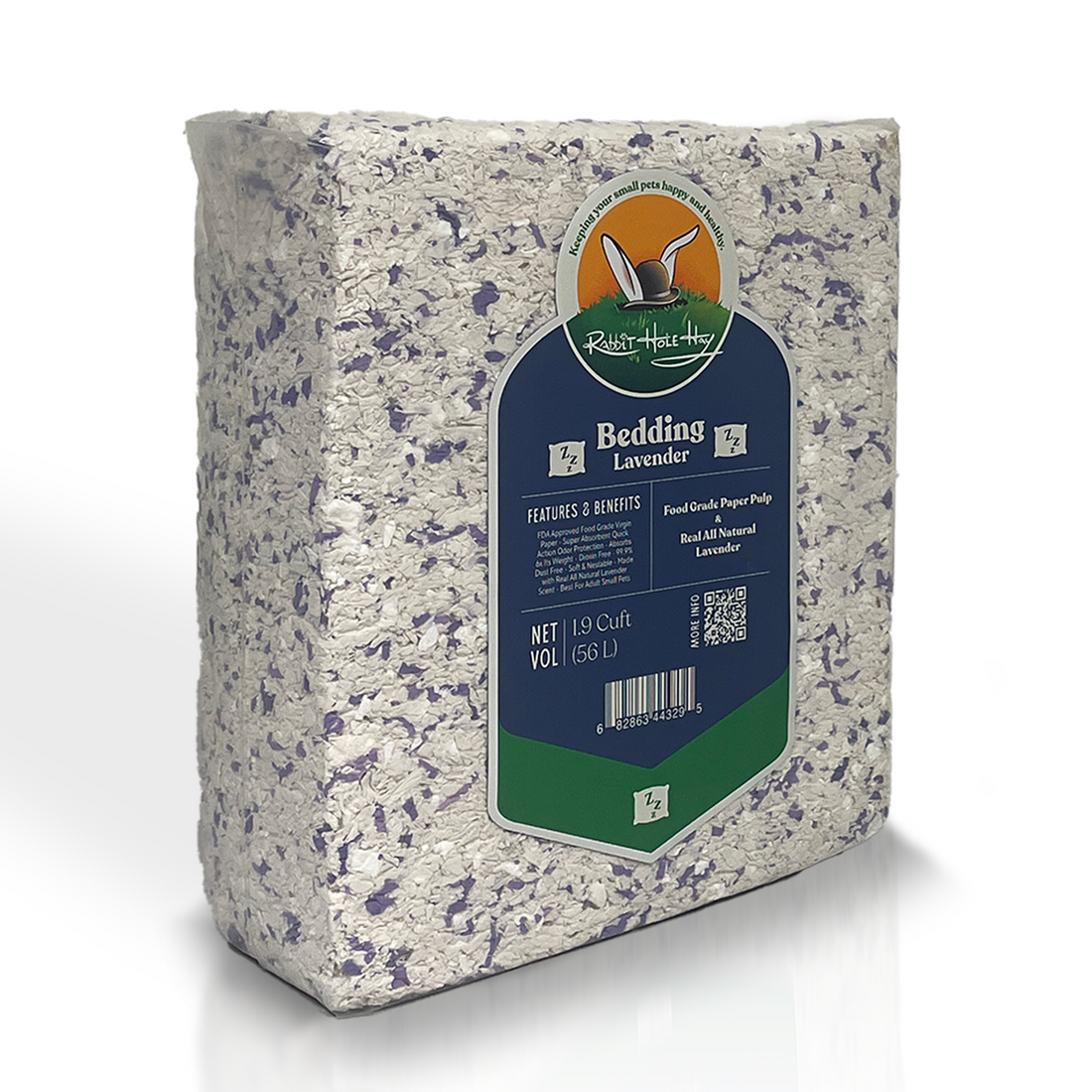
You do not need a toy aisle every week. You do need variety so yesterday’s cardboard tunnel is not today’s ignored clutter. Rotate chew-safe boxes, hay-stuffed toilet-paper rolls, and dig trays with shredded paper. Add a second hay station across the pen so eating and pooping stay separate—rabbits like a clean kitchen.
Soft flooring on slick tile saves sore hocks. A hideout they can duck into when the vacuum starts lowers stress. Match pen size to an adult stretch—see best rabbit habitat setup—and build in daily exercise so weight does not creep up on quiet buns.

For a longer list of comfort tweaks—lighting, enrichment swaps, bonding time—read what improves an indoor rabbit’s quality of life. Small changes beat a bored rabbit redecorating your baseboards.
What Myths Make People Think Rabbits Are Easy?
Myth: Great starter pet for young kids. Most rabbits dislike being held and can break their own backs if they panic. Floor-level interaction with adult supervision works better than “my bunny” bedroom duty.
Myth: Fine in a small cage with a hay corner. Healthy rabbits need space to hop, stretch, and reach their cecotropes. Undersized housing drives obesity and behavior problems.
Myth: They are fine alone all day with a food bowl. Social time and mental work matter. Ignored rabbits get destructive—or shut down. Learn their thumps and body language so grumpiness does not become a health crisis.
If that list feels like a lot, good—that is the honest answer to “low maintenance.” Research before adoption beats a shelter surrender six months later. Our Care pillar on how to care for a rabbit ties housing, diet, and routines together if you want the full picture.
What Makes Rabbits Worth the Daily Work?
When needs are met, personalities show up—bold buns who binky across the rug, quiet shadows who groom your hand, observant roommates who thump once and expect you to figure it out. No 2 a.m. yowling; mostly soft rustles and the occasional offended foot.
They are not furniture. They are also not a weekend-only pet. The payoff is trust built in small, boring, repeated chores—fresh hay, clean litter, patient floor time.
How Do You Know If a Rabbit Fits Your Life?
Ask honestly before you bring a bunny home:
Can you run daily hay, water, and litter chores—even on tired weeknights?
Is there room for a pen or proofed zone, not just a corner cage?
Can you budget for hay, greens, and exotics vet care—including emergencies?
Are you okay with some chewed baseboards and permanent hay tumbleweeds?
Do you have a rabbit-savvy clinic identified nearby?
If most answers are yes, you are set up for a calm, rewarding companion. If not, waiting beats impulse—rabbits live eight to twelve years, and they remember neglect longer than a houseplant forgives a dry week.
Key Takeaways
Rabbits are not low-maintenance; they need daily hay, litter care, exercise, and someone watching appetite and behavior.
They can be quieter and walk-free compared with dogs, but they need more space management and gut-focused feeding than many new owners expect.
Budget for setup, spay or neuter, monthly supplies, and exotics vet care—not just a low adoption fee.
Small enrichment and habitat upgrades prevent boredom; predictable chores beat surprise ER visits.
A starter kit checklist helps you buy housing and hay once with eyes open—not three returns later.






Comments