


































































Plan on about $150 to $300 to set up a proper indoor home, then roughly $60 to $100 every month for hay, greens, litter, and small supplies. The first year often lands between $1,000 and $1,500 once you add an exam and spay or neuter; later years usually settle closer to $500 to $800—before emergencies. Rabbits live 8 to 12 years on average, so the real number is years of boring, steady care, not a one-weekend shopping trip.
If that sticker shock feels personal, you are not being dramatic. Pet-store “starter cages” and cheap rabbits sell a myth; the honest budget looks more like a small dog with a hay bill.

Expect a mix of startup numbers, monthly rhythm, vet and insurance questions, and places to save without cutting hay or space.
What Does Rabbit Care Cost Up Front?
Most of the first check goes to space, not cute accessories. An indoor exercise pen that lets a rabbit stand fully upright and hop usually runs $120 to $250—far safer than a tiny pet-store cage you will replace in months. Hardware adds another $60 to $100: litter box, hay feeder, heavy water bowl, hideout, and food dish. Bedding or washable fleece liners often cost $10 to $30 to start.
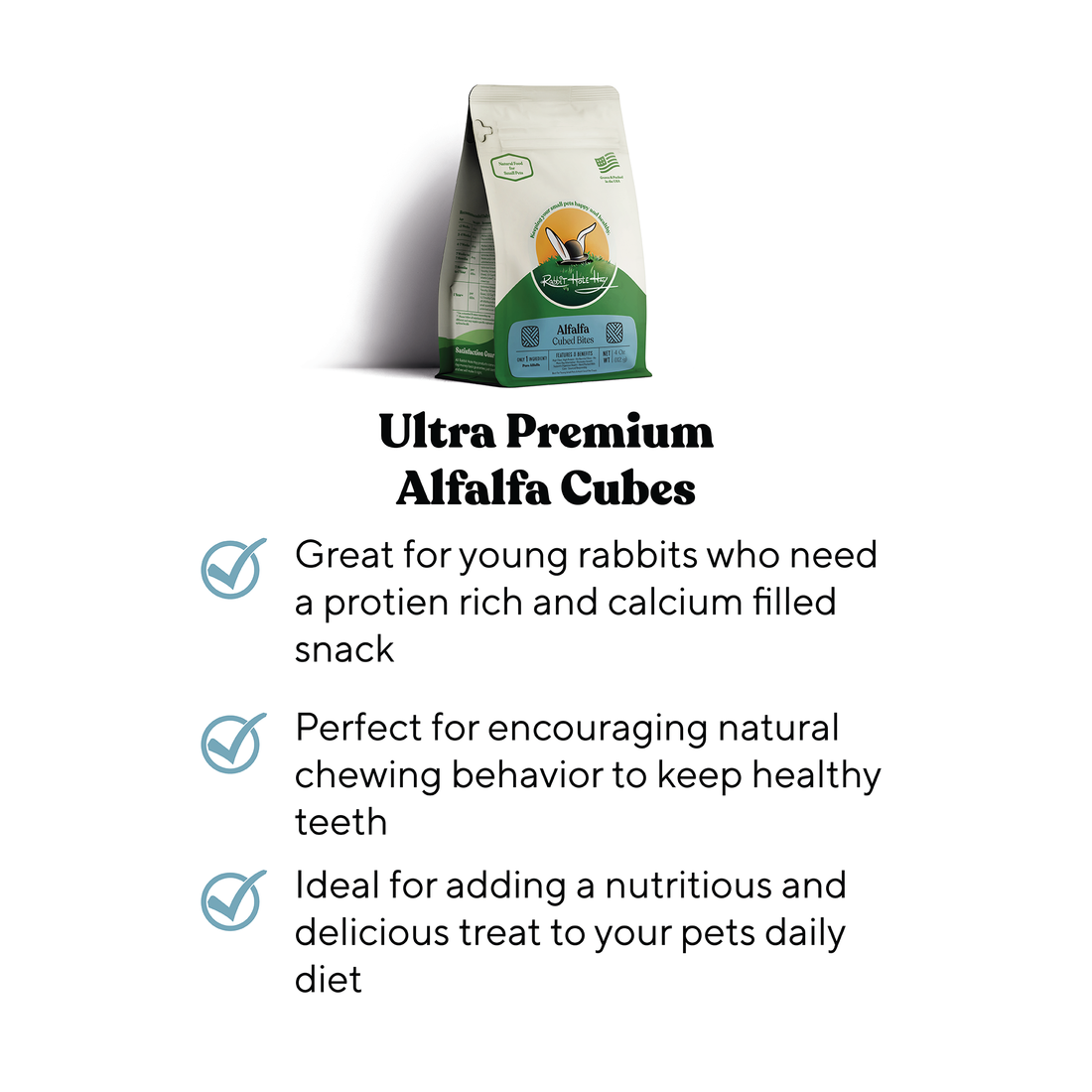
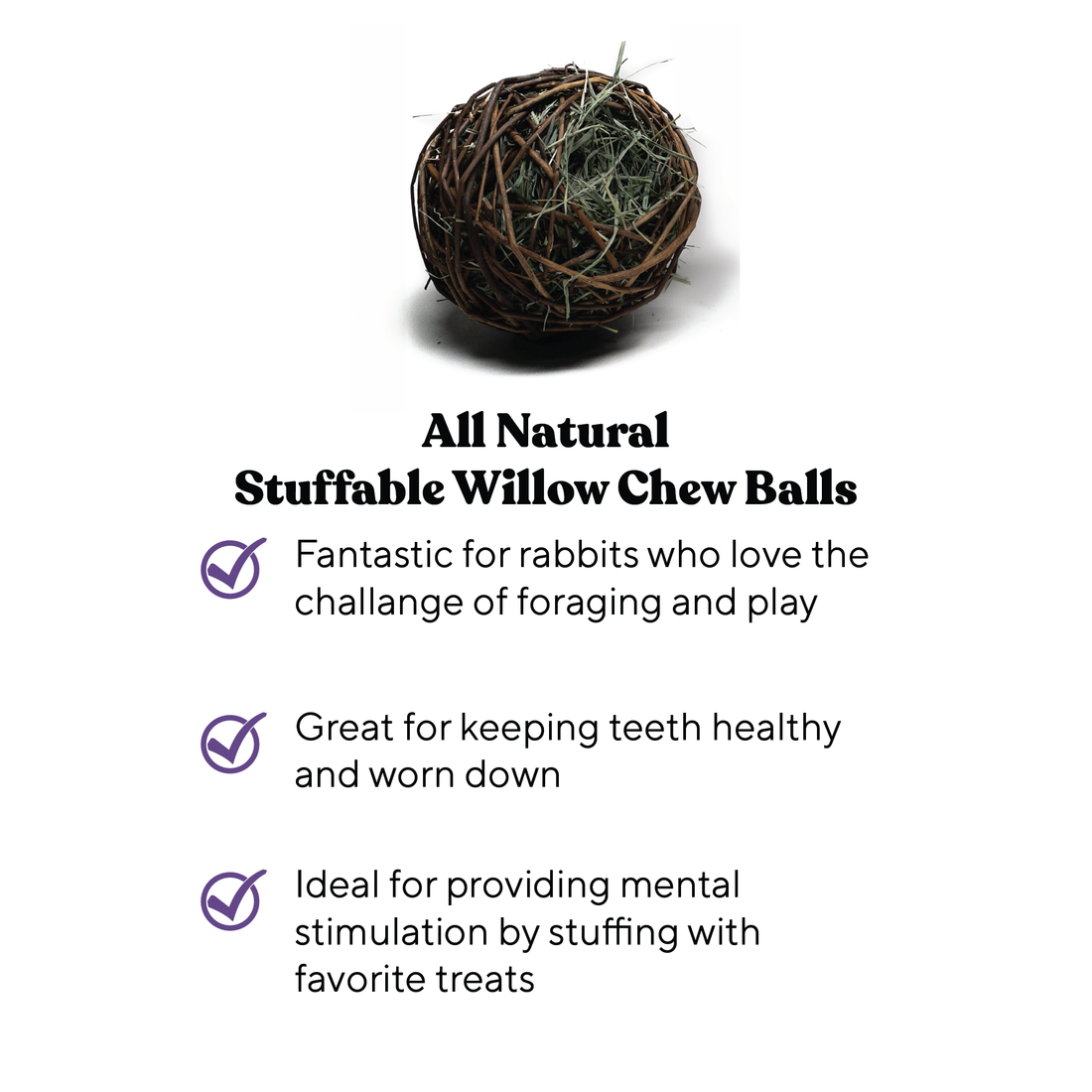
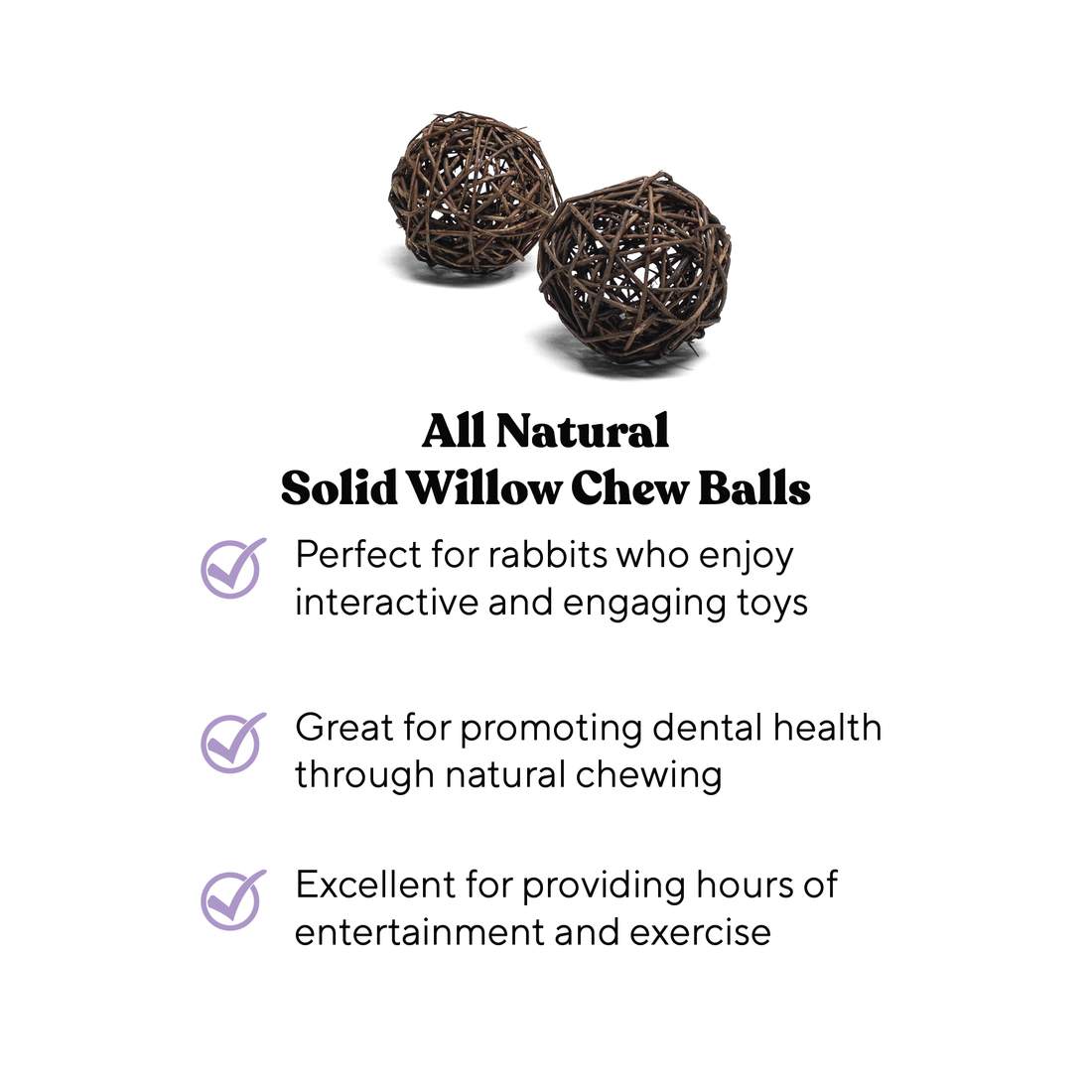
Budget $25 to $50 for starter enrichment—chew sticks, cardboard tunnels, and dig-friendly boxes—so boredom does not shred your liners and baseboards. DIY cardboard forts and hay-stuffed toilet-paper rolls stretch that line without a plastic toy aisle. For layouts that match real rooms, see our best rabbit habitat setup guide and the House Rabbit Society notes on safe housing.
Buying the too-small cage “just for now” means you pay twice: once for the cage, again for the pen you needed on day one—and your rabbit pays in stress while waiting.
What Do Monthly Rabbit Care Expenses Look Like?
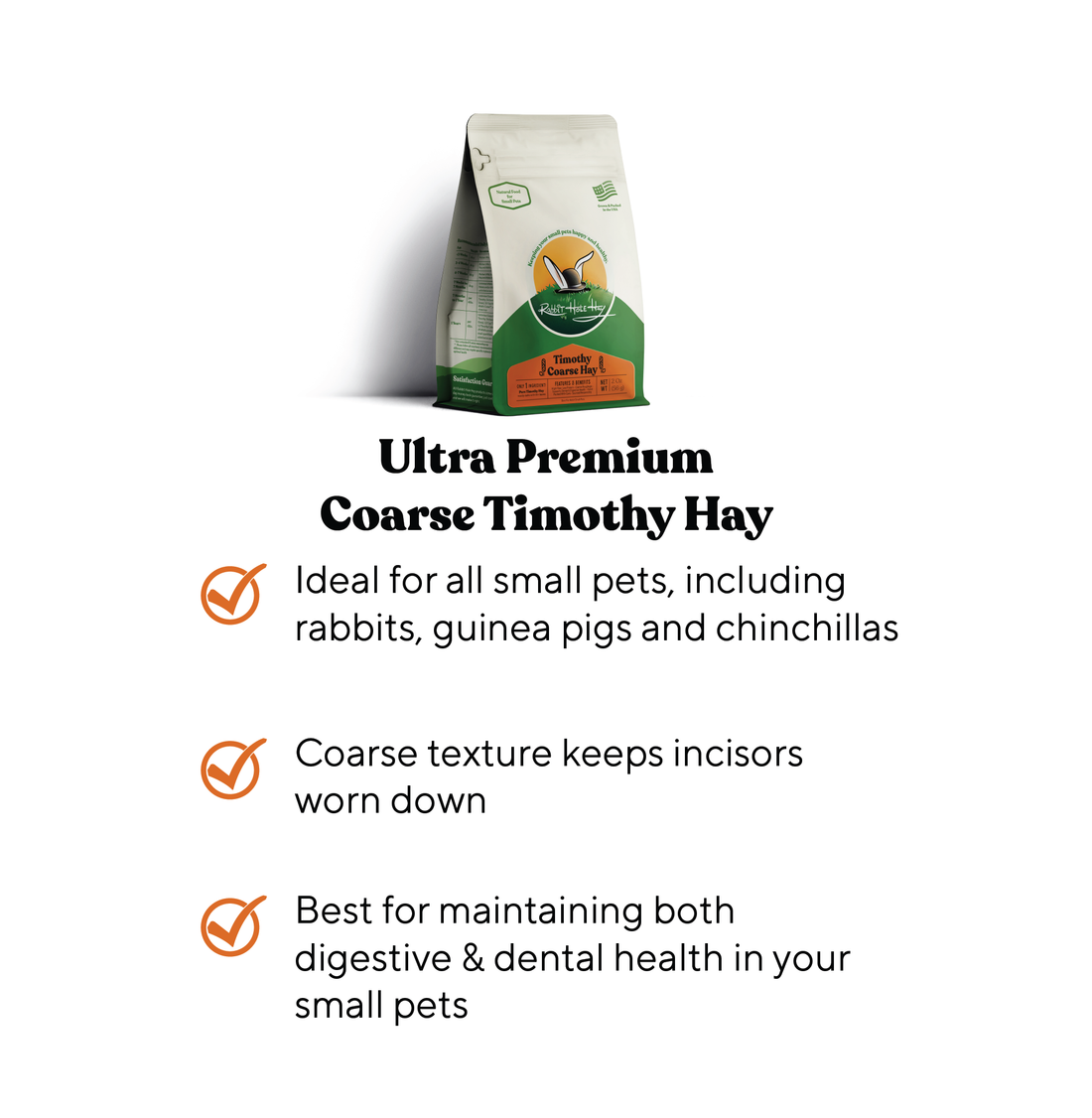
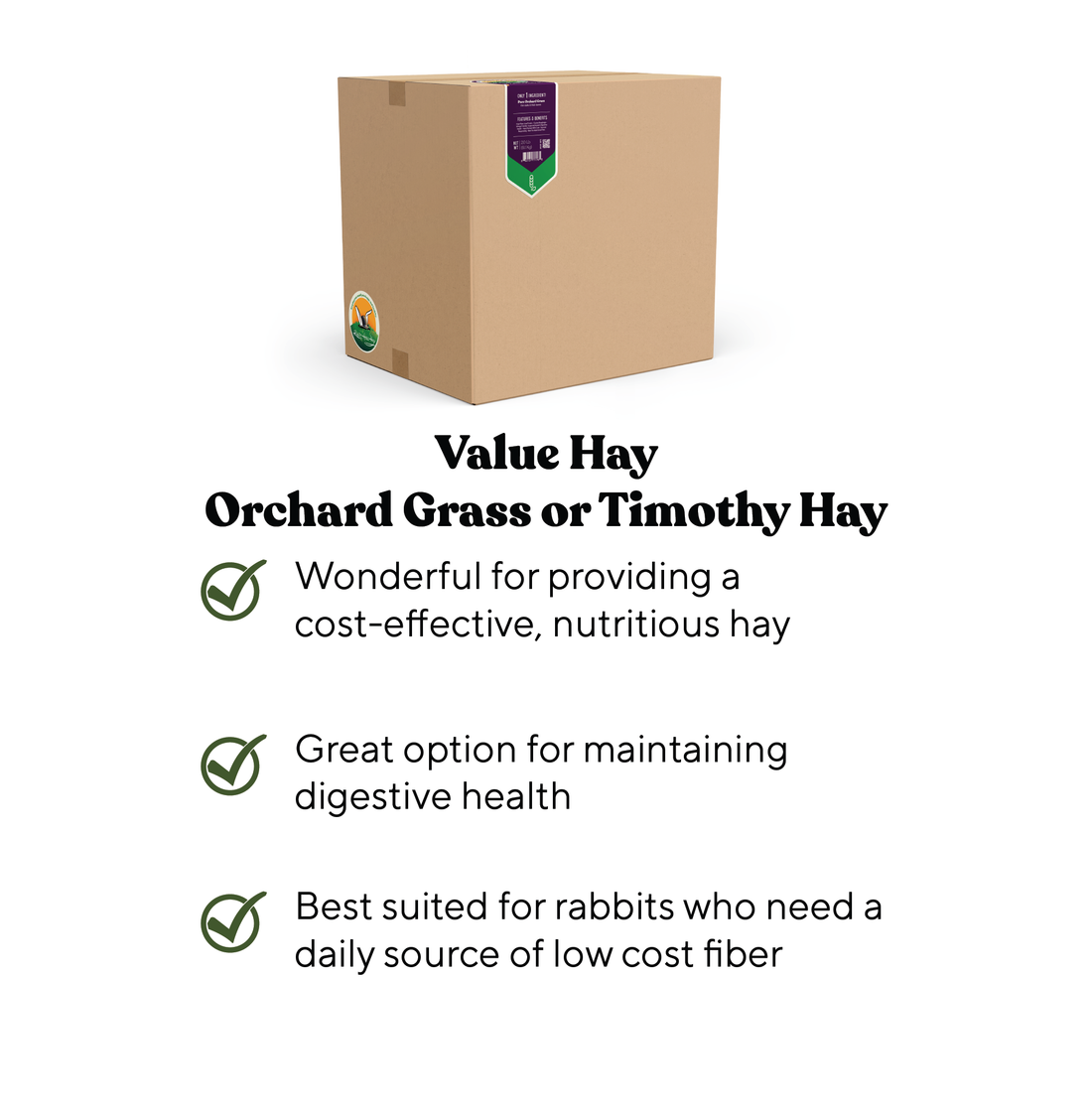
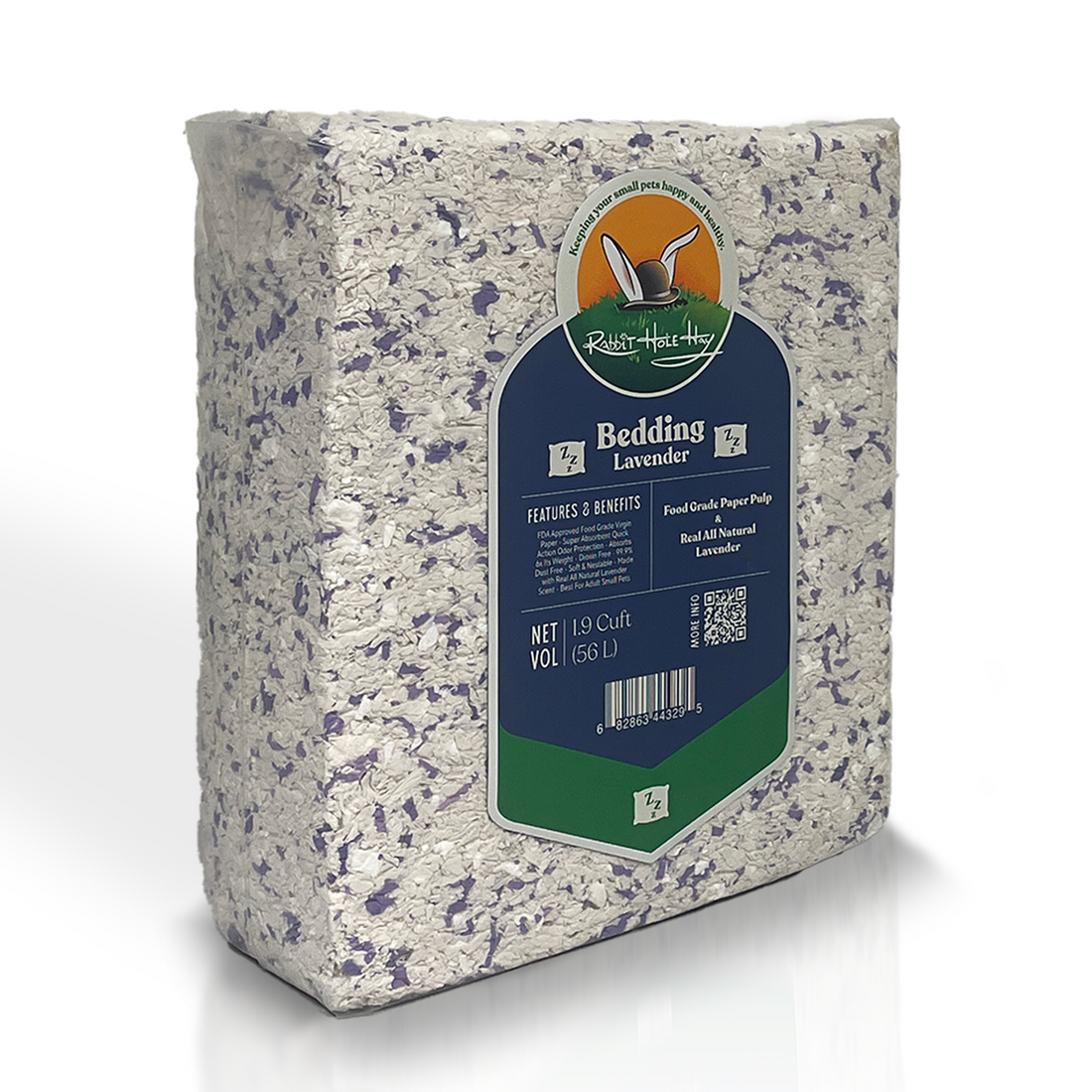
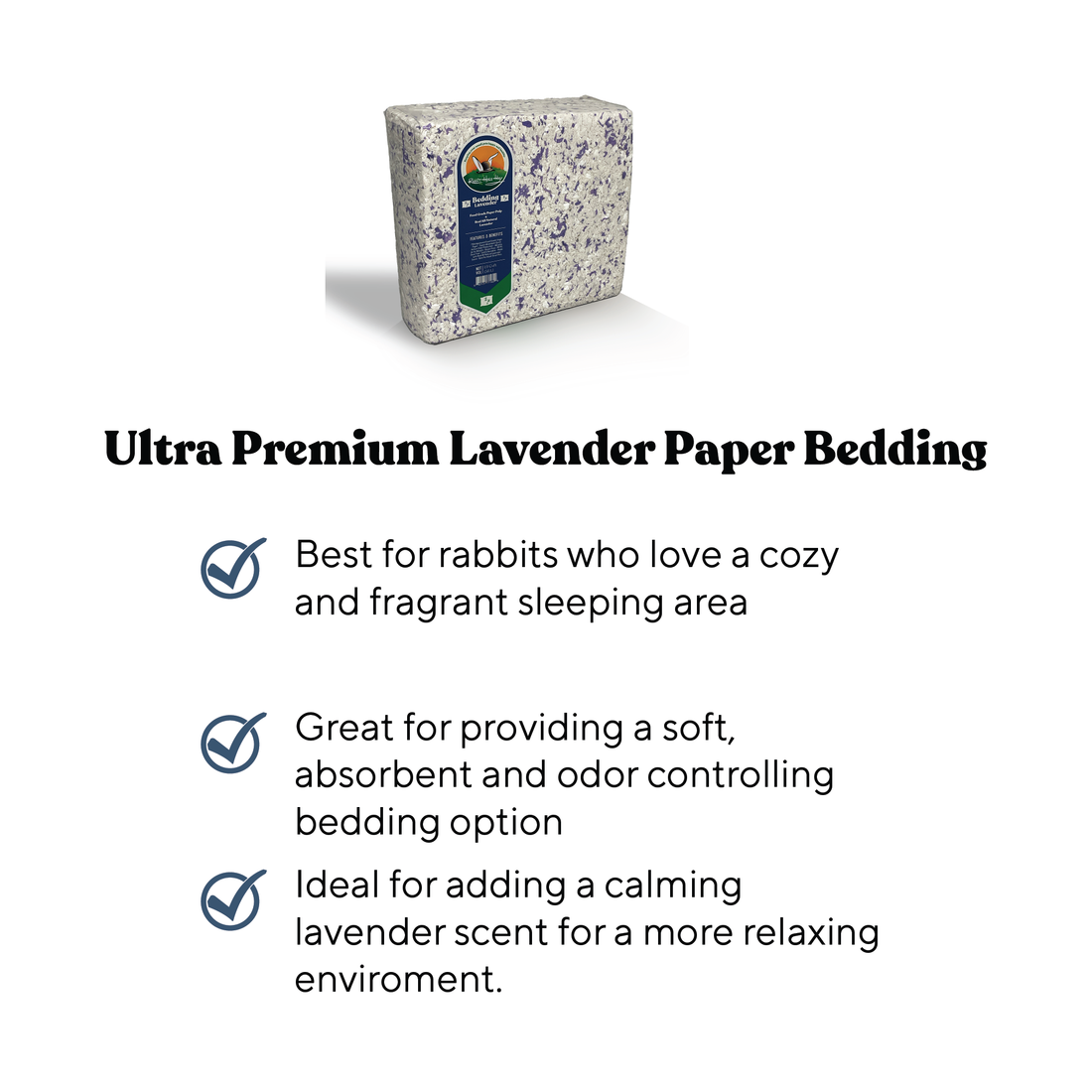
After setup, the monthly rhythm is food and litter. Unlimited grass hay—Timothy or similar for adults—usually lands around $20 to $40 a month if you buy quality and keep it dry. Pellets are cheaper, often $5 to $15. Fresh greens add about $15 to $25 depending on rabbit size and your grocery prices. Paper-based litter commonly runs $15 to $25; vinegar and simple cleaners are pocket change but easy to forget on a spreadsheet.
Hay is not a side dish. It is the heat engine of the gut—and the monthly line you protect first when money gets tight. Diet primers from the House Rabbit Society and the RSPCA both put fiber first for a reason.
For the chore picture behind those dollars, see a typical day with a new pet rabbit and whether rabbits are low-maintenance.
How Much Should You Budget for Vet Care and Emergencies?
Exotics or rabbit-savvy clinics often charge $60 to $100 for a wellness exam. Spay or neuter is usually a one-time hit of $150 to $400 depending on region—and it is money that also cuts reproductive cancer risk and some territorial behaviors. Those bills belong in year-one planning, not as a surprise after the first heat cycle.
Emergencies are the spike that sinks budgets: GI stasis, dental work, or injury visits can run $200 to $1,000 or more. Keep a small cash cushion labeled for rabbit care, or compare exotic-friendly insurance before you need it—not after the 2 a.m. ER parking lot.
Rabbits, while small, are not cheap pets. Eight to twelve years of hay, litter, and checkups adds up to a real companion budget, not a goldfish impulse buy.

Is Pet Insurance for Rabbits Worth Comparing?
Sometimes—when the plan actually covers rabbits as exotics, lists the clinics you can use, and is clear about waiting periods, dental exclusions, and annual caps. A cheap premium that rejects GI stasis or dental claims will not soften the emergencies that hit hardest.
Compare at least a few policies side by side against your emergency fund size and local exotics fees. For a fuller walkthrough of what to ask and when insurance helps versus a savings jar, use our guide is pet insurance for rabbits worth it.
Where Can You Save Without Cutting Corners on Care?
Protect hay quality and living space first. Buy hay in bulk when you can store it cool and dry; DIY cardboard enrichment is free entertainment rabbits usually prefer over flashy plastic. Washable fleece liners cost more on day one than disposable fluff, then cut the monthly bedding refill and drop dust that irritates noses.
Skip the undersized cage, the “treats instead of hay” aisle, and random habitat upgrades that do not fit your rabbit’s size. Matching housing to a real adult body—see how much a rabbit weighs—keeps you from paying twice for pens that never worked.

Buy hay, pellets, and litter in sizes you can store without spoilage.
Reuse cardboard, paper bags, and towel scraps for dig-and-chew work.
Track one month of receipts so the “surprise” greens and litter lines stop being surprises.
Spend on prevention—roomy pen, steady hay, early exotics visits—before emergency weekends.
How Do Two Rabbits or Housing Upgrades Change the Budget?
A bonded pair often means a second set of bowls, litter boxes, and temporary housing during bonding, plus roughly 50% to 100% more food and hay. Shared toys help a little; double vet visits do not. Professional bonding help, when you need it, can add $75 to $200 depending on your area.
Housing upgrades—bigger pens, room dividers, weatherproof outdoor hutches with secure runs—can run $100 to $600+ when your first setup is outgrown or you add a companion. Soft flooring for play zones may add $30 to $75. Chew-safe materials matter; pretty rugs that shred into strings become vet bills, not décor wins.
Where you live shifts prices too: city exotics fees and grocery greens cost more; rural hay suppliers can be cheaper. Travel adds sitter nights at roughly $15 to $40. For housing, diet, and daily routines those dollars support, use our Care pillar on how to care for a rabbit. Beginner checklists live in how to take care of a rabbit for beginners.
Key Takeaways
Expect about $150 to $300 to set up a roomy pen and basics, then $60 to $100 most months for hay, greens, and litter.
Year one often hits $1,000 to $1,500 with exams and spay or neuter; later years closer to $500 to $800 before emergencies.
Keep an emergency cushion—and compare rabbit-capable insurance only when the fine print covers the bills that scare you.
Save on DIY toys and bulk hay; do not save on space, fiber, or rabbit-savvy veterinary care.
A starter kit checklist helps you buy once with eyes open—not three returns later.






Comments