























































Whether your rabbit must be vaccinated depends on where you live and what diseases are circulating nearby. In the United Kingdom and much of Europe, myxomatosis and rabbit hemorrhagic disease (RHDV) vaccines are considered standard preventive care—often starting around five to seven weeks old with yearly boosters. In the United States, routine rabbit vaccines were uncommon for years, but RHDV2 outbreaks since 2020 changed the conversation; many rabbit-savvy vets now recommend the USDA-authorized RHDV2 vaccine in at-risk counties, with a two-dose starter series and boosters on a schedule your vet sets.
If you are staring at conflicting forum posts—indoor only, so skip it versus one case in your county and you are on the map—that tension is real. Vaccines are not one-size-fits-all globally, but they are also not optional everywhere just because your bun lives in the spare bedroom.
We will walk through which shots to ask about, how schedules usually look, regional must-haves, staying current on boosters, reaction red flags, and how vaccines fit beside hay, dental checks, and annual wellness visits. Your vet has the final word on products—this is the prep conversation before you book. For disease specifics, local risk maps, and biosecurity, see our RHDV2 guide. Broader preventive habits sit in our rabbit health and lifespan guide.

Which Vaccines Should Pet Rabbits Get?
The short list most owners hear about:
Myxomatosis — a severe viral disease spread by biting insects (fleas, mosquitoes). Swelling, blindness, and high fatality make it a core vaccine in the UK and many European countries. It is not widely used in the U.S. because the virus is not established here the same way.
RHDV1 and RHDV2 — caliciviruses that attack the liver and blood-clotting system. Outbreaks can move fast through direct contact, contaminated surfaces, insects, and even hay or bedding. RHDV2 is the strain that has spread across much of the U.S. since 2020.
Some countries offer combination products (myxomatosis plus RHDV in one visit). In the U.S., the commonly discussed option is the Medgene Labs RHDV2 vaccine—a killed recombinant product licensed in many states. Your vet orders through their clinic; availability varies by state law and distributor.
Do not assume a dog-and-cat vaccine clinic stocks rabbit formulas. Call an exotic or rabbit-savvy veterinarian and ask which products they carry before you book.
Does Every Rabbit Need the Same Vaccines?
No—and that is not a loophole, it is geography and risk math.
In the United Kingdom, the Rabbit Welfare Association and most vets treat vaccination against myxomatosis and RHDV as routine, including many indoor-only pets. Insects can come through open windows; the viruses do not care about your floor plan.
In the United States, myxomatosis vaccination is generally not part of standard care. RHDV2 is different: the House Rabbit Society recommends vaccination for pet rabbits in areas where the virus is endemic or outbreaks are active—even indoor rabbits, because people and insects can track virus indoors on shoes and clothing.
High-attention scenarios include rabbits who go outside, attend shows or meetups, live in multi-rabbit households with outdoor exposure, or sit in counties with confirmed cases on the USDA RHDV2 map. A bun who never leaves a third-floor apartment in a low-risk county may still benefit from a vet conversation—but the urgency is not identical to a backyard hutch in a red-outline endemic zone.

What Is a Typical Rabbit Vaccination Schedule?
Exact timing is label- and country-specific, but these patterns help you plan the conversation:
Starter series (young kits and new adoptions)
Many protocols begin around five to seven weeks for the first dose, with a second appointment a few weeks later depending on the product. Adopted adults with unknown history can often start immediately—healthy rabbits are not too old for their first protection.
RHDV2 in the U.S. (common Medgene protocol)
Typical guidance: dose one, then dose two twenty-one days later, then annual boosters unless your vet adjusts for local outbreak status or product updates. Always follow the written schedule your clinic gives you—not a blog summary.
UK / Europe combined vaccines
Many practices use yearly boosters for myxomatosis and RHDV, sometimes with slightly different intervals for young rabbits completing their primary course. Rescue organizations often vaccinate on intake; you still need to confirm booster due dates when you bring a bun home.
When Should You Start Vaccinating a Young Rabbit?
Schedule a wellness exam soon after adoption, even if the seller said shots are done. Shelters and rescues in outbreak regions often vaccinate on entry, but paperwork gets lost and boosters still expire.
At that first visit, your vet should:
Confirm age, weight, and overall health
Review local disease risk (county maps, recent outbreaks)
Start or continue the right primary series
Give you a written booster calendar
If your rabbit is recovering from illness, the vet may delay vaccination briefly—ask rather than skipping silently because the appointment felt inconvenient.
How Do You Stay on Track With Boosters and Annual Visits?
Vaccines work best as a calendar habit, not a one-time checkbox. Most boosters are yearly; missing a window can leave a gap exactly when outbreak pressure is highest.
Practical tricks that actually stick:
Set a phone reminder for two weeks before the due date
Keep a photo of the vaccine label and date in your camera roll
Pair boosters with an annual wellness exam—dental check, weight trend, poop quality talk
Ask the clinic if they send email reminders (many do)
Annual visits are not just for shots. They are when a vet catches early dental pain, subtle weight loss, or gut slowdown before your rabbit hides it completely. Our article on how to tell if a rabbit is healthy covers daily owner checks between those visits.

What If Your Rabbit Has a Reaction After a Shot?
Most rabbits handle vaccines without drama. Mild sleepiness, a small lump at the injection site, or a slightly smaller appetite for a day can happen and often resolve on their own.
Call your vet the same day if you see:
Swelling that spreads or feels hot
Labored breathing or wheezing
High fever or extreme lethargy
No interest in food for twelve hours or more—that is an emergency pattern in rabbits, vaccine-related or not
You are not being dramatic for checking—a skipped breakfast in a rabbit is a bigger deal than it looks. Treat appetite loss like a gut emergency until a professional says otherwise. See when to worry if your rabbit stopped eating for the next-step list.
What Other Preventive Care Belongs on the Same Calendar?
Vaccines prevent specific viruses—they do not replace daily care that keeps the immune system and gut resilient.
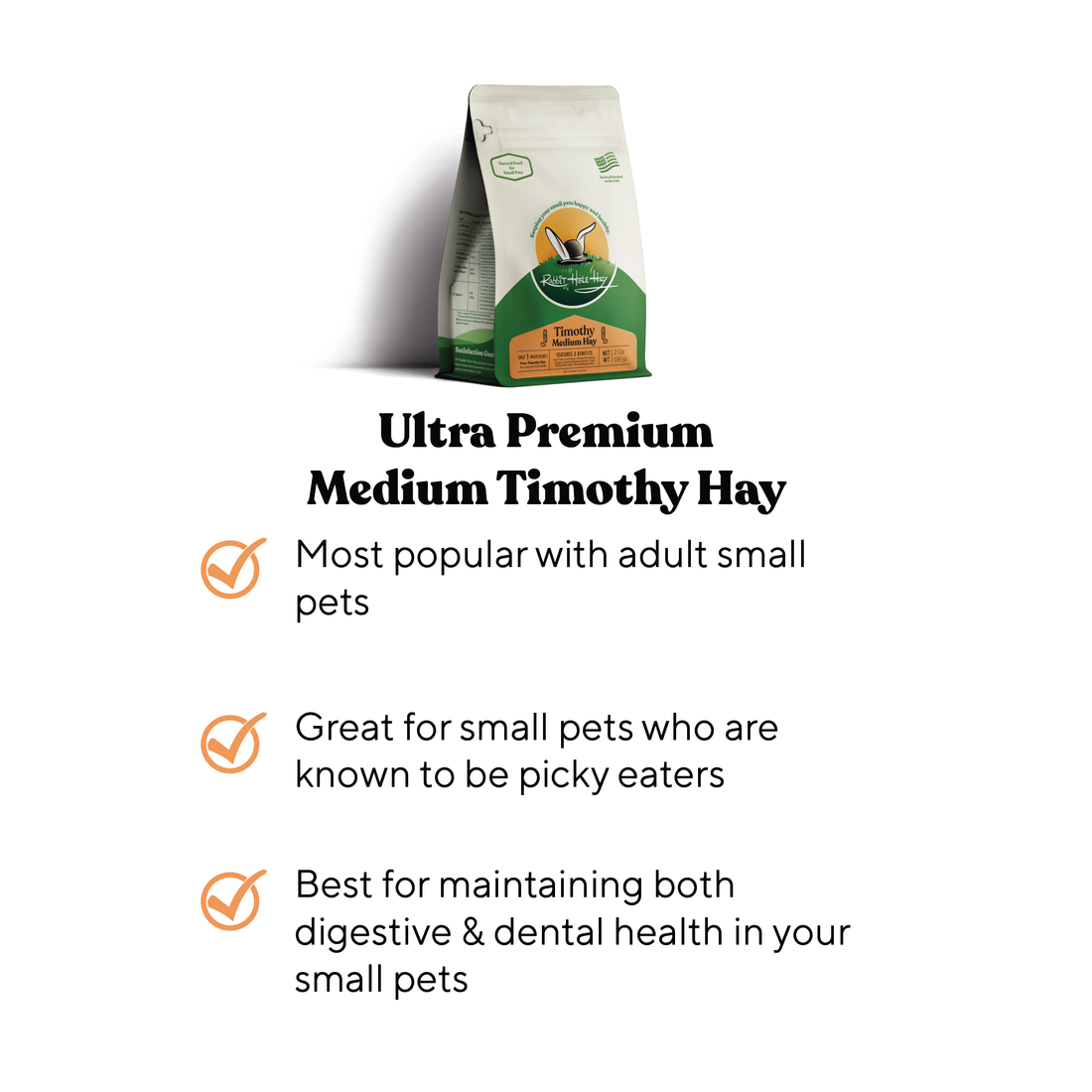
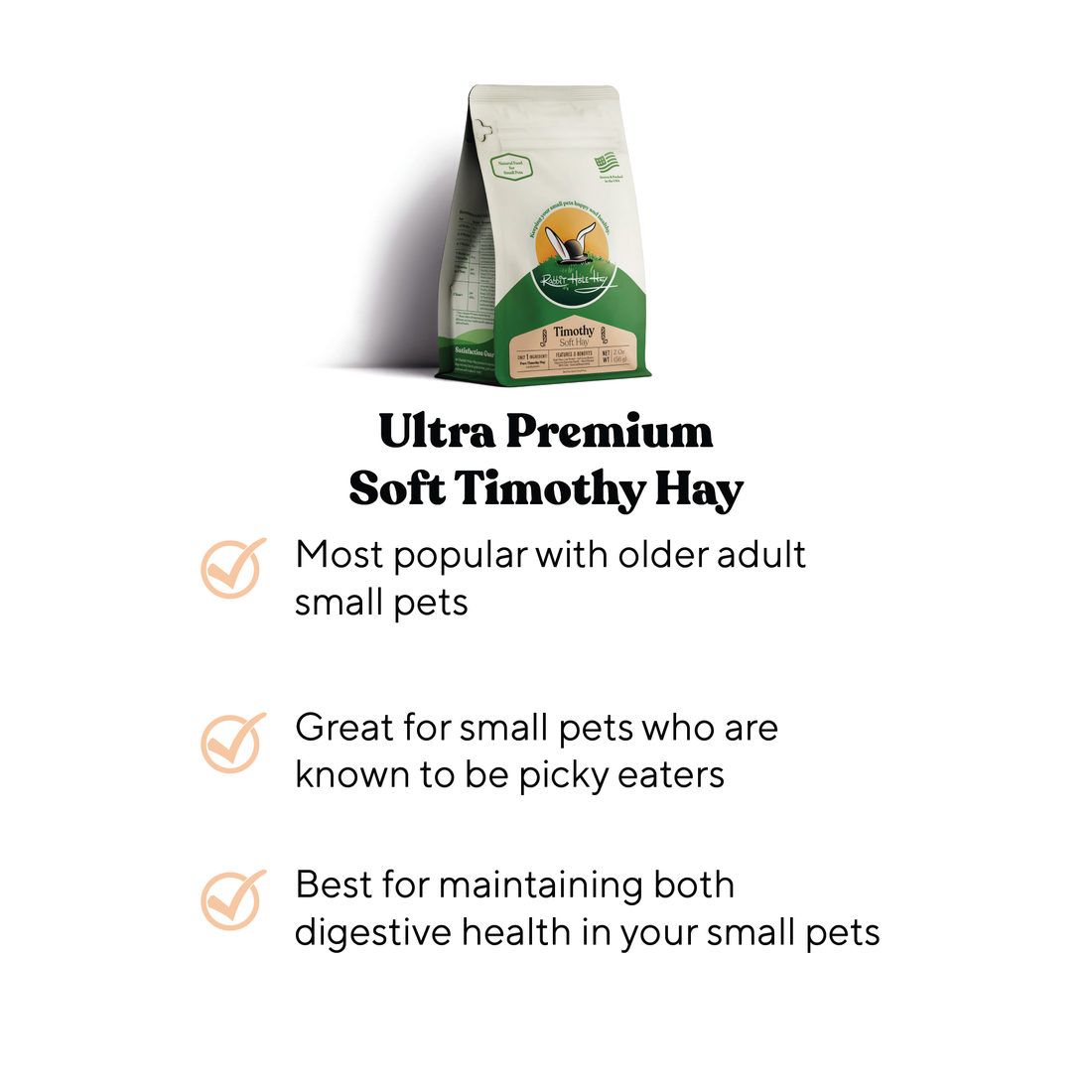
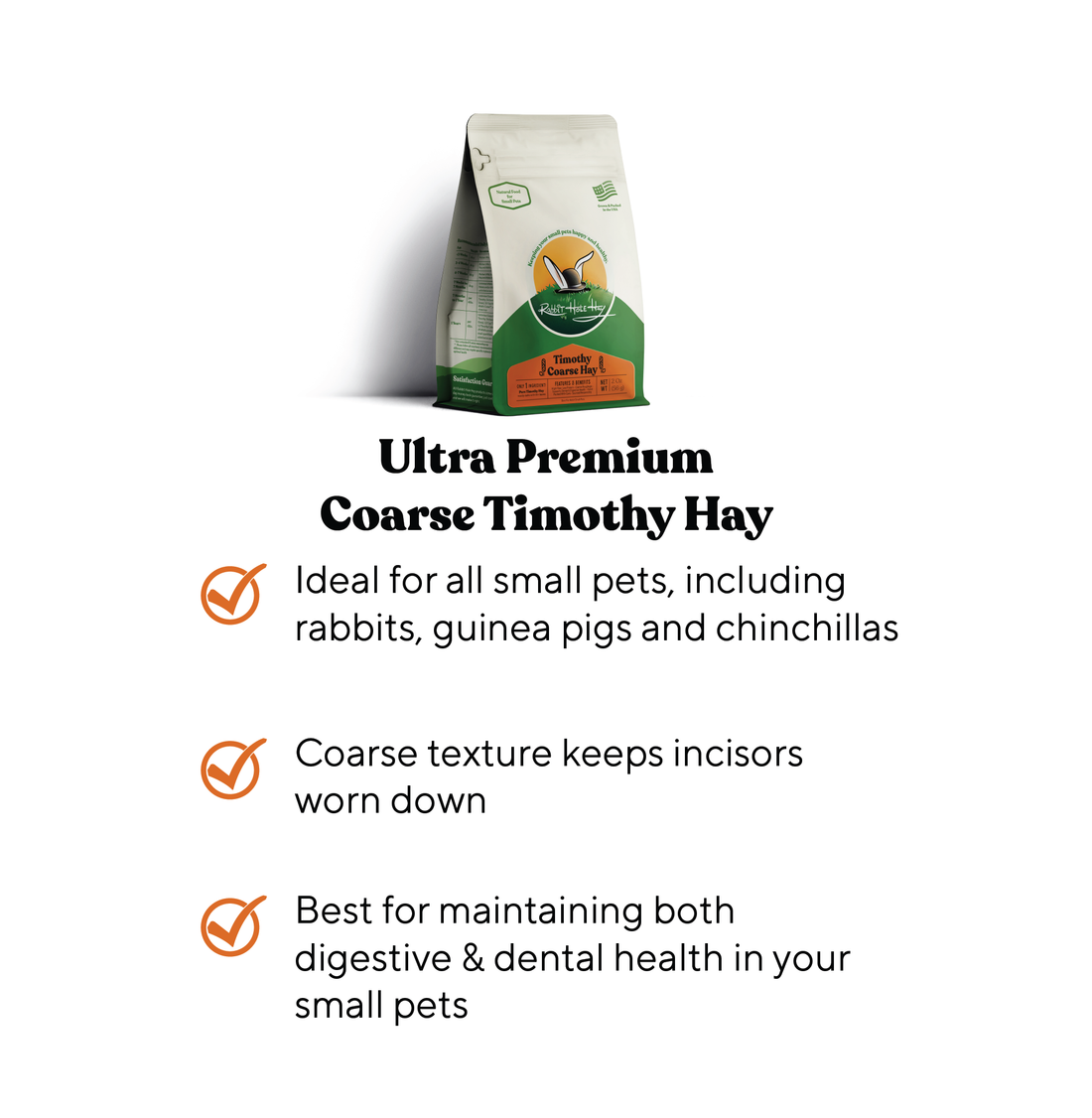
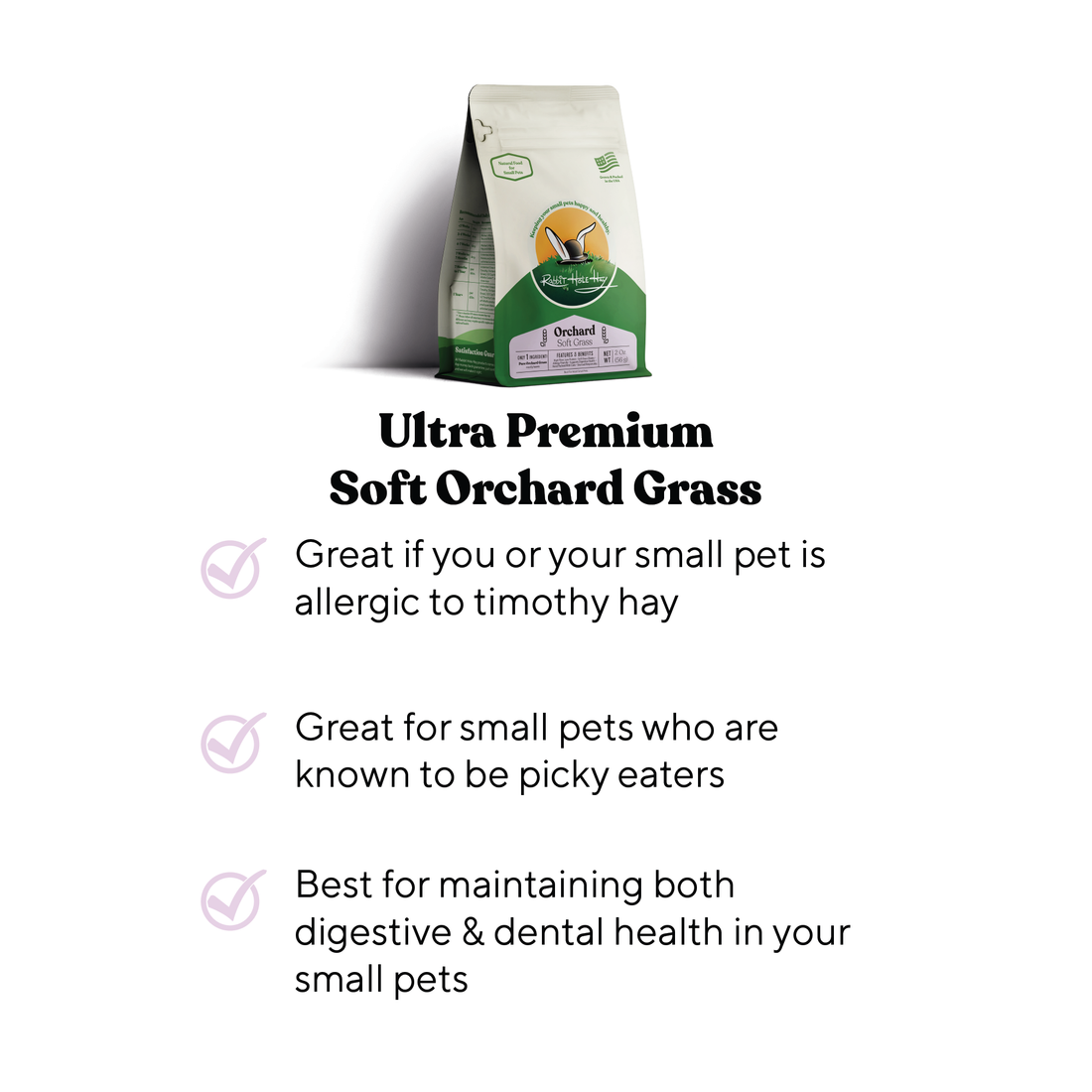
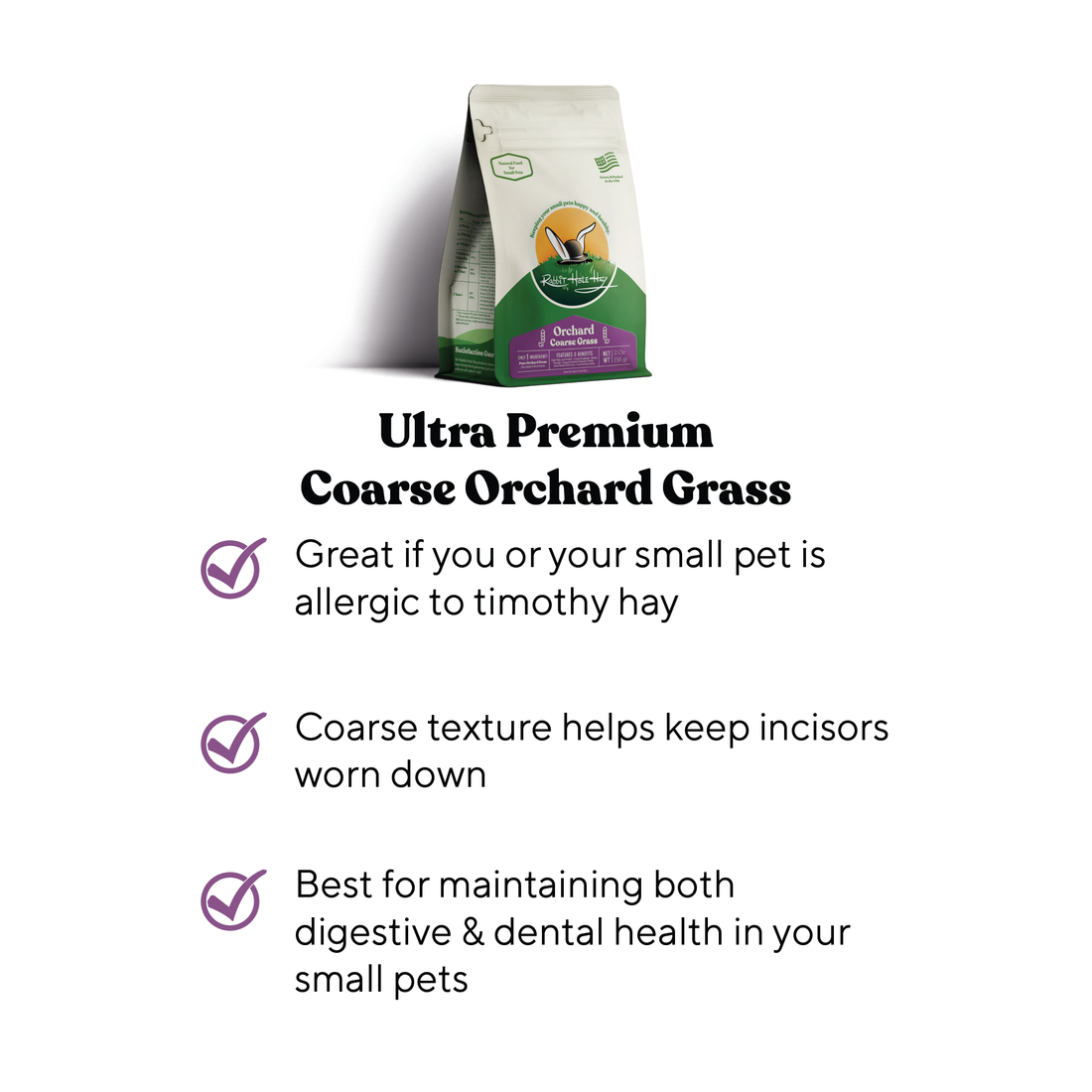
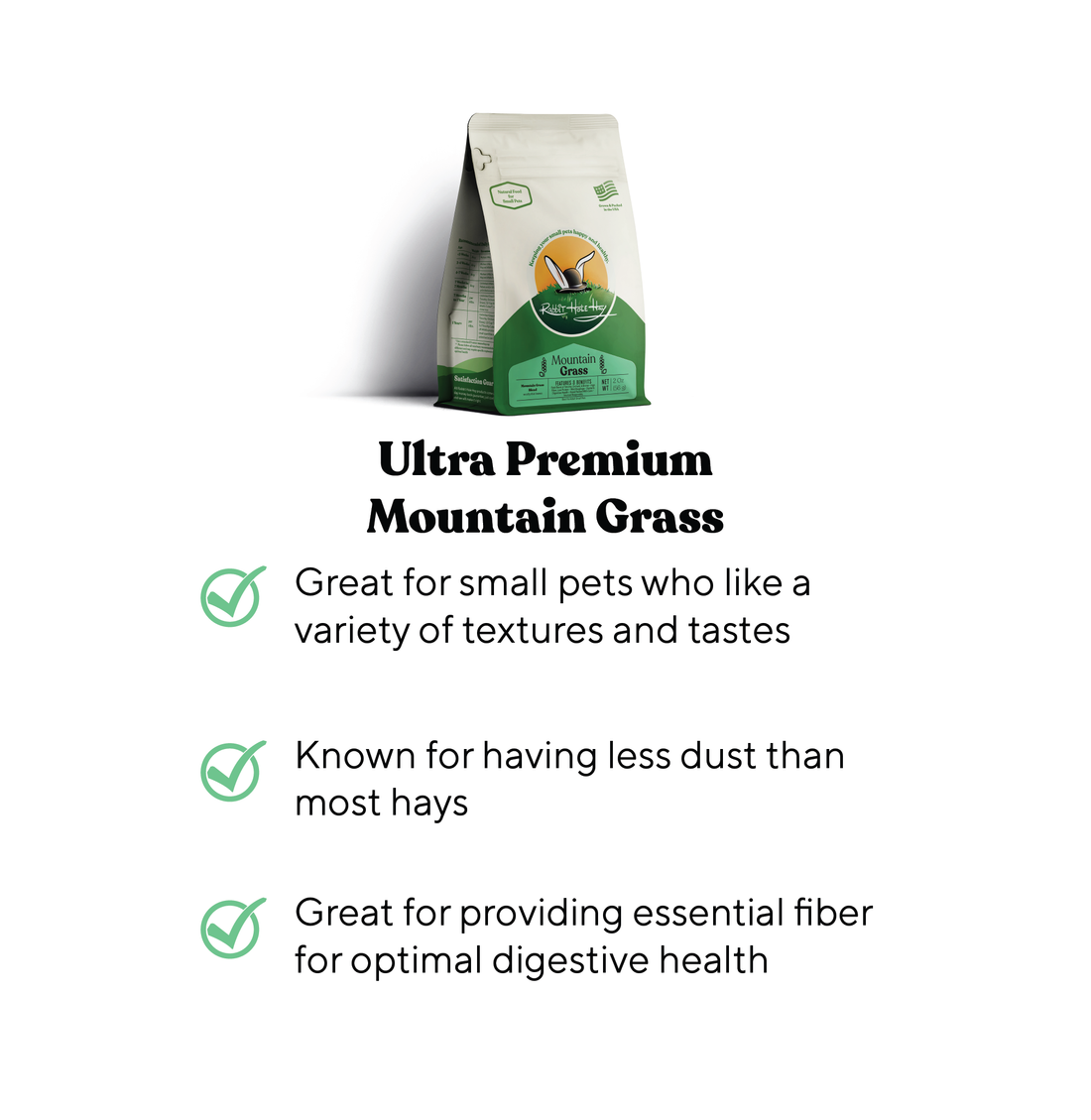
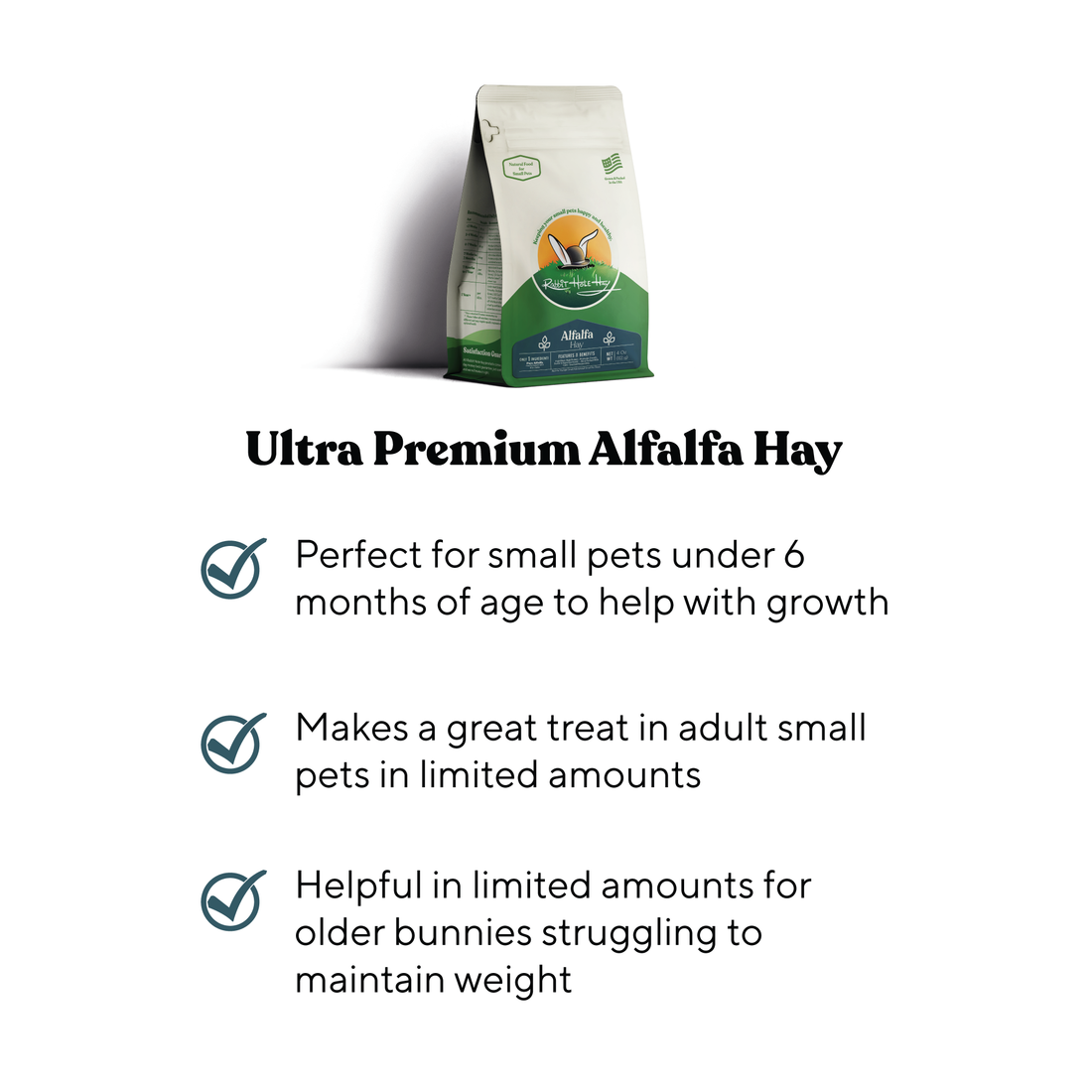
Hay-first diet: Unlimited grass hay (timothy, orchard, or meadow for most adults) should be 80–90% of intake. Fiber drives digestion and wears teeth down evenly. A rabbit eating well is simply easier to vaccinate safely—learn why in our Hay Is for Rabbits guide.
Spay/neuter: Reduces reproductive cancers and hormone-driven stress. Pair with wellness planning—see why to spay or neuter your rabbit.
Clean housing: Daily litter spot-cleaning, weekly full refreshes, rabbit-safe cleaners only.
Parasite awareness: Fleas can carry myxomatosis in endemic regions; safe treatment matters if you see itching or live with dogs and cats who go outdoors.
The shot visit is one appointment on a longer care list—hay pile, clean litter, and teeth still do the daily heavy lifting.
Key Takeaways
Location drives must-haves: UK/Europe—myxomatosis and RHDV are routine. U.S.—focus on RHDV2 where your vet and county maps say risk is real.
Schedule is vet-specific: Starter series in early weeks, RHDV2 boosters often annual after the initial two-dose course—get it in writing.
Indoor is not invisible: Insects, shoes, and hay can bridge outdoors to your living room in outbreak areas.
Pair shots with wellness: Dental checks, weight trends, and hay quality matter as much as the syringe for long-term health.
At Rabbit Hole Hay, we want your rabbit healthy for the long haul—but this article is educational, not a prescription. Always confirm vaccine products, timing, and local requirements with a qualified rabbit veterinarian.





Comments