











































































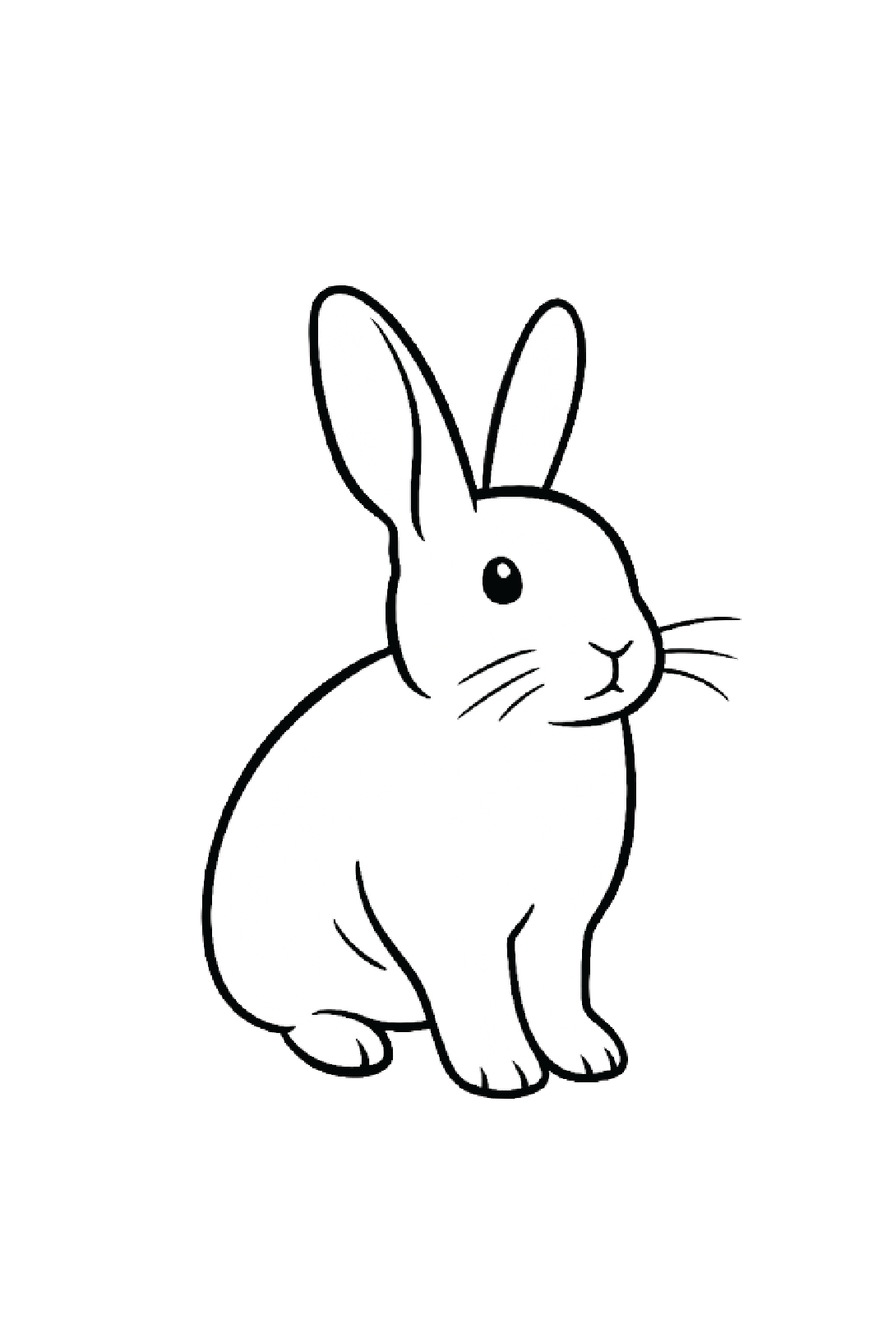

Encourage a shy rabbit to become friendlier by letting them set the pace—sit quietly on the floor, skip the chase, and build good associations with soft talk, hand-fed greens, and the same calm routine every day. Prey animals do not warm up like dogs; sudden grabs, loud rooms, and crowded pens keep them on alert. Most shy rabbits get braver when the space feels safe, hay stays full, and you become the predictable person who shows up without drama.
If your bunny still freezes or bolts when you walk in, you are not failing—you are learning their timeline. Some rabbits take days; others take weeks. Expect a mix of why they stay cautious, how to set the room, approach steps that work, body-language cues, and daily habits that make friendliness stick. For normal rabbit habits in general, start with our understanding rabbit behavior hub.

Why Is My Rabbit Shy Around People?
Rabbits stay wired to watch for danger. Domestication did not erase that. A new home, a new voice, or a past rough handling can keep a rabbit in “wait and see” mode long after the crate ride is over.
Personality, age, and history all matter. A young rabbit raised with gentle hands often explores sooner; a rescue who was grabbed a lot may need a longer runway. Breed trends exist—some lops and Mini Rexes lean social—but a “friendly breed” label never overrides a scared individual. If hormones are cranking territorial behavior, ask a rabbit-savvy vet about spay or neuter timing; many rabbits settle once those swings quiet down.
Shyness is different from sickness. A rabbit who hides once after a move is often settling. A rabbit who stops eating hay, sits hunched, or stops making normal cecotropes needs a health check first—see our notes on stress signs in rabbits and sudden hiding when the change feels abrupt.
How Do I Set Up a Space That Helps a Shy Rabbit Feel Safe?
Friendliness starts with a pen that does not feel like a trap. Give room to hop, stretch, and turn around—cramped cages raise stress before you ever offer a treat. An exercise pen or larger habitat beats a tiny starter cage for most house rabbits.
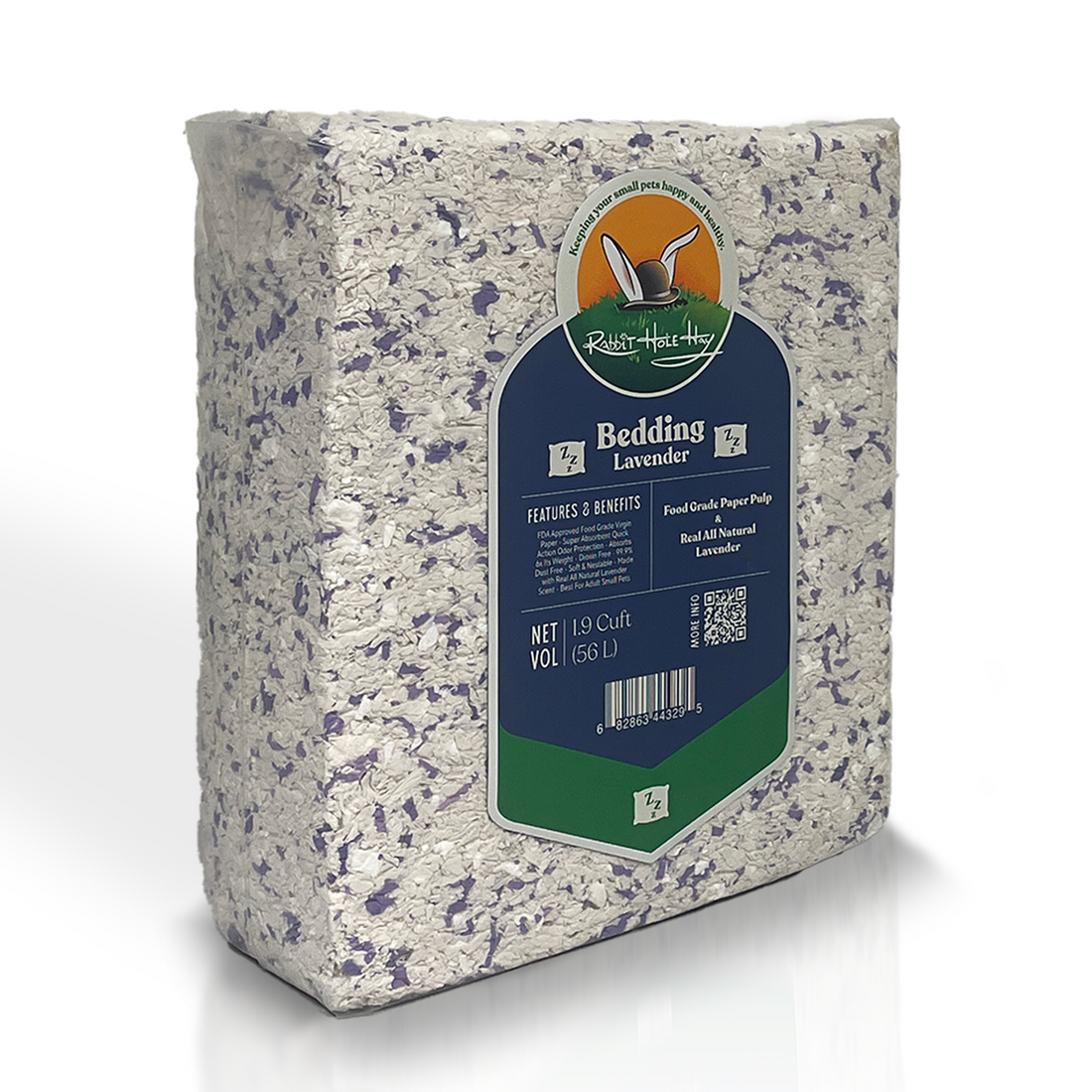
Add at least one covered hide (cardboard box, tunnel, or igloo) so they can duck out of sight without “escaping” you. Soft flooring—fleece, mats, or paper bedding—helps feet and nerves. Keep the enclosure in a quiet corner at first; TV blasts and kids racing past teach the rabbit that humans equal chaos.
Supervised free-roam in a rabbit-proofed zone builds confidence faster than staring at them through bars. Start short. Let them map the room while you sit still nearby. For square footage and hide placement, use our rabbit cage setup tips.

How Can I Encourage a Shy Rabbit to Approach Me?
The fastest way to stretch a shy rabbit is usually the slowest-looking one: you stop chasing. Sit or lie on the floor at their level. Keep hands quiet. Let them sniff shoes, sleeves, or the edge of a blanket on their schedule.
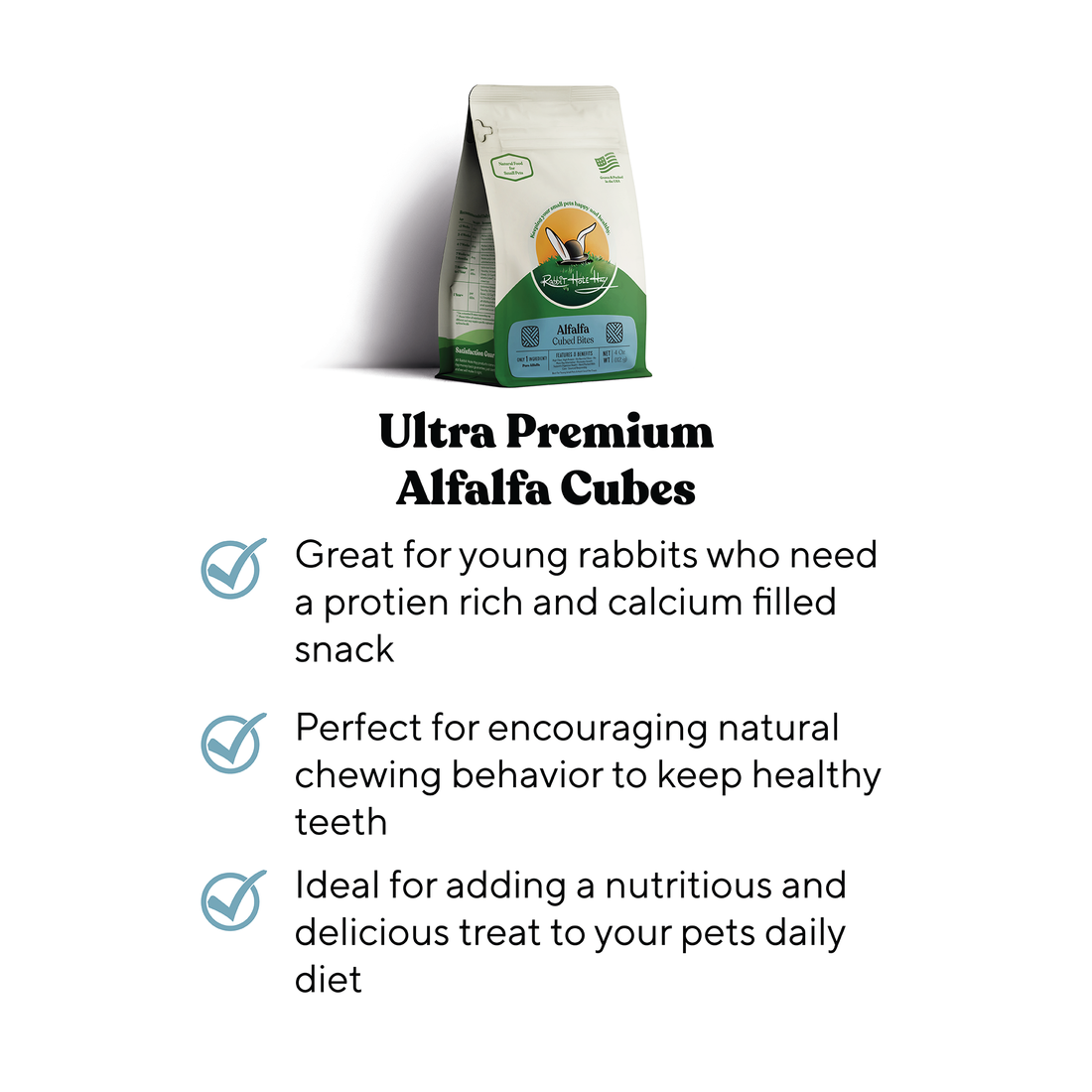
Work in short sessions—five to fifteen minutes is enough. End on a calm note before they bolt. Soft talking helps them tag your voice as safe background noise, not a surprise. Hand-feed tiny bits of favored greens (dill, basil, cilantro, or a small piece of leafy mix) so your smell equals a win. Save fruit for rare pinches; sugar is not the trust tool you want every day. Check our Eating Guide or rabbit-safe treats when you need portion ideas.
Enter quietly, sit down, and ignore the urge to scoop them up.
Offer a green from an open palm or place it a hop closer to you each day.
If they take it and leave, celebrate—that is progress, not rejection.
Pet only when they stay beside you with a soft body; stop if they freeze or lean away.
Training tricks can wait until they seek you out. When you are ready for names, litter habits, or clicker work, see what rabbits can realistically learn. Trust comes before the lesson plan.
What Body Language Shows a Rabbit Is Warming Up—or Needs Space?
Reading the room means reading the rabbit. Friendly progress rarely looks like a dog leaning into your lap on day one. It looks like a nose bump, a flop a few feet away, or grooming while you sit nearby.

Warm signals include soft teeth grinding (a content purr, not the loud grind of pain), a full side flop, binkies, and choosing to rest in the same room. Space-needed signals include hard thumps, a tight crouch with wide eyes, darting away every time you reach, or a grunt and lunge. Back up when you see those—pushing through a warning teaches them you do not listen.
For a fuller map of ears, posture, and vocal cues, browse the House Rabbit Society behavior overview and our rabbit communication guide. You are not the rabbit police; you are learning when to offer a treat and when to give the hide box back.
How Do I Bond With a Rabbit Through Daily Routines?
Shy rabbits trust people who show up the same way twice a day. Feed hay and greens on a schedule they can predict. Scoop the litter box before it smells stressful. Sit for a quiet floor session after dinner even when they ignore you—being boring and reliable is the job.

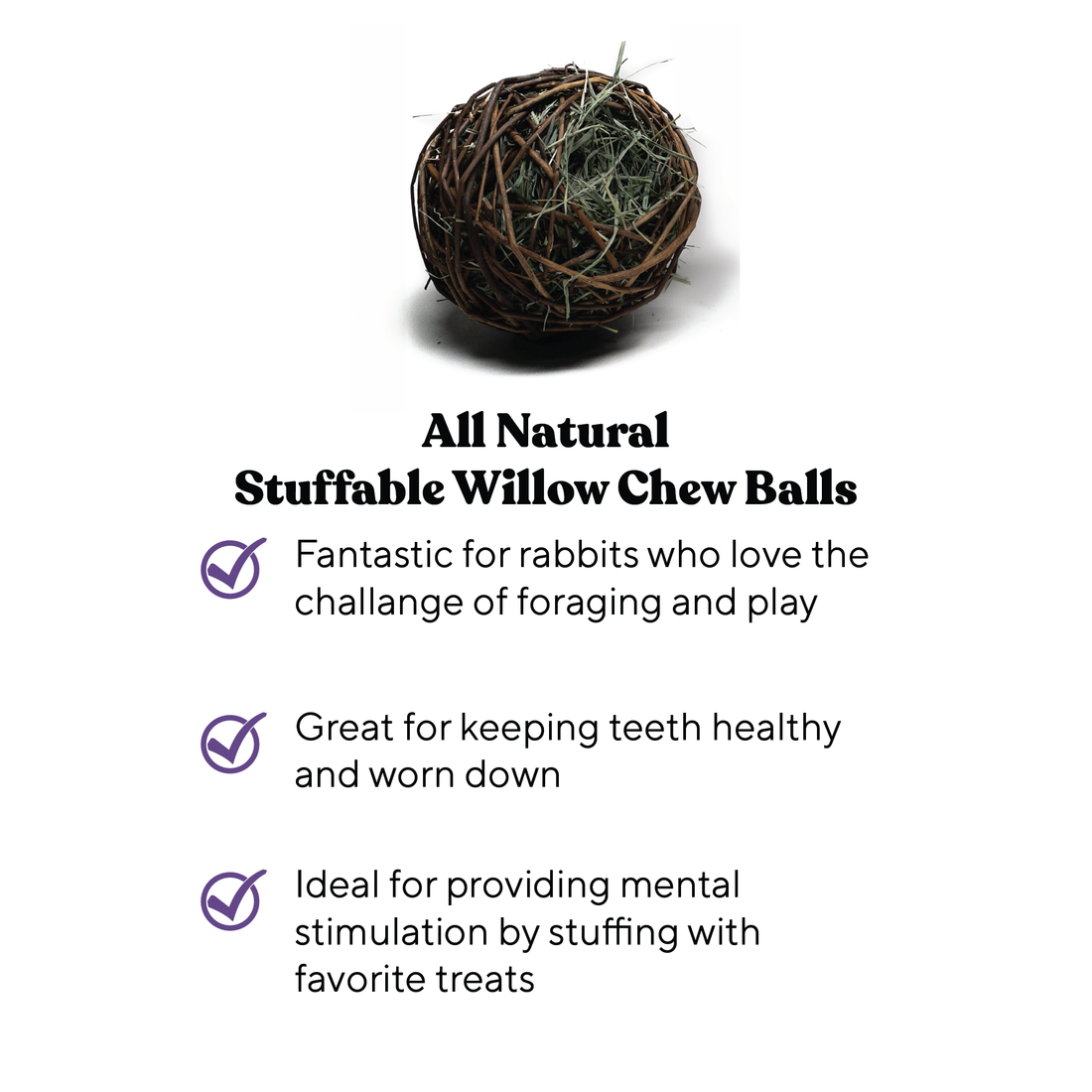
Keep unlimited grass hay in reach; a hungry, bored rabbit is a jumpy rabbit. Fresh timothy or orchard grass from our hay shop keeps the gut and the mood steadier than a sparse rack. Add a dig box, tunnel, or cardboard so they can forage and dig beside you instead of treating every visit like a wrestling match.
Grooming can deepen the bond once they accept touch—short soft-brush sessions, then stop. If they lick your hand afterward, take the compliment and do not turn it into a long hold. For spay timing, kid rules, and longer daily habits, use our guide to bonding with rabbits and building routines they trust.
When Is Shyness Different From Pain or Fear?
Pause the friendship project and call a rabbit-savvy vet if appetite drops, fecal pellets shrink or stop, eyes stay half-closed, or they grind teeth loudly while hunched. Pain looks a lot like “being antisocial,” and no treat plan fixes a sore molar.
Fear from a recent scare—a dog bark, a bad lift, a thunderstorm—needs quieter days, not more handling drills. Give extra hide cover, keep sessions optional, and rebuild from floor sitting again. Sudden personality flips deserve the same seriousness as a limp.
What Should You Practice This Week?
Pick one quiet block each day: sit on the floor, refill hay, offer one green by hand, and leave without a forced cuddle. Track small wins—sniffing your sleeve, flopping nearby, choosing your room—instead of waiting for a lap bunny montage.
Friendlier does not mean clingy on command. It means your rabbit decides you are safe enough to share space with. Keep the pen roomy, the hay rack full, and your hands patient. That is how a shy rabbit becomes a companion on their own clockTips on How to Have a Rabbit Becoming Friendly - namespace: global key: description_tag type: string value: Learn how to have a rabbit becoming friendly by understanding their instincts and by building a bond. ---
Rabbits can be incredibly affectionate pets, but they don’t always warm up to people right away. Unlike dogs, who often seek human interaction immediately, rabbits are more cautious. As prey animals, their instincts make them wary of new people and environments. Because of this, it takes time and patience to earn their trust.
Click Here to Shop Rabbit Products.
So, what’s the secret to building a bond with your bunny? The key is understanding their behavior, respecting their boundaries, and using positive interactions to make them feel safe. If you’re wondering how to have a rabbit becoming friendly, this guide will help you create a strong and lasting relationship with your furry friend.

Understanding Your Rabbit’s Natural Instincts
Before you can help your rabbit become friendlier, it’s important to understand why they might be shy or hesitant at first. Rabbits are prey animals, meaning they are naturally cautious and alert. In the wild, their survival depends on their ability to detect and escape danger quickly. While these rabbits are domesticated they still carry these natural instincts.
Why Some Rabbits Are More Cautious Than Others
Not all rabbits react the same way to people. Some may be naturally curious and social, while others take longer to build trust. Several factors influence how friendly a rabbit becomes:
-
Personality: Just like humans, rabbits have unique temperaments. Some are naturally outgoing, while others are more reserved.
-
Past Experiences: If a rabbit has been mishandled or neglected, they may take longer to trust humans.
-
Age: Young rabbits that grow up with gentle human interaction are more likely to be social. Older rabbits who haven't had much contact with people might be more hesitant.
-
Breed: Some rabbit breeds are known to be more social, while others are more independent. For example, Holland Lops and Mini Rex rabbits tend to be affectionate. In contrast, some larger breeds may take longer to bond with their owners.
Creating a Safe and Comfortable Space
One of the most effective ways to make your rabbit feel comfortable is by setting up a safe, quiet space where they can relax. Rabbits are highly sensitive to their environment, and a stressful setting can make them more anxious.
Setting Up the Perfect Rabbit Enclosure
A rabbit’s enclosure should be large enough for them to stretch, hop, and move around comfortably. A small, cramped cage can cause stress and frustration. Instead, opt for a spacious exercise pen or a free-roam setup.
-
Ensure the enclosure is at least 4-6 times the size of your rabbit when they are fully stretched out.
-
Provide a comfortable hiding spot, such as a covered box or tunnel, where they can retreat when they feel overwhelmed.
-
Line the floor with soft bedding or a fleece mat for added comfort.
Allowing Free-Roam Exploration
Rabbits are naturally curious and love to explore their surroundings. Letting your rabbit out of their enclosure for supervised playtime helps them feel more comfortable. Create a rabbit-proofed area where they can safely hop around and interact with you on their terms.
How to Have a Rabbit Becoming Friendly Through Interaction
Once your rabbit feels secure in their environment, you can start building trust through positive interactions. Rabbits respond best to gentle, patient communication.
Let Your Rabbit Come to You
Rather than picking up or chasing your rabbit, allow them to approach you first. Sit or lie down near them and stay still. Let them sniff and explore you at their own pace.
Use Treats as Positive Reinforcement
Hand-feeding your rabbit their favorite treats can help build a positive association with you. Some healthy treat options include:
-
Fresh greens like dill, collard greens, or basil.
-
Small pieces of banana, apple, or carrot (in moderation).
-
Other rabbit safe treats.
If you are unsure what food is safe to feed your rabbit check out our Eating Guide.
Talk to Your Rabbit
Rabbits can recognize voices over time. Speak softly to them when you’re nearby to help them get used to your presence. Over time, they’ll associate your voice with safety and comfort.
Understanding Rabbit Body Language
Rabbits communicate a lot through their body language. Learning how to read their signals can help you understand their comfort level and improve your interactions.
Signs of Trust and Affection
-
Binkying: A happy rabbit will jump and twist in the air—a sign of pure joy!
-
Purring: Soft teeth grinding means your rabbit is relaxed and content.
-
Flopping Over: If your rabbit dramatically flops onto their side, it means they feel completely safe.
Signs Your Rabbit Needs Space
-
Thumping: A loud thump of their hind legs usually means they feel threatened or startled.
-
Running Away: If your rabbit constantly runs from you, they may not be ready for interaction yet.
-
Grunting or Lunging: This is a sign that your rabbit feels defensive and doesn’t want to be touched.
Strengthening Your Bond Over Time
Building a bond with your rabbit takes patience and consistency. Here are some ways to strengthen your relationship:
Establish a Routine
Rabbits thrive on routine. Feed them at the same time every day, offer regular playtime, and interact with them consistently.
Engage in Playtime
Rabbits love playing with toys! Some fun activities include:
-
Providing cardboard boxes or tunnels for hiding and exploring.
-
Giving them safe chew toys to prevent boredom.
-
Setting up a digging box filled with shredded paper or hay.
Grooming as a Bonding Activity
Brushing your rabbit helps keep their coat healthy and can also strengthen your bond. Use a soft-bristled brush and groom them gently. If they enjoy it, they may even start licking you in return—an affectionate gesture among rabbits.
Final Thoughts
Learning how to have a rabbit becoming friendly is a rewarding process that requires patience, understanding, and consistency. By creating a safe environment, respecting their space, and using gentle interactions, you can earn your rabbit’s trust over time.
Once your rabbit sees you as a friend, they’ll start seeking out your company, showing affection, and even following you around the house. With time and care, your rabbit will become a loving and friendly companion.





Comments