










































































Yes, you can train a rabbit—but think manners and trust, not circus dog. Most buns reliably learn their name, litter-box habits, and a handful of simple tricks when sessions stay short, calm, and reward-led. They are smart prey animals, not obedience athletes; progress is boring in the best way.
You are not failing if your rabbit ignores a command on day three. Training works when their basics are covered first: unlimited grass hay, fresh water, space to hop, and a hide where they can opt out. A stressed or hungry bun is not signing up for school.

Below: what rabbits realistically learn, how clicker training fits in, litter training, routines that build trust, and what to avoid so you do not wreck the bond you are building.
What Can Rabbits Realistically Learn With Training?
Expect name recognition, coming for a treat when called, litter habits, target training (touch a stick or your hand), spins, standing on hind legs, and simple obstacle hops—not long chains of commands or off-leash street walks.
Training sessions should last about five to ten minutes once or twice a day. End on a win, even a small one. Consistency beats marathon weekends that leave everyone cranky.
For the bigger picture on how rabbits think and communicate, our guide to understanding rabbit behavior is the Behavior pillar hub—worth reading before you add new “lessons.”
Can You Teach a Rabbit Their Name?
Start close. Sit on the floor with a tiny treat—parsley, a bit of banana, or their favorite herb. Say their name once, add a simple cue like “come,” and reward the moment they step toward you.
Increase distance slowly. If they hop over before you call, still say the name as they arrive so the sound links to the treat. Once the pattern sticks, mix in gentle pets or a favorite toy; treats usually stay the top motivator.
Keep it low drama. No leaning over them like a hawk. Floor-level invites beat standing commands every time.
Does Clicker Training Work for Rabbits?
Clicker training pairs a sharp, consistent sound with an immediate reward. Click the moment they do the right thing, then hand the treat within a second or two. Rabbits learn the click means “that exact move paid off.”
Pre-portion treats so you do not overfeed mid-session. Clicker work scales from “touch the target” to spins and jumps once basics feel easy.

The House Rabbit Society training overview walks through shaping behaviors without force—good companion reading if you want a second source beyond treat-and-click at home.
What Fun Tricks Can Rabbits Learn?
Once name and clicker basics click, try:
Standing or hopping onto a low platform on cue
Spinning in a circle for a treat
“High five” with a paw touch to your hand
Short hops over a low bar or rolled towel
Film one trick at a time. Rabbits do not generalize fast—your living room success might not transfer to the kitchen until you practice there too.
How Do You Litter Train a Rabbit?
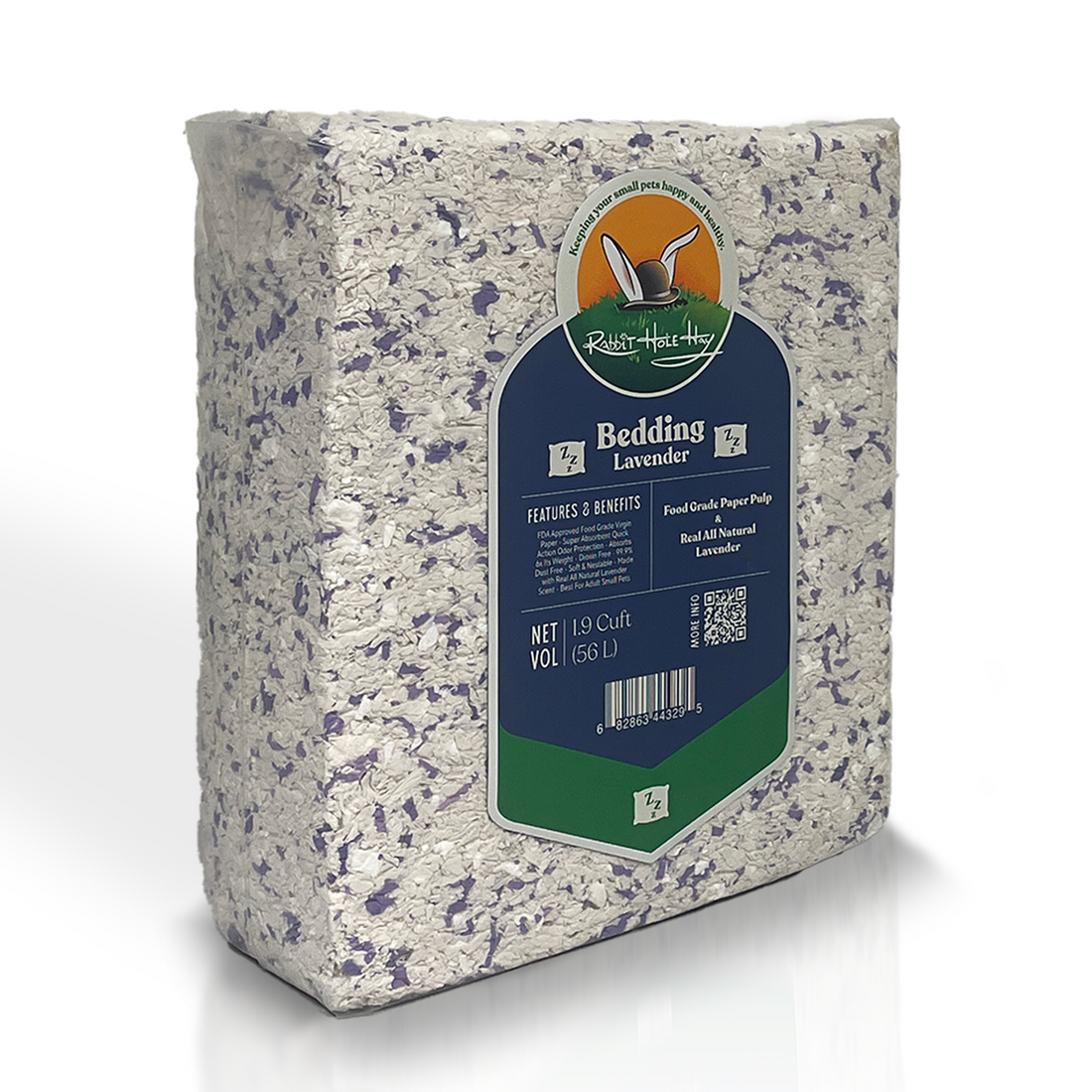
Rabbits prefer a bathroom corner when the box feels safe. Use paper-based litter—skip clay and clumping products. Place the box where they already pee, add a few droppings to mark it, and reward calm use with a treat.
Spayed and neutered rabbits usually catch on faster; intact buns may need patience plus a vet conversation about hormones. A roomy box, low entry for seniors, and hay nearby (many rabbits eat and poop in the same zone) all help.
Our guide to creating the ideal litter box covers size, litter types, and placement. Good litter training is practical freedom—it is not a party trick, but it changes daily life.
How Do You Build Training Routines Rabbits Trust?
Secondary to tricks: the routine itself. Same quiet time each day, same spot on the floor, same treat size. Rabbits notice patterns faster than they obey orders.
Let them leave when they want. A bun who can retreat to a hide mid-session learns that training is optional, which oddly makes them show up more often. Pair sessions with things they already like—fresh hay in a rack, a sprig of cilantro after a click—so “training time” smells like good news.
For deeper bonding steps—sitting nearby, reading at their level, earning touch—read tips to get rabbits bonding with humans and how to help a shy rabbit become friendly. Training and bonding overlap; tricks land easier on a rabbit who already trusts your hands.
If you are setting up a first pen or starter kit, our rabbit starter kit page lists the basics—hay, litter, hides—so training is not fighting a half-built habitat.
What Should You Avoid When Training a Rabbit?
Skip yelling, chasing, or grabbing to “correct” behavior. Punishment breaks trust fast on a prey animal—you are teaching a roommate, not winning a debate. Redirect instead: offer a chew toy when they nose the carpet seam, or block the corner with a cardboard tunnel.
Do not train when they are molting, newly adopted, or clearly spooked by something in the house. Wait for calm.
Dr. Dana Krempels at the University of Miami notes that rabbits learn best through positive reinforcement and gentle redirection—not scare tactics. Treats, patience, and clear boundaries beat squirt bottles for long-term manners.

Key Takeaways
Rabbits can learn names, litter habits, and simple tricks when sessions stay short, positive, and predictable. Hay, water, space, and a hide come first; tricks are gravy.
Click when the move is right, pay immediately, and let your rabbit opt out. Bonding routines and litter freedom usually matter more than a perfect spin.
We are here with behavior guides and hay know-how; a rabbit-savvy vet is the right call if training stalls because of pain, fear, or sudden behavior flips. A comfortable bun is the one who shows up for class.






Comments