


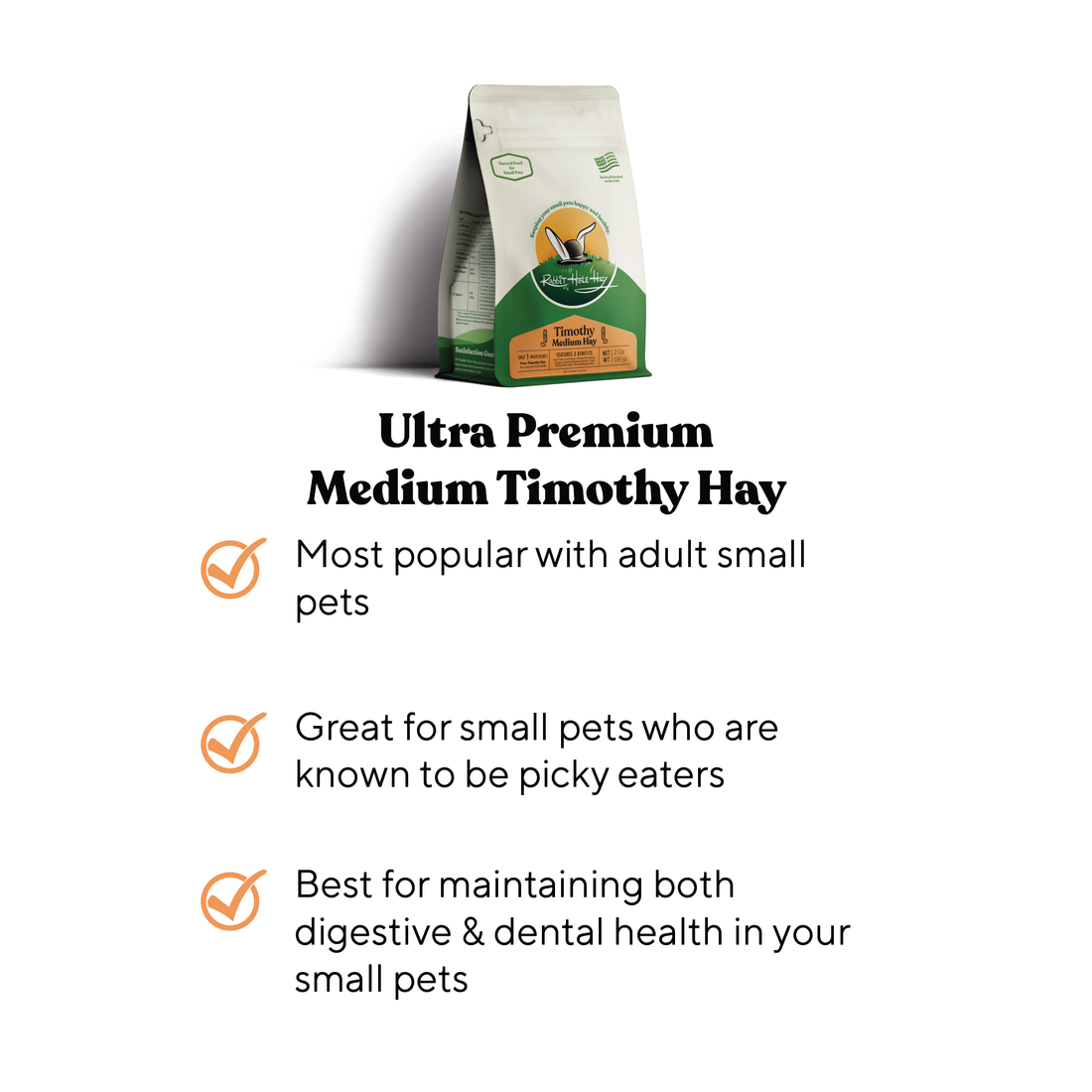

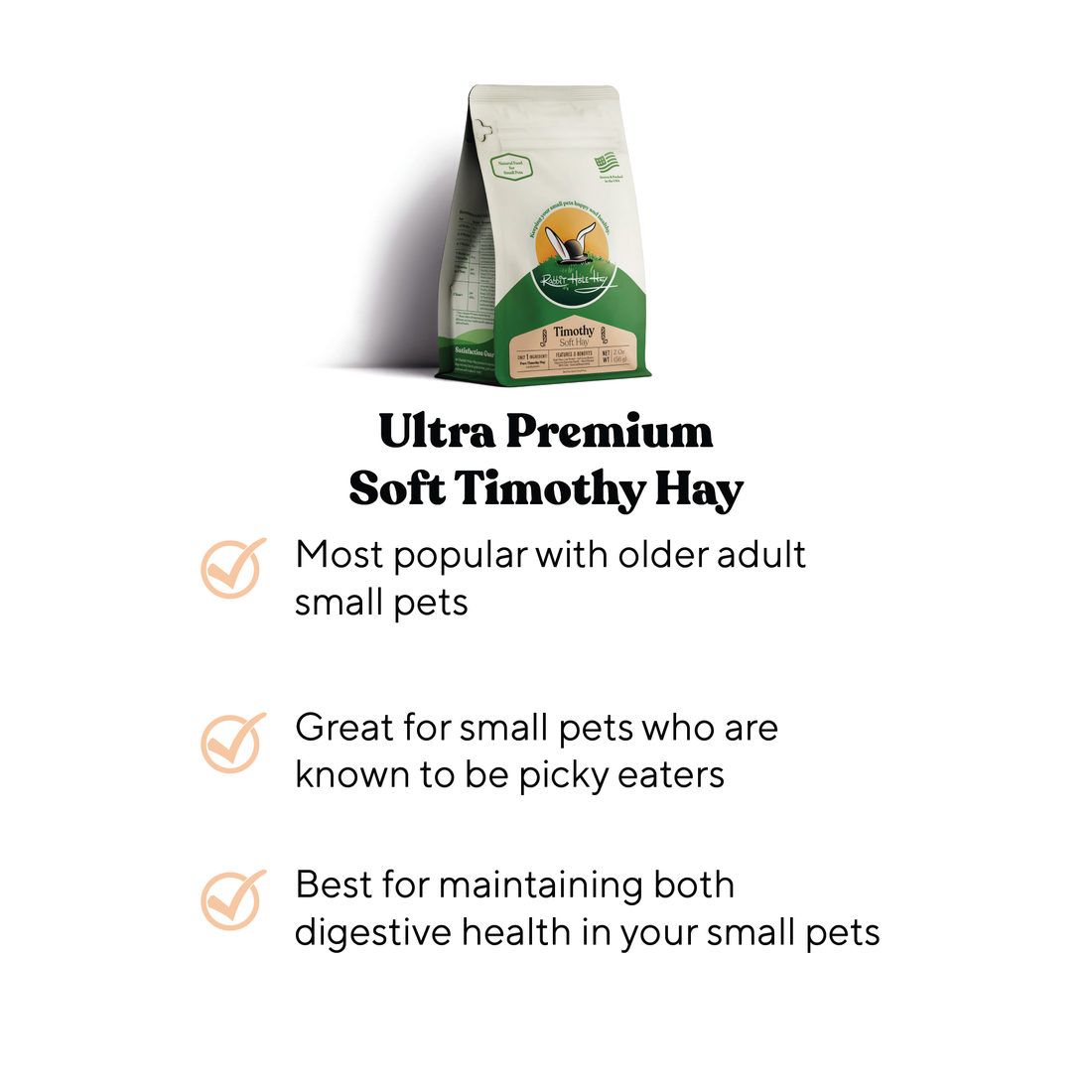

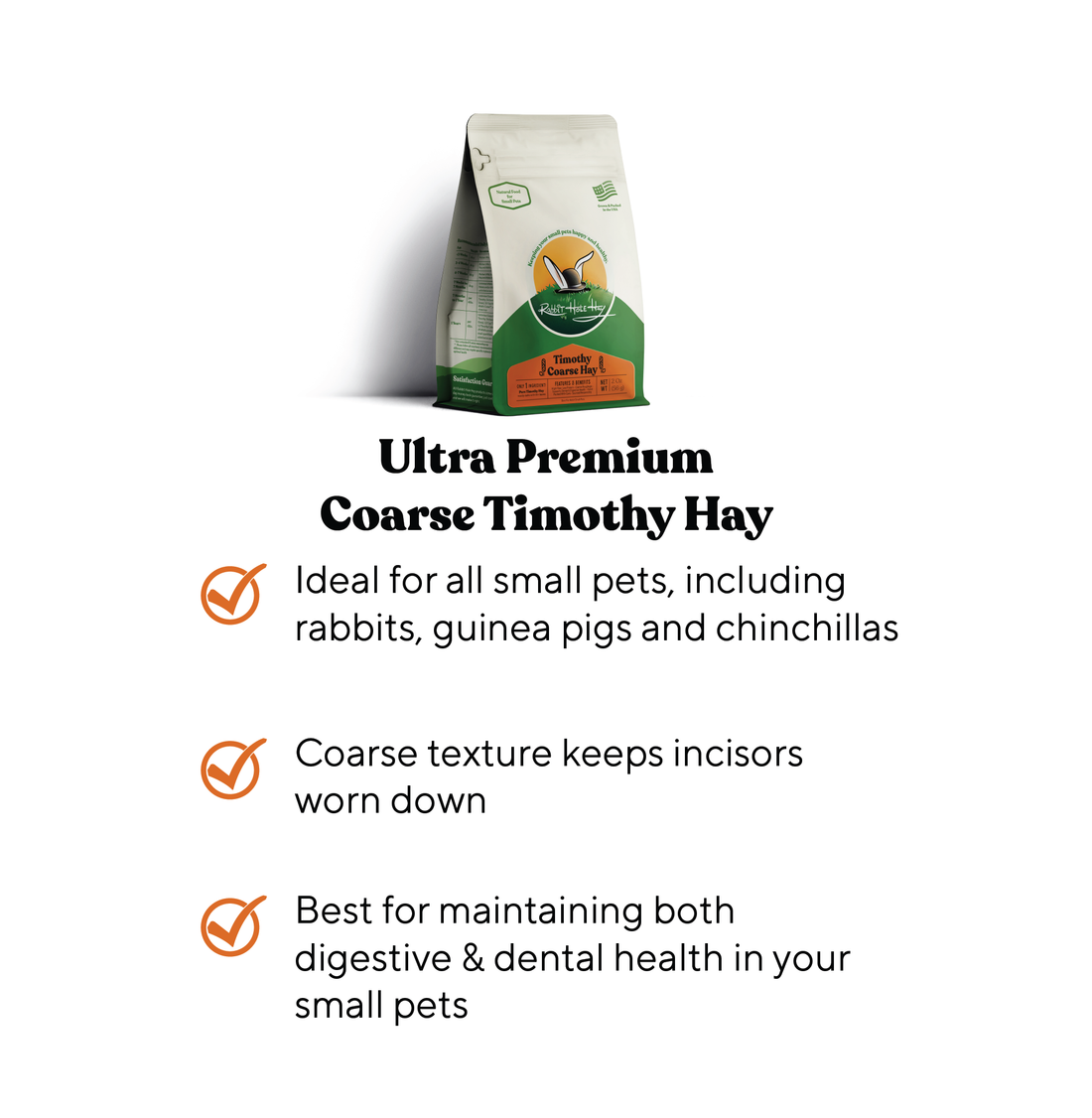

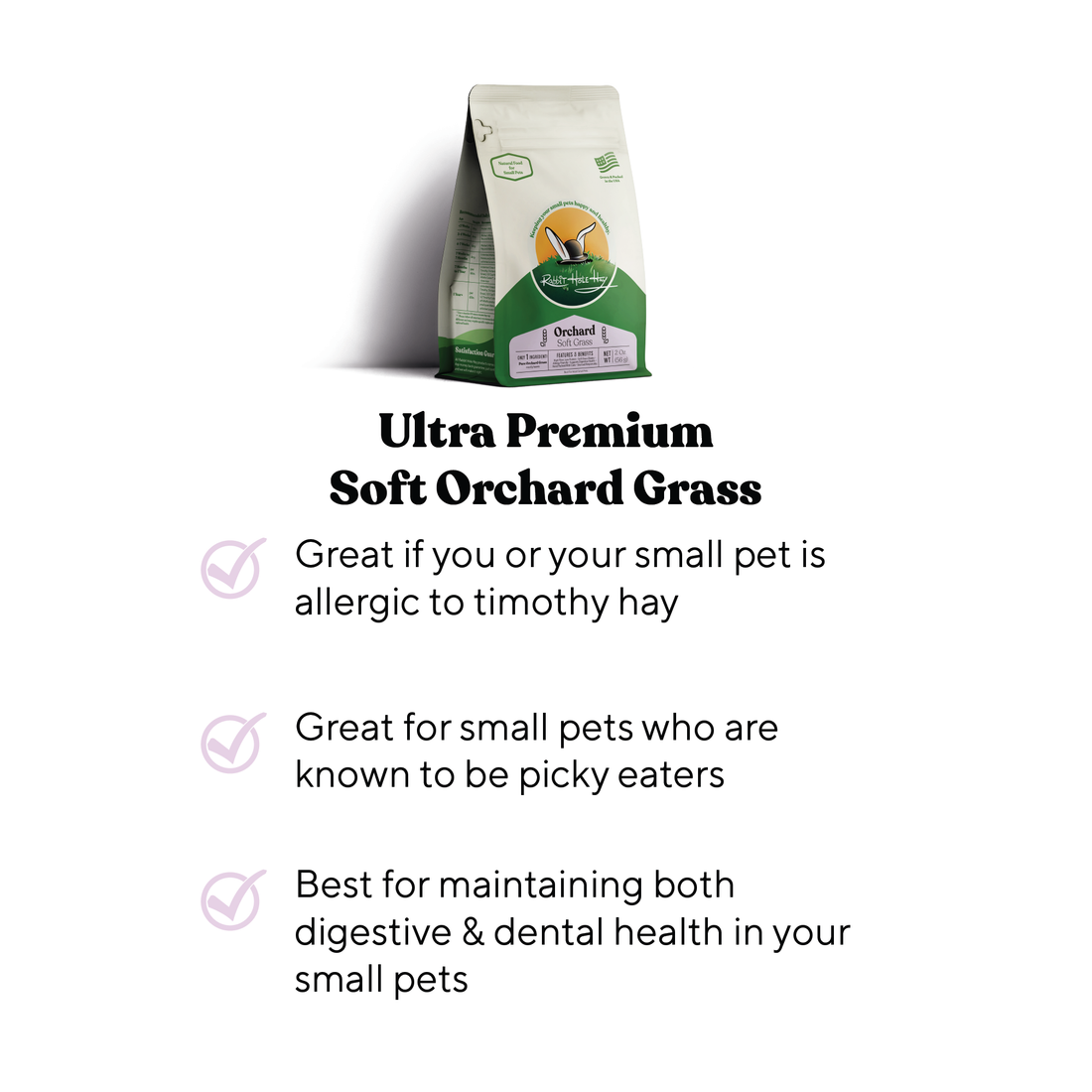






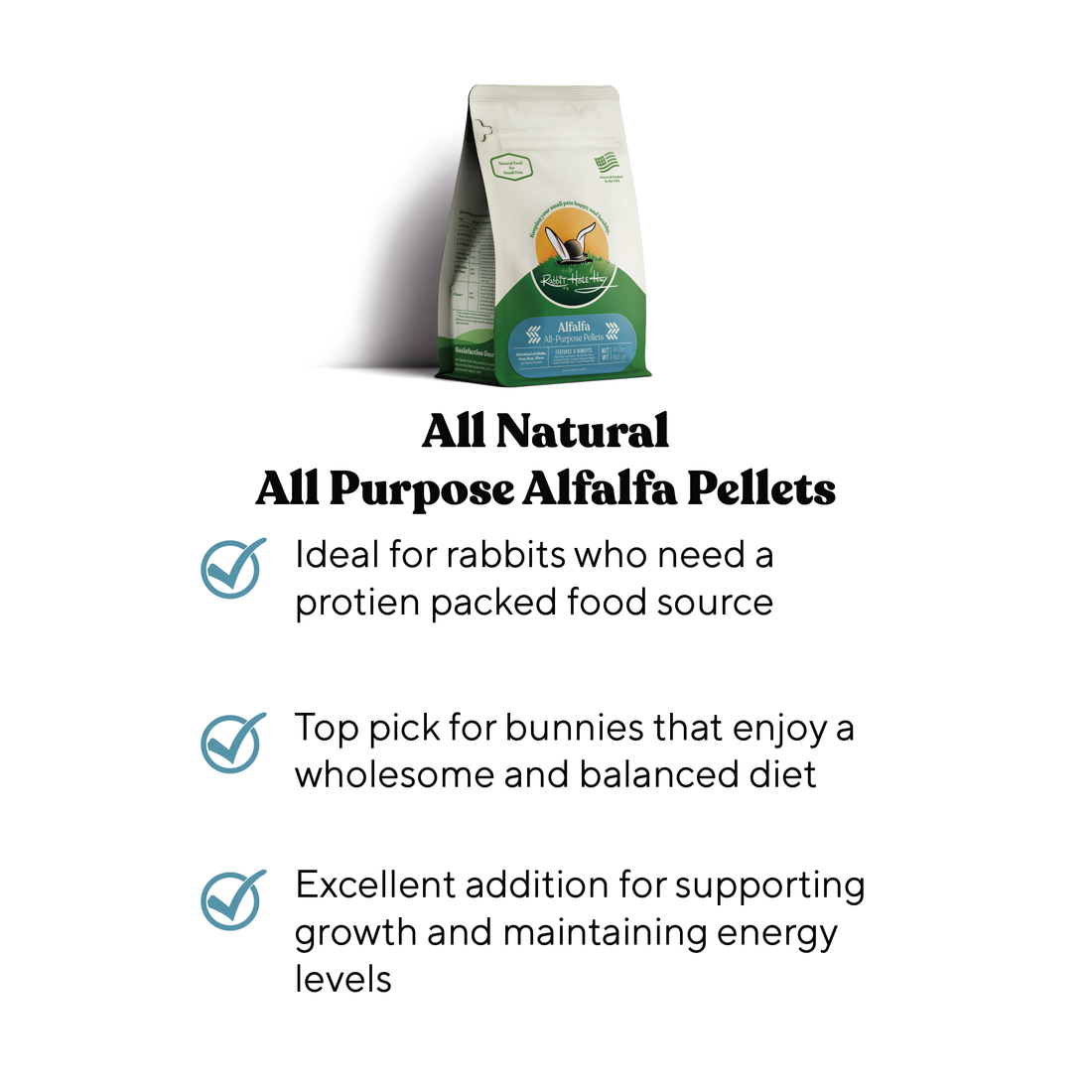

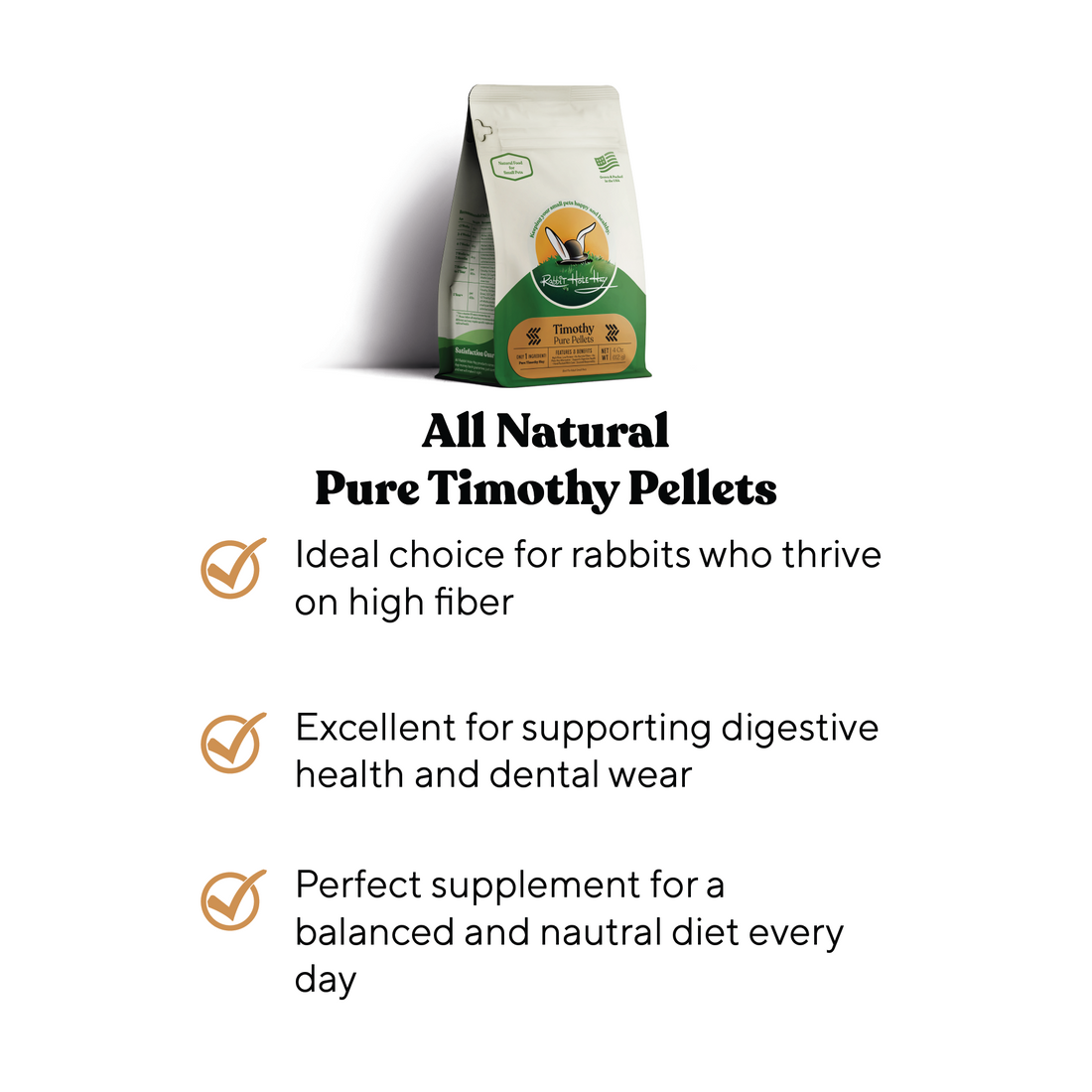


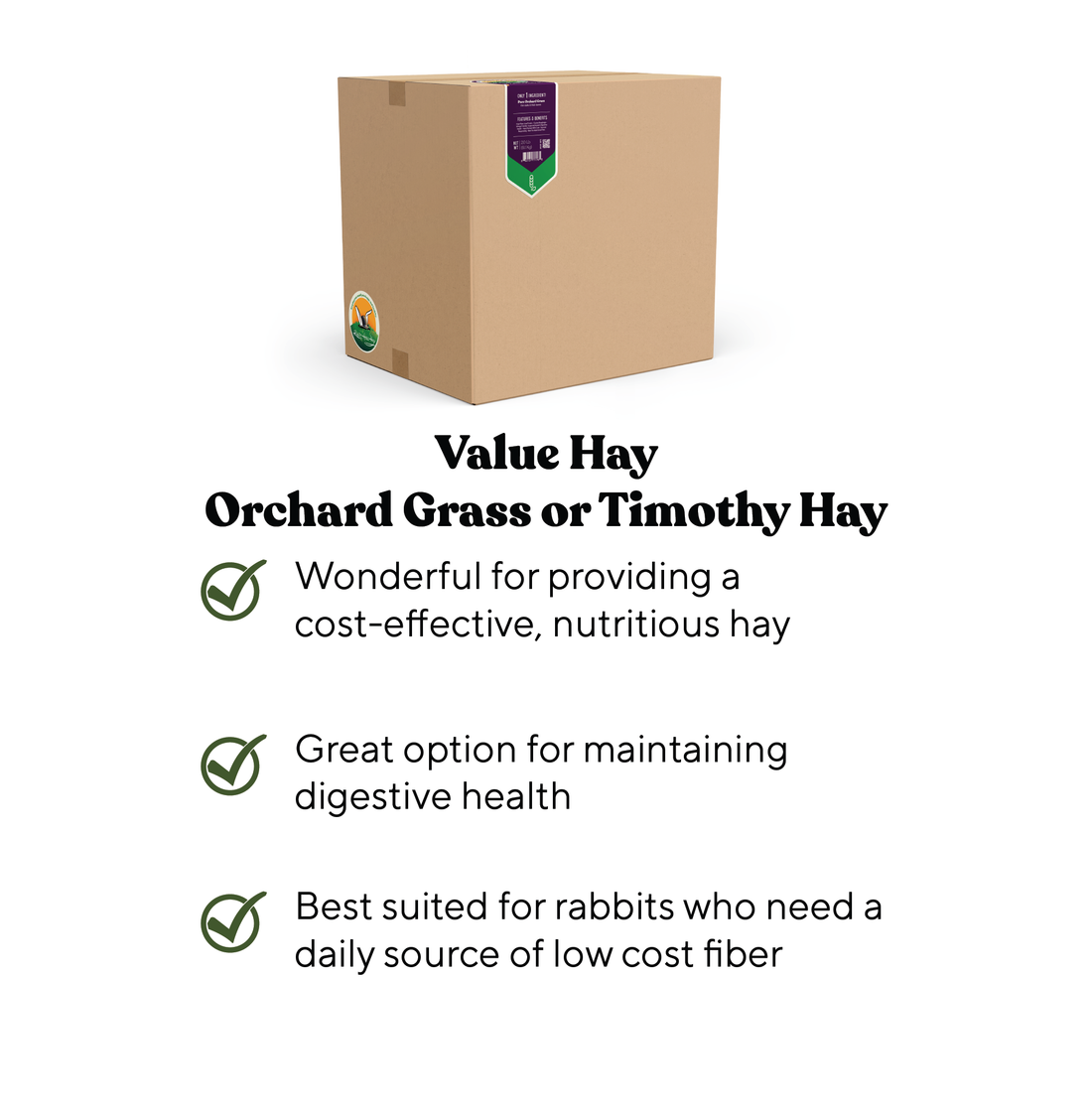





































Most safe foods for rabbits start with unlimited grass hay, then a daily mix of leafy greens and herbs, with fruit only as a rare treat. Romaine, cilantro, parsley, basil, and small pieces of apple or blueberry are common rabbit-approved options—as long as you wash them, introduce them slowly, and keep sugar low. If you are staring at the produce drawer wondering what will not wreck their gut, you are asking the right question.
Hay is still the engine; greens and herbs ride behind it. For the full hay-first picture, see our guide to keeping your rabbit healthy with hay. For item-by-item lookups, use the Eating Guide.

What Should Make Up Most of a Rabbit's Diet?
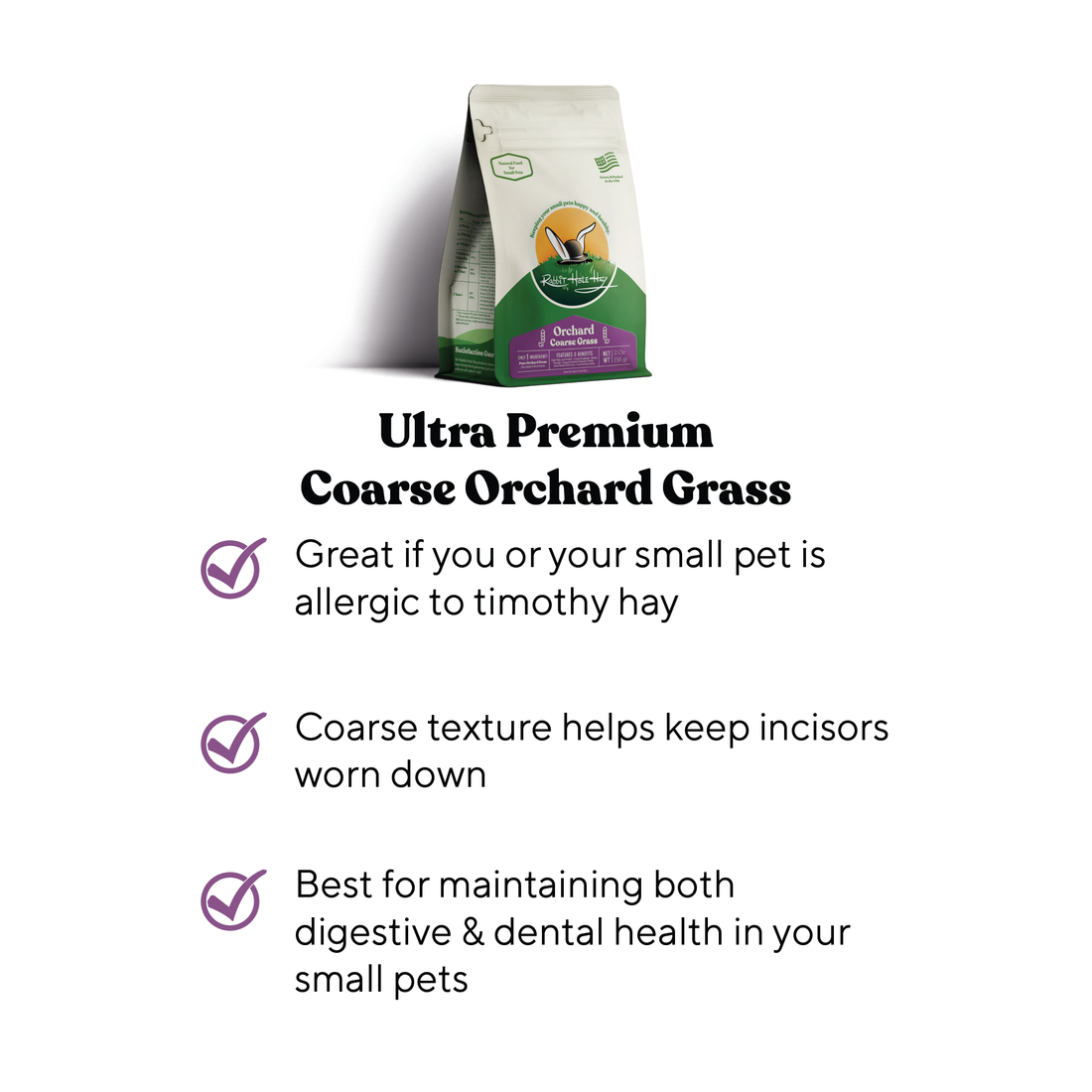
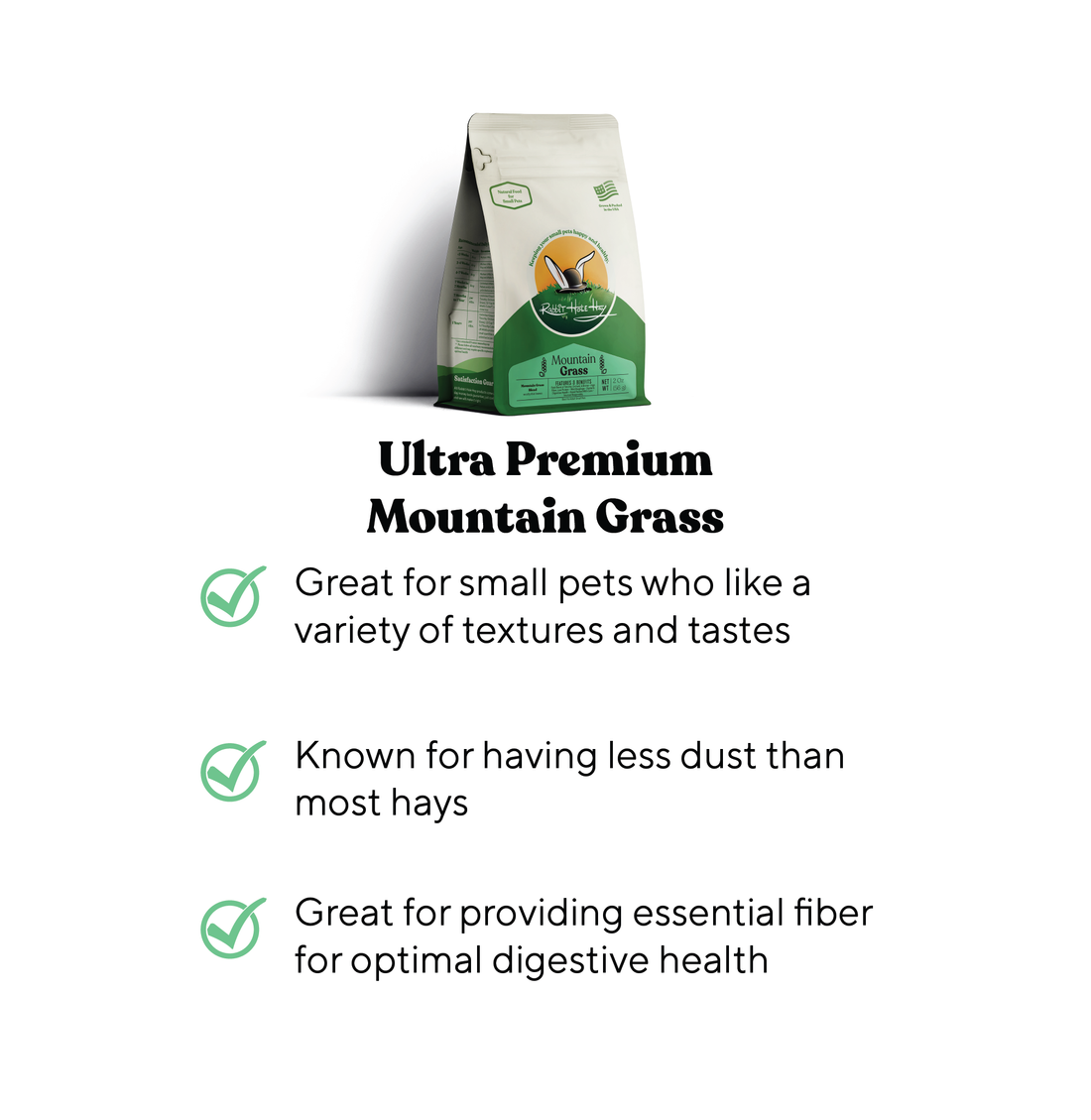
Adult rabbits do best when grass hay—timothy, orchard, or meadow—is available all day. Fiber keeps the gut moving and wears teeth that never stop growing. Pellets stay measured; greens are the colorful side dish, not the main course.
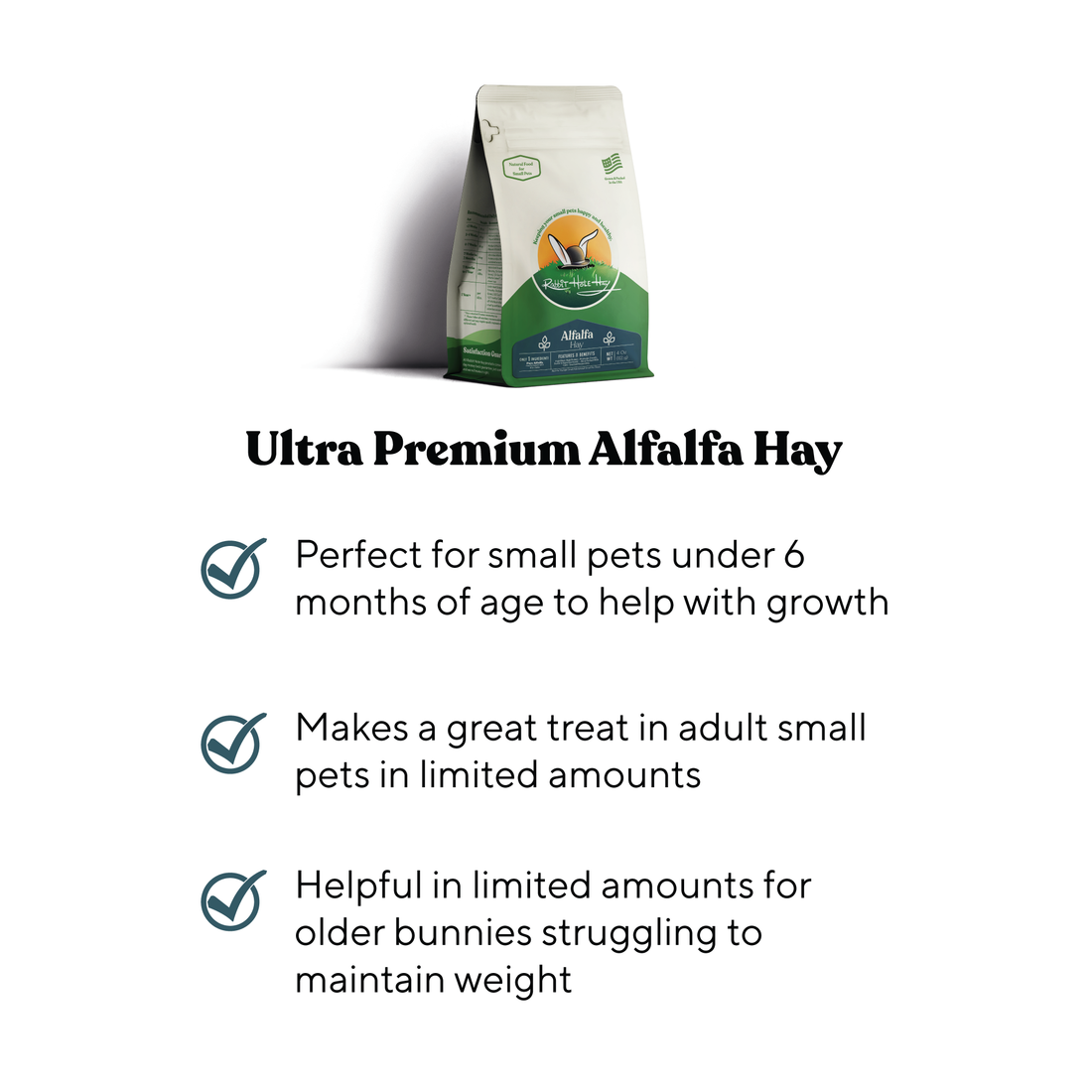
Fresh water in a heavy bowl or bottle matters as much as the salad. If hay intake drops while greens pile up, dial the produce back and refill the rack. Life-stage hay swaps and portion basics live in our Hay Is for Rabbits guide.
Which Vegetables and Leafy Greens Are Safe for Rabbits?
Leafy greens should be the bulk of fresh food. Aim for a mix of a few types most days, washed and dried, rather than one giant pile of a single green.
Romaine lettuce: Crunchy and hydrating for regular feeding. Skip iceberg—it is mostly water and little nutrition.
Cilantro and parsley: Fragrant herbs rabbits often dive for; rotate them through the week.
Kale and spinach: Nutrient-dense, but higher in calcium or oxalates—offer sparingly, not as the only green every day.
Other solid options: Soft leaf lettuce mixes (not iceberg), bok choy, carrot tops, and small amounts of bell pepper. For a single green deep-dive, see whether rabbits can eat collard greens.
Root vegetables like carrot are sweeter—think occasional nibble, not a daily bowl. Wash everything; pesticide residue and dirt are not a rabbit snack.

Which Herbs Can Rabbits Eat?
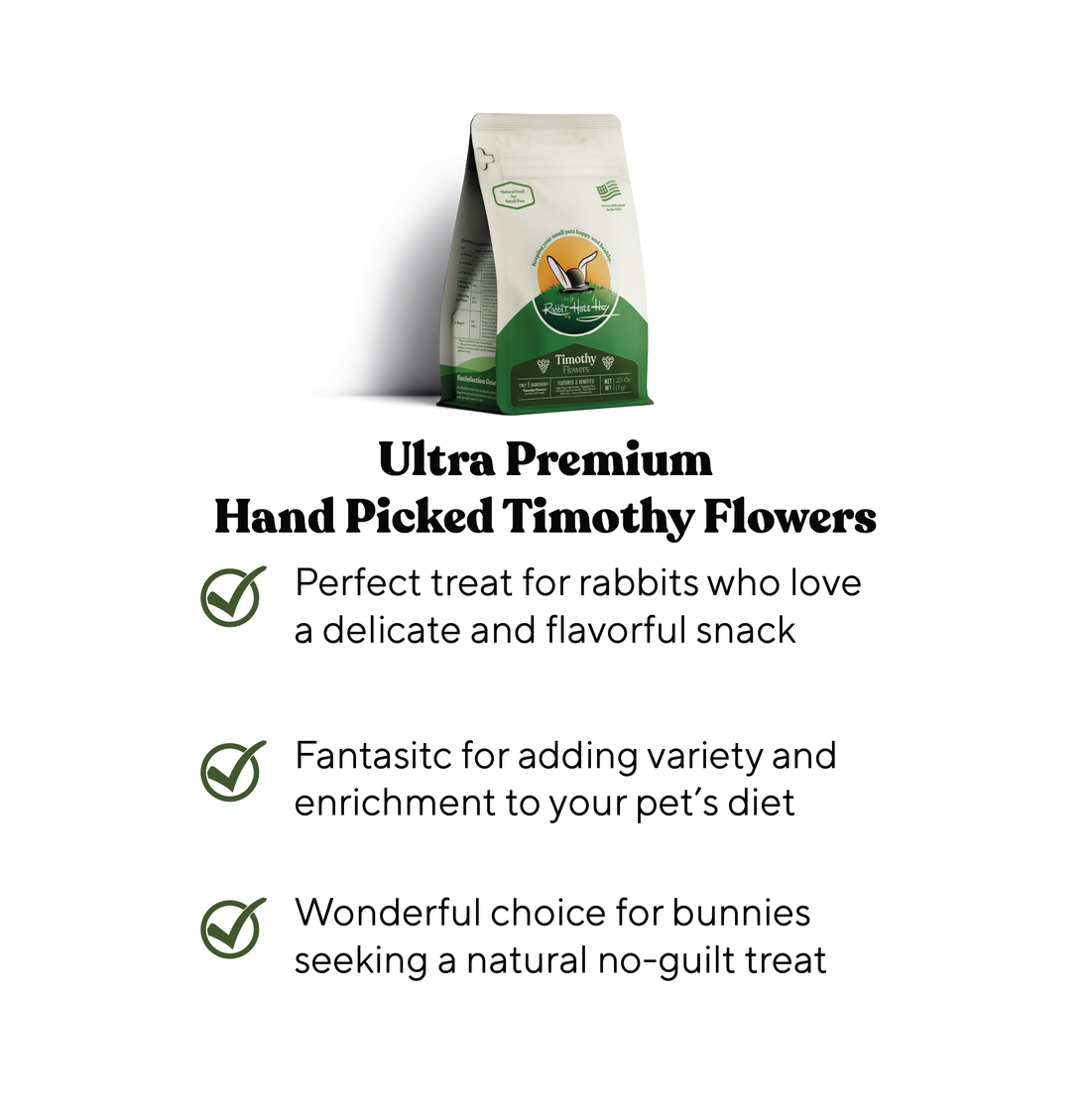
Fresh herbs add scent and interest without dumping sugar into the bowl. Safe everyday choices include basil, mint, dill, cilantro, and parsley.
Offer a small handful mixed with greens—not a herb-only meal.
Rub a leaf between your fingers to release the smell if your bun is sniffy but shy.
Dried culinary herbs can go over hay in a light sprinkle; skip seasonings with onion, garlic, or salt.
Herbs are a bridge and a flavor bump. They do not replace hay. If your rabbit ignores the rack, a light herb scent can help—then fade it once they are chewing plain hay again.
Which Fruits Are Safe for Rabbits—and How Often?
Fruit is dessert, not dinner. Too much natural sugar can loosen stool and pack on weight if it shows up every night. A thumb-sized piece a few times a week is plenty for most adults.
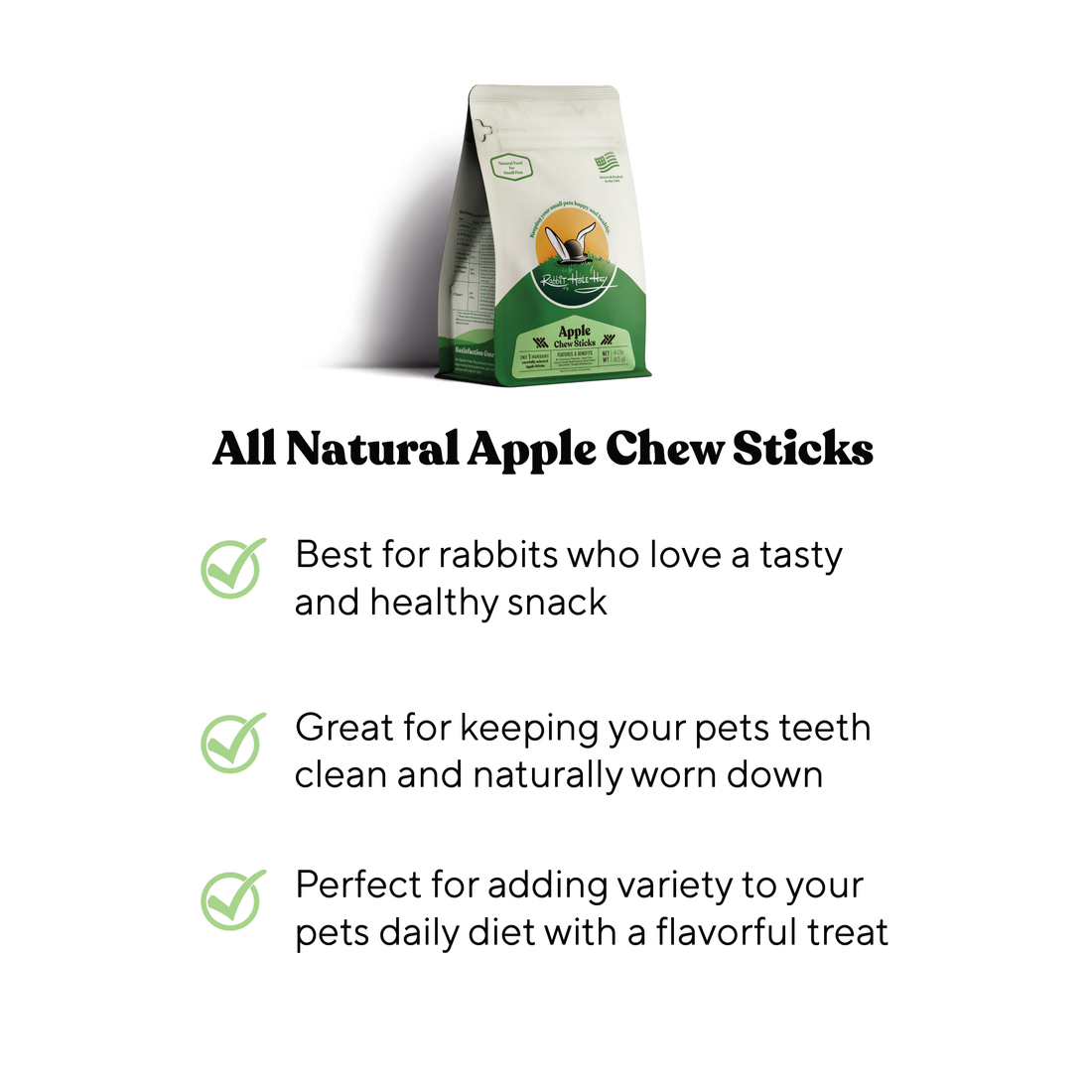
Apple: Seedless slices only—seeds are not rabbit food.
Banana: A thin coin of fruit, not a half banana.
Blueberries: A few berries as a training treat.
Watermelon: Flesh only, no seeds; keep portions tiny.
Skip dried fruit mixes, yogurt drops, and “honey sticks.” They look cute on the pet aisle and still hit a rabbit gut hard. Plain fruit or a hay-based chew is the kinder spoil.
How Do I Introduce New Foods Safely?
Rabbits have sensitive digestion. New greens or fruit should arrive in small pinches, not a grocery haul on day one.
Offer a small piece of one new food.
Watch appetite, energy, and stool for 24 hours.
Increase slowly if stools stay firm and round and they keep eating hay.
Stop that food if you see soft stool, gas, or a drop in hay intake.
One green flopping is normal—swap to another from the safe list and keep the hay pile full. A sudden full stop on food, or no poops at all, means call a rabbit-savvy vet the same day.
Can Pet Rabbits Eat Grass From the Yard?
Yes—fresh, untreated grass can be a natural forage snack, but the yard has rules. Skip grass treated with pesticides, herbicides, or fertilizer, and avoid busy roadside strips where exhaust and runoff collect.
Introduce grass the same way you introduce greens: small amounts first, and keep hay as the constant. For do’s, don’ts, and lawn safety detail, read our full guide on whether pet rabbits can eat grass from the yard.

What Foods Should Rabbits Avoid?
Plenty of human foods that seem “healthy” are wrong for rabbits. Keep these off the plate:
Onion, garlic, and chives: Toxic to rabbits.
Avocado: Dangerous even in small amounts.
Chocolate, raisins, and candy: Not for any pet rabbit.
Dairy, bread, and meat: Rabbits are herbivores; these upset the gut fast.
Potato and high-starch scraps: Hard to digest and not useful fiber.
Tomato fruit in a tiny taste is sometimes debated, but leaves and stems are a hard no—when in doubt, leave it in the compost. You do not need a perfect pantry; you need a short safe list and a habit of checking before you share leftovers.
For a deeper toxic list, see what foods are toxic to rabbits and the House Rabbit Society diet overview.
Key Takeaways for Feeding Produce
Hay first, greens daily, herbs for variety, fruit rarely. Wash produce, rotate greens, and keep sugar for special occasions. When you need a quick yes/no on a new item, check the Eating Guide before it hits the bowl.
Most nights that looks like: refill the hay, rinse a few greens, skip the junk aisle. Teeth and gut thank the boring routine more than any fancy treat pack.




Comments