









































































Your rabbit chews carpet and baseboards because chewing is how rabbits wear down constantly growing teeth, explore textures, and dig when boredom or nesting instincts kick in—not because they are plotting against your flooring. That fringe, seam, or painted baseboard feels like a chew toy and a dig site in one. You are not a bad pet parent when the living room looks like a construction zone; you are living with a prey animal whose mouth is their main tool.
The fix is redirect, not punish. Offer approved dig spots and chew toys, cover the favorite carpet corners, and keep timothy hay in easy reach so dental work happens on something useful. We will walk through seam-pulling, house-proofing, cardboard curiosity, and when chewing pairs with appetite changes that need a vet. For the wider behavior picture, start with our guide to understanding rabbit behavior.

Why Does My Rabbit Chew Carpet and Baseboards?
Carpet fibers and wood trim are irresistible because they scratch the itch rabbits are built for. Teeth never stop growing, so daily grinding is dental care, not a hobby. Soft loops, frayed edges, and painted corners also smell and feel interesting—rabbits learn the world by putting it in their mouths.
Four drivers show up again and again:
Dental wear: Chewing keeps molars and front teeth from overgrowing. If hay is scarce or stale, carpets and baseboards become Plan B.
Exploration: New rugs, new rooms, and textured edges get tested the same way a cardboard box does.
Scent marking: Chin and jaw glands leave “this is mine” notes on chewed spots—annoying for you, logical for them.
Boredom or leftover energy: A rabbit with a short free-roam window and few toys will invent a job. Carpet digging is a popular one.
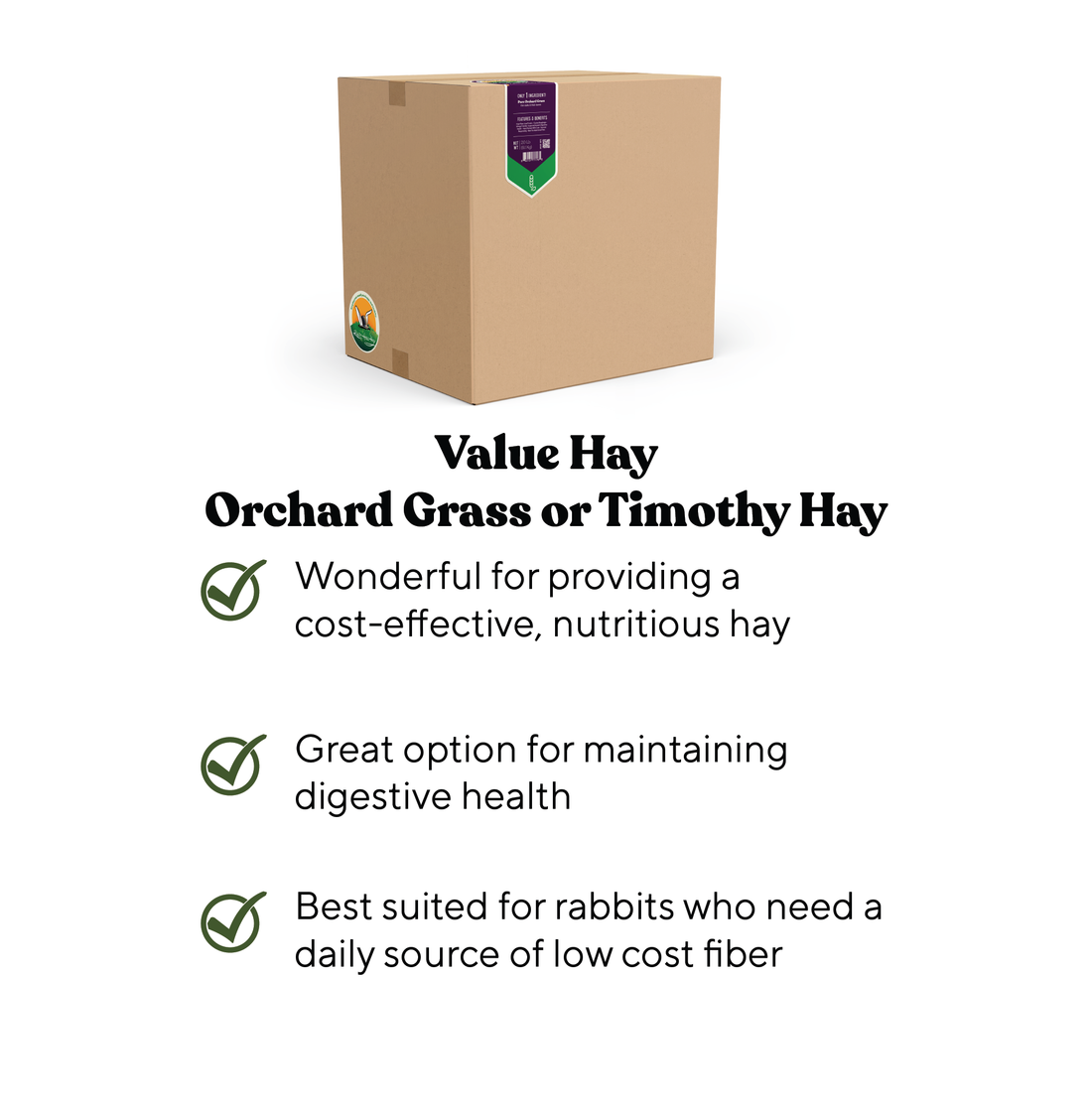
Preventing rabbit chewing starts with naming the drive, then giving a better outlet. Unlimited grass hay—usually timothy for adults—should be the main all-day chew. Pellets and greens do not replace that long grinding work. Keep the rack topped so the floor is never the closest fiber source, and refill from our hay and small-pet shop when the bag runs low.

Why Do Rabbits Pull Up Carpet at Seams, and How Do I Redirect That Safely?
Seams, thresholds, and loose corners are dig magnets. The edge lifts easily, the fibers separate, and the motion feels like burrowing. Many rabbits start at a doorway strip or under a sofa skirt and work outward until you find a bald patch.
Safe redirects that usually work better than yelling from the hallway:
Cover the hot spot with a plastic carpet runner, vinyl mat, or a heavy rug pad they cannot dig through—smooth side up so claws get less grip.
Put a cardboard dig box or untreated wicker basket right beside the old crime scene, filled with shredded paper, hay scraps, or a thin layer of soil for supervised outdoor digs.
When you catch them mid-pull, calmly interrupt, then walk them to the dig box and praise or offer a tiny herb treat when they dig there instead.
Extend free-roam or add tunnels and cardboard forts so “digging energy” has somewhere to go before it hits the fringe.
Do not yank them off the carpet by the scruff or spray water in their face. Fear stops the moment, then they dig when you leave the room. A dig box next to the favorite seam is plain and effective—most rabbits switch once the approved spot is easier than the rug.

How Do I Redirect Carpet Chewing Without Scolding?
Rabbits do not process “bad dog” lectures. Loud voices and chasing teach them to chew when you are not looking. Positive redirection works better: catch the good chew, reward it, and make the wrong chew harder.
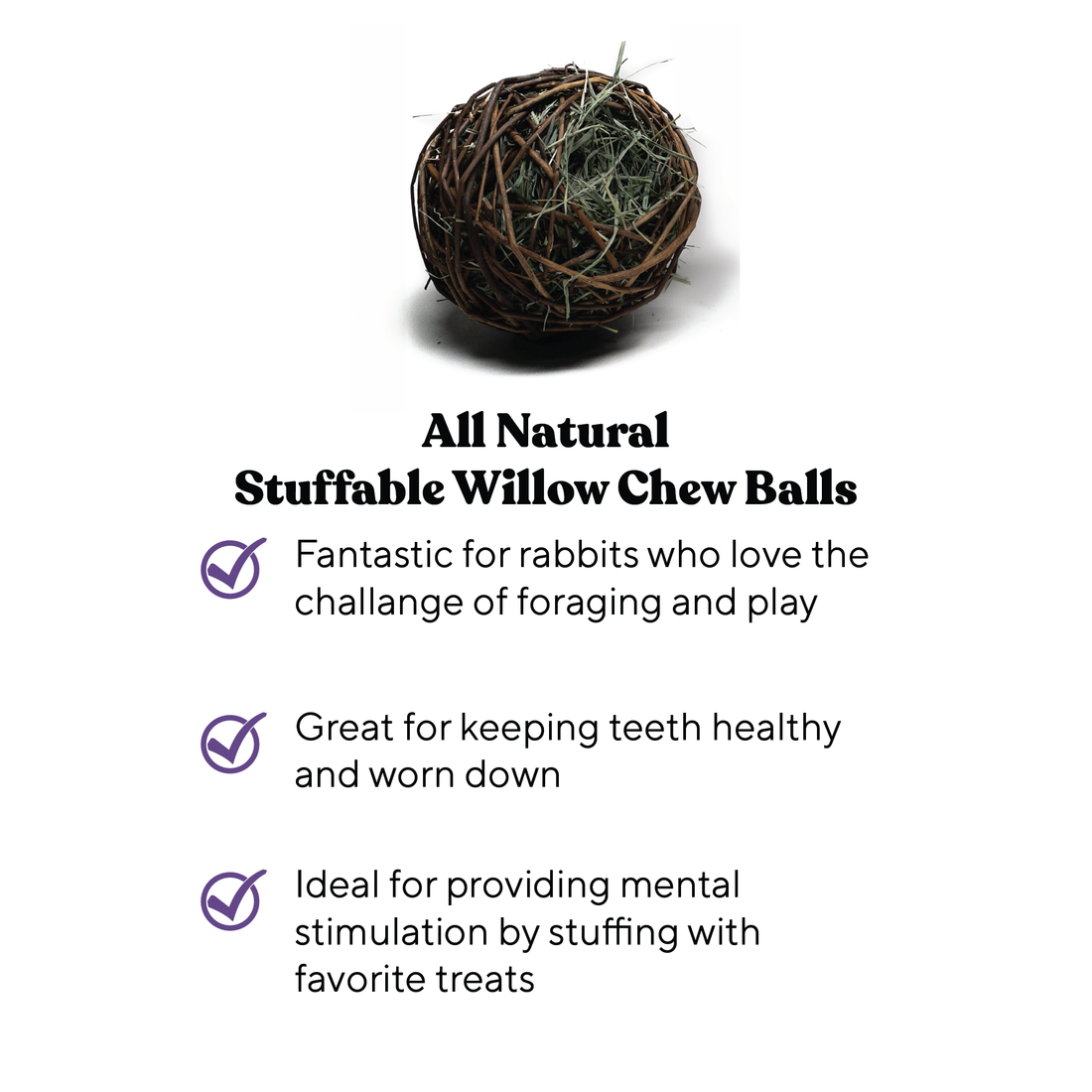
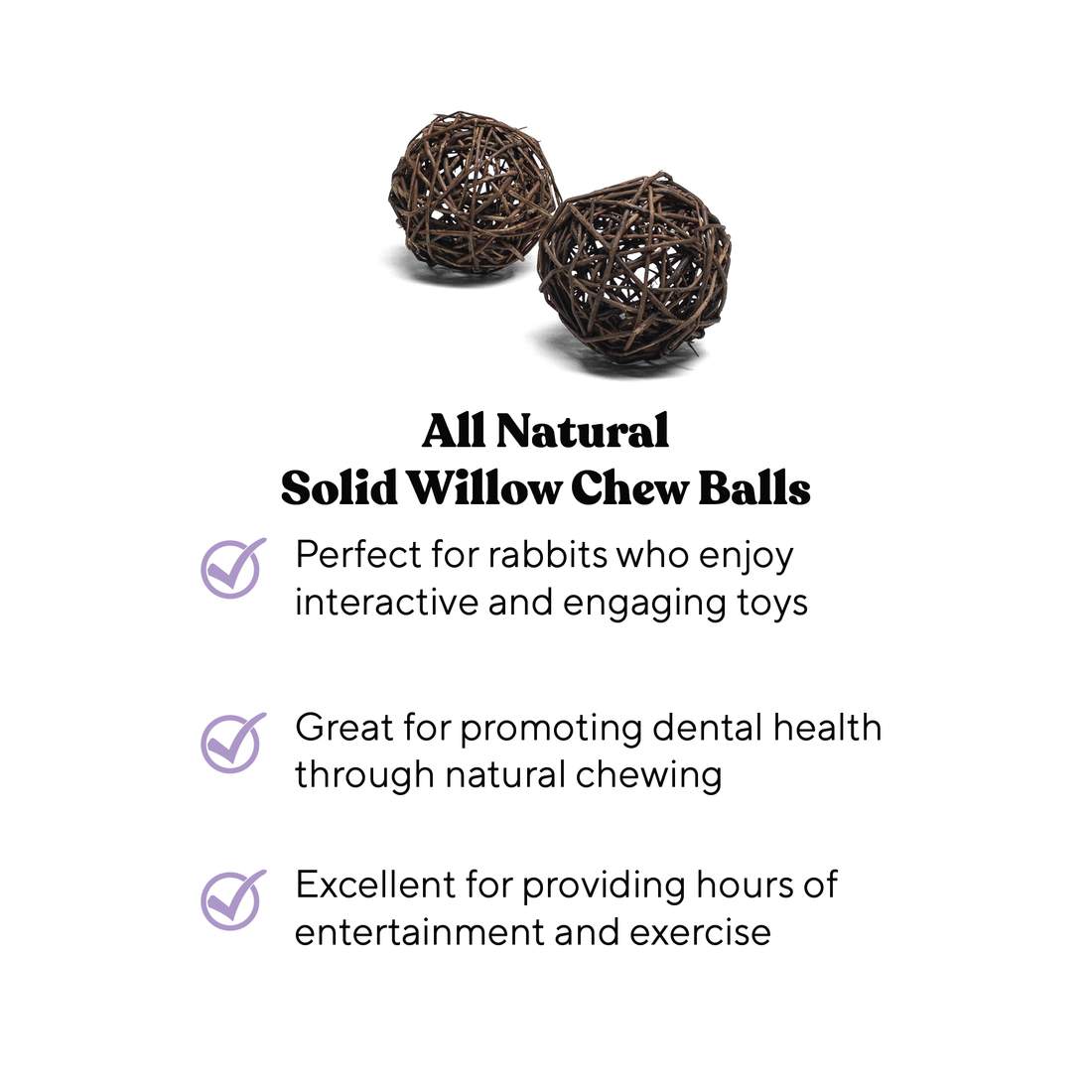
Keep a few approved items in every free-roam zone—safe chew toys, apple chew sticks, willow balls, or a stuffed paper bag. When teeth hit wood or seagrass, mark it with a calm “yes” and a nibble of herb. When teeth hit baseboard, interrupt once, offer the toy, and move on. Consistency over weeks beats one dramatic training night.
For more owner-tested chewing notes, the My House Rabbit chewing and digging guide pairs well with a dig-box setup. House-wide soft barriers also help—our rabbit-proofing home guide covers room setup beyond carpet alone.
How Do I Protect Carpet and Baseboards While I Train?
Training and proofing work together. You cannot out-reward a rabbit who has eight hours alone with a frayed hallway runner.
Lay plastic runners or interlocking mats on known dig paths and under favorite furniture edges.
Use clear corner guards or vinyl baseboard protectors on chewed trim; bitter apple spray is a temporary helper on wood legs, not a solo plan.
Block access to unfinished rooms and closets until those spaces are dig-boxed and supervised.
For cords near carpet edges, hide or sleeve wires—chewed power cords are an emergency on their own. Use our cord-proofing guide when wires are the main risk.
Limit unsupervised free-roam until the new habits stick. A smaller safe zone with hay, litter, dig box, and toys beats a whole house of temptation while you are at work.
Why Does My Rabbit Chew Cardboard and Other Household Items?
Cardboard, books, remote corners, and paper shopping bags hit the same needs as carpet—texture, dig feel, and something to shred. Mild cardboard chewing can be fine as enrichment if the cardboard is plain (no heavy ink, tape, or plastic coating) and the rabbit still eats plenty of hay.
Heavy cardboard grazing while the hay rack sits full can signal boredom or a fiber shortfall. Store important papers and books up high, then offer cardboard tunnels and boxes on purpose so shredding is allowed. Use our guide on why rabbits chew on everything when furniture legs and random household stash join the carpet problem. For a focused cardboard how-to, see stopping rabbits from eating cardboard.

What Safe Chew Alternatives Should I Offer Instead?
Give the mouth a better job than the rug. Rotate a small set so interest stays high:
Untreated wood chews, willow, seagrass, and apple sticks
Hay cubes or compressed hay toys that double as snacks
Cardboard dig boxes and paper bags with no plastic windows
Puzzle feeders that make them work for a few pellets or herbs
Fresh timothy or other adult grass hay should still win the volume contest. Toys fill the exploration gap; hay fills the dental and gut gap. If chewing spikes overnight, check that the hay is fragrant and plentiful before you buy another gadget.
When Should Carpet Chewing Make Me Call the Vet?
Most carpet work is behavior plus opportunity. Call a rabbit-savvy vet the same day if chewing arrives with these red flags:
Hay intake drops, or droppings shrink, string, or stop
They sit hunched, grind teeth loudly in pain, or refuse greens they usually love
Sudden aggression or lethargy paired with the new chewing binge
Visible tooth tips that look uneven, or drooling and wet chin fur
Dental pain can make rabbits seek softer fibers or odd textures. Boredom alone rarely comes with a quiet litter box. When in doubt, trust appetite and poop first—those two tell you more than the size of the carpet hole. You are not overreacting for calling when the hay sits untouched. The RSPCA rabbit care overview is a solid external refresher on welfare basics while you book the appointment.
Key Takeaways for Carpet and Baseboard Chewing
Chewing carpet and baseboards is normal rabbit hardware meeting the wrong surface. Cover the seams, plant a dig box beside the old favorite spot, reward approved chews, and keep grass hay endless. When the rug and trim are the main problem, mats and dig boxes usually fix more than another lecture—use the cord or cardboard guides when those are the bigger mess.
Stay consistent for a few weeks. Most households see the bald patches stop growing once the approved dig is easier than the fringe. Your rabbit still gets to dig and chew; they just stop renovating the hallway.





Comments