




















































To stop your rabbit from eating cardboard, make grass hay the easiest chew in the room, offer shredders they are allowed to destroy, and calmly redirect when teeth hit a box flap—not by shouting or hiding every package overnight. A little plain cardboard as supervised enrichment is fine for many rabbits; the problem is when they fill up on it instead of hay.
You are not failing because the bunny shredded an Amazon box. Rabbits explore with their mouths, and cardboard feels like a jackpot. This page covers why that drive exists, when it turns risky, and what to put in their path instead. For the bigger chewing picture, see our guide to understanding rabbit behavior.

Why Does My Rabbit Chew Cardboard and Other Household Items?
Rabbits chew cardboard for the same reasons they chew carpet edges, book corners, and baseboards: teeth that never stop growing, boredom, stress relief, and plain curiosity. A thick box flap gives resistance. Shredding feels like digging. If hay is stale, out of reach, or missing, cardboard becomes the closest fiber source.
That is not spite—it is hardware meeting opportunity. Young rabbits and newly adopted buns test every texture. An anxious rabbit may nibble for comfort, the same way a kid chews a pencil during a test. Knowing the why helps you pick the right fix: more hay, better toys, or a calmer setup—not just another lecture from the hallway.
For chewing beyond boxes—furniture, cords, carpet seams—our post on why rabbits chew on everything walks through the wider pattern. When carpet joins the mess, the carpet and baseboard chewing guide covers dig boxes and seam covers.
Is It Dangerous When Rabbits Eat Cardboard?
A nibble of clean, ink-free cardboard with no tape or glue is usually not an emergency. The trouble starts when cardboard replaces hay. Rabbits need long-strand fiber to keep the gut moving. Soft paper mush does not do that job. Fill the stomach with cardboard and the conveyor belt slows—bacteria build, gas expands, and you are looking at GI stasis, which can turn serious fast.
Watch appetite and output, not just the size of the hole in the box:
They eat more cardboard than hay, or ignore the rack while the flap disappears
Droppings shrink, string together, or drop in number
They lose weight, sit hunched, or stop their usual zoomies
Those signs mean call a rabbit-savvy vet the same day—not after you finish recycling. You are not overreacting when the hay sits untouched. The House Rabbit Society diet FAQ is a solid external check on fiber basics while you book the appointment.
How Does Hay Help Stop Cardboard Chewing?
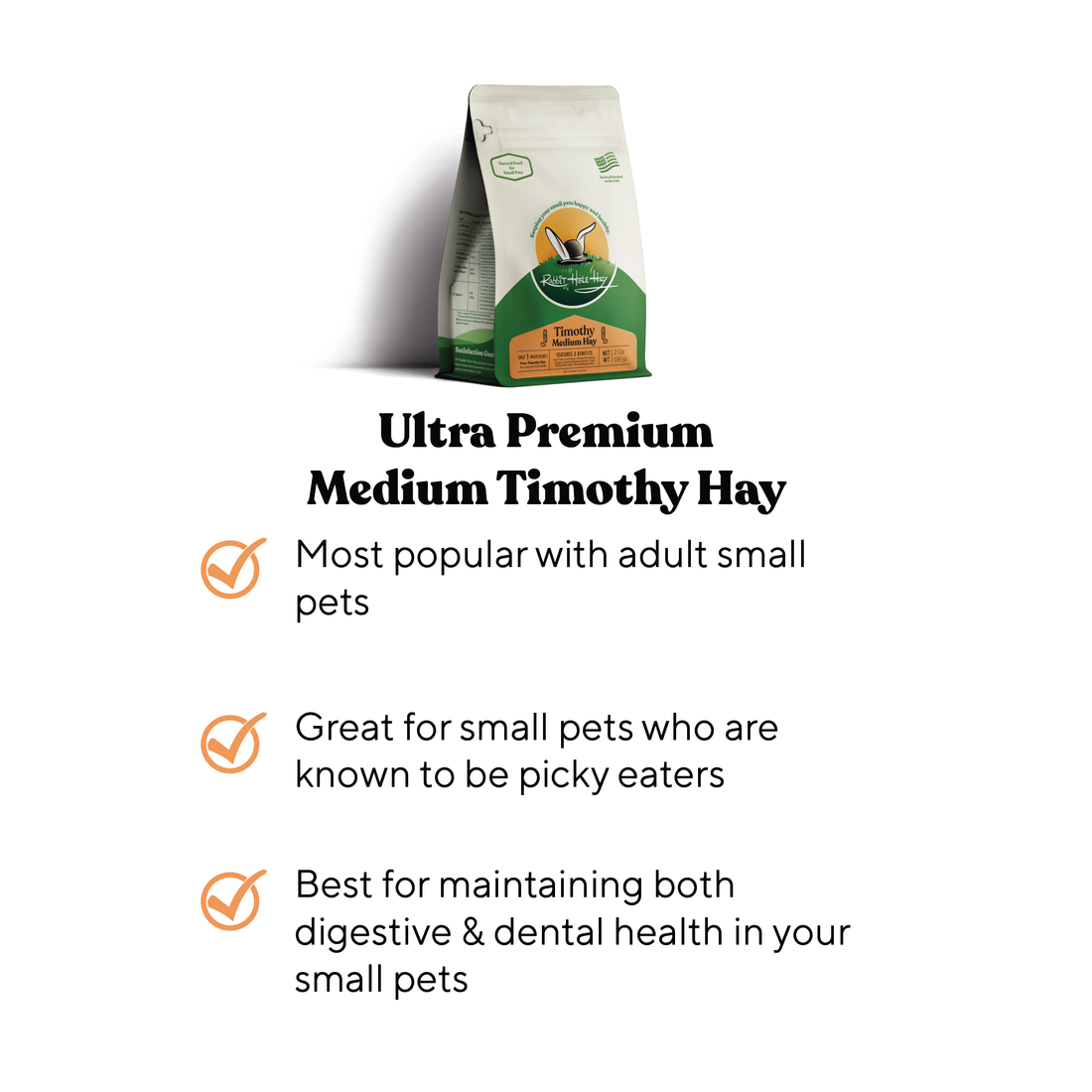
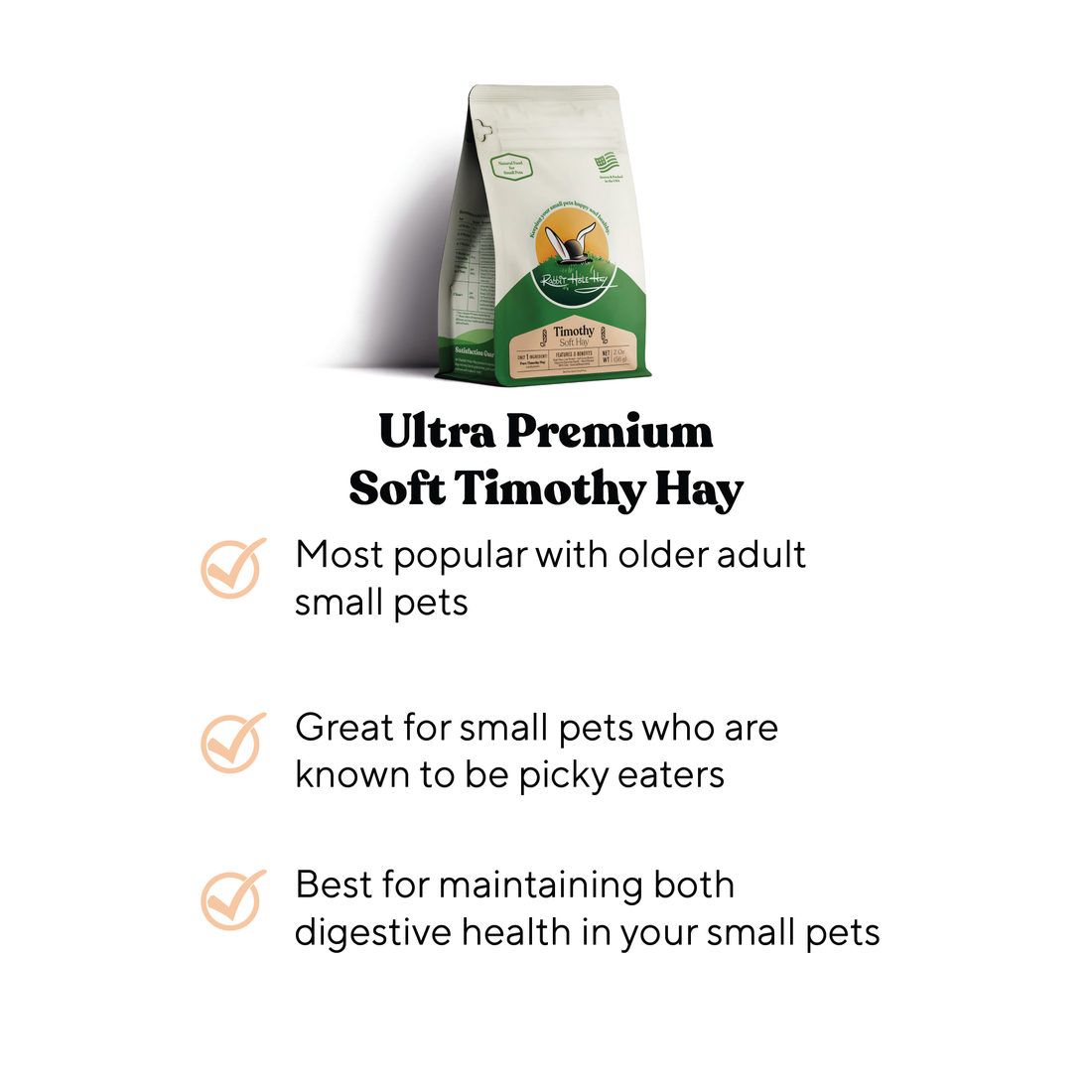
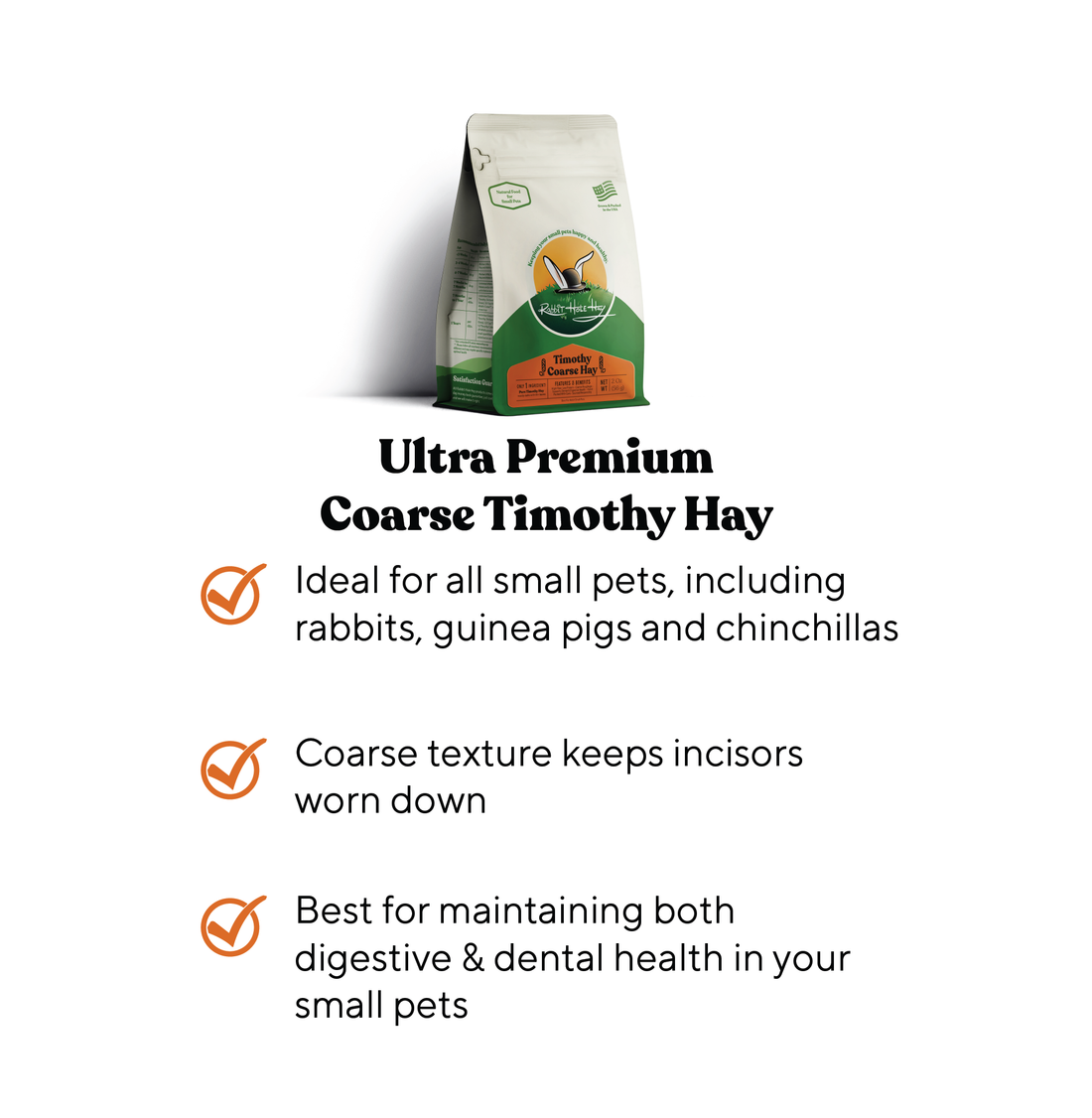
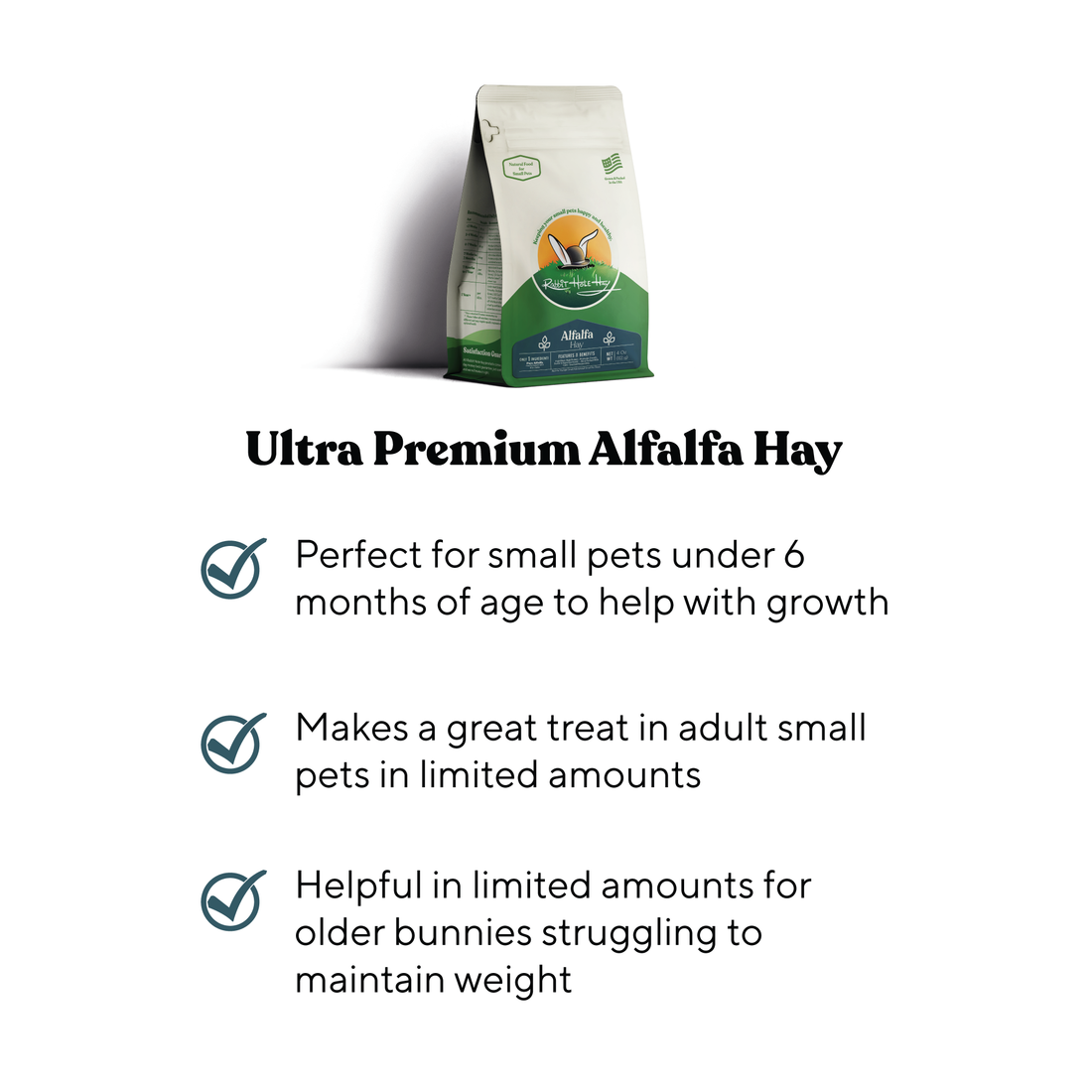
Hay is the engine. Rough grass hay—usually timothy for adults—should make up most of what they eat every day, about a pile the size of their body daily. Pellets crumble too fast to wear teeth down or keep the gut busy. Greens and treats ride behind hay; they do not replace the grinding work.
Make hay easier to choose than the shipping box:
Keep it fresh, fragrant, and in multiple spots—rack, floor pile, and litter box
Many rabbits munch while they potty; hay in the litter box builds a useful habit
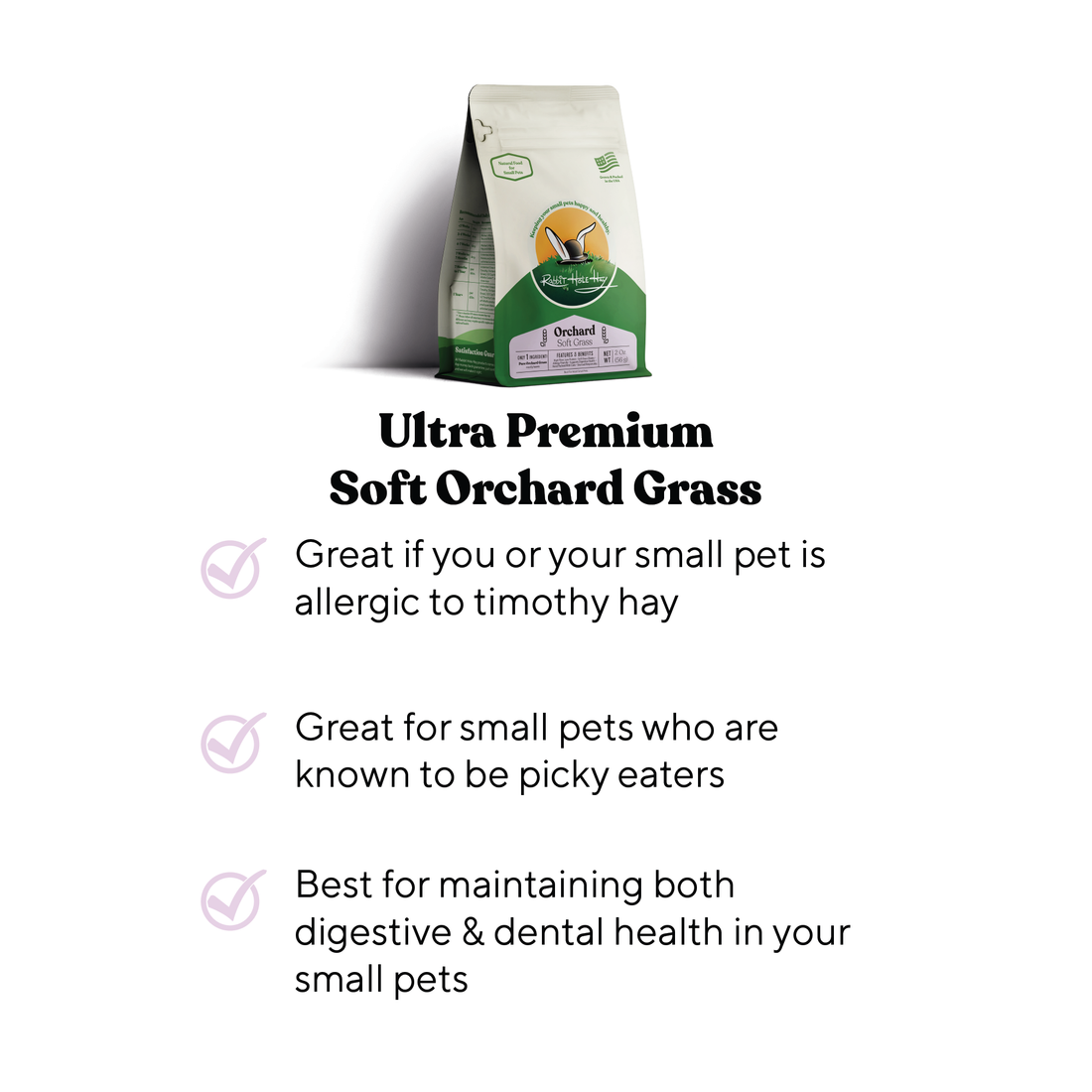
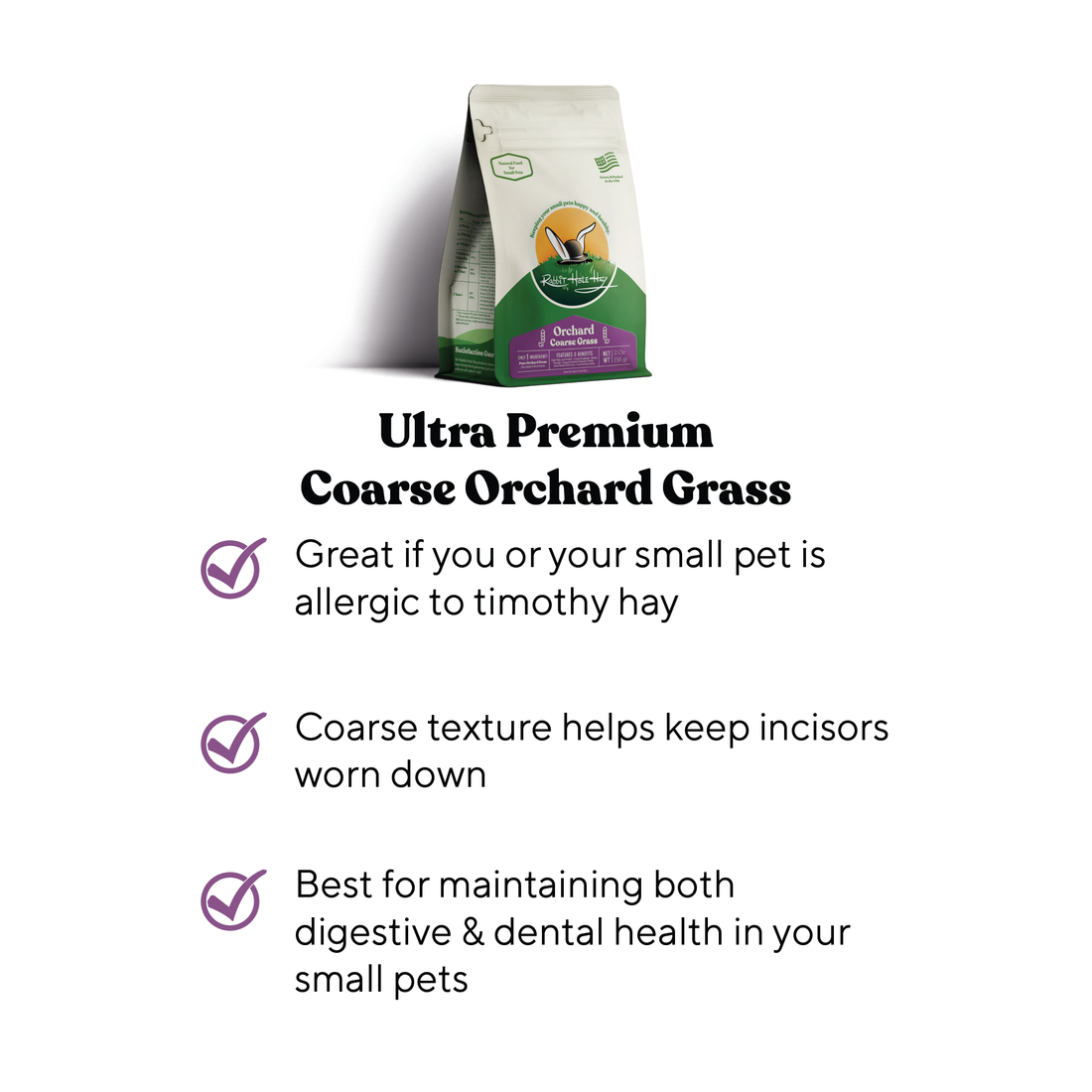
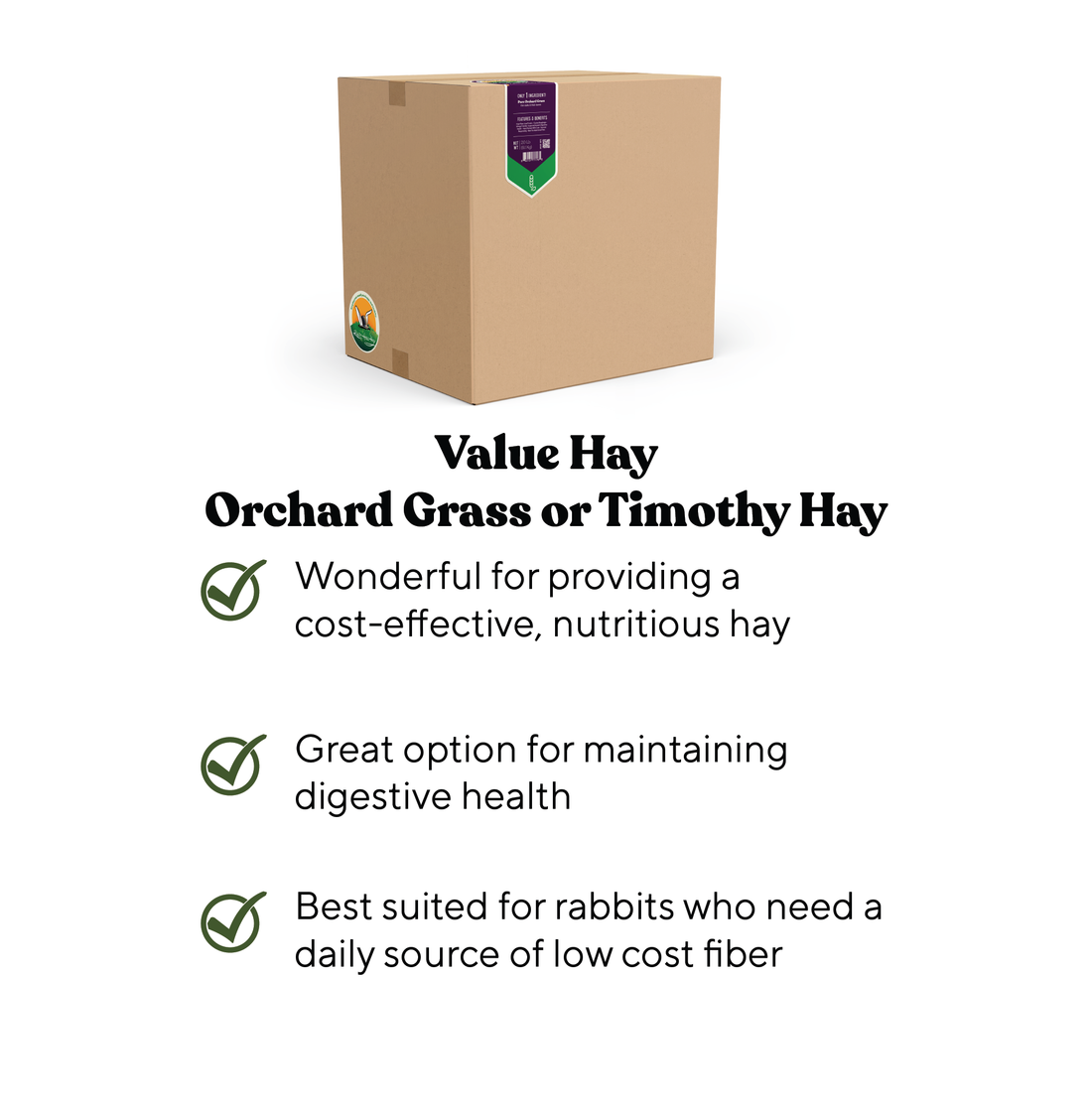
Try denser timothy hay, orchard grass, or hay cubes when loose strands get ignored
Stuff a clean paper towel roll with hay so shredding still happens—on your terms
If you are unsure which hay fits your rabbit, our Hay Is for Rabbits guide breaks down age, health, and picky-eater swaps. When the rack stays full and they still hunt cardboard, boredom or environment is usually the next lever—not another bag switch alone.

What Chew Toys Work Better Than Cardboard?
Give the mouth a job cardboard cannot beat—something tough, safe, and interesting enough to shred:
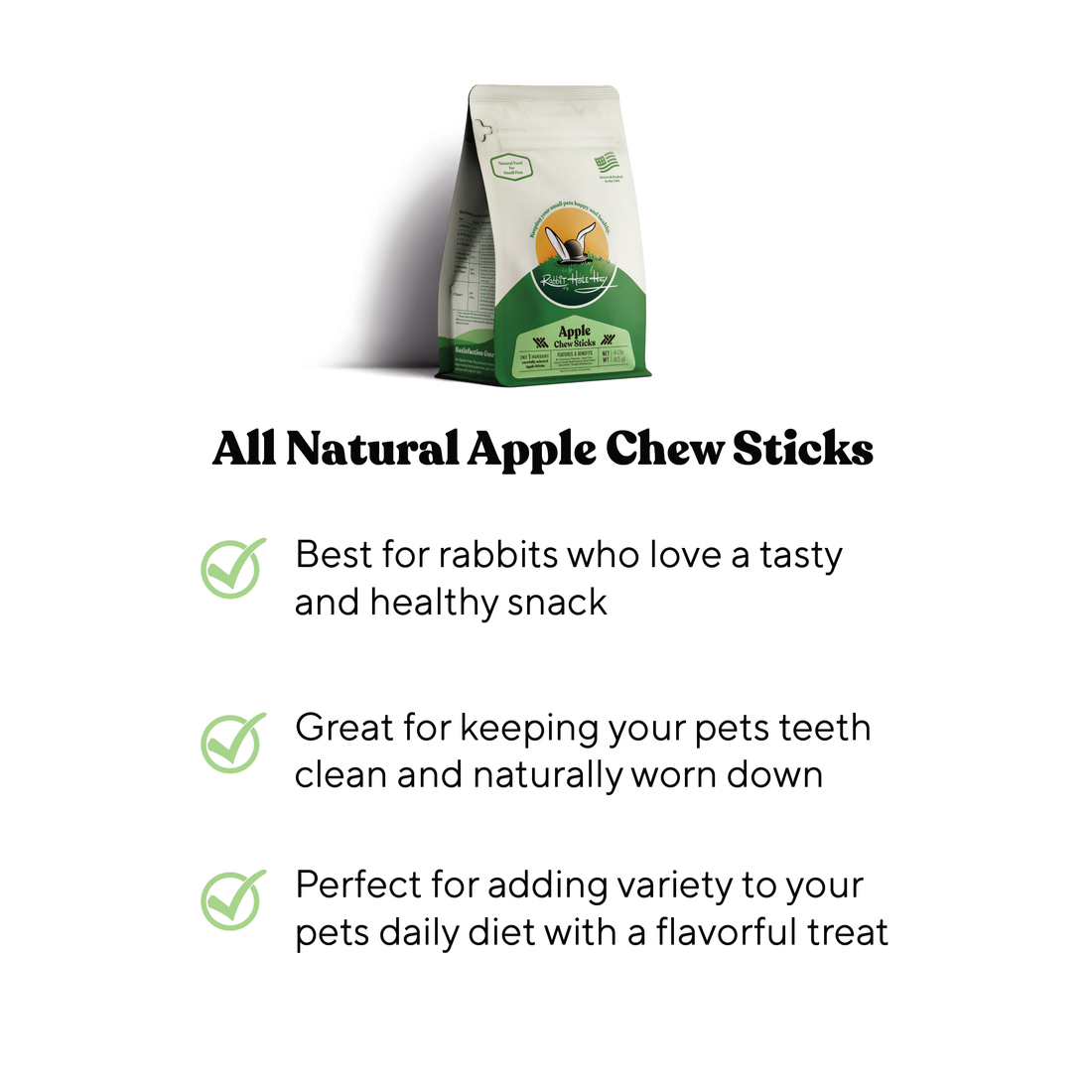
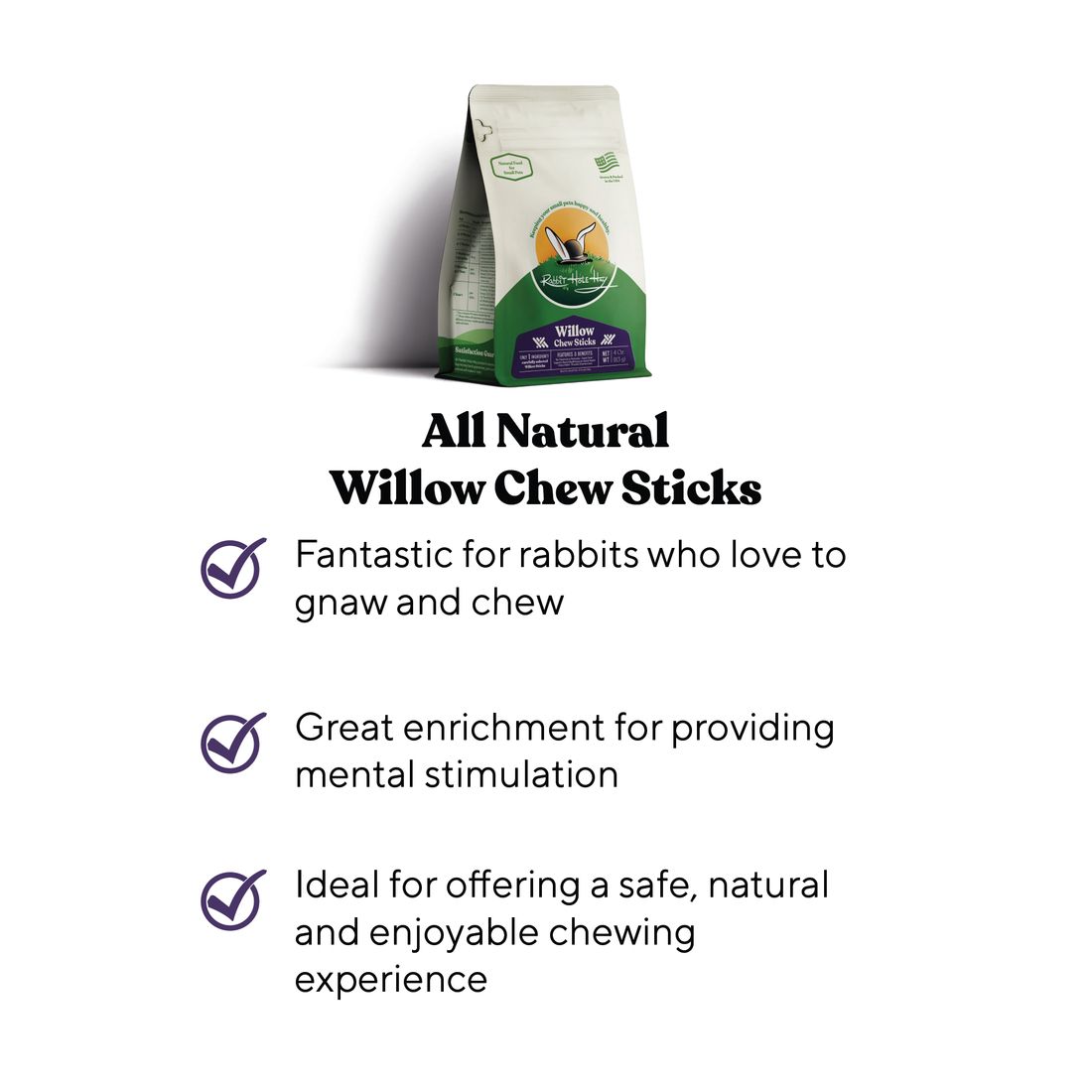
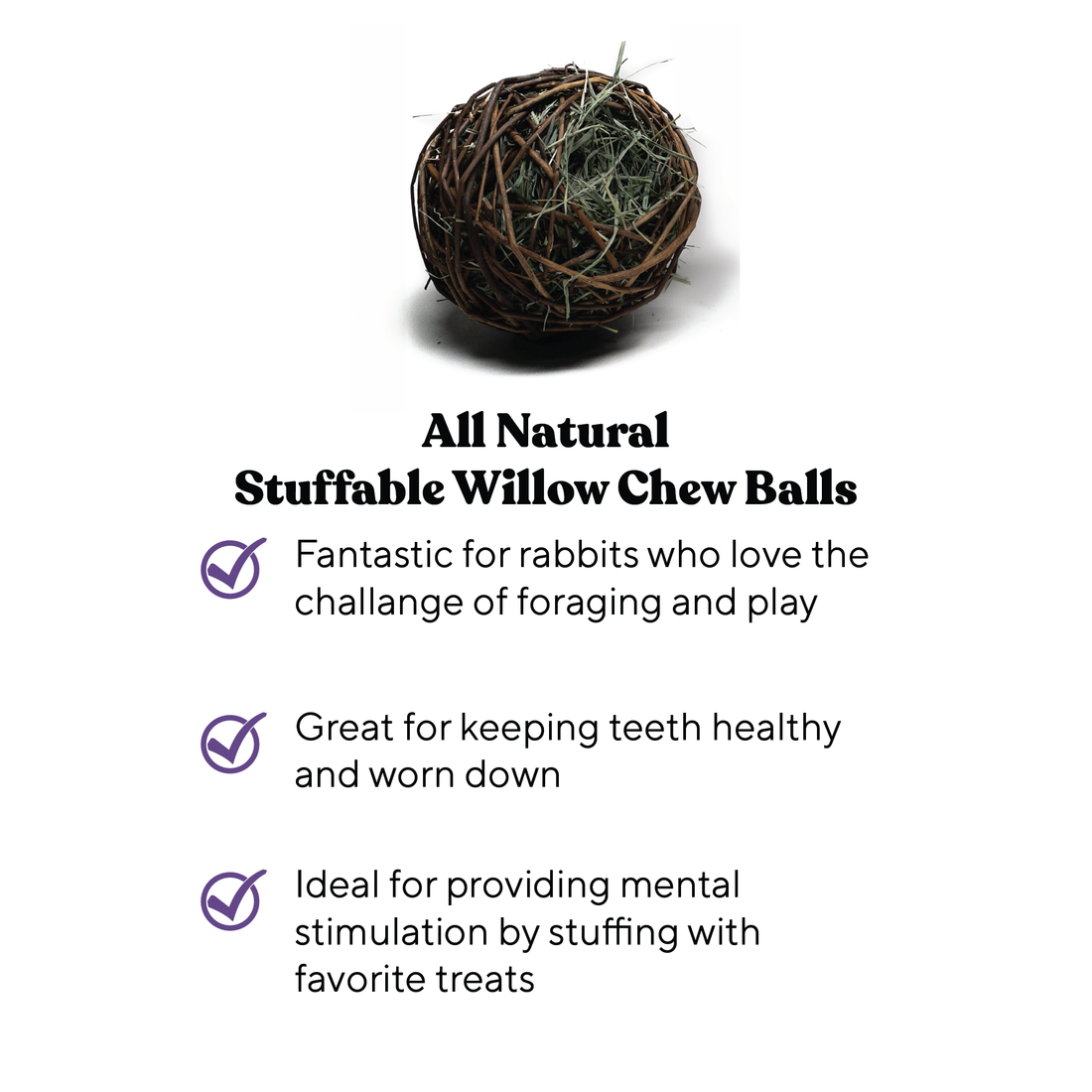
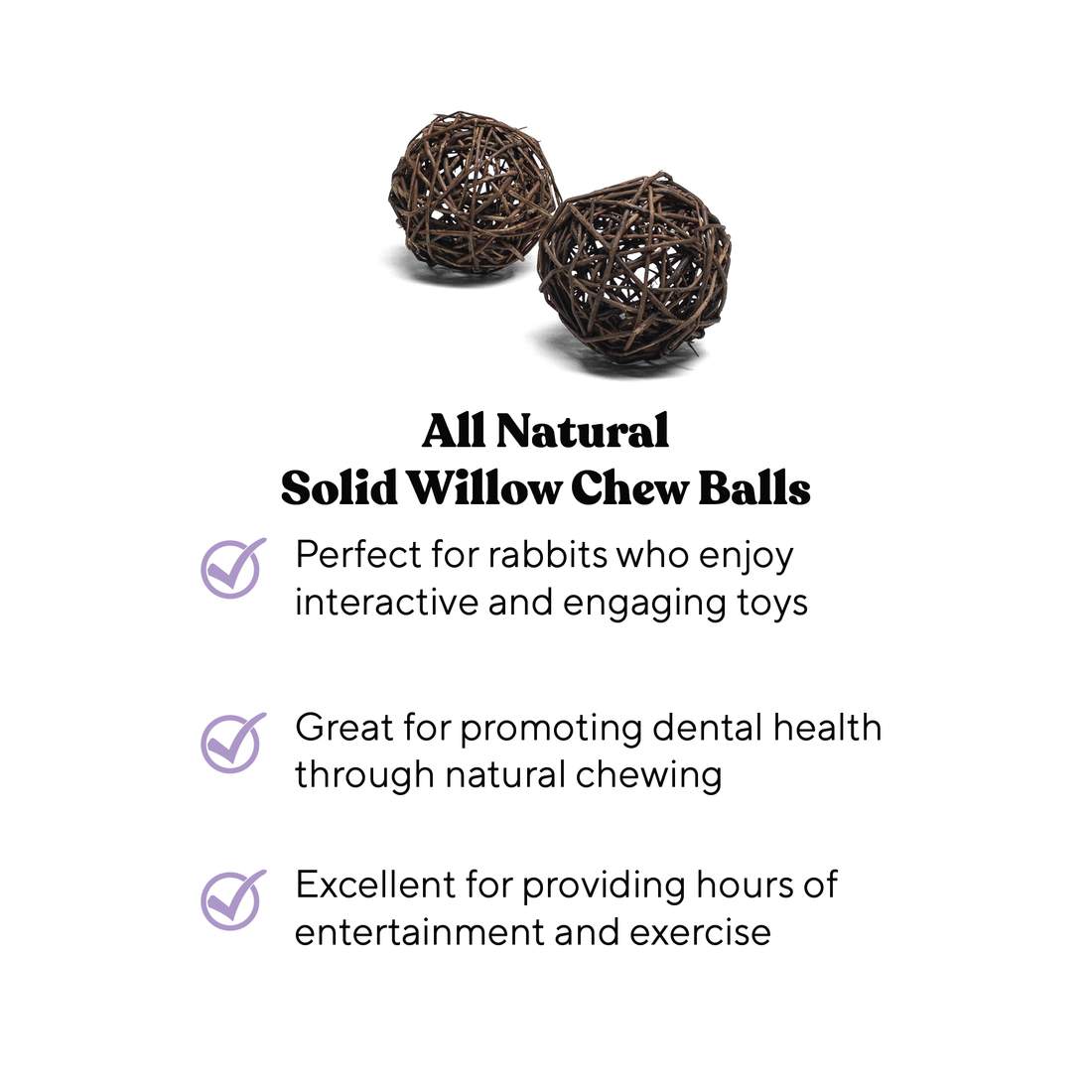
Apple sticks, willow balls, seagrass mats, and untreated loofah toys
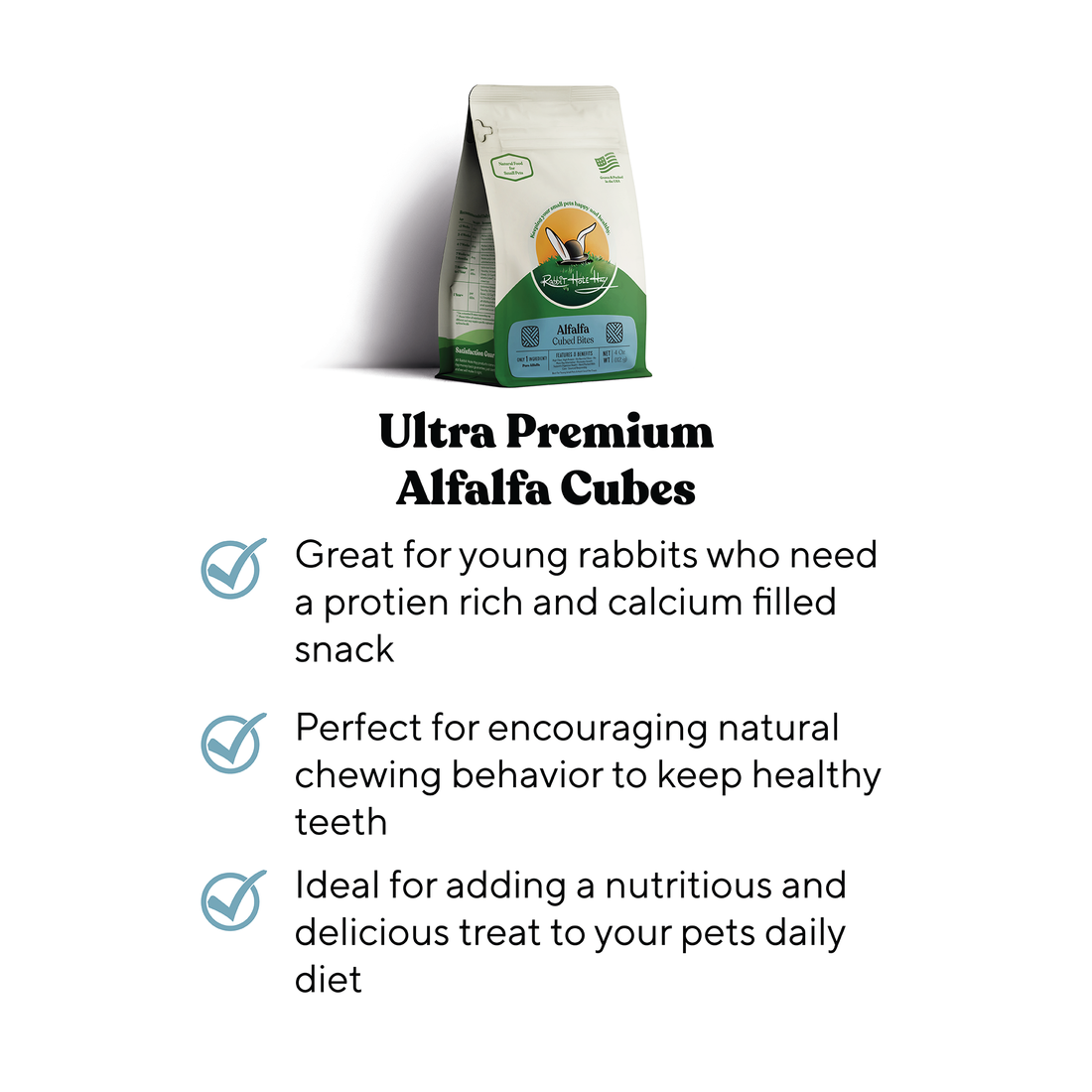
Timothy hay cubes or compressed hay blocks for longer grinding sessions
Cardboard tunnels with tape and labels removed, stuffed with hay as a supervised puzzle
DIY dig boxes with shredded paper or hay scraps—see our DIY rabbit toy ideas for starter projects
Rotate a small set weekly so novelty stays high. A mentally busy rabbit destroys fewer delivery boxes. For vet-reviewed toy picks, PetMD's rabbit toy overview pairs well with hay-first setup.
How Do I Redirect Cardboard Chewing Without Scolding?
Rabbits do not learn from shouted "no." Fear pauses the chew, then they return when you leave. Positive redirection works: catch the good chew, reward it, and make the wrong chew harder to reach.
When teeth hit a forbidden box, calmly interrupt once and offer hay, a stick, or a stuffed roll
Mark the approved chew with a quiet "yes" and a tiny herb treat—banana and apple count, used sparingly
Store important packages up high; keep one plain, tape-free box out as an allowed shredder if compromise helps
Repeat for weeks. Consistency beats one dramatic training night
You are not the rabbit police—you are steering a survival instinct toward fiber that actually feeds them. Limit free-roam in rooms full of temptation until the new habit sticks. A smaller safe zone with hay, litter, toys, and a dig box beats an entire apartment of open cardboard while you are at work.
Is My Rabbit's Setup Making the Cardboard Problem Worse?
A dull pen guarantees creative destruction. Rabbits need room to hop, hide, and change textures. When the only interesting thing is the recycling pile, the recycling pile wins—and your Prime Day box pays the price.
Offer tunnels, boxes for playing (not eating), and hideaways they can rearrange
Rotate toys and hay placement so the room feels new without new purchases every week
Watch for boredom tells: digging one spot obsessively, flipping dishes, or bar chewing when enrichment runs low
Our best rabbit habitat setup post has practical layout ideas for free-roam and pen life. If your rabbit keeps seeking forbidden textures, look at the room through prey-animal eyes—what is missing might be obvious once you stop judging the mess and start rearranging it.
When Should Cardboard Chewing Send Me to the Vet?
Occasional supervised shredding on plain cardboard is one thing. Call a rabbit-savvy vet promptly if chewing comes with:
Hay refusal or much smaller, fewer, or misshapen droppings
Weight loss, lethargy, or a hunched, painful posture
Tooth grinding that sounds different from happy purring, drooling, or wet chin fur
Sudden aggression or frustration when you redirect—sometimes pain, not attitude
Dental trouble can push rabbits toward odd textures. Boredom alone rarely comes with a quiet litter box. Trust appetite and poop first—they tell you more than how ragged the box looks. You are not being dramatic for calling when both look off.
Key Takeaways
Stopping cardboard eating is less about banning every box and more about making hay and approved chews the path of least resistance. Redirect calmly, rotate enrichment, and supervise plain cardboard if compromise keeps peace. When shredding outpaces hay intake, treat it as a health check—not a quirky personality trait.
Every rabbit has a favorite texture. Try hay placement, toy swaps, and room layout for a few weeks before you decide nothing works. Most households see the Amazon casualties drop once the rack stays full and the allowed dig box is more fun than the delivery flap.




Comments