










































































Rabbits are bonding well when supervised sessions get calmer over time. Early rabbit bonding indicators often look boring on purpose: ignoring each other, brief sniffing, short hierarchy behavior that ends without injury, then sitting near each other, sharing hay, grooming, and eventually sleeping side by side.
If you are staring at two rabbits and wondering whether this is friendship or a disaster waiting to happen, you are not alone. Bonding can look rude before it looks cozy. Judge by outcomes—relaxed bodies, shorter tension, no blood—not by whether the session would make a cute photo yet.
Expect a mix of green-light signs, the prep that makes those signs trustworthy, and the chase-or-mount line that means separate them. For in-the-room fight steps, use our guide on what to do when bonding rabbits keep fighting.

How Do I Tell If Rabbits Are Bonding Well?
Look for a trend, not a single perfect session. A pair that is bonding well usually moves from high alert to quieter coexistence, then to voluntary closeness. One good afternoon does not lock the bond. A week of calmer sessions tells you more than one lucky nap.
Strong progress looks like this in rough order:
Indifference: They share a neutral pen without chasing, staring hard, or posturing. One grooms itself or looks away. In rabbit terms, that is a compliment—the other rabbit did not register as a threat.
Curiosity: Soft approaches, nose touches, then backing off. Interest without a freeze or lunge.
Short hierarchy behavior: Brief mounting or a few chase steps that end when the other rabbit moves or yields. Bodies stay loose enough that either rabbit can break away.
Shared space and food: Sitting a body-length apart, then closer; eating leafy greens or grass hay without guarding the pile.
Affection and rest: One rabbit licks the other’s face or back; later, they nap touching or pressed together and seek each other out.
Indifference first, cuddles later. If your “date” stares at the wall, that is still a win.

For how rabbits show stress versus comfort day to day, our guide to understanding rabbit behavior helps you read ears, posture, and thumps outside bonding hour. The House Rabbit Society bonding rabbits FAQ is a solid external checklist for introductions.
What Should You Set Up Before You Trust Those Signs?
Positive indicators only count when both rabbits can meet safely. Both should be spayed or neutered, and most bonders wait at least six weeks after surgery so hormones settle—see the HRS notes on spay and neuter timing.
Before face-to-face sessions:
Keep them in separate housing close enough to smell and see each other.
Swap bedding, toys, and water bowls so each rabbit’s scent becomes background noise.
Use a neutral playpen neither rabbit already owns, so home-turf fights are less likely.
Stay present for every early session. Keep hands ready, watch the lower rabbit if mounting starts, and interrupt if that rabbit tenses, thumps, or tries to bolt. You are not the entertainment. You are the safety net.
Which Everyday Moments Show the Bond Is Growing?
After indifference and sniffing, watch for quieter daily proof. Rabbits that eat side by side are saying the hay pile is shared, not contested. Unlimited grass hay—about 80% of the diet—keeps guts moving and reduces one common fight trigger: guarding the good food.
Sitting near each other without a stare-down is progress. Mutual grooming is a bigger milestone: licking and soft nibbles that look like caretaking, not a prelude to a bite. Sleeping pressed together is usually the late-stage green light for shared housing, once you have seen that calm more than once.

A cramped setup can fake “failure.” Two water bowls, two hides, and enough room to pass without bumping help bonding behavior stay bonding behavior. For space and layout basics, see setting up a rabbit’s cage.
When Bonding Rabbits Chase or Mount, What Is Normal and What Means Separate Them?
Short chasing and brief mounting are often normal while rabbits sort who is who. Separate them right away if you see blood, chunks of fur, one rabbit pinned or screaming, circling with flat ears and a raised tail, or chasing that will not stop when the other rabbit tries to leave.
Use a simple split:
Usually okay: A quick nip and hop-away, brief mounting with a soft body underneath, mutual sniffing, both eating hay in the same pen.
Pause the session: Mounting that will not end after a redirect, cornering, thumping that keeps rising, or chasing that restarts every time the other rabbit relaxes.
Separate now: Injury, locked-on biting, fur flying, endless pursuit, or panic that does not reset when you break contact.
You are not the rabbit police. You are keeping one bad minute from becoming a long grudge. When in doubt, end the session and try another day.
When a session turns sharp, use our guide on what to do when bonding rabbits keep fighting for how to split safely, check wounds, and restart.
How Long Does Rabbit Bonding Usually Take?
Timelines vary a lot. Some pairs settle in two to four weeks. Many take a few months. Difficult matches can run six to twelve months of short sessions, scent swaps, and separate housing. That stretch feels long when you are the one watching—and it is still normal.

Speed is not the scoreboard. Safer, calmer sessions matter more than a fast cuddle photo. Some rabbits are happier as neighbors than roommates, with mesh contact and separate pens. That can still be a good life.
What Final Signs Mean They Are Ready to Live Together?
Before you give them one home full-time, look for repeated proof:
They sleep touching or pressed together without startling awake at every twitch.
They groom each other regularly, not only once after a stressful car ride.
They seek each other out in free time instead of camping in opposite corners.
Then move housing gradually: shared supervised time in the future home, duplicate resources (hay, water, litter, hides), and a quiet place to nap without an audience. Keep watching for a few days after the merge—new space can reopen old tension.
Key Takeaways
Bonding well usually looks calm first: indifference, sniffing, short hierarchy moments, shared hay, grooming, then sleeping together.
Spay/neuter, scent swaps, and neutral space make those rabbit bonding indicators trustworthy.
Brief chase or mount can be normal; blood, fur loss, pinning, or nonstop pursuit means separate now and follow the fight guide.
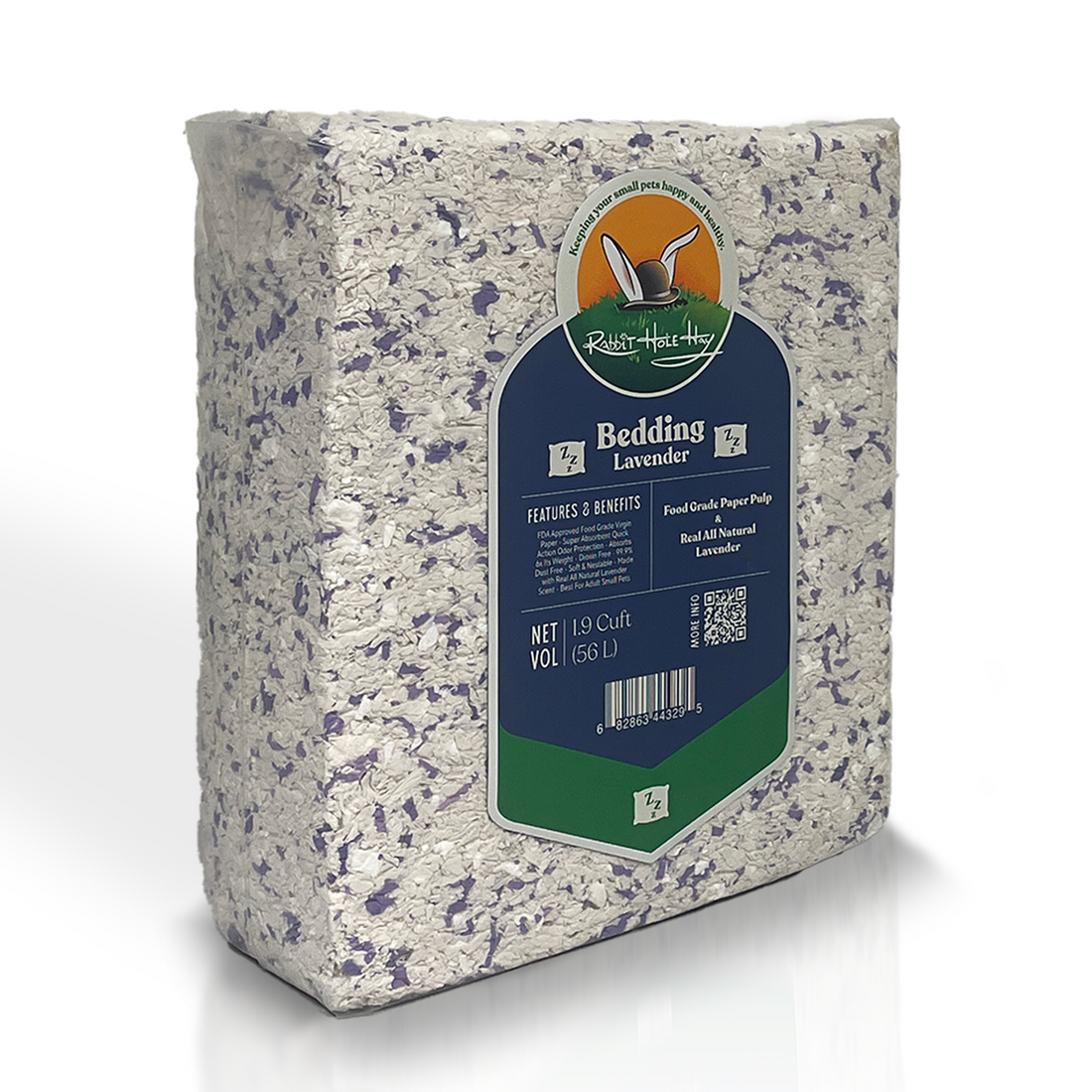
Keep unlimited grass hay in front of both rabbits so meals stay shared, not contested. Fresh hay will not bond a pair by itself, but an empty rack can turn a decent session into a scuffle over the last stem. Keep both racks full while they learn each other—shop Rabbit Hole Hay when you need a refill that lasts through weeks of short sessions.





Comments