










































































Plan for three to four hours of secure exercise at home each day—usually split into a morning block and an evening block when rabbits are naturally awake. A rabbit-proof room or pen, steady hay, and simple enrichment beat one long marathon session you cannot keep up with. Movement is not optional fluff; hopping and running help keep the gut moving and turn down the volume on shredded baseboards.
If you came home to a chewed rug and assumed your rabbit was being spiteful, you are not alone—and the behavior often means they need more room to move, not more scolding. This page covers how much exercise rabbits need, when to schedule it, safe indoor setups, activities that actually work, outdoor risks, boredom-busting tweaks, and how hay fits the picture.

How Much Exercise Do Rabbits Need at Home?
Most companion rabbits need roughly three to four hours of secure, out-of-cage time daily in a space big enough to hop, stretch, and explore. That number is a floor, not a ceiling—high-energy buns may want more, and seniors may need shorter bursts with more rest breaks. The goal is steady movement across the day, not one frantic sprint before bedtime.
Weight, bones, and boredom all ride on movement—and so does the gut. Hopping and running give the digestive tract the jolts it needs to push fiber through. When a rabbit sits still all day, obesity, sore joints, carpet chewing, and GI stasis climb fast. You are not overreacting if a quiet bun who skipped play also skipped hay—that pairing is worth a vet call.

Weight and joints: Sedentary rabbits gain weight and stress knees and spines.
Natural behaviors: Digging, foraging, and hopping are not hobbies—they are maintenance.
Destructive outlets: Pent-up energy often lands on carpet, cords, and baseboards.
Gut motility: Movement helps push fiber through; stillness lets things stall.
Think of daily exercise as behavioral maintenance, not a bonus if you have time. A rabbit with room to move is usually easier to live with—and safer inside their own body.
When Is the Best Time of Day for Rabbit Exercise?
Rabbits are crepuscular—most active around dawn and dusk. Match playtime to those windows and you get more binkies per minute instead of a sulking loaf at 2 p.m.
Split the three-to-four-hour target into two sessions: a morning roam while you get ready, and an evening session while you wind down. If you work standard hours, that rhythm usually fits without carving out a giant midday block. On weekends, add a short bonus explore if your rabbit asks for it—extra zoomies are data, not failure.
Syncing with their clock also makes rabbit-proofing predictable. You know when cords need covers and when the pen opens, which beats guessing why the carpet got attacked at midnight.
How Do I Set Up a Safe Indoor Exercise Space?
Indoor exercise works well when the room is rabbit-proofed before the gate opens—not after someone finds a chewed HDMI cable. Clear a zone they can access for each session: a rabbit-proof bedroom, office, or penned hallway beats a cage door cracked two inches onto the same square of carpet.

Cover or reroute electrical cords with protective tubing.
Remove toxic houseplants and flowers from the play zone.
Block baseboards and wooden furniture legs they can gnaw.
Pick up small objects, socks, and loose paper they might swallow.
Close off stairwells, tight gaps, and recliner mechanisms.
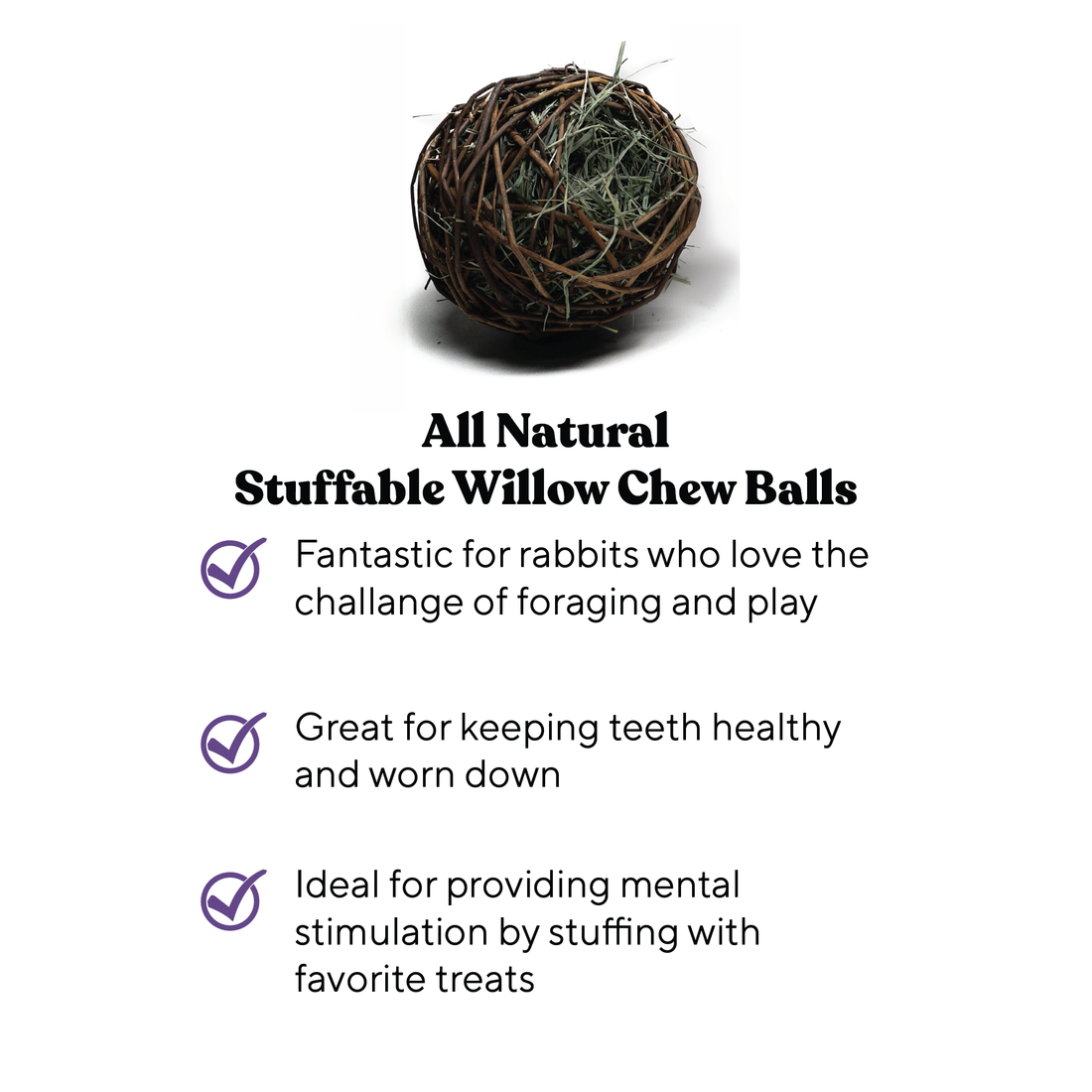
Stock chew toys, untreated wood blocks, and a hay pile in the room.
Once the space is secure, let them set the pace—follow, watch, and interrupt only if tension or unsafe chewing starts. For a full safety walk-through, see our keeping your rabbit safe guide and the Care pillar on how to care for a rabbit.
What Activities Help Rabbits Exercise at Home?
Movement sticks when it looks like something rabbits already want to do—dig, forage, chase, climb—not when it looks like a human gym routine.
Reverse Chase and Interactive Toys
Never chase your rabbit—they read it as predation, not play. Tie a small toy to a string and drag it slowly away so they pursue on their terms. Cardboard tunnels, treat balls, and boxes that rustle reward hops without you looming over them like a hawk.
Digging Stations and Foraging
Fill a shallow box with shredded paper, hay, or safe soil and let them dig there instead of the carpet. Hide small hay wisps or approved treats around the room so they nose and hop between spots—same instinct, less destruction.
Obstacle Paths and Social Roaming
Rearrange tunnels, ramps, and platforms every few weeks so the room feels new. Many rabbits exercise by following you room to room while you do chores; let them explore on a harness only if they tolerate it and the route is secure. House Rabbit Society’s exercise and playground notes are a solid reference for layout ideas.
Is Outdoor Exercise Safe for Pet Rabbits?
Fresh air and new smells are tempting, but outdoor time carries predator risk even inside a pen—hawks, neighborhood cats, and dogs can panic a rabbit through mesh. Some rabbits die from shock without ever being touched. That is not rare-enough-to-ignore territory; supervised indoor play is usually the safer default for daily exercise.
If you do use a yard pen, stay present, verify top and bottom coverage, and keep sessions short on hot or stormy days. A mix of indoor daily exercise plus occasional supervised outdoor sniffing can work; just do not treat the lawn as a hands-off substitute for rabbit-proofed indoor space. RSPCA environment guidance stresses secure housing and supervision for the same reasons.

What Small Changes Reduce Boredom and Improve Comfort Indoors?
Between exercise blocks, comfort tweaks keep rabbits from inventing destructive hobbies. Rotate toys weekly so cardboard castles feel new, add a second hide so one bun cannot guard the only shelter, and place hay in multiple stations so nobody camps the single pile. A digging box in the corner they already favor beats scolding the same carpet spot every evening.
Sound, light, and temperature matter too—rabbits nap more in harsh noon sun or loud TV rooms. A quiet mat near family traffic, a fan moving air indirectly in summer, and predictable open-pen times reduce stress chewing. For a wider quality-of-life pass that pairs with exercise habits, see what you can do to increase your rabbit’s quality of life.
Small swaps add up: a tunnel today, a forage scatter tomorrow, hay moved to the spot they already hang out. You are not building a theme park—you are making the room worth exploring again.
How Does Hay Support an Active Rabbit's Routine?
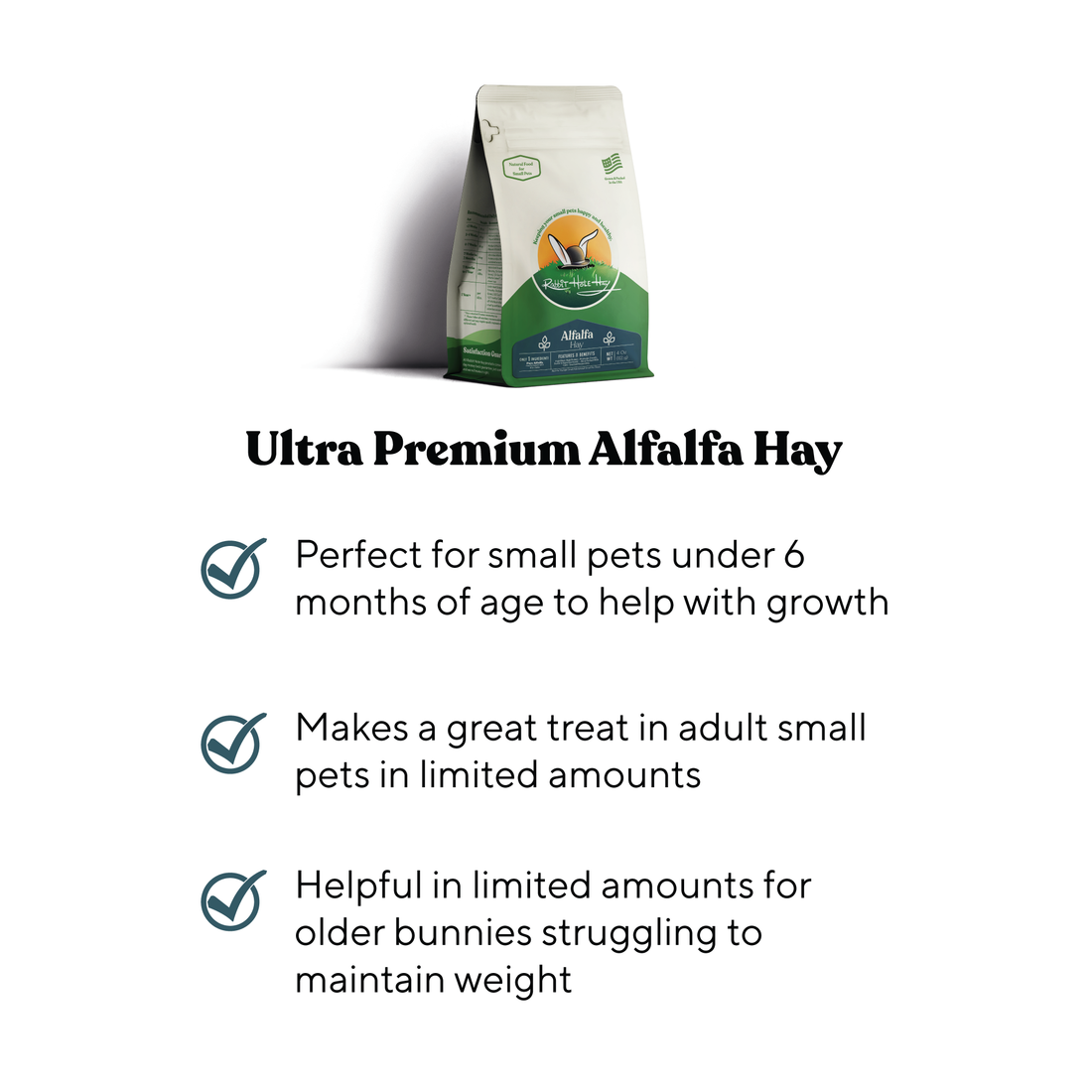
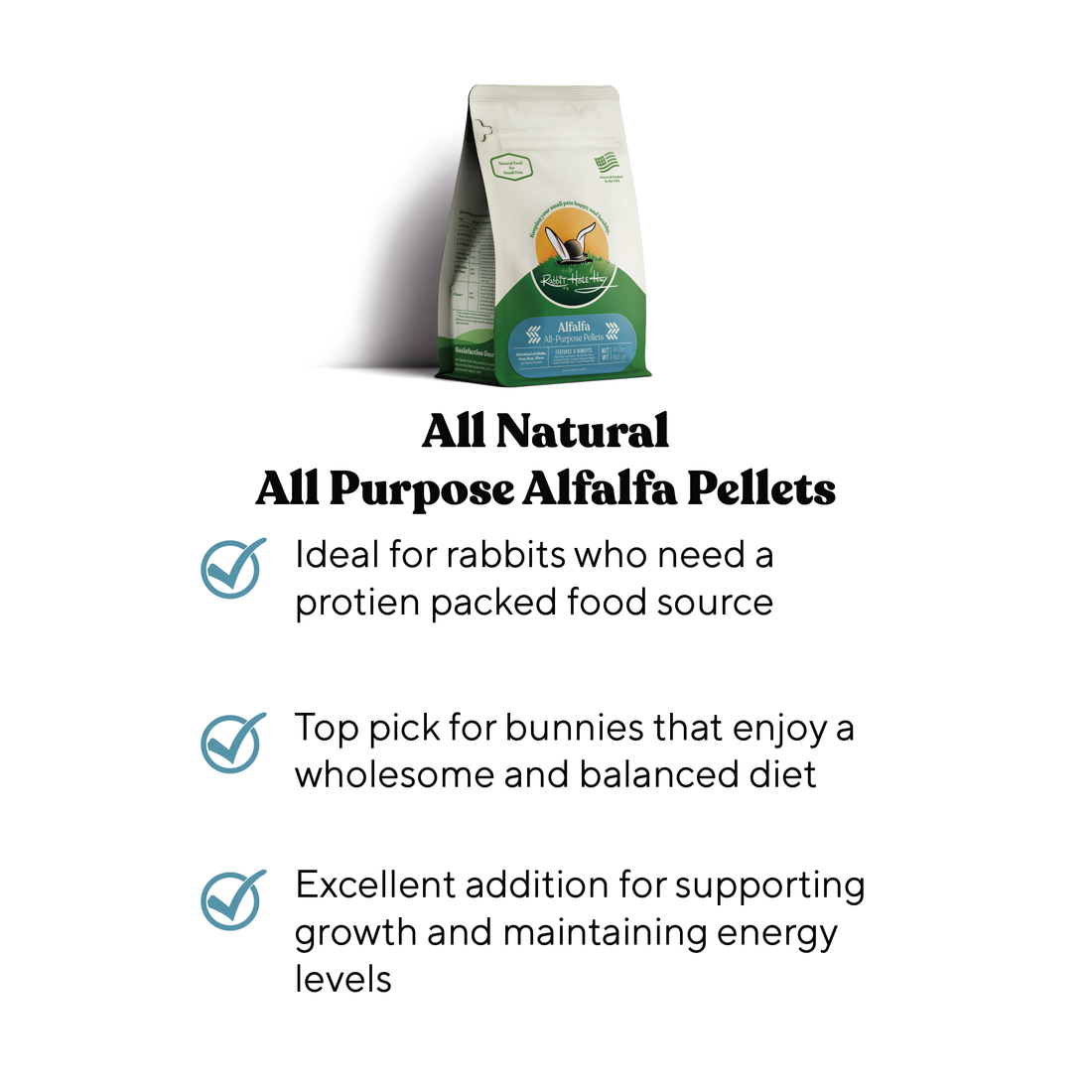
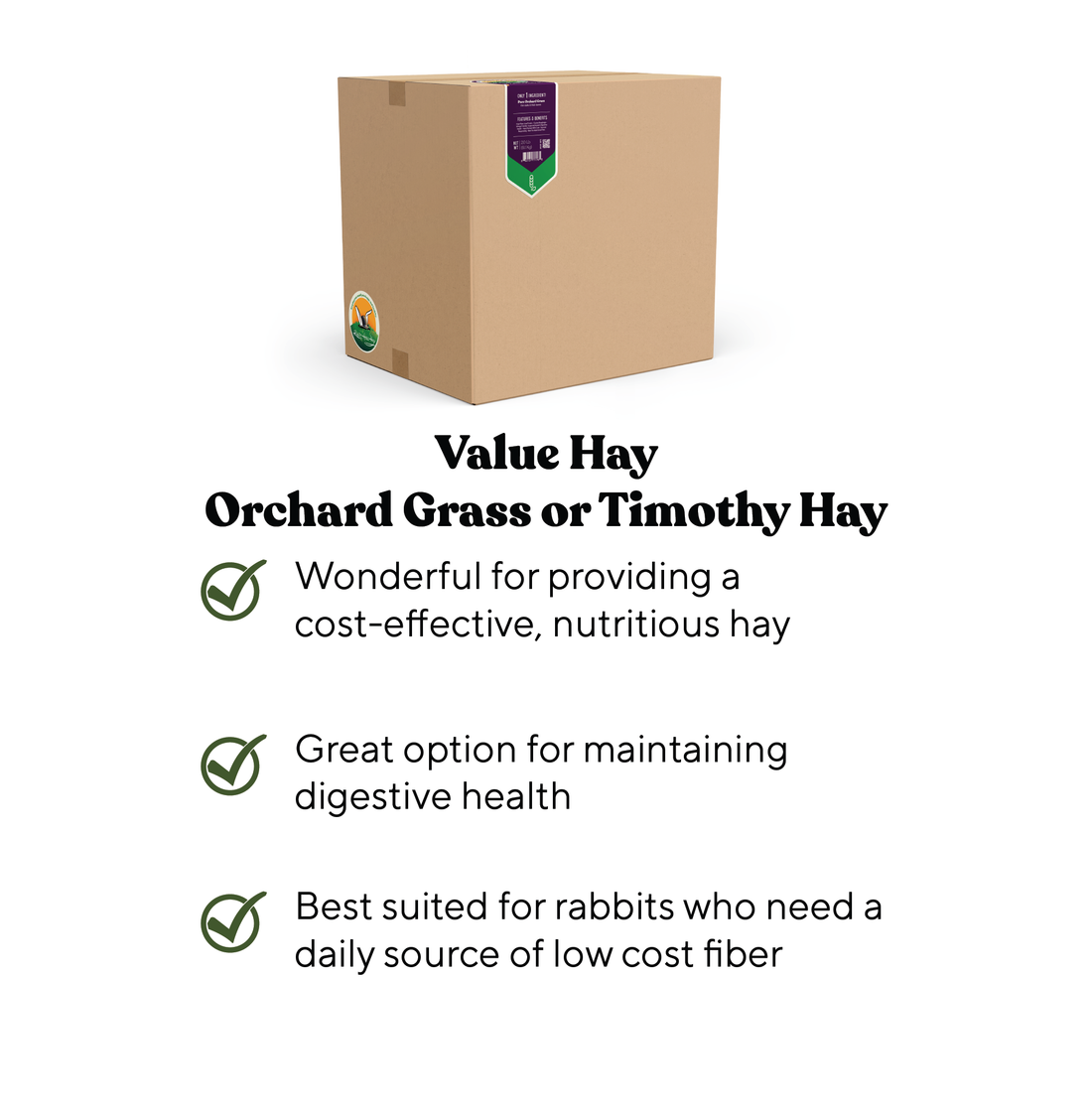
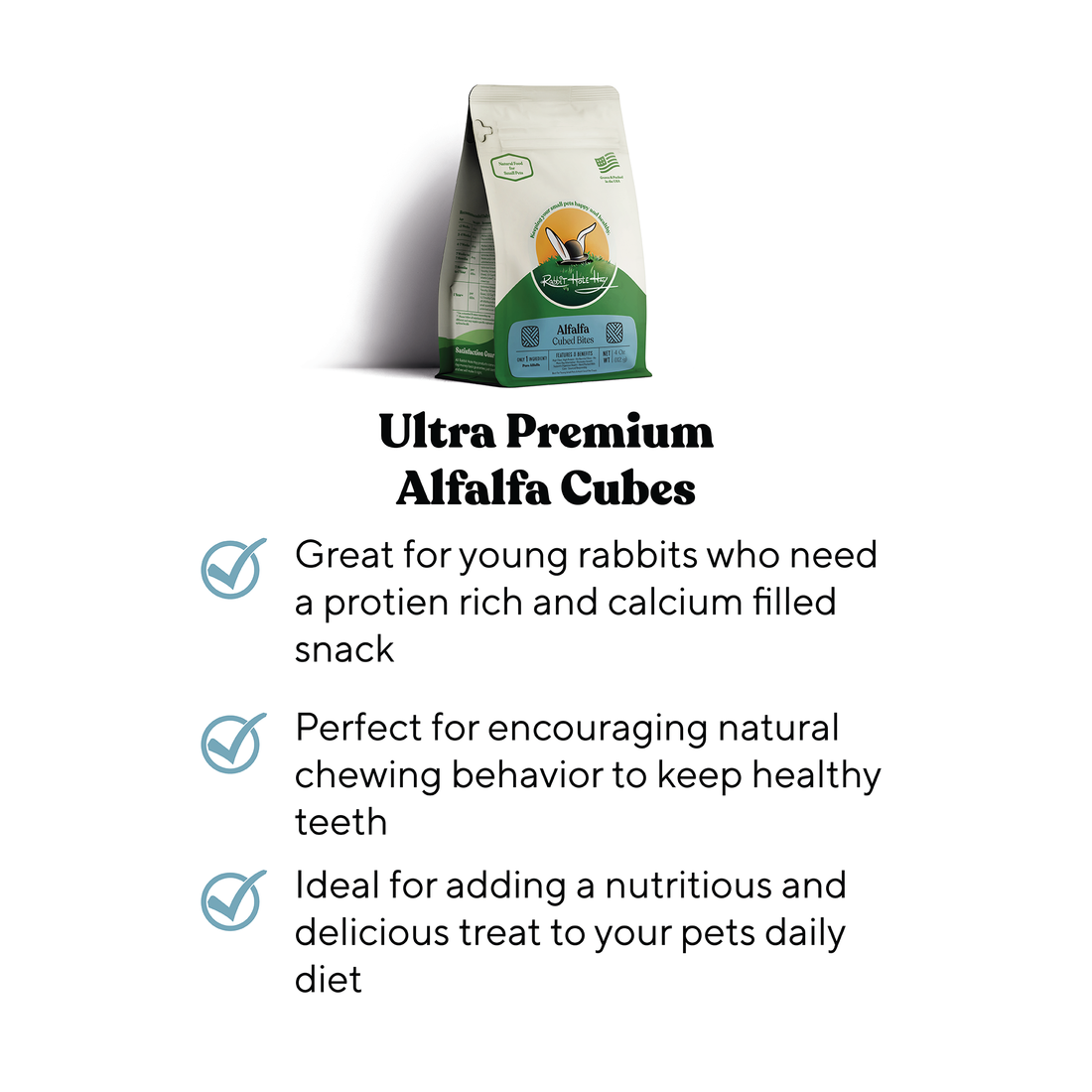
Exercise and diet share the same engine. Unlimited grass hay—Timothy or orchard for most adults—should still dominate the menu while you expand play space. Fiber keeps the gut moving on days when weather, travel, or a sore leg shortens hops. A rabbit who plays hard but skips hay is still at risk.
Scatter hay in the exercise zone so grazing happens during roam time, not only in the cage. If you are refreshing stock, our Hay Is for Rabbits guide walks types by life stage. Hay is the steady background; exercise is the jolt that helps the system use it.
Call your rabbit-savvy vet if exercise drops suddenly, droppings shrink, or appetite fades—those patterns matter more than whether they beat yesterday’s binky count.
Key Takeaways
Aim for three to four hours of secure daily exercise, usually split at dawn and dusk.
Rabbit-proof indoors first—cords, plants, baseboards, and gaps—then add digging, foraging, and reverse-chase games.
Prefer supervised indoor play for everyday movement; outdoor pens need you present and predator-proof.
Rotate toys, hay stations, and small comfort tweaks so boredom does not eat your baseboards.
Keep unlimited grass hay available; movement and fiber work together to keep guts moving.
Start with one rabbit-proof room and one morning session this week. Progress is boring in the best way—a rabbit who hops out, digs in the right box, and flops tired is doing exactly what they need.





Comments