





































































You are ready to breed rabbits responsibly only when you have more than cute bunnies and a spare pen. You need a healthy, size-matched pair with known temperaments, a rabbit-savvy vet on call, a quiet nesting setup, committed homes for every possible kit, and a realistic plan for hand-feeding around the clock if the doe rejects a litter. If that list sounds like a lot, it is—and that is why many experienced owners recommend adoption from a rescue or shelter before you breed at all.
It is normal to picture a hutch full of fluff and wonder whether another rabbit—or rabbit babies—would complete the family. Breeding is not a shortcut to that picture. Shelters overflow every year after holidays when impulse gifts outgrow their novelty. Below covers what responsible breeding actually demands, what to prepare if a doe is pregnant, what can go wrong, and why adoption often gets you to a happy rabbit household with less risk.

Why Is Adoption Often the Compassionate First Step?
Adoption is usually the quicker, kinder route to growing your rabbit family. You skip the fragile newborn window, the midnight hand-feeding shifts, and the scramble to find homes for six surprise kits. Many shelter rabbits are already socialized, litter-trained, and ready for a calm indoor setup—work you would otherwise spend months building from scratch.
Rescues also see predictable spikes right after Easter and Christmas when well-meaning gifts land back in the system. Adopting a few weeks later frees cage space and gives a discarded bun a real second chance. Bonded pairs are a bonus: you bypass months of territorial introductions when two rabbits already trust each other. For a full readiness check before you bring anyone home, read our guide to rabbit adoption readiness and the Care pillar overview at how to care for a rabbit.

What Does Responsible Rabbit Breeding Actually Require?
Responsible breeding is project management with live animals—not romance in a pen. You are signing up for pregnancy monitoring, birth supervision, possible emergency vet bills, kit socialization, sex separation by eight weeks, and ethical rehoming for every offspring. One litter can mean eight lives you created; shelters are full because too many people treated breeding as an experiment they could figure out later.
Before any introduction, ask honestly: Do I have the time, money, and emotional bandwidth if the doe rejects kits or develops mastitis? Can I hand-feed newborns every two hours if needed? Do I have written commitments—not vague promises—for every baby? If any answer is shaky, pause. Here at Rabbit Hole Hay we always point people toward adoption first. If your heart is still set on breeding, what follows is the unglamorous day-to-day checklist—not the Instagram version.
How Do You Choose a Safe Breeding Pair?
Not every healthy rabbit should breed. Start with two animals in excellent body condition—no chronic illness, untreated dental disease, or behavioral red flags you would not want passed along. When lineage is unknown, talk with a vet or experienced breed mentor before you commit.
Temperament matters as much as pedigree. A nervous, nippy doe may produce stressed kits who never settle into companion life. Match size carefully: a buck much larger than the doe raises the risk of serious kindling complications. Never breed an underweight or immature female.
Rabbits do not cycle like dogs or cats. Does can conceive once they reach sexual maturity—often around four to five months in small breeds and six to eight months in giants. Bucks typically need similar maturity. The Florida 4-H rabbit breeding guide lists breed-by-breed timing if you are unsure where your pair falls.
Where Should Rabbits Mate—and What Timing Should You Expect?
Always bring the doe to the buck’s territory, not the reverse. Does defend home space aggressively; a stressed female is less likely to cooperate and more likely to fight. Supervise the entire encounter—this is not a set-and-forget task. Separate immediately if either rabbit shows sustained aggression.
Successful matings are often quick. If nothing happens, try again on another day rather than forcing repeated sessions in one sitting. After a confirmed breeding, remove the buck and keep him separated through weaning. Rabbits can conceive again immediately after birth, which is how accidental back-to-back litters happen.
Around two weeks post-breeding, an experienced handler or vet may palpate marble-sized embryos—or confirm pregnancy another way if you are not trained. Gestation runs roughly 28–31 days. A rabbit breeding calculator helps mark kindling day on your calendar so you are not surprised on a Tuesday night.
What Should You Prepare at Home When a Rabbit Is Pregnant?
A pregnant doe needs a quiet nesting box, soft bedding, unlimited hay, clean water, and minimal handling stress—not a parade of visitors or loud household chaos. She will likely pull chest fur and arrange the nest a few days before kindling; that is normal, not a sign she is “neglecting” herself.
Keep dogs, curious kids, and other pets away from the birthing area. Prey animals can abort or kindle poorly when startled; loud environments are a real medical risk, not just an inconvenience. Stock a small emergency kit: phone numbers for your exotics vet, hand-feeding supplies, and a heat source safe for neonatal kits.
For a room-by-room nesting checklist, kindling-day timeline, and post-birth monitoring, see what to expect when your rabbit is expecting. That article owns the deeper pregnancy-prep walkthrough; this page focuses on whether you should be on that path at all.
What Can Go Wrong During Pregnancy, Birth, and Nursing?
Even careful breeders hit emergencies. Common problems include kit rejection, stillbirths, postpartum aggression, and mastitis—a painful mammary infection that needs same-day veterinary care. A doe who stops eating, runs a fever, or swats kits away from the nest may need intervention fast; waiting until morning is not a plan.
Hand-feeding rejected neonates means round-the-clock feeds with species-appropriate formula—not cow’s milk from the fridge. One cold kit pulled from the nest can become a two-hourly schedule for weeks. You are not failing as a breeder when biology goes sideways; you are responsible for the outcome anyway.
Reduce risk upfront: breed only healthy does in clean, spacious housing, feed unlimited grass hay with measured pellets and greens, and call your vet at the first odd behavior. Hope for smooth kindling; prepare like it will not be.
What Happens After the Kits Arrive?
Mother rabbits nurse once or twice daily for only a few minutes. That sparse schedule freaks out new breeders, but warm, round-bellied, quiet kits are usually thriving. Cold, wrinkled, or constantly crying babies need immediate warmth and professional guidance—see what to feed baby rabbits and how for feeding basics once a vet clears the plan.
Kits begin nibbling hay around three weeks and explore outside the nest box soon after. Most breeders wean between eight and ten weeks, then separate males and females immediately—juvenile males can breed as early as ten to twelve weeks, and accidental sibling pairings are the kind of mess you untangle at 2 a.m. when you thought the litter was “handled.”
How Do You Line Up Responsible Homes Before You Breed?
Have homes—not “maybe my cousin wants one”—before the doe is ever pregnant. Draw up clear expectations: indoor housing, hay-first diet, spay or neuter plans, and access to rabbit-savvy veterinary care. The House Rabbit Society adoption contract is a useful template even for private placements.
Start with one planned litter if you must learn hands-on, not an open-ended production mindset. Every kit you cannot place becomes shelter intake someone else subsidizes. If you cannot guarantee eight lifelong homes, you are not ready to breed eight rabbits.
What Daily Care Does Every Rabbit Need—Whether You Breed or Adopt?
Bred or adopted, every rabbit runs on the same engine: unlimited grass hay, clean water, a safe indoor environment, and a rabbit-savvy vet when something shifts. Hay keeps the gut moving and teeth worn down; a hay-light diet is how healthy-looking rabbits end up in stasis.
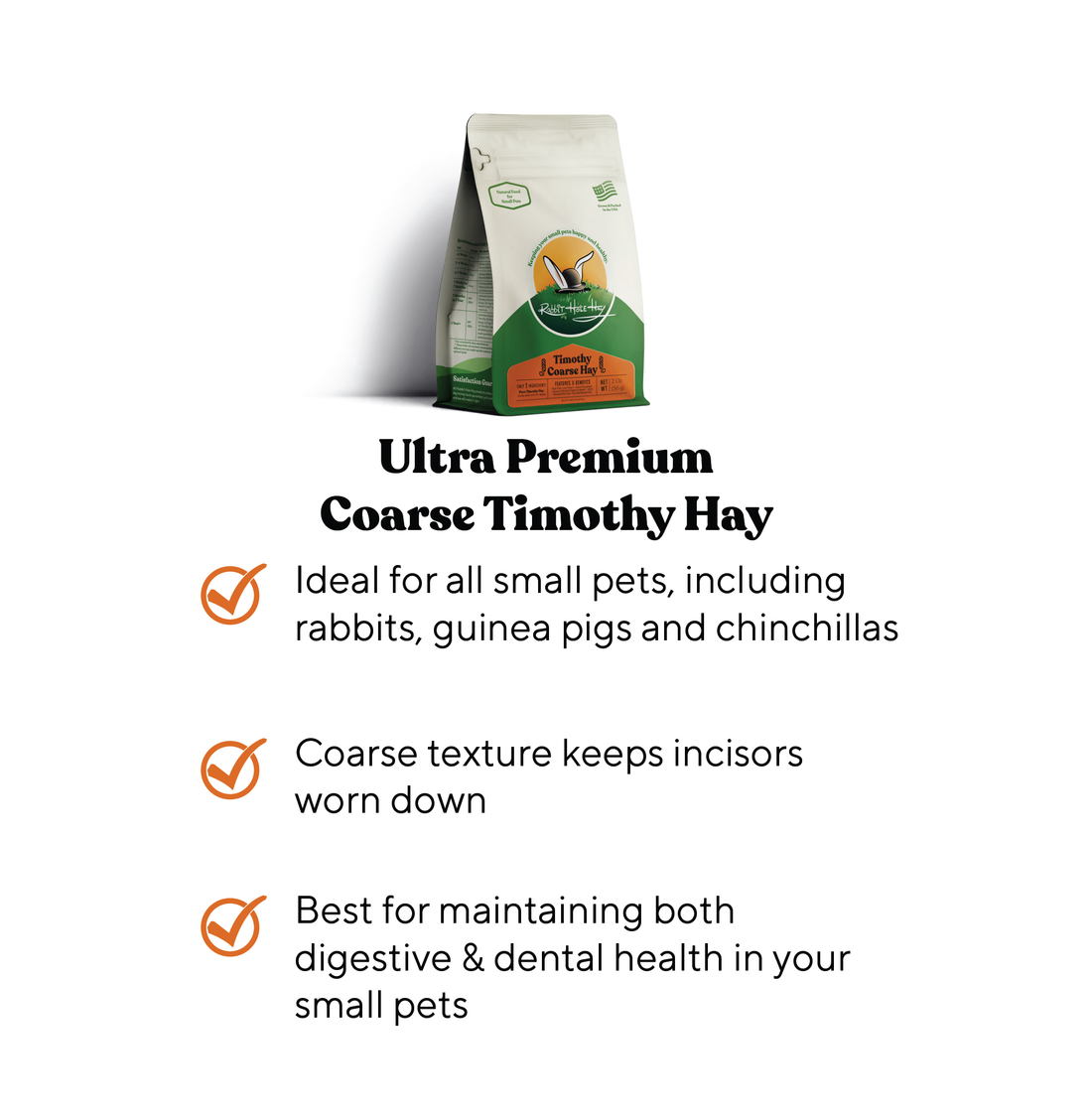
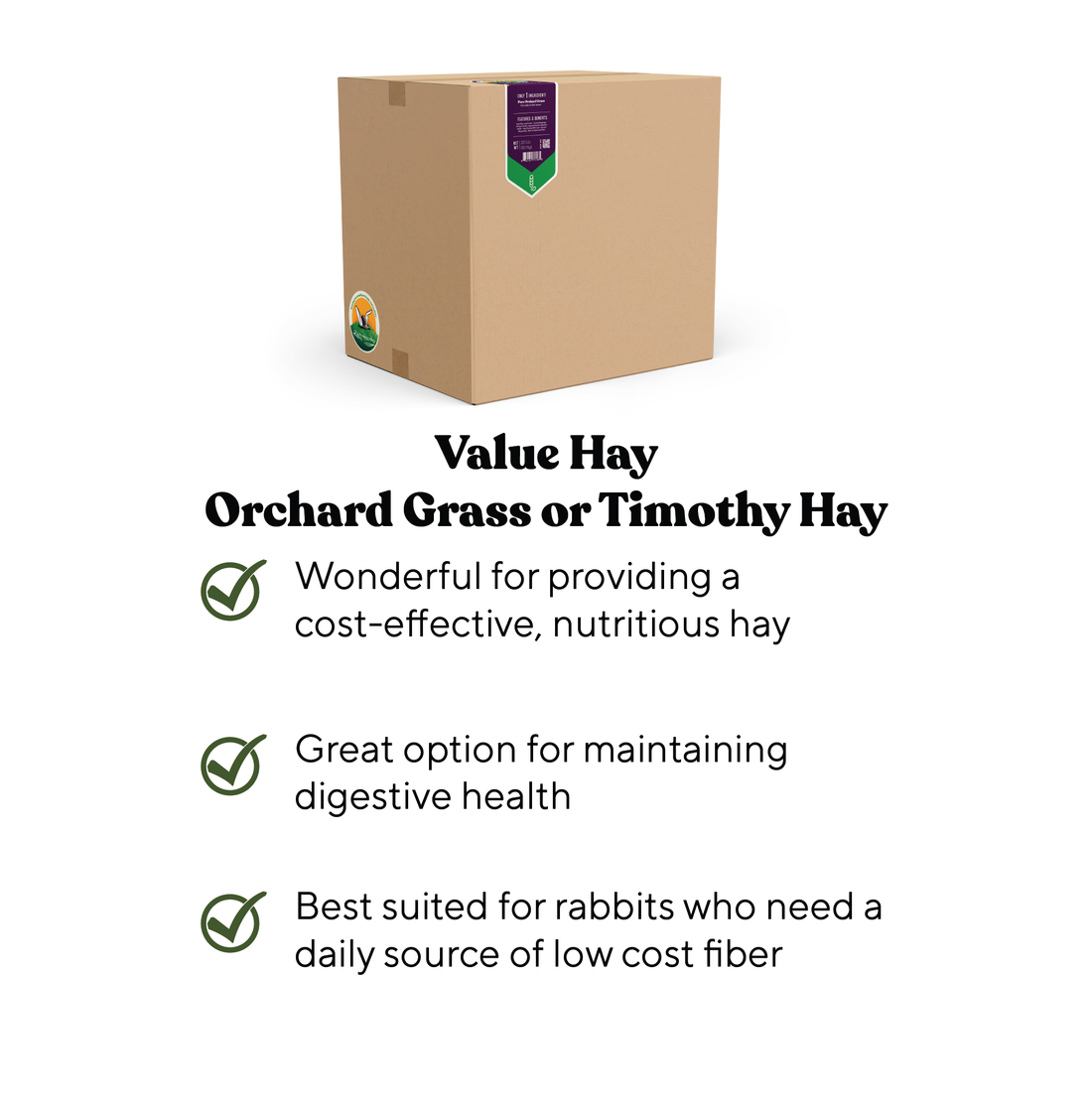
We recommend Timothy hay as the daily staple for most adults, with greens and a measured pellet portion—not the other way around. Skip sugary treats masquerading as love. Our hay nutrition overview explains why fiber comes first, and the free hay guide for rabbit owners is a solid first download if you are still building routines.
Key Takeaways
You are ready to breed responsibly only with a healthy size-matched pair, vet backup, nesting plans, committed homes, and a hand-feeding emergency plan—not because kits are cute.
Adoption skips high-risk newborn weeks, helps overcrowded shelters, and often delivers socialized, litter-trained companions—including bonded pairs.
Supervise matings, separate bucks after breeding, monitor pregnancy and kindling closely, and separate juveniles before accidental litters.
Unlimited hay, calm housing, and rabbit-savvy veterinary care are non-negotiable whether rabbits arrive by birth or by rescue.
However your family grows, care with intention: feed well, plan ahead, and choose the path—breeding or adoption—that you can sustain for every rabbit you bring into the world. If you are still weighing the decision, start with the Care pillar at how to care for a rabbit and give adoption a serious look before anyone is pregnant.





Comments