























































Rabbits are delicate creatures with a body built for speed and agility. Unlike dogs or cats, their bones are thin and light, making them more prone to injury if not handled with care. Understanding the rabbit skeleton system helps owners better protect their pets and provide the right environment.
Click Here For a Beginners Guide to Rabbit Care.

In this article, we’ll explore the rabbit skeleton system in detail, including its structure, function, and the common problems that can arise. By the end, you’ll have a clearer picture of what keeps your rabbit hopping and how you can help keep those bones healthy.
Overview of the Rabbit Skeleton System
The rabbit skeleton consists of 210 individual bones. These bones account for only about 7–8% of a rabbit’s total body weight, which is much less than in many other mammals. This lightweight frame allows rabbits to move quickly and escape predators in the wild.
The system can be divided into two main parts: the axial skeleton, which includes the skull and spine, and the appendicular skeleton, which includes the limbs and pelvis. Together, these parts support the rabbit’s body, protect vital organs, and allow smooth movement.

Skull and Spine in the Rabbit Skeleton System
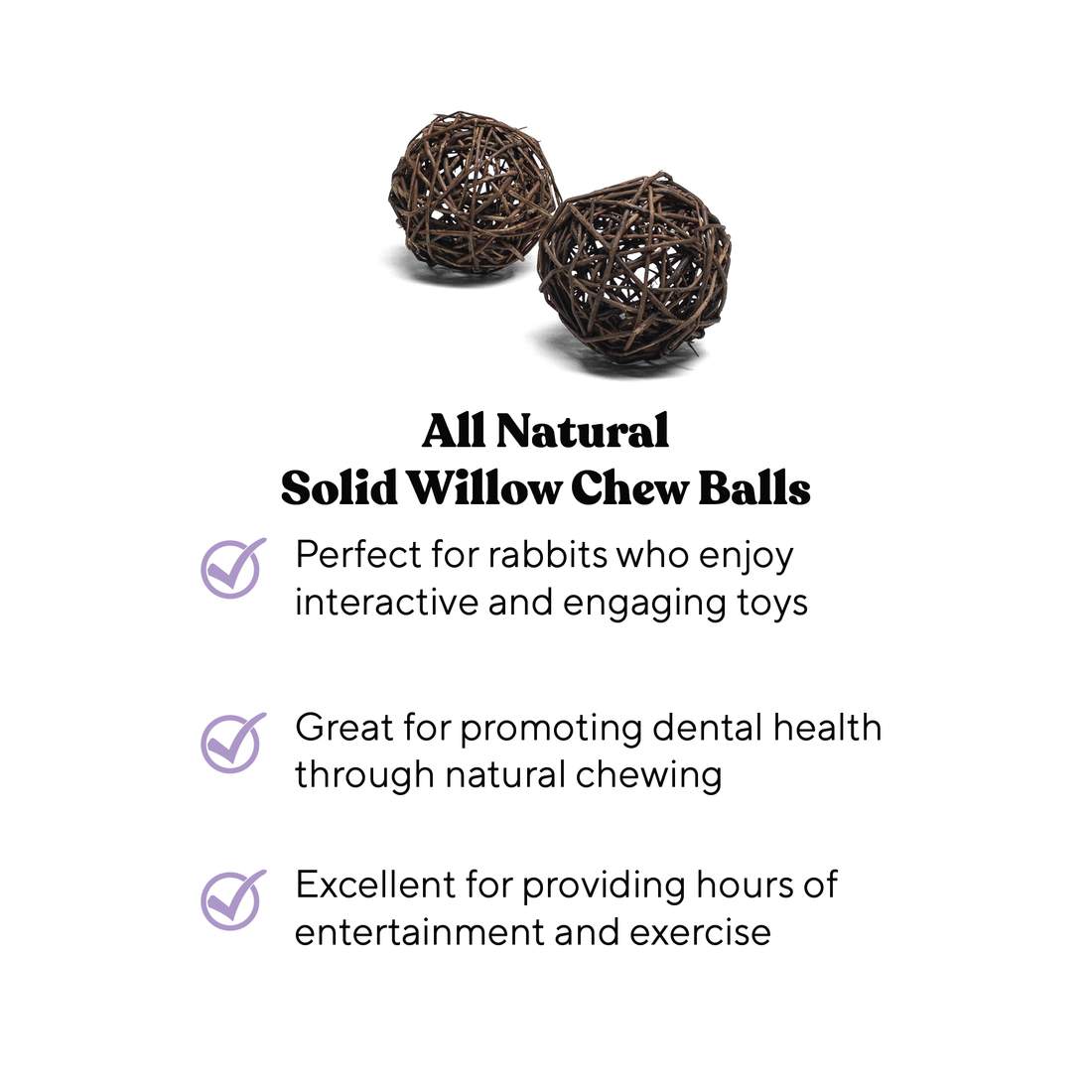
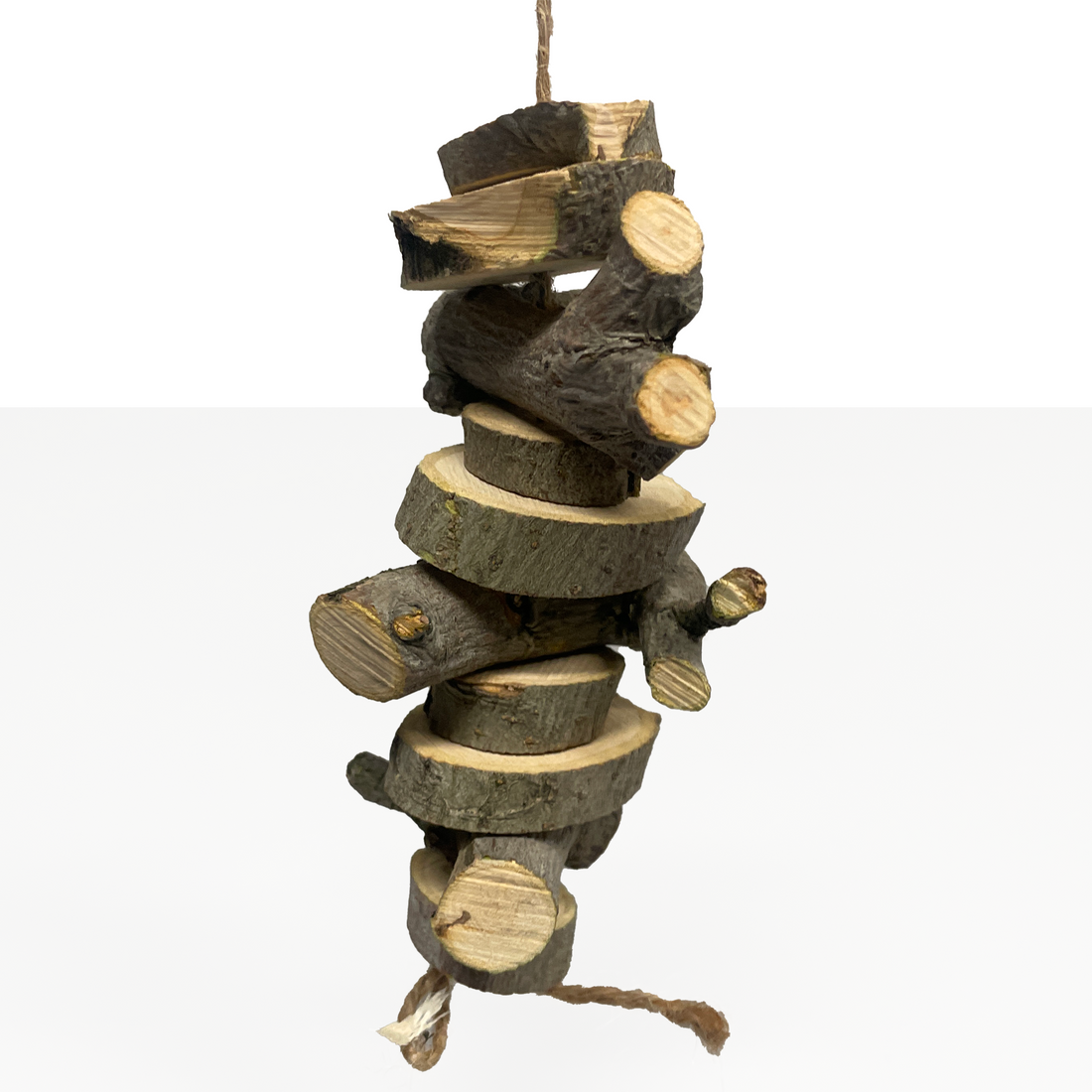
The skull protects the rabbit’s brain and supports its long, sensitive ears. Unlike human skulls, a rabbit’s skull is elongated to accommodate its large teeth. These teeth continue to grow throughout it's life, so keeping them worn down with proper chew materials is essential.
The spine runs from the base of the skull to the tip of the tail. It’s divided into several regions: cervical (neck), thoracic (chest), lumbar (lower back), sacral (pelvic), and caudal (tail) vertebrae. The lumbar spine, in particular, is vulnerable because rabbits have powerful back legs. A sudden kick when restrained can easily fracture these delicate bones.
The Appendicular Skeleton: Limbs and Pelvis
The front limbs, or forelimbs, are attached to the rabbit’s body by muscle rather than a bony connection like a collarbone. This gives flexibility and speed, but also means less stability.
The hind limbs are much stronger and longer. The pelvis connects the spine to the hind limbs and supports the rabbit’s powerful jumping motion. Strong hind legs allow rabbits to escape predators with quick bursts of speed, but they also increase the risk of spinal if mishandled.
How the Rabbit Skeleton System Supports Movement
Rabbits are built for sudden, powerful movements. Their lightweight bones, paired with strong muscles, let them sprint and leap impressive distances. The long hind limbs provide most of the thrust, while the flexible spine allows sharp turns and fast direction changes.
While their agility is impressive, it’s also a weakness. A startled rabbit can kick hard enough to break its own back. This is why gentle, secure handling is so critical for rabbit owners. Avoid sudden grabs or holding the rabbit in positions where it may struggle and injure itself.
Common Health Issues in the Rabbit Skeleton System
Fractures are among the most common issues with the rabbit skeleton system. These often happen when a rabbit is dropped or struggles during handling. A fracture can be life-threatening, depending on its location and severity, and usually requires immediate veterinary care.
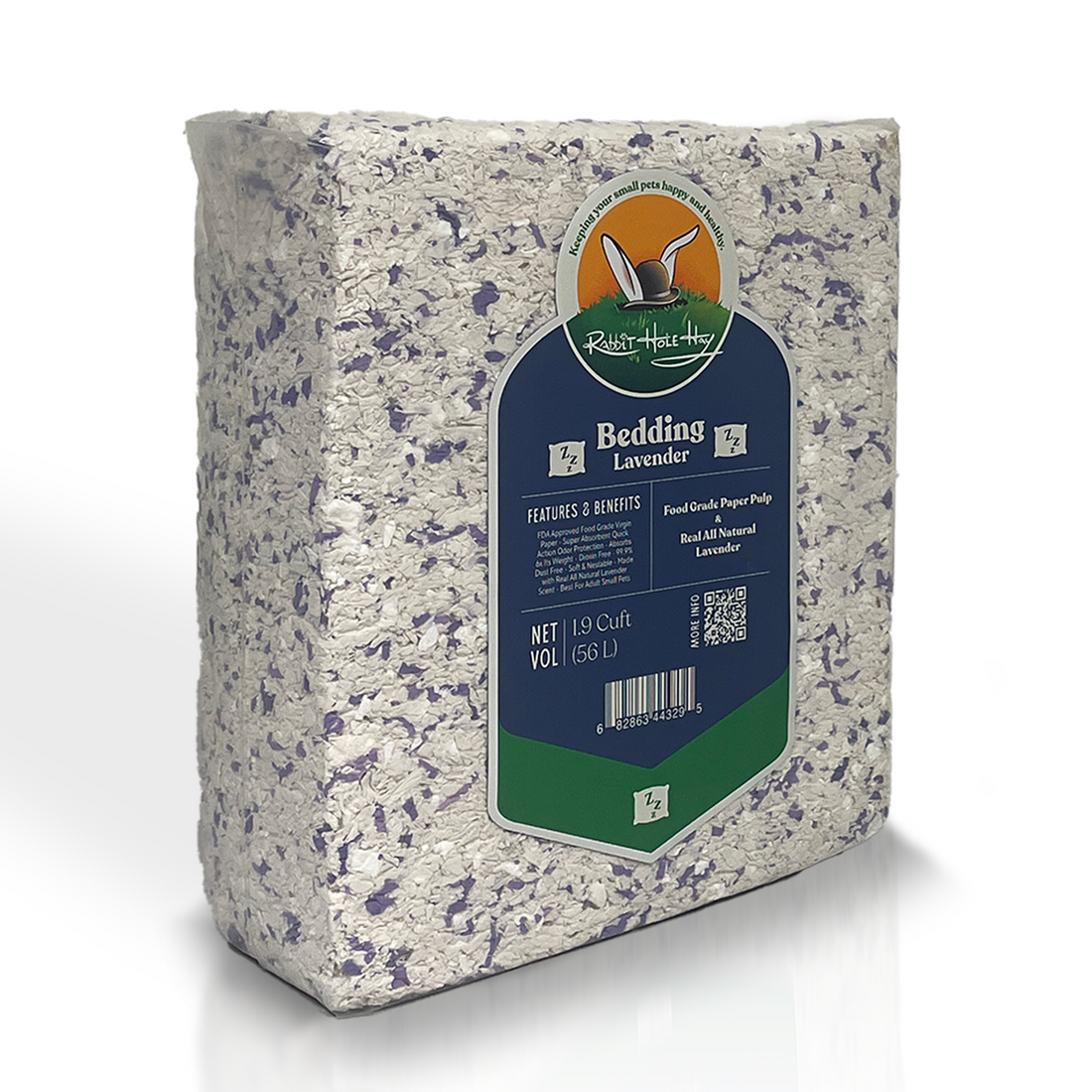
Another common problem is arthritis, especially in older rabbits. Just like humans, rabbits’ joints can wear down over time, leading to stiffness, pain, and reduced mobility. Providing soft bedding, ramps, and easy-access litter boxes can make life easier for an aging rabbit with joint issues.
Maintaining a Healthy Rabbit Skeleton System
Good nutrition plays a huge role in keeping bones healthy. Rabbits need a diet rich in calcium, but not too much. Too little calcium can lead to weak bones, while too much can cause dangerous bladder stones. Providing high-quality hay, like Timothy hay, is a great way to balance this.

Exercise is also critical. A rabbit kept in a small cage without time to run and jump can develop weak muscles and bones. Giving your rabbit supervised time outside the cage in a safe, enclosed space encourages natural movement and helps strengthen its skeleton.
Rabbit Skeleton System and Dental Health
The rabbit skeleton system also includes the teeth, which are made of specialized bone material. Unlike human teeth, rabbit teeth never stop growing. If they aren’t worn down naturally through chewing, they can overgrow and cause painful dental issues.
Providing the right types of chew toys and plenty of hay helps keep the teeth at the right length. Regular vet checks can catch dental problems early. According to the Dental disease is one of the most common issues faced by domestic rabbits.
Protecting the Rabbit Skeleton System in Daily Life

Rabbit owners play a big role in protecting their pets’ skeletons. Always support the rabbit’s hindquarters when lifting, and never let it dangle or twist in your arms. Provide ramps or gentle slopes rather than jumps when setting up play areas, especially for older or disabled rabbits.
Regular check-ups with a rabbit-savvy vet can assess bone health, check for early signs of , and help guide dietary choices.
How to Recognize Problems in the Rabbit Skeleton System
It’s important to watch for signs that something might be wrong. Limping, reluctance to move, swelling, or unusual posture can all point to skeletal problems. In severe cases, a rabbit may drag its hind legs or be unable to stand properly.
If you notice any of these signs, don’t wait. Contact your vet right away. Fast action can sometimes make the difference between recovery and long-term disability.
Conclusion: Caring for Your Rabbit’s Skeleton
The rabbit skeleton system is a marvel of lightweight engineering, built for speed and agility. But it’s also fragile, requiring careful handling, good nutrition, and plenty of safe exercise. By understanding how this system works, owners can help protect their rabbits and give them the best chance at a long, healthy life.
Remember, a healthy rabbit is an active, curious rabbit. Pay attention to how your bunny moves, handles stress, and responds to its environment. With care and attention, you can help keep those delicate bones strong and ready for many more joyful hops and jumps.
Key Takeaways:
-
The rabbit skeleton system is lightweight but fragile, needing careful handling.
-
Proper nutrition and exercise are essential for maintaining bone health and preventing joint issues.
-
Regular vet visits and monitoring for signs of skeletal problems can help catch issues early and keep your rabbit active and happy.






Comments