



















































You can safely entertain house rabbits at home with hay-based chew toys, cardboard boxes and tunnels, dig boxes filled with shredded paper or loose hay, lightweight toss toys, and foraging setups that hide a few pellets or herbs. Skip painted wood, small plastic parts they could swallow, and anything with glue or glossy print. Rotate a small pile every few days so familiar toys feel new again.
If you walked in on shredded cardboard or a chewed blanket corner, that is often a bored bun inventing their own fun—not spite. Rabbits need outlets for digging, chewing, hopping, and foraging. Without them, destruction and stress follow. Below we cover safe store-bought and free options, DIY setups, rotation tricks, and when disinterest might mean illness instead of boredom.
For how rabbits communicate and use space, see our guide to understanding rabbit behavior. If play has dropped off entirely, pair this with ways to get a reluctant rabbit playing again.

What Can I Give My Rabbits to Safely Play With at Home?
Start with textures rabbits already seek in the wild: stuff to gnaw, shred, dig, and toss. You do not need a deluxe playroom—most buns are happy with a short menu rotated on a schedule.
Store-bought and edible options:
-
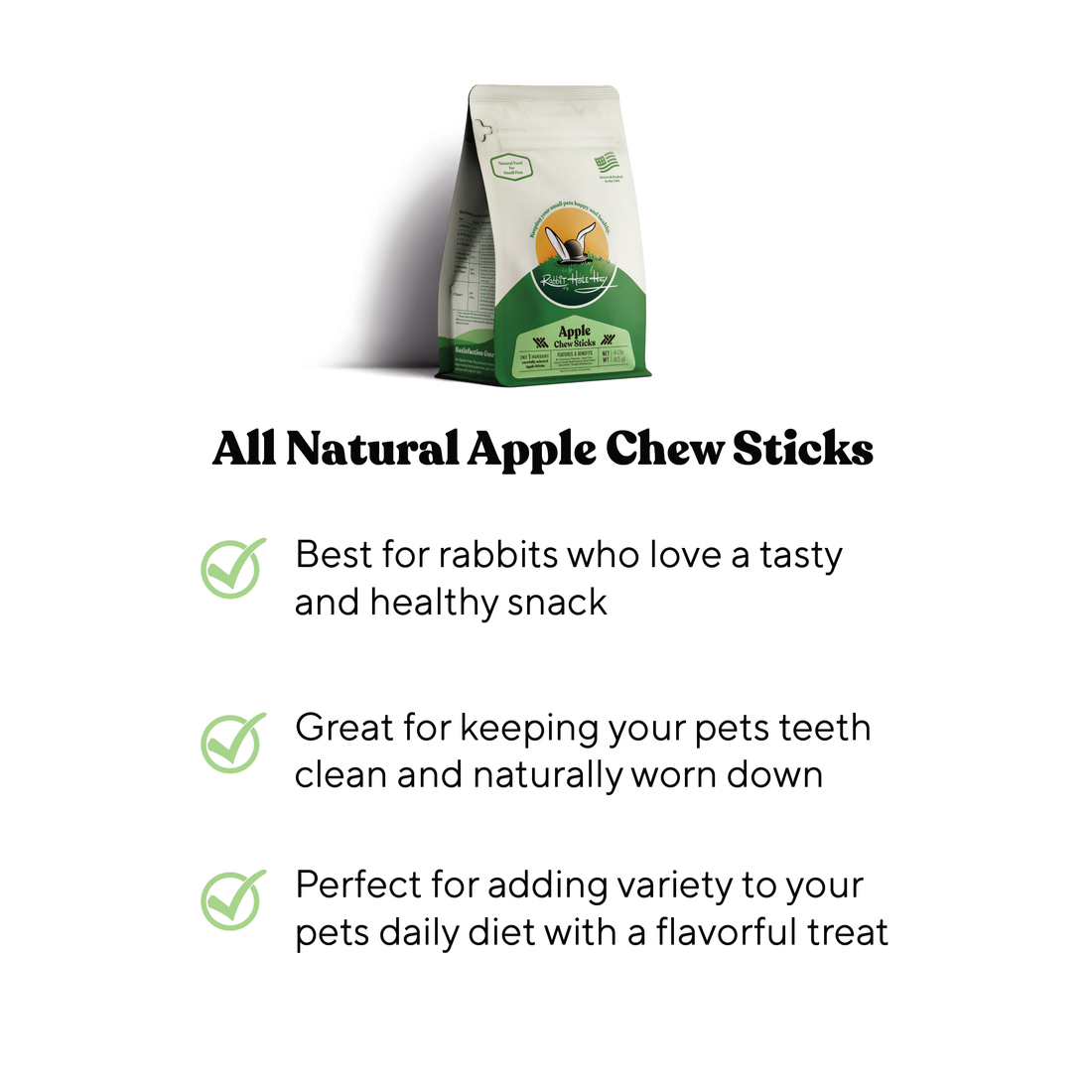
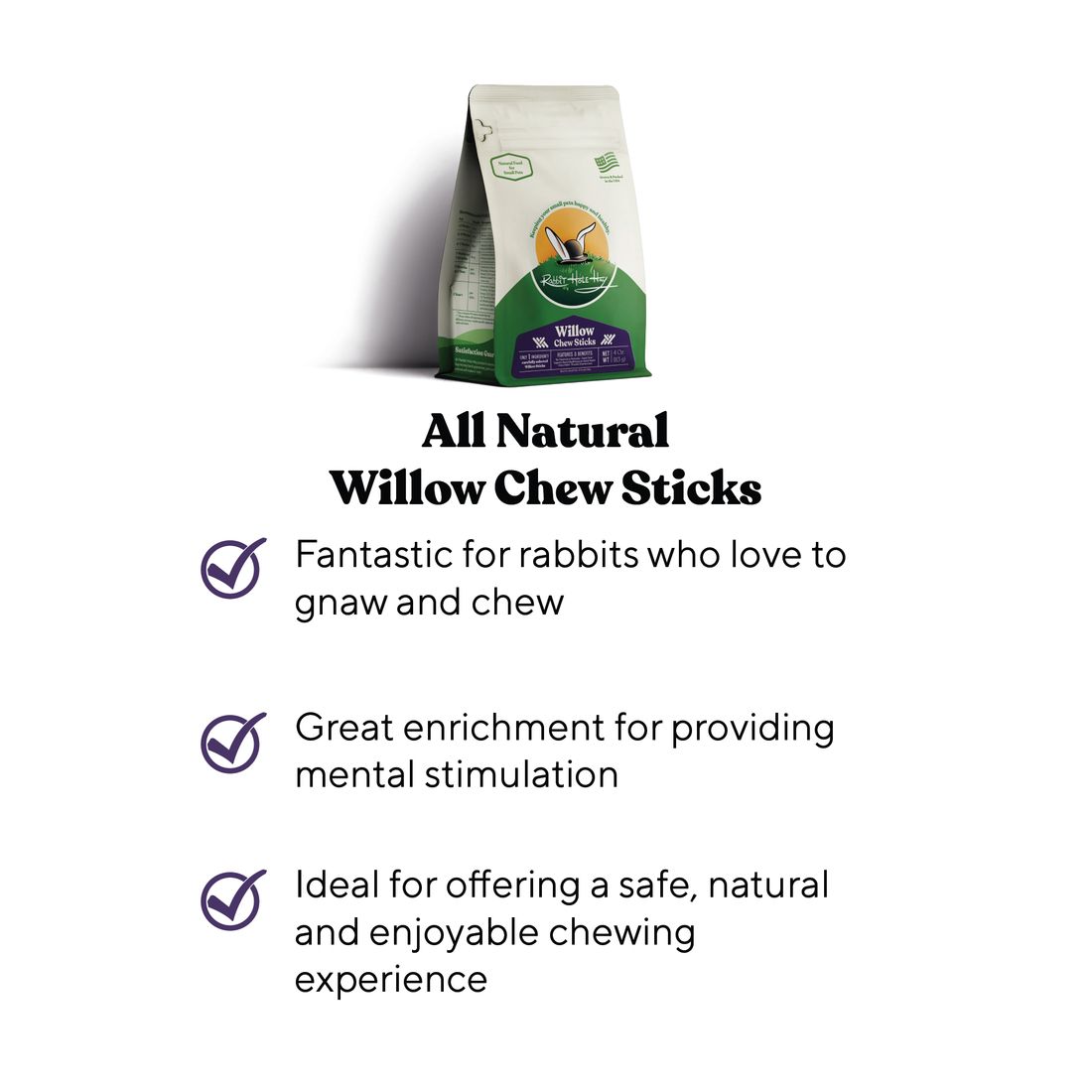
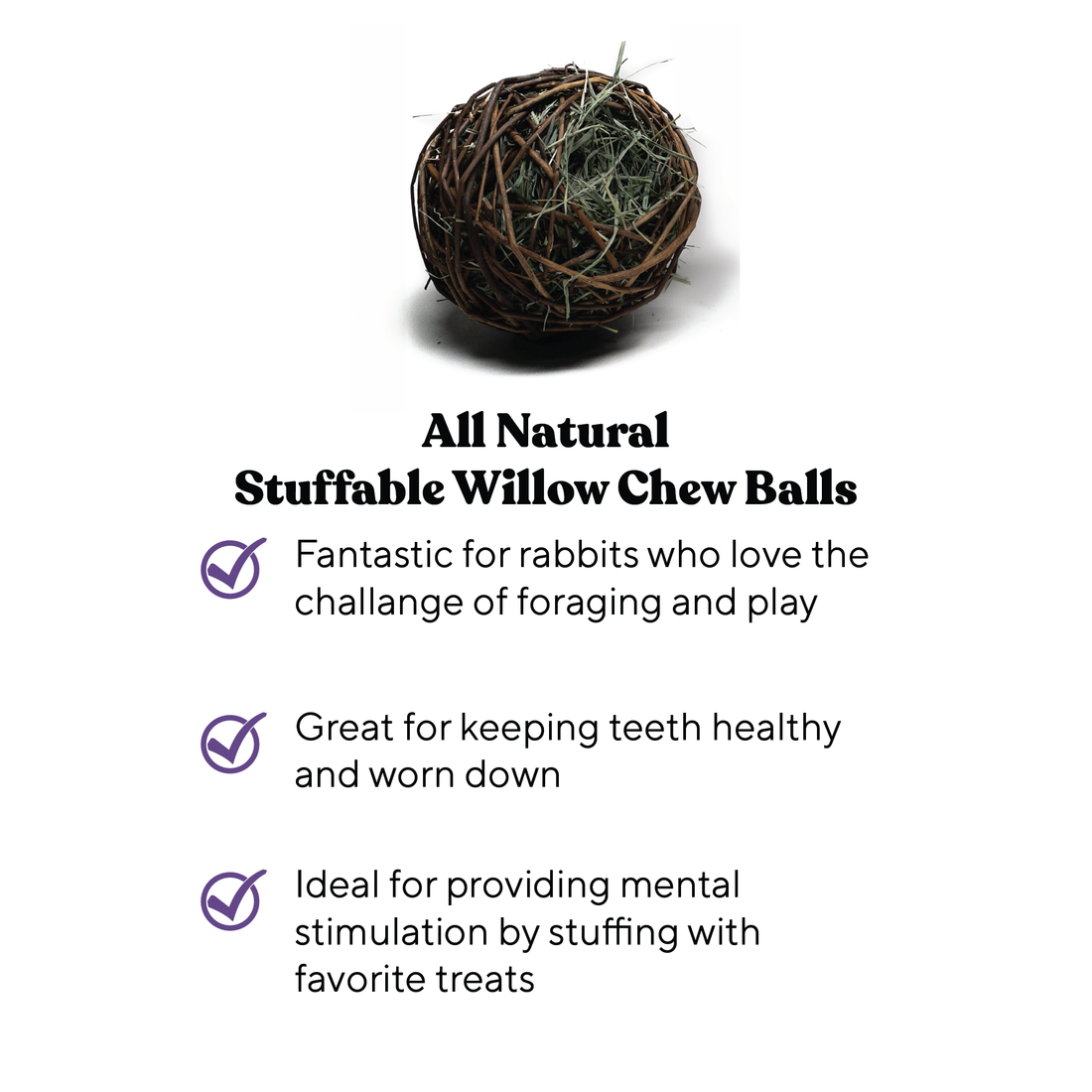
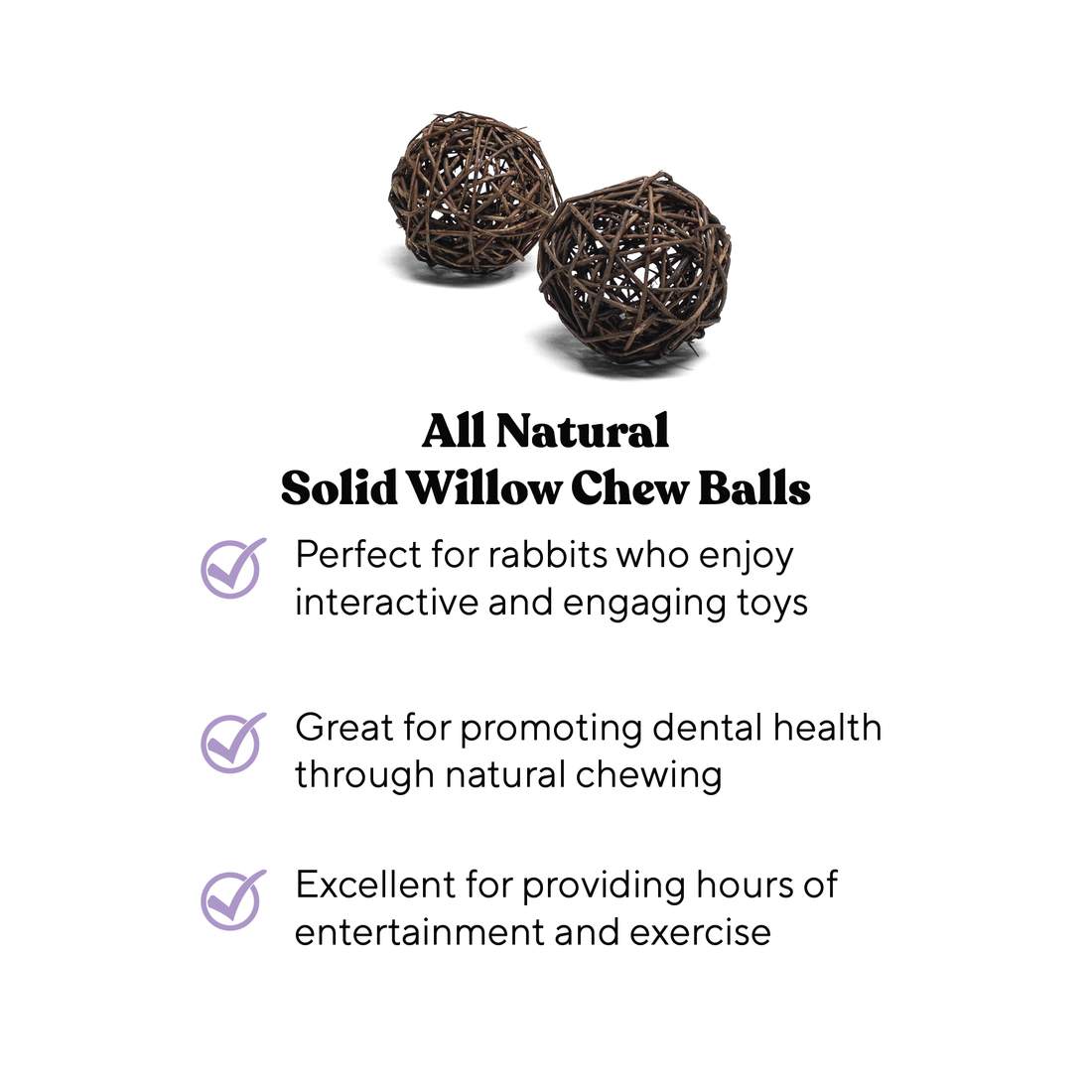
Apple chew sticks and willow chew balls for safe gnawing that helps wear down teeth.
-
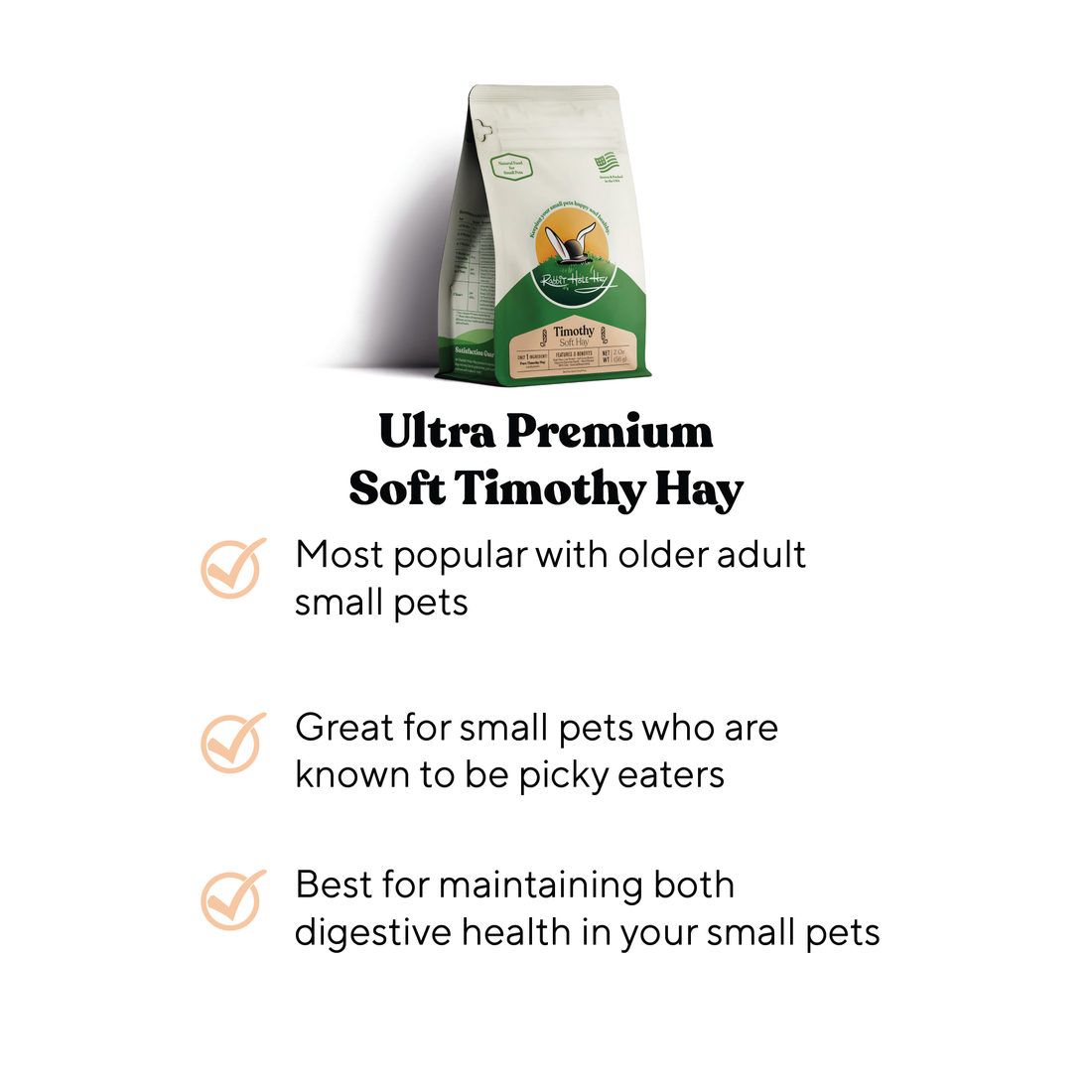
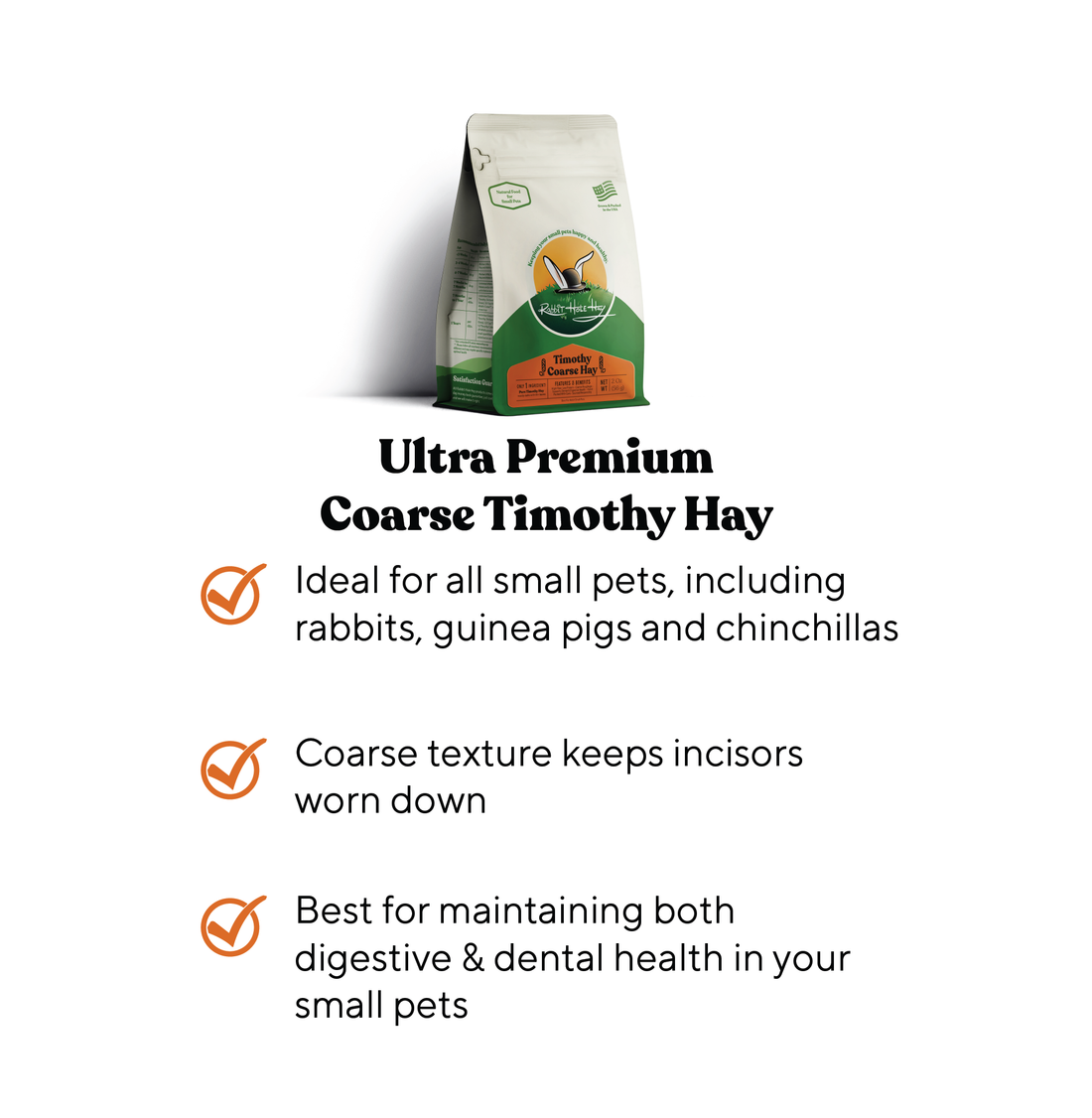
Compressed hay or meadow-grass toys—edible, no added sugar, and satisfying for nibblers.
-
Puzzle feeders or treat balls with a few pellets inside for light foraging.
-
Small bird toys that jingle or swing, as long as parts are too large to swallow.
Free or low-cost home items: plain cardboard boxes (no tape or staples in reach), toilet-paper tubes stuffed with hay, paper bags to shred, and cleaned dried pinecones stuffed with hay. Avoid cedar or pine shavings in dig boxes—they irritate rabbit lungs.
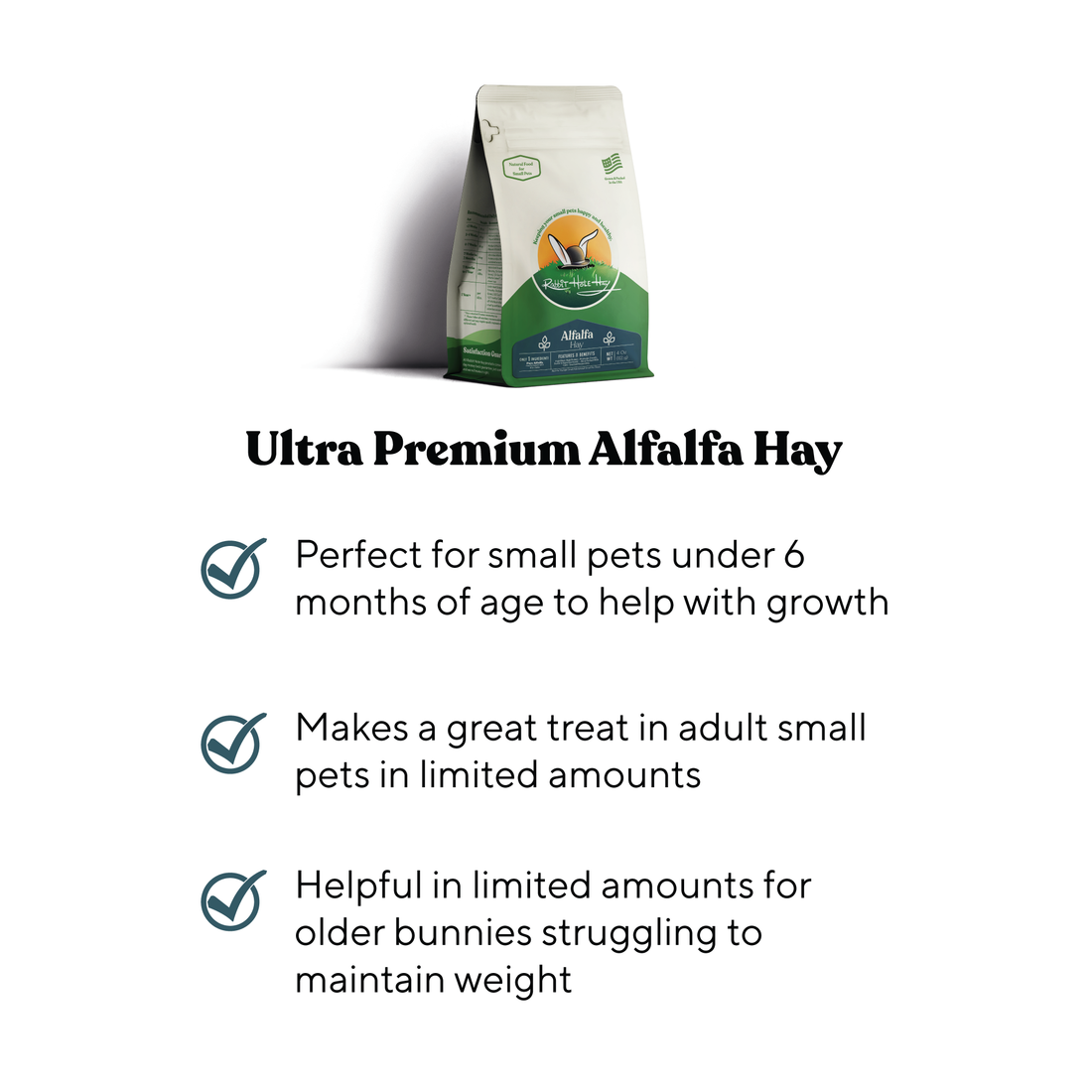
Rabbits who love to nibble often do best when chewing and foraging happen in one sitting. Unlimited grass hay should still be the main event; toys are side dishes that keep teeth and minds busy between meals.

What DIY Setups Work for Indoor Rabbit Play?
Cardboard castles beat most toy bins for cost and engagement. One or two boxes, scissors, and cut-out windows or tunnels are enough—your rabbit will handle the renovation. Stack boxes for levels, line floors with hay for a surprise snack, or connect boxes into a low maze if you have floor space.
Other DIY winners:
-
Dig boxes: shredded newspaper (no glossy pages), loose hay, or untreated straw in a shallow cardboard tray.
-
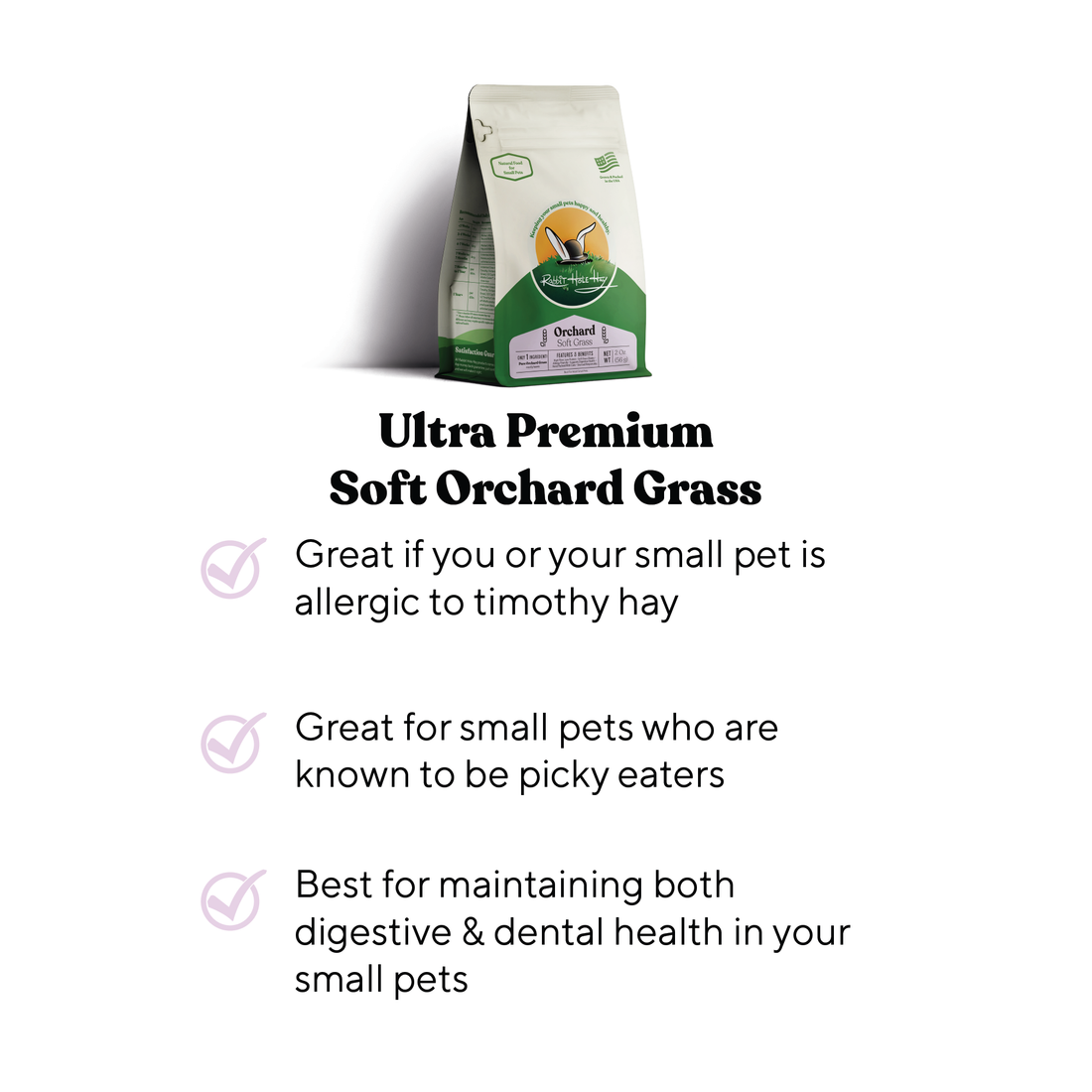
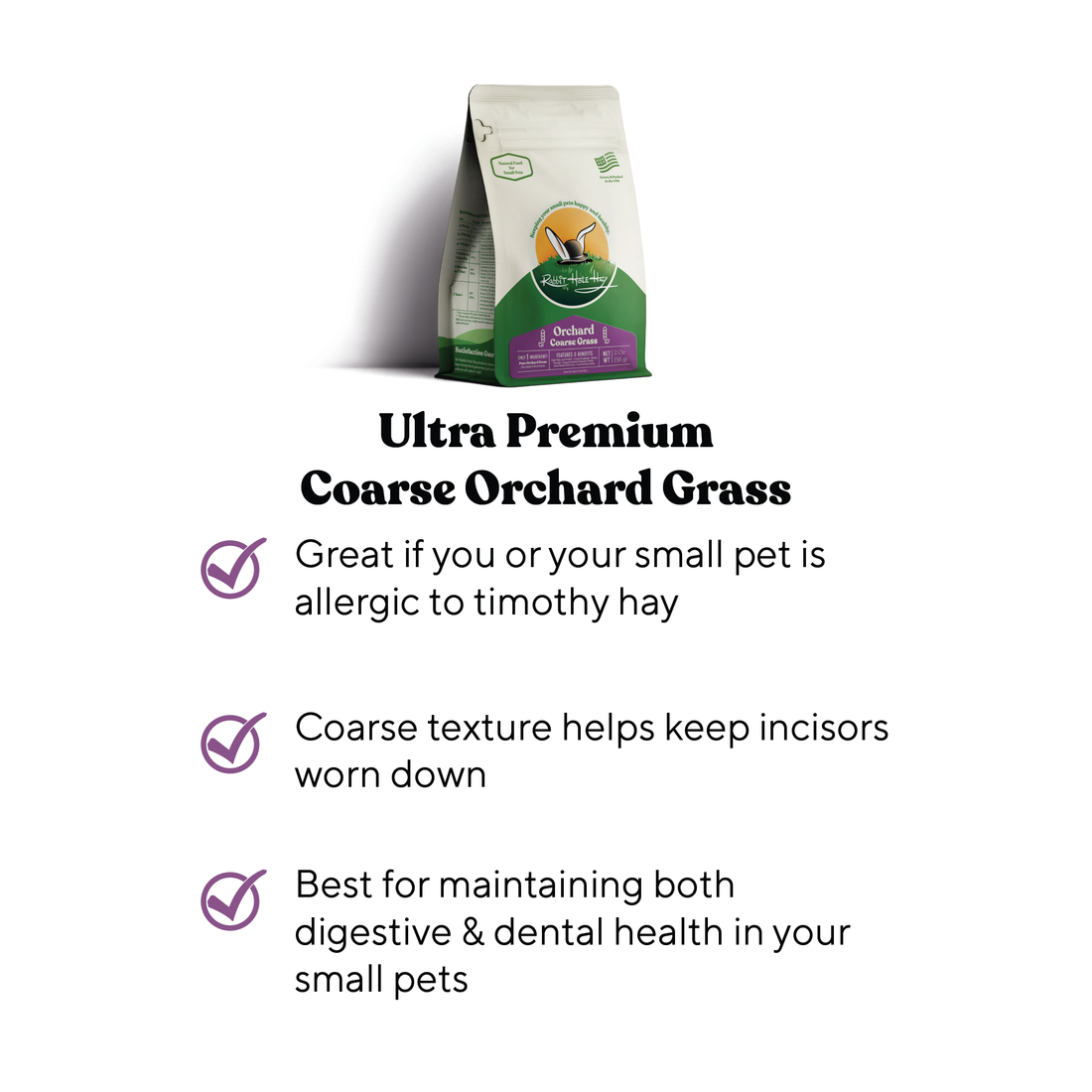
Hay stuffers: paper towel rolls or small paper bags packed with timothy or orchard grass and a herb pinch.
-
Fabric or kids' play tunnels for hop-through loops—watch for chewing and remove if they start eating fabric.
For a full rotation calendar and more build ideas, see DIY rabbit toys you can rotate to prevent boredom. The RSPCA also notes safe enrichment basics in their rabbit toy guidance.
How Do I Rotate Toys So My Rabbit Stays Interested?
Leaving every toy out all week is how a $40 bin becomes wallpaper—your rabbit stops seeing it. Hide half the pile in a closet, swap two or three items every few days, and tuck familiar toys under fresh hay or inside a box so your bun has to "find" them again.
Watch what sticks: tossers like lightweight balls and tubes; diggers want boxes; chewers gravitate to hay mats and sticks. One rabbit ignoring jingle balls is normal—not every personality wants the same toy.
If yesterday's zoomie toy gets a flop today, try a new texture or scent before you assume they are done with play altogether. Sometimes the fix is timing (dawn and dusk) more than inventory.
Can Social Time With Me or Another Rabbit Help?
Rabbits are social. A properly bonded pair grooms, naps, and plays together in ways solo setups cannot fully replace. A second rabbit is not a substitute for your attention—quiet floor time, calm pets, and a steady routine still matter.
Solo rabbits can enjoy mirrors (unbreakable, removed if they seem stressed) or gentle interaction with you at their level. Sitting on the floor while they hop around often builds trust faster than waving a toy in their face at nap hour.
When Does "Boredom" Mean Something Medical?
Ignored toys are not always a personality quirk. Run through this before you buy more gear:
-
Not eating hay? Stop and call a rabbit-savvy vet—gut slowdown is an emergency.
-
Overweight? Extra weight makes hopping uncomfortable; play drops off even with good toys.
-
Senior slowdown? Offer floor-level tunnels and soft dig mats instead of jumps.
-
Recent loss of a bonded partner? Grief can look like withdrawal; extra quiet time helps while you watch appetite and litter habits.
You are not overreacting if something feels off. A bun who will not engage with anything new for days deserves a vet-aware look—not just another cardboard box. That is not failure on your part; rabbits hide low energy until they cannot. Our post on grumpy, thumpy rabbit behavior covers frustration signals that overlap with pain or stress.
Why Does Unlimited Hay Support Play and Chewing?
No fort or chew stick replaces free-choice grass hay. Chewing hay wears teeth down, keeps the gut moving, and gives rabbits a natural foraging job all day. Everything else rides behind it—a well-fed bun with hay in reach is more likely to explore, toss, and dig on their own.
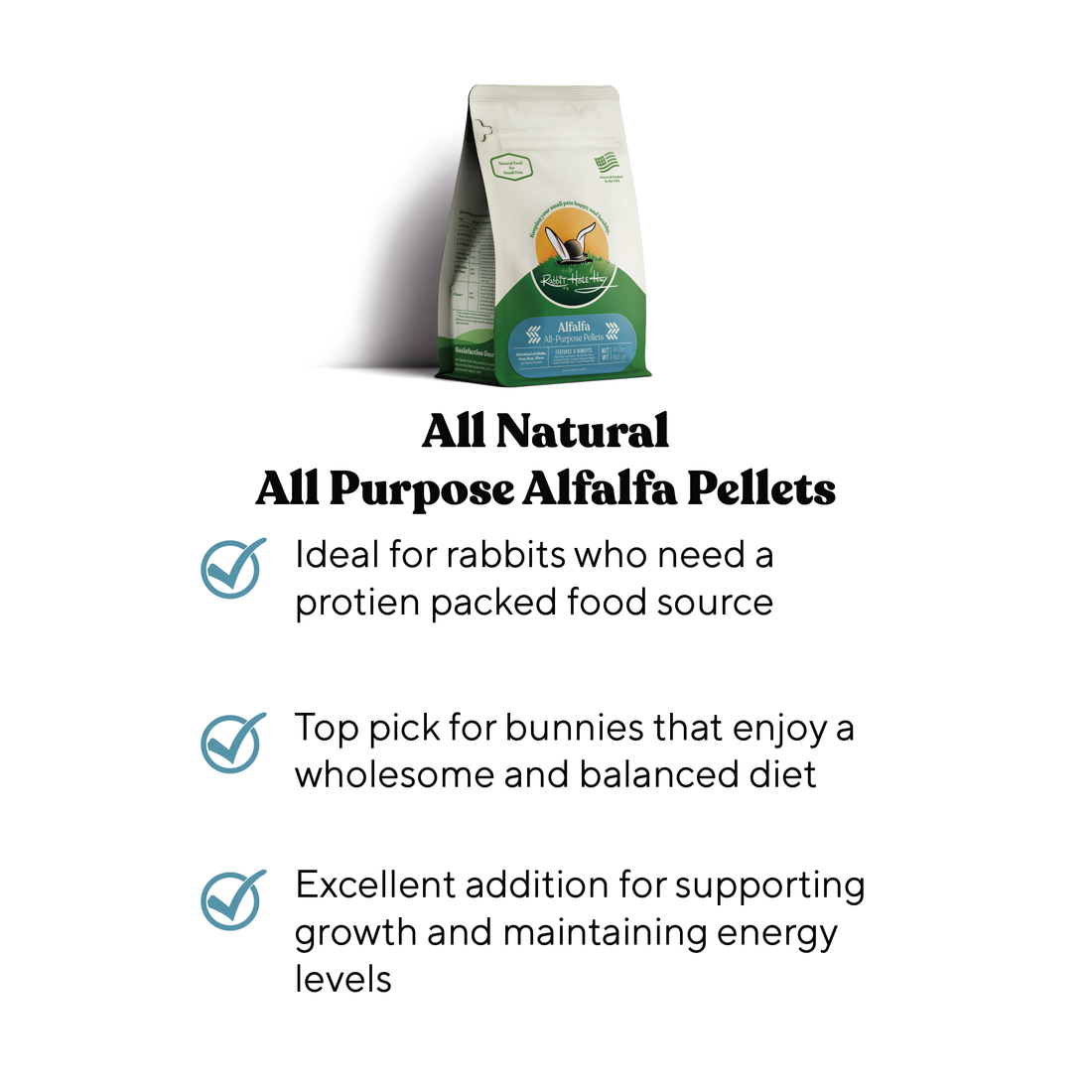
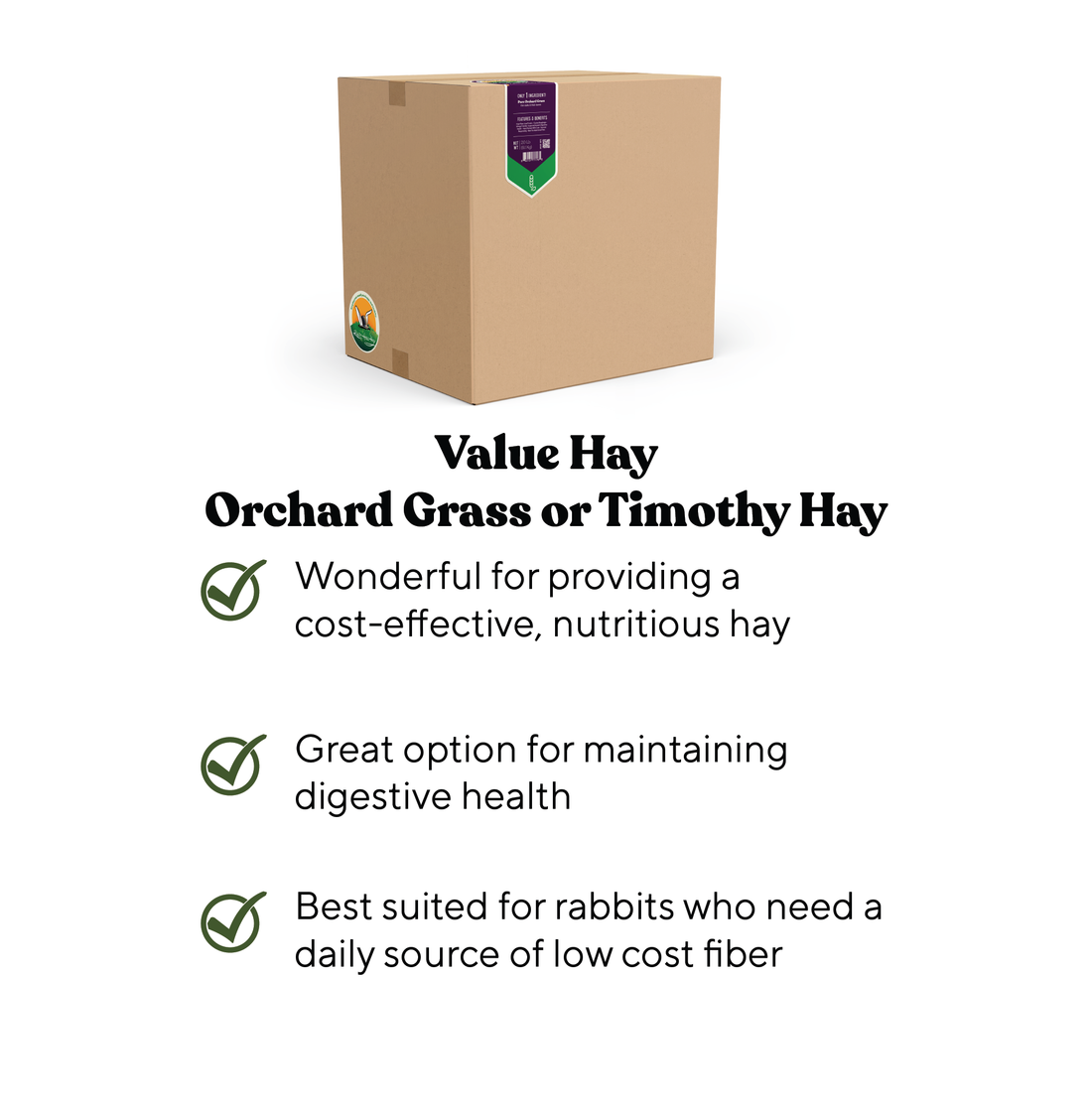
Pair unlimited timothy hay or orchard grass with clean water, measured pellets, and rare treats. Quality and smell matter—stale hay gets ignored like a stale toy. Fresh hay in the play zone doubles as enrichment and diet.
What Enrichment Ideas Keep House Rabbits Busy Day to Day?
Mix types so one afternoon is not all chewing and no digging:
-
Foraging mats: hide pellets or herbs in fleece flaps for sniff-and-dig sessions.
-
Scavenger hunts: small hay piles in corners of a pen or rabbit-proofed room.
-
Low obstacle courses: boxes and safe barriers for supervised hops—keep it simple.
-
Zone layout: one corner for rest, one for chew toys, one for food and water so the space feels purposeful.
Free-roam rabbits still need stimulation—a big empty room is just a big empty cage. Layer solo activities with short interactive sessions when you are home.

How Should I Set Up Safe Play Zones at Home?
Rabbit-proof before you expand territory: cover cords, block baseboards if needed, and lift houseplants out of reach. Supervise new setups until you know whether your bun chews carpet, digs corners, or treats the sofa like a tunnel entrance.
Indoor pens benefit from hides, a dig box, chew toys, and hay within hop distance. Even a small rotation—swap the dig box filler, move the tunnel, add a new hay pile—can restart interest without a shopping trip.
Key Takeaways
-
Safe at-home play means hay chews, cardboard, dig boxes, tunnels, and foraging—not small swallowable plastic or aromatic wood shavings.
-
Rotate weekly and match toys to your rabbit's style (dig, chew, toss, forage).
-
Unlimited grass hay fuels energy and dental health; pair it with hay-based chew toys when you want extra texture.
-
Sudden disinterest plus appetite or posture changes warrants a vet call—not just more toys.
Start with one cardboard fort and a hay-stuffed tube this week. Swap two toys next Monday and notice what your bun actually uses—you will learn more from one rotation than from a cart full of gadgets.





Comments