





























































Fly strike is when flies lay eggs on a rabbit’s skin—usually in damp, dirty fur around the tail—and the hatched maggots start eating living tissue. It is painful, moves fast, and can kill a rabbit within 24 hours if it is not treated. Prevention comes down to three habits you can actually keep: keep the rear clean and dry, keep the litter box fresh, and check your rabbit’s bottom daily (twice in summer).
If you have ever wondered why flies circle a messy hutch or how maggots could show up so fast, you are not being dramatic—this is one of the scariest warm-weather emergencies rabbit owners face. Most cases start with a small hygiene slip you can fix before flies notice. Here is what to look for, who gets hit hardest, and what to do the second you suspect trouble.
For broader health red flags and vet timing, see our rabbit health guide.

What Is Fly Strike in Rabbits?
Fly strike happens when blowflies or other flies lay eggs on a rabbit. The technical term is myiasis, but you will hear “fly strike” in most clinics. The eggs hatch into maggots that feed on skin and underlying tissue—not just on dead matter. Warm, humid weather plus urine-soaked fur, soft stool stuck to the coat, or an open wound is the usual setup.
Flies can smell damp, soiled areas from a distance. Within hours, larvae may be burrowing in. That is why fly strike is treated as an emergency, not a wait-and-see rash.
It is not only an outdoor-rabbit problem. Indoor buns with a poopy butt, a wet litter corner, or arthritis that limits grooming are just as vulnerable when windows are open and fly season hits.
How Do I Know if My Rabbit Has Fly Strike?
Early signs are easy to miss if you are not in the habit of lifting the tail and looking. Check the rear at least once a day—more in summer—and watch behavior, not just fur.
Wet or soiled fur around the tail and hindquarters
Restlessness, thumping, tooth grinding, or refusing to move
Sudden loss of appetite
A strong smell from the back end
Visible maggots or inflamed skin
If you see maggots, call a rabbit-savvy vet immediately and say it is urgent. Do not try to wash them off at home—stress and water can make shock worse, and you may miss larvae buried under fur. A panicked bath helps nobody; a carrier and a phone call do.
Persistent mess around the bottom often ties back to diet or mobility. Our post on poopy butt causes and cleanup walks through when hygiene is the fix and when you need a vet workup.
How Do I Prevent Fly Strike Every Day?
Flies are not picky—they want moisture, odor, and a place to lay eggs. A clean, dry rabbit in a fresh enclosure is a boring target. These routines take minutes once they become habit.
Check the bottom daily: In warm months, morning and night. Gently clean and fully dry any mess—damp fur is fly bait.
Scoop litter and replace bedding often: Soft cecotropes or urine sitting in fur invite eggs. A wet litter box smells like an open invitation.
Keep airflow and enclosure hygiene up: Fresh bedding, daily litter changes, and no piles of old hay trapping humidity in the cage.
Limit flies in the home: Screens on windows, traps in problem rooms, and a quick rear check after outdoor playtime before the rabbit goes back to the pen.
Brush and spot-clean as needed: A soft brush and rabbit-safe wipes help you catch mats early. See how often rabbits need brushing for realistic cadence.

Catching a damp spot before flies do is the whole game. You are not being fussy—you are removing the one thing that turns a Tuesday into an ER trip.
Vet-approved preventatives when hygiene is not enough
Some rabbits need extra help even with good care—seniors, overweight buns, or rabbits with chronic soft stool or urinary dribbling. Products such as Rearguard (a topical fly deterrent used in some regions) can interrupt egg development when your vet recommends it. Ask before applying anything; sensitive skin and other meds matter.
Which Rabbits Are at Higher Risk for Fly Strike?
Any rabbit can get fly strike, but some profiles show up in clinics more often. If yours fits one of these, tighten prevention before summer peaks.
Overweight rabbits who cannot reach to groom the rear
Seniors with arthritis or pain that limits bending
Digestive trouble—mushy droppings, uneaten cecotropes, or GI stasis history
Urinary issues that keep fur wet around the legs and genitals
Dental disease that stops normal cecotrope eating
Long or dense coats (Lionheads, Angoras) where mats hide moisture underneath
For long-haired breeds, daily brushing, a sanitary trim around the bottom in fly season, and dry spot cleaning beat waiting for a visible mess. Weight and joint support from your vet often do more for prevention than another bottle of fly spray.
If the bottom stays dirty no matter how often you wipe, treat that as a medical clue—not a grooming failure. Our article on unusual health signs in rabbits helps connect diet, teeth, and weight loss patterns.

What Should I Do If I Find Maggots on My Rabbit?
This is not a soak-in-the-sink situation. Call the vet, explain you suspect fly strike, and transport the rabbit in a clean carrier without bathing.
The Rabbit Welfare Association and Fund describes treatment as clipping fur, surgically removing maggots, disinfecting wounds, pain relief, antibiotics, and often hospital monitoring. Recovery can take days; your vet should also help you adjust home routines so it does not happen again.
Every hour counts. Fast vet care dramatically improves survival odds. You are not overreacting by treating maggots like a code-red.
Why Is Summer the Most Dangerous Season for Fly Strike?
Fly strike can happen year-round, but heat and humidity multiply fly populations and speed egg development. One skipped litter change on a hot week can be enough.
Double bottom checks—morning and evening
Change litter and bedding more often during heat waves
Place the setup where air moves without blasting the rabbit with drafts
After outdoor time, towel-check the rear before returning to the cage
Heat stress and fly risk often travel together. For cooling strategies that protect appetite and gut motility, read how to cool your rabbit in summer—dehydration and sluggish guts make messy bottoms more likely.
The PDSA fly strike guide also has practical seasonal prevention tips from a major UK animal charity.
How Does Litter Box Setup Affect Fly Strike Risk?
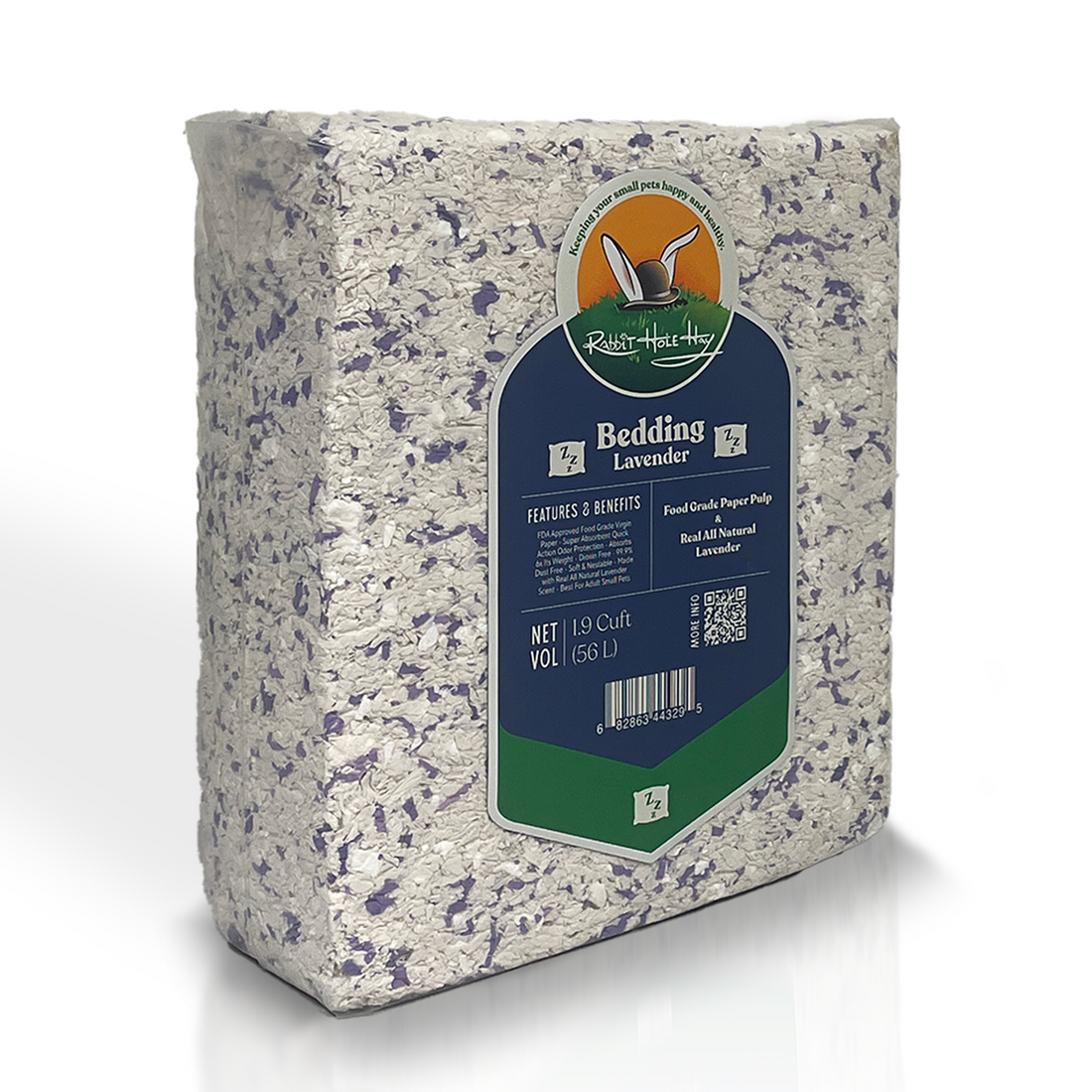
Damp bedding and soiled litter are fly magnets. Paper-based litter that absorbs well and does not cling to fur often works better than dusty wood shavings for rear hygiene.
Scoop at least once daily; fully replace litter every 48 hours—or sooner if it smells or looks wet. A hay rack that keeps the eating pile out of the toilet corner reduces cecotrope smears on fur.
For layout ideas that separate eating, sleeping, and bathroom zones, see our guide to creating the ideal litter box. If cleanup is already a battle, safe poopy-butt cleaning steps cover when to spot-clean at home versus call the vet.

Key Takeaways for Fly Strike Prevention
Fly strike is aggressive, but it usually starts with something small—a smear of soft stool, a wet patch, a day the litter box went too long. Your best defense is boring and repeatable.
Check the rear daily; twice in warm weather
Keep litter fresh and fur dry
Watch high-risk rabbits (weight, arthritis, long coat, gut or bladder issues) more closely
Call the vet immediately if you see maggots, open wounds, or sudden pain
Make fly strike prevention part of the same routine as filling the hay rack—not a separate panic project. Hay-first digestion and steady fiber make firmer droppings easier to manage; that is one more reason unlimited grass hay belongs in the background of every health habit.





Comments