





















































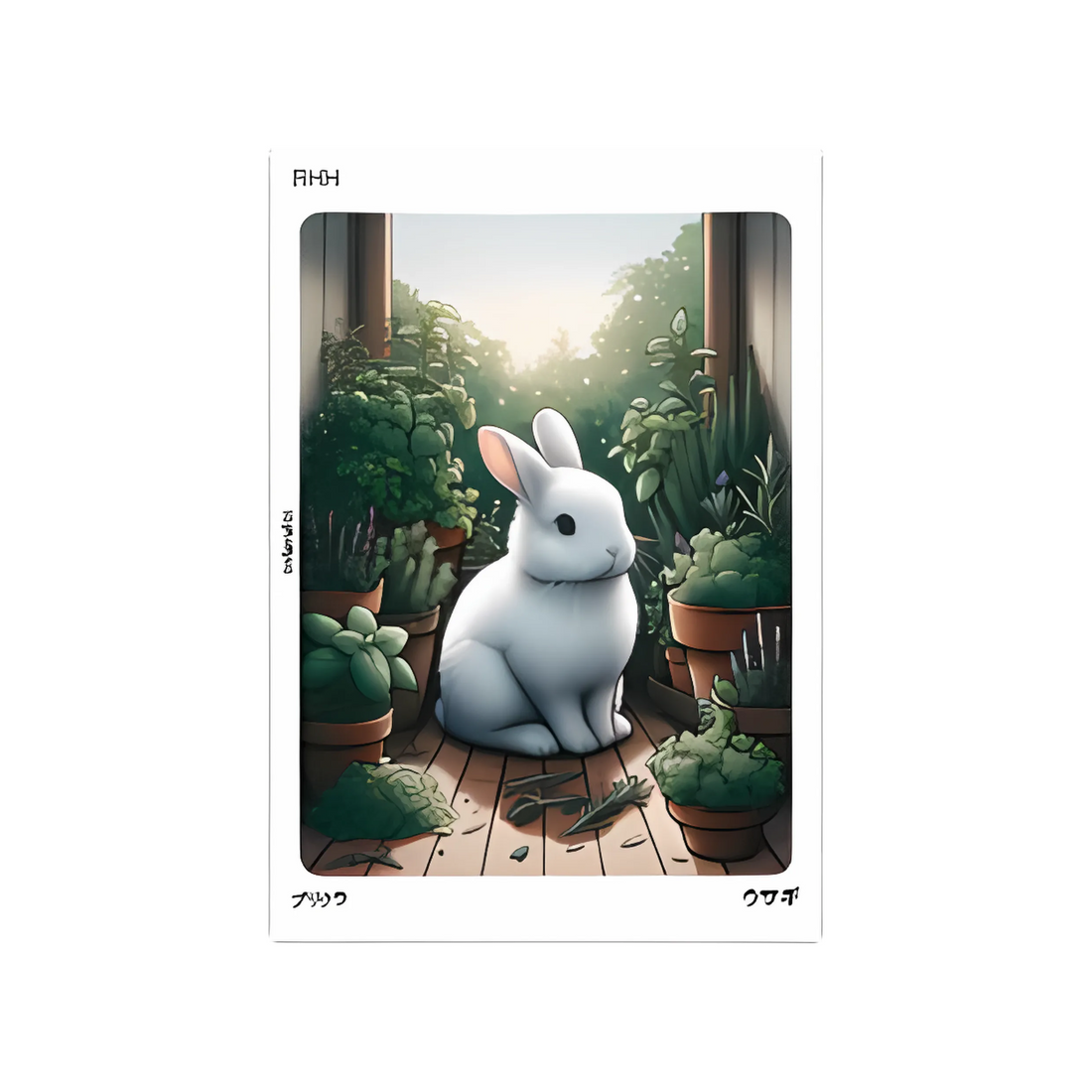













You're out in the yard, maybe pulling weeds or fixing up the garden, when something tiny stirs in the grass. You lean in closer—and there it is. A wild baby rabbit, eyes closed or barely open, soft as a puffball, and totally alone. You look around. No mom. No siblings. Just this fragile, quiet little creature who might need your help.
Click Here For a Guide to Feeding Your Baby Rabbits.

If this is the moment you're in, take a breath. You're not alone. Every spring and summer, folks across the country stumble upon these tiny bunnies and wonder what to do. The good news is, there's a clear path forward. Whether you help temporarily or turn the care over to professionals, knowing what you're doing is key—especially when it comes to feeding wild baby rabbits.
How You Might End Up With a Wild Baby Rabbit
We hear a few common stories that lead people to take in a wild baby rabbit. Maybe a pet cat or dog brings one home. Maybe you disturbed a nest while mowing the lawn or raking leaves. Sometimes people think they're helping when they pick up a bunny they believe has been abandoned.
Before doing anything else, it's important to figure out whether the baby truly needs your help—or if it's best left alone. That's step one.
1. First Step: Is the Rabbit Truly an Orphan?
Rabbit moms don't hang around the nest like you might expect. They feed their young just twice a day—usually at dawn and dusk—staying away the rest of the time to avoid drawing attention to the nest. So just because you don't see the mother doesn't mean she isn't caring for her babies.
Here's what you can do:
Lightly place some small twigs or pieces of string in a pattern over the nest and check after 12–24 hours to see if they've been moved.
Look at the babies. Are they warm, plump, and quiet? Then they're probably being cared for.
Are they cold, thin, squeaking loudly, or crawling out of the nest? That's a sign they may need help.
Check out this resource from the House Rabbit Society for more guidance: How to Care for Orphaned Wild Cottontail Bunnies.
2. Create a Safe, Calm Space for the Baby Rabbit
If you've determined the baby really is orphaned, the next step is setting up a place where it can stay warm and undisturbed. It doesn't need to be fancy—just quiet, cozy, and clean.
Here’s how:
Use a small box or pet carrier lined with soft towels or fleece (avoid anything with loose threads or holes).
Keep the box in a warm, dim area—away from kids, pets, and noise. Wild rabbits are easily stressed.
For very young babies (under 10 days), consider using a heating pad under one half of the box. That way, the bunny can move away if it gets too warm.
Don't place the bunny in direct sunlight or near fans or air conditioning vents. Too much heat or a sudden chill can cause harm quickly.
3. Feeding Wild Baby Rabbits: What, When, and How
This is where it gets tricky. Feeding wild baby rabbits isn't the same as feeding a domestic one. Their stomachs are delicate, their bodies are small, and making a mistake can cause more harm than good. But with care and patience, it's doable—especially in the short term while you get help.
What to Feed
Infant wild rabbits should never be given cow's milk. Their systems can't handle it. Instead, the safest, most commonly recommended options are:
Kitten Milk Replacer (KMR) – Often available at pet stores or vet clinics.
Goat Milk – Use plain, whole goat milk if KMR isn't available, not flavored or sweetened versions.
Some rabbit rehabbers mix KMR with goat milk in a 1:1 ratio to mimic the nutrition found in rabbit mothers' milk. There are also additives like acidophilus or colostrum sometimes used by experts, but these aren't required for short-term care.
How Much and How Often
The amount depends on the rabbit's age and size. Feeding should be done with a small syringe (1–3 mL) or a nursing bottle designed for small animals. Feeding too much can be fatal.
Newborns (eyes closed): 2–3 times per day, about 2–4 mL per feeding
10–14 days (eyes open): 2 feedings per day, 5–7 mL
2–3 weeks: 1–2 feedings per day, 7–13 mL
3–6 weeks: Begin reducing milk and offering solid food
Be sure to always feed them upright—never on their backs. Feeding them the wrong way can cause aspiration (inhalation of milk), which is often fatal.
For more feeding tips, check out this detailed guide: How to Care for a Baby Wild Rabbit.
What Solid Foods Are Safe?
While they're still nursing, young bunnies should also be introduced to hay and fresh greens from their natural surroundings. These aren't their main food source early on, but they can help them learn and prepare for weaning.
Grass hay (like timothy hay) should always be available
Fresh clover, dandelion leaves, and grass (if chemical-free) can also be introduced gradually
Need help finding the right hay? This Hay Guide for Small Pets is a great starting point.
Learn more from this veterinary-backed source: Orphaned Baby Bunnies: Wild and Domestic.
4. Help Them Go to the Bathroom—Yes, Really
Very young wild rabbits need help to urinate and defecate. Normally, their mother licks them after feeding to stimulate their bodies. You'll need to mimic this process if you're feeding babies under 10 days old.
Here’s how to do it:
Use a warm, damp cotton ball or soft cloth
Gently rub their lower belly and bottom after each feeding
Continue until you see urine or stool
This might feel awkward, but it's essential. Skipping this step could cause digestive blockages or even death.
Read this PDF for step-by-step advice: Saving Wild Baby Rabbits.
5. Know When to Call in the Experts
Even with the best intentions, feeding wild baby rabbits and caring for them is not always something you should take on alone. These animals are fragile. Stress, trauma, and improper care can lead to a quick decline.
If any of the following apply, don't wait:
The bunny is injured, cold, or visibly weak
You’re unsure about feeding or care routines
You're unable or unwilling to commit to around-the-clock care
Reach out to a rabbit-savvy vet, wildlife rehabilitator, or animal rescue near you. Many shelters have professionals trained specifically for these situations.
Eventually, if the rabbit survives and grows strong, your goal is to return it to the wild. Wild rabbits don't make good pets. Even ones raised from infancy usually don't bond with humans the way domestic rabbits do. Once healthy and old enough (typically around 4–6 weeks), they need to be released where they were found—or as close as possible, in a safe place.
Feeding Wild Baby Rabbits Takes Patience, Care, and a Lot of Heart
Helping wild baby bunnies survive isn't just about feeding them. It's about understanding their instincts, knowing their limits, and doing what's best for their long-term survival. While the feeding part might feel like the most urgent task, it's only one part of a much larger picture. These animals are meant to live free, and any help we provide should focus on getting them back to that point.
If you find yourself in this situation, be proud that you stopped to care. Just remember—there's no shame in handing the little one off to someone with more experience. In many cases, that's the most helpful thing you can do.
Want to learn more about what kinds of hay are best for baby rabbits as they grow? Download our free eBook:
Key Takeaways
-
Feeding wild baby rabbits requires the right formula—never cow's milk—and a very gentle approach.

Stimulating elimination and maintaining warmth are just as vital as feeding itself.
If in doubt, contact a wildlife rehab center or rabbit-savvy vet—quickly.





Comments