






































Rabbits sneeze most often because of dust, poor ventilation, or irritating bedding—not because Timothy hay is "allergic" in the human sense. Their respiratory systems are small and sensitive; a puff of hay dust in a closed hutch hits harder than the same pile in an open pen.
That does not mean you should ignore it. A few dry sneezes after you shake a bale might be irritation. Yellow discharge, labored breathing, or sneezing that never eases after you clean up the environment is a different conversation—usually with your vet.
Below we cover what rabbits are sensitive to in a typical home, how to tell dust from disease, and the swaps that help most buns breathe easier without ditching hay altogether.

Why Is My Rabbit Sneezing?
Intermittent sneezes with clear eyes and normal energy often trace to something in the air: hay dust, litter ammonia, scented cleaners, or stale bedding. Rabbits groom with their noses in the hay pile—if the pile is dusty, they inhale it.
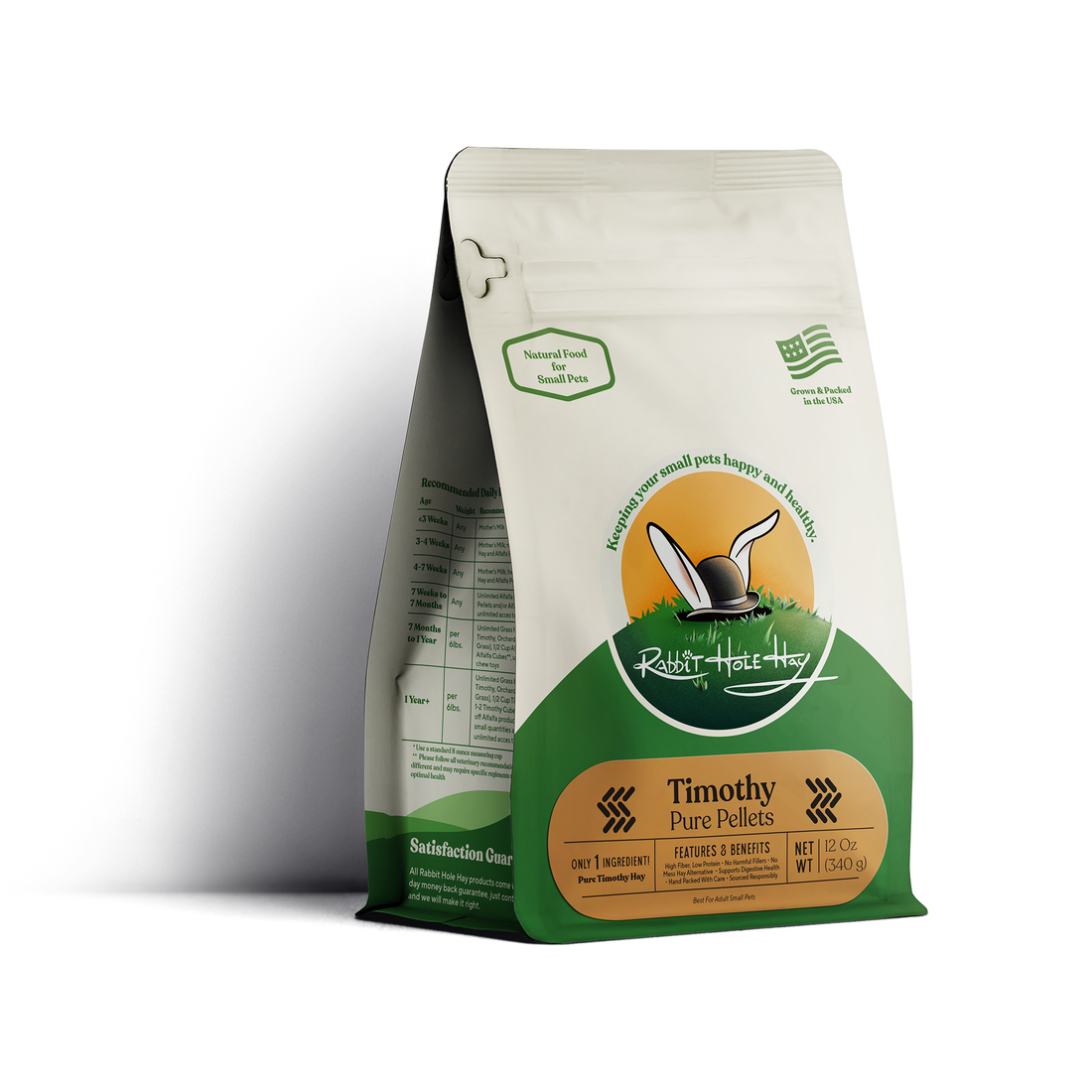
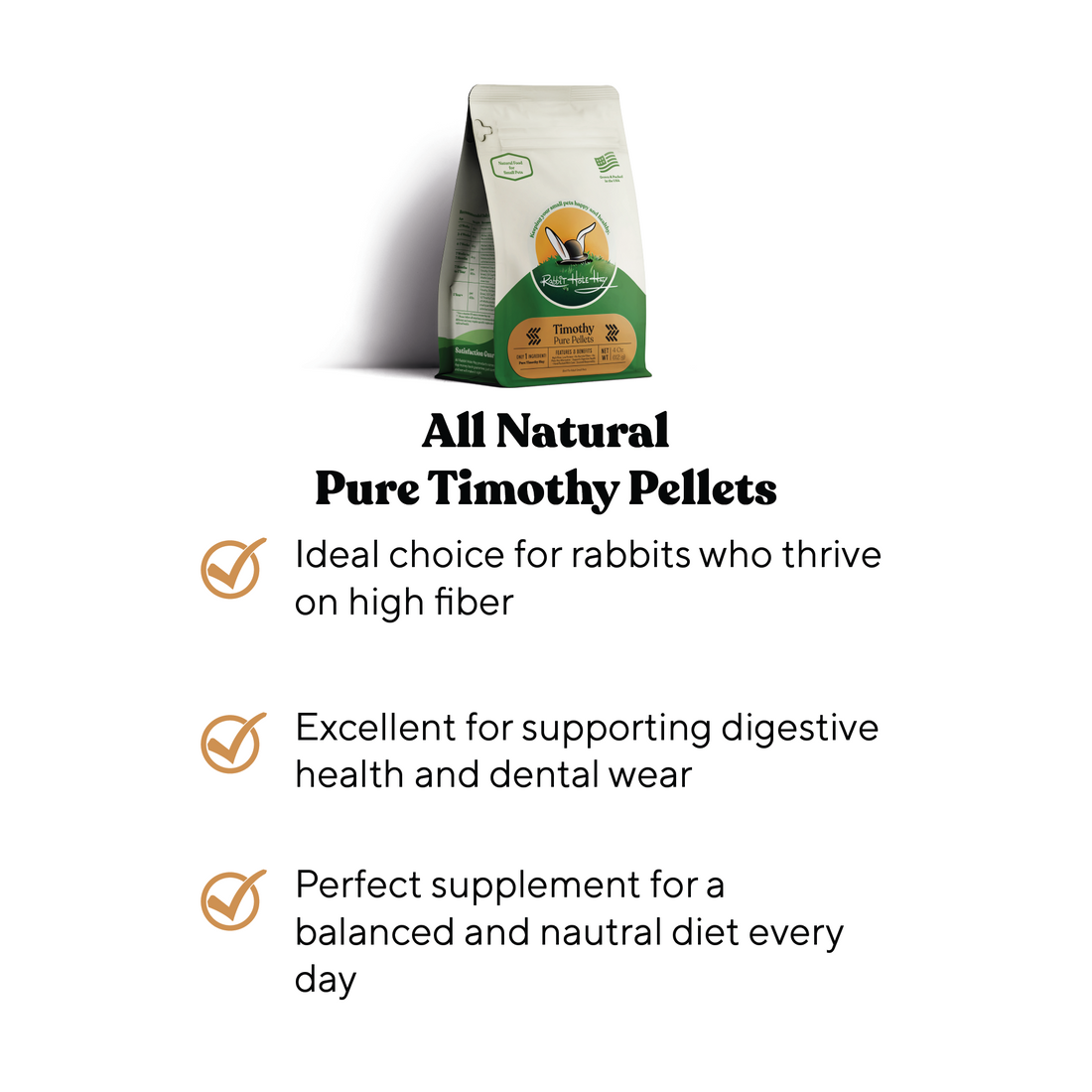
True hay protein allergy is possible but less common than owners fear. Before you blame the Timothy, look at hay quality (green, fresh, low dust), how you store it, and whether the pen gets fresh airflow daily.
For hay-specific angles, read can rabbits be allergic to grass hays and timothy hay and sneezing.
What Are Rabbits Sensitive to in the Home Environment?
Common household irritants that bother rabbit noses and eyes:
Dusty or moldy hay and bedding
Pine and cedar shavings (aromatic oils irritate lungs)
Scented litter, plug-in fresheners, incense, and candles
Cigarette smoke and fireplace fumes
Ammonia buildup from infrequent litter changes
Strong laundry detergent on fleece liners or blankets
Rabbits rely on smell more than we do—a "light" scent to you can be overwhelming in their enclosure. If sneezing spikes on cleaning day or when the fireplace runs, suspect the environment first.
Could Dusty Hay or Bedding Be the Culprit?
Low-quality hay throws dust clouds when you fluff it. That dust irritates noses and eyes even though the fiber itself is essential. Look for green, sweet-smelling hay that does not leave your hands coated in powder.
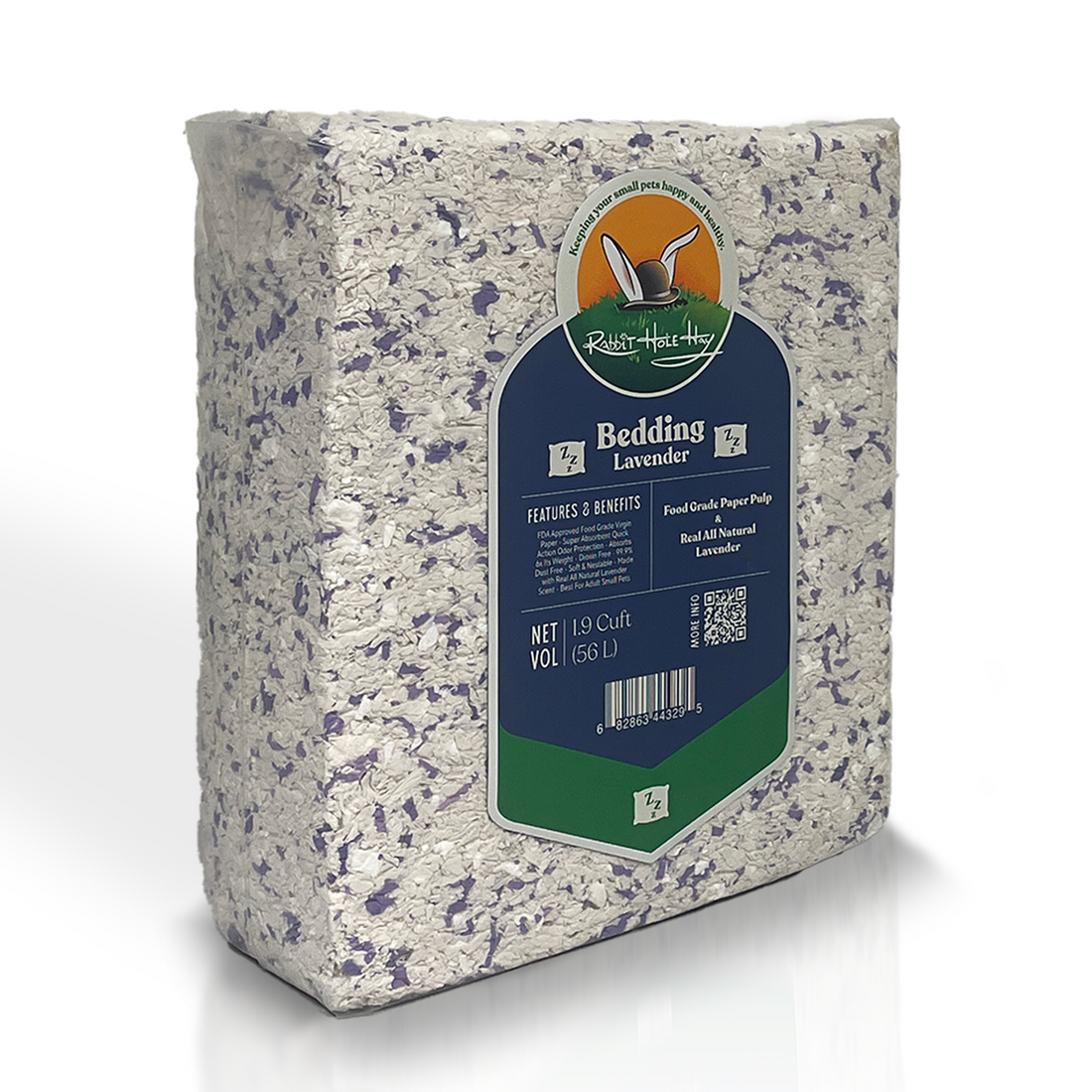
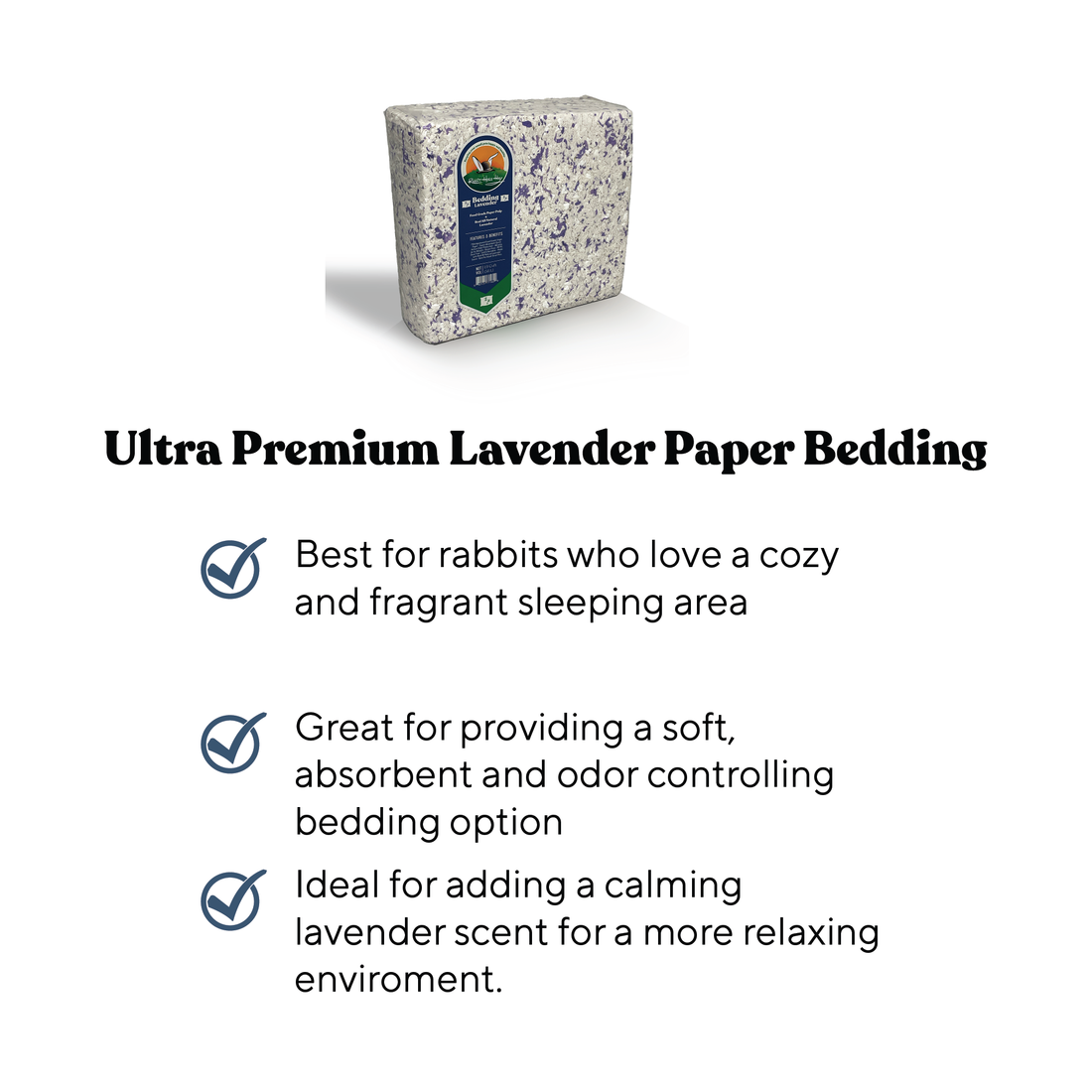
Bedding matters too. Compressed paper pellets, aspen shavings, or low-dust paper litter beat fragrant pine. Change litter before ammonia builds—every two to three days in most setups, sooner if it smells.

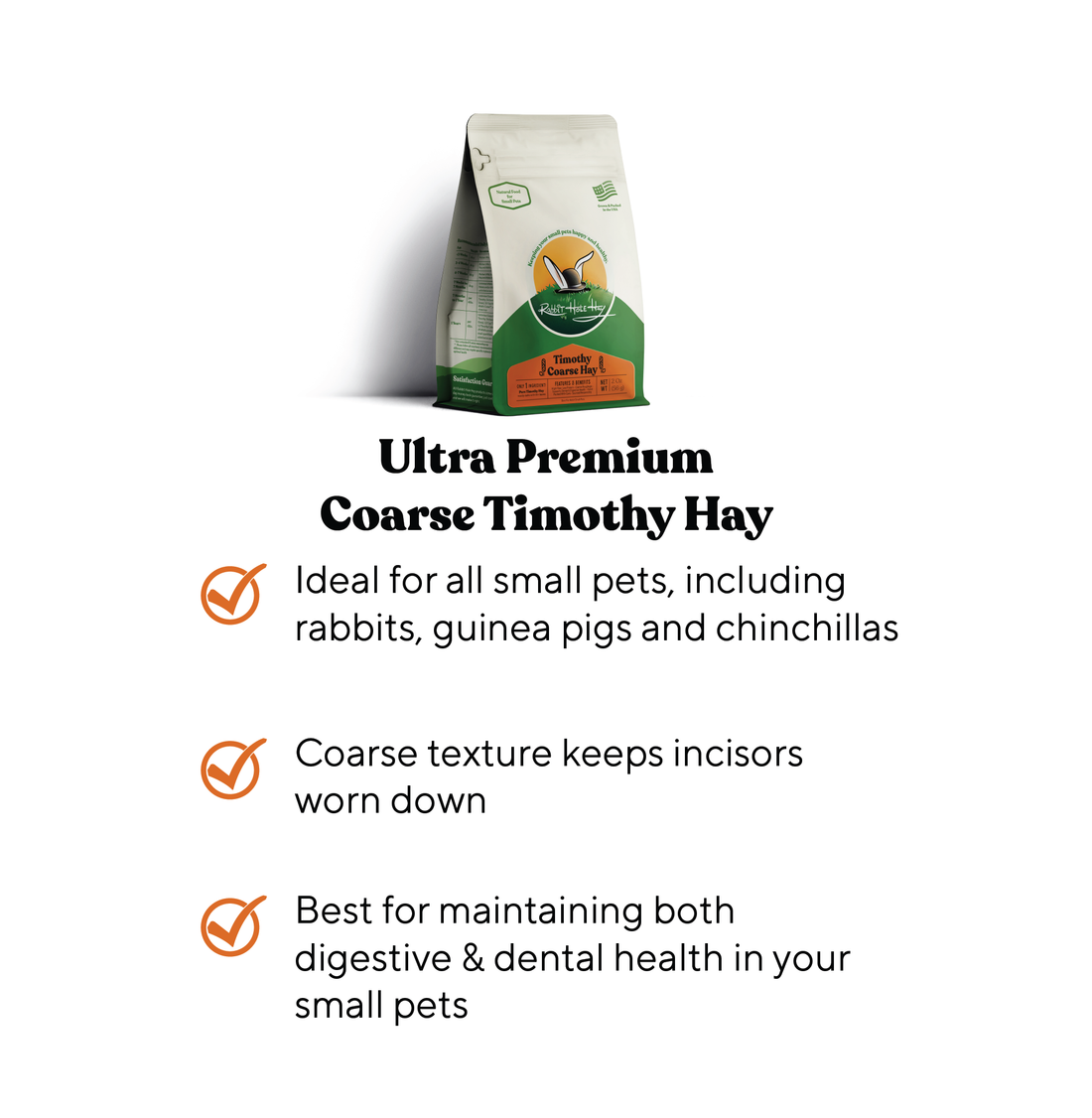
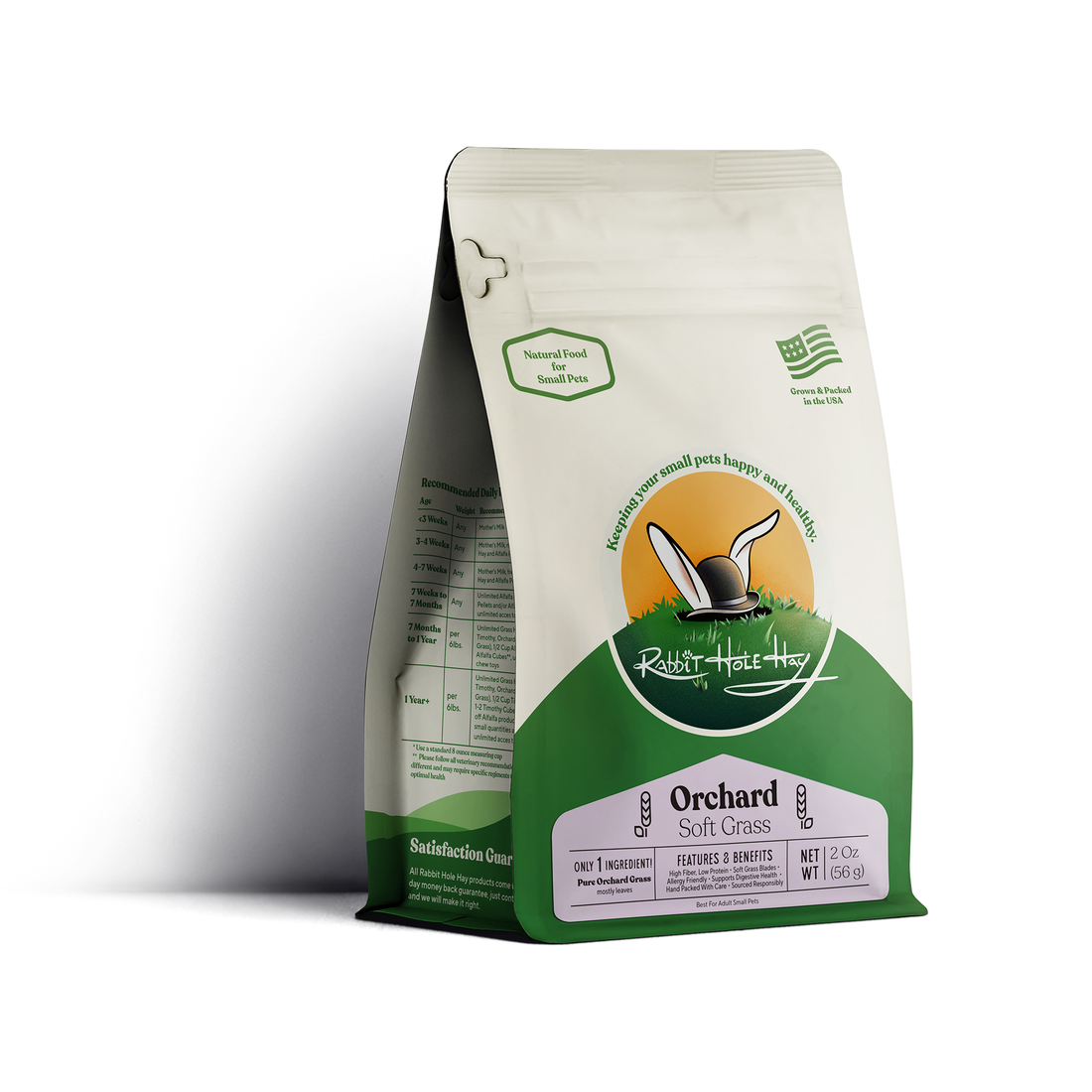
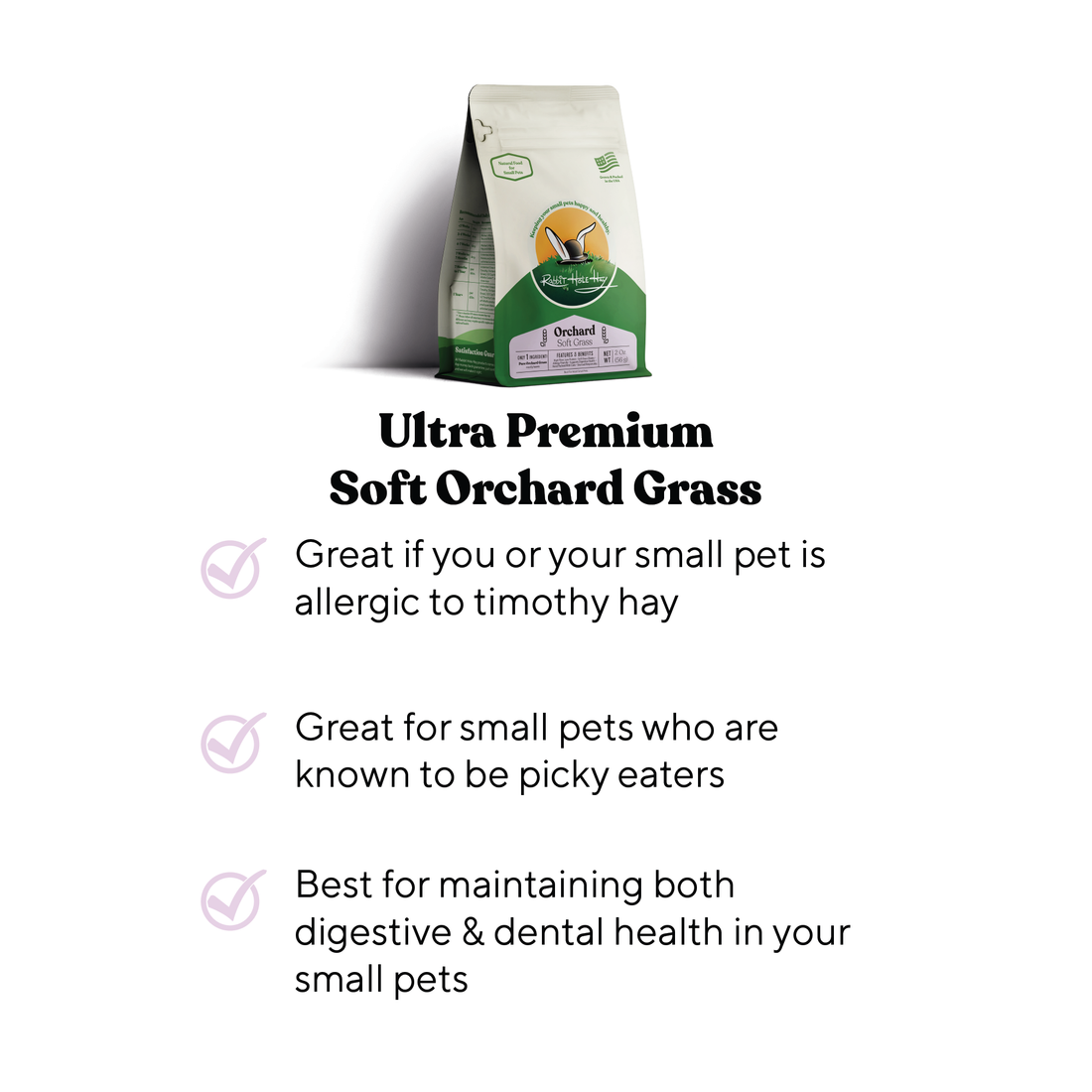
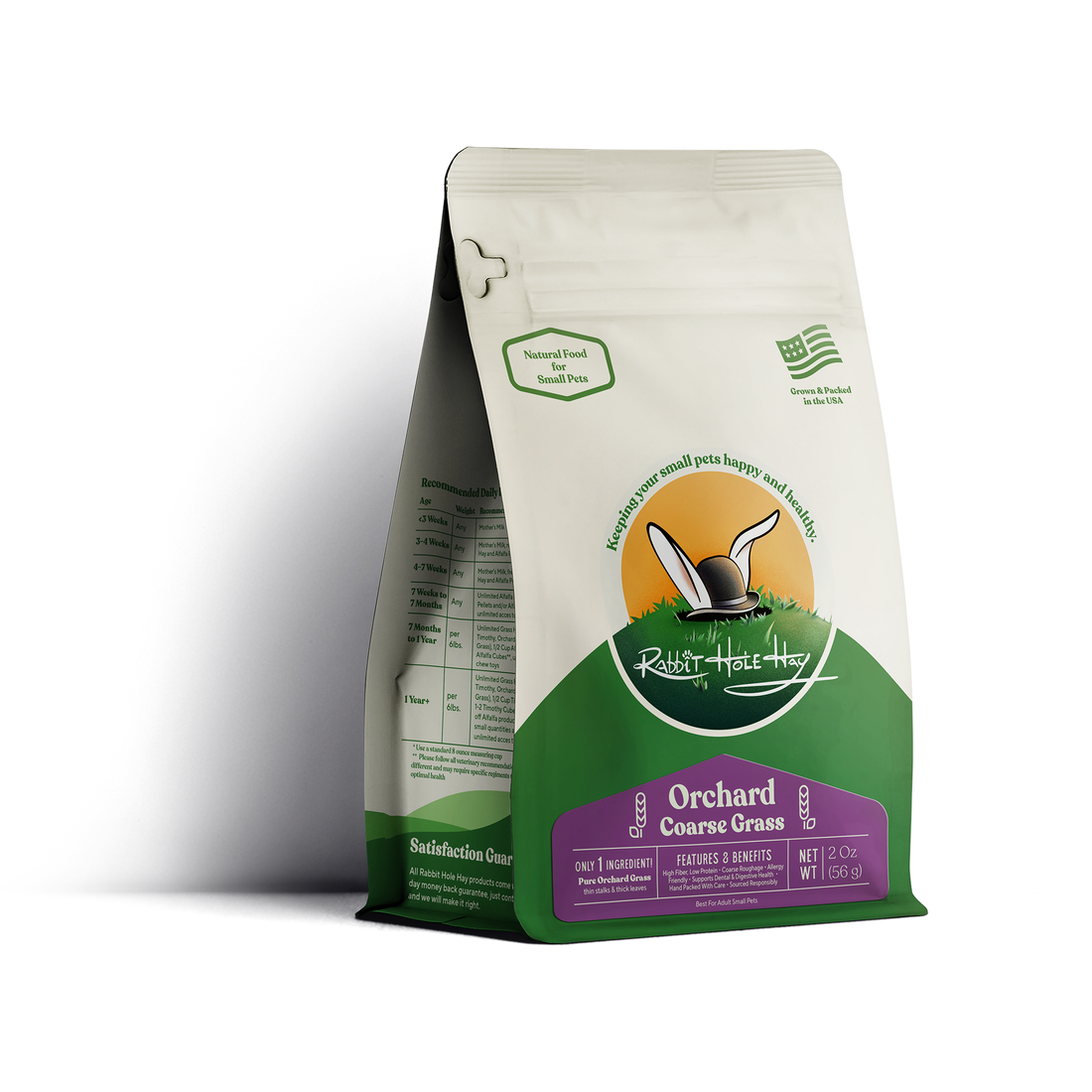
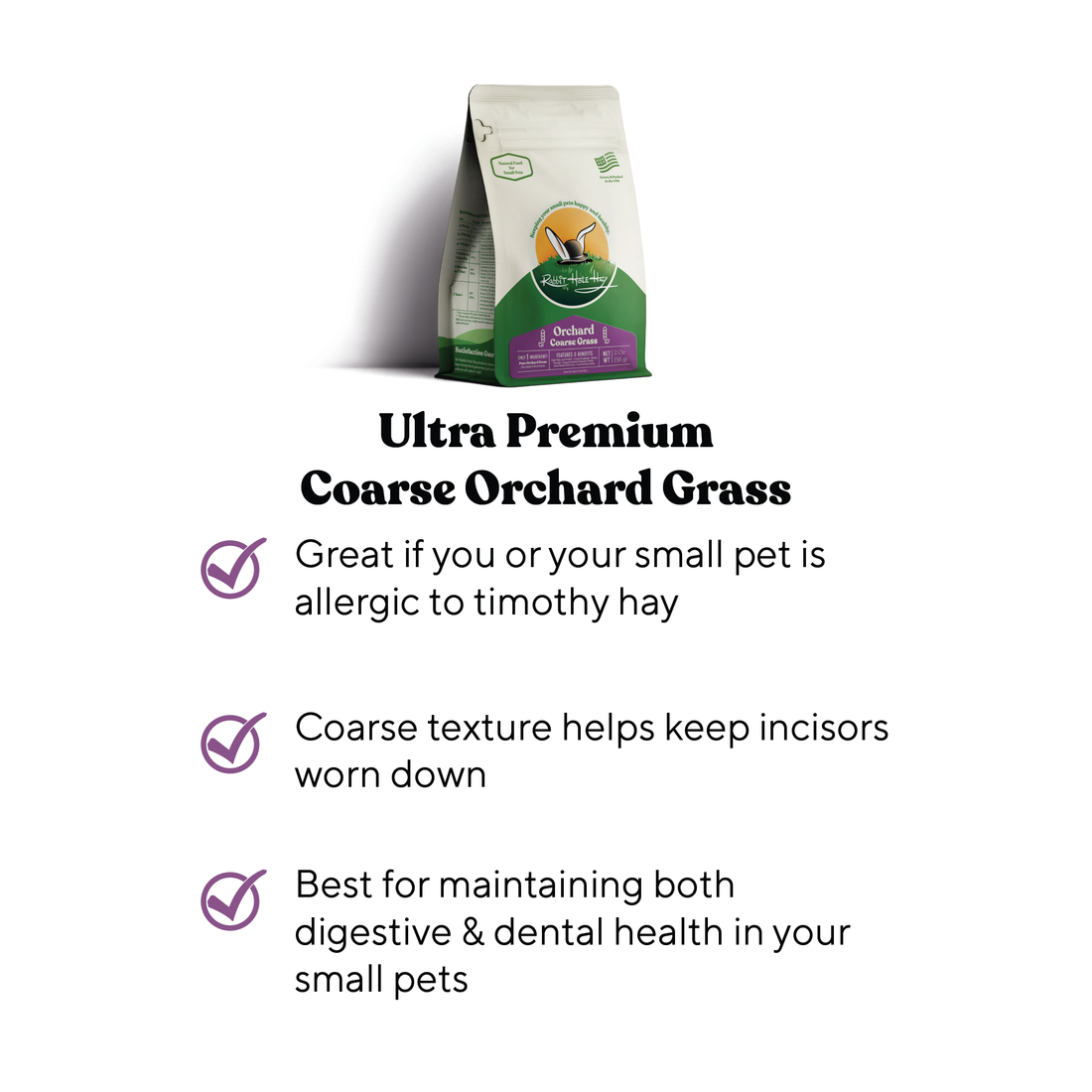
Adults should eat mostly grass hay such as Timothy or orchard grass. If one type still irritates after a dust cleanup, orchard can be a gentler swap—see types and portions in our Hay is for Rabbits guide.
Can Food or Treats Cause Skin Reactions?
Sometimes sneezing is environmental while itching points to food. Repeated scratching, bald patches, or hot spots may follow a new pellet, treat, or vegetable.
Test one new food at a time and note skin changes over several days. Food allergies are less common than dust, but they happen. A rabbit-savvy vet can guide a safe elimination plan—do not starve down to hay alone without professional input.
When Is Sneezing an Allergy Versus a Vet Visit?
Dust irritation usually improves within a day or two after you remove the trigger: swap hay, deep-clean the pen, ditch scented products, open a window.
Call the vet when you see:
Thick white or yellow nasal discharge
Labored breathing, mouth breathing, or flared nostrils
Swelling around eyes or face
Sneezing that worsens despite a cleaner setup
Low appetite or lethargy alongside respiratory signs
Those patterns suggest infection, dental roots pressing on sinuses, or another illness—not a simple dust allergy. Allergies rarely cause pus; infections do. You are not being dramatic by calling—the exam is how you stop lying awake counting sneezes.
Could an Infection or Dental Problem Look Like Allergies?
Yes. Snuffles—upper respiratory infection, often linked to Pasteurella—can start with sneezing and watery eyes that mimic hay dust. Dental disease can back up tear ducts and mimic "allergy" discharge.
If only one eye runs, or discharge returns within hours of cleaning, think teeth or infection before hay. Our overview on spotting when a rabbit is healthy helps you separate a good day from a drifting one.

How Can I Reduce Irritants at Home?
Work through the list one change at a time so you know what helped:
Switch to dust-screened hay; store it in a sealed bin off the floor.
Replace fragrant bedding with unscented paper or aspen.
Remove plug-ins, sprays, and candles from the rabbit room.
Run a HEPA air purifier or crack windows for cross-ventilation—no drafts directly on the bun.
Wash fleece and mats with fragrance-free detergent; rinse well.
Groom weekly during shedding season so loose fur is not adding to the dust load. If symptoms linger after a full environmental pass, book the vet before buying a fourth hay brand.
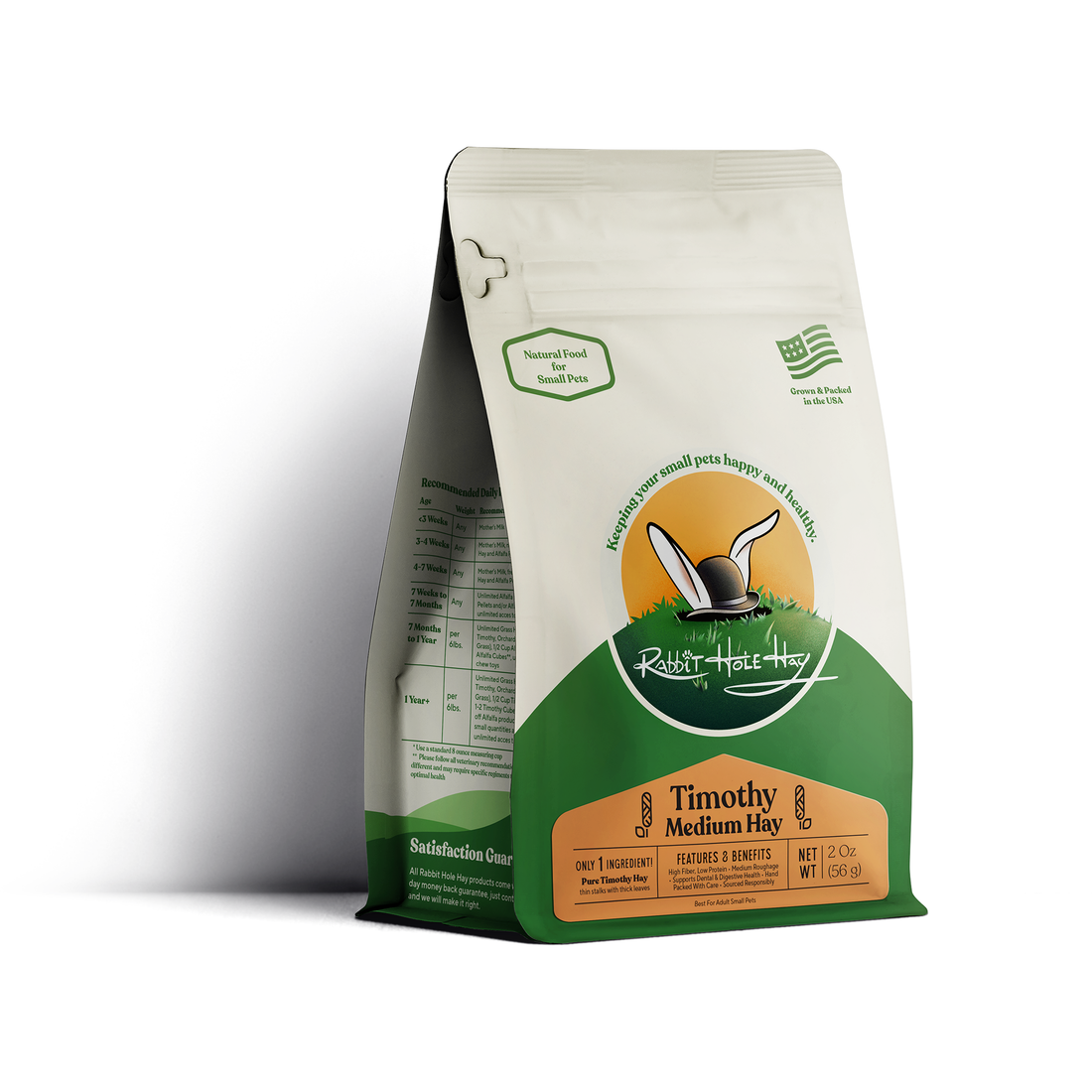
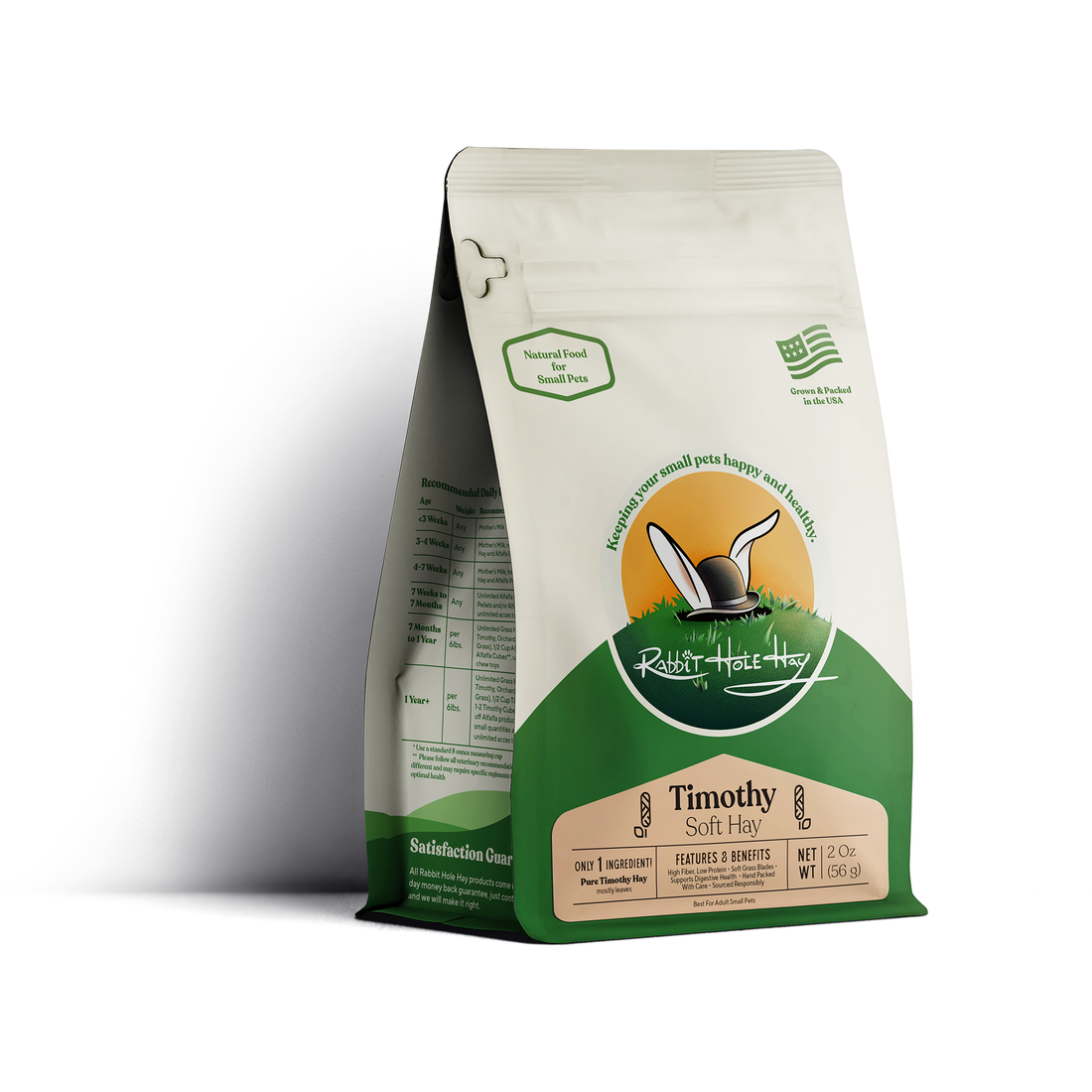
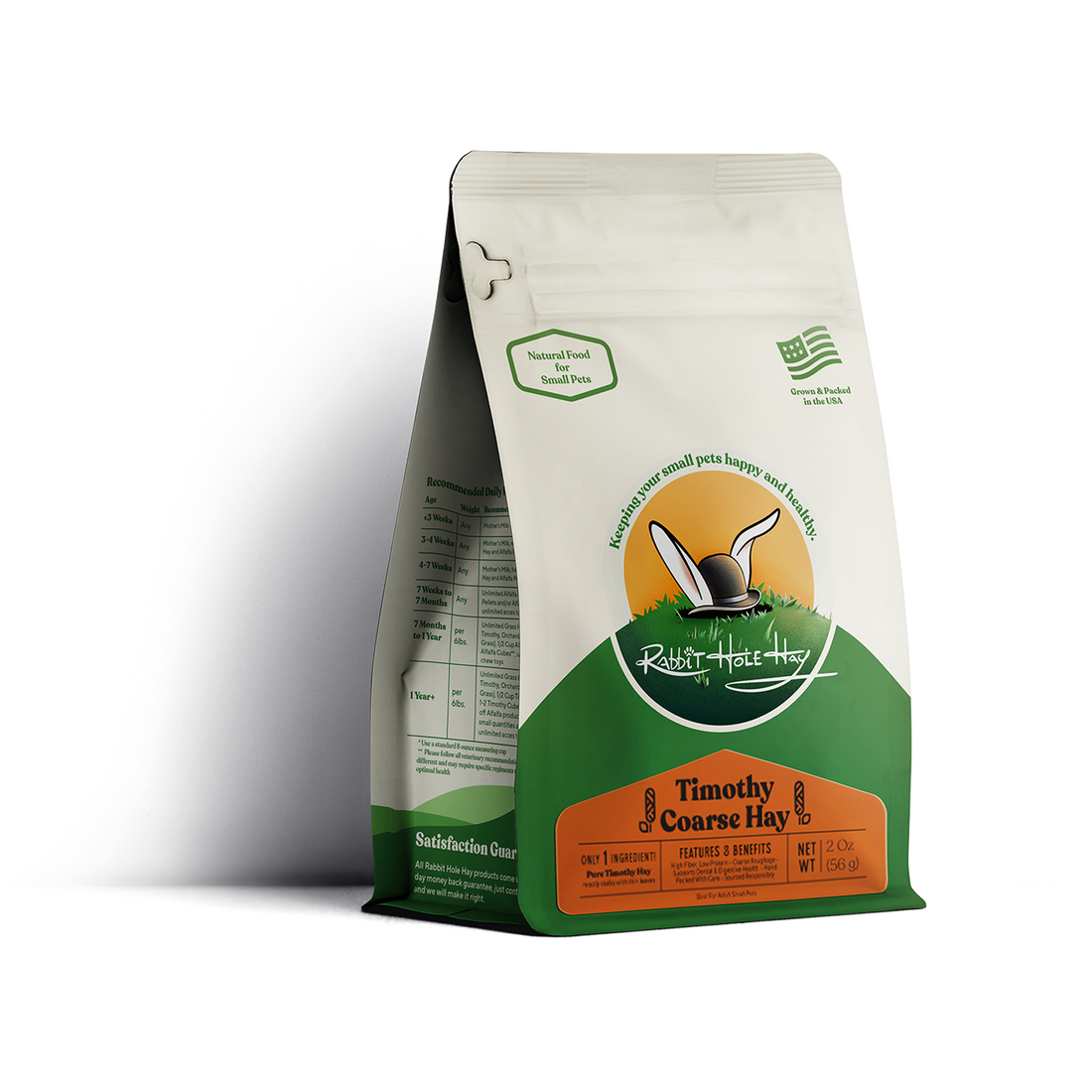
For long-term wellness habits—including how respiratory health fits into overall care—see our lifespan and health guide. When you are ready to restock cleaner hay, browse premium hay options shipped to your door.




Comments