




















































































You know you are ready to adopt a pet rabbit when the quiet logistics feel doable—not only the cute photos. Can you give about an hour or two most days for feeding, cleaning, and calm floor time? Can everyone in the house stick with a ten-year-ish companion, an exotic vet on speed dial, and a hay-first diet that never really takes a vacation?
Excitement is normal. It just is not the same as rabbit adoption readiness. Expect a mix of daily time and space, household buy-in, budget and rabbit-proofing, where to adopt, and the surprises people wish they had heard sooner.

How Do I Know Excitement Is Not Readiness?
Excitement says, “I want a rabbit.” Readiness says, “I can keep showing up when the litter box smells, the hay bill is due, and the bunny would rather ignore me than cuddle.” If you only picture soft fur and weekend photo poses, pause.
A useful gut check: imagine a busy Tuesday after a long workday. Would you still scoop the box, refill hay, and sit on the floor for a bit—or would the pen become a forgotten corner? An empty hay rack and a dirty box hit them fast—long before you feel “behind on chores.”
If that Tuesday still feels honest, keep reading. If it already feels like a stretch, wait or foster first. Waiting is kinder than a rushed adopt-and-regret cycle.
What Daily Time and Space Does a Rabbit Actually Need?
Plan on steady daily care, not a once-a-week tidy. Most house rabbits need fresh hay always available, water checks, litter scooping, and safe out-of-pen time to hop and stretch. For many homes, that lands around one to two hours of active care and attention, plus background presence while they free-roam a rabbit-proofed zone.
Space matters as much as minutes. A tiny starter cage is not a lifestyle. They need a roomy pen or condo base, hiding spots, a litter box they will actually use, and enough floor to sprint without slamming into furniture. Prey animals settle better when the layout feels predictable—not when they live in a tiny show cage.
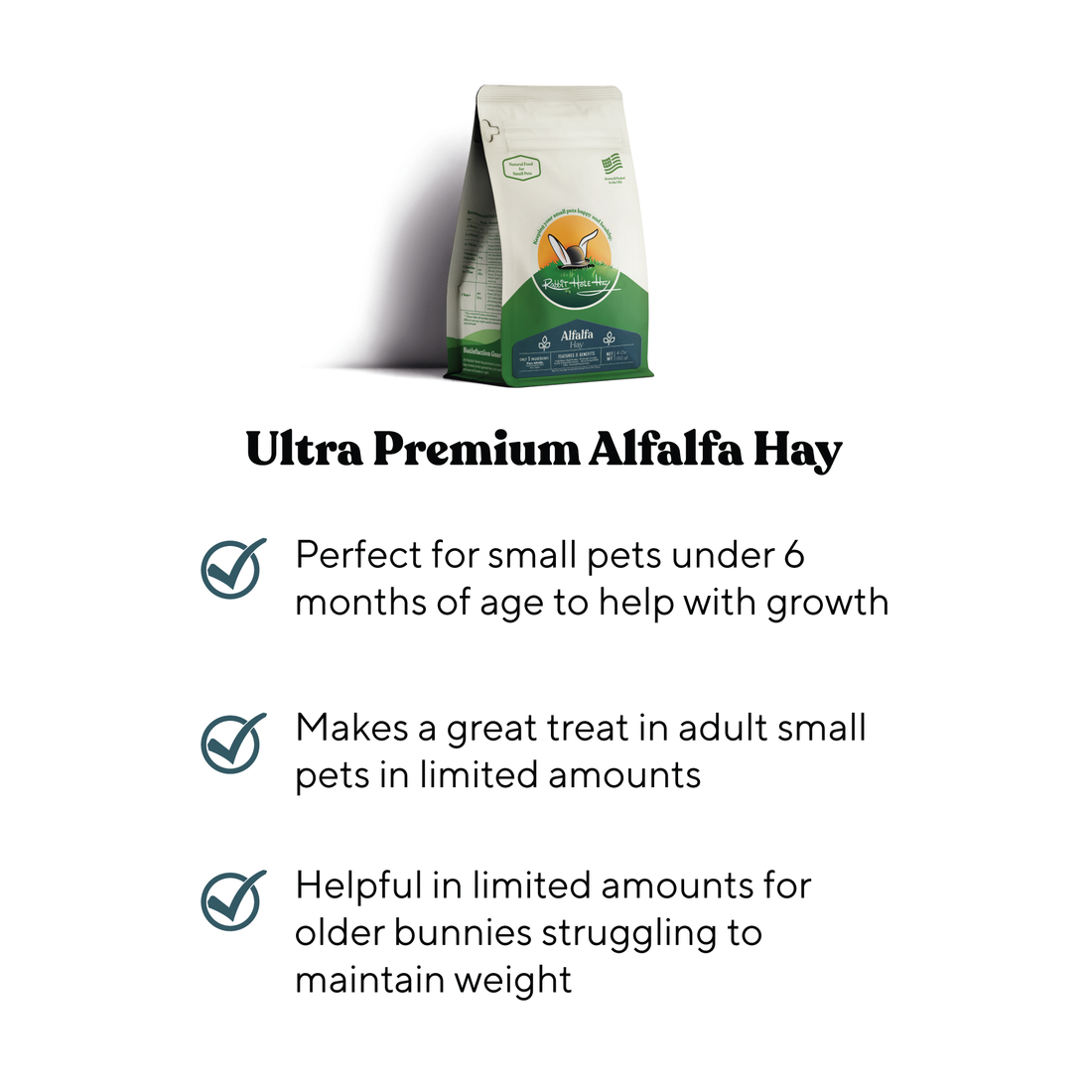
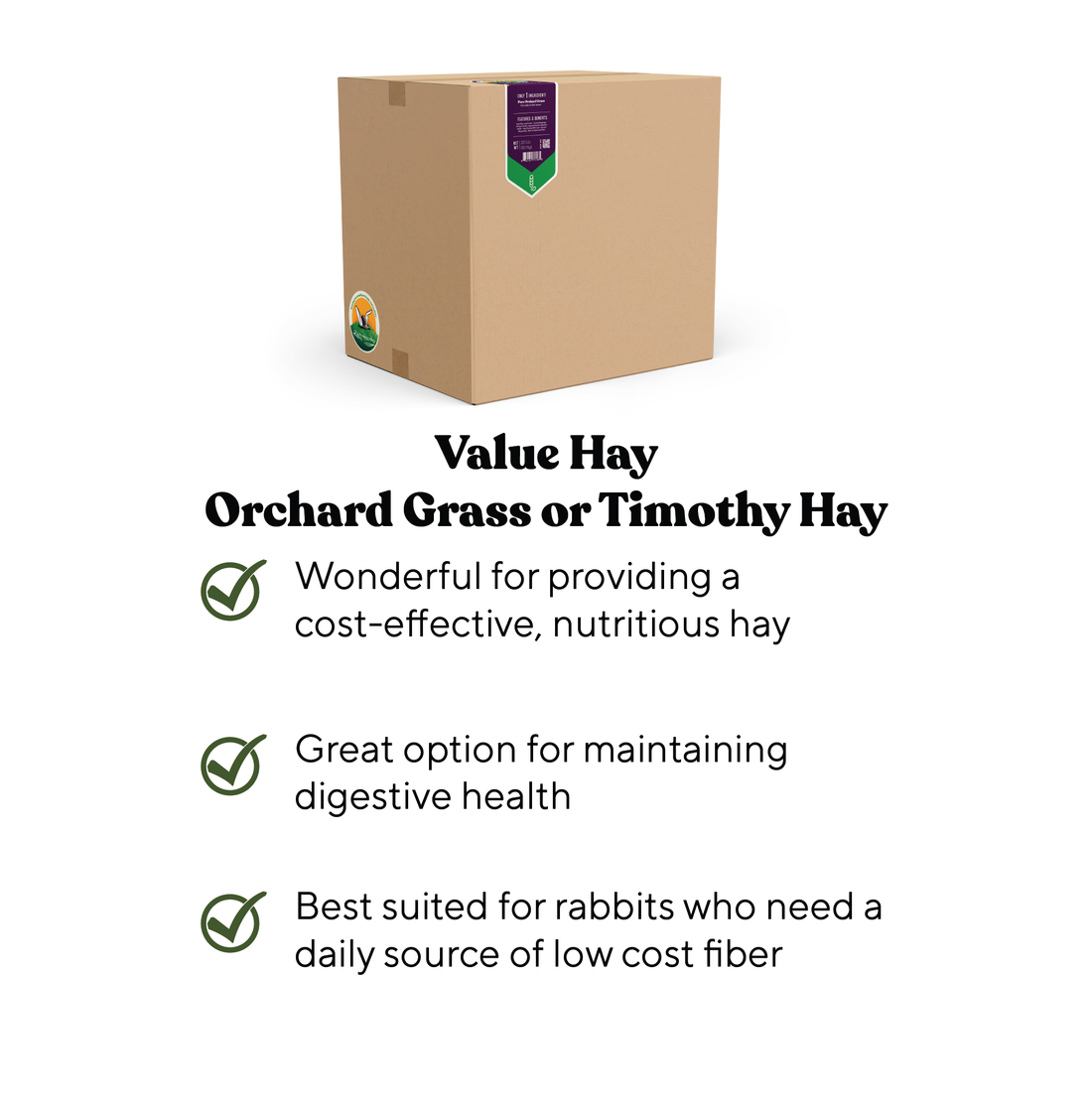
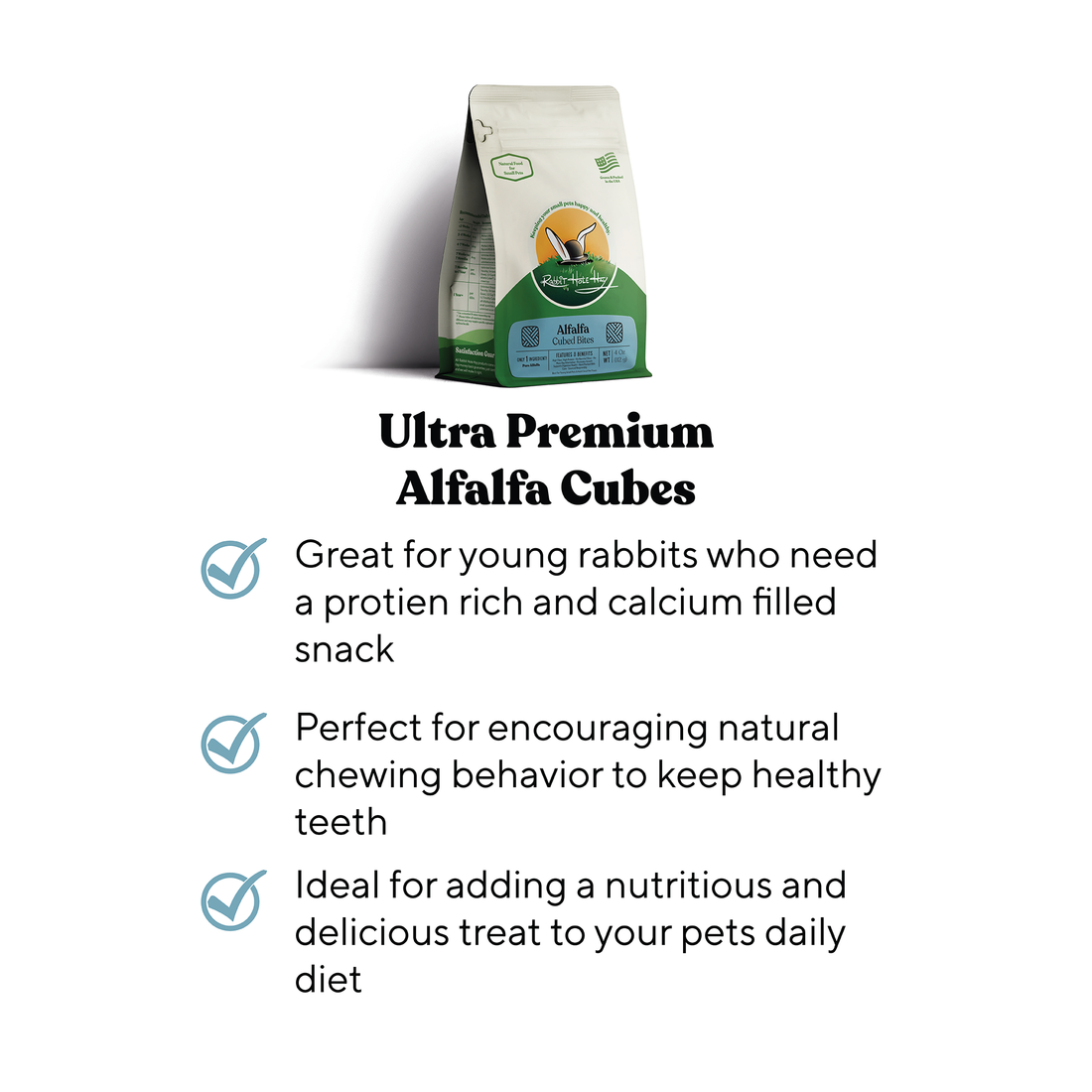
Diet sits inside that daily rhythm. Unlimited grass hay (Timothy for most adults), measured pellets, and appropriate greens keep the gut moving. If hay feels optional in your mind, you are not ready yet. For setup ideas that match real hopping room, see our guide to a solid rabbit habitat setup.
How Do I Align Household Expectations Before Adoption?
One excited person and three reluctant housemates is a common soft disaster. Talk through noise (thumps at 5 a.m.), chewing, litter smells, guest rules, who pays the exotic vet, and who scoops when someone travels. Kids can help with supervised tasks; adults still own the hard parts.
Get the answers in plain language before you fill out an adoption form: Who feeds on weekdays? Who covers an overnight ER visit? Is the rabbit allowed on furniture, and who is willing to re-proof cords after every rearrange? Shared pets fail when the plan lives only in one person’s head.
For years, money, and what “good enough care” actually looks like, see our rabbit care commitment pillar before you bring a rabbit home.
What Surprises Catch New Owners Off Guard?
New owners often wish someone had said the quiet parts out loud. Rabbits can live a decade or more. They chew constantly—cords, baseboards, whatever sits in reach. Bonding moves on rabbit time, not human cuddle schedules. Many prefer floor time over being scooped up, because lifting can feel like a predator grab.
Vet reality surprises people too. Not every clinic sees rabbits well. Dental disease, GI slowdowns, and heat stress show up more often than “just a cold.” Hay quality and litter habits become weekly rhythm, not occasional extras. Personality varies more than breed stereotypes promise—the calm Lop on paper might still be a firecracker in your hallway.

For the longer “wish someone told me” list, see things nobody tells you about owning a rabbit. Skim that before you decide—not after the first chewed charger.
How Should I Prepare My Home and Budget First?
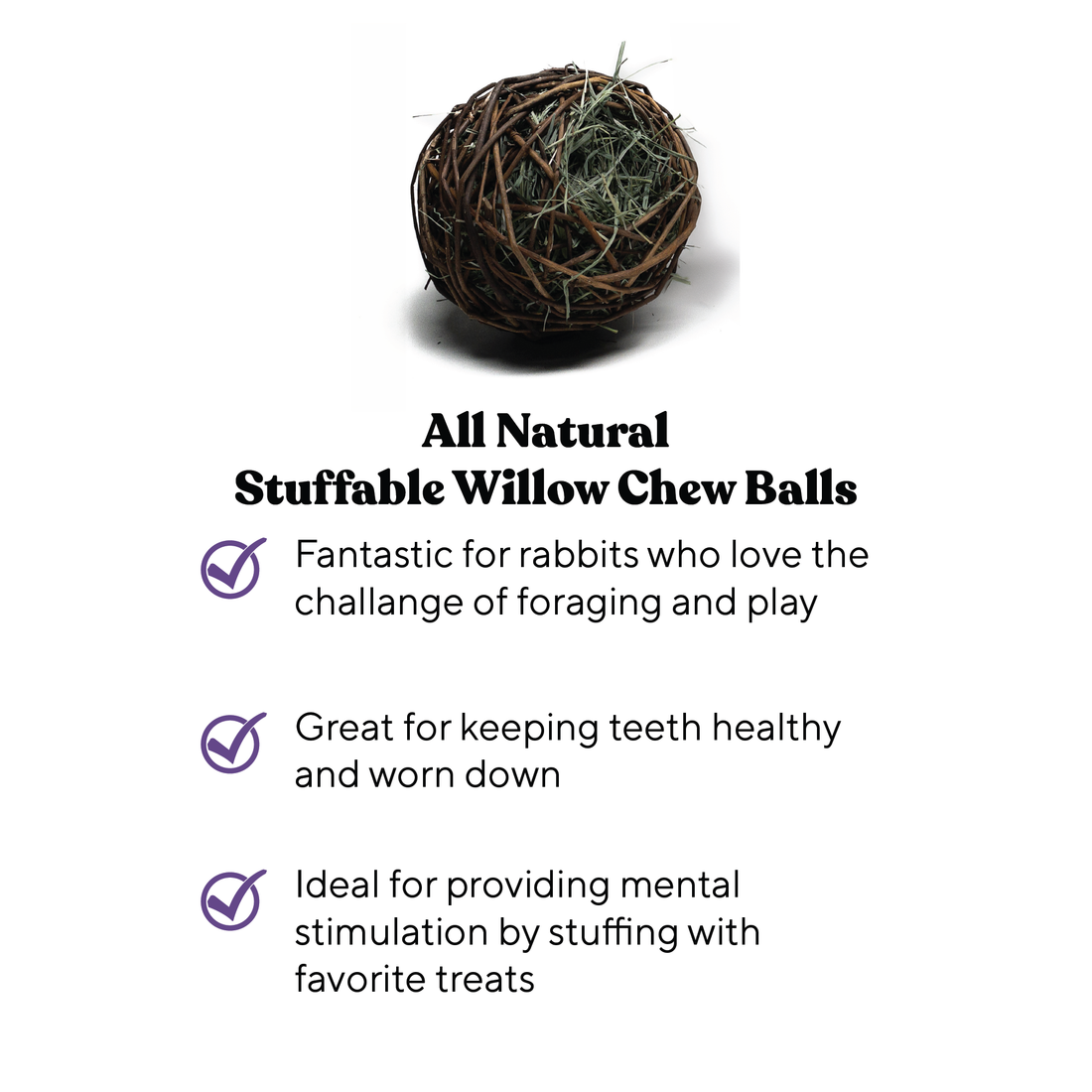
Rabbit-proof before pickup day. Cover or hide cords, move toxic plants, block tight hidey gaps behind appliances, and give them allowed chew options so your baseboards are not the only project. Teeth grow continuously; chewing is maintenance, not spite. A walk-through at rabbit eye level shows hazards you miss standing up.

Money is part of readiness too: plan for more than the adoption fee. Recurring costs include hay, pellets, litter, enrichment, and wellness visits with a rabbit-savvy vet. Keep an emergency cushion, because small pets can decline fast. If money only covers the cute carrier photo, pause.
Stock the basics early: roomy housing, litter box and safe litter, hideouts, water bowl or bottle you will clean, and a reliable hay supply. Our hay collection is there when you are ready to lock in the daily staple. For cord and baseboard protection detail, see rabbit-proofing your home.
House Rabbit Society housing guidance is a clear benchmark for space and indoor living standards before you call a pen “big enough.”
Where Should I Adopt and What Age Makes Sense?
Prefer rescues and shelters that know rabbit health, diet, and temperament—not impulse buys from a display that treats them like seasonal décor. Ask about spay/neuter status, diet history, and whether you can meet the rabbit on the floor. A good foster or intake team will also ask you hard questions; that is a feature.
Age is about fit for your home, not a “right” answer that impresses strangers. Many new owners do well with rabbits around eight to twelve weeks once fully weaned and eating solids well, because training and socialization are still flexible. Very young kits separated too early often struggle with gut flora and resilience. Adult rabbits can be wonderful—often calmer and already litter-savvy—if you want fewer teenage zoomie surprises.
Breed size and coat change the chore list (Angoras need serious grooming; dwarfs still need full exercise), but personality is the real match. Sit with the rabbit. Watch how they take treats, use a litter box, and react to soft sounds. House Rabbit Society’s adoption overview and the RSPCA rabbit care pages are solid external checks while you compare local rescue policies.
Key Takeaways
Readiness is Tuesday-night care for 10+ years, not weekend excitement.
Budget daily time, hopping space, hay-first feeding, litter work, and an exotic vet before you adopt.
Align the whole household on chores, money, and rules—then read the commitment pillar if anyone is still hedging.
Proof the home, fund emergencies, and adopt from people who care about rabbit welfare; age and breed are secondary to temperament and your real routine.
When the logistics feel clear and you want a single place to line up habitat, diet, and early bonding habits, use our rabbit starter kit as the practical checklist beside the adoption paperwork.






Comments