


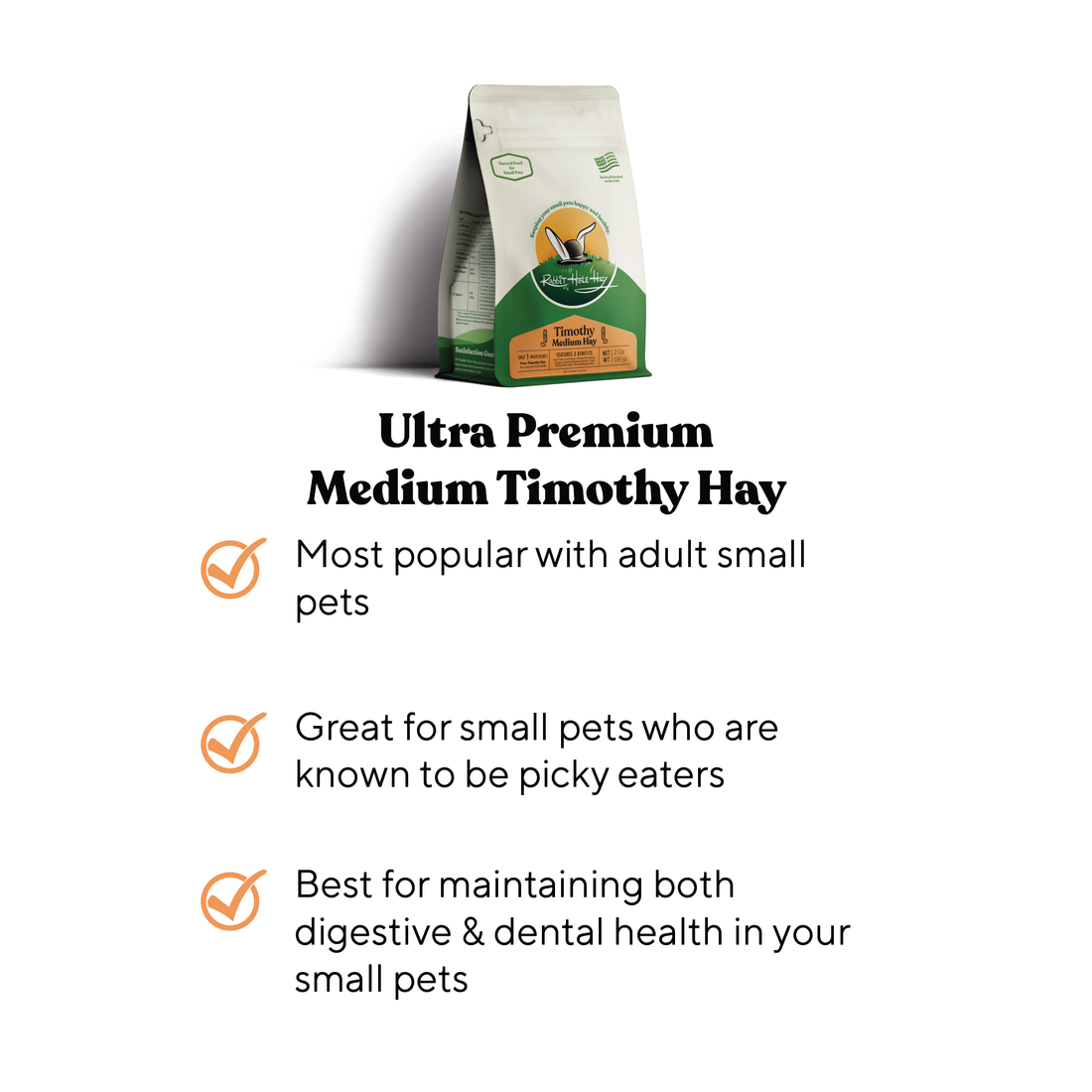

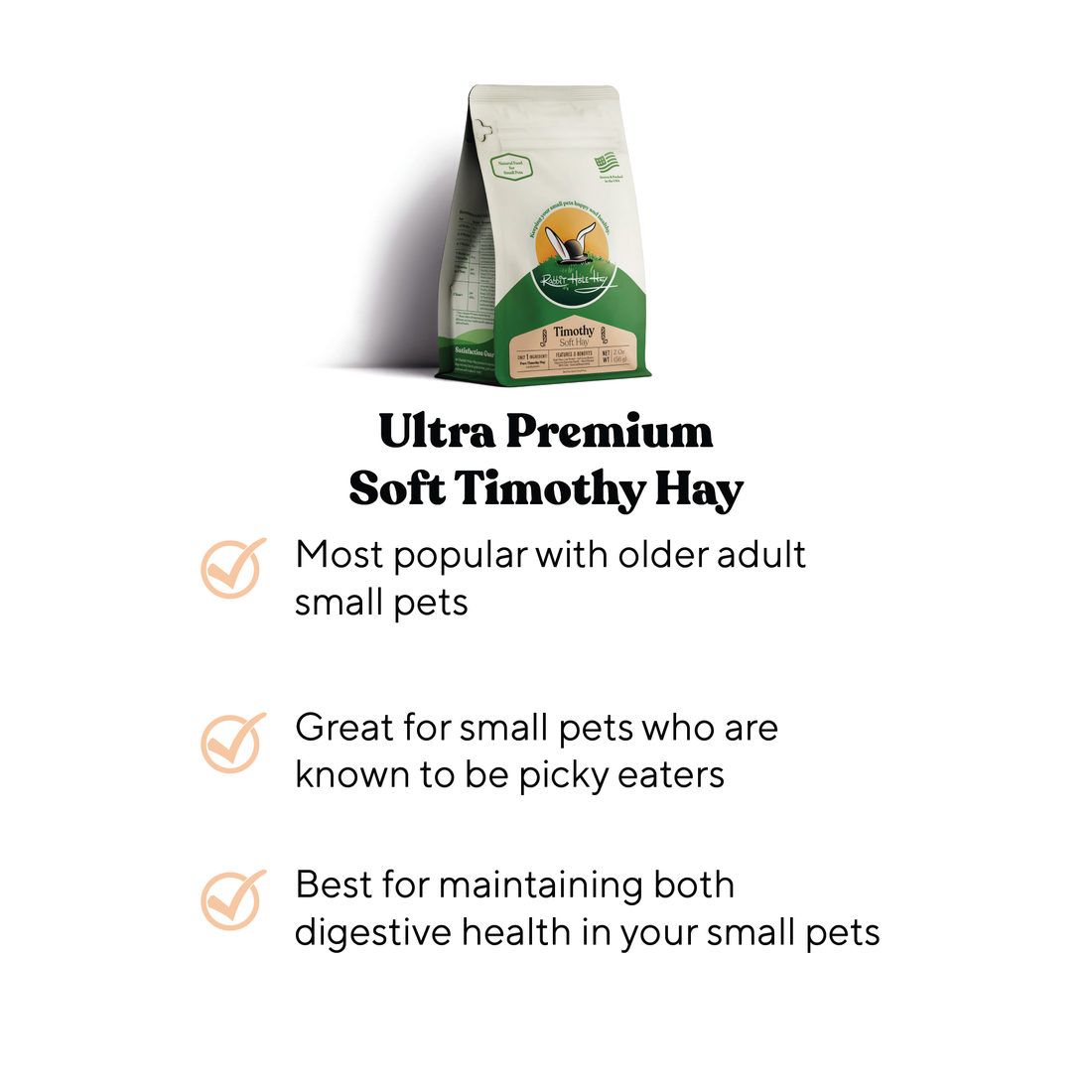

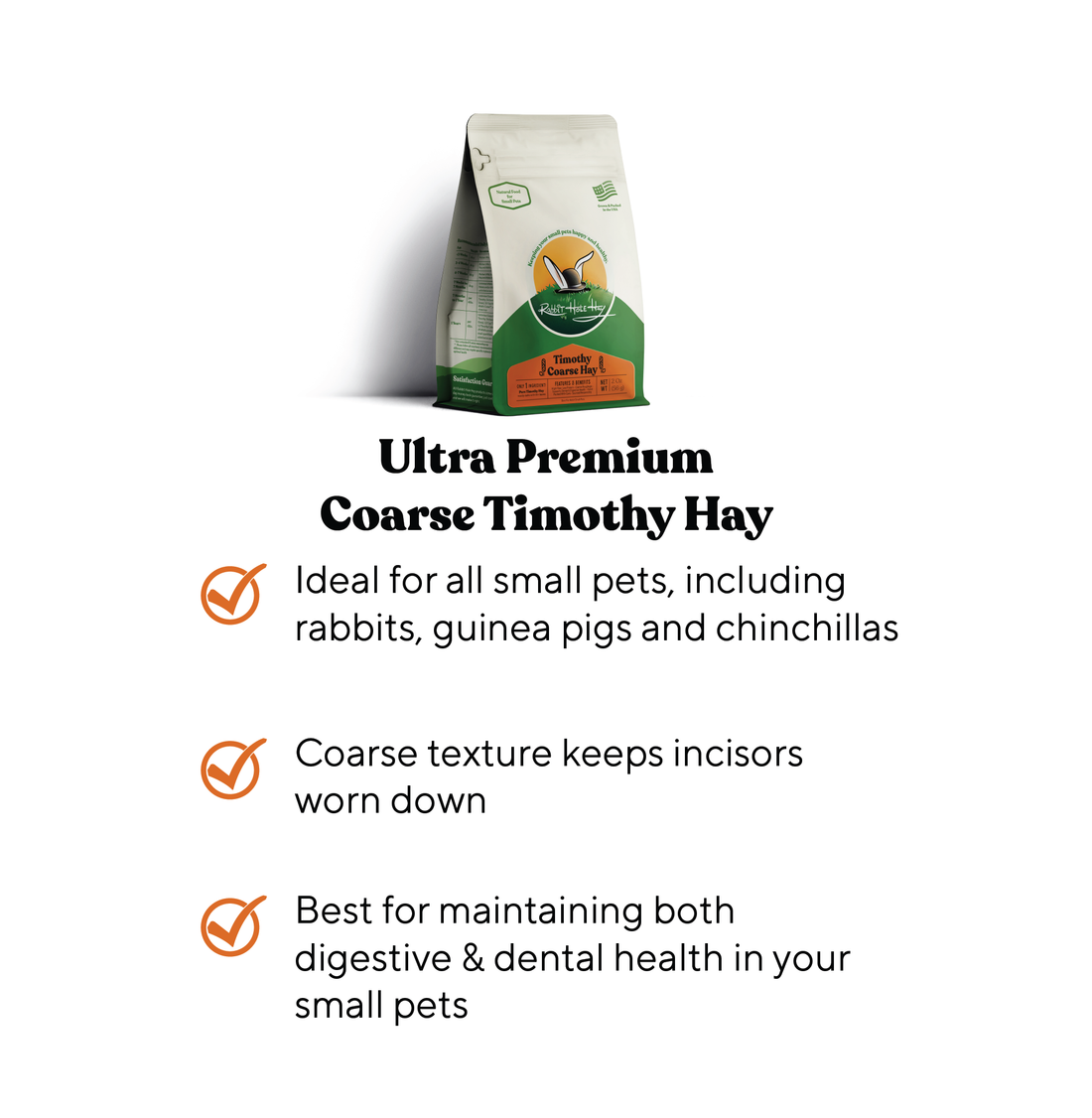

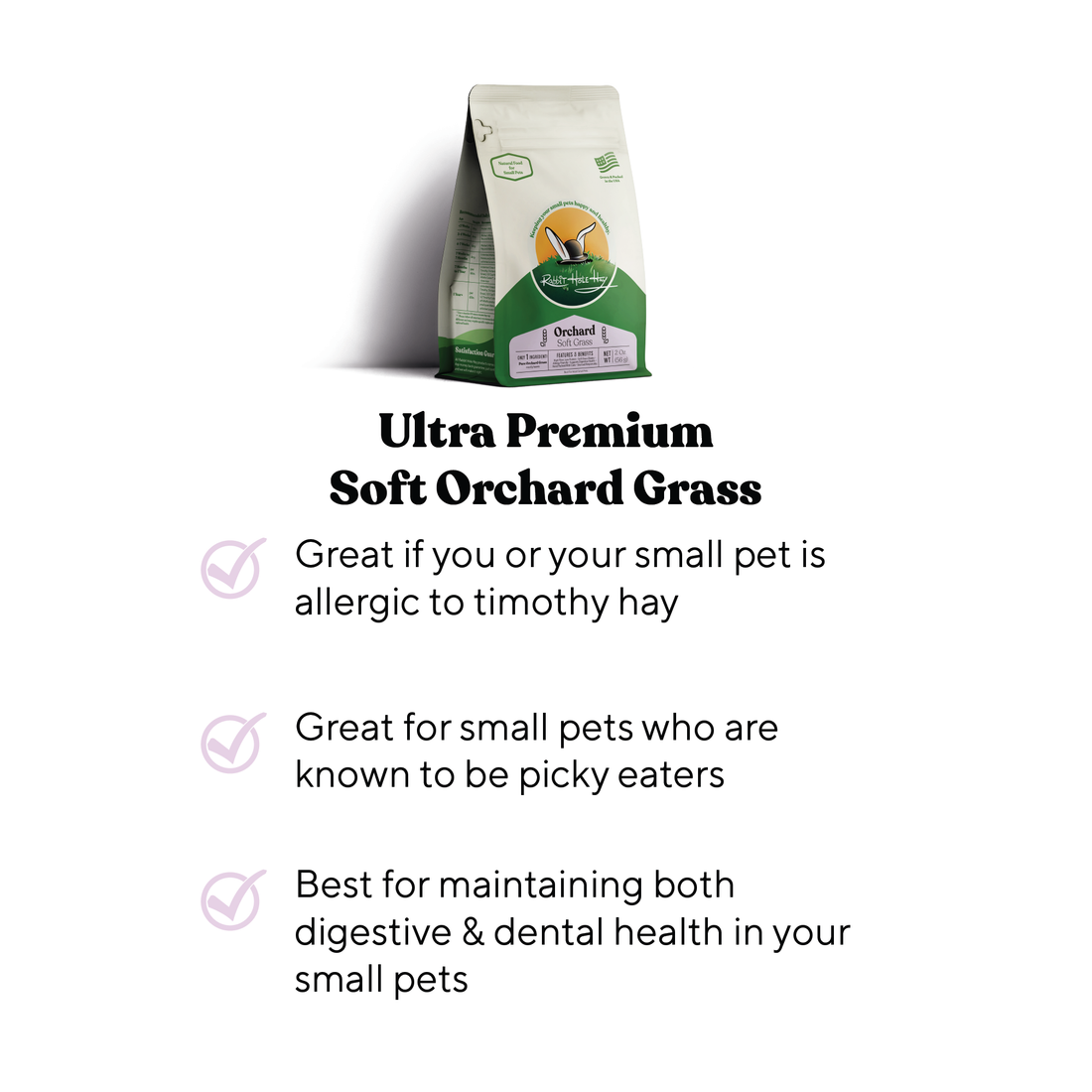











































For a house rabbit, winter does not mean a new menu. Unlimited grass hay—usually Timothy—still carries the diet, with measured pellets and a daily serving of leafy greens. What changes is the background: digestion from steady hay chewing helps generate body heat, so many buns nibble more when the house cools down. Water bowls freeze or go ignored when they are ice-cold, and owners sometimes overcompensate with extra pellets or treats when they see a bigger appetite.
None of that means piling on calories. Winter tweaks are about hay supply, hydration, and greens that are not fridge-cold—not swapping hay for starchy comfort food. If midnight hay crunching is the only change you notice, you are probably doing it right. For the year-round baseline, start with our guide to the best rabbit hay for everyday health.

Does a House Rabbit's Diet Change in Winter?
Not in structure—hay first, pellets measured, greens in moderation, fruit as a rare treat. The ratios stay familiar even when your rabbit grows a thicker coat and spends more time loafing in a sunny patch.
What often shifts is volume and logistics. A rabbit burning a little extra energy to stay warm may empty the hay rack faster. That is normal hay eating, not a signal to double pellets. Pellets are concentrated calories; hay is the engine that keeps the gut moving and teeth worn down.
Cold also changes how you serve food. Greens pulled straight from a frosty fridge can upset a sensitive stomach—let them warm to room temperature. Outdoor rabbits need unfrozen water checked several times a day; indoor buns still drink less when bowls feel frigid, so refresh with cool (not icy) water. If appetite crashes, droppings shrink, or your rabbit feels cold to the touch and stops moving, that is a vet call—not a diet puzzle to solve with treats.
What Do Wild Rabbits Eat in Winter?
Wild rabbits do not get a delivered bag of Timothy. When grass and leafy forage disappear under snow, they switch to bark, twigs, dormant buds, and whatever woody browse they can reach. It is lower in nutrients than spring greens, so survival depends on efficiency—not variety.
They also rely on cecotropes, the soft nutrient-rich droppings rabbits re-ingest to squeeze more value from scarce food. That is normal rabbit biology, not a winter emergency.
Your pet rabbit should not be asked to live on twigs and bark. Domestic diet standards—hay, controlled pellets, washed greens—exist because house rabbits are not browsing a forest edge. Wild winter eating is context for why hay matters so much at home: it replaces the fiber wild rabbits hunt for when meadows go brown.
Why Is Hay the Winter Staple?
Hay is not just food in cold weather—it is steady chewing work that keeps the gut moving and throws off a little heat while it does. Many owners notice the hay pile shrinking faster in January even when pellet portions stay the same.
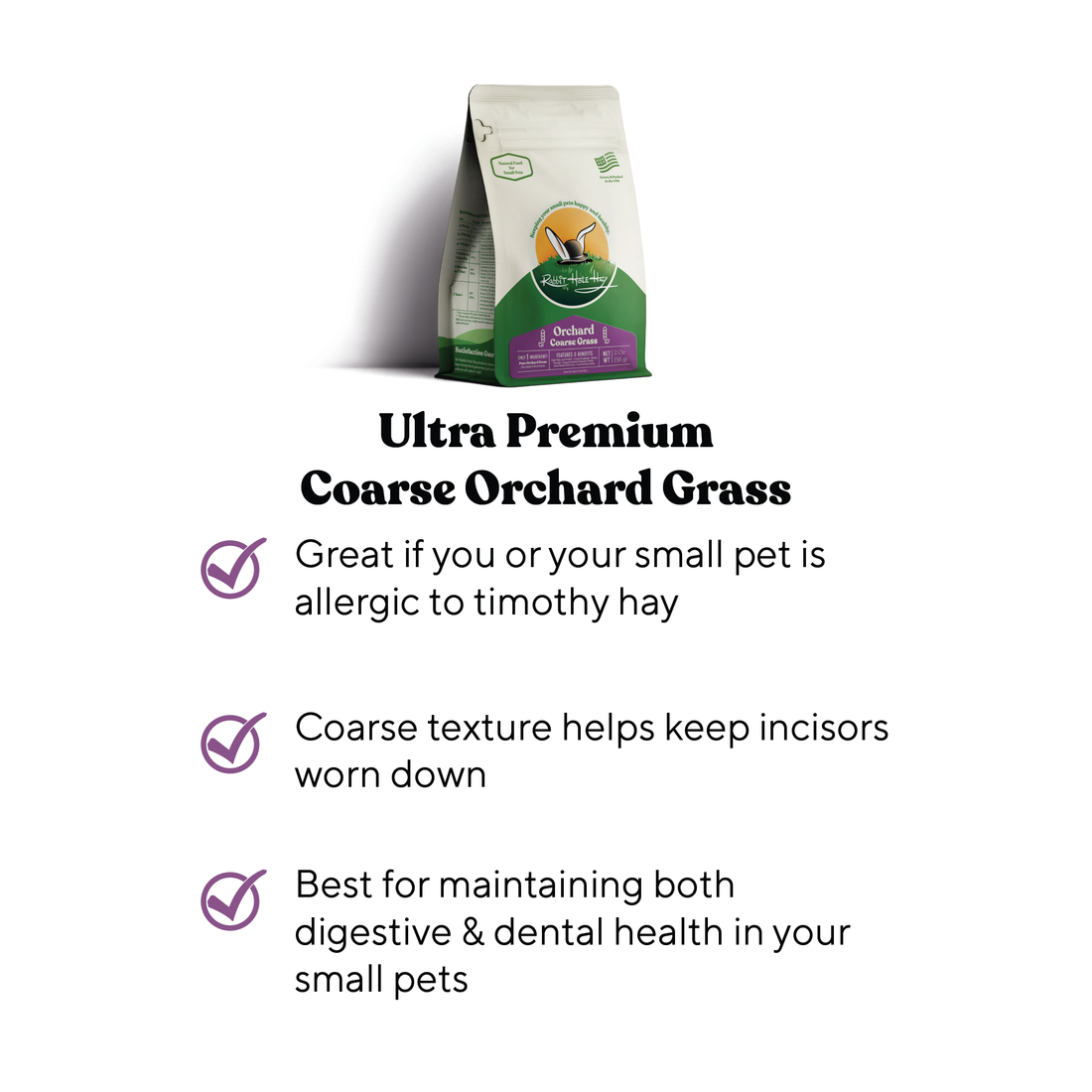
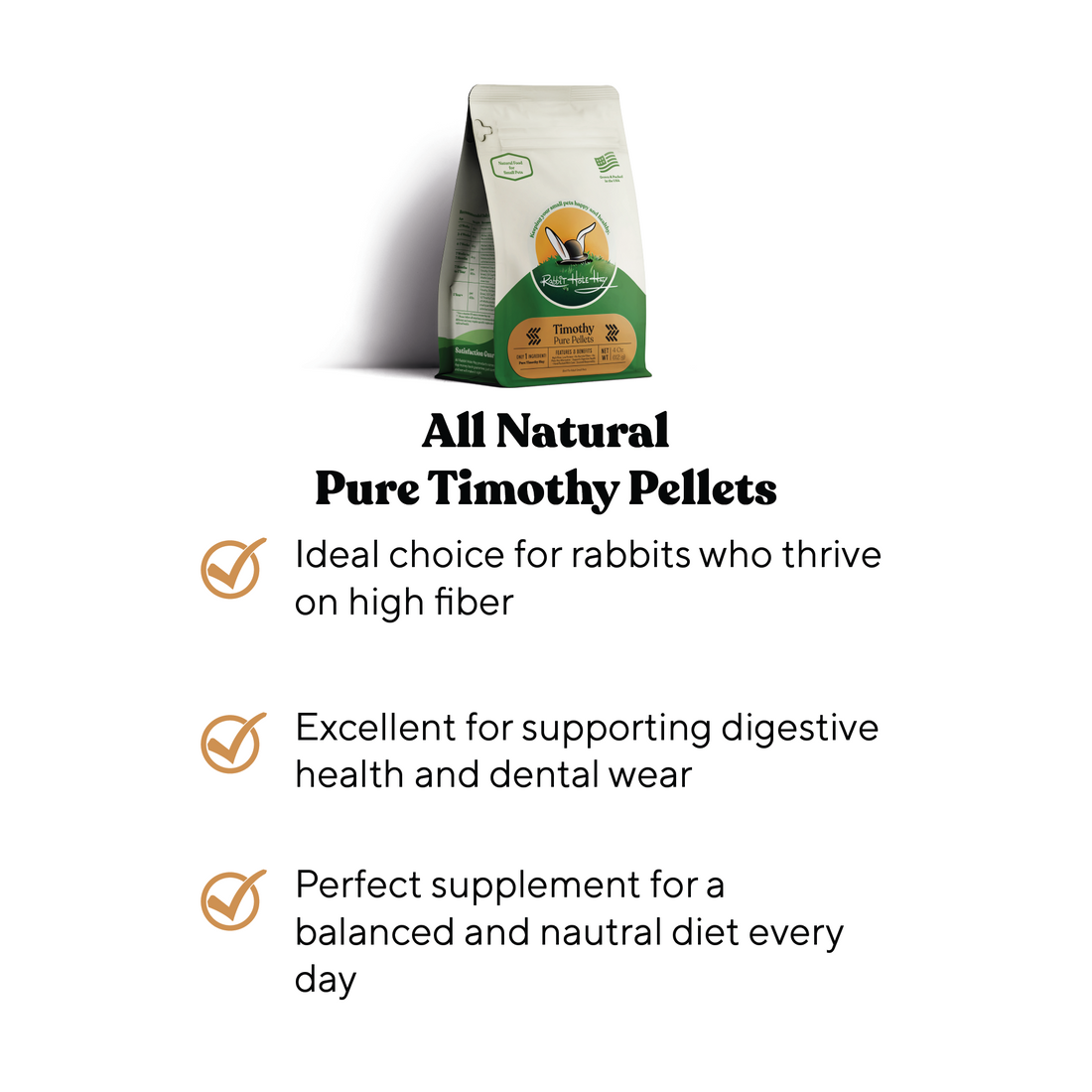
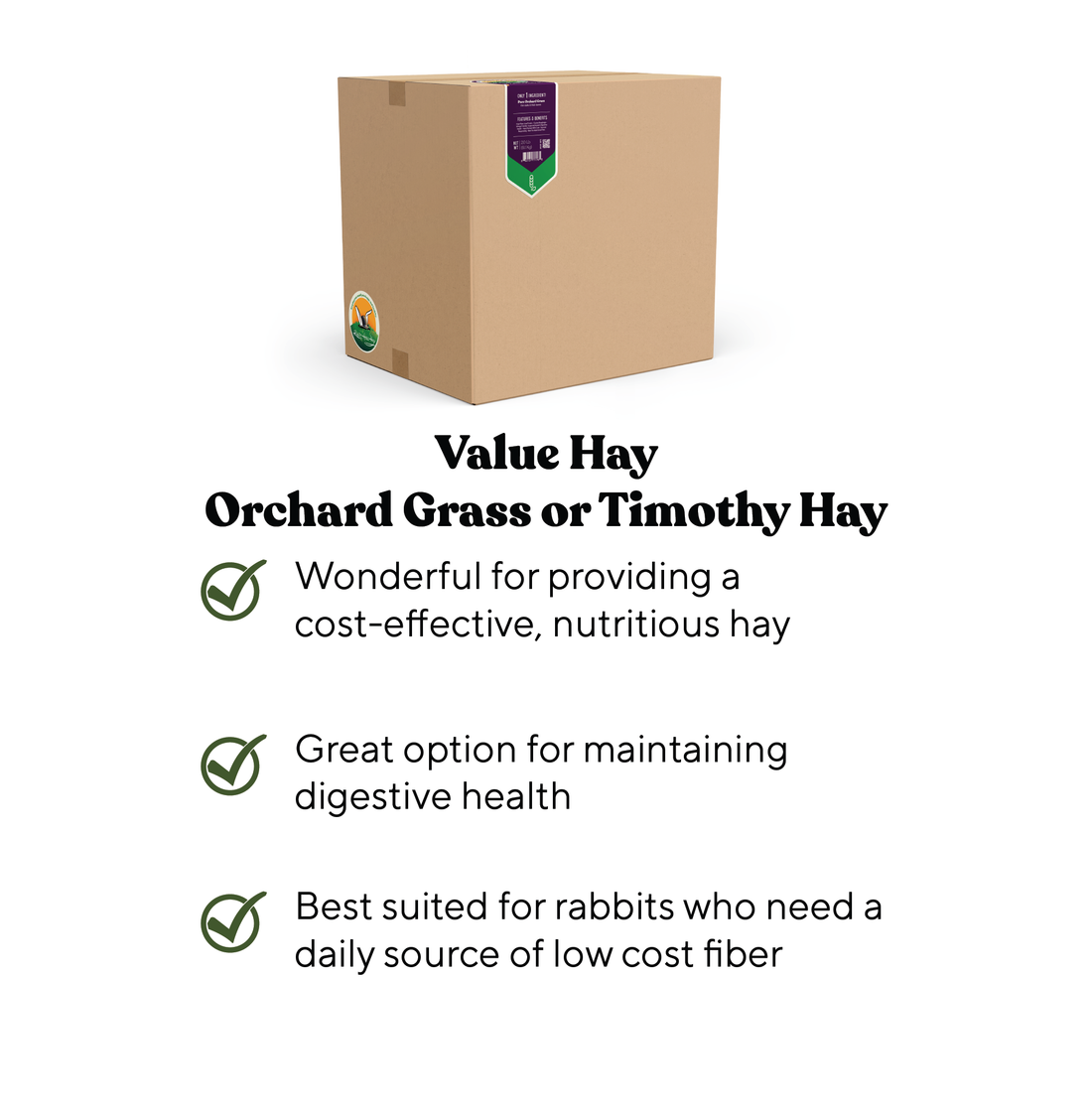
Keep hay available 24/7 in a dry spot away from drafts. Refresh it daily so it smells inviting; stale hay loses the contest against anything sweeter. Second- or third-cut Timothy can feel easier on older teeth if your rabbit hesitates on coarse stems—senior buns sometimes need softer texture without leaving hay behind entirely.
House Rabbit Society still puts hay at roughly 80% of the everyday plate year-round. Winter does not rewrite that rule; it just makes the pile look more important when the thermostat drops.

What Else Belongs in a Winter Rabbit Diet?
Pellets, greens, treats, and water still play their usual roles—they do not replace hay.
Pellets
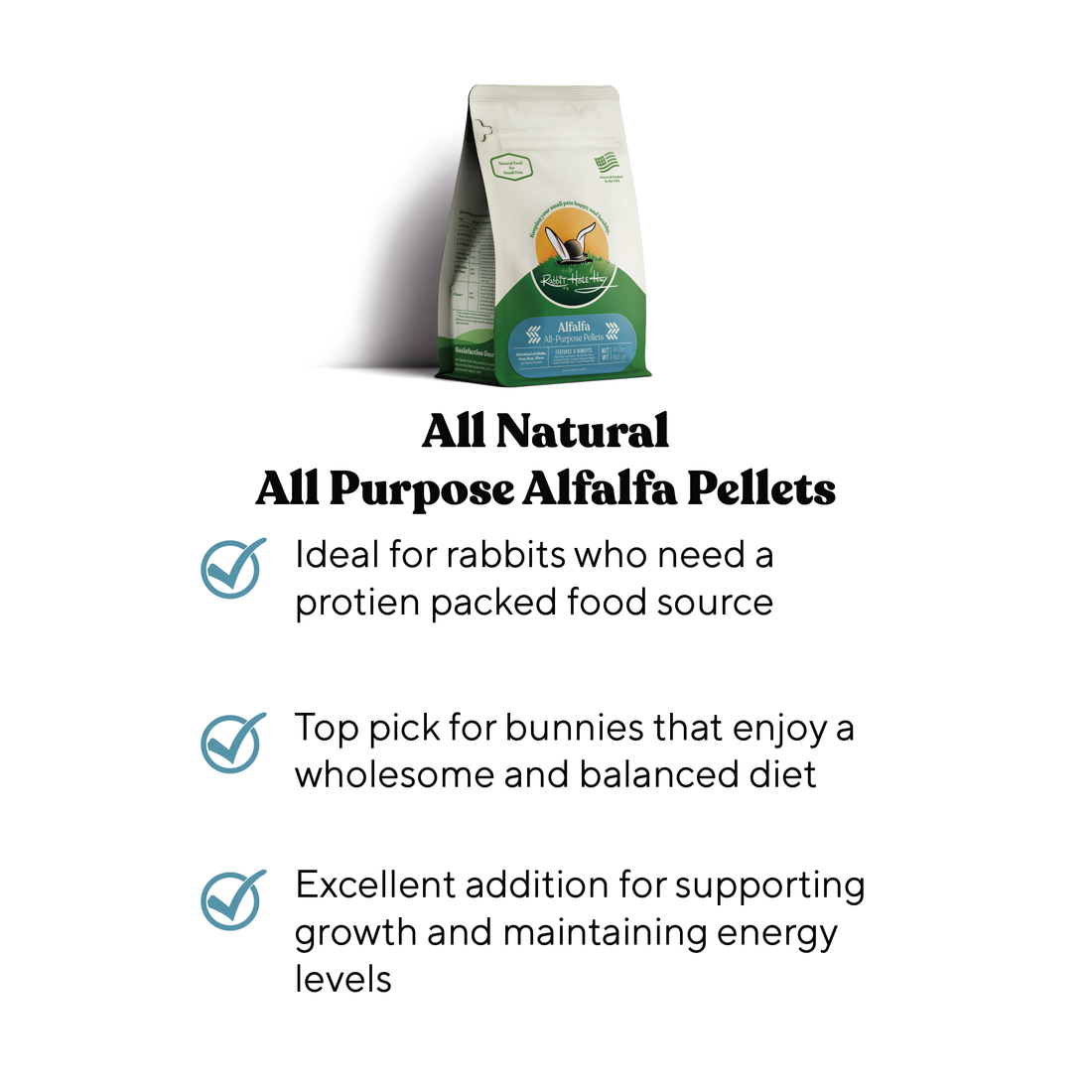
Plain timothy-based pellets add vitamins and minerals in a small package. Stick to the portion your vet recommends—often about ¼ cup per six pounds of body weight daily for many adults—and resist bumping servings just because the hay rack empties quicker. Extra pellets pack on weight without the fiber payoff.
Leafy Greens and Vegetables
Romaine, parsley, cilantro, and kale still belong in the rotation. Wash and dry them, and avoid serving ice-cold leaves. If grocery store greens look wilted mid-winter, quality matters more than quantity—limp salad does not tempt a rabbit to eat, and spoiled produce is not worth the risk.
Fruit and Treats
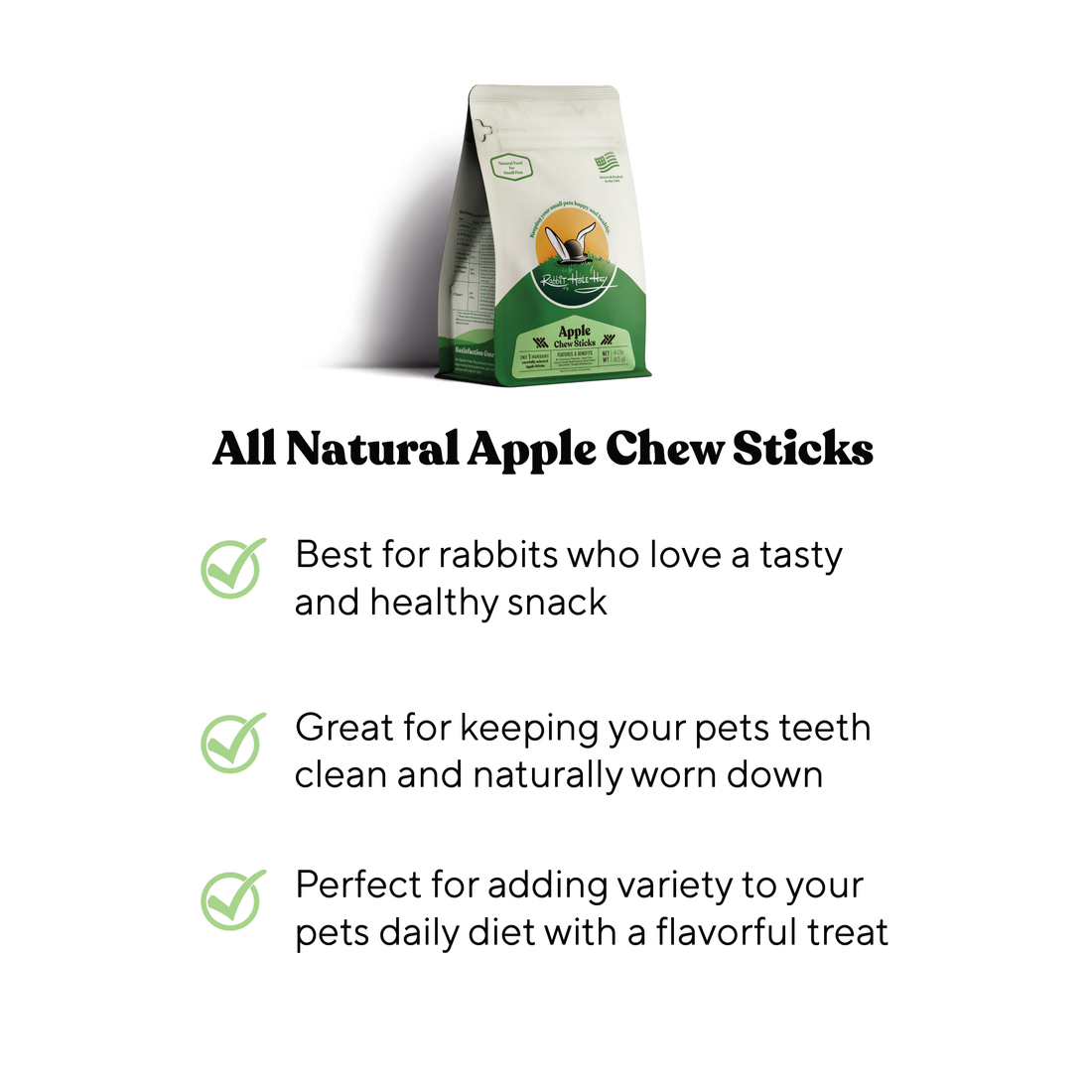
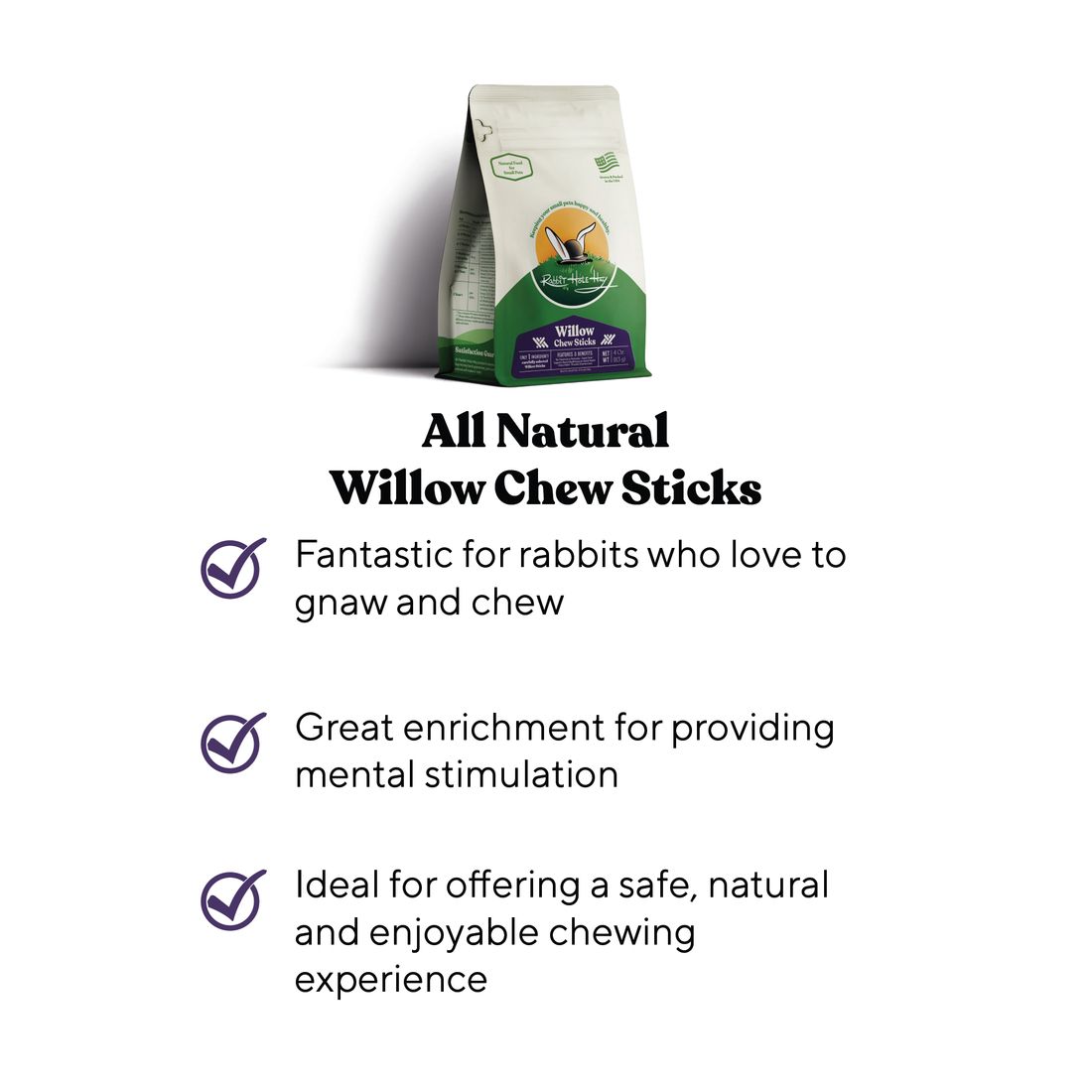
Apple slices (no seeds), berries, and banana bits stay occasional. Sugar plus a sedentary winter routine is an easy path to soft stool or weight gain. If you want to spoil your bun, extra hay time in a cardboard maze beats another dried-fruit cube.
Water
Hydration keeps the gut moving. Heated bowls or bottle insulators help outdoor setups; indoors, swap water before it films over with ice skin. A rabbit who stops drinking often stops eating hay soon after—and that spiral moves fast toward GI stasis.
What Should You Feed Rabbits in Hot Summer Weather?
Summer feeding is the mirror image: hay still first, but owners lean on hydrating greens like romaine and cucumber, feed during cooler hours, and watch for heat stress more than freezing water. Pellet portions do not suddenly double in winter or vanish in July—the seasonal swing is mostly which vegetables feel right and when meals happen.
If you are comparing seasons side by side, our summer rabbit feeding guide covers hot-weather greens, hydration tricks, and what to pull back when the house overheats. Hay anchors both seasons; only the side dishes and meal timing shift.
What Winter Habits Support Good Nutrition?
Food sits inside a wider care picture. Rabbits do not hibernate—if yours sleeps far more than usual, treat that as a health check, not a cozy season. Thicker fur helps, but drafts and damp bedding still steal body heat, which can make a rabbit eat less even when hay is available.
Outdoor rabbits need a winter-ready hutch raised off frozen ground, with dry straw or fleece layers and a waterproof cover. Indoor rabbits benefit from exercise zones away from vents—circulation keeps them moving, which supports appetite and digestion.
Weigh monthly or feel along the spine and hips. Winter weight creep is common when treats sneak up and playtime shrinks. Significant loss or gain over a few weeks deserves a rabbit-savvy vet, not a new bag of pellets.

Key Takeaways for Winter Rabbit Feeding
Keep unlimited grass hay available; many rabbits eat more in cold months without needing larger pellet portions.
Serve greens at room temperature, keep water unfrozen or refreshed, and call the vet if appetite and droppings crash together.
Wild rabbits browse woody plants in winter—pet rabbits still need hay-first domestic feeding, not backyard twigs.
Summer and winter both stay hay-first; seasonal guides differ in hydration and greens, not the core rules.
Warm shelter, daily movement, and weight checks protect the diet you are already feeding—winter nutrition is hay plus habits, not holiday treats.
When you restock hay for the season, choose a fresh cut that still smells like grass—not dusty straw from last year's stash. Your rabbit notices the difference before you do.





Comments