







































































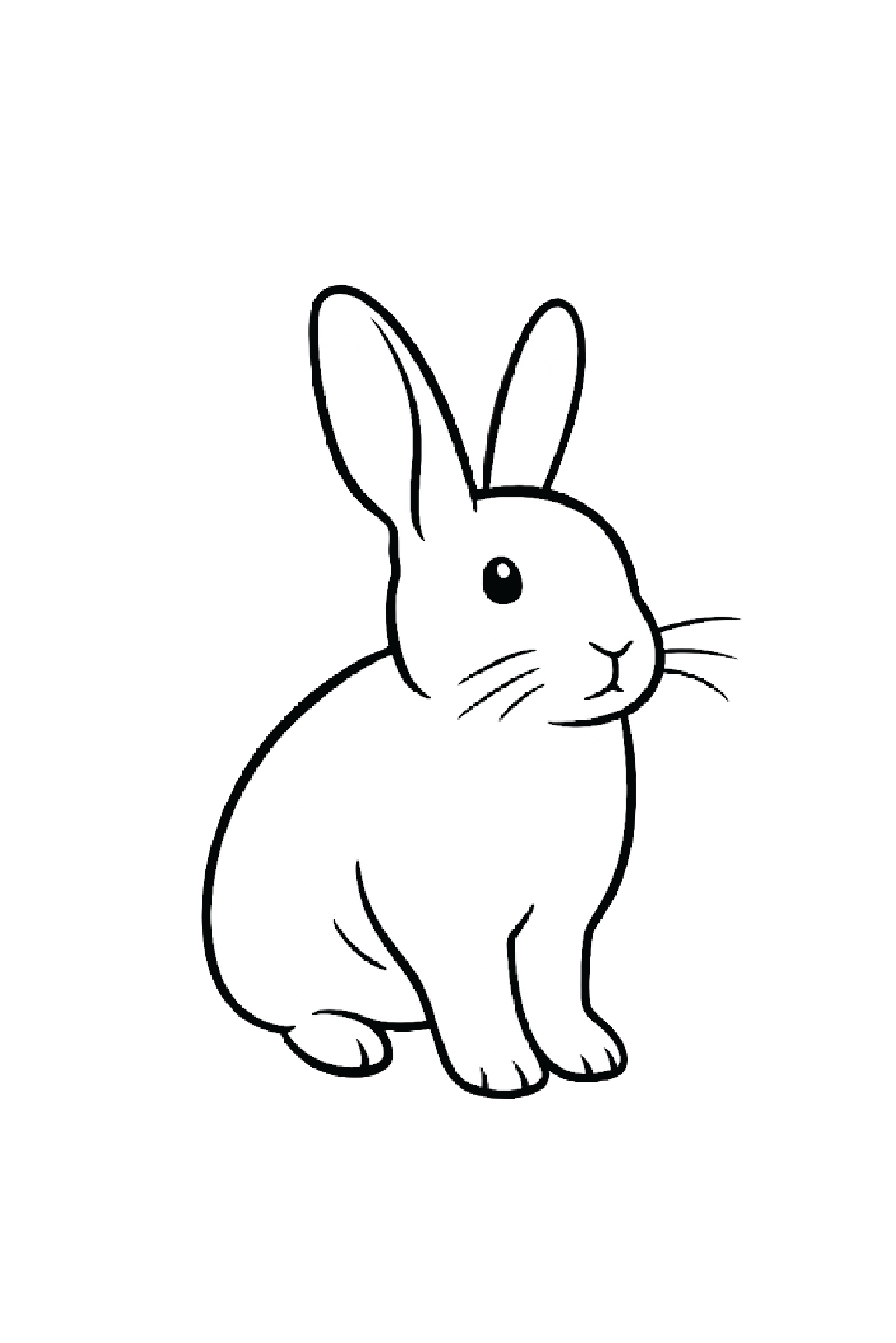

What helps when you are grieving a rabbit's death is simple to name and brutal to live through—let the sadness be real, reach for people who understand pet loss, and stop apologizing because the bun was "only small." A rabbit who shared ten years of fridge runs, litter-box scooping, and quiet couch presence was not a side character in your life; losing them can feel like a main gear missing from the day.
Below you will find practical grief steps, how to help a surviving bonded rabbit (including vet red flags), thoughts on adopting again, and small ways to honor their memory. If you are in the first raw days, skim what you need and come back later.

Why Does Losing a Rabbit Hurt So Much?
Rabbits are prey animals, so the bond you built was earned slowly—trust on the floor, not forced cuddles. When they finally chose you as safe, it hit different from a dog who bounds up to strangers. Many live well past ten years, which means you were not grieving a novelty pet; you were grieving a roommate who knew your kitchen sounds.
The grief is valid even when coworkers do not get it. You are not "too attached" because you still hear phantom thumps at feeding time. For the bigger picture of how deep rabbit companionship runs—and what caring for them really asks—our rabbit care commitment guide names the long-haul reality without sugarcoating it.

What Can You Do to Grieve After Your Rabbit Dies?
There is no correct timeline. Some people sob immediately; others feel numb for weeks and then get hit by a hay bag in the pantry. Both patterns show up in pet-loss guidance from groups like the Humane Society. What usually helps is naming the loss instead of hiding it.
Let yourself feel it. Crying over a litter box you no longer need to scoop is not dramatic—it is honest.
Talk to someone who gets it. Fellow rabbit people, a friend who has buried a pet, or a pet loss support group can carry what your office small talk cannot.
Make the memories tangible. A photo wall, a garden stone, a donation to a rescue in their name, or a letter you never send can move grief out of your head for a minute.
Keep your body on the rails. Grief drains you. Eat something boring, drink water, sleep when you can—even if the house feels too quiet.
Write it down. A journal page or poem to your rabbit is not silly; it gives your brain a place to put the swirl.
None of that erases the hole. It just keeps you from carrying every heavy thought alone at 2 a.m.
How Do I Help a Surviving Rabbit After Its Bonded Companion Dies?
Bonded rabbits notice absence hard. If a partner vanishes without closure, many keep searching—less play, more hiding, picking at hay or refusing it entirely. That is not drama; it is stress in a prey animal whose world just changed.
Many rabbit-savvy caregivers allow a calm, supervised viewing when one rabbit dies so the survivor can process finality. It sounds uncomfortable to us; for them it often reduces the endless "waiting by the door" loop. After that, lean on boring reliability: same feeding times, same litter setup, same safe floor time. Predictability tells the survivor the habitat is still secure even when their friend is gone.
Watch appetite like a hawk. A grieving rabbit who stops eating for more than a few hours is an emergency, not a mood—GI slowdown can turn fatal fast. Read what GI stasis is in rabbits so you know the signs, and call your rabbit-savvy vet if hay intake drops. Extra gentle presence helps, but do not replace structure with only treats; routine beats panic-snacks.
If you are weighing whether to bond again later, our piece on how to know if rabbits are bonding is useful once everyone—including you—is ready for a slow reintroduction. For stress signals in the meantime, see signs of stress in rabbits.

Should You Adopt Another Rabbit After a Loss?
Only you know your heart and your household. Some people need years before they can open the door to another bun; others heal by giving a rescue the life their rabbit had. Neither choice is more noble—grief is not a race.
If adoption is on the table, start with rescues that understand rabbit medicine and bonding, not impulse listings. House Rabbit Society adoption resources point toward shelters that screen both rabbits and adopters. If another rabbit is not right but you still want to help, fostering or supporting education counts too—and if life circumstances changed, honest rehoming guidance beats letting a bun slide into neglect.
How Can You Honor Your Rabbit's Memory?
Legacy does not have to be grand. Share their funniest binky video in a rabbit group. Teach a neighbor why hay beats muesli. Volunteer at a rescue on the anniversary of their adoption day. The Animal Humane Society's memory ideas are gentle prompts if you want a starting list.
Your rabbit changed how you move through a room—you listen for thumps that are not there anymore. That attentiveness is part of what they leave behind. One day the memories may make you smile first; until then, honoring them can look like resting when you need to and still showing up for the living buns who depend on you.
Key Takeaways
Grieving a rabbit is real grief—long lifespan, daily routines, and earned trust make the loss deep.
Support, memorials, writing, and basic self-care help you process without a fake timeline.
Surviving bonded rabbits need routine, possible closure, and immediate vet care if they stop eating.
Adopting again, fostering, educating, or rehoming responsibly are all valid paths when the time is right.
Your bunny was loved. That love does not disappear because they are gone—it just changes shape. Be as patient with yourself as you were when you waited for their first nose boop.





Comments