



















































































Winter transforms the landscape into a wonderland of frosty air and snowy scenes. However, this seasonal shift often raises questions about how animals adapt. If you’ve ever wondered, "Do bunny rabbits hibernate?" you’re not alone. Rabbits have unique ways of surviving the cold, and their strategies might surprise you.
Click Here For a Guide to Understanding Your Rabbits Diet.

This blog will answer that question in detail while exploring how wild rabbits endure the challenges of winter, how domestic rabbits can stay cozy, and what you can do to help rabbits thrive during the colder months.
Do Bunny Rabbits Hibernate? No, They Don't!
Hibernation is a biological response to cold weather and food scarcity. Animals like bears, bats, and groundhogs enter a dormant state, drastically reducing their metabolic rate to conserve energy. For rabbits, this is not the case.
Instead of hibernating, rabbits remain active throughout the winter. Their survival relies on staying alert, foraging for food, and maintaining warmth. These behaviors are essential for their safety, as rabbits are prey animals. If a predator approaches, the ability to quickly flee is critical, and hibernation would make them vulnerable.
To fully understand why rabbits don’t hibernate, let’s look at how their biology and instincts equip them to face winter head-on.
How Wild Rabbits Survive Winter
Winter poses several challenges for wild rabbits. With limited food, freezing temperatures, and increased predator threats, they must rely on clever strategies to survive. Here’s how they do it:

1. Finding the Perfect Shelter
Wild rabbits often dig burrows to create warm, insulated spaces known as warrens. These underground tunnels protect them from predators and harsh weather. Some rabbits also shelter in natural crevices or use abandoned dens left by other animals. Snow can act as an extra insulation layer, trapping warmth inside their shelter.
2. Growing a Winter Coat
As the weather cools, rabbits grow a thicker, denser fur coat. This change helps trap body heat, keeping them warm even in subzero temperatures. Their winter coat is an essential adaptation that allows them to survive frosty nights.
3. Adjusting Their Diet
During warmer months, rabbits feast on fresh grass and leafy plants. However, these foods disappear in winter. Wild rabbits adapt by eating twigs, bark, and wood-like plants. While less nutritious, these foods provide the energy they need to stay active.
4. Staying Vigilant
Even in winter, rabbits remain on high alert for predators like foxes, hawks, and coyotes. Their acute hearing and ability to detect subtle movements help them evade danger, even when food is scarce.
5. Conserving Energy
On particularly cold days, wild rabbits conserve energy by reducing activity and staying close to their shelters. This behavior minimizes calorie use while maximizing warmth and safety.
Their resourcefulness ensures survival, but winter remains a dangerous time for wild rabbits. Food scarcity and predators are constant threats, requiring them to be ever-adaptive.
Caring for Domestic Rabbits in Winter
Domestic rabbits don’t face the same challenges as their wild cousins, but they still rely on their owners to provide the right environment and care. Whether your rabbit lives indoors or outdoors, here are essential tips to help them stay comfortable during winter:

1. Warm and Cozy Housing
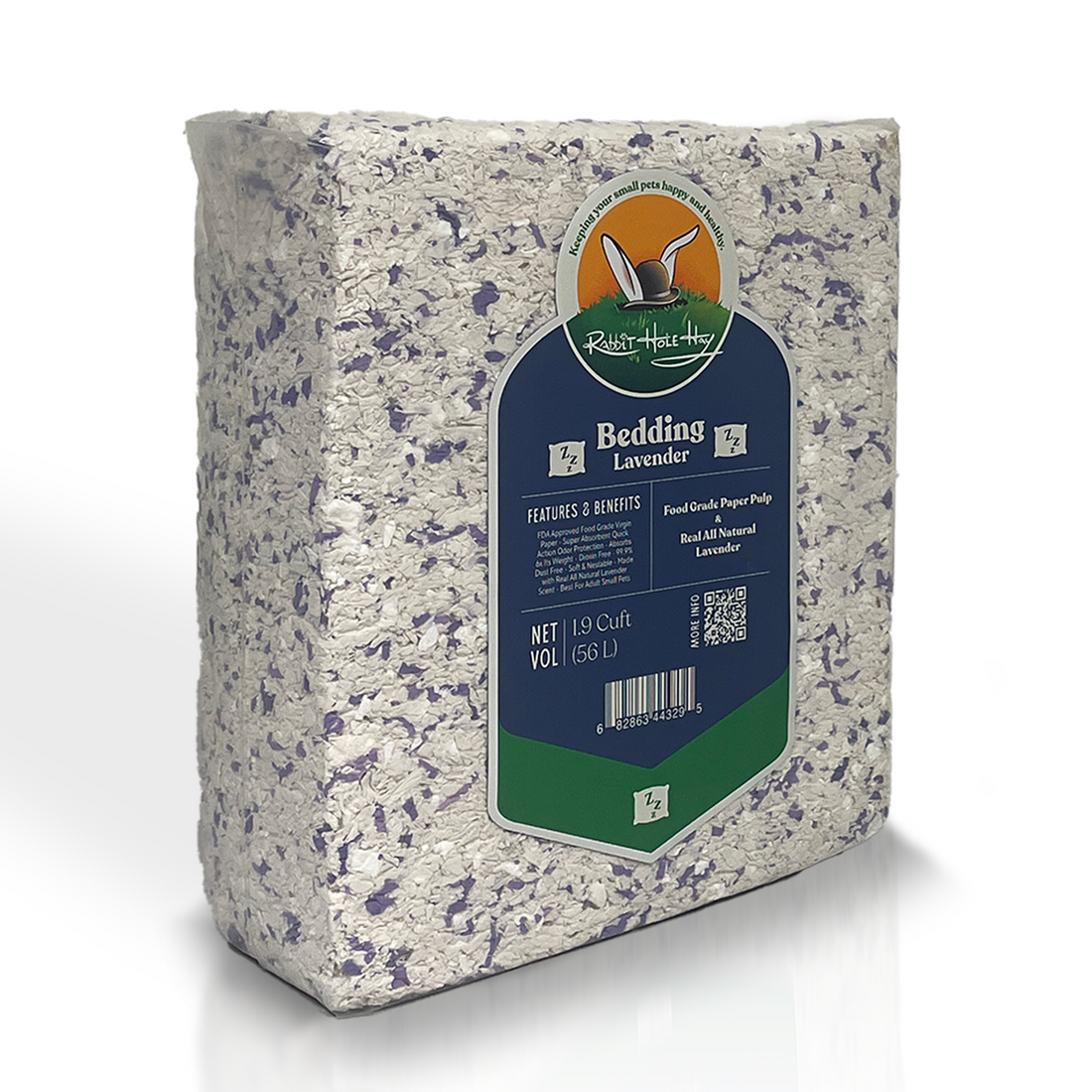
If your rabbit lives outdoors, their hutch needs extra attention. Insulate it with weatherproof materials, add plenty of straw or hay for bedding, and use tarps or covers to block wind and rain. For indoor rabbits, ensure their space is free from drafts and kept at a comfortable temperature.
2. A Balanced Winter Diet
Rabbits need plenty of high-quality hay during winter, as it’s a primary source of fiber and energy. You can also offer nutrient-rich vegetables like collard greens, beet greens, or bell peppers in moderation. Avoid sugary treats, which can disrupt their digestion.
Learn more about providing the best nutrition by exploring our guide on encouraging your rabbit to eat more Timothy hay.
3. Fresh Water at All Times
Water can freeze quickly in cold weather, so it’s important to regularly check your rabbit’s supply. Use warmer water or bowls to prevent freezing, and refresh their water frequently.
4. Encourage Exercise
Cold weather can limit outdoor playtime, so indoor activities are essential. Create a safe play area with tunnels, toys, and opportunities for your rabbit to hop and explore. Exercise keeps them physically and mentally healthy.
5. Monitor Their Health
Rabbits are resilient, but they’re not immune to winter-related health issues. Watch for signs of discomfort, such as lethargy, shivering, or changes in appetite. If you notice anything unusual, consult your bet as soon as possible.
How to Support Wild Rabbits During Winter
If you live in an area with wild rabbits, there are safe and simple ways to help them without interfering with their natural behaviors:
-
Plant native shrubs and grasses to provide food and shelter.
-
Leave small piles of twigs or brush for rabbits to hide in.
-
Avoid using pesticides or harmful chemicals in your yard.
-
Place shallow water dishes in sheltered areas to prevent dehydration.
For more tips on helping wild rabbits, visit this blog.
Recognizing Signs of Cold Stress in Rabbits
Both wild and domestic rabbits can suffer from cold stress if conditions become extreme. Watch for these warning signs:
-
Frostbite, especially on ears and toes.
-
Lethargy or reluctance to move.
-
Shivering or fluffing up excessively.
-
Loss of appetite or dehydration.
Address these symptoms immediately by moving your rabbit to a warmer space and seeking veterinary care if needed.

Conclusion
So, "Do bunny rabbits hibernate?" They don’t, but their ability to adapt to winter is a testament to their resilience. Whether you’re caring for a pet rabbit or observing wild ones, understanding their winter needs ensures they remain healthy and safe.
Explore our blog on winterizing your rabbit’s hutch for additional tips. With the right preparation, rabbits can thrive even during the chilliest months of the year.





Comments