























































































When people think of rabbits, they often picture small, fluffy bunnies that fit in the palm of a hand. But did you know some rabbits can weigh as much as a small dog? Large rabbit breeds are becoming popular as pets, show animals, and even therapy companions. These gentle giants have unique needs, from their diet to their living space, making them different from their smaller friends.
Click Here to Check Out Our Eating Guide.

If you’re considering adopting a big bunny or just want to learn more, this guide will cover everything you need to know about large rabbit breeds.
What Qualifies as a Large Rabbit?
Rabbit sizes vary widely, but large breeds typically weigh between 9 and 15 pounds or more. Some even reach 20 pounds! These rabbits have long bodies, powerful legs, and thick, soft fur that makes them look even bigger.
Many large tend to have calm, friendly personalities, making them great companions for rabbit enthusiasts.
Popular Large Rabbit Breeds
There are several well-known large rabbit breeds, each with its own characteristics and charm. Here are some of the most popular:

Flemish Giant
The Flemish Giant is the largest domesticated rabbit breed, often weighing between 15 and 20 pounds. Some even grow beyond 25 pounds! These rabbits have long ears, thick fur, and a calm, friendly nature.
Originally a "utility" breed, Flemish Giants are now beloved pets due to their docile temperament. They enjoy human interaction and can even be trained to follow basic commands.
French Lop
French Lops are a favorite among rabbit lovers. They weigh between 10 and 15 pounds and have adorable floppy ears. These rabbits are affectionate and enjoy being around people.
Unlike some other large breeds, French Lops are more compact, with a stocky build and broad head. They need plenty of space and love to hop around and explore.
Checkered Giant
This striking breed is known for its distinctive black or blue markings on a white coat. Checkered Giants weigh between 11 and 13 pounds and have a lean, athletic build.
Unlike some of the more laid-back large rabbit breeds, Checkered Giants are active and energetic. They need space to run and plenty of stimulation to stay happy.
Giant Chinchilla
Developed in the early 1900s, the Giant Chinchilla is a large breed with a luxurious silver-gray coat. They typically weigh between 12 and 16 pounds and have a calm, friendly personality.
Giant Chinchillas are a cross-breed between the Flemish Giant and regular Chinchilla breed.
Giant Angora
The Giant Angora is the largest of the Angora rabbit breeds, weighing between 9 and 12 pounds. This fluffy giant is known for its incredibly dense, long wool, which requires regular grooming to prevent matting.
Giant Angoras have a sweet and gentle temperament. They need frequent brushing and a fiber-rich diet to maintain their coat and digestive health. Due to their thick fur, they are more sensitive to heat, so they should be kept in a cool, well-ventilated space.
Care Requirements for Large Rabbit Breeds
Owning a large rabbit comes with unique care requirements. Here are some key factors to consider:

Housing Needs
Large rabbits need more space than smaller breeds. Traditional cages are often too small, so a large pen or bunny-proofed room is ideal. If you choose to have an outdoor space the enclosures should be spacious, secure, and well-protected from predators.
If you keep your rabbit indoors you will still need a large space for them to lounge and play in. Don't forget to provide a soft surface for them to rest on, as their size puts extra pressure on their feet.
Diet and Nutrition
Like all rabbits, large breeds require a diet rich in hay, fresh vegetables, and high-quality pellets. Because of their size, they eat more food than smaller rabbits, so be prepared for larger portions.
Timothy hay should make up the bulk of their diet, with leafy greens like romaine lettuce, collard greens, and basil as supplements. If you want to know which food your rabbit can or cannot eat, check out our Eating Guide!
Exercise and Enrichment
Large rabbits are not as agile as smaller breeds, but they still need plenty of exercise. A big, safe space to hop around is essential. Outdoor play areas with secure fencing allow them to explore while staying protected.
Enrichment activities like tunnels, chew toys, and interactive games keep them engaged and prevent boredom.
Health Considerations
Larger rabbits can be more prone to certain health issues. Their weight puts extra strain on their joints, making arthritis, and sore hocks more common. Providing soft bedding and a proper diet can help prevent this.
Like many rabbits breeds they are also at risk for digestive issues like GI stasis, a condition where the digestive system slows down or stops working. A high-fiber diet and regular exercise can help keep their gut moving properly.
Is a Large Rabbit Breed Right for You?
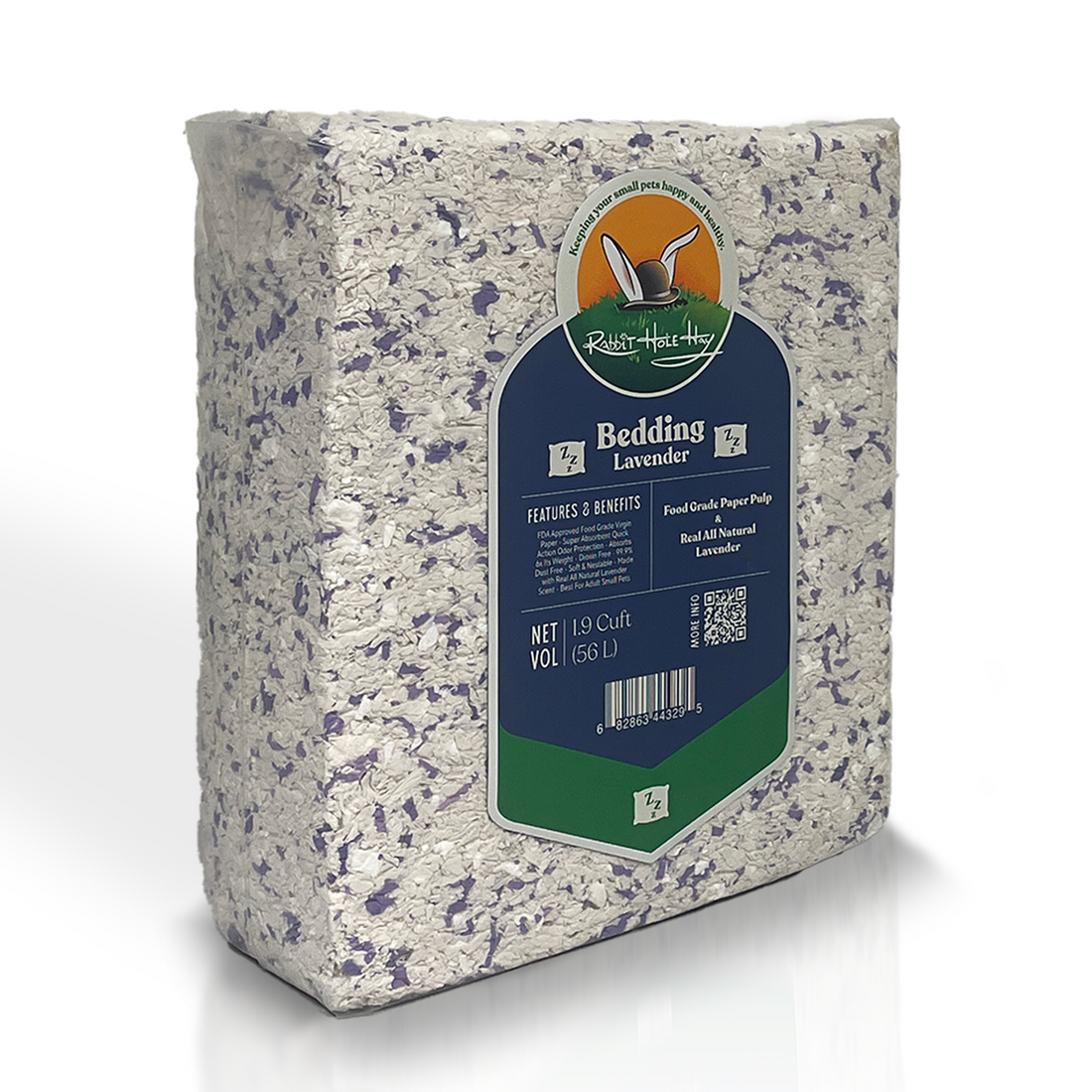
Before bringing home a large rabbit, consider whether you have enough space, time, and resources to care for one properly. These rabbits require more room, more food, and often more veterinary care than smaller breeds. Their size also means they need sturdy enclosures and more bedding to stay comfortable.

Because of their weight, large rabbits are more prone to joint problems, so soft flooring and proper nutrition are essential. They also need plenty of mental stimulation and social interaction to thrive. However, if you have the space and commitment, large rabbit breeds can be incredible companions. They are affectionate, intelligent, and full of personality. With the right care, they can live happy, healthy lives for 8 to 10 years or more.
Final Thoughts
Large rabbit breeds offer a unique and rewarding pet experience. From the massive Flemish Giant to the charming Checkered Giant, these rabbits bring joy to many households.
If you’re ready for the responsibility, a large rabbit can be a wonderful addition to your family. Just be sure to provide the right environment, diet, and care to keep them happy and healthy.
For more tips on rabbit care, check out our blog and learn how to create the best home for your furry friend!





Comments