


































































For many rabbit owners, pet insurance is worth it if you want backup when exotic vet bills spike—not because rabbits get sick constantly, but because they hide illness until care is urgent and expensive. In the U.S., Nationwide is still the main major carrier with plans that include rabbits under Bird and Exotic Pet coverage. Compare monthly premium, annual deductible, reimbursement percentage, coverage caps, waiting periods, and exclusions (especially pre-existing conditions and dental limits) before you enroll—not after a 2 a.m. ER visit.
If you are staring at a quote and wondering whether you are buying a safety net or a bill you will never use, that is a fair question. Rabbits are prey animals; by the time they look “off,” the estimate is often already climbing.

Below: what exotic vet care costs, what policies tend to cover, which emergencies hurt most without insurance, and how hay-first care can stretch any budget—insurance or savings jar.
Why Do Rabbit Vet Bills Cost More Than You Expect?
Most clinics classify rabbits as exotic pets—not rare, just medically specialized. Routine wellness exams with a rabbit-savvy or exotics vet often run $60 to $100. Diagnostics, hospitalization, dental surgery, or GI stasis treatment can jump into the hundreds or thousands fast.
Rabbits also mask pain. A bunny who still comes to the food bowl may already be in stasis or fighting a dental abscess. Delaying care because you are doing mental math on the bill is a pattern insurance is meant to interrupt—not replace good daily care.
For the wider care picture—housing, hay, and checkups—see our how to care for a rabbit hub.
What Does Rabbit Pet Insurance Usually Cover?
Nationwide’s exotic plans (the option most U.S. owners research first) typically bundle accidents, illnesses, prescriptions, and optional wellness add-ons depending on the tier you pick. You will still read exclusions line by line—elective procedures, breeding-related care, and many pre-existing issues are commonly out of scope.
Covered species lists on exotic plans often include rabbits alongside guinea pigs, ferrets, reptiles, and other small mammals. The flow matches dog or cat insurance: you pay the vet, file a claim, and get reimbursed on eligible charges after deductible and co-insurance.
Routine exams and wellness visits (when included in your tier)
Lab work, imaging, and prescribed medications
Emergency visits, hospitalization, and surgery for covered conditions
Common rabbit issues such as GI slowdown, dental disease, respiratory infections, and injuries—subject to policy language
Policies change; treat any summary here as a shopping checklist, not legal advice. Confirm current benefits on the carrier site or with a licensed agent before you buy.
How Much Does Rabbit Insurance Cost—and What Should You Compare?
Exotic pet premiums often start around $10 per month and can land closer to $20 or more with wellness riders, your ZIP code, and reimbursement level. A single treated episode—constipation workup, stasis hospitalization, tooth extraction—can exceed a year of premiums if you are paying retail at an exotics clinic.
When you line plans up, use the same columns for every quote:
Monthly premium — what leaves your account all year, even when your rabbit is healthy
Annual deductible — what you pay before reimbursement kicks in
Reimbursement rate — Nationwide advertises up to 90% on eligible costs; verify what “eligible” means for dental and chronic issues
Annual or lifetime caps — whether a bad year could max out the policy
Waiting periods — accidents vs. illnesses often have different clocks; enroll before you need care
Exclusions — pre-existing conditions, hereditary issues, and elective dental work are frequent deal-breakers
You can request a Nationwide quote to see numbers for your rabbit and region. Pair that with our rabbit care cost breakdown so insurance sits next to hay, litter, and an emergency fund—not instead of them.
Which Rabbit Emergencies Cost the Most Without Insurance?
If you skip insurance, plan for the problems that show up without warning and scale fast. These are illustrative averages from exotic practices—your clinic’s numbers will differ—but they show why owners compare policies in the first place:
| Condition | Typical vet bill (before insurance) | Example out-of-pocket at 90% reimbursement* |
|---|---|---|
| GI stasis workup and treatment | ~$780 | ~$78 |
| Tooth extraction or major dental surgery | ~$600 | ~$60 |
| Respiratory infection with meds and imaging | ~$225 | ~$22.50 |
*Assumes deductible already met and the claim is approved—real checks vary.
Stasis and dental crises are the ones that turn a quiet Sunday into a credit-card conversation. Insurance does not prevent them; it can make “go now” easier when your rabbit still looks only slightly dull. For symptom context, read nine common health issues in rabbits and keep an exotics vet picked before you need one.
Will Pre-Existing Conditions Be Covered?
Almost never—and that is the strongest argument for enrolling while your rabbit is young and outwardly healthy. If your bunny already has a chronic issue on record, expect that condition (and sometimes related ones) to be excluded. You can still get coverage for new problems going forward, which beats having no plan at all when a separate injury hits.
Save invoices, lab results, and visit summaries from day one. Claims move faster when your paperwork is boring and complete.
Do Indoor Rabbits Still Need Insurance?
Indoor life removes predators and traffic; it does not pause tooth growth or gut motility. Dental malocclusion, bladder sludge, parasites, and stress-linked GI slowdown happen in living rooms too. A $10–$20 monthly premium is often less than one streaming subscription—and less than one emergency you hesitated on.
If you would rather self-insure, build a dedicated rabbit emergency fund and treat it like rent. Insurance and savings both fail when the number on the estimate is the reason you wait an extra day.
How Can Hay and Preventive Care Lower Your Vet Bills?
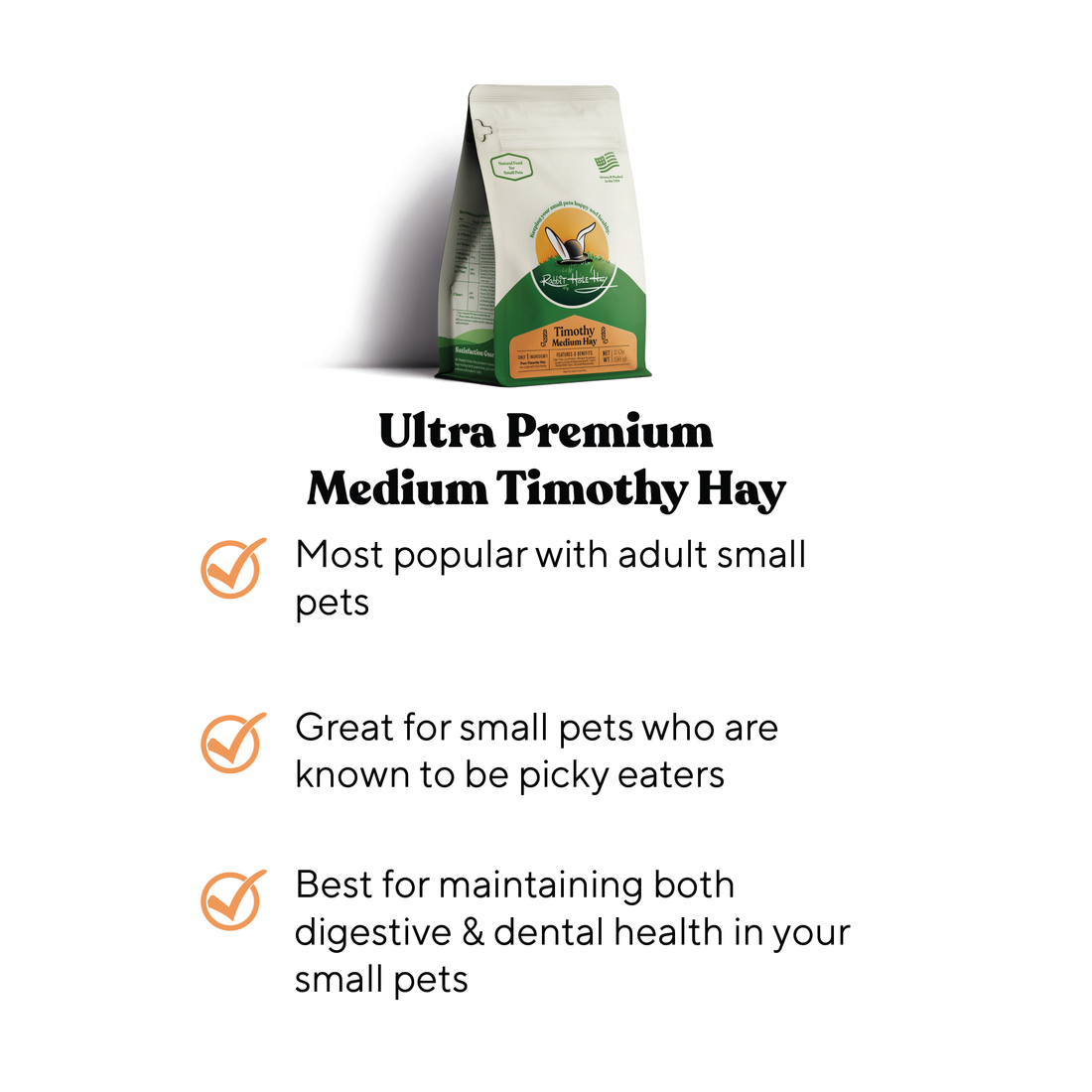
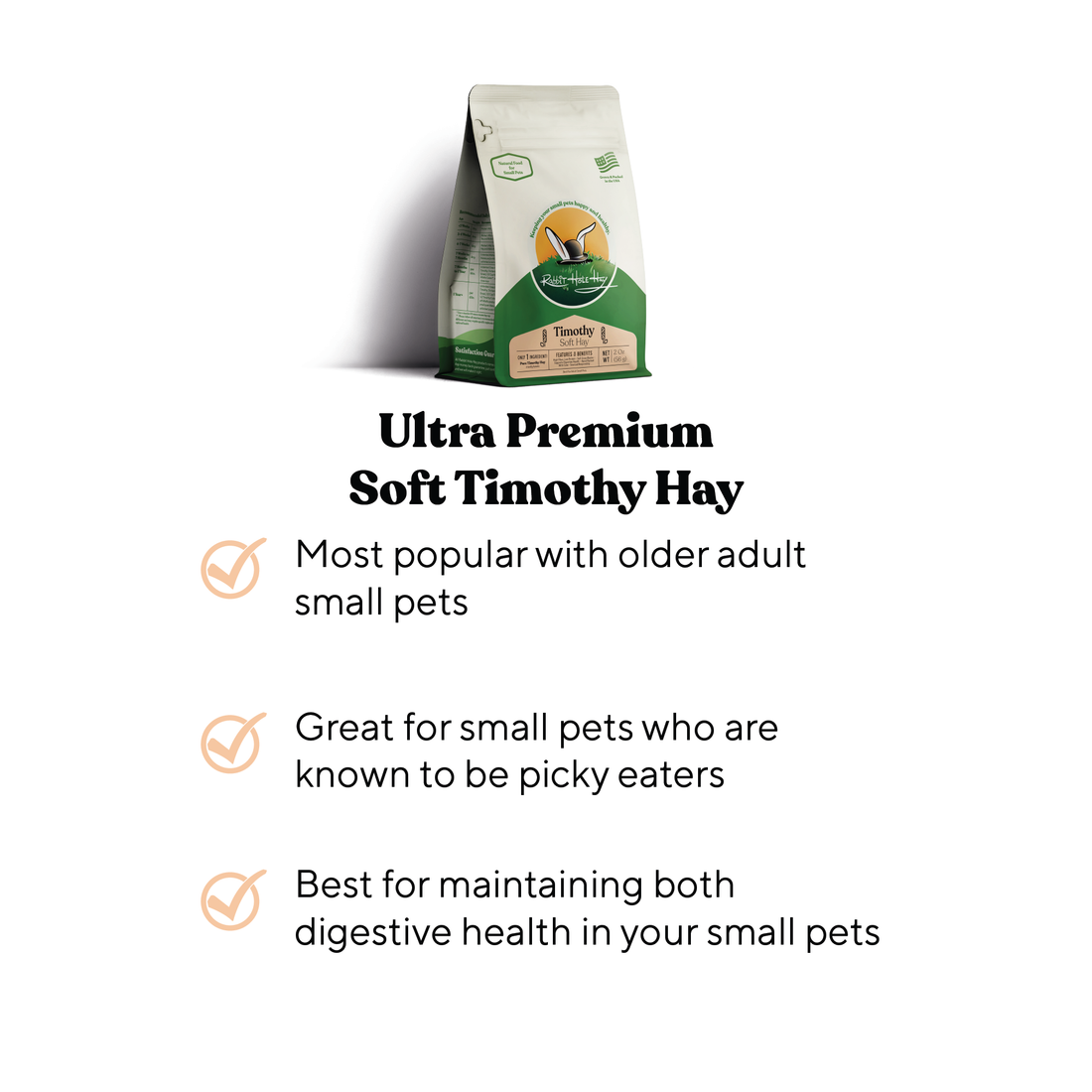
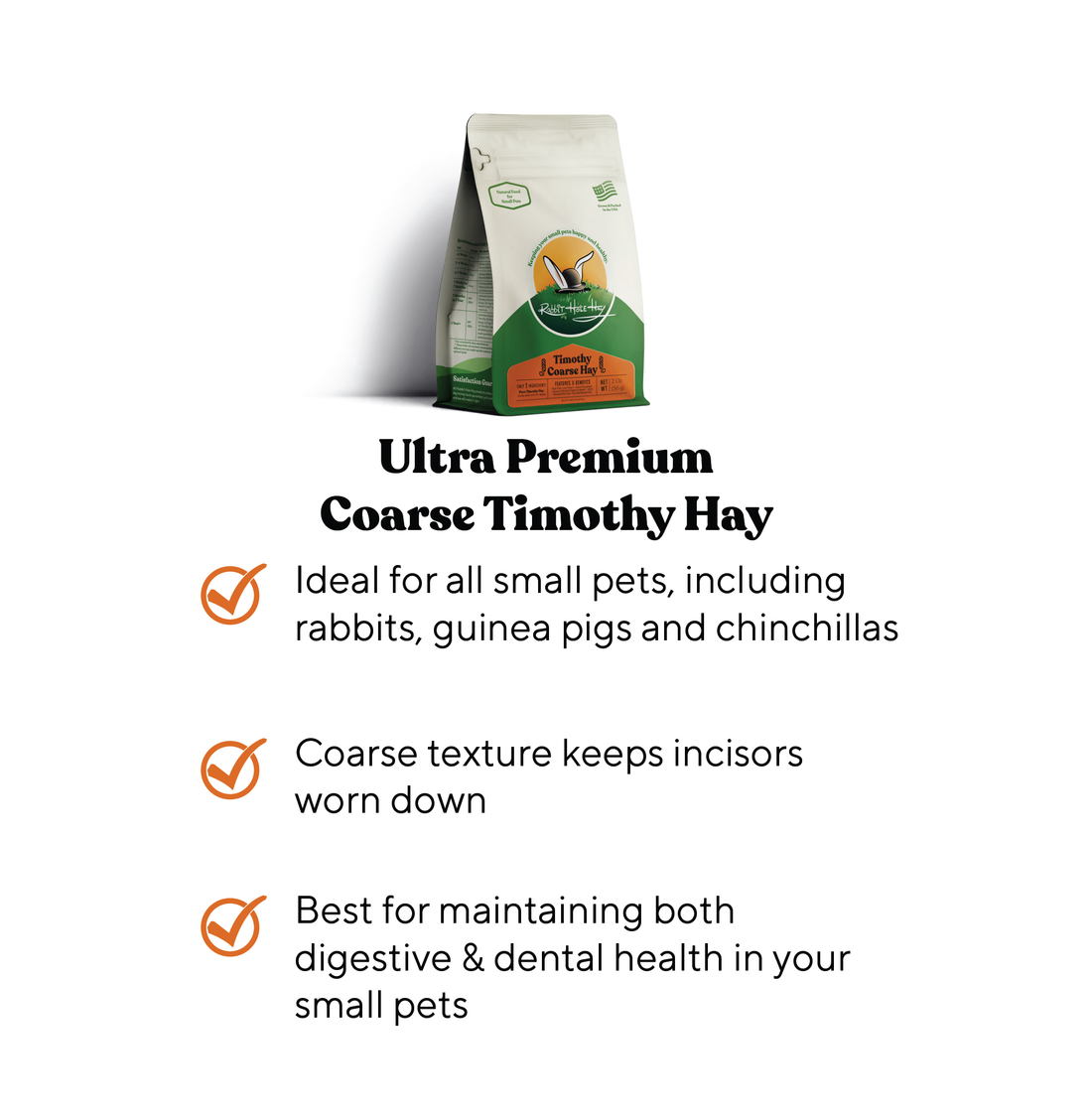
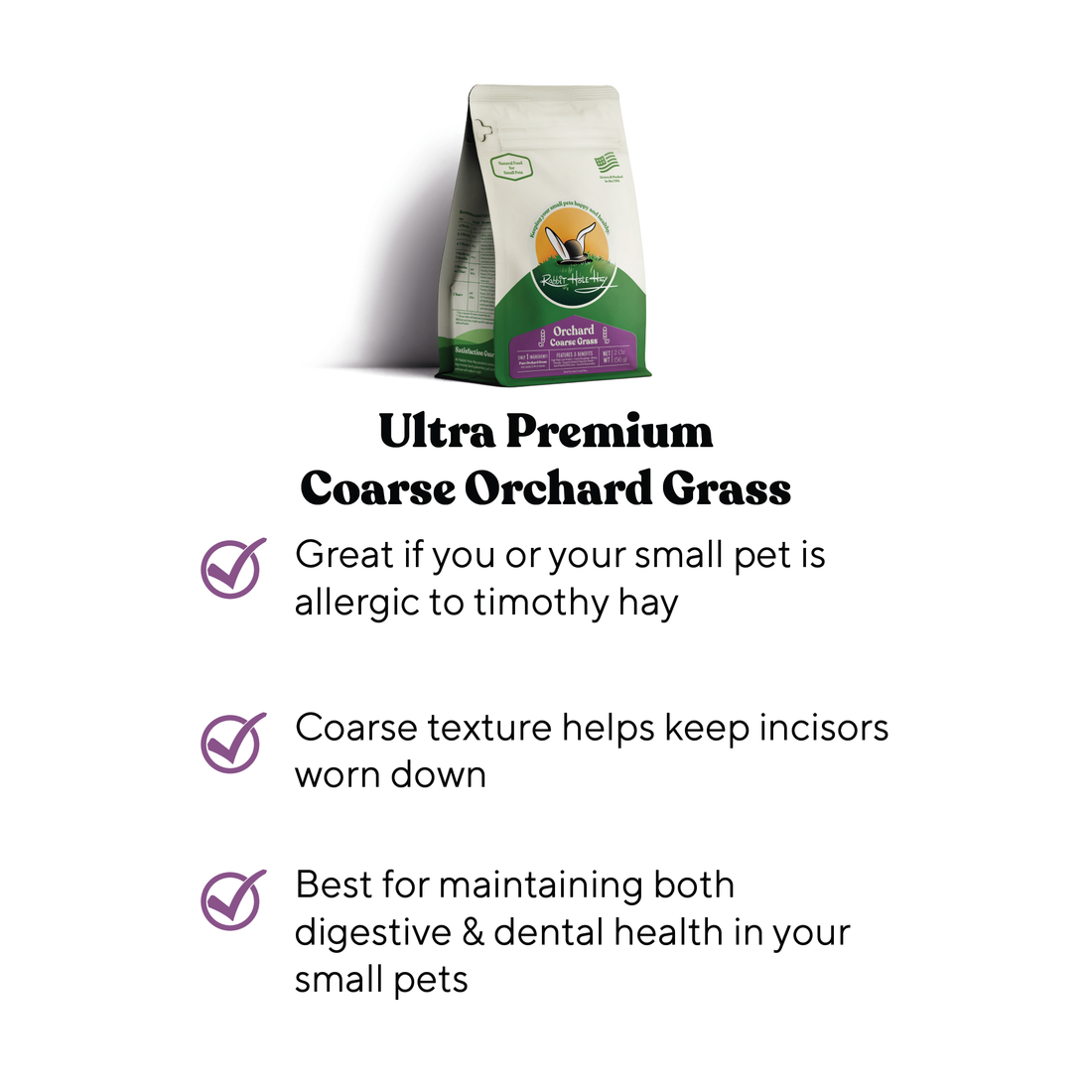
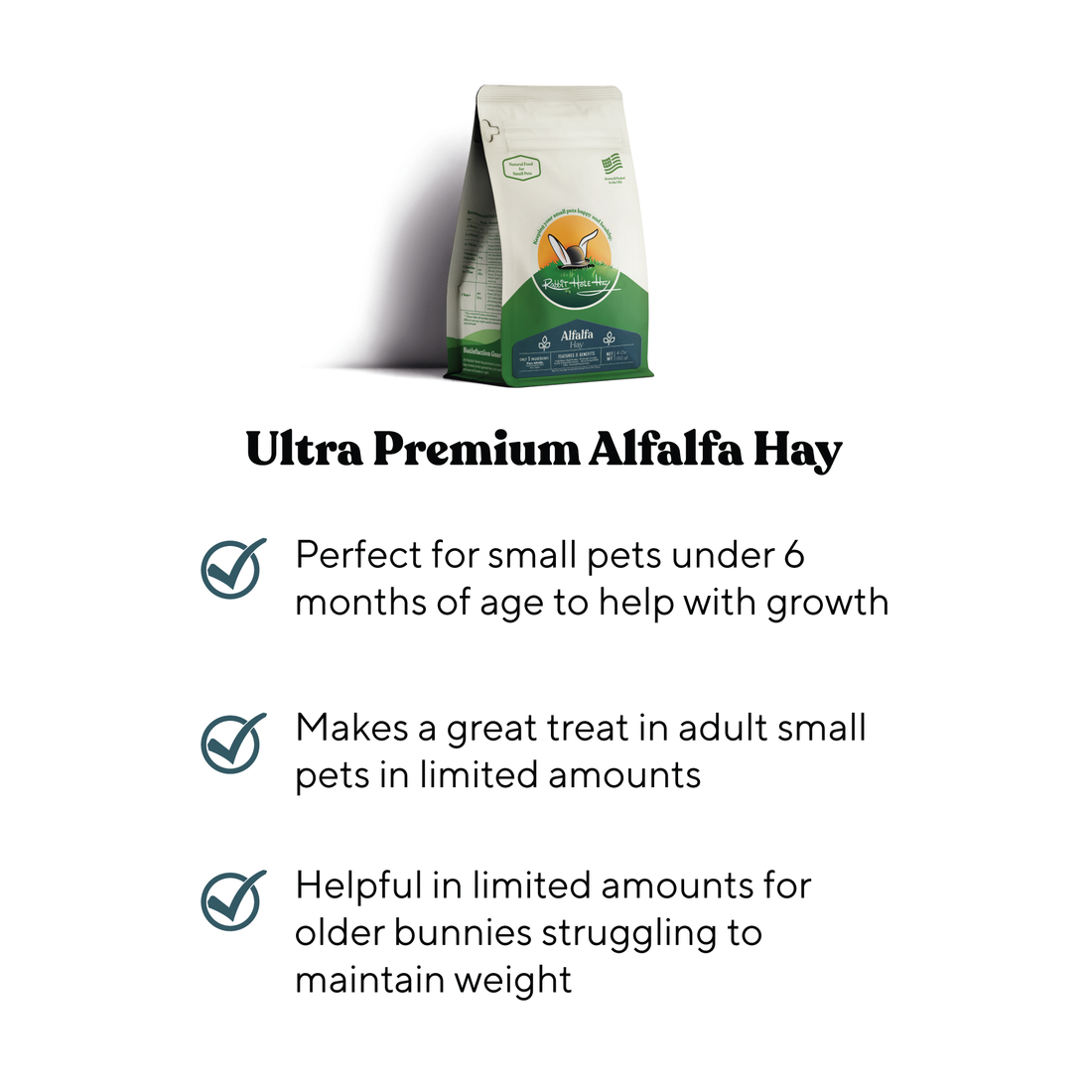
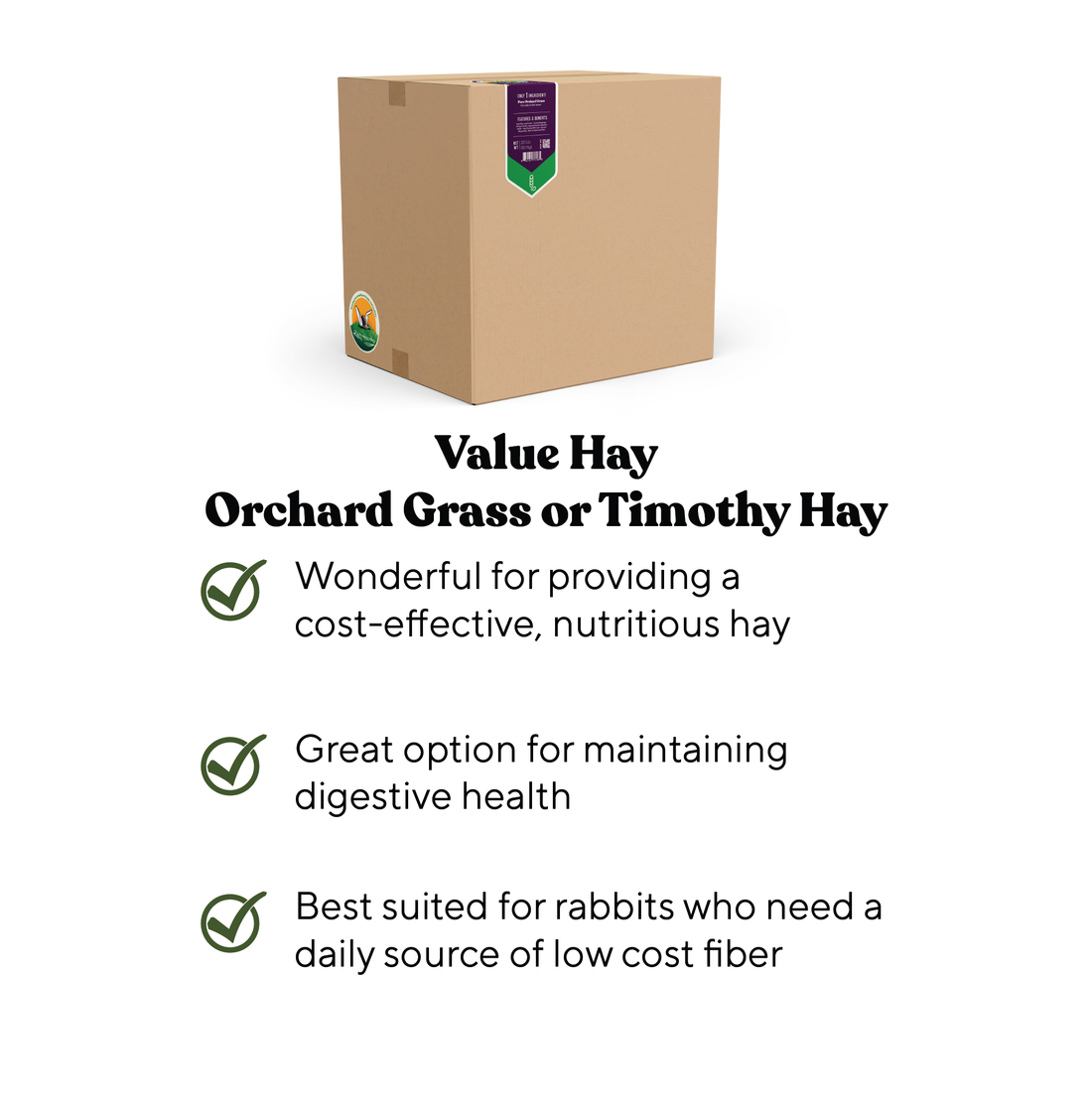
Insurance reimburses crises; hay and checkups shrink how often those crises happen. Unlimited grass hay—Timothy, orchard, or a mix for adults—should make up most of the diet. Coarse stems wear teeth down and keep the gut moving; skipping hay for even a short stretch is how “fine yesterday” becomes stasis tomorrow.
Annual wellness visits catch early dental wear, weight drift, and subtle gut changes while they are still manageable. If insurance makes those visits easier to schedule, use that—your rabbit’s “fine” face is not a reliable dashboard.
Match hay type to life stage with our guide to transitioning to the best hay for your rabbit.

How Does Insurance Change Emergency Decisions?
The practical win is not a spreadsheet trick—it is saying yes to fluids, imaging, or overnight care when your gut says go. Owners who fear the estimate sometimes wait until a treatable case turns critical; rabbits do not have much margin on stasis or airway issues.
Know your deductible status each policy year. If you have already met it and your rabbit is due for bloodwork or a dental check, stacking preventive care in that window can squeeze more value from the same premium.
What Misconceptions Make Owners Skip Coverage?
“My rabbit never gets sick.” They get sick quietly; urgency is the default when symptoms finally show.
“I will just save monthly.” Smart—but a single $1,200 weekend can wipe a young fund; insurance is a second layer, not a rival.
“It is too expensive.” Many exotic plans cost less than a couple of lattes a week; one approved claim can cover years of premiums.
“Indoor means low risk.” It lowers some hazards, not biology.
Over an 8–12 year lifespan, assume at least a few vet plot twists. Compare policies with that timeline—not just this month’s budget.
Key Takeaways
Pet insurance for rabbits is usually worth comparing if exotic vet prices would stress you during an emergency; Nationwide remains the primary U.S. option most owners check.
Judge plans on premium, deductible, reimbursement, caps, waiting periods, and exclusions—not marketing adjectives.
GI stasis, dental surgery, and respiratory work are among the expensive surprises; insurance or a dedicated fund should exist before symptoms.
Hay-heavy diets and yearly exams reduce claims; insurance works best paired with real care habits, not instead of them.

Find an exotics-friendly vet, run the numbers once a year, and keep hay unlimited. New to rabbits? Start with how to take care of a rabbit for beginners for housing, diet, and bonding basics.





Comments