












































































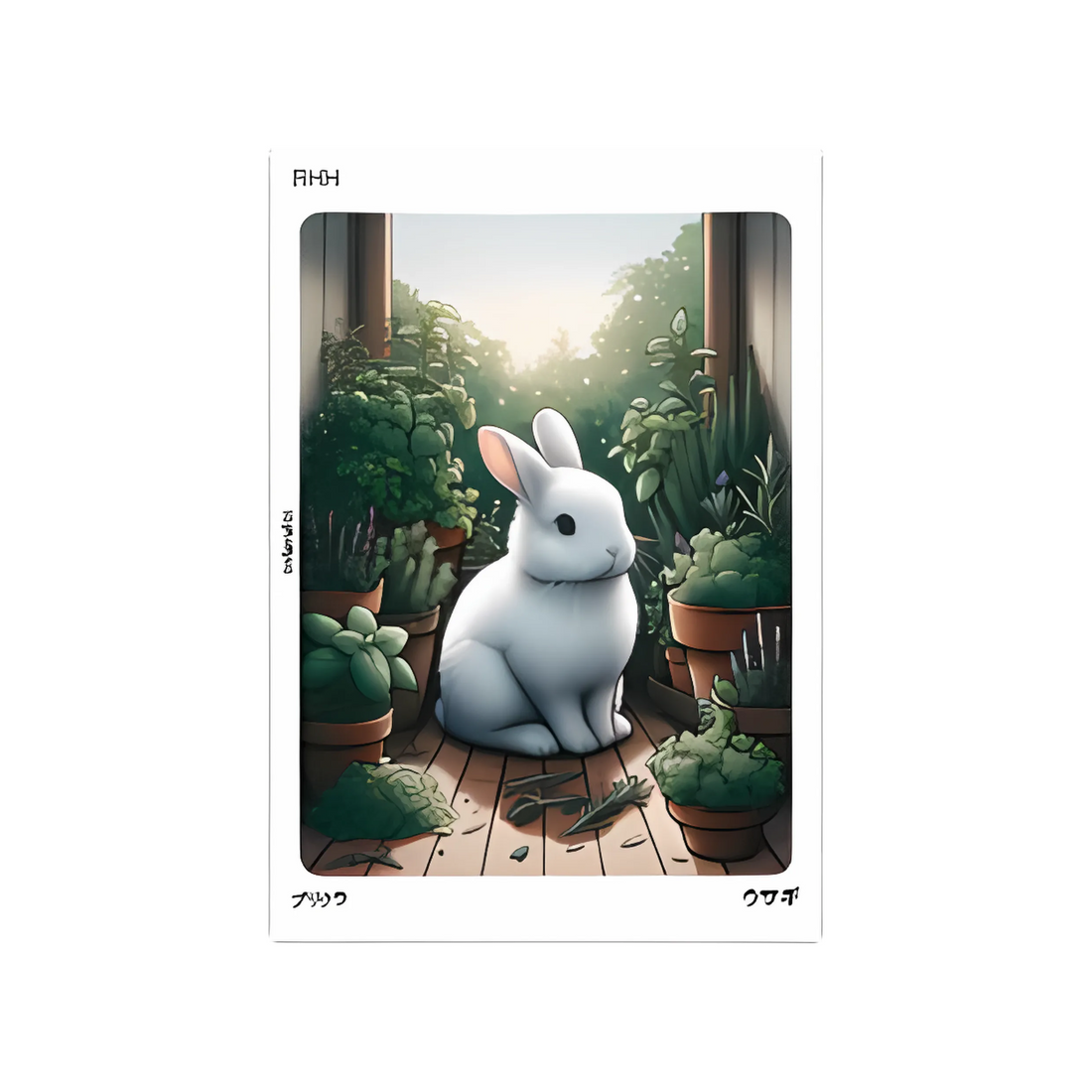














Rabbit eyesight is built for spotting danger, not reading the fine print on a treat bag. Their eyes sit on the sides of the head, so they can see most of the room at once—often described as nearly 360-degree vision—with a trade-off: a blind spot right in front of the nose and under the chin. They see mainly blue and green (not red), are naturally farsighted, and do their best seeing in the soft light of dawn and dusk.
If your bunny bolted when nothing seemed to move, or bonked your hand while sniffing a snack, that is vision working as designed—not a glitchy pet. Close-up detail comes from whiskers and smell; distance and movement are what the eyes do best.
From color range to that front blind spot, lighting quirks, and eye problems worth a vet call—we will walk through what owners notice day to day. For how sensory health fits into overall wellness, see our pet rabbit health and lifespan guide.

What Colors Can Rabbits See?
Humans have three cone types for color—red, green, and blue. Rabbits have two: green and blue. That makes them dichromatic, so they cannot separate red from green the way we do. A red apple and a patch of grass may look similar to your bunny.
Color is not their main tool anyway. More rod cells than cone cells mean better motion and contrast detection—especially in lower light—than picking out toy colors. If you bought bedding in your favorite shade, your rabbit is probably fine with it for texture and smell, not the hue.
Why Do Rabbits Have Near-360-Degree Vision?
Side-mounted eyes let wild rabbits scan fields for hawks, foxes, and dogs without turning their heads much. Pet rabbits keep that hardware: they notice ceiling fans, shadows, and door cracks you walked past.
That wide view is why a calm loaf can turn into a sprint when something shifts at the edge of the room. They are not being dramatic—they are doing prey-animal math with peripheral vision.
Why Can't Rabbits See What's Right in Front of Their Nose?
Directly ahead of the nose and under the chin is the blind spot. Rabbits cannot focus on a treat held straight in front of the face without tilting or sniffing. Whiskers and smell fill the gap—that is why your bun may bump your hand, then sort it out by touch.
Knowing the blind spot helps with handling: approach from the side where they can see you, and let them sniff before you expect a clean grab. For how whiskers support that close-up work, read why rabbit whiskers matter.
How Do Rabbits Judge Distance?
Rabbit eyes are set far apart, so there is little overlap between what each eye sees. Humans use that overlap for binocular depth perception; rabbits have very little of it. They are farsighted by design—great for spotting a predator across a meadow, weaker for judging a hop onto a narrow ledge nearby.
To estimate distance, rabbits parallax: small head bobs change the view so the brain can compare shifts. If you have seen your bunny tilt or weave their head before a jump, that is parallaxing—not random cuteness.

Are Rabbits Crepuscular—And What Does That Mean for Their Eyes?
Rabbits are most active at dawn and dusk—crepuscular, not fully nocturnal. Their eyes carry extra rod cells for dim light and movement, so twilight and a softly lit room feel natural. They are not owls: pitch-black rooms still limit what they see.
Wild rabbits moved in those quiet hours to eat while avoiding daytime hunters. Your house rabbit still runs on similar rhythms—a blazing noon window or flickering overhead LEDs can grate even when they seem fine on the surface.
Do Rabbits With Red or Pink Eyes See Worse?
Red or pink eyes come from low pigment in the iris—common in albino rabbits and breeds like New Zealand White. The color is blood vessels showing through, not a vision defect. These rabbits see normally but are often more sensitive to bright light.
If your red-eyed bun squints in a sunny window, offer shade and a hidey house—not because they are blind, but because glare is uncomfortable. Pink eyes do not shrink their side-to-side view; they just change how bright noon feels.
How Should You Light a Rabbit's Space at Home?
Natural day-night rhythm matters. Rabbits do best with daylight they can sense—indirect sun through a window, or shades opened during the day—without baking in direct glare. Fluorescent bulbs that flicker can bother sensitive eyes; warm, steady light is easier to live with.
They blink far less than we do—about 10–12 times per hour—because a third eyelid (nictitating membrane) keeps the surface moist while they stay visually on guard. Less blinking is a survival feature, not dry-eye denial.
Too much brightness may send a rabbit into hides; total darkness plus mystery noises can stress others. A dim amber night light sometimes helps nervous buns without wrecking sleep cycles. When setting up pens and hideouts with vision in mind, our habitat setup guide walks through layout basics.
When Should You Worry About a Rabbit's Eyes?
Rabbits hide illness well. Eye trouble can creep in before behavior screams emergency. During hay refills or litter checks, look for weeping, redness, swelling, squinting, or cloudiness. Dental disease can back up into tear ducts—eye discharge is not always “just allergies.”
Call a rabbit-savvy vet if discharge persists, one eye looks worse than the other, or appetite and energy drop at the same time. Partial vision loss may show up as more head bobbing, hesitation before jumps, or bumping familiar furniture—especially in seniors. Do not test vision by shining lights in their face or shoving objects at the blind spot; observe normal routines and get professional eyes on it.
Day-to-day baselines—bright eyes, steady eating, normal droppings—are in our article on how to tell if a rabbit is healthy. Baby rabbits open their eyes around 10–12 days; until then they are blind and rely on smell and touch, as covered in caring for baby bunnies.
How Can Habitat Layout Work With Rabbit Vision?
Because rabbits are farsighted with a front blind spot, predictable floor plans help. Secure ramps, guardrails on platforms, and non-slip mats reduce misjudged hops. Moving furniture weekly for fun rearranges the mental map they built by smell and peripheral sight.
Older rabbits or those with declining vision benefit from texture cues—mat at litter box, rug at food station—so they orient by touch when detail vision fades. Related mobility issues like splay leg change how confidently they land; vision and limb alignment both belong in the same safety conversation.
Key Takeaways
Rabbits see almost all the way around them but not directly in front of the nose—whiskers and smell handle close-up work.
They detect blue and green, excel at motion in low light, and judge nearby distance with head movement more than sharp focus.
Soft natural-style lighting, steady layouts, and a quick eye glance during hay refills beat rearranging the room every week and wondering why your bun keeps bonking the coffee table.
Rabbits can even sleep with eyes open thanks to that third eyelid—looking alert while resting is another old prey trick, not a party trick you need to fix.
If you are tuning enclosure light, hide placement, and daily health habits together, our beginner rabbit care guide ties the setup pieces into one starting point.





Comments