































































Shopping for a rabbit hutch can feel like trying to pick the right house for a tiny, furry roommate. It's not just about finding something cute that fits in your backyard—it's about making sure your rabbit is safe, comfortable, and healthy. Whether you're brand new to rabbit care or looking to upgrade your current setup, this guide will help you sort through your options and make the right choice when choosing rabbit hutch essentials.
Click Here For a Guide to Creating the Ideal Litter Box.

Let's take a closer look at what matters when housing your rabbit—indoors or out.
How Big Should a Rabbit Hutch Be?
This is the first and most important question you need to answer. Rabbits need room to move, stretch, hop, and sprawl out. A cramped hutch leads to boredom, obesity, and even joint issues. It's not just about standing room either—your rabbit needs space to live.

At a bare minimum, the hutch should be four times the size of your rabbit. For a medium-sized rabbit, that's at least 12 square feet of living space, with a run or attached exercise area adding another 24 square feet or more. And don't forget the vertical space—your rabbit should be able to stand up on its hind legs without bumping its head.
The Rabbit Welfare Association recommends that your rabbit's housing should allow for at least three full hops from end to end. That's a great rule of thumb when figuring out how big your hutch needs to be.
Choosing Rabbit Hutch Location: Indoors vs. Outdoors
Not all rabbit homes are created equal, especially when it comes to where you put them. Deciding between indoor and outdoor housing is about more than personal preference. It's about lifestyle, safety, and environment.
Indoor Rabbit Cages
Indoor cages—also called indoor hutches—are a solid option for rabbit owners who want to keep their bunnies inside full-time. Most of these are wire enclosures with a plastic or metal base. The biggest advantages here are climate control and easier supervision. You can keep your bunny close by and away from outdoor dangers.
But indoor cages still need to be big enough. Just because it fits in your laundry room doesn't mean it's a good space for your rabbit. You'll want to make sure it includes room for a litter box, feeding station, water, toys, and a cozy sleeping area. Always check the height, too—a proper cage should allow your rabbit to fully stand on its back legs without hitting the top.
Outdoor Rabbit Hutches
If your rabbit will live outside, a hutch is your go-to. Hutches are usually made of wood and mesh, with a secure box-style area that offers protection from predators and the elements. Placement is everything. Avoid putting your hutch in direct sun or overly windy spots. Rabbits are sensitive to both heat and drafts. Always provide a shady area during summer and consider insulation during the winter.
You'll also need to consider what's under the hutch. Raised hutches help with ventilation and predator prevention but should be placed on a solid, level surface. If your rabbit has access to a run on grass, rotate it often to avoid digging escapes and to protect your lawn.
Rabbit Sheds and Conversions
Looking to house multiple rabbits or give your bun the ultimate pad? A shed might be the answer. Sheds offer more space, insulation, and design flexibility. Just make sure it's weatherproof and has plenty of light and ventilation. Windows should be covered with secure mesh to keep pests and predators out.
Sheds also give you more space to interact with your rabbit directly. You can sit with them, add furniture, and build a rabbit-friendly environment that feels more like a playroom than a cage. A good rabbit shed starts at around 6'x4', though bigger is always better.
Choosing Rabbit Hutch: What to Look for in Materials
The type of materials used in the hutch matters—more than you might think. Rabbits chew. It's what they do. So, you need to make sure the wood used in your hutch is safe and untreated. Pressure-treated wood can contain chemicals harmful to your bun.
This list of rabbit-safe woods is a great place to start if you're building or modifying a hutch. Pine and cedar should always be avoided unless kiln-dried; even then, they're not ideal. Look for aspen or untreated spruce as safer options.
For mesh and wire, make sure the openings are small enough to prevent escape or injury. Also, never place your rabbit directly on wire flooring. It can cause a painful condition called sore hocks. A wooden or plastic floor, or even thick mats or fleece, will be far more comfortable and safer.
Rabbit Home Accessories That Make Life Better
Once you've picked out the structure, it's time to add the comforts of home. Rabbits need more than space. They need enrichment. Think hideaways, tunnels, platforms, and toys. A bored rabbit is often a destructive one. Giving your rabbit interesting things to interact with helps prevent unwanted chewing and keeps them mentally sharp.
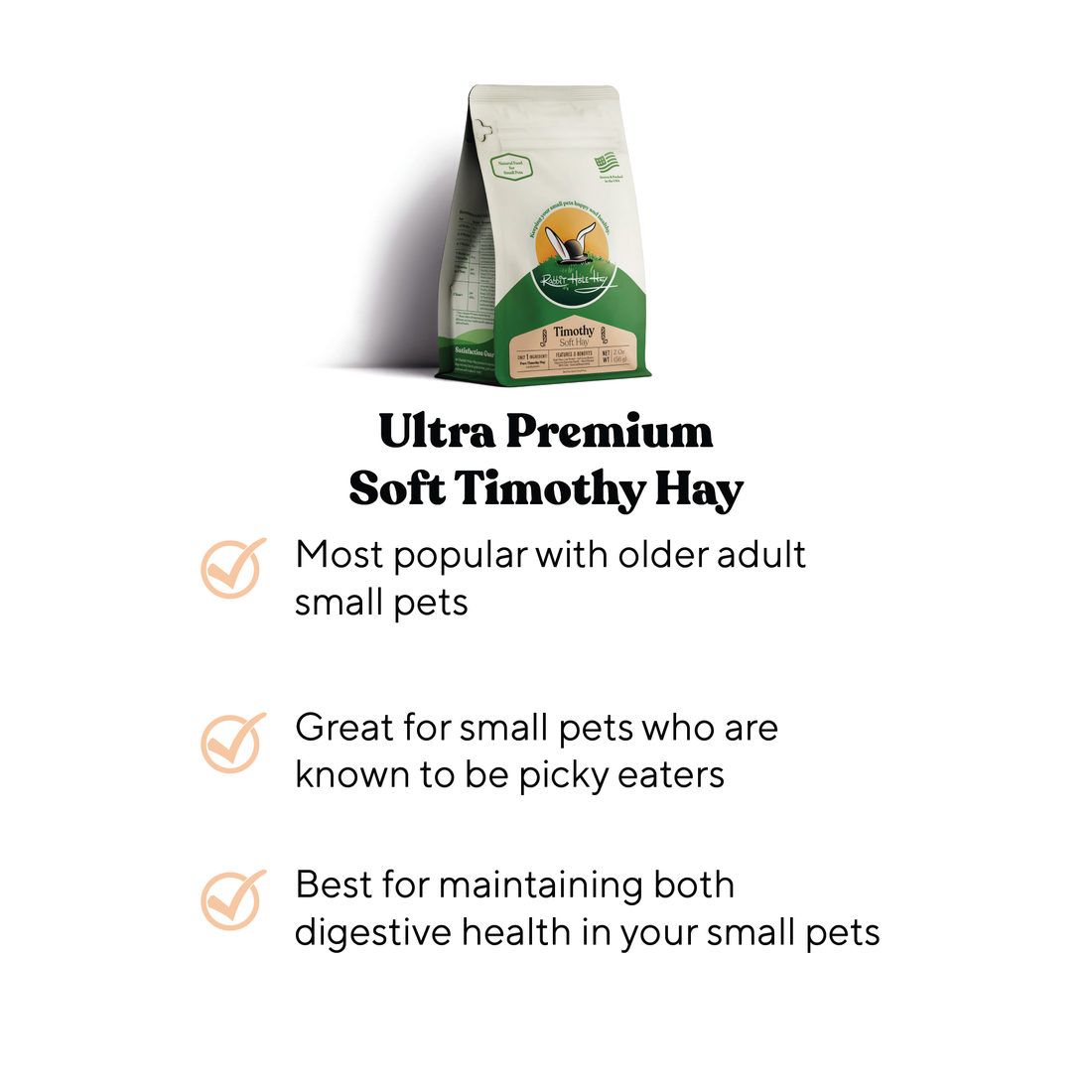
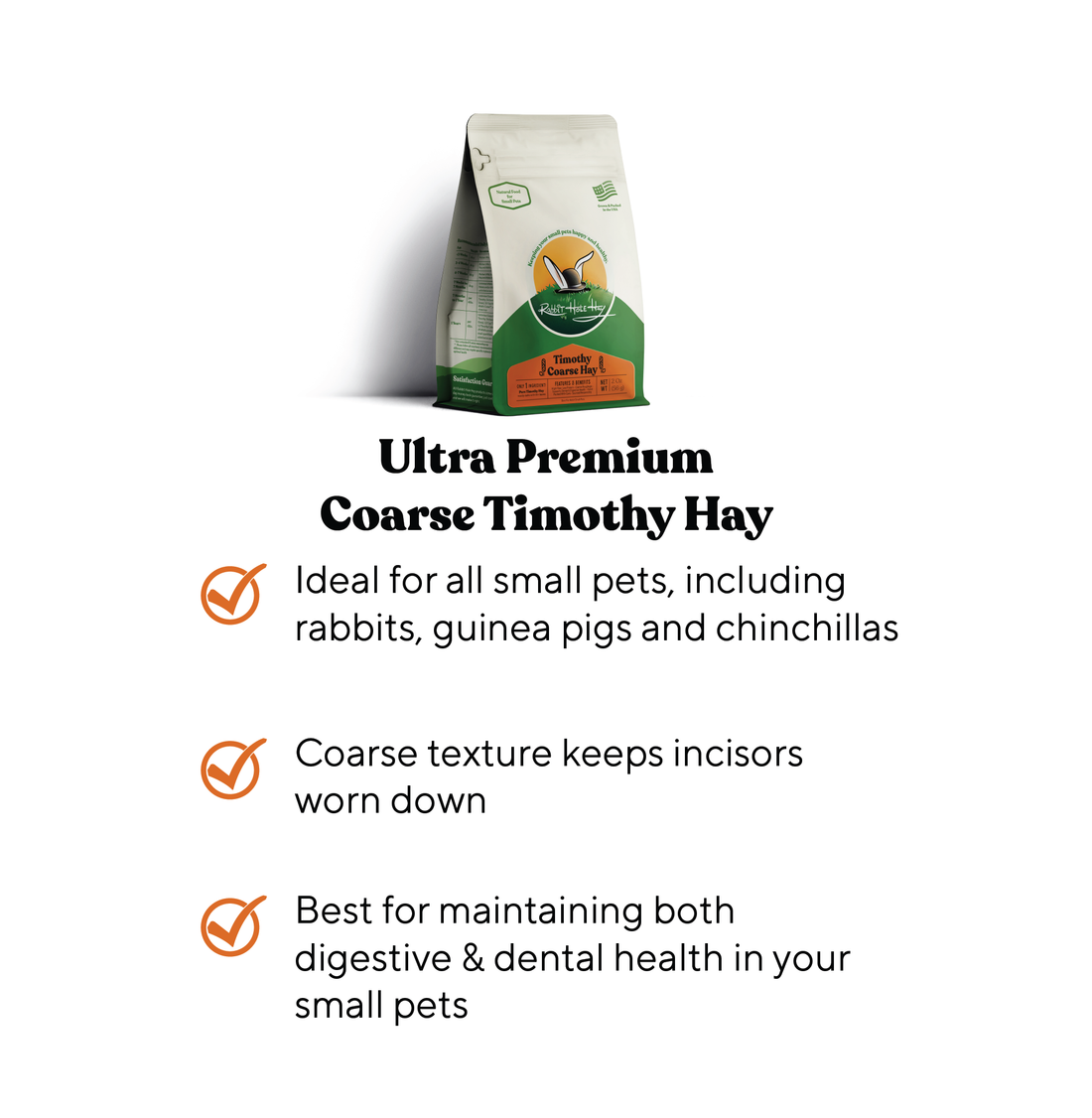
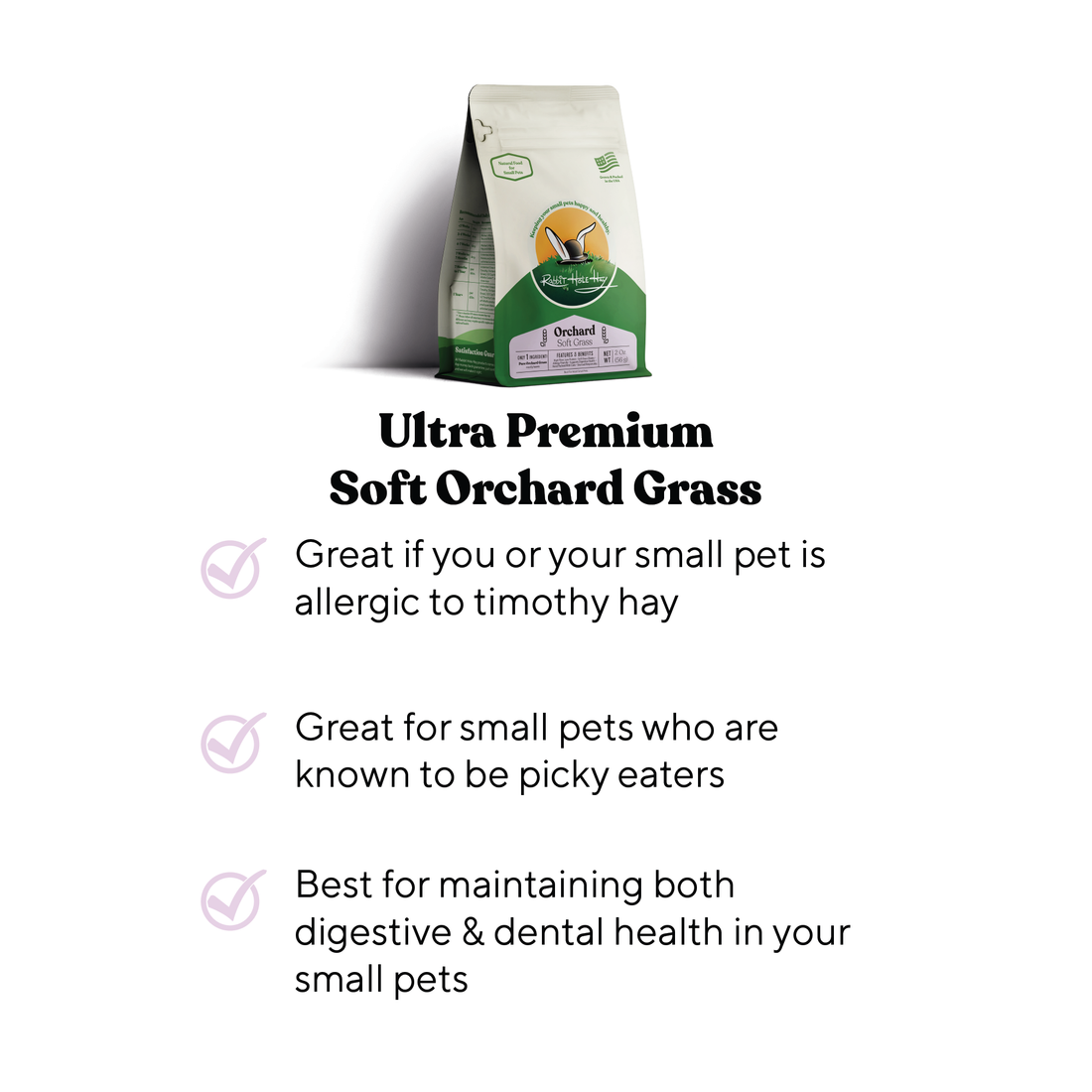
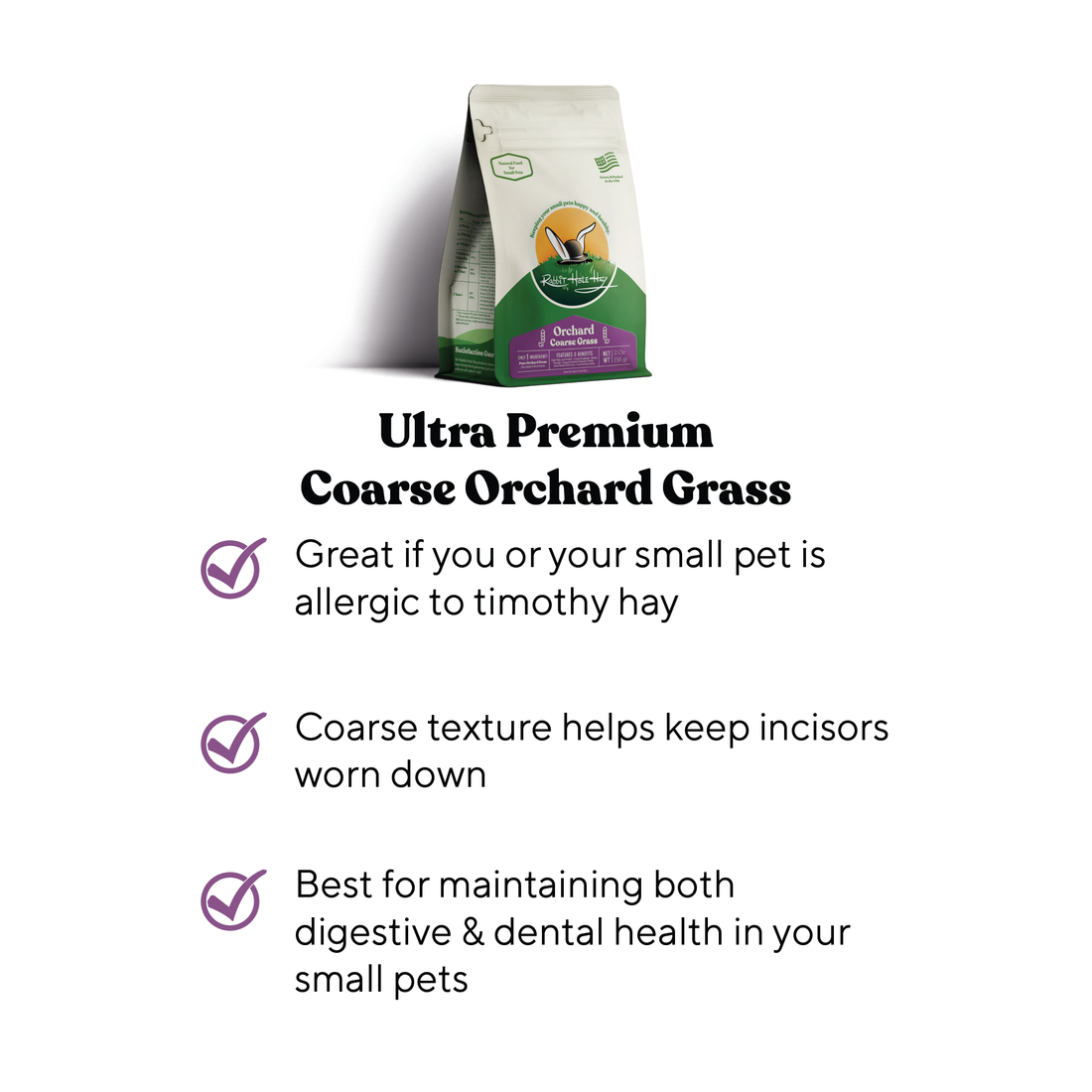
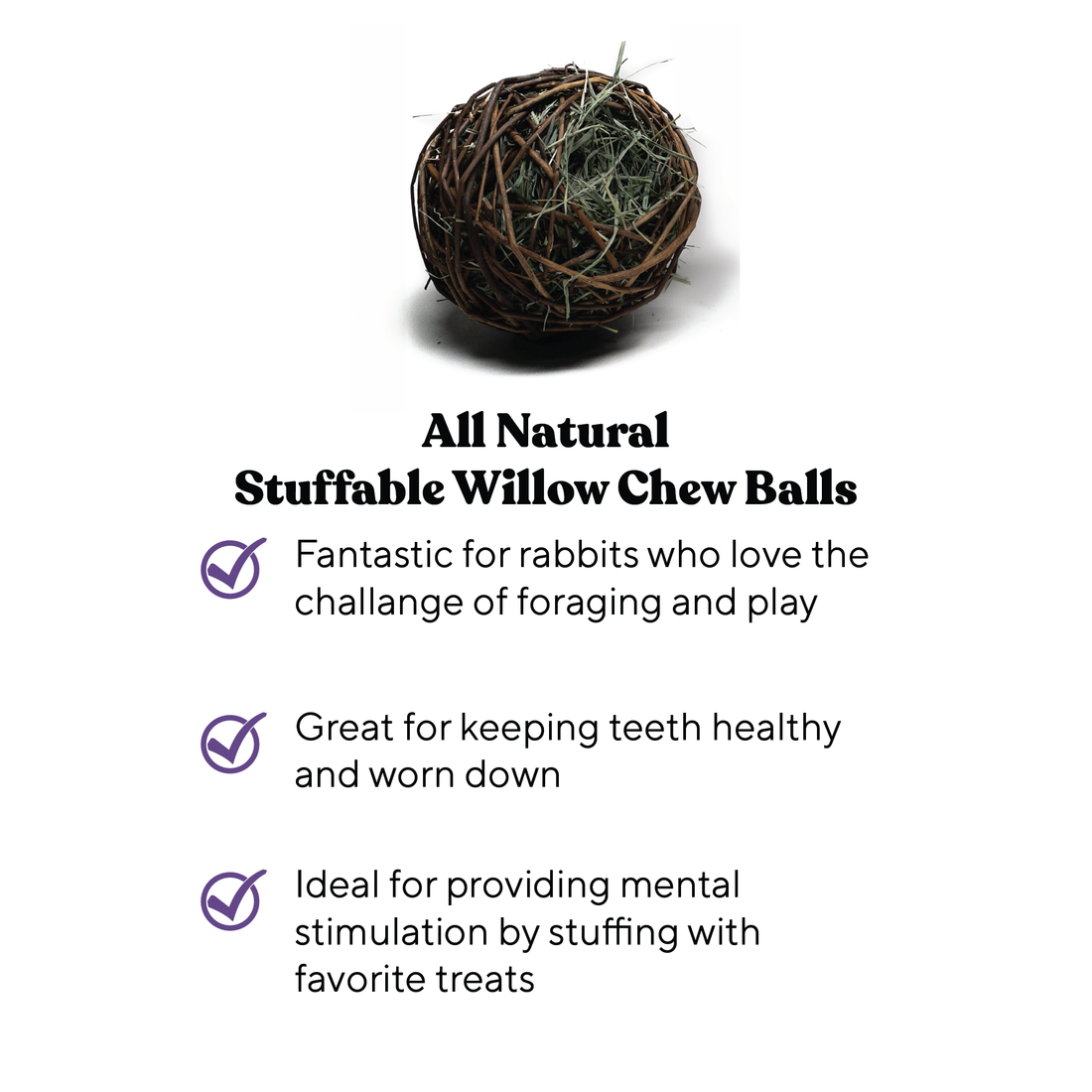
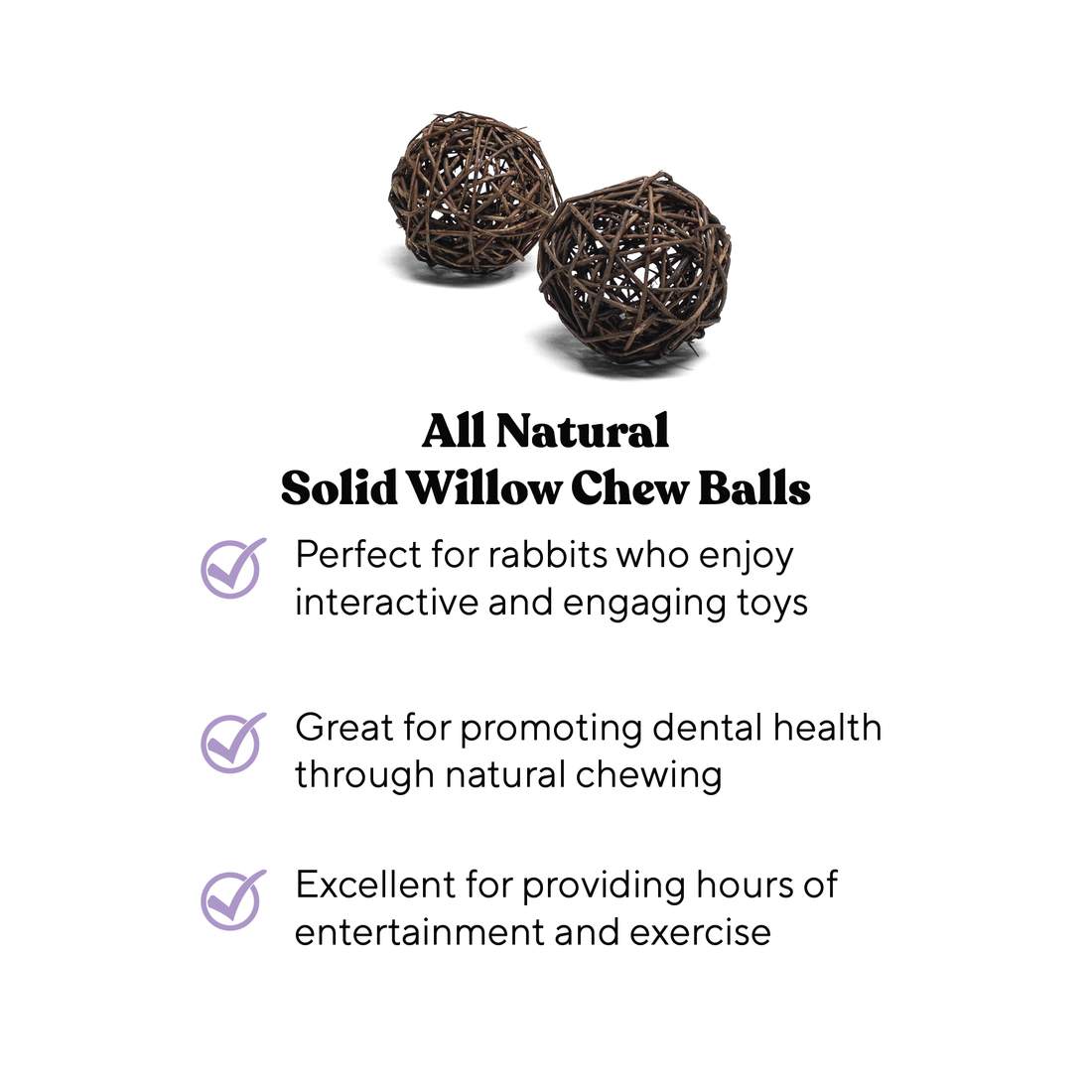
Enrichment toys and ideas can include willow balls, cardboard boxes, dig boxes, and anything safe for chewing. Hay feeders are also a must. Rabbits spend a lot of time eating, so having fresh hay accessible at all times is key.
Include a separate sleeping area with soft bedding, like fleece or paper bedding, that won't irritate their skin. You can even create a "bunny bedroom" by adding a small wooden house or box where they can retreat and feel secure.

Consider Companionship
Rabbits are social animals. If you only have one rabbit, your hutch needs to be more interactive, with you stepping in as their primary buddy. But if you have multiple rabbits, you'll need a hutch that can support a bonded pair or group. Separate compartments, multiple hideouts, and extra room to get away from each other are essential to prevent stress or fights.
Not sure whether your rabbit is ready for a companion? Read our guide on bonding rabbits for helpful advice on how to introduce a new bunny the right way.
How to Keep the Hutch Clean
Keeping your rabbit's hutch clean is not just about comfort—it's about health. Dirty bedding can cause respiratory issues, attract flies, and lead to urinary tract infections. That means regular spot-cleaning and full bedding changes are a must. A removable tray makes this job much easier.
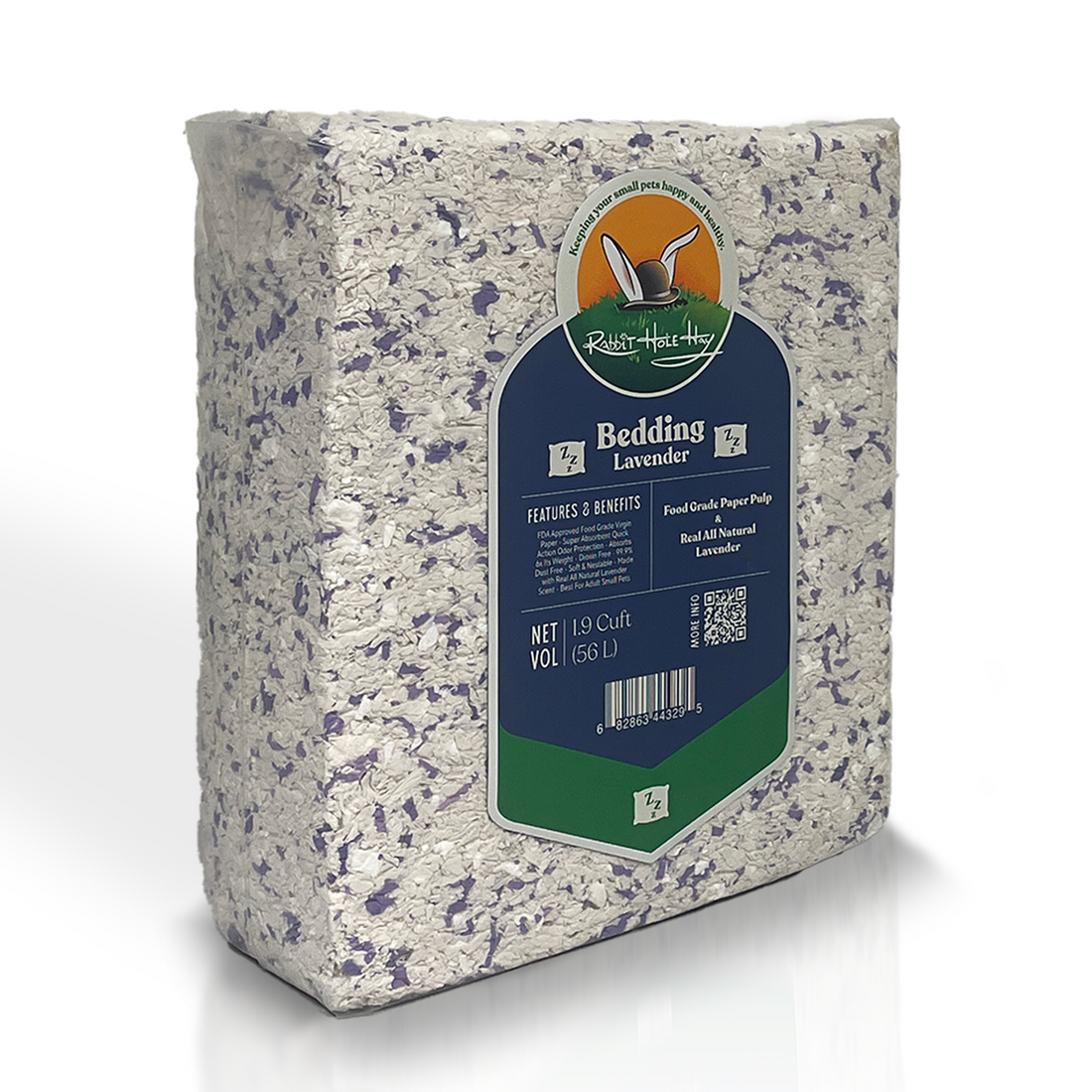
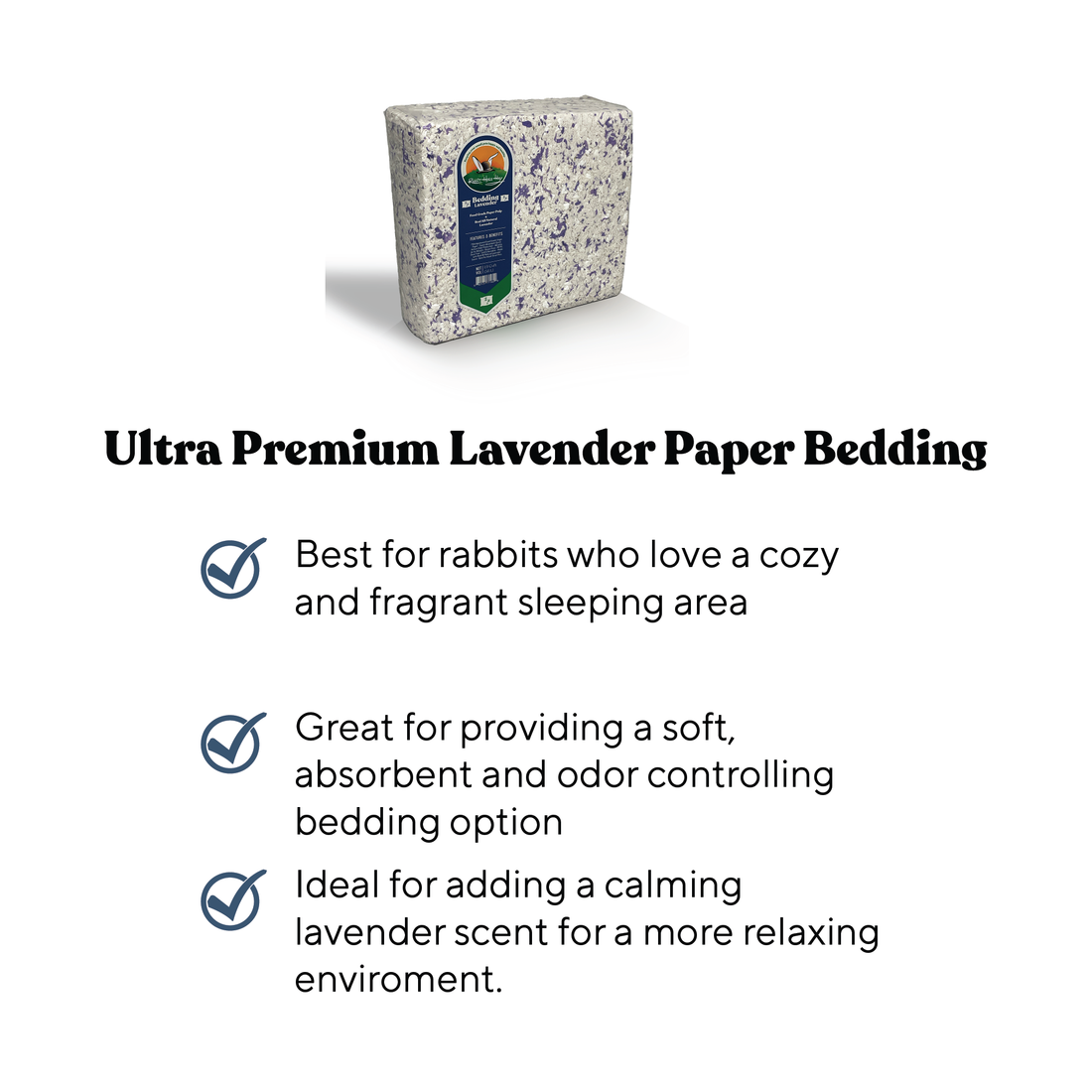
Choose a bedding that's absorbent and safe. Our Ultra Premium Food Grade Bedding is 99.9% dust-free and helps with odor control. Pair it with litter box training, and you've got a cleaner, happier hutch for both you and your bun.
If your rabbit is new to using a litter box or just doesn't seem interested, check out our Guide to Creating the Ideal Litter Box for helpful training tips.
Weatherproofing for Year-Round Rabbit Comfort
If your rabbit lives outside, their hutch must hold up to the elements. That means waterproof roofing, elevated flooring, and insulation. You'll want to line the inside with thick fleece or straw in winter. Add plastic windbreaks over mesh windows to block out cold drafts.
In summer, heatstroke is a major risk. Keep the hutch out of direct sun and provide frozen water bottles inside the hutch for a little cooling relief. For more advice on cold-weather care, visit our blog post on winterizing your rabbit hutch.

Key Takeaways for Choosing Rabbit Hutch Success
Your rabbit's hutch should be roomy—at least 12 sq. ft. for one rabbit, with an attached run if possible.
Choose safe and built-to-last materials, like untreated wood and pet-safe mesh.
Include hideaways, toys, hay feeders, and soft bedding to create a space your rabbit loves.
Whether your rabbit lives inside or outside, make sure the hutch protects them from temperature swings and predators.
Regular cleaning, litter training, and weatherproofing will go a long way in keeping your bun happy and healthy.
Choosing rabbit hutch setups doesn't have to be overwhelming. With the right plan and some thoughtful upgrades, you'll create a cozy home your rabbit will love. A good hutch is more than a shelter—it's the foundation of great rabbit care.





Comments