

































































Rabbits grind their teeth for two very different reasons. Soft, quiet, rhythmic grinding—sometimes called a tooth purr—usually means they feel safe and content, especially if they are stretched out, flopped, or half-asleep while you pet them. Loud, slow, harsh grinding with a hunched back, hiding, or a sudden drop in appetite is often pain. That is the split you are listening for.
Hearing that sound for the first time can spike your heart rate. Fair. Prey animals hide discomfort until it is hard to miss, so volume and body language matter more than the word “grinding” alone. If the sound is loud and the rabbit looks off, call a rabbit-savvy vet the same day—do not wait to see if it “settles.”
We will walk through happy tooth-purr cues, pain red flags, common health causes, and the hay-first habits that lower the odds of dental and gut trouble. For more on everyday rabbit signals, see our guide to understanding rabbit behavior.

What Does Soft Tooth Purring Sound Like?
Happy grinding is quiet. Think soft crackle or gentle chatter—not a scrape you can hear across the room. It often shows up during calm petting, after a good snack of hay, or while your rabbit is dozing with eyes half closed.
Look at the whole rabbit, not just the jaw:
Body loose, stretched, or flopped on a side
Ears resting naturally instead of pinned tight
Breathing easy; no frantic scanning of the room
When that soft sound pairs with a flop, you are usually getting a compliment, not a warning. Your rabbit is settling in—not giving a speech.

Soft tooth sounds also show up in everyday rabbit talk and body language. A grumpy thump is different—loud feet, not jaw music. For foot-stomping moods, use our guide to a grumpy, thumpy rabbit.
How Do I Know If Rabbit Grinding Teeth Means Pain?
Pain grinding is louder, slower, and harder to ignore. Owners often describe it as deliberate or harsh—more “grit your teeth” than “soft crackle.” The body language flips too.
Watch for:
Hunched posture, tucked belly, or sitting still in a corner
Hiding more than usual, or freezing when you approach
Less interest in hay, greens, or favorite chew sticks
Smaller, fewer, or no droppings in the litter box
Teeth grinding that continues even when the room is quiet and nothing nice is happening
Rabbits will try to look fine. By the time the grind is loud and the posture is wrong, treat it as urgent—not as a personality quirk. You are not overreacting for dialing the clinic.

Why Do Rabbits Grind Their Teeth When Something Hurts?
Contentment grinding is a calm-state sound. Pain grinding is closer to an involuntary clench—the same idea as a person locking their jaw when something hurts. The noise is not a polite request. It is tension leaking out through the mouth.
That is why context beats volume alone. A soft purr during a flop is one story. A loud grind from a hunched rabbit who skipped breakfast is another. Same teeth. Very different morning.
Stress can muddy the picture too. A rabbit already on edge may grind more when pain shows up. For environmental stress cues that travel with body language, see signs of stress in rabbits.
What Health Issues Cause Painful Grinding?
Loud grinding is a symptom, not a diagnosis. Several common problems show up this way. None of these are DIY home fixes.
GI Stasis
GI stasis is when the gut slows or stalls. Gas and pain build fast. Tooth grinding can show up early—sometimes before the litter box goes quiet. Watch for no interest in food, lethargy, and missing or tiny droppings. For a clear medical overview, see VCA on gastrointestinal stasis in rabbits. Same-day vet care matters here.
Dental Problems
Rabbit teeth grow continuously. Without steady wear from high-fiber hay, sharp points (spurs) can cut the cheeks or tongue. Every chew hurts. Owners may hear grinding, see selective eating, or notice wet fur under the chin from drooling.
Our guide on overgrown teeth in rabbits covers what vets look for and why hay is the daily file. The House Rabbit Society also keeps a clear primer on rabbit teeth and dental care.
Urinary Discomfort or Bladder Sludge
Internal discomfort around the bladder or kidneys can drive loud grinding too. Clues include straining to pee, chalky or thick urine, frequent litter trips, or a damp, irritated underside. That is a clinic visit, not a wait-and-see weekend.
Arthritis or Mobility Pain
Older rabbits may grind when joints ache—even if the mouth looks fine. Less hopping, stiff rises, and reluctance to use ramps are worth noting for your vet. You are not spoiling them by asking for pain relief options. The RSPCA rabbit health guidance is a plain starting point while you line up rabbit-savvy care.

What Should I Do If I Am Not Sure Which Sound I Am Hearing?
Pull out your phone and record a short clip—sound plus a quick view of posture. Send it to your rabbit-savvy vet. That recording can save back-and-forth and gets a trained ear on the difference between a purr and a pain grind.
While you wait for a reply, write down the basics: last hay meal, last droppings, any new treats, and whether the rabbit is hiding or hunched. If appetite or stools have already dropped, do not sit on it. Call and go in.
When in doubt, treat loud grinding as pain until a vet says otherwise. Guessing “happy clicks” wrong costs more than an exam.
How Can I Lower the Odds of Painful Grinding?
You cannot prevent every emergency, but you can stack the deck toward healthy teeth and a moving gut.
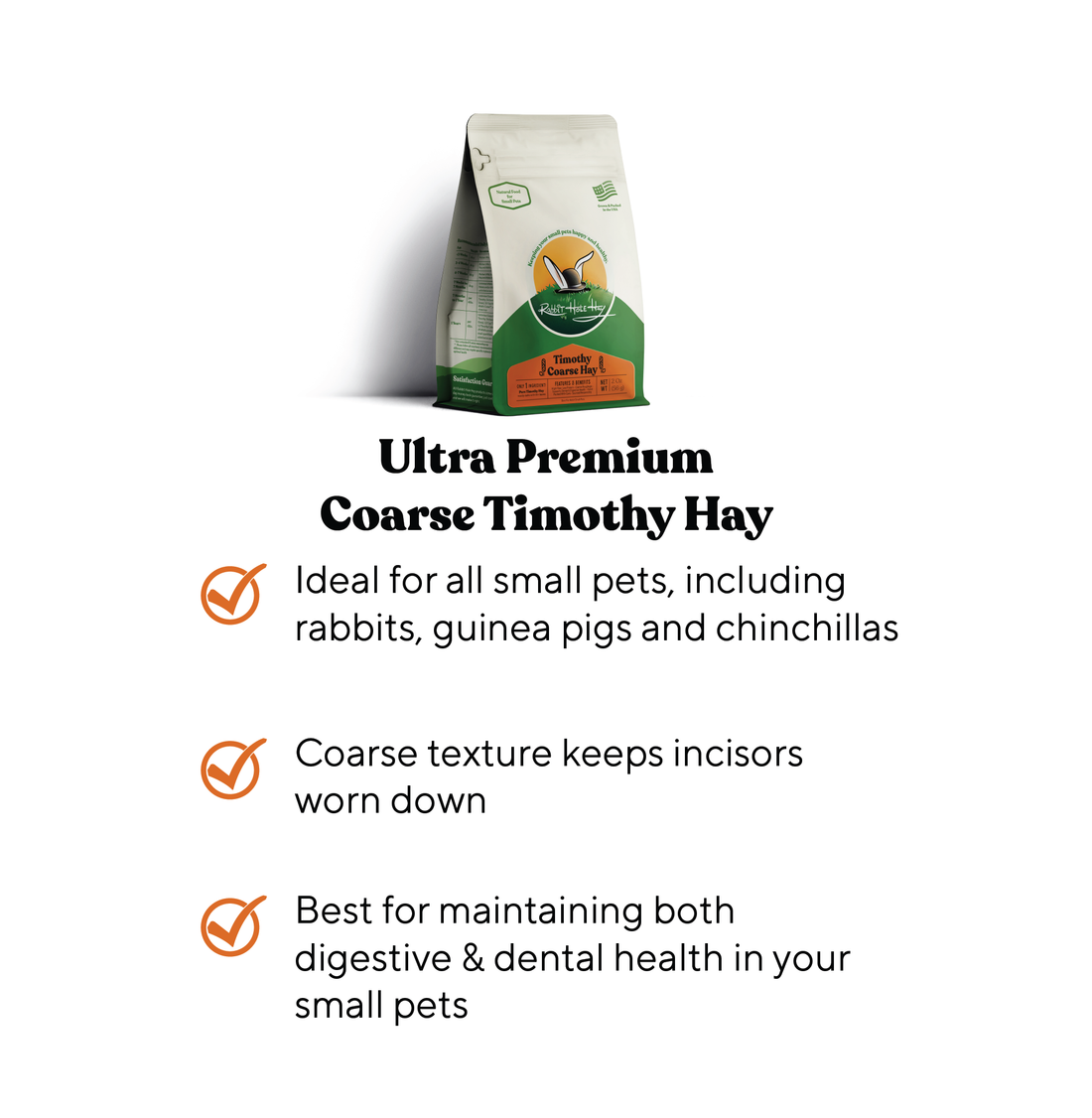
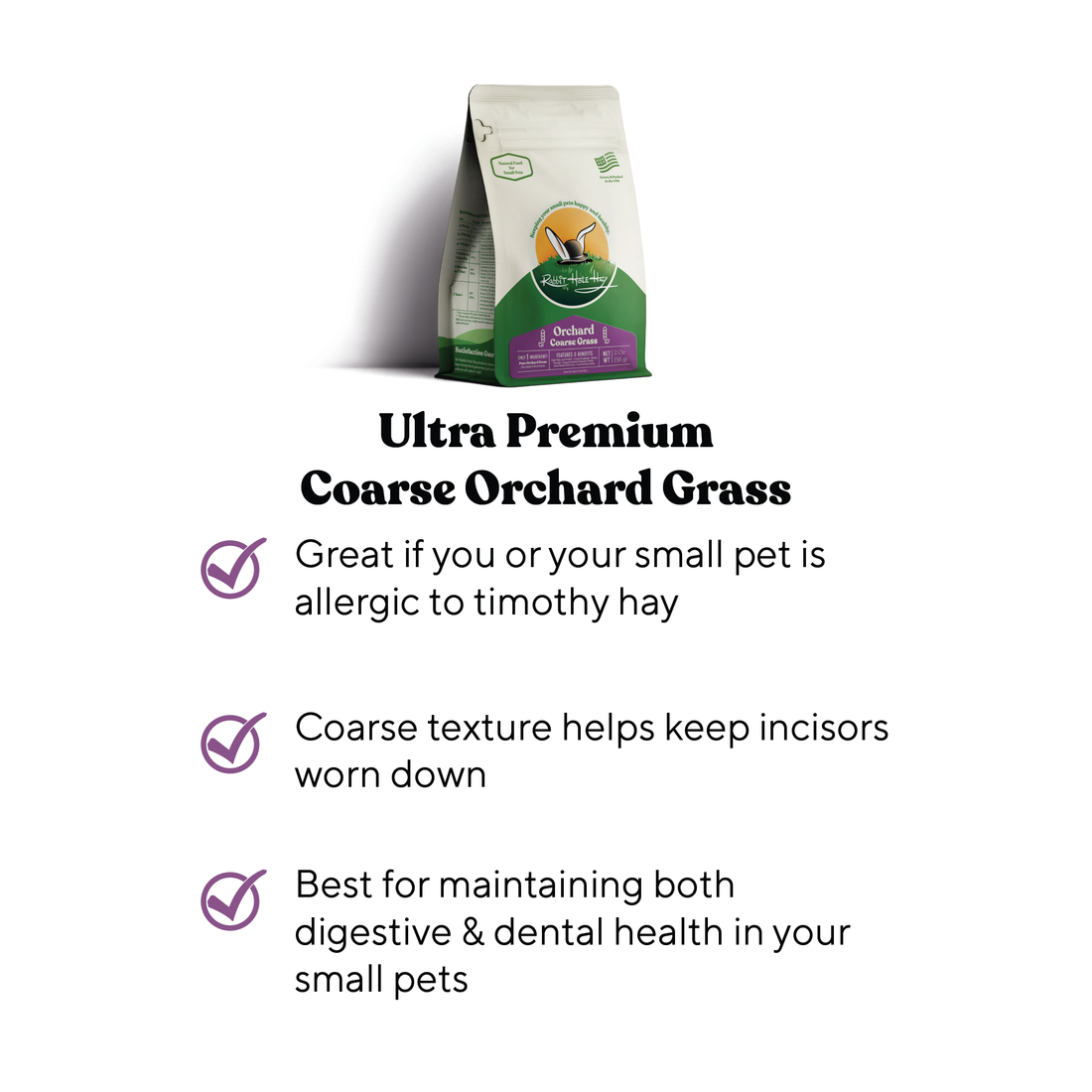
Unlimited grass hay: Adult rabbits need free-choice Timothy or other grass hay so chewing lasts all day. Hay is the engine; pellets and treats ride behind it. Start with the basics on our hay-first diet page, or keep a quality pile of coarse Timothy hay within easy reach.
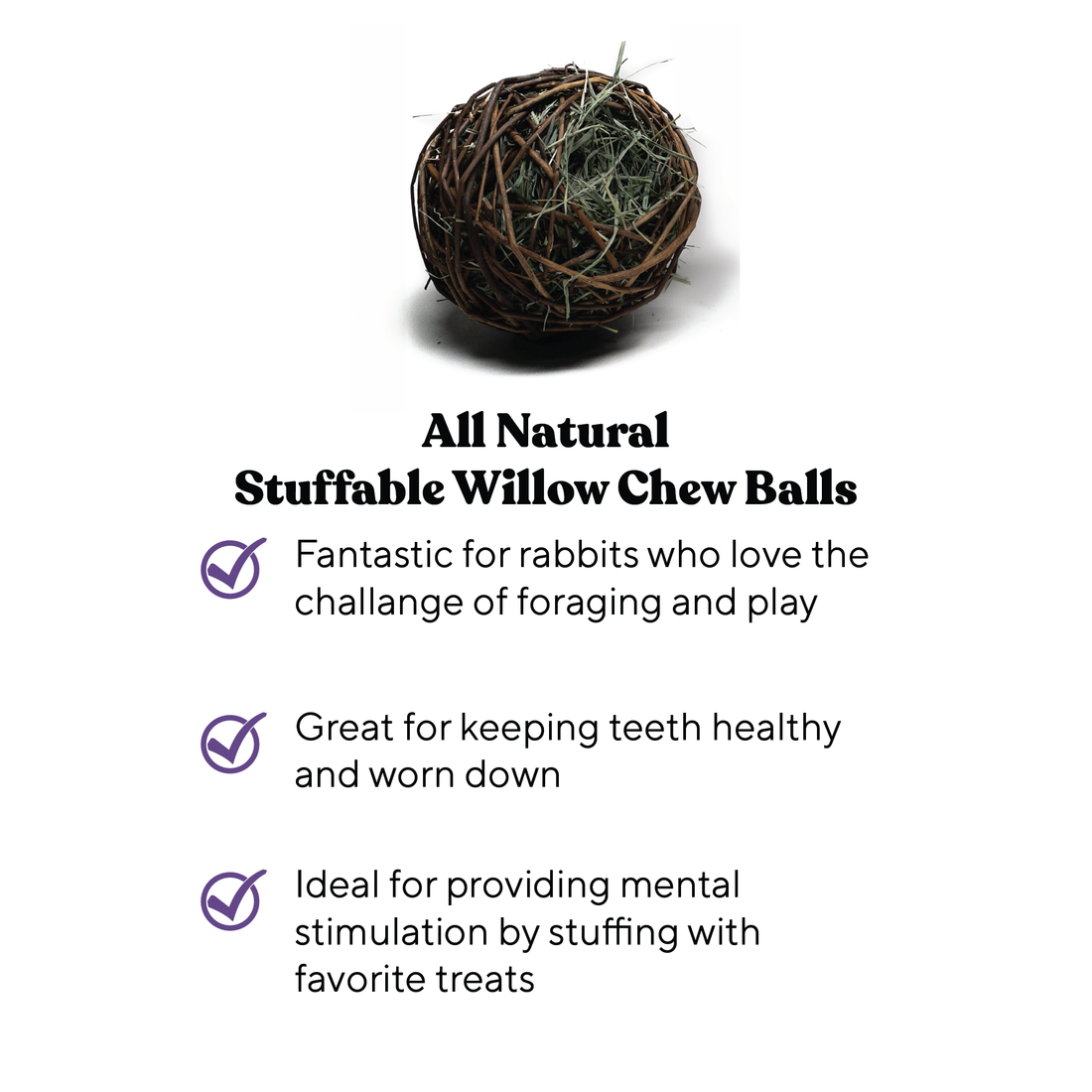
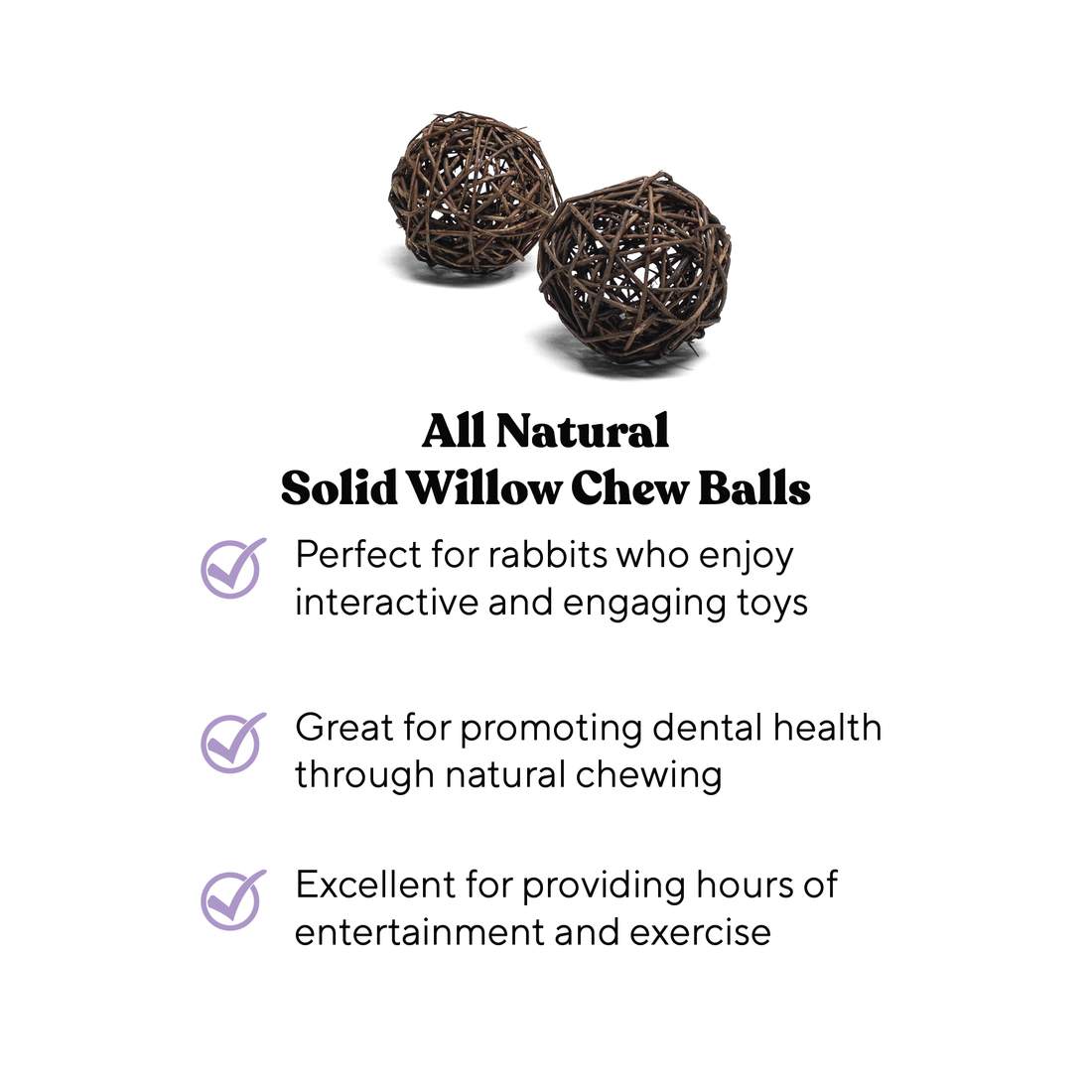
Safe chews: Untreated wood toys and apple chew sticks add wear and give restless jaws something useful to do.
Regular rabbit-savvy checkups: A vet who knows rabbits can catch dental points and early gut slowdowns before grinding becomes the only alarm.
Calm routine and movement: Loud chaos, rough handling, and all-day confinement stress the gut. Daily exercise helps digestion and stiff joints.
Some rabbits are genetically prone to dental trouble. For them, stay nosy in a useful way—watch the hay pile, the litter box, and that quiet-vs-loud sound split every day.
Key Takeaways
Soft, quiet grinding with a relaxed or flopped rabbit is usually contentment. Loud, slow grinding with a hunched, hiding, or appetite-off rabbit is often pain—call a rabbit-savvy vet.
Record the sound if you are unsure. Pair it with posture, droppings, and whether hay is still disappearing. Pain grinding points to problems like GI stasis, dental spurs, urinary discomfort, or arthritis—not to “bad manners.”
Day to day, keep high-fiber hay in front of them and know your rabbit’s normal tooth talk. When you want a simple place to land on diet basics that support teeth and gut together, use our  .
.





Comments