


























































A rabbit or guinea pig can make wonderful pets for the right family or individual. But before you adopt either, realize neither are low-maintenance pets. Both are herbivores that need daily care, a healthy and nutritional diet of fresh hay, and regular trips to the vet to maintain their health.
Click Here For a Beginners Guide to Rabbit Care.

With that in mind, let’s examine the advantages and disadvantages of owning guinea pigs and rabbits.
Similarities Between Guinea Pigs and Rabbits
A rabbit or guinea pig can make wonderful pets for the right family or individual. But before you adopt either, realize neither are low-maintenance pets. Both are herbivores that need daily care, a healthy and nutritional diet of fresh hay, and regular trips to the vet to maintain their health.
With that in mind, let’s examine the advantages and disadvantages of owning guinea pigs and rabbits.
Are You Team Guinea Pig?
Guinea pigs are rodents. They are very smart, and when well-socialized and taught by patient owners, they can learn simple tricks. They are somewhat less needy than rabbits and don’t require as much space.
Guinea pigs tend to be more docile than their rabbit counterparts. They don’t typically bite unless threatened or abused. Guinea pigs are a good choice for homes with small children. However, any animal with teeth can bite, so don’t leave smaller children unattended with them when they’re out of their hutch or enclosure.
Guinea pigs’ lifespans range from five to eight years. They generally have a hardier constitution, making them not as susceptible to disease and sickness as rabbits. They still require annual vet exams to maintain good health.
Guinea Pig Ownership Disadvantages
Guinea pigs are intolerant of cold environments. If you keep them outside in warmer weather, they must be brought inside in cold weather.
They are vulnerable to predation from almost every animal on the food chain.
They can be stinkier than rabbits. Males mark their territory with urine, and the smell can be offensive.
While not nocturnal, they nap frequently and can make a racket at night. It’s usually better to locate their quarters in a room unoccupied by sleeping humans.
None of the above should be deal-breakers, but things to consider based on your living circumstances and lifestyle.
If You’re Team Bunny
Few animals have a greater “cuteness” factor than a fluffy, nose-twitching bunny. They have big personalities yet can be shy and retiring. Your bun will bond with you as long as you take the time to socialize them when they’re young.
Rabbits are not rodents, although they get frequently misclassified as such. Rather, they are lagomorphs. Since rodents often get an undeserved bad reputation, the fact that bunnies aren’t rodents can be a plus.
Rabbits are fastidious. They carry no odor, although their urine has an ammonia-like smell that is more noticeable when it’s fresh. You will need to stay on top of cleaning their hutch frequently or your bun will be miserable.
Rabbits can be indoor-outdoor pets. They are far more tolerant of cold weather than guinea pigs, and the colder temps tend to energize them. When they exercise in colder weather, it’s fun to watch them do “binkies.” These spontaneous twisting leaps and vertical jumps are an expression of joy and a good way for your bun to burn off energy.
Rabbit Ownership Disadvantages
Indoor rabbits can live as long as a dozen years. While that can be a positive quality, it is something to consider if you are getting a rabbit for a child. Will the excited 10-year-old begging for a bunny be as enthusiastic about its care in their teens or early 20s? It’s always best to know that rabbits are family pets, not just a small pet you give to your child.
Bunnies have much more fragile systems than guinea pigs and can require more frequent (and expensive!) veterinary care. It’s always best to have an emergency vet fund.
They are prey animals that may be miserable living with predator animals like dogs and cats. They can learn to cohabit but should never be left alone with them.
Bunnies bond with their owners and most of them love to snuggle and cuddle. Make sure you have the time and temperament to reciprocate their devotion.
While bunnies enjoy colder environments, they are very susceptible to heat stress. If you are planning on keeping your bun indoors, keep their hutch in a cooler environment like a basement or a room with the heating vents shut in all but the coldest Bunnies are more likely to bite than guinea pigs. And being larger, they can do some damage, especially to small children.
Despite the above, bunnies make wonderful pets, just like guinea pigs do.
A Healthy Diet Is Important for Your Rabbit or Guinea Pig
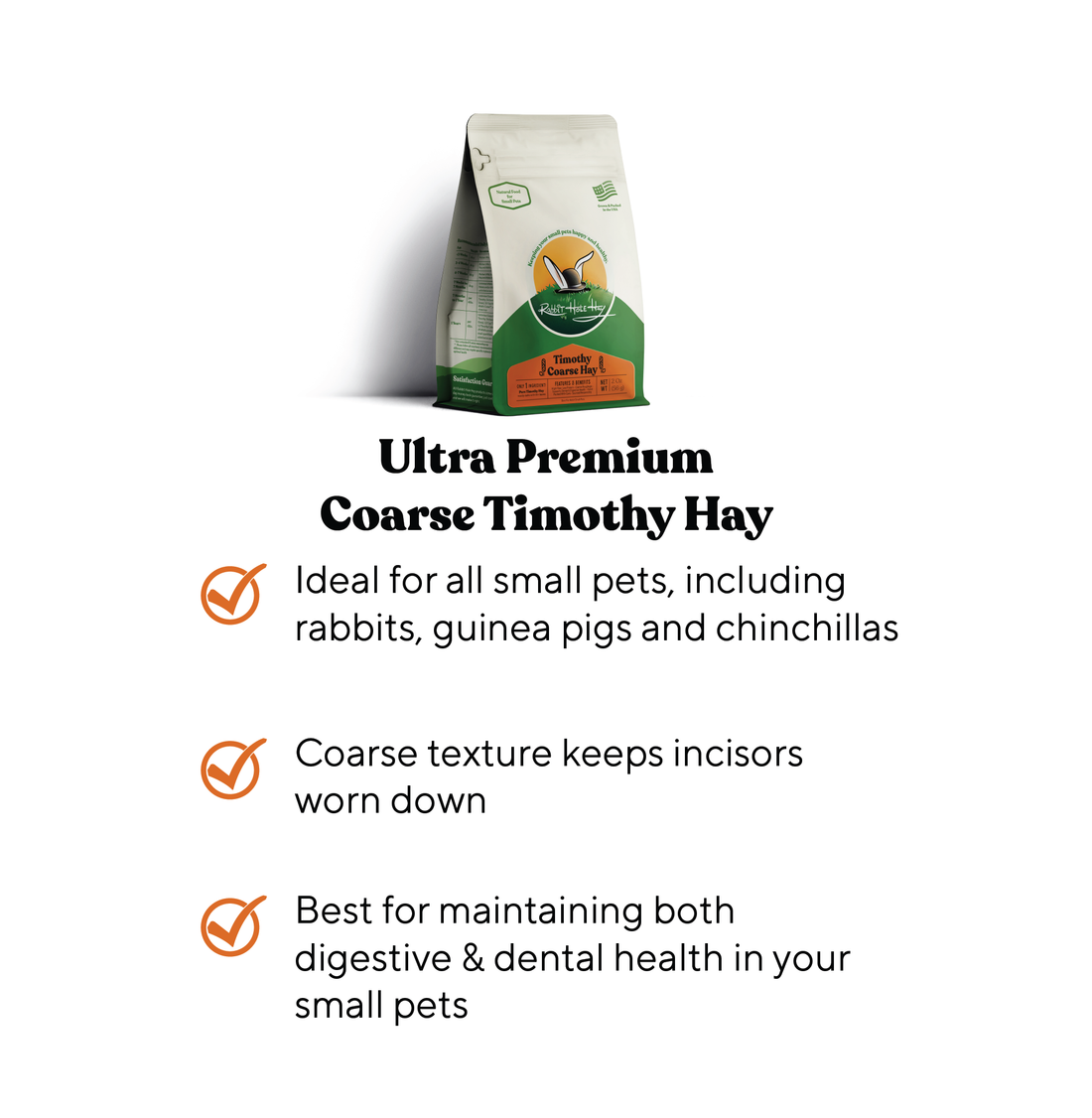
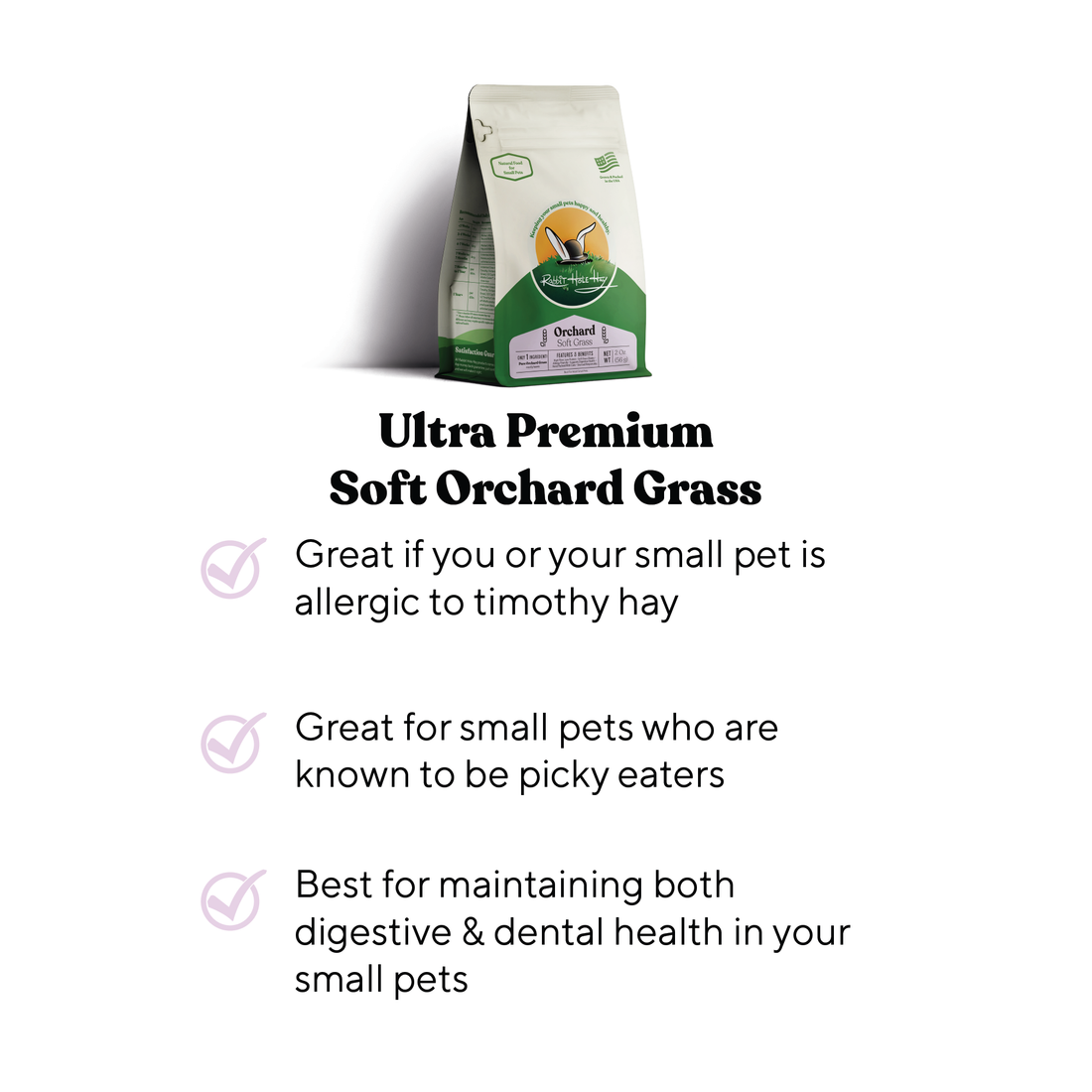
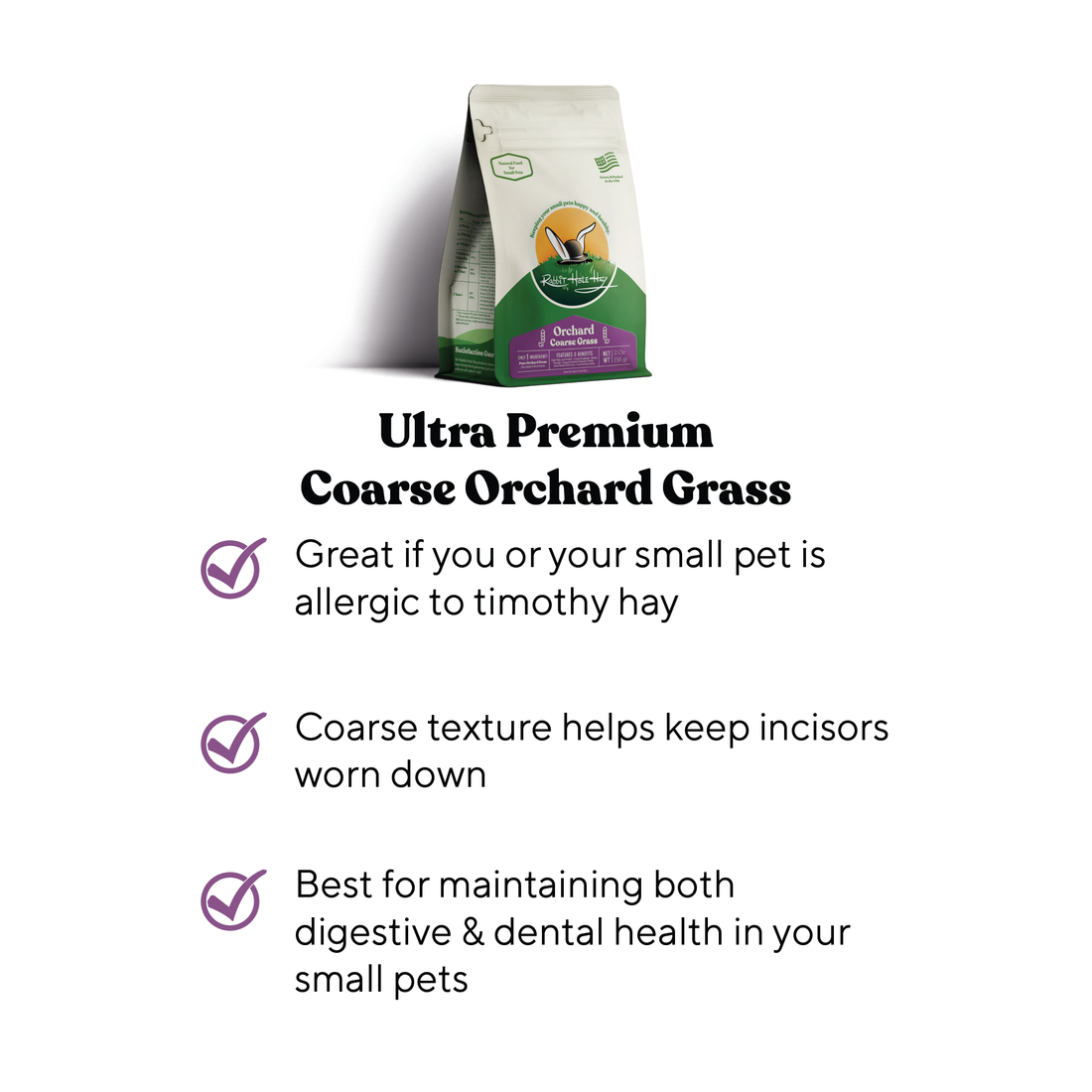
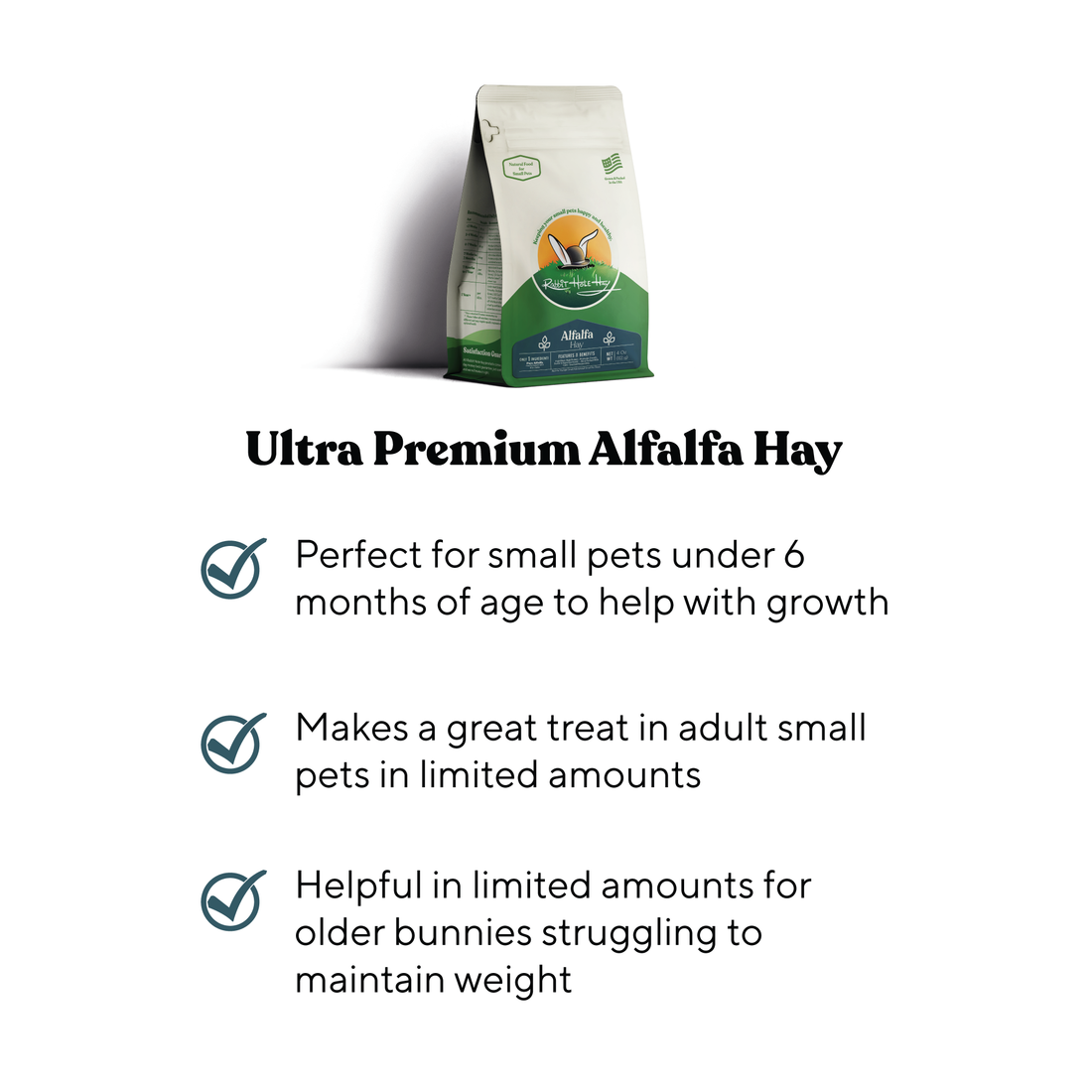
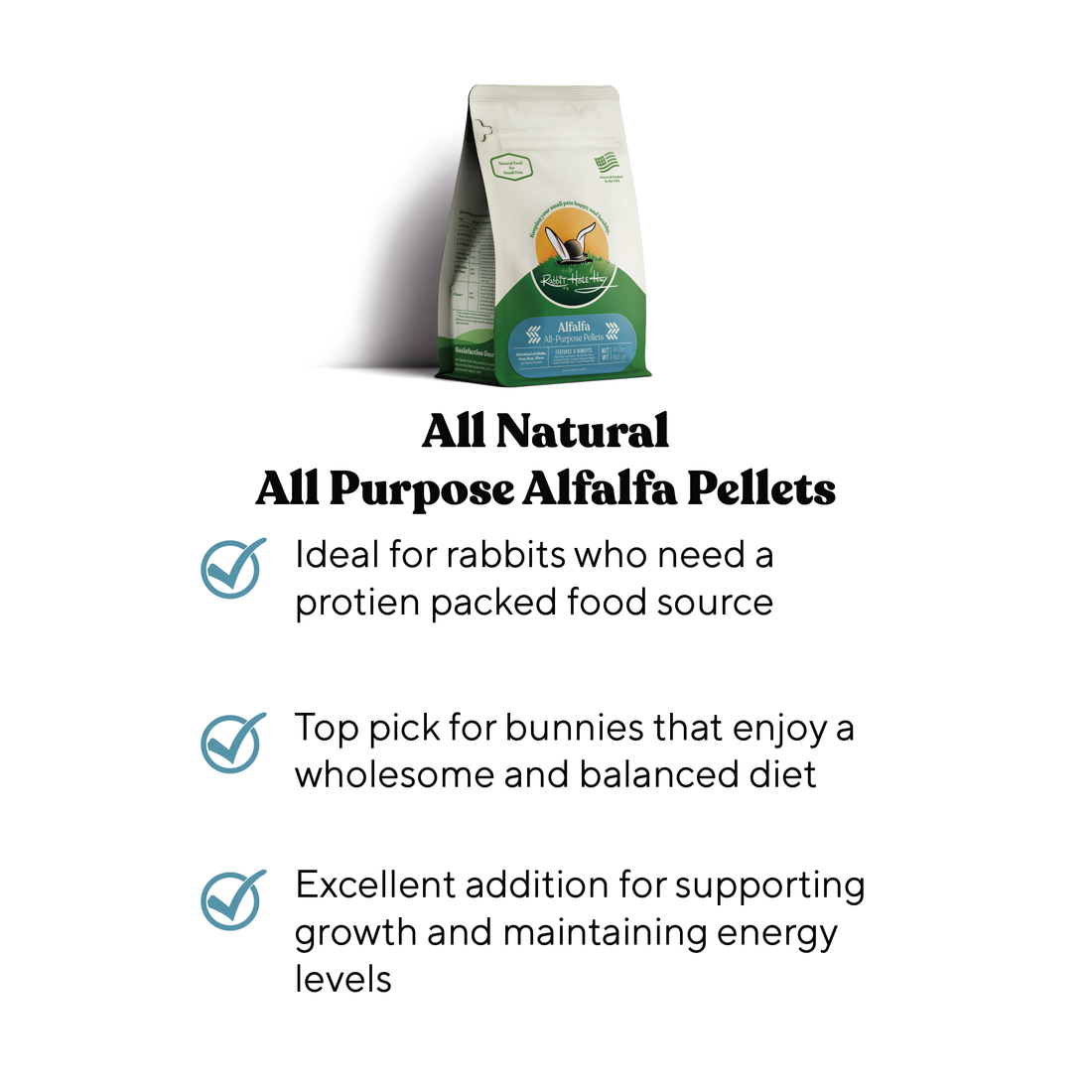
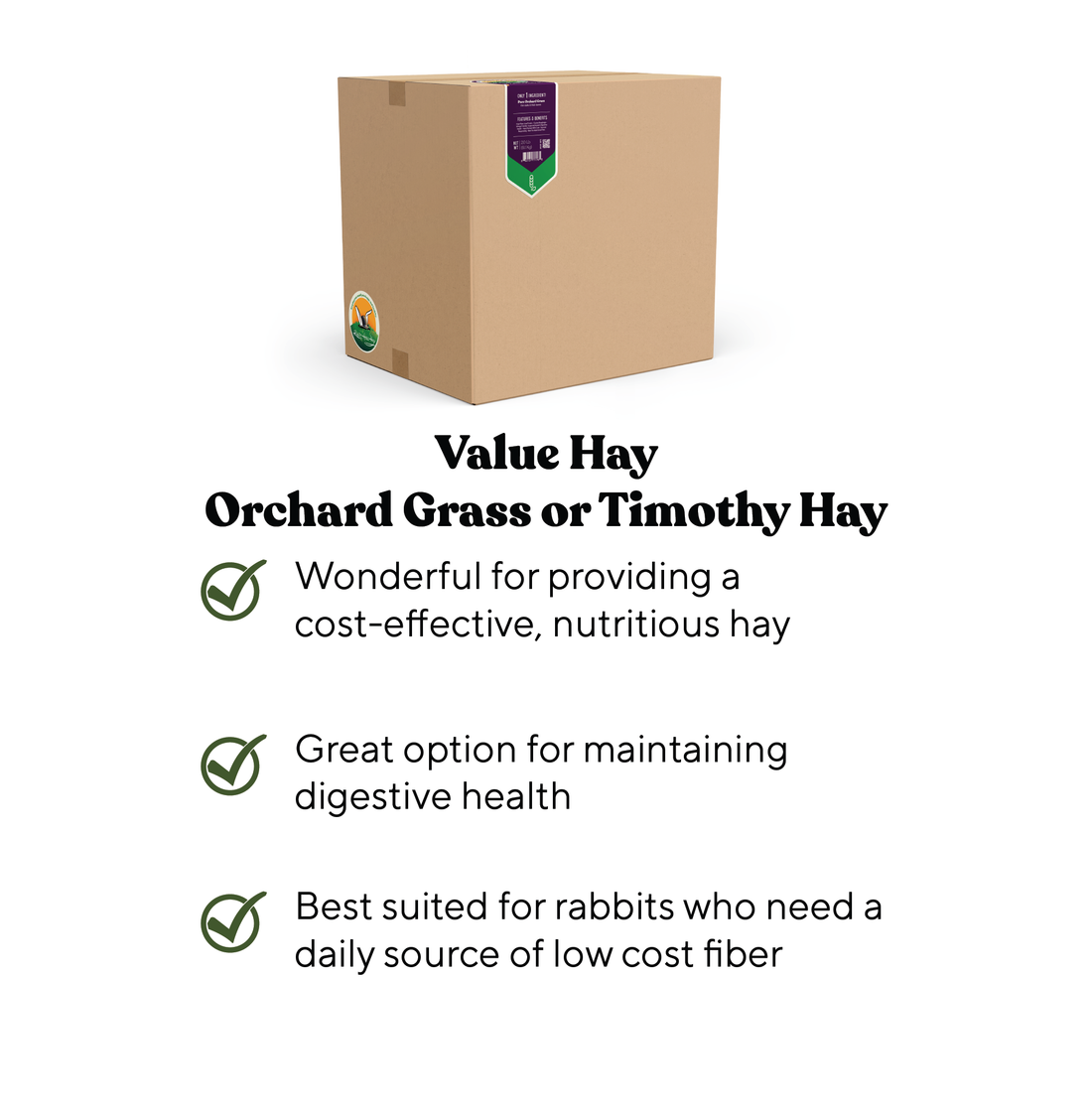
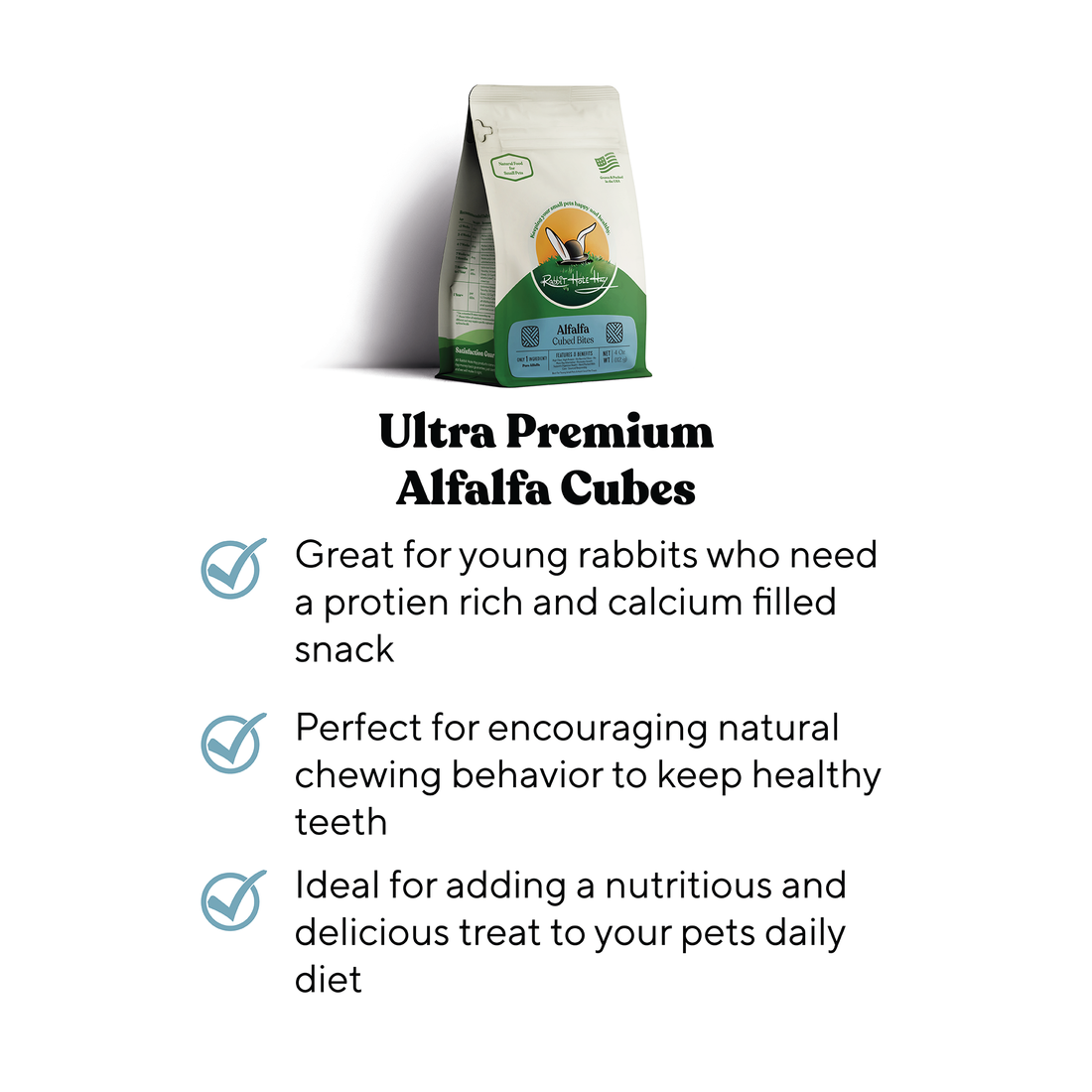
One way to reduce the cost and frequency of trips to the vet for bunnies and guinea pigs is to provide them with a steady supply of fresh, quality hay from Rabbit Hole Hay.
Our hay grows naturally in the rich topsoil found only in the mountain valleys of Southern Oregon and Northern California. Even better, our company ships our fresh product right to your doorstep in scheduled deliveries that assure you will never run out of hay for your guinea pig or rabbit.
Our convenient delivery service saves time and money while assuring your pet gets the quality nutrition they need to thrive.






Comments